
Review · NEPAL
Mardi Himal Trek -5 Day Short Trek From Pokhara
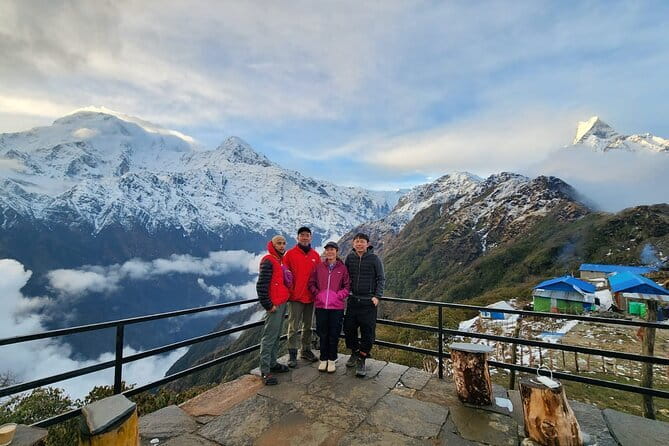
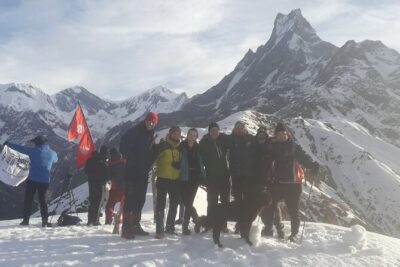
Mardi Himal is the Annapurna region’s quieter alternative to the major trekking routes. In five days, you move from Pokhara’s Lakeside area into rhododendron forest, open high-country grassland, and mountain villages, finishing beneath Mardi Himal and the sharp profile of Machhapuchhre, also called Fishtail.
I like two things here: the route gives you big Himalayan views without a long expedition, and the included guide, lodging, transport, permit, and meals keep the planning fairly simple. The main caution is the pace. A listed trekking day can run up to 12 hours, and the steep descent to Siding may be hard on tired legs.
Key points at a glance
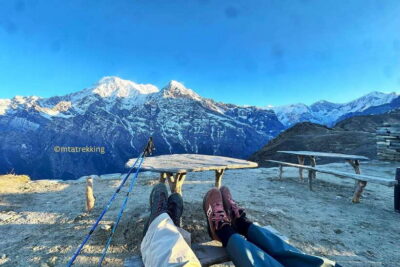
- Mountain views from Mardi Base Camp: Look toward Mardi Himal, Annapurna I, Annapurna South, Hiunchuli, Baraha Shikhar, Machhapuchhre, and Lamjung Himal.
- A quieter Annapurna route: Walk beyond the busy Pokhara area through forest, grassland, and smaller settlements.
- Gurung and Magar culture: The descent to Siding gives you a look at traditional Gurung village life.
- A demanding short schedule: Five days saves time, but the itinerary includes long walking days and a steep downhill section.
- Useful inclusions: Private transportation, a guide, trekking permit, accommodation, and most meals are covered.
- Small private format: Your group alone takes part, with no more than 10 people per booking.
Why Mardi Himal works as a short Annapurna trek
The attraction is simple: you get a concentrated taste of Nepal’s mountain country without committing to a two-week route. Starting near Pokhara, the trail moves into the Annapurna region and climbs toward viewpoints facing Mardi Himal and Machhapuchhre.
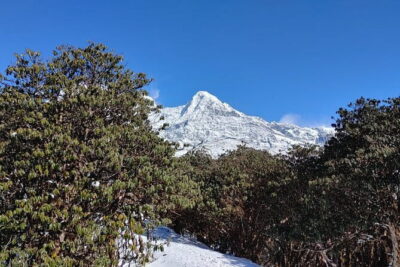
The scenery changes quickly. Lower sections pass through lush rhododendron forest, while higher ground opens into grassland with wider views of the peaks. You also pass settlements tucked among the hills, which gives the walk a human side beyond the usual mountain panorama.
The route is especially appealing if you want something less familiar than the main Annapurna Circuit or Annapurna Base Camp paths. Less familiar does not mean easy, though. The highest walking point is listed at about 3,532 meters, or 11,588 feet, and weather can change sharply at that height.
I would not treat this as a casual hill walk. Fitness helps, but altitude affects people in unpredictable ways, regardless of age or experience. The operator requires medical travel insurance with emergency repatriation, and you should discuss the trek with your doctor before booking.
More Mardi Himal Treks in Nepal:
- Pokhara: 4-Day Mardi Himal Trek
★ 4.9 · 59 reviews - Private Mardi Himal Trek
★ 5.0 · 42 reviews - Mardi Himal Trek
★ 5.0 · 41 reviews
Day 1: Lakeside is your launch point
The meeting point is in Pokhara Lakeside, at 7:45 am. Private transportation is included, which is useful because you do not need to arrange the initial transfer yourself.
The published first day only identifies Lakeside as the stop, so confirm the exact driving plan and overnight arrangement before departure. The listed inclusions provide four nights of accommodation, four breakfasts, five lunches, and four dinners, but the day-by-day schedule does not spell out every transfer or overnight location.
That small gap matters. A good pre-trip conversation should confirm where you sleep on the first night, where the vehicle drops you, and how the final return to Pokhara is handled after Siding. The operator says extra luggage can be left at a hotel in Kathmandu or Pokhara and collected later, a practical benefit if you are carrying bags for a longer Nepal trip.
Day 2: The long climb toward Low Camp
The second day takes you toward Low Camp at 2,970 meters. The listed duration is up to 12 hours, so this is the day to take seriously.
You will spend much of the walk moving through forest and changing mountain scenery. Rhododendrons are one of the visual signatures of the route, and the trees offer shade before the trail reaches more open ground. The exact feel of the day will depend on trail conditions, weather, and the pace of your group.
Low Camp is more than a sleeping stop. It marks the point where the route begins to feel properly alpine, with the forest giving way to clearer views and cooler conditions. Still, do not rush the climb. Keep water and warm layers easy to reach, and tell your guide early if you develop a headache, nausea, unusual fatigue, or breathing trouble.
The guide leaders receive basic first aid training and know the closest medical facilities. That is reassuring, but it is not a substitute for insurance or sensible pacing. If the guide advises slowing down or changing the plan, take that advice seriously.
Day 3: From forest to High Camp
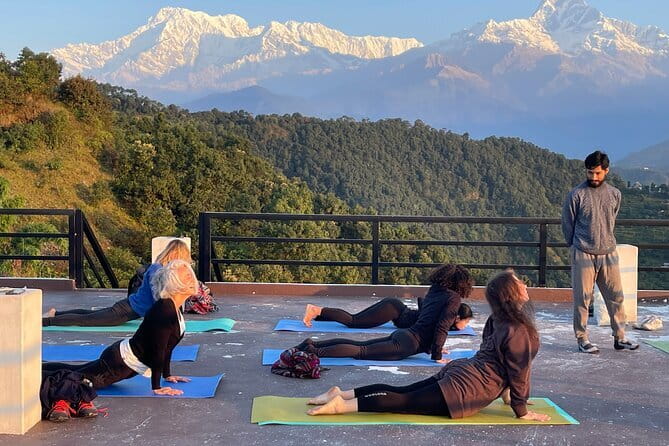
The next stretch leaves the thicker forest behind. You follow open fields and grassland toward High Camp, where the views across the Annapurna range become the main event.
The schedule describes this walking day as shorter than the previous one, although it also lists a 12-hour duration. I would ask the operator how long your specific group is expected to walk. It may reflect a maximum day length rather than a fixed time on the trail, but the published details are not perfectly consistent.
High Camp is valuable because it gives you a mountain base for the early walk toward Mardi Base Camp. You do not need to pack and move onward immediately, so you can use the afternoon to rest, enjoy the views, and prepare for the next morning.
The scenery here includes the Annapurna massif and Machhapuchhre. Clouds can hide the peaks, especially in changing weather, so keep your expectations flexible. The mountain view is a major reason to take this route, but the Himalayan sky does not follow a booking calendar.
Accommodation on trek is included. Specific lodge standards are not stated, so expect practical mountain accommodation rather than hotel comforts. Bring a headlamp, warm layers, and a power bank as sensible personal items, and confirm with the operator what bedding and charging facilities are available.
A few more treks around Nepal worth a look
- Annapurna base camp trek 5 Days
★ 5.0 · 252 reviews - Kathmandu to Annapurna Base Camp (ABC) 5-Day Trek
★ 5.0 · 102 reviews - Kathmandu/Pokhara: 5-Day Annapurna Base Camp (ABC) Trek
★ 4.9 · 72 reviews - Pokhara: 5 Day Annapurna Base Camp Trek & Natural Hot Spring
★ 4.9 · 44 reviews
Day 4: The early walk to Mardi Base Camp
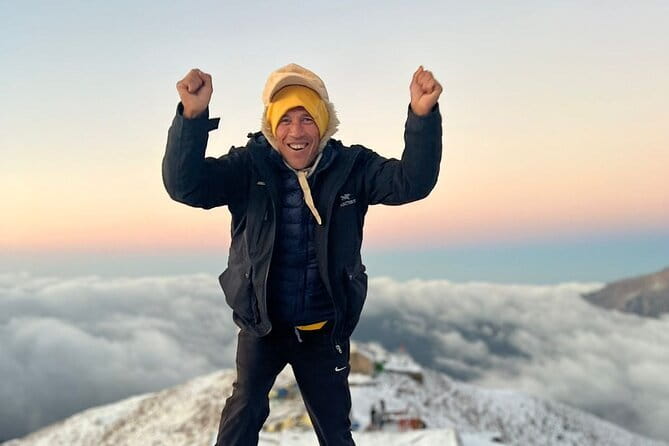
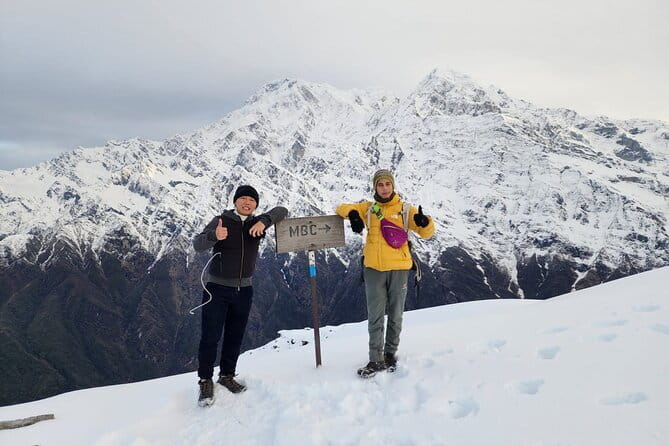
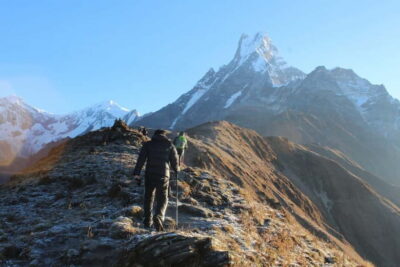
Day four is the visual high point. You start early from High Camp and climb toward Mardi Base Camp. The trail is uphill, but the walking section to the upper viewpoint is optional.
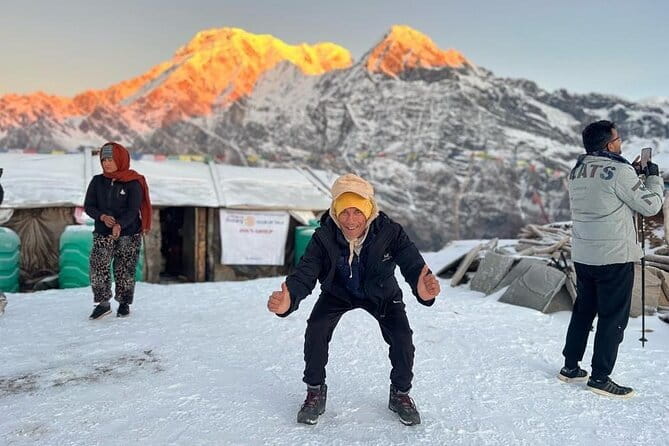
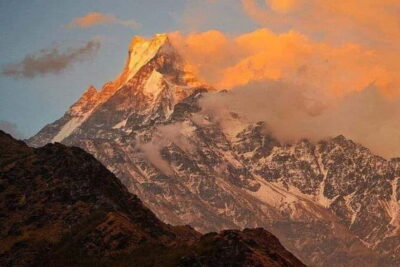
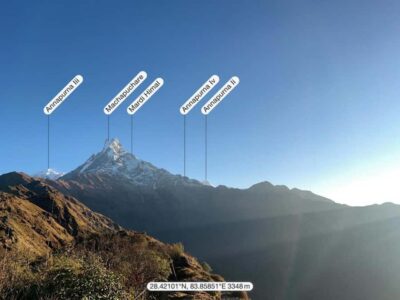
That option is useful. You can choose to reach the upper viewpoint if conditions and energy allow, or stop at a lower viewpoint with broad mountain scenery. The route looks toward Mardi Himal at 5,553 meters, Annapurna I at 8,091 meters, Annapurna South at 7,219 meters, Hiunchuli at 6,441 meters, Baraha Shikhar at 7,647 meters, Machhapuchhre at 6,997 meters, and Lamjung Himal at 6,983 meters.
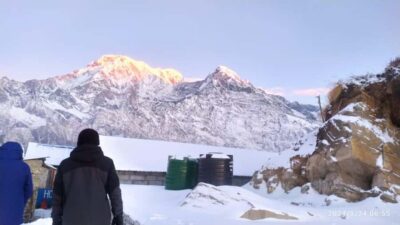
Sunrise is one of the strongest reasons to begin early. Light changes quickly across the peaks, and the morning often gives you the best chance of seeing the range before clouds build. You will need warm clothing for the start, even if the lower sections of the trek feel mild.
The plan says you return to High Camp for the night, with the option to continue toward Badal Danda or Low Camp. That flexibility can help the guide match the route to weather and group condition, but it also means your exact overnight stop may not be fixed in advance. Ask where you are likely to sleep and how that affects the following day.
One point is worth stressing: reaching Mardi Base Camp is not the same as climbing Mardi Himal itself. This is a trekking viewpoint experience beneath the mountain, not a mountaineering expedition to its summit.
Day 5: Down to Siding and village life
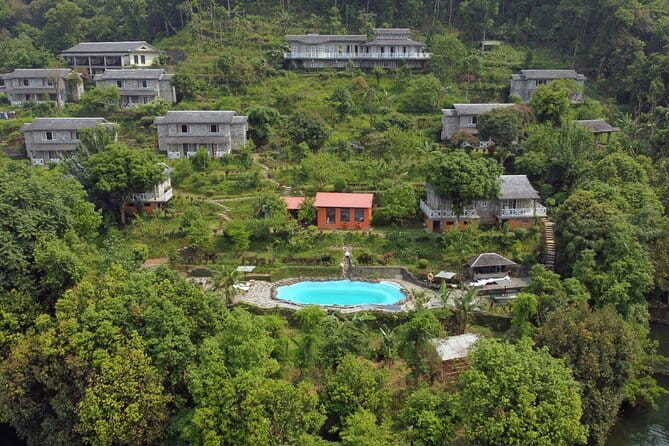
The final walking day descends to Siding, a traditional settlement associated with the Gurung community. The route is mostly downhill, but downhill does not mean easy.
A steep descent, especially over stone steps, can be rough on knees and thighs after several days of climbing. One past itinerary was considered more comfortable when extended to six days with an easier descent, so you should think carefully about the five-day version if you dislike steep downhill walking.
Siding gives the trek a strong cultural finish. You can see traditional village patterns and the everyday life of an ethnic Gurung community rather than simply returning by vehicle from a trailhead. The overnight stay is listed in Siding, but the schedule does not describe the onward transfer to Pokhara. Confirm that final transport before setting out.
The trek also highlights Gurung and Magar communities more broadly. You should approach these villages with the usual care: ask before taking photographs, respect homes and religious spaces, and remember that the village is a living community, not a stage set for a trek.
The mountain views are the main reward
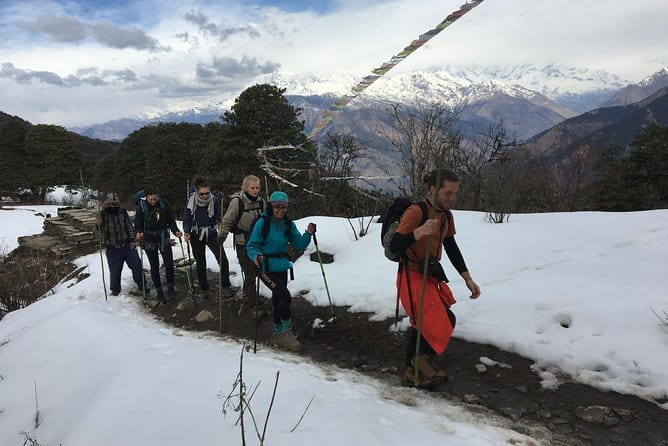
Mardi Himal gives you a good spread of Himalayan scenery in a short period. The appeal is not just one peak. You may see a line of major summits, with Machhapuchhre often drawing the eye because of its distinctive pointed form.
The route’s changing elevation makes the views feel earned. Forest limits the sightlines lower down, then grassland opens the horizon near High Camp. That gradual change is one reason I prefer this route to a trek that offers only a single viewpoint reached by transport.
Sunset and sunrise are both promoted as highlights. In practice, weather controls the show. Plan for cold mornings, carry waterproof protection, and treat clear views as a bonus rather than a guarantee.
What the $499 price really covers
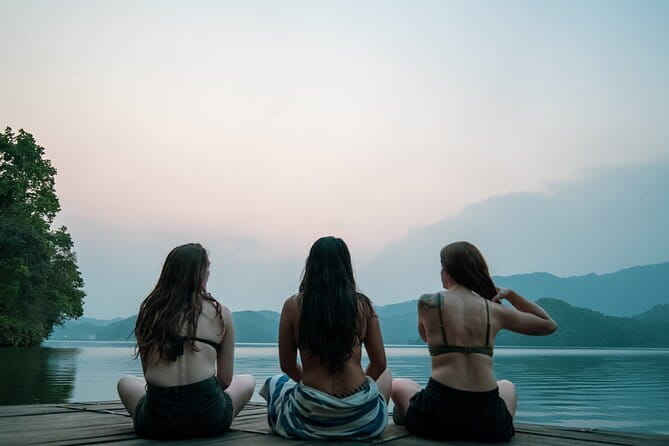
At $499 per person, the value depends on how much independent planning you want to avoid. The price includes private transportation, a tour guide, trekking permit, accommodation, four breakfasts, five lunches, and four dinners.
That is a useful bundle for a private trek. You are not only paying for a route plan, but also for local coordination, permits, lodging, meals, and support at altitude. A private group also gives you more room to discuss pace and route choices than a large shared departure.
Personal expenses are not included. The details do not list exact exclusions, so ask about drinks, snacks, equipment rental, tips, extra transport, and any personal costs before you leave. Trekking gear can be bought or rented in Kathmandu or Pokhara, and the guide can help arrange it.
The group limit is 10 people, and the activity is private to your party. That is a good fit for families, couples, and friends who want to walk together. The minimum age is five, but the altitude and long days make the practical suitability of a young child a separate question for the parent and doctor.
Guides, support, and the human side of the trek
The guide can make a major difference on a short trek. You have little spare time for a slow adjustment, route confusion, or poor pacing, so communication matters.
Named guides on past departures include Raj, Sim, Varat, Subas, and Ashok. Experiences associated with these guides included support for first-time trekkers, help with altitude and mountain routines, and practical assistance such as removing leeches during wetter conditions. Guide assignment is not guaranteed, so treat these names as examples rather than a promise that one particular person will lead your group.
A good guide should help you judge when to continue, when to rest, and when the upper viewpoint is not worth the effort. The operator says all leaders have basic first aid training and know the nearest medical facilities, which is useful support on a route with changing weather and limited access.
You should still carry your own essential medication and make sure your insurance covers emergency evacuation and repatriation. Proof of insurance is required on the first day.
Who should book the five-day version?
I would choose this trek if you have limited time in Pokhara, want mountain scenery without a long expedition, and are comfortable with demanding walking days. It also suits people who prefer a private group and want meals, lodging, permits, and transport arranged together.
I would hesitate if you are new to altitude, have concerns about steep descents, or want a slow cultural walk with plenty of time in each village. In that case, ask about extending the trek to six days. The extra day may make the descent more manageable and give you more room if weather delays the high viewpoint.
The route can suit a first serious trek if you prepare properly. Earlier departures included first-time trekkers who found the walk manageable with supportive guides, but that does not remove the need for training. Build up with long uphill and downhill walks before arriving, and break in your boots.
Practical details before you go
The operator offers free cancellation up to 24 hours before the start time. Inside that window, the amount paid is not refunded and changes are not accepted.
Visa requirements are your responsibility. Visas may be obtained from an embassy or on arrival at Tribhuvan International Airport in Kathmandu. If you plan to obtain a multiple-entry visa at the airport, allow time for queues and carry two passport photographs.
Service animals are allowed, and the starting point is near public transportation, though private transport is included. The activity is described as suitable for most people, but that should not be read as an easy rating. The altitude warning is clear, and the route’s long days deserve respect.
Should you book Mardi Himal?
Book it if you want a compact Annapurna trek with excellent mountain viewpoints, village contact, and the convenience of an organized private service. The route offers real variety: forest, grassland, high viewpoints, and Gurung settlement life.
Before paying, confirm three things: the exact first-night arrangement, the expected walking hours on days two and three, and the transport plan after Siding. If you are concerned about the steep descent, request a six-day version or ask what easier alternatives are available.
For a fit walker with five days to spare, this is a strong introduction to Nepal’s high country. For anyone seeking a relaxed pace, the same route may be better with one extra day.
FAQ
How long is the Mardi Himal trek?
The experience lasts approximately five days.
Where does the trek start?
The meeting point is in Pokhara Lakeside at 7:45 am, at 6X84+3JQ, Lakeside Road, Pokhara 33700, Nepal.
What altitude does the trek reach?
The trip information warns of walking at approximately 3,532 meters, or 11,588 feet, above sea level.
Is transportation included?
Yes. Private transportation is included, although the schedule does not provide full details for every transfer.
What meals are included?
The package includes four breakfasts, five lunches, and four dinners.
Is accommodation included?
Yes. Accommodation during the trek is included. The itinerary lists overnight stays at High Camp and Siding, though not every night is described in detail.
Can I cancel for a full refund?
Yes, if you cancel at least 24 hours before the experience start time. Cancellations within 24 hours are not refundable.
Just added around Nepal
- Everest Base Camp Trek★ 5.0 · 3 reviews
- Everest Base Camp Trek★ 5.0 · 7 reviews
- 15 Days Private Everest Base Camp Trek★ 5.0 · 30 reviews
- 14 Days of Adventure Trekking to Everest Base Camp★ 5.0 · 2 reviews
- 14-Day Everest Base Camp Trek★ 5.0 · 20 reviews
- Everest Base Camp Trek★ 5.0 · 57 reviews
- From Kathmandu: Private 14-Day Everest Base Camp Trek★ 5.0 · 20 reviews
- 14 Days Everest Base Camp Trek★ 5.0 · 4 reviews
Mardi Himal Treks, compared.
Pkr. Backpacker Group Dep.: 4 Day Mardi Himal Base Camp Trek
Read our review →Browse the lists this trek appears in