
Review · POKHARA
Pokhara: 4-Day Mardi Himal Trek
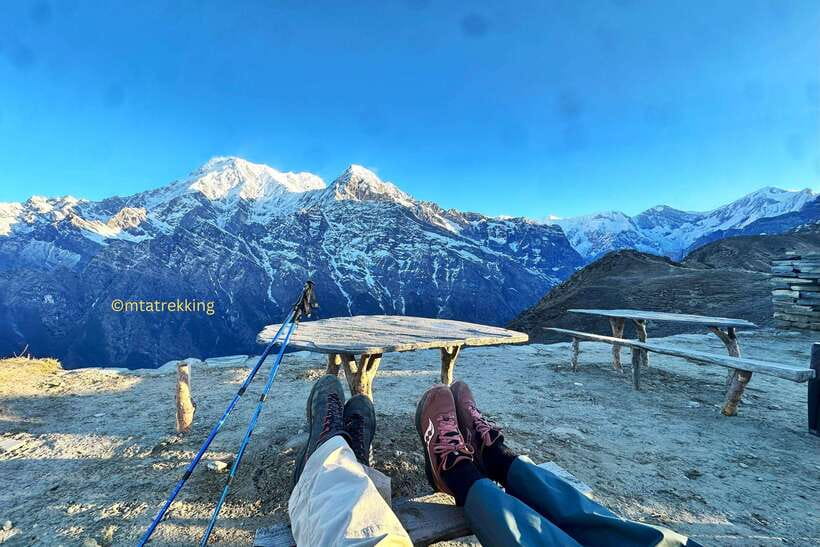
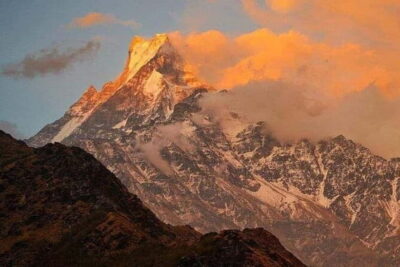
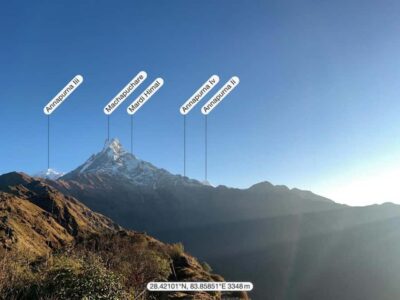
The best part of this trek is the sunrise above Machhapuchhre, or Fishtail, with Annapurna South and Mardi Himal filling the horizon. I like the steady change in scenery, from terraced fields and forest to open alpine slopes, and I like the personal care from guides such as Ramit, Kaji, Prabit, Lalit, and Shishir. They are often praised for setting a sensible pace and checking on health.
The main catch is the tight schedule. Four days means long walking days, many steps, and a quick rise from Pokhara to more than 4,000 meters. I also want you to check which package you are buying: meals are included only in the Full Package, while the Standard Package covers accommodation but not food.
Key points to know before you book
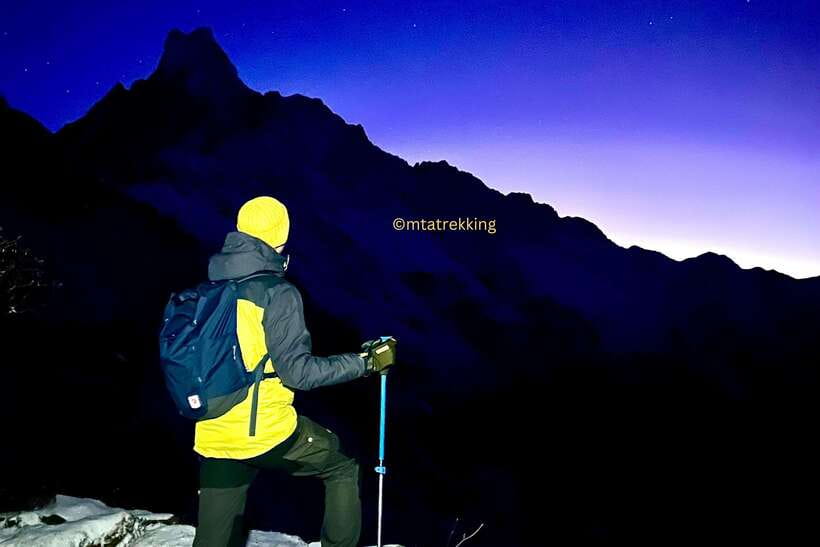
- Sunrise at about 4,200 meters: The early hike above High Camp offers the trek’s finest mountain views.
- A short trek with serious uphill work: Four days suits fit beginners, but the repeated stone steps are tiring.
- Forests before high mountain country: Expect rhododendron woods, birds, butterflies, waterfalls, bridges, and open ridges.
- Optional Mardi Himal Base Camp: The roughly 4,500-meter section depends on weather and snow conditions.
- Private group with guide support: English and Hindi-speaking guides handle the route, lodges, transport, and permits.
- Good headline price, but check extras: The $139 rate is attractive, though meals in the Standard Package and porter service cost extra.
Why Mardi Himal works so well from Pokhara
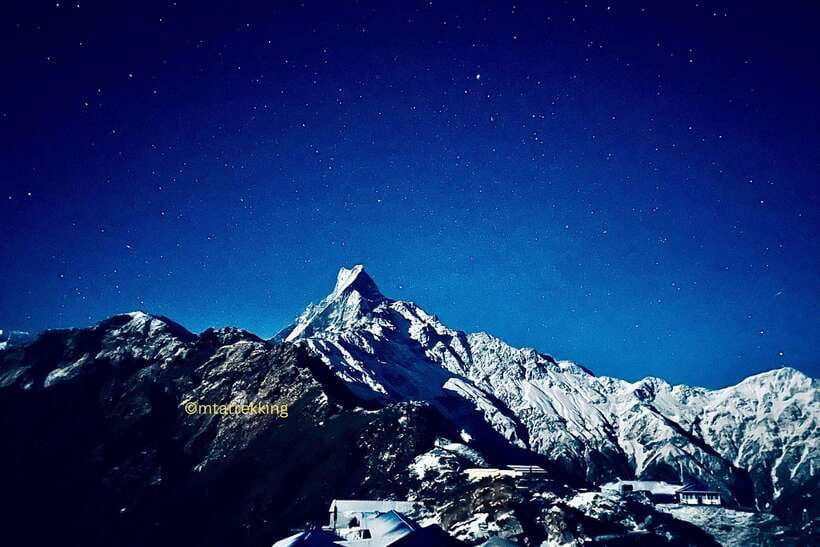
Mardi Himal gives you a taste of high Himalayan trekking without requiring a long expedition. You begin near Pokhara, Nepal’s main base for Annapurna trips, and reach forest camp on the first day. Within a few days, you are looking down from a high ridge toward some of the best-known peaks in the region.
I especially like the way the route builds slowly at first. The drive from Pokhara to Kande passes fields, forest, the Seti River, and mountain views. Then the trail turns upward through wooded hills and small settlements. You get a sense of local life before the mountains take over.
The route also has a useful visual rhythm. Lower down, you walk beneath thick trees and through green fields. Higher up, the forest thins, the air feels colder, and Fishtail appears more often between the ridges. That gradual change makes the final viewpoint feel earned.
This is not a technical climb. You do not need mountaineering skills for the main route, but you do need stamina. The four-day version compresses walking that is often spread over five or six days, so I would not describe it as an easy walk. It is best for someone who can handle several hours of uphill hiking and is comfortable with basic tea-house conditions.
More Mardi Himal Treks in Pokhara:
- Private Mardi Himal Trek
★ 5.0 · 42 reviews - From Pokhara: 4-Day Mardi Himal Base Camp Trek
★ 4.9 · 31 reviews - From Pokhara: 5-Day Mardi Himal Base Camp Trek
★ 5.0 · 10 reviews
Day 1: Kande to Forest Camp through the trees
Pickup is available from several parts of Pokhara, including Lakeside, Baidam, Pame, and Lakeside Road. The drive to Kande takes about an hour and a half. It is a useful start because you avoid walking through the lower road network and begin at a point where the trail quickly becomes rural.
From Kande, plan on roughly five hours of walking to Forest Camp, at about 2,600 meters. The route passes through dense forest, with occasional openings toward fields and hills. A tea-house stop around midday gives you a chance to eat, refill, and get used to the walking pace.
Forest Camp is a pleasant first night because you are already surrounded by trees and mountain air, but do not expect city comforts. Accommodation is in a tea house or similar lodge. Rooms are private where possible, though solo visitors may need to share during busy periods. The Standard Package does not include meals, so confirm your booking terms before setting off.
The first day is also a good test. If five hours through forest feels unusually hard, tell your guide early. Guides such as Lalit and Prabit have been praised for adjusting pace and rest stops instead of forcing a fixed schedule. That matters more here than walking quickly.
Day 2: The long climb to Mardi Himal High Camp
The second day is the main upward push. You walk from Forest Camp toward High Camp, with the route taking about five hours. The schedule lists High Camp at around 3,550 meters, while other trip details place the upper camp closer to 4,000 meters. Either way, you gain a lot of height in one day.
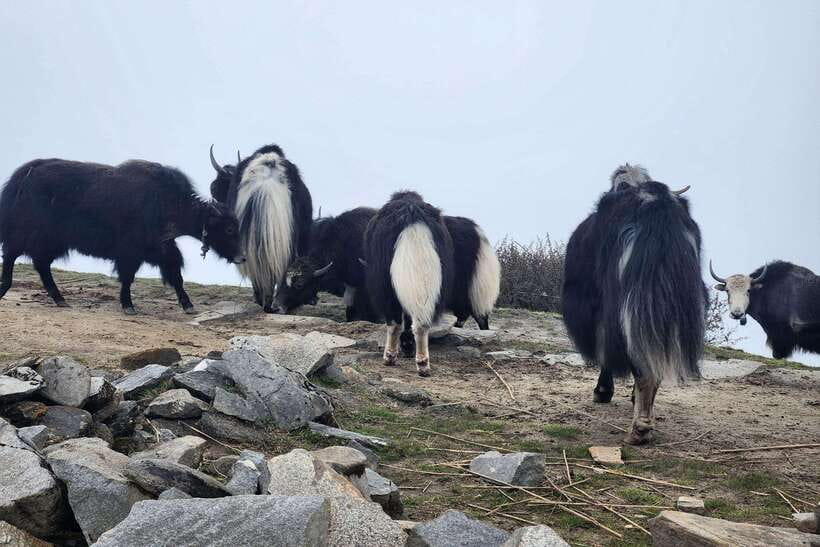
The trail remains wooded for much of the climb, with rhododendron forest, wildlife, and occasional views through the trees. Birds and butterflies are possible, and Himalayan thar may be seen in the higher country. You may also encounter pack animals on the route.
This is where the trek becomes physically demanding. The route includes many stone steps, and the uphill work can feel relentless even though the trail is not technical. Drink regularly, eat properly, and tell your guide about headache, nausea, unusual tiredness, or poor coordination.
High Camp is about the views, not the facilities. Tea houses are basic, and hot showers, mobile signal, and toilet paper may not always be available. A sleeping bag is useful, and the operator provides trekking gear such as sleeping bags and trekking poles. Still, I would carry warm layers, a headlamp or flashlight, and a few personal comfort items.
The best guides add real value on this night. Kaji has been praised for helping with food choices at high elevation, while Ramit and Shishir have been noted for checking that people were comfortable and hydrated. That kind of attention is practical, not decorative, when you are sleeping high and preparing for a pre-dawn start.
Day 3: Sunrise above High Camp
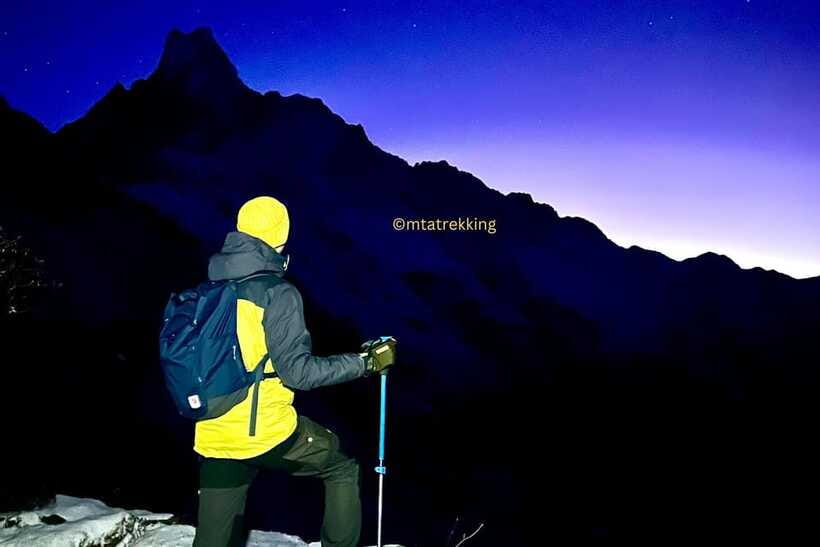
Wake-up time is around 4:00 a.m. The hike to the sunrise viewpoint takes roughly one and a half to two hours, though the wider itinerary also lists about three hours for the viewpoint section. Start with a flashlight, warm clothes, gloves, and a hat. The trail is dark, cold, and steep in places.
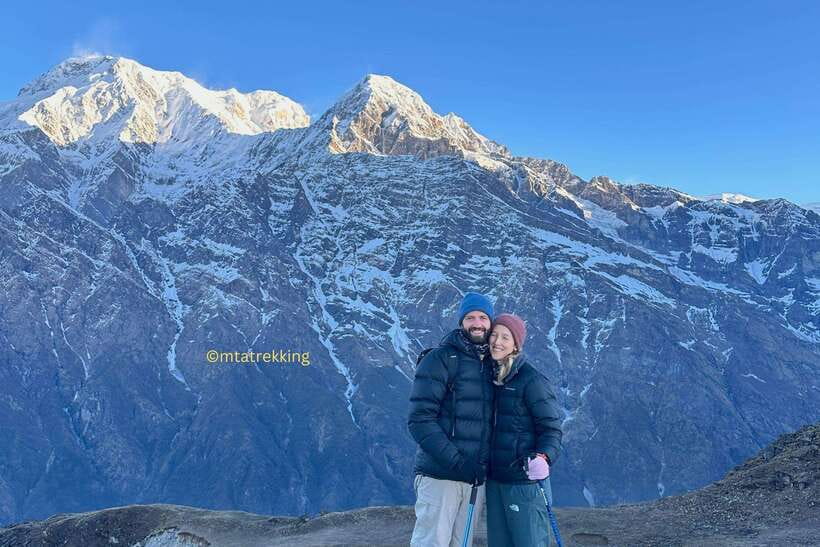
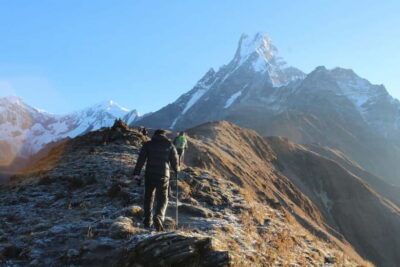
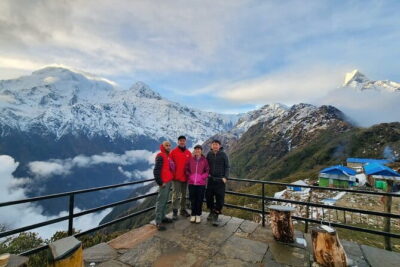
The viewpoint is described at about 4,200 to 4,300 meters. From the ridge, you can see the sun light up Machhapuchhre, Annapurna South, Mardi Himal, and the surrounding peaks. This is the defining moment of the trek. The early start is uncomfortable, but it pays off if the sky is clear.
Cloud and weather are the great variables. During the monsoon, views may disappear completely. Even in better seasons, clouds can gather around the summits. Spring, from March to May, and autumn, from September to November, usually offer the best balance of stable weather and clear mountain views.
If conditions and energy allow, you may continue toward Mardi Himal Base Camp at about 4,500 meters. This is an optional extension, not a guaranteed part of every outing. Snow can make the route beyond the viewpoint steep and slippery in January and February, and crampons may be needed. Your guide may advise stopping at the viewpoint, and that is the sensible choice when visibility or footing is poor.
The supplied schedule contains slightly different descriptions of the descent, with Forest Camp and Low Camp both appearing as overnight points. Confirm the exact night plan with the operator before departure. In practice, you should expect to walk back down after breakfast toward a lower camp, with the mountain views continuing behind you.
A few more treks around Pokhara worth a look
- Pokhara: 4-Day Ghorepani, Poonhill & Ghandruk Mountain Trek
★ 5.0 · 132 reviews - 4-Day Private Poon Hill Trekking Tour
★ 5.0 · 58 reviews - Pokhara: 4-Day Private Trek Tour
★ 4.9 · 43 reviews - Pokhara: 4-Day Beautiful Ghorepani Poon Hill & Ghandruk Trek
★ 4.8 · 21 reviews
Day 4: Forest trails, Kalimati, and the ride to Pokhara
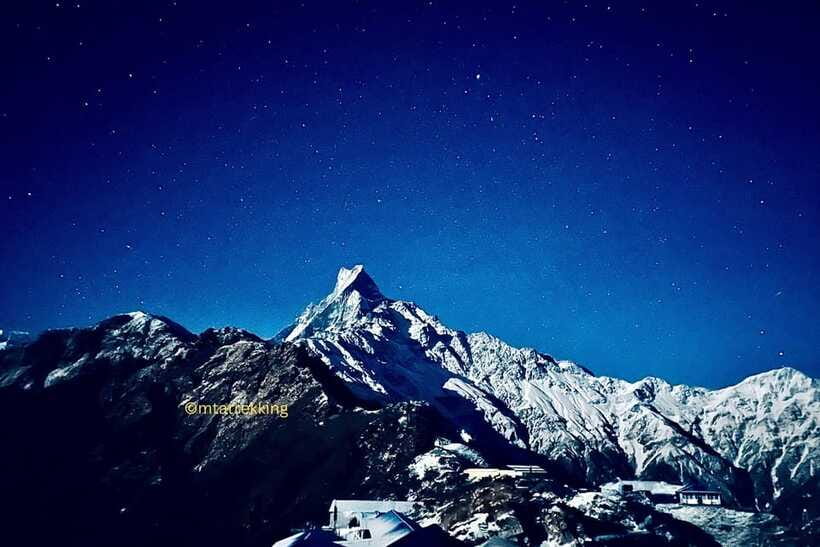
The last day is easier on the lungs but still involves a substantial descent. After breakfast, you walk through forest toward Kalimati, around 1,650 to 1,800 meters depending on the stated stop. The trail includes small waterfalls, bridges, birdsong, and shaded paths.
Fishtail remains a striking companion on the way down. The scenery feels different from the high ridge, with more trees, softer light, and signs of village life. This final section gives the trek a calmer finish rather than ending immediately after the mountain viewpoint.
At Kalimati, you board a jeep or SUV for the roughly two-hour ride back to Pokhara. Road conditions can affect the timing, so keep the rest of your day flexible. Drop-off is available in Pokhara, Baidam, or Lakeside.
The transport arrangement is a strong part of the package. The activity includes pickup and drop-off in Pokhara, and transport receives a 98 percent perfect score from the provided rating data. That is useful because arranging a separate vehicle after a long descent can be tiring and uncertain.
What the $139 price really covers
At $139 per person, the advertised price is appealing for a private four-day mountain trip. It includes hotel pickup and drop-off in Pokhara, a licensed English-speaking guide, trekking permits, TIMS fees, government taxes, transport, standard tea-house accommodation, and staff costs.
Trekking gear is also provided, including poles and a sleeping bag. Luggage storage in Pokhara is available if needed. For a first Himalayan trek, having permits, transport, accommodation, and route support handled together can save both time and negotiation.
The important detail is the package choice. The Full Package includes breakfast, lunch, and dinner. The Standard Package does not include meals, and personal expenses such as drinks, toiletries, laundry, phone calls, boiled water, and snacks are extra.
Porters cost $20 per day. That fee is not included, so budget for it if you do not want to carry your own bag. Also ask how the accommodation charge is handled, since one detailed account described confusion about tea-house room costs. Clear questions before the trek prevent awkward surprises in the mountains.
The free cancellation policy allows cancellation up to 24 hours before departure for a full refund, and reserve-now-pay-later booking keeps the initial commitment low. Those terms are useful, but they do not remove the need for travel and rescue insurance. That insurance is not included.
Tea houses, food, and local contact
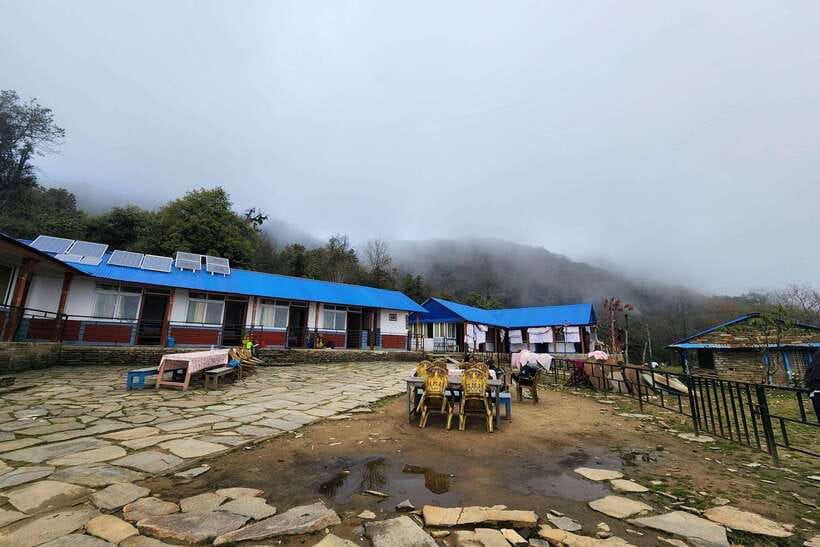
Tea houses are simple, social, and part of the character of this trek. You should expect a warm room, basic beds, and shared facilities that become more limited as you climb. High Camp can have no shower or mobile signal, and toilet paper may be unavailable, so carry your own supply.
Food is generally familiar trekking fare, with dal bhat, rice, vegetables, noodles, and tea-house meals. Ginger, lemon, honey tea, and chai are especially welcome after a cold climb. Guides may help you choose fresh food and avoid meat or frozen items at higher elevations.
The route passes through Gurung and Magar communities. A good guide can add context to village life, farming, family connections, and local customs. Ramit has been praised for sharing stories and introducing local culture, while one guide helped arrange a visit to a jackfruit farmer and a taste of fresh milk at High Camp.
These small moments are often more memorable than another photograph of a peak. Carry some cash for tea, snacks, local food, and small purchases. Card service should not be assumed in remote mountain lodges.
Difficulty, weather, and what to pack
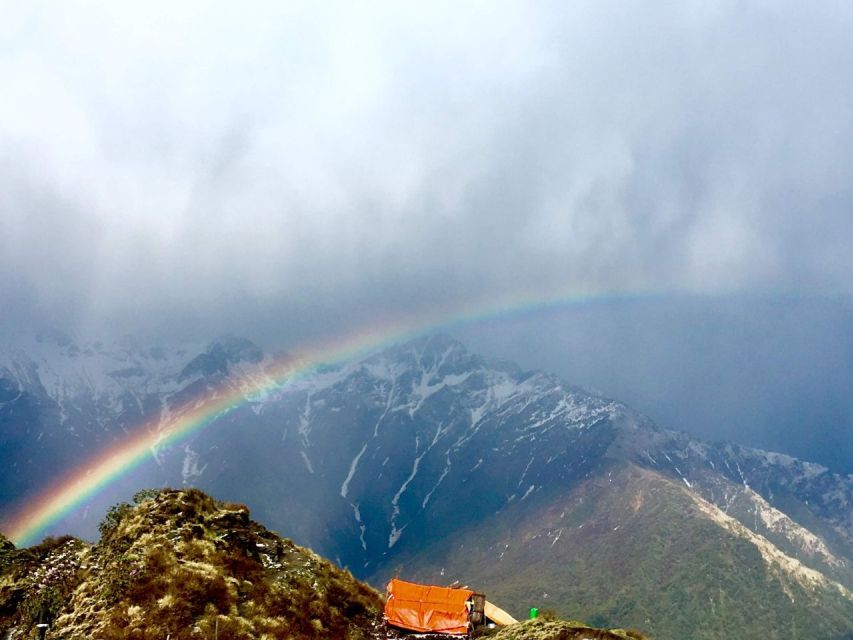
The trek is suitable for fit beginners, but the phrase moderate trek should not make you careless. You gain roughly 1,800 meters from the lower trail to the viewpoint in only a few days, with long stair sections and cold mornings.
Pack warm clothing, sunglasses, a sun hat, sunscreen, and a flashlight. Add gloves, spare socks, personal medication, toilet paper, and a small first-aid kit. The operator provides some trekking gear, but you should confirm what is available and bring anything you prefer to use personally.
Spring and autumn are the safest bets for clear views. Summer monsoon conditions can bring clouds, rain, leeches, and slippery paths. Winter can bring snow above the viewpoint and make the Base Camp section unsafe.
The route is not suitable for pregnant women, people with altitude sickness, or people over 70. The stated limits are broad, so fitness and medical advice still matter. If you have a health condition, get professional advice before booking and make sure your insurance covers trekking at altitude.
Who should book this four-day trek?
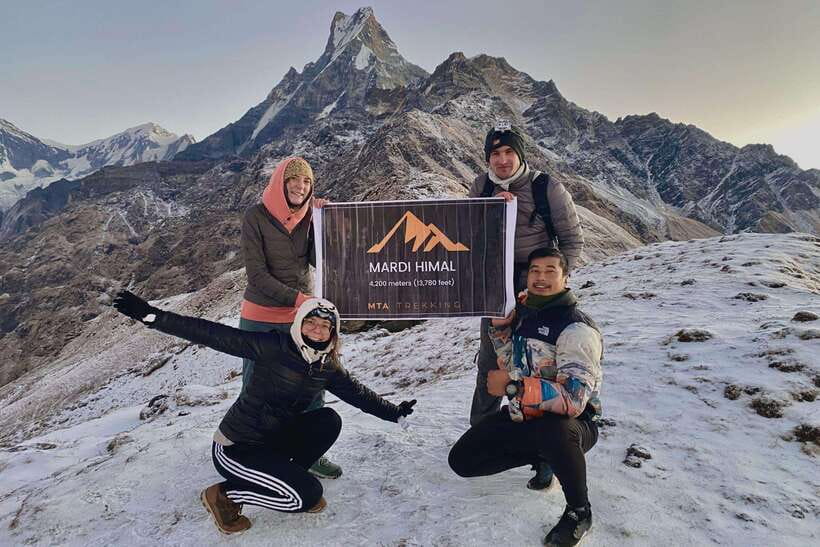
I would choose this trip if you have limited time in Pokhara and want a real high-mountain experience rather than a gentle village walk. You get forest, villages, tea houses, sunrise, and major Himalayan views in one compact package.
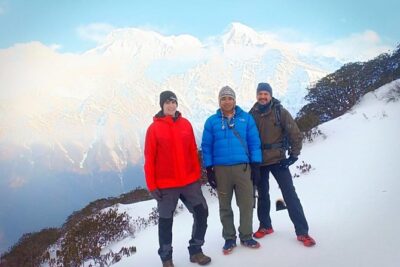
It suits couples, friends, and solo hikers who want a private group and direct guide support. Guides such as Kaji, Ramit, Prabit, Lalit, Santosh, Jeevan, and Shishir have all been singled out for care, pacing, logistics, or route support. The exact guide depends on availability, so ask who will lead your departure.
I would not choose it if you want leisurely days, hotel comfort, or guaranteed Base Camp access. I would also hesitate if you have never walked several hours uphill or if you are visiting during a period of unstable weather.
Should you book the Mardi Himal Trek?
Book it if the idea of a pre-dawn climb to a 4,200-meter viewpoint excites you, and if you can accept basic lodging and hard uphill walking. The combination of close-up Fishtail views, changing forest, local tea houses, and a short schedule offers good value at $139, provided you understand the Standard Package and extra costs.
Before paying, confirm three things: are meals included, where exactly will you sleep on the descent, and what weather rule applies to Base Camp? If the answers are clear, this is a strong choice for a first taste of Nepal’s high mountains.
FAQ
How long is the Mardi Himal Trek?
The trek lasts four days, starting and ending in Pokhara. Walking days range from about three to five hours, with the longest effort coming during the climb from Kande to Forest Camp and the ascent toward High Camp.
How high is the Mardi Himal Viewpoint?
The viewpoint is listed at approximately 4,200 to 4,300 meters. Mardi Himal Base Camp is about 4,500 meters.
Is Mardi Himal Base Camp included?
The Base Camp hike is optional and depends on weather, snow, trail conditions, and your group’s ability. During winter, the route may require crampons and extra caution.
Are meals included in the $139 price?
Meals are included only with the Full Package. The Standard Package does not include breakfast, lunch, or dinner, so confirm the package details before booking.
What languages does the guide speak?
Guides are available in English and Hindi. The tour is operated as a private group.
What should I bring?
Bring warm clothing, sunglasses, a sun hat, sunscreen, and a flashlight. A sleeping bag and trekking poles are provided, but you should also carry personal medication, toilet paper, and any preferred first-aid supplies.
Just added around Pokhara
- Pokhara: Sarangkot Sunrise & Panoramic Annapurna View Tour★ 4.8 · 10 reviews
- Pokhara: Majestic Mardi Base Camp Guided Trek with HotSpring★ 5.0 · 6 reviews
- Pokhara: Bungee Jumping Experience Near Annapurna★ 5.0 · 9 reviews
- Pokhara: Annapurna Day Hike with Panoramic Views★ 4.3 · 7 reviews
- Pokhara: 9-Day Annapurna Base Camp Trek with Poon Hill★ 5.0 · 6 reviews
- Pokhara: 7-Day Annapurna Base Camp Trek & Hot Spring★ 4.0 · 3 reviews
- Pokhara: 5-Day Ghorepani and Poon Hill Private Trek★ 5.0 · 4 reviews
- Pokhara: 5-Day Trek to Annapurna Base Camp and Hot Springs★ 5.0 · 4 reviews
Mardi Himal Treks, compared.
Pkr. Backpacker Group Dep.: 4 Day Mardi Himal Base Camp Trek
Read our review →Browse the lists this trek appears in