
Review · NEPAL
Pkr. Backpacker Group Dep.: 4 Day Mardi Himal Base Camp Trek
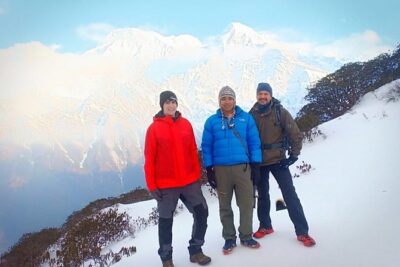
Mardi Himal Base Camp gives you a real Himalayan trek in just four days. From Pokhara, you walk through rhododendron forest, quiet Gurung villages, and high meadows before reaching about 4,500 meters, where Machhapuchhre and Annapurna South fill the view.
I like the short route and the way the plan mixes private and shared transport to save time. I also like the guide service led by Birendra, known as Biru, whose flexible pace and careful attention helped make the trip work for both fast and slower walkers.
The main catch is the altitude and the hard stair-heavy walking. The schedule is compact, food is extra, and the final day includes a long jeep ride, so this is not a soft stroll through the hills.
Key points before you book
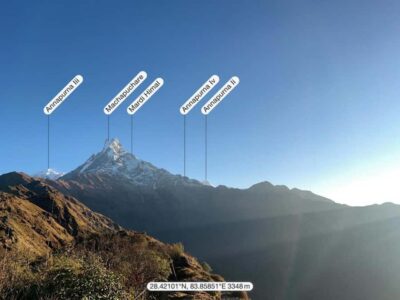
- A high viewpoint in four days: Mardi Himal Base Camp reaches roughly 4,500 meters, with close views of Mardi Himal, Machhapuchhre, Annapurna South, and Hiunchuli.
- A quieter route: This is a less-used trail than some of the major Annapurna routes, though quiet does not mean easy.
- Flexible guiding: Birendra, or Biru, can adjust the pace and overnight arrangements to suit the group.
- Simple mountain lodging: Nights are spent in tourist-standard tea houses at Forest Camp, High Camp, and Low Camp.
- Transport keeps the trek short: A private vehicle takes you from Pokhara to Kande, and a shared jeep brings you from Siding back to Pokhara.
- Good value at $181: The price includes permits, guide costs, accommodation, transfers, trekking poles, and basic first aid, but not meals, drinks, insurance, or a porter.
Why this short Mardi Himal route works
Mardi Himal is a smart choice if you want a proper Himalayan walk but do not have time for a week or more on the trail. You start near Pokhara and reach high country quickly, passing from forest to open ridges in only a few days.
The appeal is the change in scenery. The first day feels green and sheltered. By the second day, the trees thin out and the mountain views open. The third day brings the highest point and the best early-morning views. That steady change gives the trek a satisfying shape without requiring a long return through the same villages.
I would not call the route easy. The third day is a seven to eight-hour round trip to Base Camp, and the climb includes many stairs and steep sections. The altitude is also serious enough to demand a steady pace. You should be comfortable with long walks and prepared for cold weather, even if your time in Nepal is limited.
The route also gives you a quieter look at the Annapurna region. You pass through traditional villages and areas linked with Gurung culture rather than spending the whole trek among large groups. That makes the trip feel more personal, though tea house facilities remain basic.
More Mardi Himal Treks in Nepal:
- Pokhara: 4-Day Mardi Himal Trek
★ 4.9 · 59 reviews - Private Mardi Himal Trek
★ 5.0 · 42 reviews - Mardi Himal Trek
★ 5.0 · 41 reviews
Day 1: Pokhara to Forest Camp through Australian Camp
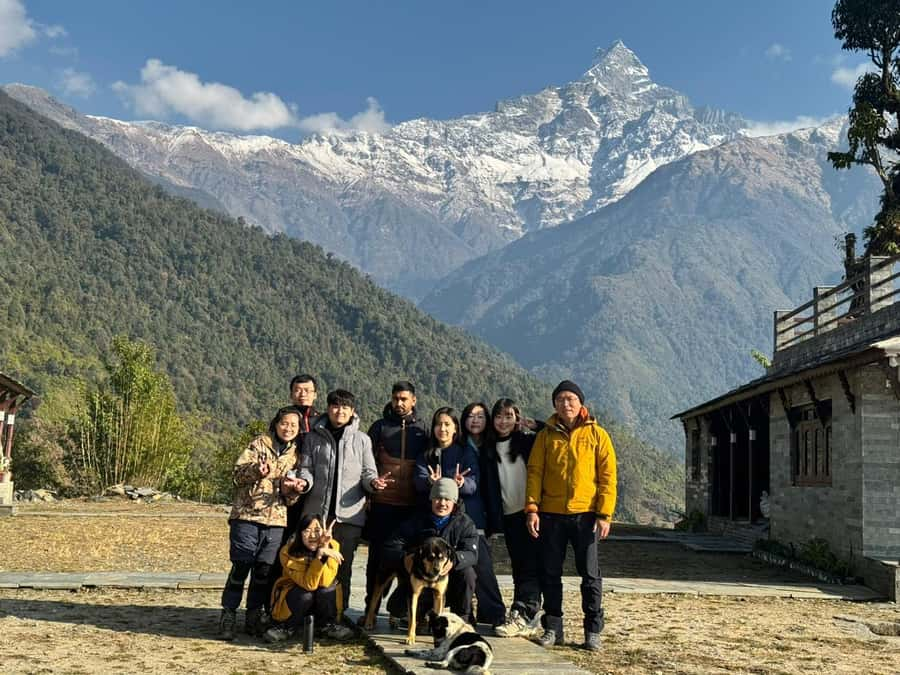
Your first morning begins with hotel pickup in the Lakeside area of Pokhara. A private vehicle takes you about 1.5 hours to Kande, where you start walking.
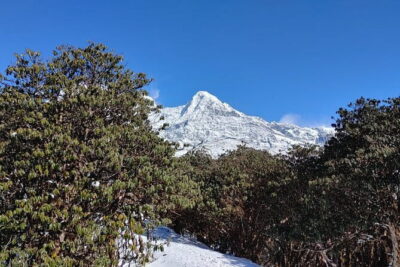
The trail leads through rhododendron forest toward Australian Camp and Pothana. Australian Camp is the first major reward of the day, with views toward Annapurna and Machhapuchhre. It is a good place for lunch and for taking stock of the climb ahead.
After lunch, you continue through forest and hillside paths to Forest Camp, at about 2,550 meters. The walk takes around five to six hours in total. You spend the night in a tea house.
This opening day is useful because it gives your body time to adjust before the highest part of the trip. It is not just a transfer to a high camp. You begin walking at a moderate altitude and gain height gradually.
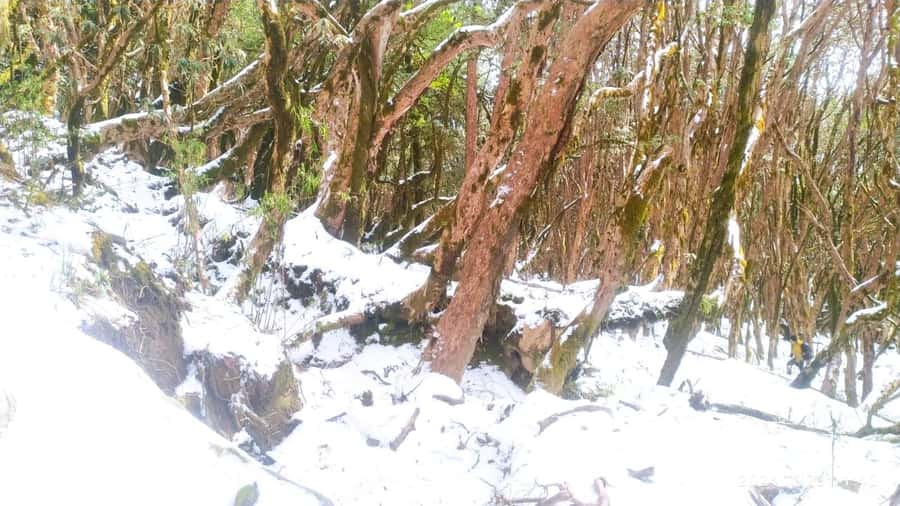
The forest is one of the route’s strongest features. In spring, rhododendrons add color to the trail, while in other seasons the dense trees provide shade and a sense of isolation. You should still expect uneven ground and uphill sections. Comfortable shoes matter more than stylish trekking gear here.
Day 2: Forest Camp to High Camp
Day two takes you from Forest Camp to High Camp, at about 3,550 meters. The walk lasts around five to six hours and passes through Low Camp.
At first, you continue through dense forest. As you gain height, the trees begin to thin, and the route opens toward wide mountain views. Low Camp marks an important change in the walk. From here, you start to feel that you are leaving the forest behind and entering the high alpine zone.
After lunch, you continue toward High Camp. The views of Machhapuchhre and Mardi Himal become much closer and more dramatic. This is the day when the route begins to feel properly Himalayan rather than simply a hill walk outside Pokhara.
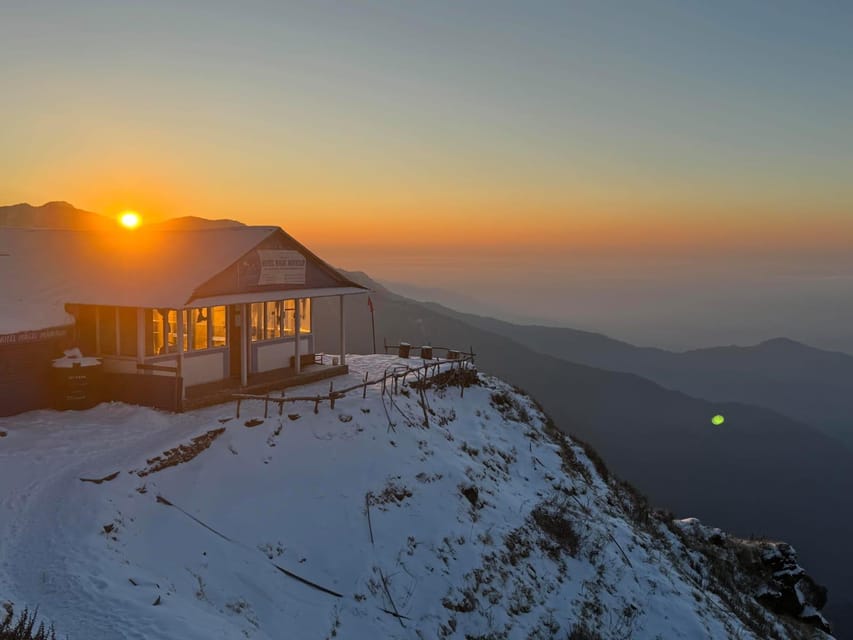
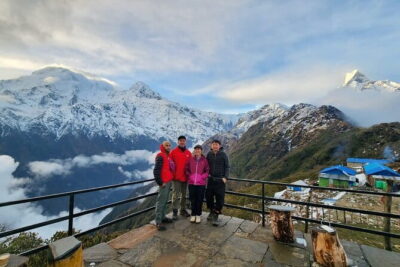
High Camp is the key overnight stop because it places you close to the Base Camp viewpoint. The tea house accommodation is described as tourist standard, but you should keep your expectations practical. This is mountain lodging, not a hotel in Pokhara. Food and drinks are available for purchase, but they are not included in the tour price.
Altitude becomes more important here. At 3,550 meters, some people feel the effects of the climb. Biru’s careful approach can be helpful, especially if your group includes people walking at different speeds. One useful feature of this trip is that the guide can allow frequent stops or keep a faster group moving, depending on what suits the people on the trail.
Day 3: Sunrise at Mardi Himal Base Camp
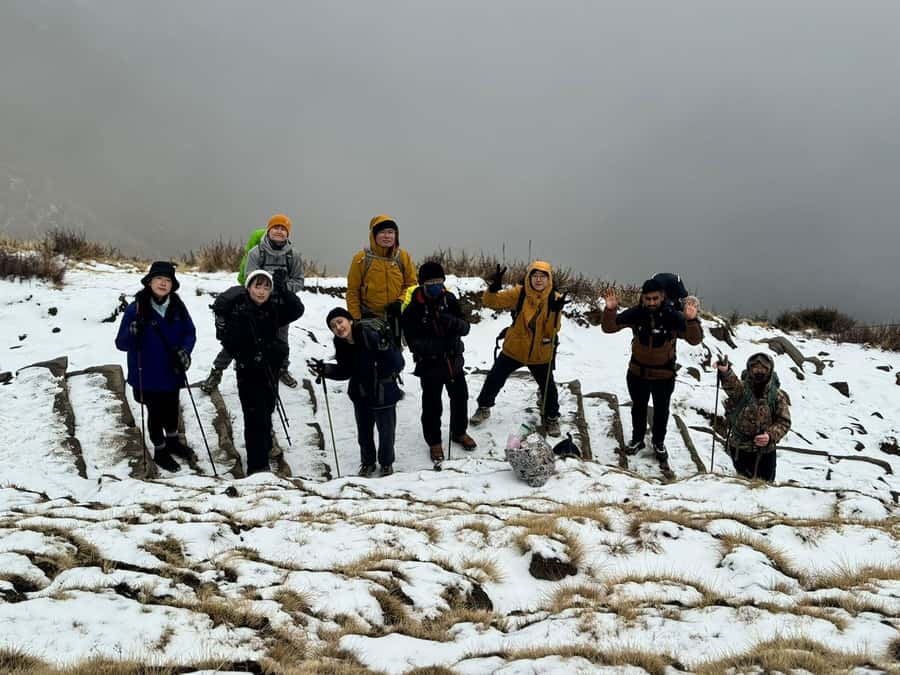
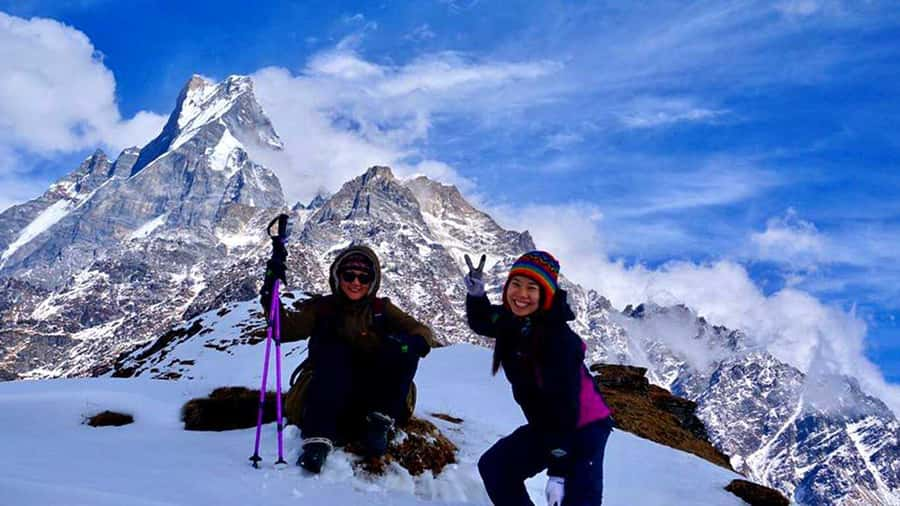
The third day is the heart of the trek. You leave High Camp early for the walk to Mardi Himal Base Camp, around 4,500 meters above sea level.
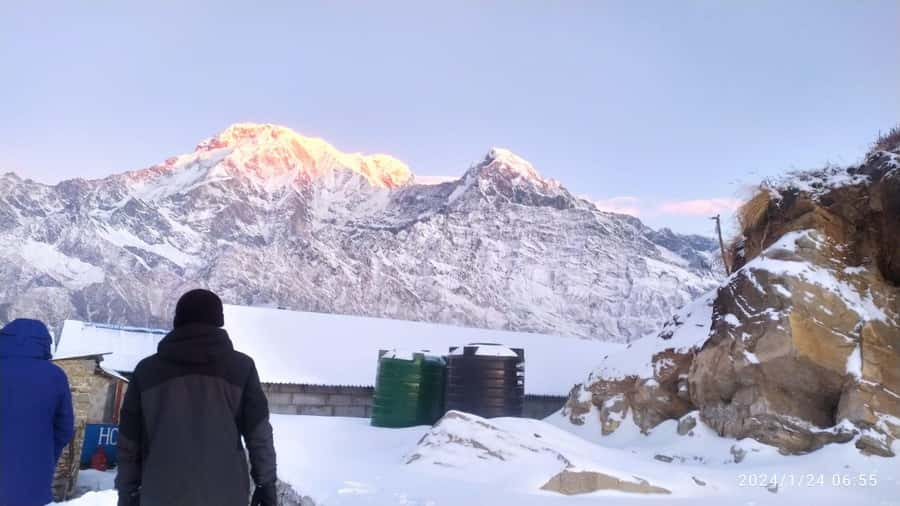
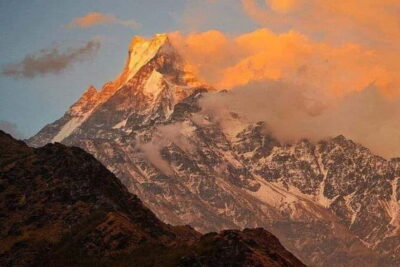
The early start is designed to catch sunrise over the mountains. At this hour, the light can bring out the ridges and snowfields of Annapurna South, Hiunchuli, Machhapuchhre, and Mardi Himal. The exact conditions depend on weather, but this is the best part of the route for mountain views.
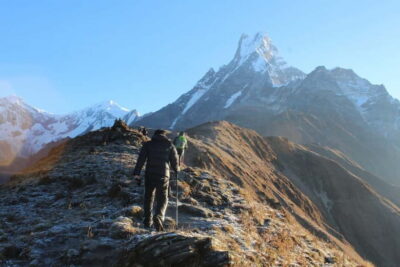
The Base Camp walk and return take about seven to eight hours. This is the toughest day, both because of the distance and because of the altitude. Take the pace seriously. The route includes steep climbs and many stairs, and the air gets thinner as you rise.
At the top, you have time to take in the view before descending. The return to Low Camp is not an easy afterthought. Descending can be hard on your knees, especially after the morning climb, so trekking poles are useful. A pole is included, which is a small but worthwhile part of the package.
You spend the night at Low Camp rather than returning all the way to Forest Camp. This breaks up the descent and avoids an even longer day. It also gives you a chance to enjoy the mountain setting after the main climb, instead of rushing straight back toward the road.
The sunrise timing is one of the reasons to choose this itinerary. If you prefer a slower trek, you may find the third day demanding. Some groups may adjust the plan, and Biru has shown flexibility with pacing and even with completing the schedule in fewer days. Still, you should not count on changing the plan unless your guide confirms it.
A few more treks around Nepal worth a look
- Pokhara: 4-Day Ghorepani, Poonhill & Ghandruk Mountain Trek
★ 5.0 · 132 reviews - 4 Days Poon Hill Trek
★ 5.0 · 94 reviews - 4-day Poon Hill Trek
★ 5.0 · 74 reviews - 4-Day Private Poon Hill Trekking Tour
★ 5.0 · 58 reviews
Day 4: Low Camp, Siding Village, and Pokhara
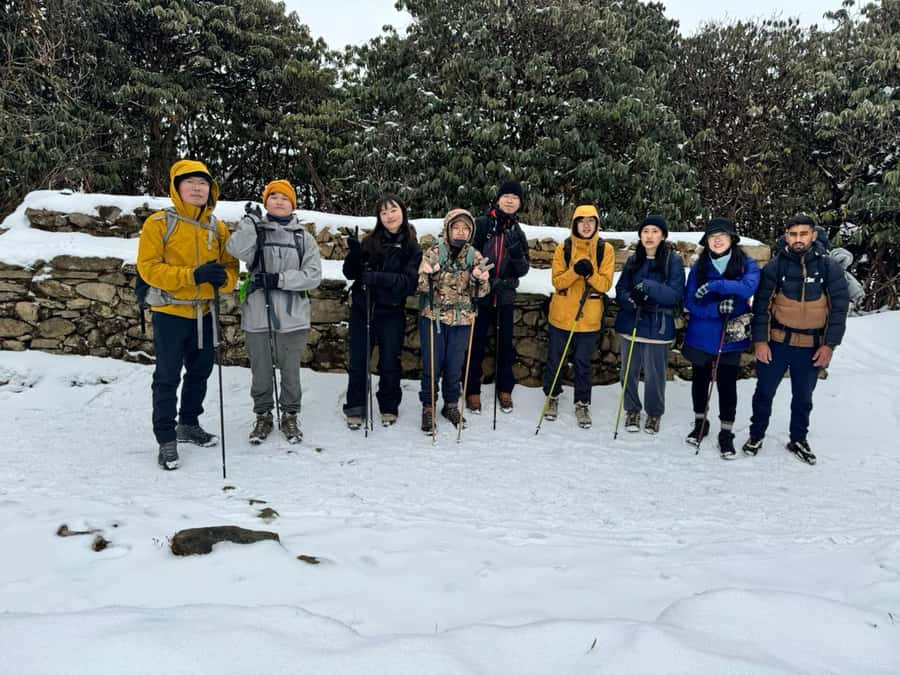
The final day begins with a three to four-hour descent from Low Camp to Siding Village. This section takes you back through more settled areas and traditional villages.
Siding gives the trek a useful cultural finish. Rather than ending at a major road after a long forest walk, you pass through a village setting and get another look at local life in the hills. The route offers a contrast with the high ridges and open mountain views from the previous day.
From Siding, a shared jeep takes you back to Pokhara. The drive lasts about 2.5 to 3 hours. Shared transport helps keep the tour price down, but it also means you should expect a less private and possibly less predictable ride than on day one.
By the time you reach Pokhara, you have completed a high-altitude trek without committing to a long circuit. The return journey is a real part of the day, so do not plan an important flight or tight connection immediately afterward.
What the $181 price really covers
At $181 per person, this trek offers solid value if you want a guided route with permits and transport arranged. The price includes hotel pickup and drop-off in the Lakeside area, a licensed English-speaking guide, trekking permits, official documents, accommodation, guide expenses, the private ride to Kande, and the shared jeep from Siding to Pokhara.
You also get a basic first aid kit carried by the guide and a trekking pole. Those inclusions reduce the number of small arrangements you need to make yourself.
The important limitation is that food and drinks are not included. Tea house meals are available to buy, but you should bring cash for them and for personal expenses. The tour also does not include emergency rescue, which should be covered by suitable travel insurance.
A porter costs an additional $25 per day. If you are carrying a full pack, that extra cost may be worthwhile. The route is short, but the steep climbs and high altitude can make a heavy bag feel much worse than it does around Pokhara.
The price also does not promise a large group. A booking described as a group departure may end up being a private-feeling walk if few people book the same dates. That can be a benefit if you value flexibility, but it may disappoint you if you specifically want a lively group atmosphere.
Biru’s guiding style and group flexibility
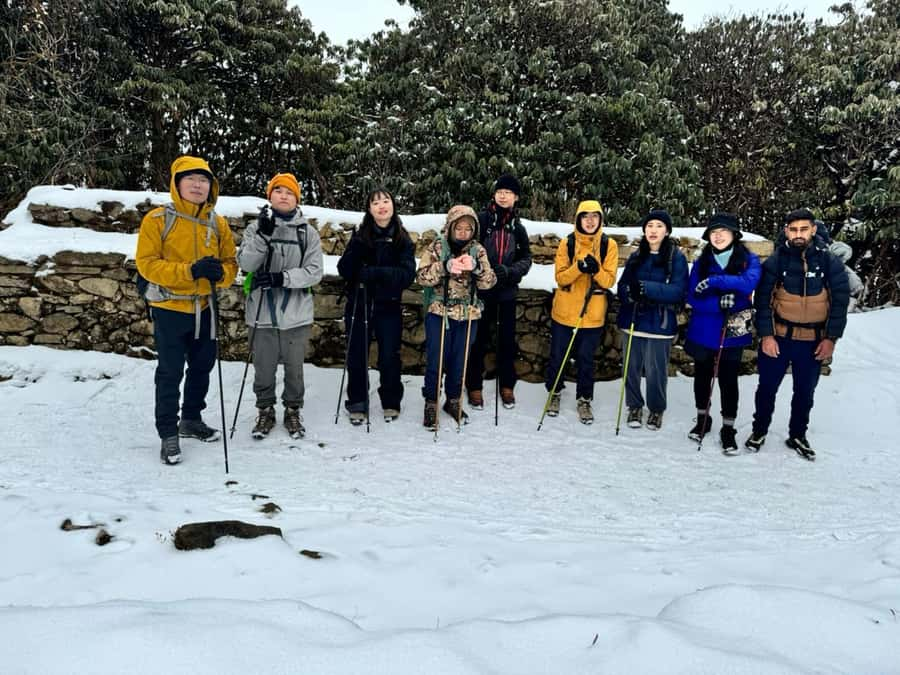
The guide is Birendra, usually called Biru. His strongest quality is flexibility. He has adjusted the walking pace for groups whose members did not move at the same speed, helped select overnight tea houses, and arranged practical changes when plans shifted.
That matters on Mardi Himal because the route has several points where a fixed, rushed pace would make the day less enjoyable. You may want to stop often for views, or you may prefer to walk steadily and reach camp early. Biru can work with either style, within the limits of the route and weather.
He is also attentive about safety. For some people, repeated reminders to slow down and take care will be reassuring, especially at altitude. If you are an experienced hiker, you may find that approach a little persistent. It is worth explaining your experience and preferred pace early in the trek.
Guiding is available in English and Hindi. The tour is led by a licensed English-speaking guide, and the guide’s costs are included.
What to pack and when to go
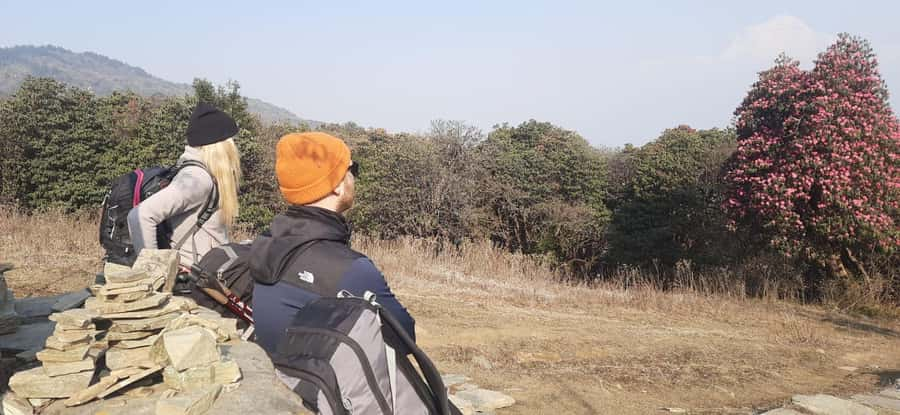
Bring comfortable shoes, warm clothing, comfortable walking clothes, cash, a reusable water bottle, your passport or a copy, and a passport-sized photo. The passport details and photo are listed as requirements for the trekking paperwork.
Spring, from March to May, and autumn, from September to November, offer the best chance of stable weather and clear mountain views. The trek can run throughout the year, but mountain weather changes quickly. You need to prepare for shifts in temperature and conditions even in the better seasons.
Warm clothing is essential because High Camp and the Base Camp route are far colder than Pokhara. The early sunrise start also means you will be walking before the day warms up.
The tour is not suitable for pregnant women, wheelchair users, or people with back problems. Pets are not allowed. You should also consider your own comfort with steep paths, high altitude, and long walking days before booking.
Who should book this trek?
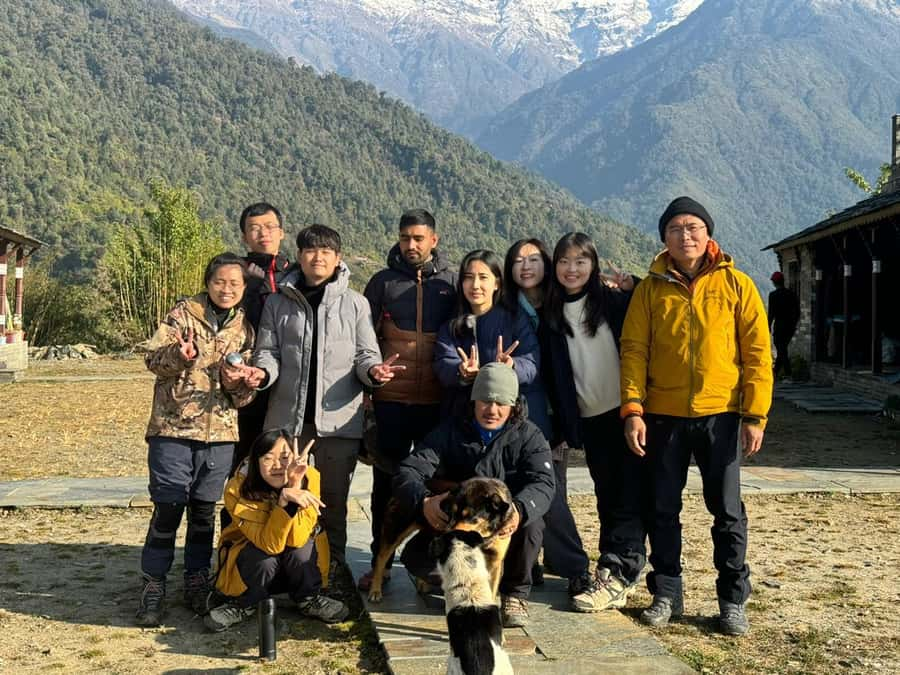
I would choose this trip if you have four days, want major Annapurna views, and prefer a shorter route with a guide. It suits reasonably active hikers who can manage five to eight hours of walking and who are willing to accept simple tea house accommodation.
It is also a good fit if you want more flexibility than a rigid group schedule provides. Biru’s willingness to adjust the pace is useful for mixed-ability groups, couples, and small parties.
I would look elsewhere if you want a gentle introduction to Nepal, private transport throughout, included meals, or a guaranteed large group. The Base Camp day is demanding, and the altitude should not be treated lightly.
Cancellation is flexible up to 24 hours before departure for a full refund, and you can reserve now and pay later. Pickup is included from the Lakeside area of Pokhara, so confirm your hotel location before booking.
FAQ
How high does the Mardi Himal Base Camp Trek go?
The trek reaches approximately 4,500 meters at Mardi Himal Base Camp.
How long is the trek?
The planned duration is four days. Walking times range from about three to four hours on the final trekking day to seven to eight hours for the Base Camp round trip.
What transport is included?
A private vehicle takes you from Pokhara to Kande on day one. A shared jeep takes you from Siding back to Pokhara on day four. Hotel pickup and drop-off are included from the Lakeside area.
Are meals included?
No. Food and drinks are available to buy during the trek but are not included in the price.
Who is the guide?
The trek is led by an experienced, licensed English-speaking guide. The guide named for this experience is Birendra, also called Biru. Hindi guiding is also available.
Can I cancel or pay later?
You can cancel up to 24 hours before departure for a full refund. You can also reserve your place and pay later, subject to availability.
Should you book the Mardi Himal trek?
Book it if you want a short, high-mountain trek from Pokhara and can handle steep walking, cold temperatures, and a long Base Camp day. The price is fair for the included guide, permits, lodging, and transfers, while Biru’s flexible approach adds practical value.
Just budget for meals, drinks, insurance, and possibly a porter. If you arrive prepared and keep your pace steady, this four-day route gives you an impressive taste of the Annapurna region without taking over your whole Nepal trip.
Just added around Nepal
- Everest Base Camp Trek★ 5.0 · 3 reviews
- 15 Days Private Everest Base Camp Trek★ 5.0 · 30 reviews
- Everest Base Camp Trek★ 5.0 · 7 reviews
- Everest Base Camp Trek★ 5.0 · 57 reviews
- 14 Days of Adventure Trekking to Everest Base Camp★ 5.0 · 2 reviews
- 14-Day Everest Base Camp Trek★ 5.0 · 20 reviews
- From Kathmandu: Private 14-Day Everest Base Camp Trek★ 5.0 · 20 reviews
- 14 Days Everest Base Camp Trek★ 5.0 · 4 reviews
Mardi Himal Treks, compared.
Browse the lists this trek appears in