
Review · MOSHI
Kilimanjaro Lemosho Route
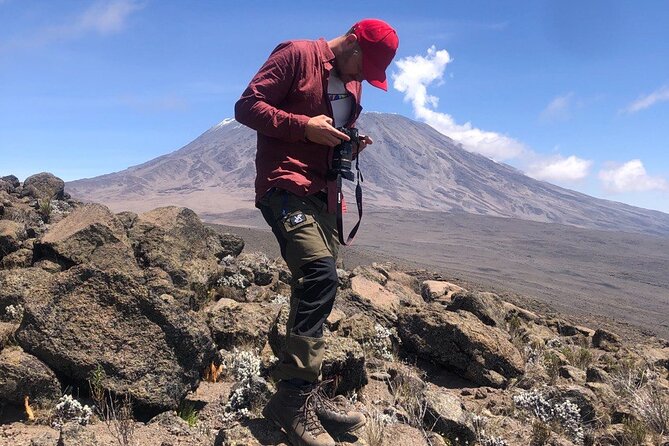
The great appeal of this 8-day Lemosho route is its slow, scenic approach to Kilimanjaro. You begin in forest, cross open moorland and high desert, then reach the summit through a careful series of acclimatization days. It is less about racing uphill than giving your body time to adjust.
I like the route’s changing scenery and the way the team handles camp life. Porters set up tents while the chef prepares fresh meals, and guides such as Festo, Nechi, John, Said, and Augustino have been praised for calm organization and steady care. The main drawback is simple: this is a hard climb, especially the 15-plus-hour summit day, and the itinerary contains a few altitude and camp-name inconsistencies worth clearing up before booking.
Key points before you book
- A gradual 8-day route: The extra time helps with acclimatization before the summit attempt.
- A true high-altitude climb: You reach 5,895 meters at Uhuru Peak, with cold, thin air and a demanding summit night.
- Excellent scenery changes: Forest, moorland, Shira Plateau, rocky high desert, glacier views, and the Barranco Valley all appear along the way.
- Full camp support: Porters carry group equipment, pitch tents, and help make hot meals possible at remote camps.
- Private booking advertised: The price is $2,890 per group of up to five, but confirm the final group arrangement before paying.
- A serious physical test: You need moderate fitness, patience, and the ability to walk for many hours on uneven ground.
Why Lemosho is worth eight days
Kilimanjaro is not a technical climbing trip in the mountaineering sense, but it is a serious high-altitude trek. You walk for several days before the summit, sleep at increasing elevations, and then face a night ascent followed by a long descent.
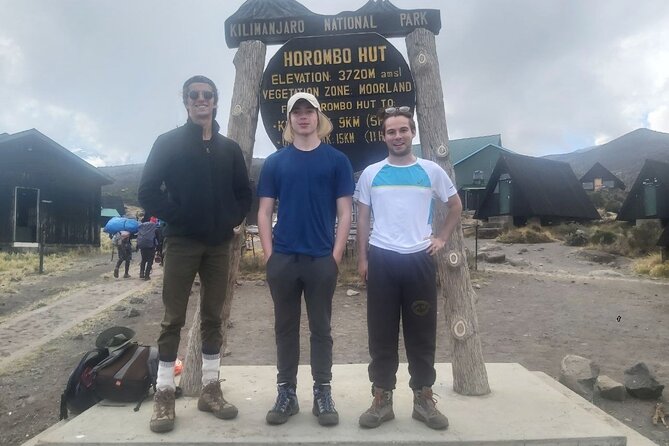
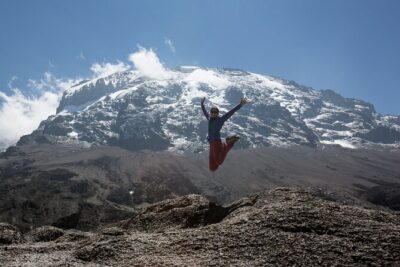
The Lemosho route earns its reputation through variety. The first day takes you through forest, where the mountain feels green and sheltered. Higher up, the trees thin out and the views open across the Shira Plateau. Near Lava Tower, vegetation gives way to a stark, rocky world. By the time you reach Barafu, the setting is spare and exposed.
I like the 8-day format because it avoids cramming too much into the early part of the trek. The route includes a climb high toward Lava Tower, followed by a descent to Barranco. That familiar high-up, sleep-lower pattern gives your body a better chance to adjust than a rushed schedule.
The $2,890 price is listed per group of up to five, not per person. That can be good value if you fill the group, particularly since the package includes the guide team, porters, chef, tents, meals, park access, transfers in the itinerary, and camp logistics. Ask for a precise list of inclusions before booking, since the supplied details do not spell out every cost.
More Kilimanjaro Climbs in Moshi
- Kilimanjaro climb by Lemosho Route (7-day)
★ 5.0 · 651 reviews - Kilimanjaro climb, Machame Route (7-day)
★ 5.0 · 262 reviews - Kilimanjaro Climbing Lemosho Route 8 Days.
★ 5.0 · 186 reviews
Day 1: From Springlands Hotel to Mti Mkubwa Camp
After breakfast and a guide briefing at Springlands Hotel, you drive about 1.5 hours to the Lemosho entrance area. Registration takes place at Londorossi Gate before you begin walking through the forest.
The day covers about 7 kilometers and takes roughly five hours in total, including the approach to camp. Mti Mkubwa sits at about 2,780 meters, up from roughly 2,200 meters at the start.
This first walk is a gentle introduction to the rhythm of the trek. You carry a daypack while porters handle the heavier camping load. By the time you reach camp, the tents should be ready and lunch prepared. You can then rest before dinner and receive a briefing for the next day.
The forest section is one of the route’s pleasant features, but do not mistake a shorter opening day for an easy holiday walk. You are already gaining altitude, and conserving energy from the start matters.
Day 2: Moorland and the Shira Plateau
The route rises from Mti Mkubwa toward the Shira area, with about 12 kilometers of walking and six to seven hours on foot. You leave the forest behind and enter moorland, with views toward Kibo, the central volcanic cone of Kilimanjaro.
The plan describes lunch at Shira Camp 1 before continuing to Shira Camp 2. This makes for a long but useful day. You are gaining height while still walking at a manageable pace, and the open views give you a first clear sense of the mountain’s scale.
There is an important planning point here. The supplied schedule names both Shira Camp 1 and Shira Camp 2 on Day 2, then describes a Shira 1 to Shira 2 walk again on Day 3. Ask Zara to confirm the exact camp sequence, distances, and sleeping elevations. A clear answer will help you prepare properly and avoid confusion once you are on the mountain.
Day 3: A shorter acclimatization day
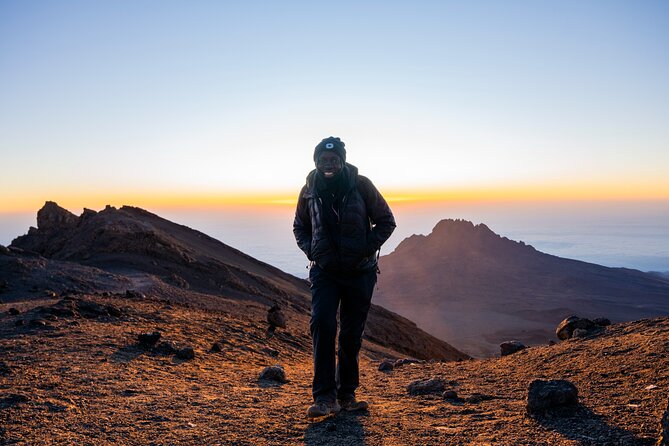
The third day is described as a shorter walk in the Shira area, with a stated distance of 5 kilometers and three to four hours of hiking. The text also refers to a Shira 1 to Shira 2 section lasting five to six hours, so the timing is not fully consistent.
The useful idea behind the day is clear: you get time at around 3,500 to 3,840 meters without another massive mileage day. That pause matters. High altitude often feels manageable during the walk, then catches up with you later through headache, poor sleep, low appetite, or unusual tiredness.
Use the afternoon to rest, eat, drink, and listen closely to your guide. The open plateau is ideal for photographs, but keep your energy for the days ahead. The route is only beginning to feel high.
Same trailhead, a different route:
- Climbing Kilimanjaro – Machame Route
★ 5.0 · 170 reviews - Climbing Kilimanjaro through 7 days Machame Route
★ 5.0 · 151 reviews - Kilimanjaro climb, Lemosho Route (8-day)
★ 5.0 · 148 reviews - Kilimanjaro climb, Lemosho Route (6-day)
★ 5.0 · 129 reviews
Day 4: Lava Tower and the descent to Barranco
This is one of the most important days of the trek. You climb from roughly 3,840 meters toward Lava Tower at 4,630 meters, crossing a dry, rocky high-altitude zone. The day covers about 11 kilometers and takes seven to eight hours.
The route first climbs for around five hours, followed by lunch and a further ascent on rocky ground. After reaching the Lava Tower area, you descend about 680 meters to Barranco Camp at approximately 3,960 meters.
That descent is the point. You go high during the day, then sleep lower than the highest point reached. It can feel counterintuitive when your legs are tired, but the pattern supports acclimatization and prepares you for the summit.
Barranco also offers some of the trek’s best views, including the Western Breach area and a memorable sunset if the weather cooperates. The cost is effort. This is a long day, and the altitude can make every uphill section feel slower than expected. Follow the guide’s pace rather than trying to prove anything.
Day 5: Barranco Wall and Karanga Valley
The famous Barranco Wall gives this day its character. It is steep in places, but the route is described as a walk rather than a technical climbing pitch. You use your hands at times and move carefully, while the guide helps with route choices.
After the wall, you descend into Karanga Valley. The day covers about 5 kilometers and takes around five hours, with camp at about 4,035 meters. Compared with Day 4, the mileage is modest, but the terrain still makes it a meaningful test.
After lunch, you take an acclimatization walk toward Barafu Camp, gaining about 200 meters before returning to Karanga. I like this setup because it lets you see part of the next day’s route without giving up the chance to sleep lower.
This is also a day to check your equipment. Tight boots, damp socks, a weak headlamp, or a poorly packed daypack will become bigger problems during the summit night. The guide briefing should cover the next route, timing, safety, and what you need to carry.
Day 6: Reaching Barafu Camp
You climb from Karanga to Barafu, with the camp listed at about 4,640 meters. The walk is roughly 5 kilometers and takes around five hours across rocky ground and gradual slopes.
Barafu is the launch point for the summit attempt. It is high, exposed, and not a place where most people feel relaxed. The practical goal is to eat, drink, prepare your clothing, and sleep as much as possible before the late-night start.
The porters set up camp and the chef prepares lunch, giving you a chance to focus on your body and equipment. A guide briefing follows dinner, covering the route, safety points, and timing.
Do not expect a full night of sleep. The summit ascent begins around 11:30 PM. Pack your headlamp, warm layers, gloves, water, and small snacks before lying down. The less you need to organize at midnight, the better.
Day 7: Stella Point, Uhuru Peak, and Mweka Camp
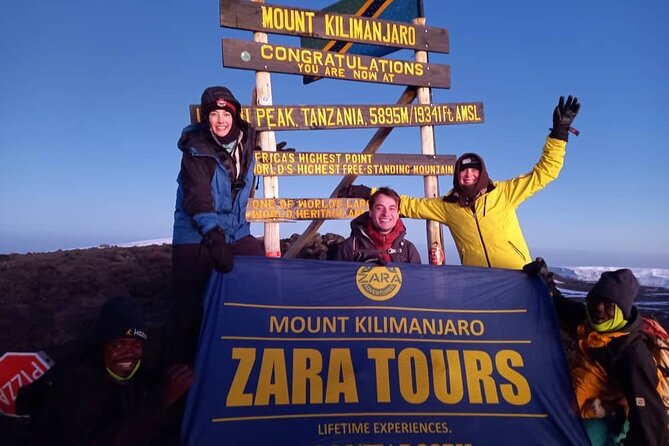
Summit day is the biggest challenge by a wide margin. You start around 11:30 PM with tea and biscuits, then climb through scree toward Stella Point on the crater rim.
The ascent to Stella Point at about 5,685 meters takes roughly six hours. Scree is loose, tiring ground, and the combination of darkness, cold, thin air, and lack of sleep can make this section feel endless. Your guide will set the pace, so accept the slow rhythm.
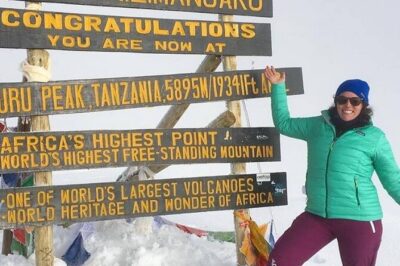
At Stella Point, you may see sunrise if the weather is clear. From there, the trail continues for about two hours toward Uhuru Peak, at 5,895 meters. The route may be snow-covered, and conditions can change. Time at the summit is usually brief because cold and fatigue build quickly.
The descent to Barafu takes about three hours. After a short rest, you continue to Mweka Camp at around 3,090 meters. The full day covers roughly 17 kilometers and lasts 15 hours or more.
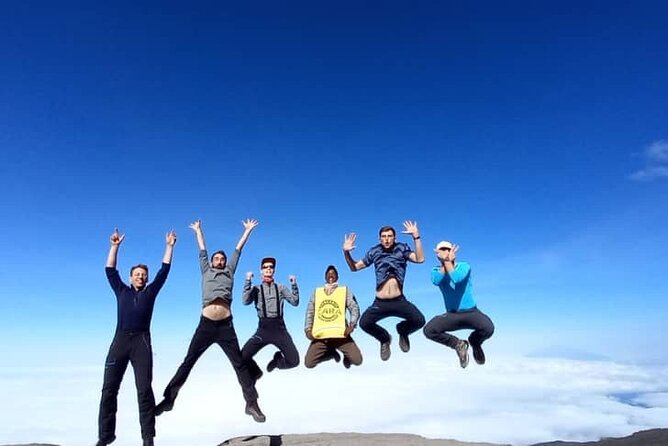
This is where the quality of the guide team matters most. Festo, Nechi Teti, John, Said, Augustino, and other named guides have received strong praise for organization, encouragement, and care. However, guide assignments can change, so confirm who will lead your group.
Do not treat reaching the summit as the end of the day. The descent is long and can be hard on tired knees. Save some food and water for the walk to Mweka, and keep your attention on each step.
Day 8: Mweka Gate and the return to Moshi
After breakfast, you descend from Mweka Camp to Mweka Gate. The walk is about 10 kilometers and takes four to five hours.
The forest returns as you lose elevation, but your attention may be fixed on the finish. At the gate, you are driven back to Springlands Hotel for lunch and a shower.
The team receives tips at the end, and envelopes are available at the hotel. Tipping is encouraged, so include it in your trip budget. The people carrying equipment, cooking meals, preparing tents, and guiding the route have a major effect on your experience.
Zara also offers safari planning after the trek, with a coordinator available at the hotel. That can be convenient if you want to add time in Tanzania, though the supplied information does not include safari prices or schedules.
Camp life, meals, and the human side
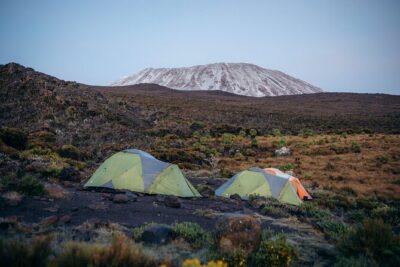
The strongest part of this experience may be the support system. Porters carry camping equipment and set up tents before you arrive, while the chef prepares fresh food at camp. Several accounts specifically praise the meals, organization, and kindness of the support team.
You still need to carry your personal daypack, water, and items you need during the walk. That daypack becomes surprisingly important on long uphill sections, so keep it light.
The company describes more than 30 years of experience and a commitment to local communities and environmental protection. The practical side of responsible trekking is keeping waste with you, using the supplied facilities properly, and treating porters and staff with respect.
One unpleasant detail deserves attention: rubbish has been seen on the mountain. Bring the attitude that you leave no waste behind. A beautiful summit route depends on every group doing its small part.
Who should book this Kilimanjaro trek?
This trip suits you if you want a supported high-altitude trek with a measured schedule and changing scenery. You need moderate physical fitness, comfort with long walking days, and the patience to move slowly.
It is not a good match if you want a relaxed sightseeing tour, dislike camping, or expect the guide team to remove all physical difficulty. The support makes the climb more manageable, but it does not make Kilimanjaro easy.
The private format is appealing for couples, families, or a small group of friends. The listed rate covers up to five people, which can make the cost attractive when shared. Still, some supplied comments refer to mixed groups and larger numbers, so ask Zara to confirm whether your booking is fully private and exactly who will participate.
Pickup is offered, mobile ticketing is available, and the meeting information lists Kilimanjaro Airport and a start time of 12:00 AM. Confirm the exact pickup location and timing before arrival, since the itinerary itself begins with breakfast and a hotel briefing.
Should you book the 8-day Lemosho route?
I would choose this trek if you want a scenic, carefully paced route and value a strong guide, porter, and kitchen team. The repeated praise for organization, fresh food, safety, and personal care is important because those details matter most when you are cold, tired, and high above the clouds.
I would not book it without first clarifying the Shira Camp schedule, the exact private-group arrangement, what the $2,890 includes, and the guide assigned to your party. Once those points are clear, the 8-day plan offers a sensible balance of scenery, acclimatization, and support.
The mountain still demands work. But if you prepare for the summit night, listen to your guide, walk slowly, and respect the descent, this is a strong choice for reaching Uhuru Peak with a capable local team around you.
FAQ
How long is the Kilimanjaro Lemosho tour?
The trek lasts approximately eight days, from the transfer to Lemosho Park Gate through the descent from Mweka Camp and return to Springlands Hotel.
How high does the trek go?
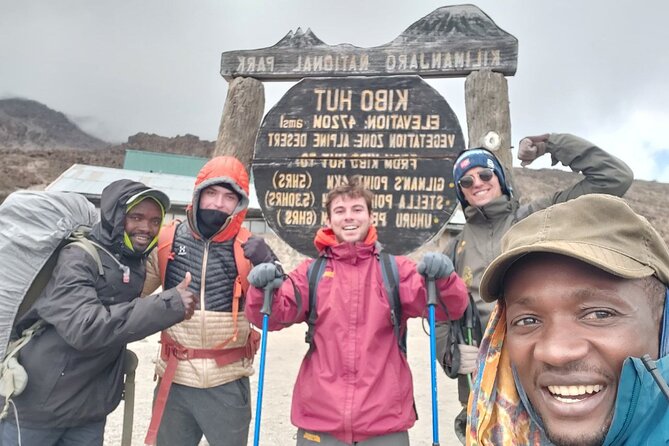
The route reaches Uhuru Peak at 5,895 meters. Stella Point is listed at about 5,685 meters, and Lava Tower reaches approximately 4,630 meters.
How difficult is the trek?
You need a moderate level of physical fitness. The hardest section is the summit day, which includes a night ascent and descent lasting 15 hours or more.
What is included in the camp support?
Porters set up tents, and a chef prepares meals at camp. Guides provide briefings and lead the walking sections. Confirm the full list of price inclusions with Zara before booking.
Is the tour private?
The experience is advertised as a private activity for your group, with a price of $2,890 for up to five people. Confirm the final group arrangement, since some supplied trip details refer to larger mixed groups.
Can I cancel for a full refund?
You can cancel at least 24 hours before the local start time for a full refund. Cancellations or changes made less than 24 hours before the start time are not accepted for a refund.
Just added around Moshi
- Mount Kilimanjaro National Park Day Trip★ 5.0 · 7 reviews
- Mount Kilimanjaro Day Hike – All-Inclusive, No Hidden Fees★ 4.0 · 7 reviews
- Moshi, Kilimanjaro: Local Market Shopping Experience★ 5.0 · 2 reviews
- Moshi: Kilimanjaro Climb Marangu Route Guided Tour★ 4.3 · 6 reviews
- Kilimanjaro: Village Walk, Coffee Tour, Waterfall, and Lunch★ 4.5 · 56 reviews
- Kilimanjaro: Day trip -hike to Mandara Hut Kilimanjaro 2700m★ 5.0 · 3 reviews
- #1. Best Kilimanjaro Day hike Tour-Machame Route-ISMANI★ 4.2 · 47 reviews
- Private Kilimanjaro Hike 7 Day Lemosho Route★ 5.0 · 60 reviews
Kilimanjaro Climbs, compared.
8-Day Small-group Lemosho Kilimanjaro Summit Trekking
Read our review →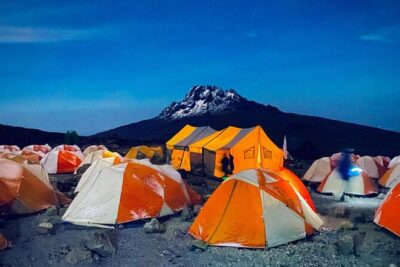
Climbing Kilimanjaro through 7 days Machame Route
Read our review →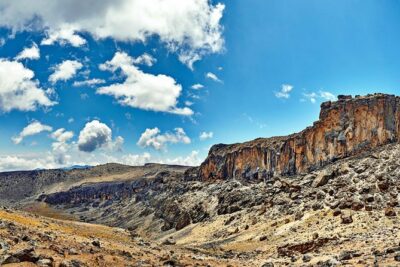
Browse the lists this trek appears in