
Review · MOSHI
Kilimanjaro climb, Marangu route (6-day)
Kilimanjaro’s Marangu Route gives you a clear, classic way up Africa’s highest mountain: rainforest on day one, high moorland and volcanic views after that, then a cold night climb to Uhuru Peak. You sleep in shared huts rather than tents, and porters, cooks, oxygen, medical kits, and certified Wilderness First Responder guides handle much of the hard support work.
I like the careful acclimatization hikes around Horombo Hut, and I like that the price includes park fees, airport transfers, meals, hut beds, and medical checks. The main concern is the schedule: six climbing days is efficient, but the summit push and descent make day six extremely long, while altitude, not technical climbing, is the real test.
Key points to know before booking
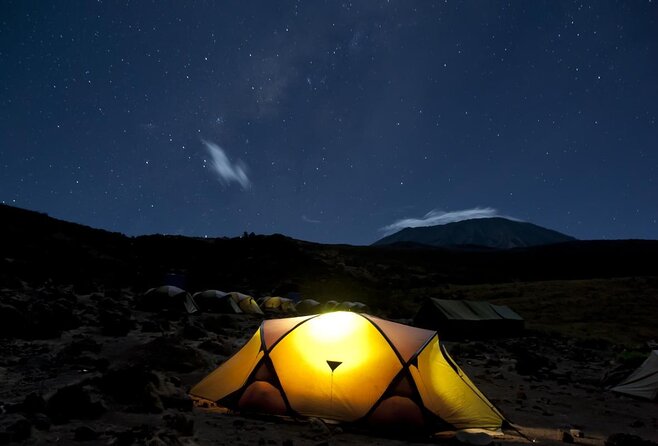
- Uhuru Peak comes after a night start: You leave Kibo Hut around night-time and climb to the 5,895-meter summit before descending the same day.
- Shared huts replace camping: Marangu is the only route here with wooden hut accommodation, but beds are shared in rooms holding roughly 8 to 16 people.
- Two acclimatization hikes help: You climb above Horombo Hut twice before moving to Kibo, giving your body extra time at altitude.
- The safety setup is substantial: Guides monitor you, medical checks are included, and the crew carries oxygen, oximeters, and medical kits.
- Food suits many diets: Vegetarian, vegan, gluten-free, lactose-free, halal, and other meal plans can be arranged.
- The real trip takes eight days: Two hotel nights surround six mountain days, with airport transfers included.
What the $2,902 price really covers
At $2,902 per person, this is not a budget walk with a guide and a packed lunch. You are paying for a full mountain operation. The price includes pickup and drop-off at Kilimanjaro International Airport, ground transportation, two nights at Aishi Machame Hotel, all Kilimanjaro National Park charges, shared mountain huts, porters, cooks, group equipment, meals, drinks, medical supplies, and guide support.
That matters on Kilimanjaro. Park fees alone form a large part of a climbing package, and the mountain crew must move food, cooking equipment, bedding support, and other supplies up and down the route. You also avoid arranging separate transport between the airport, hotel, and Marangu Gate.
The price does not include international flights, a Tanzanian visa, personal hiking equipment, sleeping bag rental or purchase, insurance, hotel lunch and dinner, tips, or a hotel single supplement. Most nationalities pay $50 for a visa at the airport, while US passport holders pay $100. Hotel meals cost about $15 each, according to the supplied details.
I would treat mountain trekking insurance as essential, not optional, even though it is listed separately. Check that your policy covers high-altitude hiking and evacuation. The package includes medical checks and emergency equipment, but that does not replace proper insurance.
More Kilimanjaro Climbs in Moshi
- Kilimanjaro climb by Lemosho Route (7-day)
★ 5.0 · 651 reviews - Kilimanjaro climb, Machame Route (7-day)
★ 5.0 · 262 reviews - Kilimanjaro Climbing Lemosho Route 8 Days.
★ 5.0 · 186 reviews
Arrival in Moshi and the first briefing
Your arrival day begins at Kilimanjaro International Airport, where an Altezza Travel representative meets you and transfers you to the hotel. Aishi Machame Hotel provides the practical comforts you want before the climb: hot water, internet access, a swimming pool, and a room shared by two people unless you pay for single accommodation.
The evening briefing is important. This is when staff check that you are ready, explain the mountain plan, and give you a chance to raise questions about clothing, equipment, food, and health. Use this time well. If you are hiring boots, a sleeping bag, or other personal gear, confirm the arrangement before leaving for the mountain.
The stated meeting time is 9:00 am, but the first hotel day is mainly for arrival and preparation. The eight-day schedule gives you two hotel nights, one before the climb and one after it. Check-out on the last day is at 11:00 am. A late check-out is available for an extra fee if your flight leaves later.
Day 1 on the mountain: Marangu Gate to Mandara Hut
The drive takes you to Marangu Gate at 1,860 meters. Here, permits are handled and climbers register with the search and rescue service. Once those formalities are finished, the walk begins through Kilimanjaro’s rainforest.
The first climb takes about seven hours and ends at Mandara Hut, at 2,700 meters. This is a steady introduction rather than a brutal start, but tropical rain is common in this section. Pack your rain jacket where you can reach it quickly, and carry spare clothing in a waterproof bag.
The supplied schedule contains a reference to tents, but the accommodation included for this trip is shared wooden huts under the national park rules. That distinction matters. You are not carrying a tent or sleeping in a private shelter, but you should expect a shared mountain room with basic facilities rather than hotel comfort.
The crew prepares camp needs and dinner while you settle in. Meals are designed to provide energy, and tea, coffee, juices, and soda are included on the mountain. Dietary requirements can be catered for, but tell the company before departure rather than waiting until the first meal.
Day 2: Horombo Hut and the first acclimatization walk
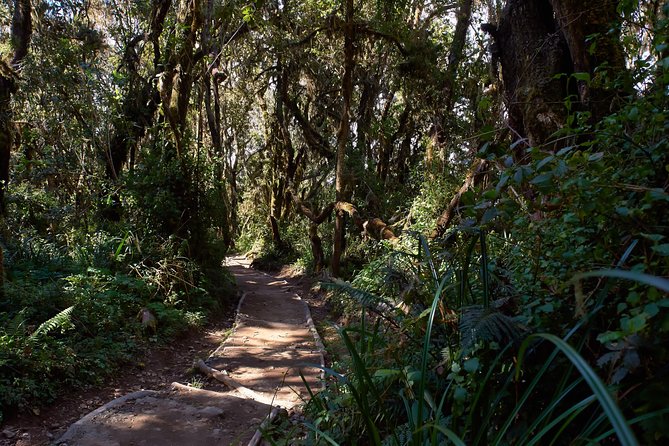
After breakfast, you walk from Mandara Hut to Horombo Hut at 3,720 meters. The route takes about eight hours, including the day’s progress and the planned acclimatization walk. The scenery opens up as you leave the rainforest, and you can see the two volcanic peaks of Kibo and Mawenzi.
Horombo is an important stop because you spend more than one night here. After lunch, the group climbs about 200 meters toward Kibo Hut, then returns to Horombo for dinner. This short climb may feel unnecessary when you are eager to gain ground, but it gives your body more time at altitude.
The company advises a slow pace on these acclimatization outings. Take water, wear layers, and treat the walk as training rather than sightseeing. You should not race ahead because the purpose is to adjust gradually, not to prove fitness.
Same trailhead, a different route:
- Climbing Kilimanjaro – Machame Route
★ 5.0 · 170 reviews - Climbing Kilimanjaro through 7 days Machame Route
★ 5.0 · 151 reviews - Kilimanjaro climb, Lemosho Route (8-day)
★ 5.0 · 148 reviews - Kilimanjaro climb, Lemosho Route (6-day)
★ 5.0 · 129 reviews
Day 3: A second acclimatization hike near Mawenzi
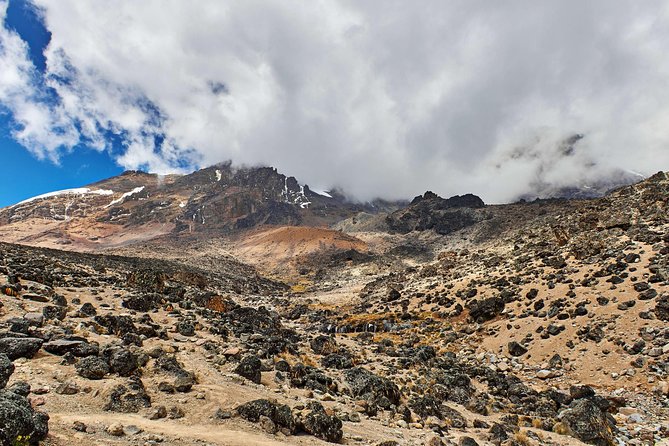
Day four of the full schedule, and the third mountain day, is built around another acclimatization walk. From Horombo, you climb toward Kibo and reach a point around 4,500 meters before returning. The walk covers about 5 to 8 kilometers and takes three to four hours.
This is one of the strongest parts of the plan. A six-day ascent leaves little spare time, so using a full day near Horombo gives you a better chance to adjust before the summit push. After lunch, you can photograph Mawenzi, rest, or sleep.
The day is shorter than the others, but do not assume it is a free day. Altitude can make a modest walk tiring. Save your energy, drink regularly, and report unusual symptoms to your guide. The crew is expected to perform medical checks, and guides monitor stamina and mental condition throughout the climb.
Day 4: Horombo to Kibo Hut at 4,700 meters
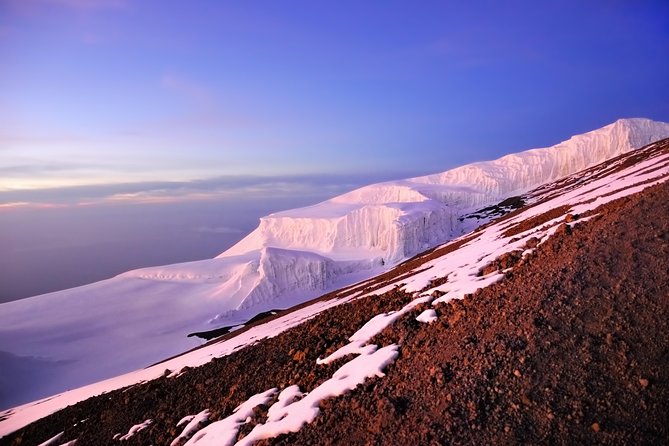
The route now leaves Horombo and heads to Kibo Hut. The elevation rises from 3,720 to 4,700 meters, the distance is about 10 kilometers, and the walk takes four to eight hours.
The physical walking is described as moderate, but the altitude changes how your body feels. Move slowly and keep a steady rhythm. This is not the day to spend energy trying to be first into camp. Your main job is to arrive with enough strength for the summit night.
Kibo Hut is the final sleeping point before Uhuru Peak. After lunch, the advice is simple: sleep, drink water, and avoid unnecessary activity. You might not sleep well at this height, so rest quietly even if you cannot fully nod off. Organize your summit clothing, headlamp, gloves, snacks, and water before lying down.
Shared huts are practical, but privacy is limited. Rooms hold roughly 8 to 16 people under the national park rules. Pack earplugs if you use them, and keep essential items close to your sleeping place.
Summit night: Kibo Hut to Uhuru Peak
The summit attempt begins at night. From Kibo Hut at 4,700 meters, you climb toward Uhuru Peak at 5,895 meters, then return to Kibo before continuing down to Horombo. The full day can last about 12 hours.
The walking itself is not technical mountaineering, but altitude makes this the hardest part. Cold, darkness, steep ground, and fatigue combine to test your body and judgment. The schedule says each pair of climbers is accompanied by its own guide, who watches physical stamina and mental resolve. That level of attention is a valuable part of the package.
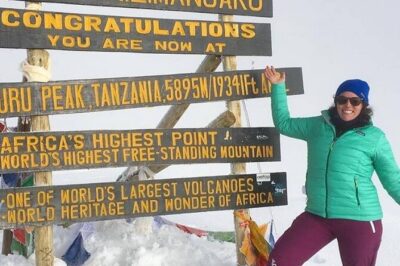
The final summit view can be spectacular, but do not measure the day only by reaching the sign at Uhuru Peak. The descent is also serious. The supplied advice notes that most accidents occur during the descent, so take it slowly even when you feel relieved to be going downhill.
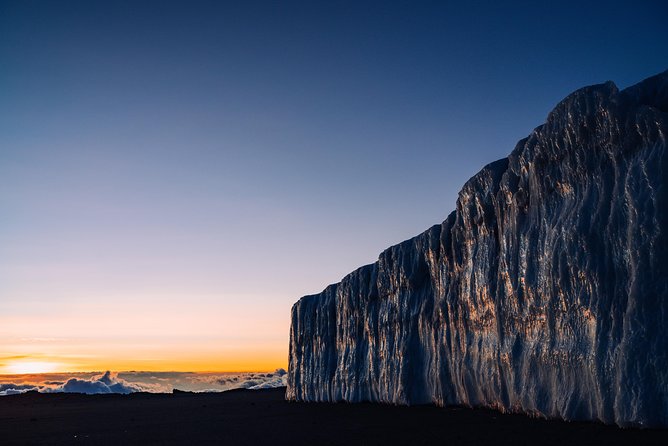
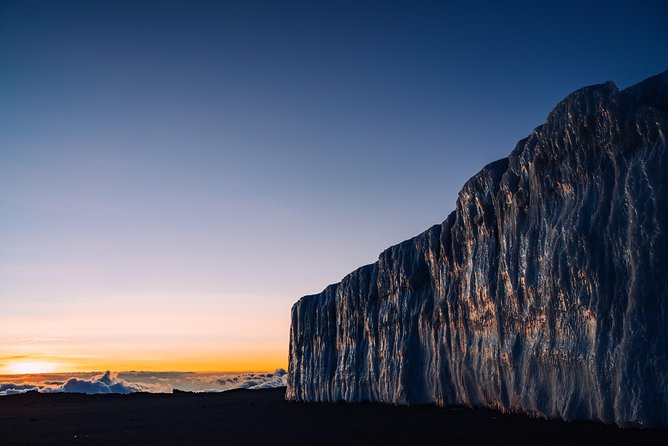
After reaching the summit, you can descend to a nearby glacier if conditions and energy allow. This is optional, and I would not treat it as a must-do. The priority is returning safely to Kibo Camp, resting for about two hours, and continuing down to Horombo Hut.
This is where the six-day format asks a lot from you. A longer route would give you more nights for adjustment, while this itinerary compresses the climb into a demanding schedule. The two Horombo acclimatization hikes improve the plan, but they cannot remove the risk of altitude sickness.
Final descent to Marangu Gate
After breakfast at Horombo, you descend all the way to Marangu Gate at 1,860 meters. The walking distance is about 18 kilometers and takes five to six hours.
The descent is easier on your breathing, but it can be hard on tired knees and feet. Use trekking poles if you have them, keep your boots tied securely, and do not rush simply because the summit is behind you. The forest returns as you lose height, giving the final stretch a very different feel from the high volcanic zone.
At the gate, the group gathers to celebrate, share comments in a guestbook, and receive commemorative certificates at the company office. You are then transferred back to the hotel. That night at Aishi Machame Hotel gives you a proper bed and hot water before airport transfer the next day.
The guides, porters, cooks, and safety system
The strongest theme in the supplied feedback is the crew’s care and professionalism. Specific guides praised in the comments include Rashid, Charles, Justin, Joseph, and Richard Chande. You should not assume one of these people will lead your group, but their names show the sort of personal guide support associated with the operator.
The crew includes professional porters and cooks, not just a single mountain escort. That changes the experience for you. You carry your personal daypack, while the support team handles much of the group equipment, food, and camp work.
The guides are certified Wilderness First Responders. The package also includes oximeters, oxygen tanks, medical kits, and regular medical checks. These tools are reassuring, but they do not make the climb risk-free. Tell your guide quickly if you feel ill, confused, unusually breathless, or unable to keep pace.
The food gets especially strong praise in the supplied comments. One cook named Victor is singled out for good meals, and vegetarian needs were handled well. Another climber described receiving hot water bottles and extra support on cold nights. Those touches can make a real difference when you are tired, damp, or trying to rest at altitude.
Tips are not included. They are optional and should reflect your satisfaction with the whole crew. Bring cash for this purpose and ask the company for current guidance before the climb.
Who will like this Marangu climb
I would recommend this trip to someone who wants a supported Kilimanjaro climb, prefers huts to tents, and values a set package with airport transfers and meals already arranged. It also suits climbers who want a private booking for their own group while still using shared hut accommodation required by the park.
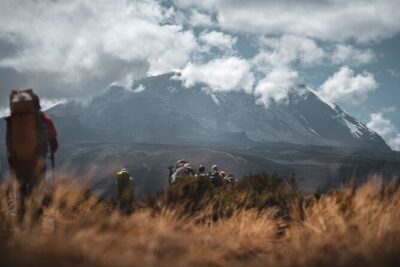
The route is a good fit if you want the classic rainforest-to-arctic-desert progression without technical climbing equipment. The wooden huts make Marangu physically more comfortable than a tent-based route in one important way: you do not sleep on the ground in a tent each night.
The six-day schedule is less suitable if you are new to high altitude, dislike long summit days, or want a relaxed pace. The inclusion of acclimatization hikes helps, but the summit day remains demanding. Families have used the operator for climbs, including a group with children aged 11 and 16, but the available information does not establish a general age policy. Ask the company directly if you are booking for a minor.
Booking details and cancellation
Confirmation is provided when you book, and the experience offers free cancellation if you cancel at least 24 hours before the local start time. Changes or cancellations inside that 24-hour window are not accepted for a refund.
The activity is described as private, meaning only your booking group participates. At the mountain huts, however, accommodation is shared according to park rules. That gives you a private climbing arrangement without promising private rooms on the mountain.
FAQ
How long is the full Kilimanjaro experience?
The full plan takes about eight days. It includes two hotel nights, six mountain days, airport transfers, and the climb from Marangu Gate to Uhuru Peak.
How long is the actual climbing route?
The mountain section lasts six days. You start at Marangu Gate, climb through Mandara and Horombo, spend time at Kibo, summit Uhuru Peak, and descend to Marangu Gate.
Where does the tour begin?
Airport pickup begins at Kilimanjaro International Airport. The listed meeting time is 9:00 am, with the first hotel night followed by the mountain transfer.
Is accommodation included?
Yes. Two nights at Aishi Machame Hotel and shared huts on Kilimanjaro are included. Hotel rooms are for two people unless you book a solo climb or pay for single accommodation.
How many people share a mountain hut?
The huts are shared under national park rules, with roughly 8 to 16 people per hut.
Are meals included?
Breakfast, lunch, and dinner are included on the mountain and at the hotel as specified in the package. Hotel lunch and dinner are not included, and each typically costs about $15.
Can special diets be accommodated?
Yes. Vegetarian, vegan, lactose-free, gluten-free, halal, and other meal plans are available when arranged in advance.
Are park fees included?
Yes. All fees collected by Kilimanjaro National Park are included in the price.
Is personal hiking equipment included?
No. You must provide or hire personal items such as hiking clothing, boots, and a sleeping bag. Group equipment is included.
Is travel insurance included?
No. Insurance is not included. You should arrange insurance that covers mountain trekking activities before departure.
Should you book this six-day Marangu Route climb?
I would book it if you want a well-supported, hut-based Kilimanjaro climb and you are comfortable with a demanding summit schedule. The package covers the expensive and awkward pieces, including permits, transport, food, porters, huts, medical supplies, and hotel nights. That makes the $2,902 price easier to justify than a bare guide-only rate.
I would pause if you can add more time. A longer climb may give you more room to adjust to altitude and recover between stages. Still, this plan is not careless: the two acclimatization walks at Horombo, one-on-one guide attention during the summit attempt, and strong medical setup are meaningful advantages.
Before paying, confirm the personal gear rental, dietary arrangements, single-room cost, tip guidance, and insurance wording. If you arrive fit, prepare for cold and rain, pace yourself, and respect the altitude, Altezza’s Marangu package gives you a practical route to Africa’s highest summit without making you manage the mountain operation alone.
More 6-Day Experiences in Moshi
- Singalila Ridge Trek from Darjeeling – 6 Days
★ 5.0 · 56 reviews - 6 Days Climbing Mount Kilimanjaro Machame Route
★ 5.0 · 40 reviews - 6 day Rainbow Mountain x Ausangate Trek – FlashpackerConnect
★ 5.0 · 30 reviews - 6-day Private Camping Safari Tour from Kilimanjaro Airport
★ 5.0 · 27 reviews
Just added around Moshi
- Mount Kilimanjaro National Park Day Trip★ 5.0 · 7 reviews
- Mount Kilimanjaro Day Hike – All-Inclusive, No Hidden Fees★ 4.0 · 7 reviews
- Moshi, Kilimanjaro: Local Market Shopping Experience★ 5.0 · 2 reviews
- Moshi: Kilimanjaro Climb Marangu Route Guided Tour★ 4.3 · 6 reviews
- Kilimanjaro: Village Walk, Coffee Tour, Waterfall, and Lunch★ 4.5 · 56 reviews
- Kilimanjaro: Day trip -hike to Mandara Hut Kilimanjaro 2700m★ 5.0 · 3 reviews
- #1. Best Kilimanjaro Day hike Tour-Machame Route-ISMANI★ 4.2 · 47 reviews
- Private Kilimanjaro Hike 7 Day Lemosho Route★ 5.0 · 60 reviews
Kilimanjaro Climbs, compared.
8-Day Small-group Lemosho Kilimanjaro Summit Trekking
Read our review →
Climbing Kilimanjaro through 7 days Machame Route
Read our review →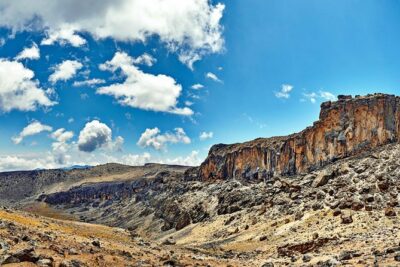
Browse the lists this trek appears in