
Review · MOSHI
Climbing Kilimanjaro – Marangu Route
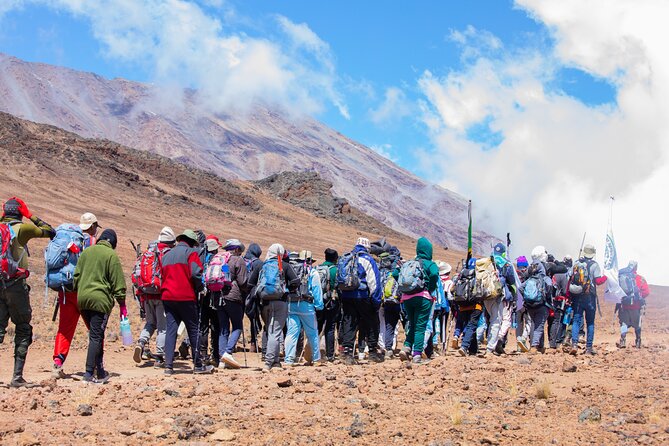
Mount Kilimanjaro’s Marangu Route gives you the most direct path to Africa’s highest point, but direct does not mean easy. You begin in wet rainforest, cross open moorland, sleep in basic huts, and finish with a steep, cold climb to Uhuru Peak at 5,895 meters.
I like the sensible support system here: meals, mountain huts, national park fees, rescue fees, airport transfers, and a full mountain crew are included. I also like the chance to add a day at Horombo Huts, since extra time at altitude can make a real difference.
The main drawback is the five-day schedule. It is short for a climb this high, and the itinerary gives you little time to adjust before summit night. You need moderate fitness, careful pacing, and a willingness to turn around if altitude sickness becomes serious.
Key points to know before you book
- Marangu is the shortest standard route to the summit: That saves time and money, but gives you less time to acclimatize.
- The summit push begins around 1 AM: You climb steep scree in darkness, reach Gilman’s Point around sunrise, then continue along the crater rim to Uhuru Peak.
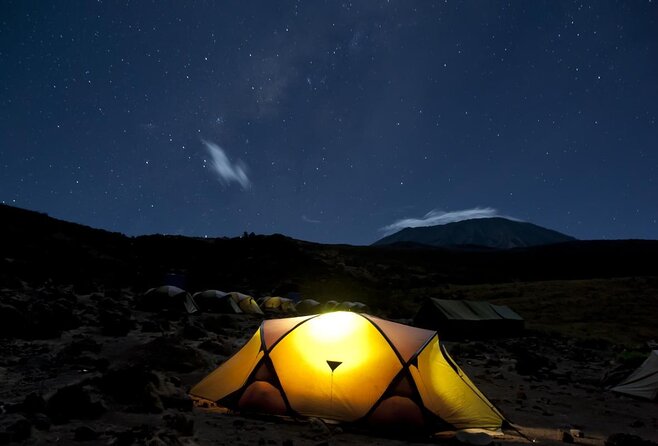
- You sleep in mountain huts: Mandara, Horombo, and Kibo Huts are basic, practical shelters rather than comfortable lodges.
- A sixth day is worth considering: The extra day is spent resting or climbing near Mawenzi from Horombo Huts.
- Meals and crew support are included: Guides, porters, cooks, boiled water, first aid, pulse oximeters, and rescue fees are part of the package.
- Budget separately for gear and tips: Sleeping bags, personal climbing equipment, insurance, visas, emergency oxygen, and crew tips cost extra.
The Marangu Route at a glance
This is a five-day climb from Moshi, priced at $2,004.11 per person. The package includes two hotel nights at the Springlands Hotel, one before and one after the mountain trek. Airport transfers from Kilimanjaro International Airport are also included.
The route uses the eastern side of the mountain and follows a steady upward line through several plant zones. You begin among tall trees and monkeys, pass through heath and moorland, cross the broad saddle between Mawenzi and Kibo, and finish among rock, ice, and thin air.
The phrase easiest route needs a little care. Marangu has a gradual trail and hut accommodation, so it is less rugged in some ways than routes that require camping. But the summit is still nearly 5,900 meters high. The final climb is physically hard, and the short schedule makes altitude the central challenge.
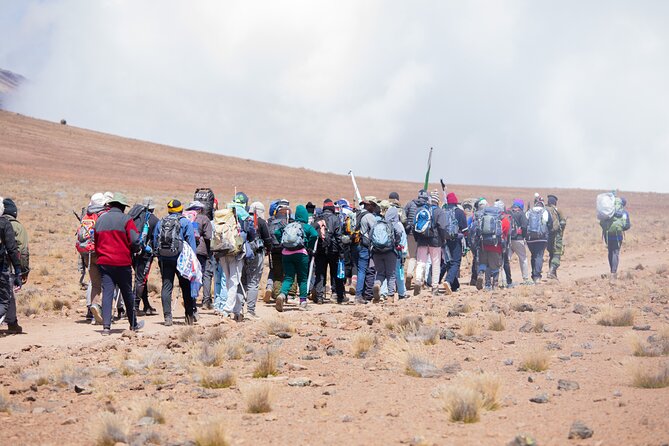
The group can include up to 15 people. That is large enough for a social climb, while still small enough for the guide to keep track of the group. Your exact guide and crew are assigned for your departure, so ask for their names and confirm the plan before you go.
More Kilimanjaro Climbs in Moshi
- Kilimanjaro climb by Lemosho Route (7-day)
★ 5.0 · 651 reviews - Kilimanjaro climb, Machame Route (7-day)
★ 5.0 · 262 reviews - Kilimanjaro Climbing Lemosho Route 8 Days.
★ 5.0 · 186 reviews
Day 1: Marangu Gate to Mandara Huts
Your day begins with breakfast and a briefing, followed by a drive of about 45 minutes from Moshi to Marangu Gate. The scheduled departure from Moshi is around 9 AM, with hiking starting near 10:30 AM after national park registration.
The first section passes through rainforest. Look for tall eucalyptus trees, birds, and colobus monkeys. This is one of the most enjoyable parts of the route because the vegetation feels lush and alive, quite different from the dry, rocky upper mountain.
Rain is common at this elevation, and the trail can become muddy. Pack gaiters and trekking poles if you have them. Shorts and a T-shirt may feel fine at the start, but keep rain gear and warm clothing close at hand. Temperatures and conditions change quickly as you gain height.
A lunch stop breaks up the climb. You should reach Mandara Huts around 2 or 3 PM, giving you time to unpack, rest, and drink tea or coffee. The short walk to Maundi Crater is a worthwhile option if you still have energy. It offers a good first view across the surrounding country and helps you get your legs moving after the drive.
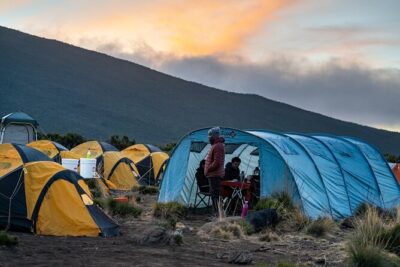
Mandara Huts are basic mountain accommodation. Do not expect hotel comfort, privacy, or a long hot shower. You have a bed and shelter, plus meals prepared by the mountain crew. That is enough for a good night’s rest if you bring a suitable sleeping bag and keep your expectations practical.
Day 2: Mandara Huts to Horombo Huts
After breakfast at about 7:30 AM, you pack and leave around 8:30 AM. The route first passes through rainforest glades, then changes noticeably as you climb into heathland.
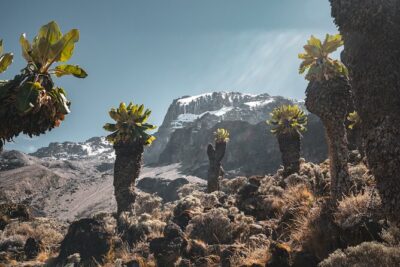
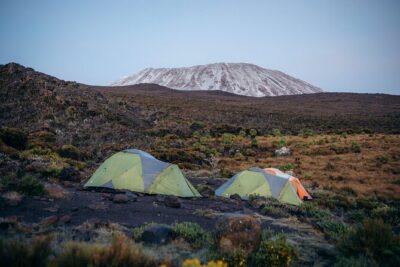
This change in plant life is one of the pleasures of Kilimanjaro. Giant lobelias and groundsels appear along the trail, and the dense forest gives way to open moorland with low shrubs. You also begin to see the mountain’s larger shape, including views toward Mawenzi.
A lunch stop comes about halfway through the day. The arrival at Horombo Huts is planned for around 3 PM. From here, Kibo’s summit is visible, and the mountain begins to feel more serious. The air is thinner, the vegetation is lower, and you may notice headaches, tiredness, or shortness of breath.
Horombo has bathrooms with running water, which makes it more comfortable than Kibo Huts. You unpack, eat dinner, and prepare for the next day. Drink the boiled water supplied by the crew and move slowly. The best acclimatization strategy available on this itinerary is to take the optional extra day here.
If you choose six days, you can spend another night at Horombo. The additional day may be used for rest or for a climb toward a basecamp below Mawenzi’s sub-peak. This is not simply a sightseeing add-on. It gives your body more time to adjust before summit night, and I consider it the better choice for many people.
Day 3: Horombo Huts across the saddle to Kibo
The third day starts with breakfast, and an early riser may catch sunrise photographs. The trail climbs through the last of the heathland before opening into a broad, stark area between Mawenzi and Kibo.
This saddle is surprisingly wide. It can feel like a long walk across an empty plateau, with the summit route ahead of you and Mawenzi rising to one side. The scenery becomes sparse and almost lunar, with far fewer plants and no shelter from the weather.
Stop for lunch, then continue toward Kibo Huts. This is a day to conserve energy. Keep your pace slow, drink regularly, and watch yourself and your companions for signs of altitude sickness. A headache or unusual fatigue can be an early warning. Tell the guide promptly rather than trying to hide symptoms.
Kibo Huts do not have running water. Pack wet wipes, hand sanitizer, and enough personal supplies for this section. You will eat, rest, and prepare for the midnight wake-up. Try to sleep, even if excitement or altitude makes that difficult.
The summit schedule can sound neat on paper, but conditions may alter it. The plan is a 1 AM departure, reaching Gilman’s Point between 5 and 7 AM, then continuing to Uhuru Peak around 9 AM. Your guide’s judgment matters more than the clock.
Same trailhead, a different route:
- Climbing Kilimanjaro – Machame Route
★ 5.0 · 170 reviews - Climbing Kilimanjaro through 7 days Machame Route
★ 5.0 · 151 reviews - Kilimanjaro climb, Lemosho Route (8-day)
★ 5.0 · 148 reviews - Kilimanjaro climb, Lemosho Route (6-day)
★ 5.0 · 129 reviews
Day 4: The midnight climb to Uhuru Peak
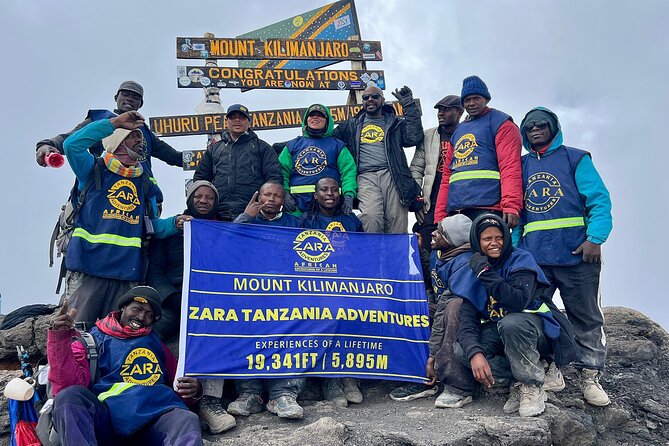
Summit day is the hardest part of the trip. You wake around midnight, eat a light breakfast, dress in your warmest layers, and start climbing at approximately 1 AM.
The trail rises through steep switchbacks on scree. Snow may be present. Darkness hides much of the route, so your world becomes your headlamp, boots, trekking poles, and the slow rhythm of walking. The cold can be severe, and you should keep spare gloves, warm layers, water, and snacks easy to reach.
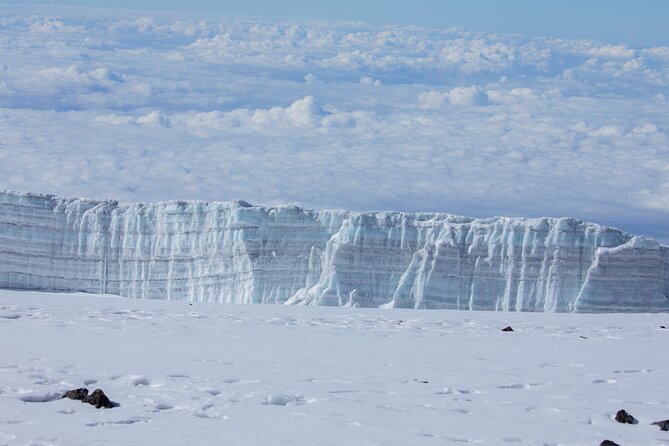
The first major target is Gilman’s Point on the crater rim at 5,861 meters. The expected arrival is between 5 and 7 AM, when the sky begins to brighten. From there, you can see into the crater and toward the mountain’s ice fields.
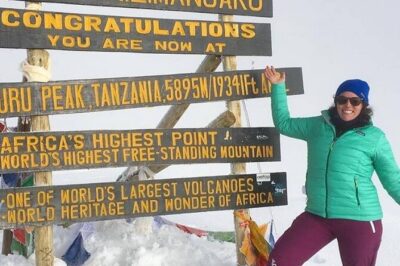
Gilman’s Point is not the true summit. You still have roughly two hours along the crater rim to Uhuru Peak, the highest point in Africa at 5,895 meters. This section may feel easier than the steep switchbacks, but the altitude is extreme and every step takes effort.
At Uhuru Peak, take your photographs, but do not linger longer than necessary. The cold, low oxygen, and accumulated fatigue can affect you quickly. The descent to Kibo Huts begins after the summit, where you rest and eat before continuing down toward Horombo Huts.
This is a very long day, despite the itinerary showing approximately eight hours for each stop. In practical terms, summit day combines a midnight ascent with a substantial descent. You should be prepared for limited sleep and a major physical effort.
Day 5: Returning through moorland and rainforest
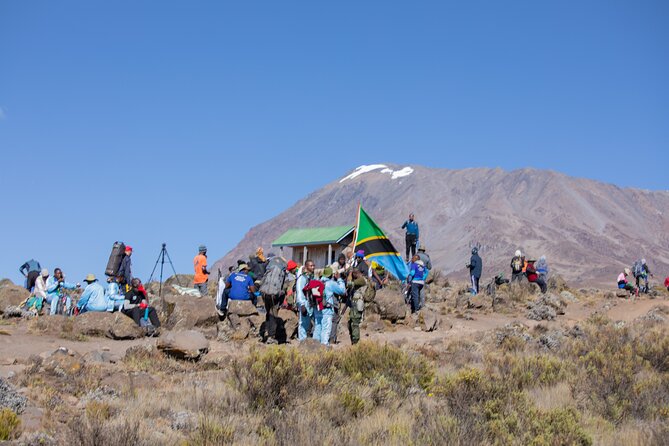
You wake, pack, and descend through the moorland toward Mandara Huts. Lunch is served there before you continue through the forest to Marangu Gate.
The descent can feel joyful, but it is not effortless. Your knees and feet may be sore, and loose ground can make the trail awkward. Trekking poles are especially useful here. Once you reach the gate, remember to thank and tip the guides, porters, cooks, and waiters.
A vehicle takes you back to the Springlands Hotel in Moshi, where the included second hotel night gives you time to shower and recover. From there, you can leave for the airport or continue elsewhere in Tanzania or Kenya. Zanzibar is suggested as a relaxing follow-up, and extra activities such as waterfall tours and cultural village visits can be arranged separately.
What the $2,004 price really covers
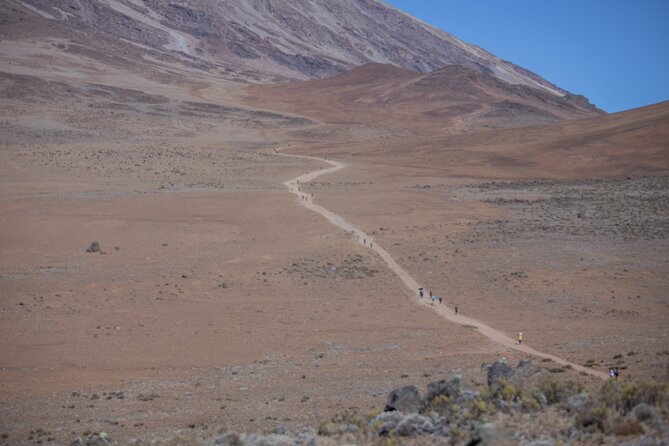
At first glance, $2,004.11 is a large price for five days. The value becomes clearer when you separate the mountain costs from ordinary hotel and transport expenses.
Included are two nights at the Springlands Hotel, airport transfers, national park fees, hut and camping fees, rescue fees required by the park, all mountain meals, boiled water, cooking equipment, sleeping pads, tents where needed, and eating utensils. You also receive guides, porters, cooks, and waiters, with their mountain entry and accommodation costs covered.
The operator supplies first aid equipment and pulse oximeters. That does not remove the need for travel insurance, but it shows that basic health monitoring is built into the climb. Emergency oxygen is not included, so ask exactly how medical emergencies are handled before departure.
The price does not include flights, visas, insurance, sleeping bags, personal climbing gear, drinks not specified, extra hotel nights, or tips. A single-room supplement also applies at Springlands Hotel, except on the one-person rate. These extras can change your final budget, so do not treat the advertised price as the full cost of the holiday.
I also like that the package includes the crew’s wages rather than leaving you to arrange mountain staff yourself. Still, tips are separate and should be budgeted in advance. Carry enough local currency or ask the operator how tipping is handled.
Meals, huts, and the working mountain crew
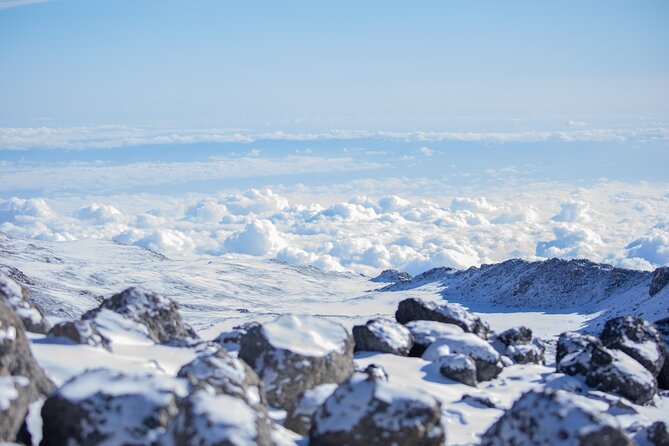
All breakfasts, lunches, and dinners on the mountain are included. Food is prepared by the cook and served as part of the daily camp routine. The available feedback repeatedly praises the food as decent or good, with enough to sustain the climb.
Do not expect restaurant variety or luxury presentation. The useful question is whether meals are warm, filling, and timed around the walking schedule. On a mountain, a hot plate and a cup of tea can matter more than a long menu.
Porters carry much of the equipment, and guides set the pace and monitor the group. Their help is central to the trip. The crew also includes cooks and waiters, making the operation feel more like a moving camp than a self-supported hike.
You should pack respectfully and keep your own luggage light. The porters make the climb possible, but they should not be treated as invisible labor. Tip fairly, thank them directly, and ask the company about its porter welfare practices before booking.
Who should choose this five-day climb
This trip suits you if you want a guided Kilimanjaro climb, prefer huts to carrying camping equipment, and need a clear package that includes transport, food, fees, and crew support. It also suits people who want the shortest route and are comfortable with a demanding summit day.
It is a poor match if you want a relaxed trek, private mountain accommodation, or a generous acclimatization schedule. The five-day plan is fast, and the summit attempt comes soon after arriving at high altitude.
The operator lists moderate physical fitness as the requirement. That should not be read as a promise that the climb is moderate. You need to walk for long periods, manage steep uphill and downhill sections, sleep at altitude, and handle a midnight start.
The six-day version is the smarter choice for many climbers. An extra night at Horombo Huts adds time and may improve your adjustment to altitude. Ask for the exact additional cost and schedule before booking.
Packing advice for rain, cold, and basic huts
Bring waterproof layers for the rainforest, warm layers for the upper mountain, and a sleeping bag suitable for cold nights. Sleeping bags are not included, so arrange your own or ask about rental equipment.
Gaiters help keep mud and rain out during the first day. Trekking poles help with slippery ground in the forest and tired knees during the descent. A headlamp is essential for the summit attempt, although the supplied equipment list does not specifically confirm one.
Pack personal medication, toiletries, hand sanitizer, sun protection, and any snacks you rely on. Keep warm clothing and rain gear in your day bag rather than buried in luggage. Conditions can change before you reach the next hut.
Travel insurance and a visa are your responsibility. Insurance should account for a high-altitude mountain activity, not just ordinary sightseeing.
Booking details and cancellation
Pickup is offered, and airport transfers from Kilimanjaro International Airport are included. The stated start time is 8 AM at Kilimanjaro Airport, while the climb schedule begins later with pickup in Moshi, so confirm your arrival time and exact meeting point directly with Zara Tours.
Confirmation is provided at booking, and the maximum group size is 15 people. Free cancellation is available when you cancel at least 24 hours before the local start time. Cancellations or changes made inside that period are not accepted for a refund.
Should you book the Marangu Route with Zara Tours?
Book this trip if you want a fully supported Kilimanjaro climb with a direct route, included meals, airport transfers, hotel nights, park fees, and an established mountain crew. The practical setup removes much of the planning work, and the strong praise for guides, porters, food, and service points to the crew as the package’s greatest strength.
Think carefully before choosing the five-day schedule. Kilimanjaro is not a casual hike, and the short route leaves less room for altitude adjustment. If you can add a day at Horombo, I would favor that version.
The best reason to book is not the promise that Marangu is easy. It is the chance to take on a serious climb with guides, food, shelter, and rescue arrangements already organized. Go in with realistic expectations, respect the altitude, and budget for gear, insurance, tips, and recovery time afterward.
FAQ
How long is the Marangu Route experience?
The listed trek lasts five days, with an optional sixth day for additional acclimatization at Horombo Huts.
What is the price per person?
The listed price is $2,004.11 per person.
Is airport pickup included?
Yes. Airport transfers from Kilimanjaro International Airport are included, and pickup is offered.
Where does the climb begin?
The climb begins at Marangu Gate on the eastern side of Mount Kilimanjaro, after a drive of about 45 minutes from Moshi.
Are meals included?
Yes. Breakfast, lunch, and dinner on the mountain are included.
Are guides and porters included?
Yes. The package includes qualified guides, porters, cooks, and waiters, including their mountain accommodation and entry fees. Tips are not included.
Are sleeping bags included?
No. Sleeping bags and personal climbing gear are not included. Some equipment may be available to rent.
Is the sixth day included?
The itinerary describes a five-day climb. You can ask about adding a sixth day at Horombo Huts for rest or a climb toward a basecamp below Mawenzi.
What happens if I cancel?
You can receive a full refund if you cancel at least 24 hours before the local start time. Cancellations or changes made less than 24 hours before the start are not accepted for a refund.
Just added around Moshi
- Mount Kilimanjaro National Park Day Trip★ 5.0 · 7 reviews
- Mount Kilimanjaro Day Hike – All-Inclusive, No Hidden Fees★ 4.0 · 7 reviews
- Moshi, Kilimanjaro: Local Market Shopping Experience★ 5.0 · 2 reviews
- Moshi: Kilimanjaro Climb Marangu Route Guided Tour★ 4.3 · 6 reviews
- Kilimanjaro: Village Walk, Coffee Tour, Waterfall, and Lunch★ 4.5 · 56 reviews
- Kilimanjaro: Day trip -hike to Mandara Hut Kilimanjaro 2700m★ 5.0 · 3 reviews
- #1. Best Kilimanjaro Day hike Tour-Machame Route-ISMANI★ 4.2 · 47 reviews
- Private Kilimanjaro Hike 7 Day Lemosho Route★ 5.0 · 60 reviews
Kilimanjaro Climbs, compared.
8-Day Small-group Lemosho Kilimanjaro Summit Trekking
Read our review →
Climbing Kilimanjaro through 7 days Machame Route
Read our review →
Browse the lists this trek appears in