Review · TREKKING
Uluru: Guided Trek of Uluru’s Base in a Small Group
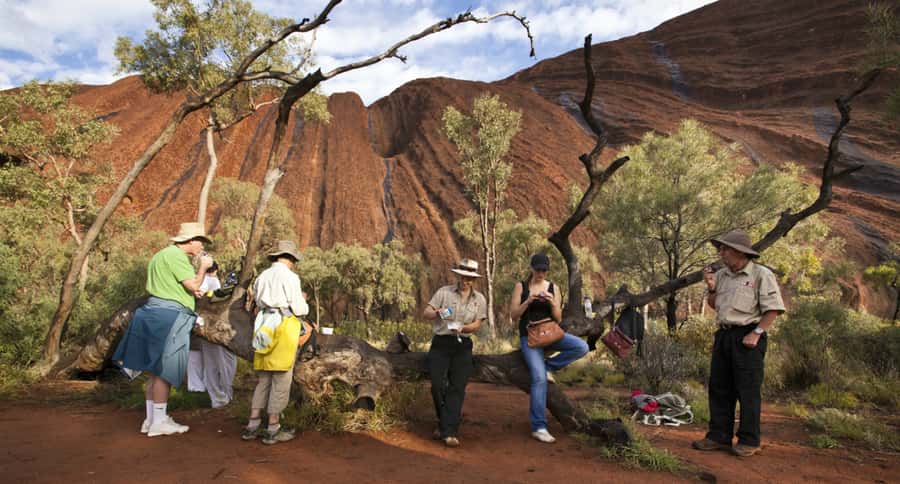
Uluru reveals itself slowly on this early start. You begin walking before sunrise, then watch the first light move across the rock as the monolith changes from shadowy red to glowing orange. The full base walk gives you far more than a viewpoint and a photograph: it brings you to waterholes, caves, rock art, sheer walls, and places tied to Anangu Tjukurpa, or creation stories.
I like the small group of no more than 11 and the care many guides bring to the morning. Guides such as Lucia, Michael, Lily, Rachel, and Dimitri have been praised for making the cultural stories clear and personal. I also like the practical pacing, with rest stops, breakfast on the trail, and a route that can reduce sun exposure later in the walk.
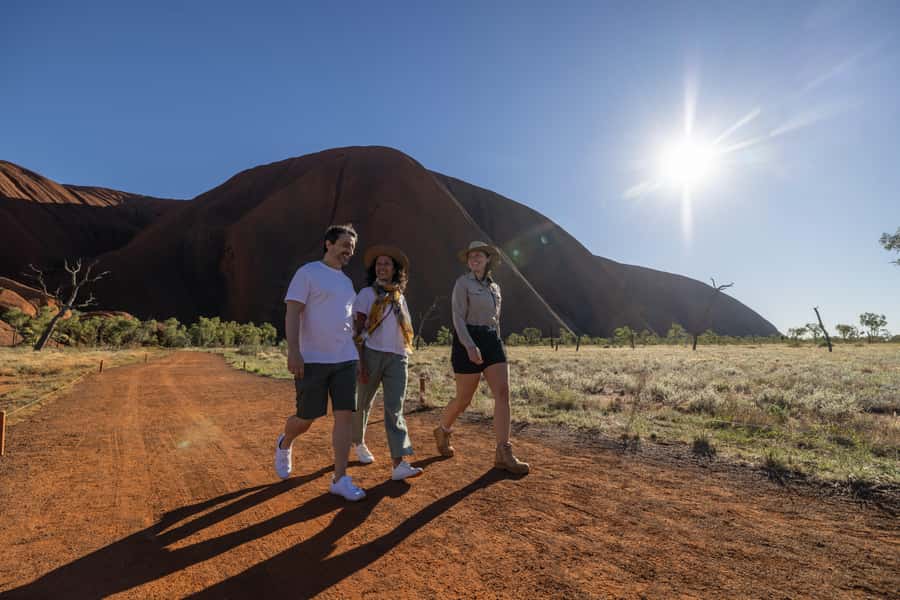
The catch is the distance. You will walk about 10.5 kilometres, and some people have recorded closer to 12 or 14 kilometres depending on the route and stops. The trail is mostly flat and easy underfoot, but the heat, early start, flies, and long hours can test you.
Key points before you book
- Sunrise begins the six-hour outing: You leave your Ayers Rock Resort hotel about an hour before sunrise and reach Uluru in time for the first light.
- The full base walk gives you the complete picture: You see the rock from changing angles, rather than stopping at one lookout.
- Anangu culture guides the walk: Tjukurpa stories, rock art, waterholes, and sacred places give meaning to what you see.
- A small group keeps the walk personal: The vehicle and walking group are limited to 11 people.
- Breakfast is carried with you: The outback picnic pack includes tea and coffee, but one person found it a little light.
- Plan for real desert conditions: Bring water, a hat, sunscreen, walking shoes, and warm layers for the cold start.
Why the full Uluru base walk matters
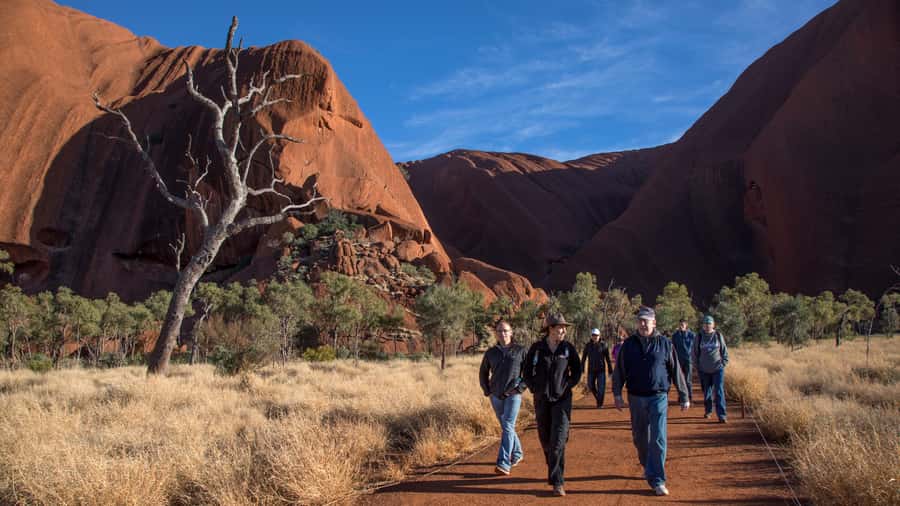
Uluru is easy to admire from a distance. The harder and more rewarding choice is to walk around it.
The full circuit shows how much the rock changes from one side to the next. One section may give you a tall, smooth wall. Another opens onto a waterhole, a shaded cleft, or markings left by generations of Aboriginal people. The rock is not simply one huge red surface. Its curves, caves, grooves, and dark streaks tell different stories about water, weather, geology, and culture.
That is why a guide adds real value here. You could walk the path on your own, but you would miss much of the meaning behind the places you pass. Your guide connects the physical details to Anangu culture, survival in the desert, local plants and animals, and the geology of Uluru.
The cultural side needs respectful attention. Tjukurpa is not just a set of old tales for entertainment. It carries law, responsibility, identity, and knowledge about how people relate to country. The guides explain stories associated with sections of the walk, including Liru and Kuniya near Mutitjulu Waterhole and the Mala people near Kantju Gorge.
A few more treks around the world worth a look
- Bali: Mount Batur Sunrise Trek With Guide and Breakfast
★ 4.8 · 3,461 reviews - From Chania: Full-Day Samaria Gorge Trek Excursion & Guide
★ 4.6 · 3,191 reviews - La Palma: Tajogaite Volcano Guided Trek
★ 4.8 · 1,810 reviews
The pre-dawn pickup and first view of Uluru
Pickup is from outside your hotel reception at Ayers Rock Resort. For Emu Walk Apartments, you go to Desert Gardens Hotel, and for The Lost Camel, pickup is at Sails in the Desert. The vehicle holds up to 11 participants, giving the morning a more personal feel than a large coach tour.
You leave roughly one hour before sunrise. That means a very early alarm, but the timing is the point. Uluru looks different in the dim morning light, and you get to watch the colour change rather than arrive after the main show.
Several guides have been praised for keeping energy up despite pickups around 5am. Michael, in particular, was noted for bringing water and frozen lemongrass towels on a hot morning. Those small touches matter in Central Australia, where comfort can change quickly once the sun is up.
The transport is air-conditioned, which is welcome at the end of the walk and during warmer months. You should still dress for the start, especially from June through September. One person specifically advised bringing a pullover for the morning cold.
Sunrise at the base: beautiful, but not the whole tour
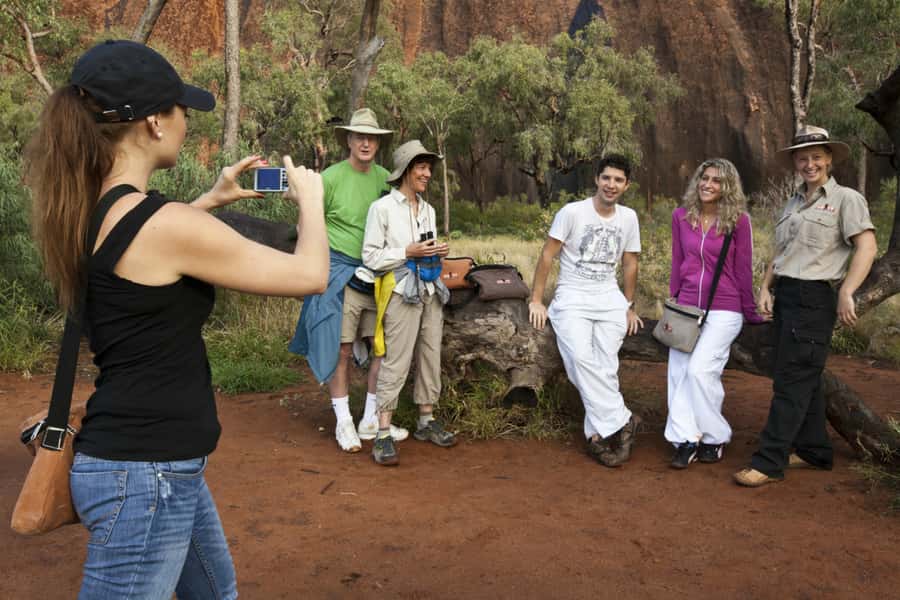
You start walking before sunrise and stop at a good position to watch the first rays reach Uluru. The colour shift is gradual, so you get time to notice the rock changing rather than a brief photo stop.
This is one of the strongest parts of the outing, but it is worth keeping expectations sensible. Sunrise depends on cloud, season, and visibility. The tour gives you the timing and position, not a guarantee of a particular colour or sky.
Once the light improves, the walk begins in earnest. Your guide talks while you move and pauses at places where the story or view deserves more time. This approach works well because you are not standing still for six hours, yet the morning does not feel like a race.
Kuniya Walk and Mutitjulu Waterhole
The Kuniya section leads to Mutitjulu Waterhole, one of the key stops around Uluru. Here, the rock’s shape and water are closely linked to Anangu cultural stories and desert survival.
The walk is a chance to hear about Kuniya and Liru Tjukurpa. Your guide explains the meaning of the site and points out features that are easy to pass without context. You may see rock surfaces, vegetation, and water-related details that look ordinary at first but become more significant once their place in the story is explained.
Mutitjulu Waterhole is also a useful reminder that Uluru is not just a dry monument. Water has shaped how people and animals use this place. The stop gives the walk a quieter rhythm and helps break up the distance.
Do not expect a long rest at every feature. The group has to complete the full circuit within six hours, and the exact pace depends on heat, weather, and the people walking. Guides have generally allowed time for photographs, hydration, and questions, but you should be ready to keep moving.
Same trailhead, a different route:
- Mount Etna: Trek to 3000m with cable car and 4×4
★ 4.6 · 3,823 reviews - Mount Etna: Summit Crater Trek with Cable Car
★ 4.8 · 1,875 reviews - Skaftafell: Ice Cave Tour and Glacier Hike
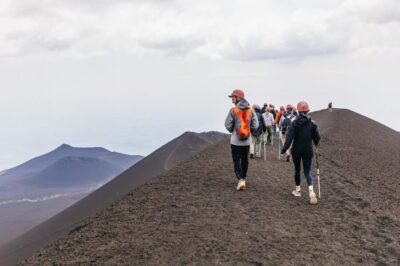
★ 4.5 · 1,746 reviews - Etna: summit craters trekking with volcano guide 3350mt
★ 4.7 · 1,712 reviews
Rock art, geology, and the Mala Walk
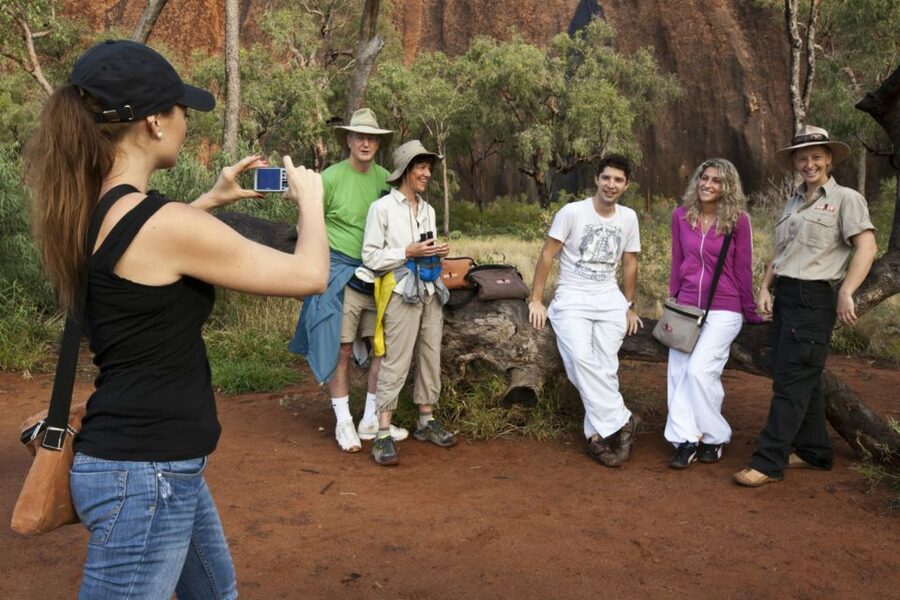
Along the circuit, you see ancient rock art sites and markings on the rock. The value here comes from the explanation. Without a guide, you might notice the paintings but miss how they fit into Anangu life and teaching.
The geology adds another layer. Your guide discusses how Uluru formed and points out the texture, angles, and weathered surfaces of the monolith. You also hear about local flora and fauna, along with the ways people have survived in this demanding environment.
The Mala Walk leads toward Kantju Gorge and brings in the Tjukurpa of the Mala people. This section has a different feel from the waterhole. The walls and gorge create a more enclosed setting, and the change in shape helps you understand why the base circuit is worth doing in full.
Guides such as Lucy, Rachel, Andy, and Max have been praised for turning these stories into an easy conversation rather than a lecture. That matters on a long walk. Good guiding gives you something to think about while your feet keep working.
Kantju Gorge and the changing face of the rock
Kantju Gorge is another strong stop because it shows the scale and detail of Uluru at close range. The walls can feel imposing, while the gorge gives you a more contained view than the open sections of the circuit.
This is also where the difference between a base walk and a distant lookout becomes clear. From far away, Uluru appears like one clean shape. At the base, you see folds, vertical faces, shadowed areas, water channels, and small details in the stone.
The route may be taken counter-clockwise, depending on the guide and conditions. That can be useful in warmer weather because it may leave you walking in more shade during the later part of the morning. Lily was praised for using this kind of pacing, adding rests and helping the group manage the heat.
Breakfast on the trail
Your breakfast comes in a carry pack, with tea and coffee supplied. This keeps the morning simple. You do not stop for a restaurant meal, and you do not lose time returning to the resort before the walk is finished.
The food is described as a light outback picnic. It has been enough for many people, but one person wanted something more filling. I would treat it as breakfast support, not a large meal. If you usually need a substantial breakfast, eat something before pickup if your hotel schedule allows.
You carry the pack yourself, so keep your expectations modest and your hands free for water and walking. The practical benefit is that you can eat in the surrounding setting, rather than leaving the base at the best part of the morning.
Tea and coffee are included, but water is your responsibility. Bring a bottle, and do not assume the breakfast pack replaces a proper supply for a 10.5-kilometre walk.
Fitness, heat, flies, and what to carry
The path is mainly flat, with gravel and generally easy walking underfoot. That makes the tour suitable for many reasonably fit people, including older walkers who are comfortable covering a long distance.
Flat does not mean effortless. You are on your feet for several hours, and the heat can build quickly. One person carried and drank four litres on a warm day. Two refill taps are available along the way, but the water may taste earthy or metallic and is not especially cold.
I would carry enough water for your needs, use sunscreen, and wear a broad-brimmed hat. Sensible walking shoes are important, even though the trail is not described as technically difficult. Sunglasses and clothing that covers your shoulders can also make the walk more comfortable.
Flies may be an issue, especially in warmer months. A face fly net was recommended by one person, and it is a small, light item that can make the difference between enjoying a quiet stop and constantly waving insects away.
In cooler months, use layers. The early morning can feel cold, then the temperature rises as you approach the later part of the walk. The right clothing matters more than dressing for only one part of the day.
How the small group changes the experience
A maximum of 11 people is a strong feature here. You can hear the guide more easily, ask questions without holding up a large crowd, and keep a steadier pace.
The group size also affects the cultural side of the walk. Stories about sacred places need room for thought and questions. A small group makes it easier for the guide to explain a point, check on tired walkers, and adjust the pace.
The quality of the experience still depends on the guide assigned to your departure. The feedback names Lucia, Dimitri, Lara, Michael, Lucy, Andy, Lily, Rachel, Max, and others as warm, engaging, and well prepared. No guide can remove the distance or the heat, but a good one can make both easier to manage.
Optional audio guides are available in Spanish, Chinese, French, German, Italian, and Russian. The live tour guide speaks English. The audio option is useful if you want to follow the information more closely in your own language, though you still need to stay with the group and follow the guide’s instructions.
Is the $169 price good value?
At $169 per person, the tour is not a budget walk. But the price includes hotel pickup and return, air-conditioned transport, a professional driver-guide, a small group, breakfast, tea, coffee, and six hours around Uluru.
The biggest value is the interpretation. You are paying to understand what you see, not only to reach the rock. A self-guided walk may cost less, but it will not provide the same ongoing explanation of Anangu culture, Tjukurpa, geology, plants, animals, and survival.
The National Park entry ticket is extra. You can buy it at the entry station, and it is valid for three consecutive days from the date of issue. Remember to include that cost when comparing this tour with other Uluru activities.
The tour also offers free cancellation up to three days in advance for a full refund. Pickup is included from Ayers Rock Resort hotels, with the stated alternate pickup points for Emu Walk Apartments and The Lost Camel.
Who should book this Uluru walk?
I would choose this tour if you want to see the entire base, care about Aboriginal culture, and prefer a guide-led day rather than a quick photo stop.
It suits you especially well if:
- You are reasonably fit and comfortable walking about 10.5 kilometres.
- You want sunrise and cooler morning conditions.
- You prefer a group of 11 or fewer.
- You value cultural explanation and local stories.
- You want transport from your Ayers Rock Resort hotel.
- You can handle an early start and carry your own water.
It may not suit you if you want a short, relaxed visit with little walking. The six hours include a long circuit, and the breakfast is light. If heat, distance, or a pre-dawn pickup will spoil the day for you, choose a shorter Uluru outing instead.
FAQ
How long is the Uluru base walk?
The walk is approximately 10.5 kilometres. Some people have recorded a longer distance, depending on the exact route and stops.
How long does the full activity last?
The tour lasts six hours, including pickup, transport, walking, stops, breakfast, and the return to your Ayers Rock Resort accommodation.
What time does pickup take place?
Pickup is approximately one hour before sunrise. Check availability for the exact starting time on your chosen date.
Where is hotel pickup available?
Pickup is available from all Ayers Rock Resort hotels. Emu Walk Apartments guests meet at Desert Gardens Hotel, while The Lost Camel guests meet at Sails in the Desert.
Is breakfast included?
Yes. You receive an outback picnic breakfast in a carry pack, along with tea and coffee.
Is the National Park entry ticket included?
No. The Uluru Kata Tjuta National Park entry ticket is not included. It can be purchased at the entry station and is valid for three consecutive days from the date of issue.
What languages are available?
The live guide speaks English. Optional audio guides are available in Spanish, Chinese, French, German, Italian, and Russian.
How large is the group?
The vehicle and tour group are limited to 11 participants.
What should I bring?
Bring sensible walking shoes, a water bottle, a hat, sunscreen, and suitable walking clothes. Warmer clothing is useful in cooler months.
Can I cancel the tour?
Yes. You can cancel up to three days in advance for a full refund.
Should you book it?
Book this tour if you want the most complete guided introduction to Uluru in one morning. The full circuit, sunrise timing, small group, and Tjukurpa stories give you a fuller understanding than a quick lookout visit.
Just respect the distance. Carry serious water, prepare for flies and changing temperatures, and do not mistake a mostly flat path for an easy stroll. If you are ready for the early alarm and the long walk, $169 is a fair price for six hours of transport, guiding, cultural context, and close views of every side of Uluru.
Just added around the world
- Everest Base Camp Trek★ 5.0 · 3 reviews
- Everest Base Camp Trek★ 5.0 · 7 reviews
- 15 Days Private Everest Base Camp Trek★ 5.0 · 30 reviews
- Everest Base Camp Trek★ 5.0 · 57 reviews
- 14 Days of Adventure Trekking to Everest Base Camp★ 5.0 · 2 reviews
- 14-Day Everest Base Camp Trek★ 5.0 · 20 reviews
- From Kathmandu: Private 14-Day Everest Base Camp Trek★ 5.0 · 20 reviews
- 14 Days Everest Base Camp Trek★ 5.0 · 4 reviews
Guided, compared.

Mount Batur Sunrise Trek With Guide and Breakfast
Read our review →
Full-Day Samaria Gorge Trek Excursion & Guide
Read our review →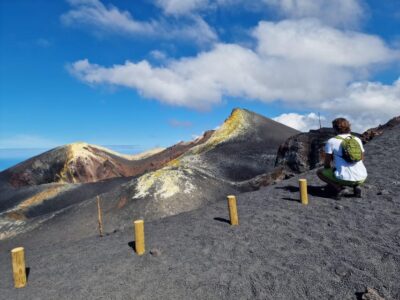
Etna: summit craters trekking with volcano guide 3350mt
Read our review →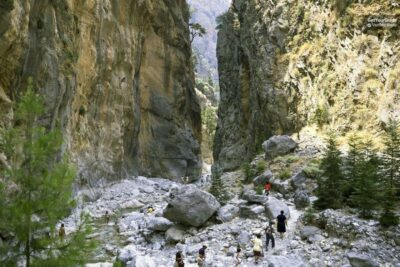
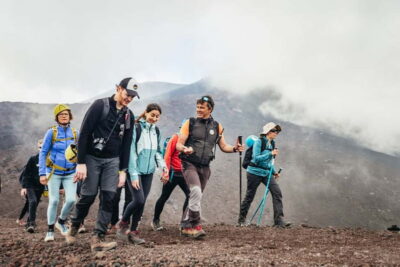
Mount Etna: Guided Trek 3,000 Meters to the Summit
Read our review →