
Review · CATANIA
Mount Etna: Guided Trek 3,000 Meters to the Summit
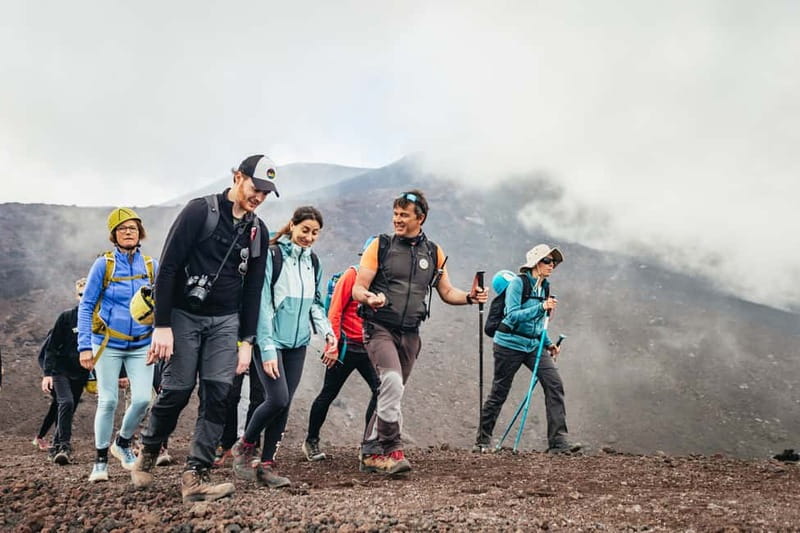
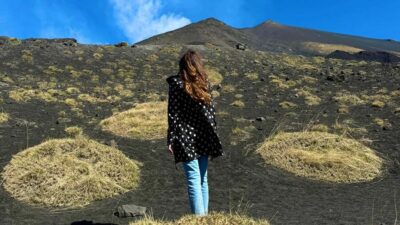
Mount Etna is not a tidy mountain walk. It is a high-altitude trek across black ash, loose stones, old lava flows, and exposed volcanic ground, with a steaming crater still part of the day. The goal is the 3,000-meter summit area, where the views and raw volcanic setting make this one of Sicily’s most memorable outings.
I like two things especially: the guide stays with the group and explains the geology as you walk, and the cable car saves you from spending the whole day on the lower slopes. Luca is praised for setting a calm pace, remembering names, and keeping mixed-ability groups together. The main consideration is the altitude and rough footing. Wind, ash, cold, and sudden weather changes can make the final section much harder than the distance suggests.
The best parts of this Etna trek
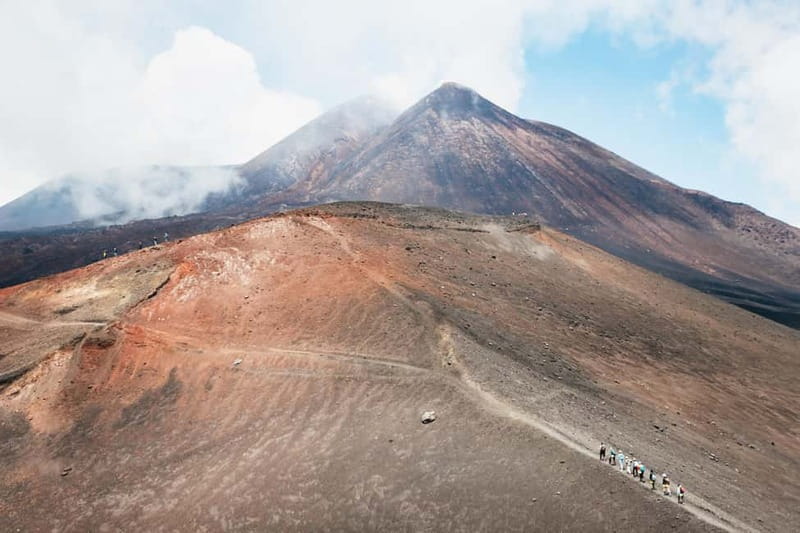
- A high starting point: The cable car takes you to roughly 2,500 meters before the hike begins, so your energy goes toward the upper volcano.
- A real volcanic setting: You cross ash, rock, and old and recent lava flows instead of following a regular paved mountain path.
- The steaming 2001 Crater: This crater at about 2,700 meters still fumes, giving you a close look at Etna’s continuing activity.
- Guides who manage the pace: Luca, Marco, and Manuel are among the guides praised for clear explanations, patience, and careful support.
- A full six-hour outing: The day includes the cable car, roughly three and a half hours of walking, a lunch break, and the return descent.
- A weather-dependent route: Your guide can change or stop the trek if wind, weather, environmental conditions, or volcanic risk makes the route unsafe.
Starting at La Terrazza Dell’Etna
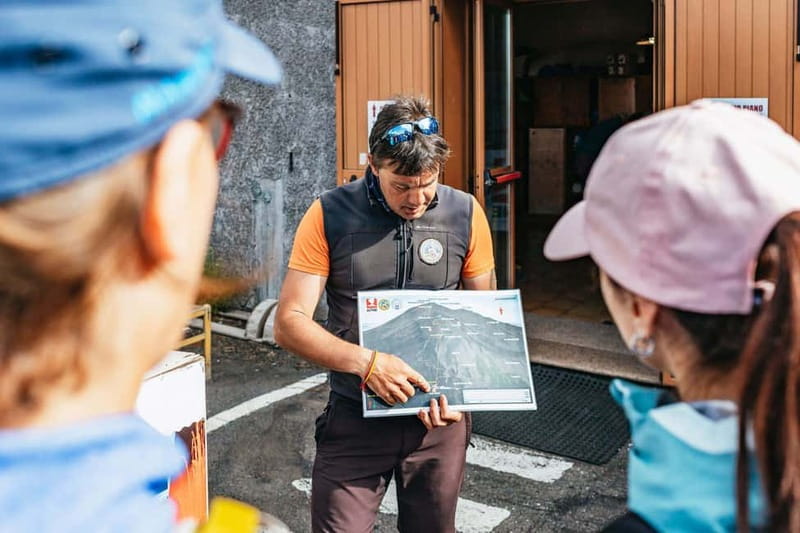
You meet at La Terrazza Dell’Etna, which also serves as the end point. The day begins with a briefing, a useful moment to ask about the route, check your clothing, and tell the guide about any health concerns.
From here, you head to the cable car. The ride takes about 20 minutes and lifts you toward 2,500 meters. This is an important part of the experience, not just a transport detail. It quickly changes the setting from an accessible mountain resort area to a stark, high volcanic zone where loose ash and dark rock replace ordinary hiking paths.
The cable car ticket needs careful checking before you pay. The activity information gives conflicting details: one section says the ticket is included, while another says the cable car costs €50 and must be paid on site. Some user experiences also mention paying €50 or €60 for the transport. Ask the provider to confirm the current arrangement before booking, and budget for the €50 charge unless they clearly tell you otherwise.
Hotel pickup and drop-off are not included. You make your own way to the meeting point, and the activity returns there at the end.
More Volcano Treks in Catania
- Etna Sunset Tour: Volcano trek, Cave & tasting from Catania
★ 4.8 · 1,290 reviews - From Catania: trek on Mount Etna, Lava Cave & tasting Tour
★ 4.8 · 563 reviews - Etna Volcano: South Side Guided Summit Hike
★ 5.0 · 311 reviews
Riding above the lower slopes
The cable-car ride is short, but it gives you a useful sense of Etna’s scale. You rise above the lower areas and reach the rougher upper slopes without spending hours on a long approach walk.
The advertised altitude for the walking portion is 3,000 meters. Exact routes can change. Some descriptions from the day refer to transport reaching close to 2,900 meters and a hike continuing higher, while the official experience sets the trek at about 3,000 meters. Treat the altitude as an approximate maximum, not a guaranteed pinpoint.
That flexibility is sensible on an active volcano. The route can be interrupted or altered for wind, weather, environmental conditions, or volcanic danger. A good guide will put safety before the advertised route, and the experience specifically gives the guide that discretion.
Walking across ash and lava
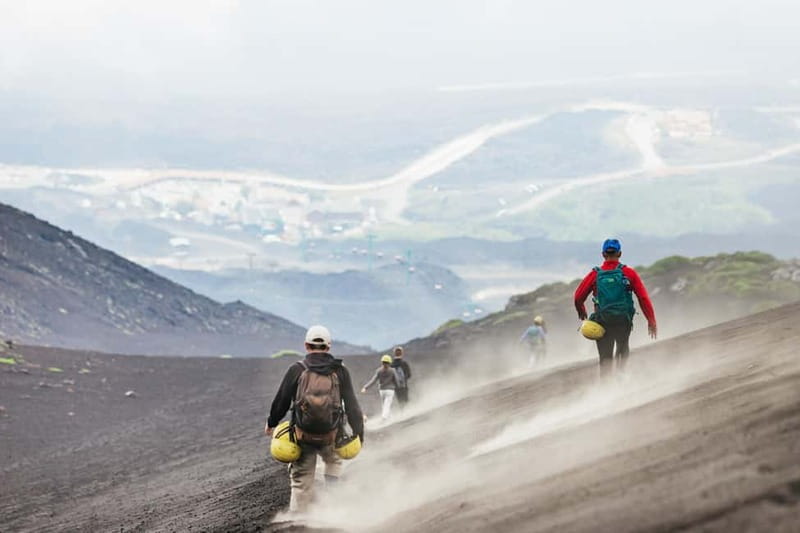
After leaving the cable car, you hike through volcanic terrain for about two hours. There are old and recent lava flows, loose black stones, ash, and sections without a normal trail. The ground can feel more like a rough scramble than a standard walk.
This is where proper footwear matters. Wear trekking boots with ankle support and high socks. Loose pebbles can work their way into low shoes, especially on the descent. Long trousers are also useful because they cover the tops of your boots and reduce the amount of ash and gravel getting inside.
Trekking poles are supplied, and you should use them. They help with balance on loose ground and make the downhill section easier on your knees. Helmets and insurance are also included.
The walk is described as suitable for people with medium physical training who are used to walking on sand and rock without a marked path. You do not need special climbing skills, but you do need steady footing and enough stamina for several hours at altitude.
Reaching the summit crater area
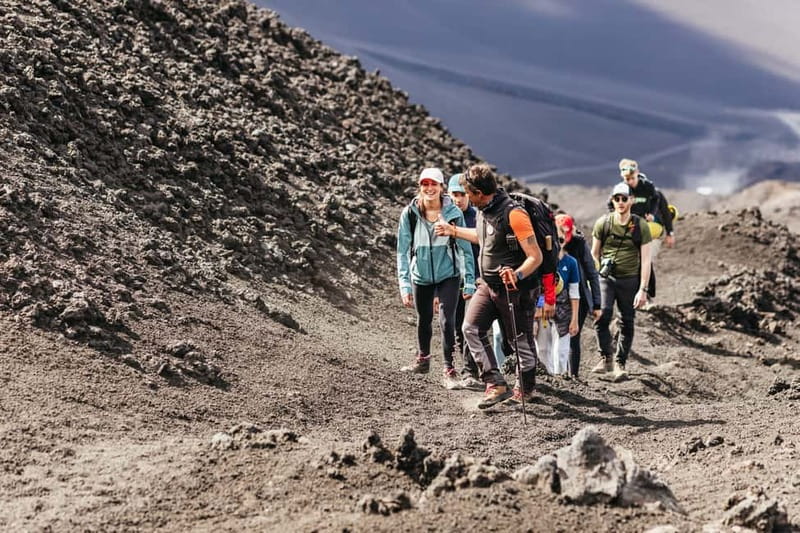
The high point of the outing is the base of Etna’s summit craters. You do not simply arrive at a viewpoint, take a photo, and leave. The guide explains the volcano as you move through the upper area, pointing out the effects of past eruptions and the different surfaces beneath your feet.
On clear days, the views from this height are extensive. The reward comes from seeing the volcanic slopes fall away below you and taking in Sicily from a position that feels far removed from ordinary sightseeing. Strong wind or cloud can reduce the view, however, and conditions at the top can change quickly.
Do not expect a gentle stroll at 3,000 meters. Altitude can make a familiar pace feel slower, and the loose surface demands attention. The best approach is to keep your own pace, drink regularly, and tell the guide early if you feel unwell.
Luca receives repeated praise for setting a pace that works for different fitness levels without rushing anyone. That matters here. A group can include people who hike often and others who are simply determined to try a major volcano walk. A guide who adjusts the rhythm makes the day more enjoyable for everyone.
More Volcano Treks in Italy
- Mount Etna: North Upper Craters Guided Tour by 4×4 with Trek
★ 4.6 · 243 reviews - Catania: Mount Etna Sunset Trekking with Wine Tasting
★ 5.0 · 140 reviews - From Catania: Private mt. Etna trekking and pic-nic
★ 5.0 · 37 reviews - Etna trekking and wine tasting
★ 5.0 · 28 reviews
The steaming 2001 Crater at 2,700 meters
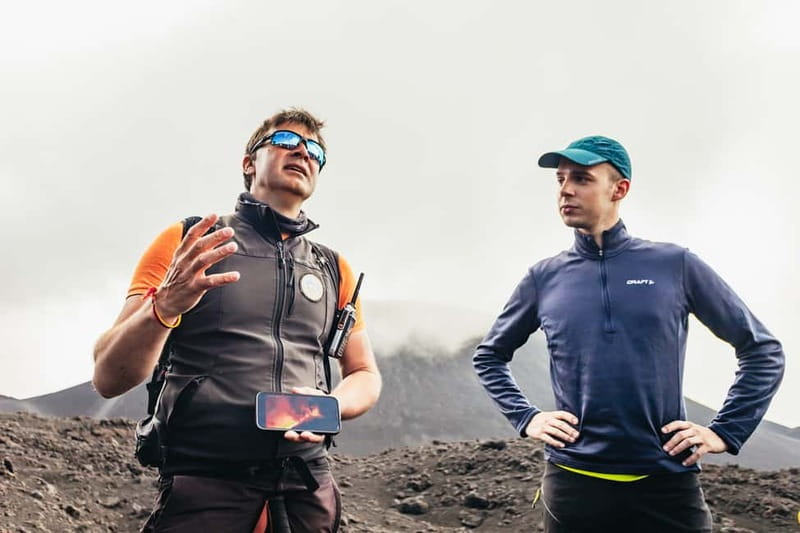
The return route includes a stop at the 2001 Crater, at about 2,700 meters. It still fumes, so this is one of the most memorable sections of the trek.
The crater gives you a close, physical reminder that Etna is active. You are not looking at a long-quiet geological monument. You are walking through a place where eruptions have shaped the ground in recent times and where volcanic gases can be blown toward the path.
Bring a face covering or scarf for ash and fumes. Sunglasses protect your eyes from windblown grit, and contact lenses are forbidden because volcanic ash can spread in the wind and cause irritation. A hat, gloves, and a warm layer are sensible even if the weather at the meeting point feels mild.
Descending through loose volcanic ground
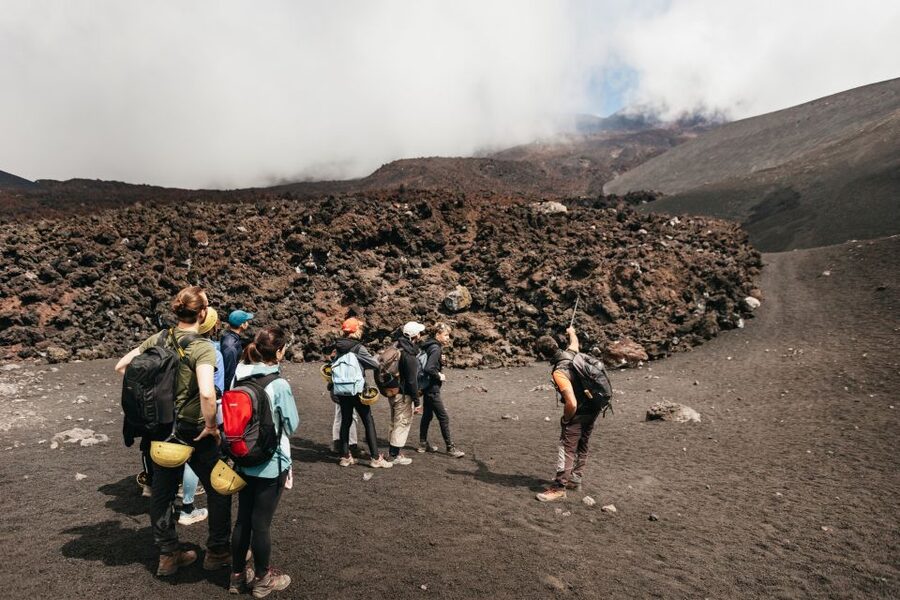
The descent takes about an hour and a half before you return toward the cable car area. For many people, going down is not easier than going up. Loose ash and small stones shift underfoot, and the slope can feel slippery.
Keep your boots tightly fastened and use your poles. Walk with care rather than trying to hurry. The guide remains with the group and can point out safer footing, but you still need to watch every step.
A lunch break takes place during the descent, but lunch is not included. Bring a packed meal and at least 1.5 liters of water. A 10 to 20-liter backpack is the recommended size, enough for food, clothing layers, water, and a spare shirt without becoming cumbersome.
The final cable-car ride takes about 20 minutes and brings you back to the starting area. The stated total duration is six hours, though weather, group pace, and route changes can affect the timing.
What the guide adds to the experience
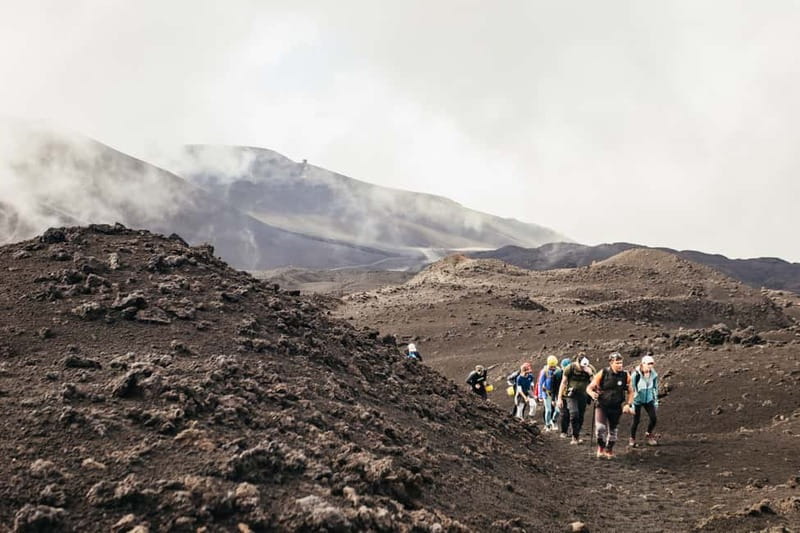
The strongest part of this tour is not simply reaching a number on an altimeter. It is having someone explain what you are seeing while you are standing on it.
The guides speak English and Italian. Luca is repeatedly praised for his volcano knowledge, friendly manner, humor, and ability to bring a mixed group along at a comfortable pace. Marco is also praised for clear explanations and a steady approach. Manuel is noted for adapting the route during difficult weather and helping with clothing and equipment.
The guide’s role also includes risk management. Etna’s upper slopes are exposed, and the weather can turn from pleasant to cold, wet, or fiercely windy. One group faced rain, frost, and snow in May, while another dealt with very strong wind. The guide changed the plan to suit the conditions and got the group back safely.
That kind of flexibility is worth more than a rigid promise to visit every planned point. You are booking access to a volcanic environment, not a fixed museum schedule.
How difficult is the six-hour outing?
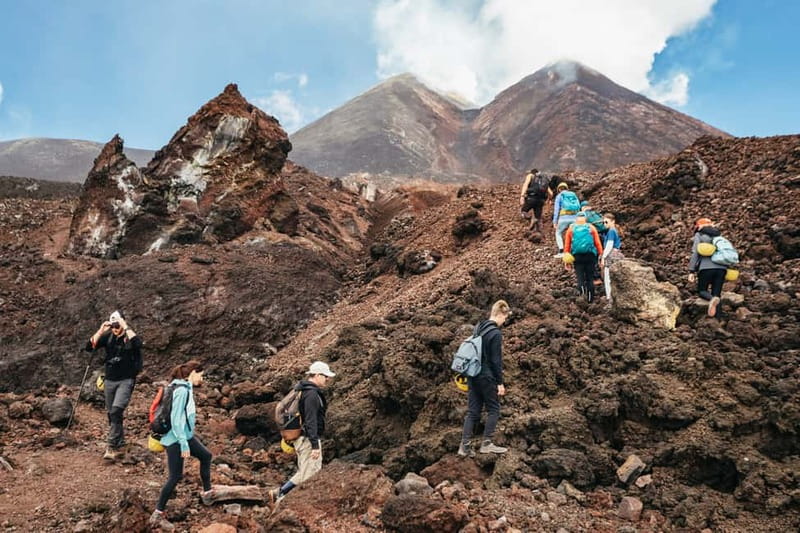
This is a moderate-to-demanding half-day trek. The route includes roughly three and a half hours of walking, but the altitude and surface make it more tiring than the clock suggests.
You should be comfortable with:
- Walking on loose ash and rock
- Going uphill and downhill for several hours
- Managing exposed sections without a standard trail
- Coping with cold, wind, and possible volcanic ash
- Carrying water, food, and extra clothing
The activity is not suitable for children under 10, pregnant women, people with mobility impairments, heart problems, vertigo, or respiratory issues. Tell the guide about any health condition or concern before setting out.
You should not judge the difficulty by the word hike alone. Some people find it challenging but manageable, while others may struggle with the thin air, wind, or descent. If you exercise regularly and are comfortable on uneven ground, the route should be within reach. If you rarely walk on rocky terrain, this may not be the right Etna outing.
What to pack for Etna’s upper slopes
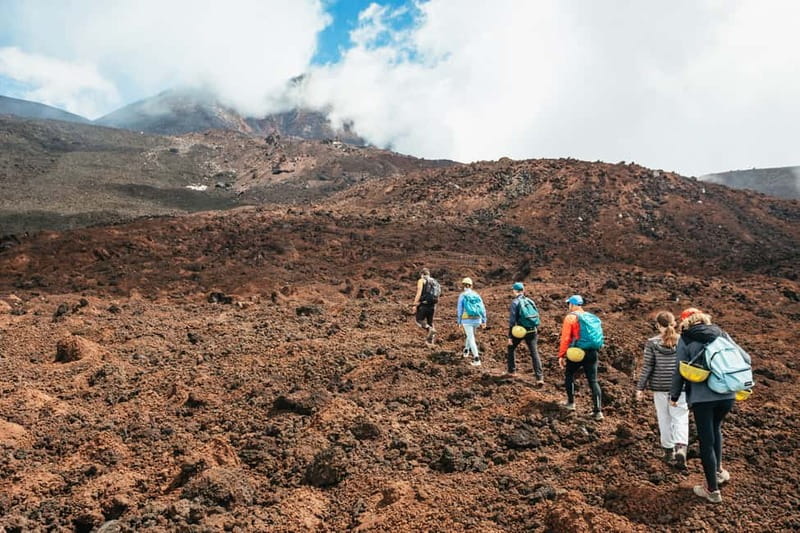
Etna can be cold at altitude even when Sicily feels warm below. Pack for several conditions in one day.
Bring:
- Hiking boots with ankle support
- High socks
- Warm layers
- Long trousers
- A windproof jacket or anorak
- Gloves and a hat
- Sunglasses
- Sunscreen
- At least 1.5 liters of water
- A snack and packed lunch
- A 10 to 20-liter backpack
- A face covering for ash and fumes
- An extra T-shirt
The clothing list may look excessive until the wind rises. A pullover and anorak can make the difference between enjoying the summit area and spending the whole time trying to stay warm.
Do not wear contact lenses. The activity specifically forbids them because windblown ash can spread across the upper slopes.
Is the price good value?
The advertised price is $113.29 per person, but you need to confirm the cable-car cost. The supplied details both include the cable-car ticket and say that a €50 ticket is paid on site. This discrepancy affects the real price, so do not treat the headline amount as the final figure until the provider confirms it.
If the cable car is extra, the cost is closer to a guided mountain outing plus transport. That can still be fair value for a six-hour experience with an alpine guide, helmet, trekking poles, and insurance. You are paying for route support in difficult terrain and for explanations that turn a walk over black rock into a lesson about eruptions, lava, and volcanic change.
The value is strongest if you want to hike rather than simply ride up for a quick viewpoint. If you only want a short Etna visit, the six-hour commitment and extra equipment may feel like too much. If reaching the upper crater area is a major goal, the guide and cable car make the day more practical than trying to manage the terrain alone.
The tour offers free cancellation up to 24 hours before the start, and you can reserve now and pay later. Those policies help when Etna weather is uncertain, but you should still check the day’s forecast and the current route conditions.
Who should book this Etna experience?
I would choose this tour if you want an active volcano experience with real walking, not just a scenic ride. It suits adults and older children over 10 who have moderate fitness and are comfortable on uneven ground.
It is especially good for you if:
- You want to reach a high point on Etna
- You enjoy geology and volcanic history
- You prefer a small-group walking experience to a quick viewpoint stop
- You value a guide who can adjust the pace
- You are willing to pack proper clothing and food
- You want to see both summit terrain and the still-fuming 2001 Crater
Think twice if you have breathing problems, vertigo, heart trouble, mobility limits, or little experience on loose rock. Also reconsider if you want guaranteed clear views. Etna controls the weather, and the guide may shorten or change the route for good reason.
Should you book the 3,000-meter Etna trek?
Book it if you want the most active version of a Mount Etna visit and you are prepared for cold, wind, ash, and a real uphill walk. The combination of cable car access, volcanic terrain, the steaming 2001 Crater, and a guide such as Luca gives the outing substance beyond a standard photo stop.
Skip it if you need an easy path, a fixed schedule, or a fully inclusive price with no uncertainty about the cable car. Before paying, confirm the cable-car fee, check the meeting point, and pack as if the summit will be colder and rougher than expected. For the right walker, this is a demanding but highly rewarding way to meet Sicily’s most powerful natural attraction.
FAQ
How high does the trek go?
The activity is designed to reach about 3,000 meters at the summit crater area. Exact heights and routes can change according to weather, environmental conditions, and volcanic risk.
How long does the experience last?
The stated duration is six hours. This includes the briefing, cable-car rides, roughly three and a half hours of hiking, and a lunch break.
Is the cable-car ticket included?
The supplied activity details are inconsistent. One section lists the cable-car ticket as included, while another says €50 is paid on site. Confirm the current arrangement with the provider before booking.
What languages does the guide speak?
Guides lead the activity in English and Italian. Guide names associated with the experience include Luca, Marco, and Manuel, though the assigned guide can vary.
What should I bring?
Bring hiking shoes, sunglasses, sunscreen, warm clothing, long trousers, a windproof jacket, gloves, a hat, water, a snack, and a packed lunch. You should carry at least 1.5 liters of water and use a 10 to 20-liter backpack.
Who should not take this trek?
The activity is not suitable for children under 10, pregnant women, people with mobility impairments, heart problems, vertigo, respiratory issues, or other health concerns that could make high-altitude walking unsafe. Contact lenses are also forbidden because of volcanic ash.
Just added around Catania
- Mount Etna Advanced Trekking: Private Full-Day Tour from Catania★ 5.0 · 21 reviews
- Trekking in the morning on Mount Etna★ 5.0 · 2 reviews
- One Day Tour in Catania and Trekking on Etna★ 5.0 · 2 reviews
- Sunset Trekking on Mount Etna★ 5.0 · 3 reviews
- Nature Reserve ,Trekking Eco Tour in Iblei National Park★ 5.0 · 27 reviews
- Etna trekking and wine tasting★ 5.0 · 28 reviews
- From Catania: Private mt. Etna trekking and pic-nic★ 5.0 · 37 reviews
- Piano Provenzana: Guided Mt. Etna Snowshoeing Trek★ 5.0 · 3 reviews
Volcano Treks, compared.
Mount Etna: Trek to 3000m with cable car and 4×4
Read our review →
Mount Etna: Summit Crater Trek with Cable Car
Read our review →
Etna: summit craters trekking with volcano guide 3350mt
Read our review →
Mount Etna Trekking Tour Beyond the Tourist Trails
Read our review →
Etna Sunset Tour: Volcano trek, Cave & tasting from Catania
Read our review →
Browse the lists this trek appears in