
Review · TREKKING
Trekking the valley of the pat 3 days/ GUIDE TUTY CHAPADA DIAMANTINA
The real prize here is not one viewpoint. It is the way the Vale do Pati trail links waterfalls, high plains, caves, and small rural homes over three demanding days. Local guide Tuty leads the walk, and his flexibility, trail judgment, photography, and calm approach are central to the experience.
I like the chance to sleep in the homes of Pati residents instead of returning to Lençóis each night. I also like the food element: fresh meals, trail snacks, and coffee prepared along the way give the trek a human touch. The main drawback is simple: this is a serious walk with long hours, steep climbs, uneven ground, and basic overnight lodging. You need moderate fitness and a taste for rustic travel.
At a glance
- Cachoeira dos Cristais: Start with a walk across Gerais do Vieira and a refreshing bath beside a waterfall.
- Morro do Castelo: Climb to a quartzite cave at about 1,470 meters, then use a flashlight to cross it.
- Local home stays: Sleep at the home of Dona Raquel, Mr. Wilson, or another local host, with meals made from farm ingredients.
- Cachoeirão do Pati: Reach a viewpoint over one of the valley’s most dramatic waterfalls and mountain scenes.
- Guide Tuty: Expect a local guide who can adjust the pace and route to suit the group.
- Small group format: The tour accepts no more than 10 people, useful on narrow trails and at simple lodgings.
Why the Vale do Pati deserves three days
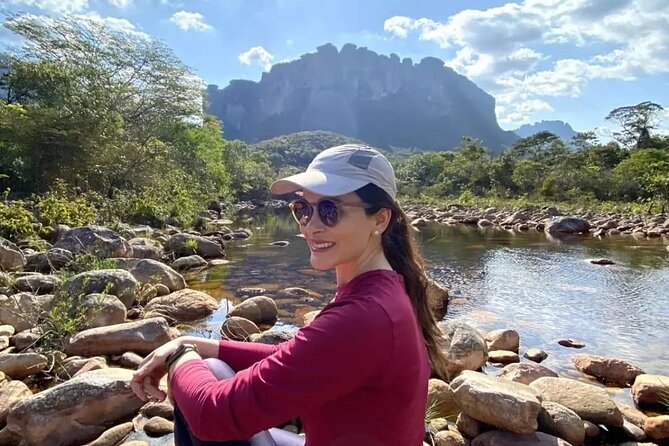
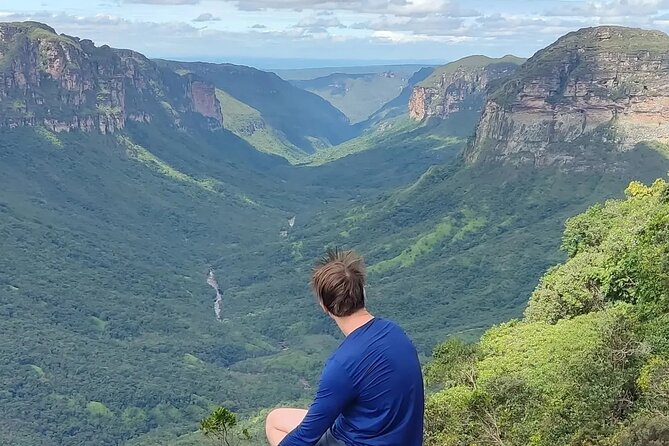
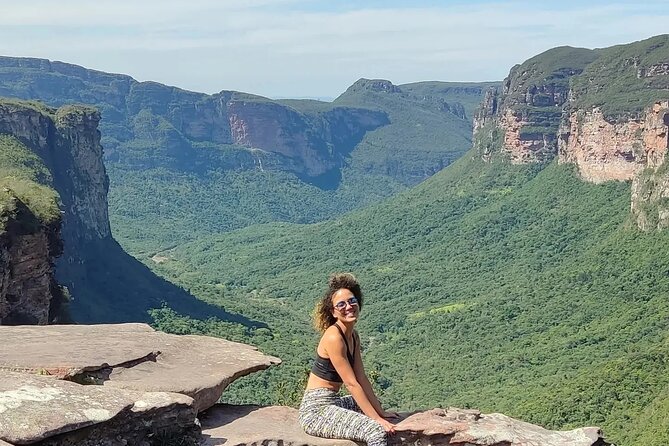
Chapada Diamantina is famous for big views, but the Vale do Pati is best understood on foot. The route moves through open uplands, rocky passes, waterfalls, forested sections, and the broad valley of Pati. You are not simply being driven from one attraction to the next. The walking is the attraction.
This three-day plan gives you enough time to see several sides of the valley. Day one covers the approach from Guiné and the high plains of Gerais do Vieira. Day two focuses on the demanding climb to Morro do Castelo. Day three reaches Cachoeirão do Pati, the grand finish.
The route also has a strong local character. Overnight stays take place in homes run by residents of the valley, rather than in conventional hotels. That means fewer comforts, but more contact with the people who live along the trail. You can expect a straightforward setting, shared meals, and a closer look at rural life in Chapada Diamantina.
A few more treks around the world worth a look
- Sapa 3 Days 2 Nights Trekking Tour (1 Night In Ta Van Village, 1 Night In Hotel)
★ 5.0 · 699 reviews - 3-Day Trekking Adventure of Sapa from Hanoi – Stay Ta Van Village
★ 5.0 · 611 reviews - From Marrakech: 3-Day Mount Toubkal Climbing Trek
★ 4.7 · 597 reviews
Day one: Gerais do Vieira and the first waterfall
The published meeting point is at Av. Sete de Setembro, 34, in Lençóis. The tour is listed with a 7:00 a.m. start, while the day-by-day plan says the drive leaves at 8:00 a.m. after breakfast. Confirm the exact departure time when you book, since an early start matters on a full walking day.
You drive toward Guiné, the trailhead for this section of the Pati route. From there, the path crosses Gerais do Vieira, a wide highland area marked by rolling ground, streams, and open vegetation. This first stretch helps you settle into the rhythm of the trek, but it is not a gentle city stroll. You should arrive ready to carry your own day needs and walk over uneven terrain.
The first named stop is Cachoeira dos Cristais. The plan includes time for a trail snack and a swim beside the waterfall. That break is useful, not decorative. A bath gives you a chance to cool down before the route continues, and the waterfall offers an early reward before the larger views appear.
From there, the trail follows the Trilha dos Tropeiros. The route opens toward the Serra do Sincorá, with rupestrian vegetation, orchids, insect-eating plants, and evergreens known as Paepalanthus. If you enjoy plant life, this section deserves a slower eye. The surroundings are not just a green backdrop. The vegetation is shaped by the rocky, high-altitude setting.
You may also spot saw-footed hawks, usually flying in pairs. Wildlife sightings are never guaranteed, but the open terrain makes this a good section for watching the sky and ridgelines.
The day ends in upper Pati at the home of Dona Raquel or Mr. Wilson, depending on the arrangement. Dinner uses farm ingredients, and the overnight stay is part of the appeal. Do not expect a polished lodge. You are choosing a local home and a simple base after a long walk.
Day two: Morro do Castelo and a quartzite cave
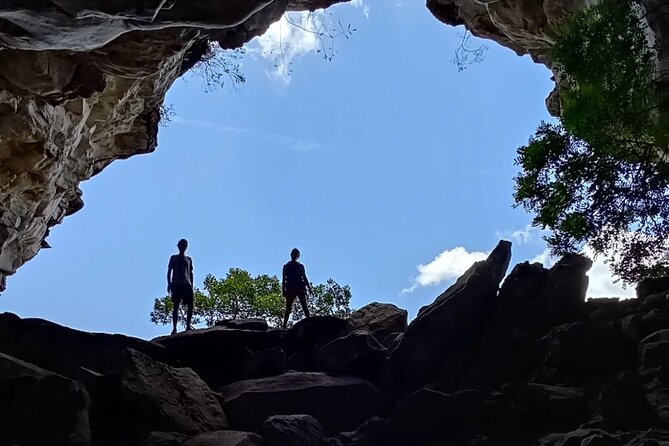
Day two is listed as about six hours of walking, with the climb to Morro do Castelo as its main test. The route gains height toward a quartzite cave at roughly 1,470 meters. This is the day when your fitness level matters most.
Morro do Castelo is not just a viewpoint reached by a broad, easy path. You climb to the cave and cross it with a flashlight before reaching an observation point over lower Pati. The cave passage adds a small sense of adventure, but you should take the instruction seriously: bring or use a reliable flashlight and follow Tuty’s directions closely.
At the viewpoint, the scale of the valley becomes clear. From high above Pati, you see the folds of the Serra do Sincorá and the open space below. The lunch stop is planned for this setting, which makes the midday break more than a practical pause. It is one of the moments when you can sit, eat, and let the size of the valley sink in.
The descent brings you to Funis Waterfall for a bath and rest. After the steep work of Morro do Castelo, this stop gives the day a sensible balance. You get another chance to cool off before returning to the local home for dinner and another night.
The guide’s role is especially important on this day. Tuty is from Lençóis and is described as confident with trail timing, difficulty, and group pace. He is also known for changing the plan when conditions or the group’s ability call for it. That flexibility can make a difficult route feel manageable, but it does not remove the physical demands.
Day three: the viewpoint over Cachoeirão do Pati
The final walking day heads through the open areas around Rio Preto toward Cachoeirão do Pati. This is one of the route’s signature viewpoints. From the lookout, the view reaches toward the rise of the Empire and across the mountain country around the valley.
Cachoeirão is valued for scale. The view is broad, high, and exposed, with the waterfall and surrounding peaks creating the kind of scene that rewards the effort of getting there. If you want dramatic photographs, this is one of the key places to use Tuty’s help. Several people who traveled with him praised his eye for angles and his willingness to take photographs along the route.
The day also offers a chance to look for the red-tie hummingbird, an endemic bird of Chapada, and to notice fern species described as prehistoric plants. Again, these sightings are not promised, but they add interest to a walk that could otherwise become a procession of viewpoints.
There is an important scheduling point to clarify before departure. The supplied plan says dinner and accommodation at the local home after this day, but the meeting information says the activity ends back at the original meeting point in Lençóis. Those details do not fully match. Ask the operator exactly when the return to Lençóis happens and where the final night is spent. This is especially important if you are booking transport or a hotel for the same evening.
Same trailhead, a different route:
- Mount Etna: Trek to 3000m with cable car and 4×4
★ 4.6 · 3,823 reviews - Bali: Mount Batur Sunrise Trek With Guide and Breakfast
★ 4.8 · 3,461 reviews - From Chania: Full-Day Samaria Gorge Trek Excursion & Guide
★ 4.6 · 3,191 reviews - Mount Etna: Summit Crater Trek with Cable Car
★ 4.8 · 1,875 reviews
Tuty’s guiding style
Guide Tuty is the strongest reason to choose this particular version of the Pati trek. He is a native of Lençóis, runs his own local business, and works with local services along the route. That matters in a place where trail conditions, weather, walking speed, and home-stay arrangements can affect the day.
His approach appears to be practical rather than rigid. He can adjust the route to the group’s pace and interests, and he has changed plans when circumstances required it. You should still tell him about food restrictions, fitness concerns, and your preferred walking speed before setting out.
His photography is another useful extra. Tuty knows the viewpoints and can help you find strong angles without turning the entire walk into a photo session. If taking pictures matters to you, say so early.
The group limit is 10 people. That is small enough for a more personal guide relationship, though the actual feel will depend on how many people book your departure. A smaller group also helps when moving through the cave, stopping for meals, or staying in a local home with limited space.
Food and overnight stays in the valley
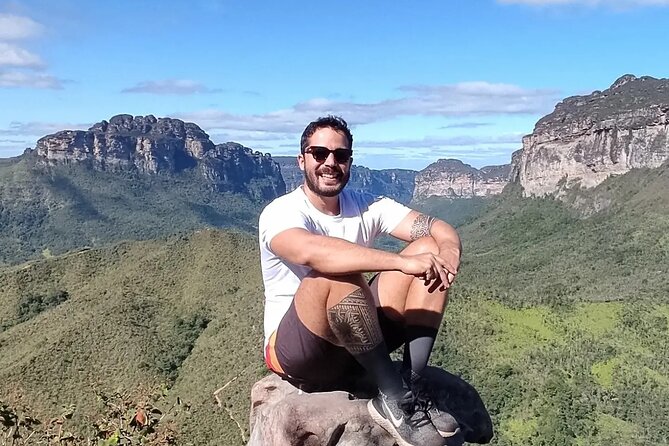
The home stays are a major part of the experience. You are not sleeping in a standardized hotel, and that is both the attraction and the trade-off. The local homes provide a close connection to the valley, but you should be comfortable with simple accommodation and a less predictable level of privacy.
Meals receive particular attention in the plan. Dinners use farm ingredients, and the breakfast and evening meal help restore energy after long trail days. Tuty also prepares trail food, including lunch and coffee made during a break. These details make a real difference. On a hard walk, a fresh meal and hot coffee are not small comforts.
One stay specifically associated with the route is Casa de João, where the setting, cleanliness, welcome, breakfast, and dinner were especially well regarded. The schedule for your trip names Dona Raquel or Mr. Wilson, so do not assume Casa de João is your assigned lodging. Ask which home is planned for your dates.
Food restrictions should be discussed in advance. The operator is described as attentive from the first contact, including questions about dietary needs and equipment. That is worth using. Remote trail meals are easier to arrange when the guide knows what you need before the walk begins.
Difficulty, equipment, and daily comfort
The tour calls for moderate physical fitness, but you should interpret that honestly. Three days of walking over highland paths, steep climbs, rocky ground, and uneven descents is not suitable for someone seeking a relaxed sightseeing outing.
The Morro do Castelo day is likely to feel most demanding because of the climb and cave crossing. The first and third days also require sustained walking. You need comfortable trail footwear, clothing suited to warm walking and cooler highland conditions, water capacity, sun protection, and a flashlight for the cave. The supplied information does not provide a full packing list, so ask Tuty what he supplies and what you must carry.
You should also be ready for changing conditions. The tour depends on good weather, and poor conditions can lead to a new date or a full refund. That policy is helpful, but it also means you should avoid building a tight, nonrefundable schedule around the trek.
Is $421.82 a fair price?
At $421.82 per person, this is not a budget day trip. The value comes from the full three-day setup: a local guide, transport to the trailhead, route planning, trail meals, waterfall stops, local accommodation, and access to a part of Chapada that is difficult to experience independently.
The price is easier to justify if you value local knowledge and a flexible plan. Tuty’s familiarity with the area, his ability to judge walking times, and his relationships with local homes reduce the work you would otherwise need to do yourself. You are also supporting a locally run operation and people living in the valley.
Still, confirm exactly what the price includes. The supplied information does not spell out every transport, meal, or equipment detail, and the final-night schedule needs clarification. Ask about luggage, drinks, sleeping arrangements, and the return transfer before paying. A clear answer will tell you more about the value than the headline price alone.
Free cancellation is available up to 24 hours before the start time for a full refund. Changes made within 24 hours are not accepted, and weather or minimum-group cancellations may result in a new date or full refund.
Who should book this trek?
You should consider it if you want a proper walking experience rather than a series of quick stops. It suits hikers with moderate fitness, people who enjoy waterfalls and mountain views, and anyone interested in staying with local residents instead of choosing a conventional hotel.
It is also a good match if you prefer a guide who can adjust the plan. Tuty’s flexibility is useful for mixed-ability groups and for people who want time for photographs, swimming, plants, or local stories.
Think twice if you dislike basic accommodation, have trouble with steep or uneven trails, or need a tightly fixed schedule. The route is demanding, and the final-day logistics should be confirmed before booking.
Should you book the three-day Vale do Pati trek?
I would choose this trek for the combination of serious scenery and local contact. The waterfalls and viewpoints are memorable, but the home stays, farm meals, trail coffee, and guidance from someone born in Lençóis give the route its character.
Book it if you are ready for three active days and want Tuty’s local judgment rather than a rigid timetable. Before committing, confirm the departure hour, exact accommodation, what is included in the $421.82 price, and how you return to Lençóis after Cachoeirão do Pati. If those details suit you, this is a strong way to experience the valley at walking pace.
FAQ
Where does the trek start?
It starts at Av. Sete de Setembro, 34, in Lençóis, Bahia, Brazil.
What time does the trek begin?
The meeting information lists a 7:00 a.m. start. The day-one plan says the group leaves by car at 8:00 a.m. after breakfast, so confirm the exact time with the operator.
How long is the experience?
The planned duration is three days.
How many people can join?
The activity has a maximum of 10 travelers.
Is the trek physically demanding?
Yes. Participants should have a moderate level of physical fitness. The route includes long walks, climbs, uneven ground, a cave crossing, and waterfall areas.
Where do you sleep?
Overnight stays are in the homes of local residents in the Pati Valley, with the schedule naming Dona Raquel or Mr. Wilson.
Is food provided?
The plan includes breakfast, dinner, and trail food. Meals use farm ingredients, and the guide prepares trail snacks and coffee during the walk.
What happens if bad weather cancels the trek?
You can be offered a different date or a full refund if the activity is canceled because of poor weather.
Just added around the world
- Everest Base Camp Trek★ 5.0 · 3 reviews
- Everest Base Camp Trek★ 5.0 · 7 reviews
- 15 Days Private Everest Base Camp Trek★ 5.0 · 30 reviews
- Everest Base Camp Trek★ 5.0 · 57 reviews
- 14 Days of Adventure Trekking to Everest Base Camp★ 5.0 · 2 reviews
- 14-Day Everest Base Camp Trek★ 5.0 · 20 reviews
- From Kathmandu: Private 14-Day Everest Base Camp Trek★ 5.0 · 20 reviews
- 14 Days Everest Base Camp Trek★ 5.0 · 4 reviews
3-Day Experiences, compared.
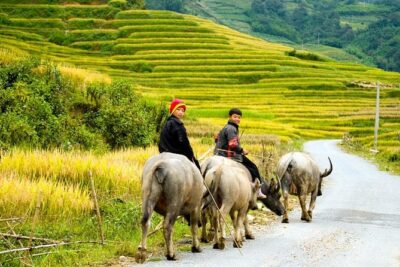
Sapa 3 Days 2 Nights Trekking Tour (1 Night In Ta Van Village, 1 Night In Hotel)
Read our review →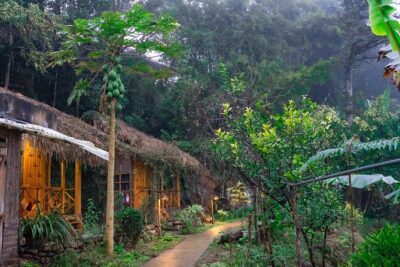
3-Day Trekking Adventure of Sapa from Hanoi – Stay Ta Van Village
Read our review →

3-Day Ethical Orangutan Jungle Trek | Bukit Lawang, Sumatra
Read our review →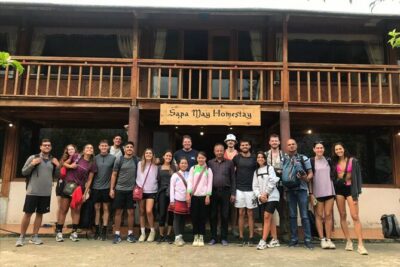
Sapa 3 Day 2 Night Trekking With Hotel & Homestay
Read our review →
Monkey Business 3 days – 2 nights Jungle trekking (including rafting)
Read our review →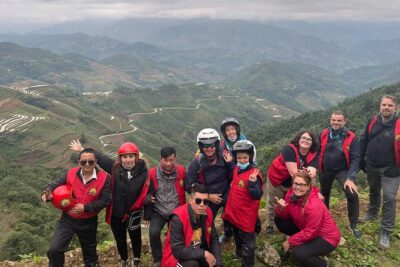
3 Days Small Group Trekking And Motorbike Combine + Private room
Read our review →
Browse the lists this trek appears in