
Review · HANOI
3-Day Trekking Adventure of Sapa from Hanoi – Stay Ta Van Village
The best part of this three-day Sapa trek is that you sleep in Ta Van village instead of treating Sapa as a quick day trip. From there, you walk through rice terraces, bamboo forest, river paths, and several Hmong-area villages at a more human pace. Guides such as Chang, Khu, Cat, Mu, and Su are praised for explaining village life, crafts, family traditions, and the terrain.
I like the way the package handles the awkward parts: Hanoi pickup, bus transfers, village lodging, meals, entry fees, and luggage support are all arranged. I also like the third day, which follows quieter paths through Ta Van Mong, Hang Cung, Sam 2, and Lao Chai. The catch is that this is real mountain walking, with steep, narrow, muddy sections, and day one begins after a long morning bus ride.
Key points to know before booking
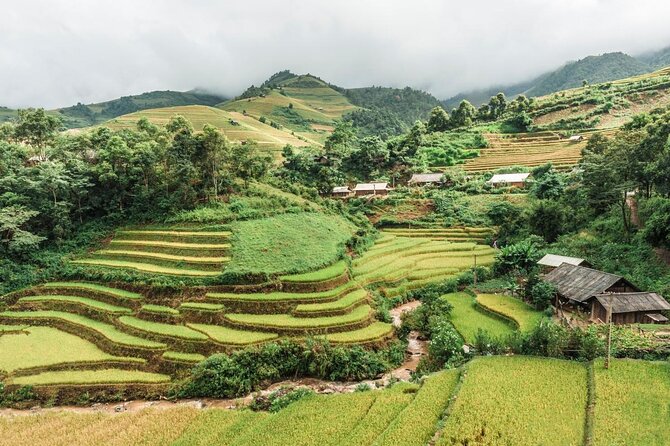
- Ta Van is your base for two nights: You get more time in village life rather than rushing back to Sapa town after each walk.
- The first hike covers about 9 kilometers: Expect roughly three and a half hours from Y Linh Ho through the Muong Hoa Valley to Ta Van.
- The trails change each day: Wide paths give way to muddy tracks, bamboo forest, river crossings, and steep narrow sections.
- Seven meals are included: The package covers two breakfasts, three lunches, and two dinners, but drinks and personal purchases cost extra.
- The group can reach 15 people: That keeps the tour social, though it is not a private walking trip.
- Good footwear matters: Several routes can be muddy, and the walking is not a good match for serious mobility limits.
Why Ta Van makes this Sapa trip work

Sapa is famous for its mountain scenery and rice terraces, but a short visit can feel rushed. This trip gives you two nights in Ta Van, a village in the Muong Hoa area, and uses it as a practical base for walks in several directions.
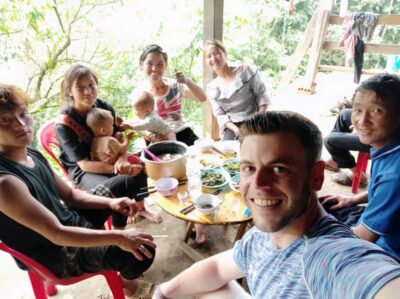
That overnight stay changes the feel of the trip. You are not simply stopping for photographs before returning to town. You have time to eat with a host family, sit around the accommodation, and explore at a slower pace during the free afternoon on day two.
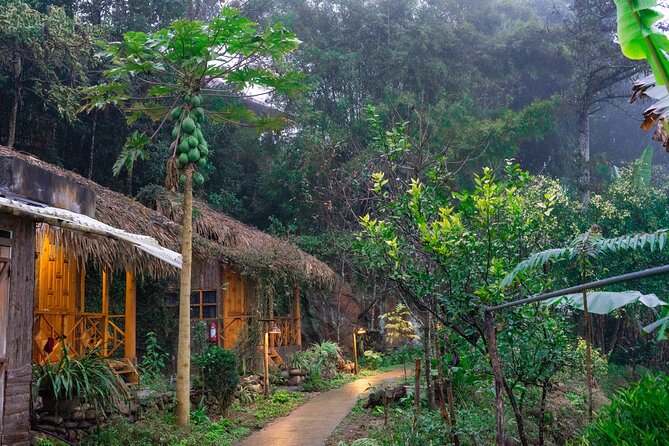
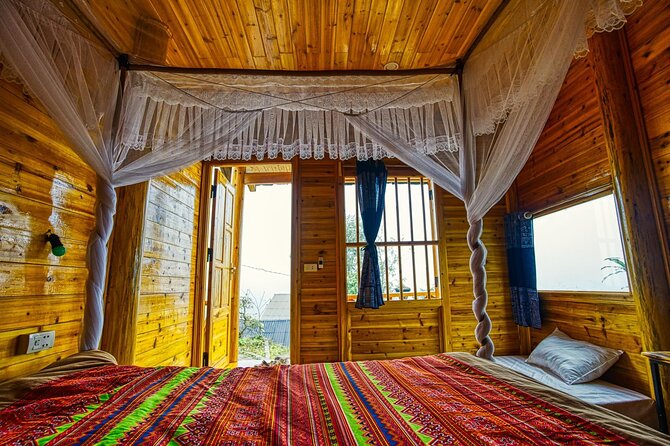
The accommodation is described as a bungalow or stilt house. Expect a simple village stay rather than a polished hotel. It may be basic, but the useful comforts are there, and the strongest part is the chance to stay with local hosts and meet other people over meals.
The tour costs $109 per person. For that price, you receive the return bus from Hanoi, two nights of accommodation, seven meals, water on the bus, entrance fees, a guide, and vehicle support for luggage. That is a solid package if you want a simple way to reach Sapa without separately arranging transport, lodging, hikes, and meals.
A few more treks around Hanoi worth a look
- Sapa 3 Days 2 Nights Trekking Tour (1 Night In Ta Van Village, 1 Night In Hotel)
★ 5.0 · 699 reviews - Hanoi – Sapa 3 Day 2 Night Trekking With Hotel & Homestay
★ 5.0 · 389 reviews - From Hanoi: Trek and Stay: 3-Day Sapa Highlands Adventure
★ 4.6 · 152 reviews
Day one: Hanoi to Y Linh Ho and Ta Van
The day starts early. Pickup is scheduled between 6:00 and 6:20 a.m. from hotels in Hanoi’s Hoan Kiem district, followed by a transfer to the morning bus. The listed meeting point is 30 P. Ly Thai To, near Hanoi’s Old Quarter.
The bus runs toward Lao Cai and then Sapa, arriving around 1:00 p.m. This is a long transfer, even with a modern air-conditioned bus and comfortable seats. Two comfort breaks are planned on the return journey, but the full ride still takes much of the day.
That timing matters. You will not arrive in Sapa ready for a full day on the trail. After reaching town, you have a short drive to Y Linh Ho, where the walking begins at about 2:15 p.m.
From Y Linh Ho, you follow paths through rice terraces and along the Muong Hoa Valley. The route covers about 9 kilometers and takes around three and a half hours. It is a full first walk, especially after the early start and bus ride.
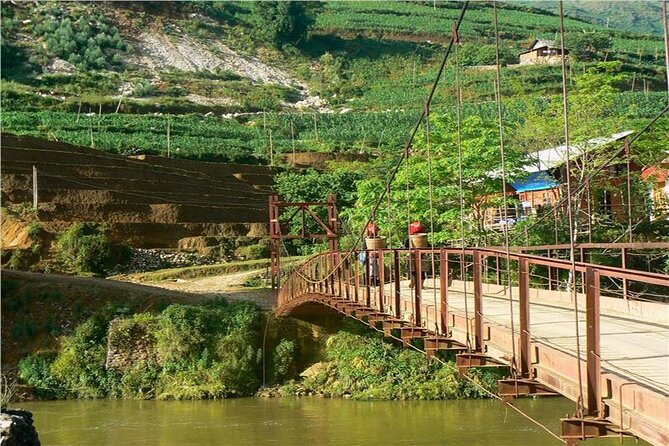
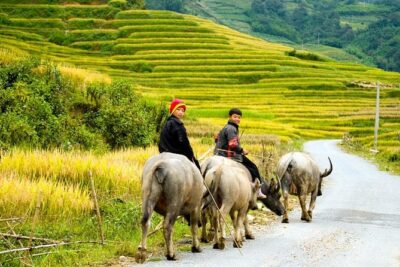
The route gives you an immediate taste of rural Sapa. You will see terraced fields, village paths, and mountain views rather than spending your first afternoon around the town center. The scenery can change with the weather. Mist may soften the views, but a good guide can still explain the villages, farming, and local customs around you.
The walk ends with check-in at Ta Van at roughly 5:45 p.m. This is a sensible stopping point. You have enough time to settle in, eat dinner, and recover before the next morning.
Day two: Bamboo forest and Giang Ta Chai
Breakfast is prepared by the host family, with the walk starting at about 8:45 a.m. The morning route covers more than 5 kilometers and lasts a little over two hours.
You head through bamboo forest and stop at a viewpoint over Giang Ta Chai village. This section is shorter than day one, but it is not simply a flat stroll. The paths can be uneven, and wet weather can make them slippery.
The route continues toward Giang Ta Chai Bridge and then reaches the main road around 11:00 a.m. You return to Ta Van for lunch at about 12:30 p.m.
The afternoon is free. This is one of the most useful features of the schedule. You can rest at the accommodation, spend time with the host family, or enjoy the village without being pushed from one stop to the next.
There is a tradeoff here. One part of this route may feel more visited and busier than the third-day trails. If you want a completely quiet walk, day two may not meet that hope. Still, the bamboo forest, viewpoint, and village setting provide a good mix, and the shorter morning leaves space to slow down.
Some travelers would enjoy an added activity, such as a handicraft demonstration, but none is promised in the package. Treat the afternoon as free time, not as a scheduled cultural class.
Day three: Ta Van Mong, Hang Cung, Sam 2, and Lao Chai
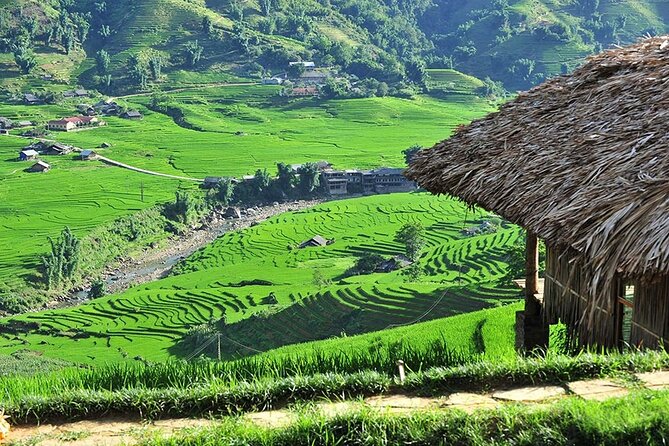
The final walking day starts after breakfast at about 8:30 a.m. The route covers around 6 kilometers and takes more than two hours.
The path runs through Ta Van Mong, Hang Cung village, Sam 2 village, and Lao Chai before returning toward the transport connection. This day is often the most appealing for people who want a quieter walk and fewer obvious tourist stops.
The trail descriptions point to a mix of village paths, rice fields, wooded areas, river routes, and less-used tracks. You may encounter muddy sections and steep, narrow paths. In wet weather, the route can feel much harder than the distance suggests.
The third day also offers a more personal look at village life. Guides may explain local customs, family life, farming, and traditional crafts as you walk. Guides like Khu, Su, May, Mu, Cat, and Chang have been singled out for their warmth, humor, local knowledge, and willingness to answer questions. Your actual guide will depend on the departure.
A vehicle takes the group back toward Hanoi after the walking program. The listed departure is 3:00 p.m., with arrival in Hanoi around 9:00 p.m. That makes the final day long, but it lets you fit in a proper morning walk rather than ending the trip after breakfast.
You can also choose to finish the trip in Sapa instead of returning to Hanoi. Confirm that arrangement with the operator before you go, since the standard schedule ends back at the original meeting point.
Same trailhead, a different route:
- Hanoi – Sapa 2 Days 1 Night Overnight At Homestay
★ 5.0 · 899 reviews - From Hanoi: 2-Day Sapa Trekking Trip with Homestay & Meals
★ 4.8 · 704 reviews - 2-Day Sa Pa Ethnic Homestay Tour & Trek with Limousine Bus
★ 4.8 · 440 reviews - From Hanoi: 2-Day Sapa Trek Tour – Luxury Limousine Transfer
★ 4.1 · 249 reviews
What the walking is really like
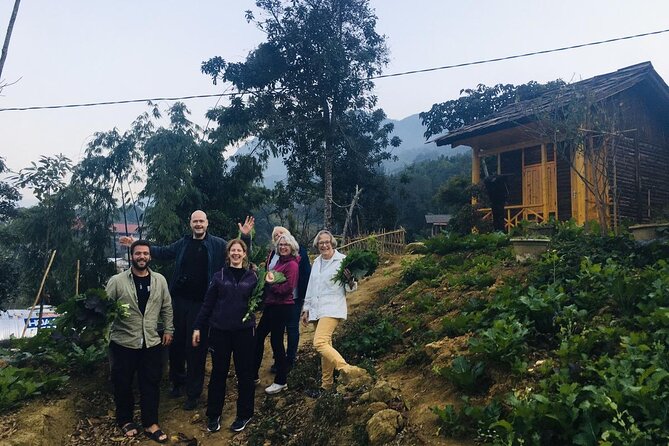
Do not judge this trip by the kilometer count alone. The distances are moderate, but the surface changes often. You may walk on broad roads, narrow village tracks, muddy paths, riverbeds, and routes through bamboo forest.
Good walking shoes are essential. Waterproof footwear is a smart choice, especially during wet weather. Sandals and smooth-soled trainers are poor bets on muddy or steep sections.
The tour is aimed at people who can manage several hours of uneven walking. Most people can participate, but the description specifically warns that the routes are not easy for those with mobility problems. If you have knee, balance, or ankle concerns, ask the operator for a current trail update before booking.
The weather can also reshape the day. Sapa may be misty, wet, or clear, and the schedule can change because of weather or operating conditions. Bring a light waterproof layer, clothes that can get dirty, and a small day bag. Your larger luggage can remain on the bus, and a vehicle can transfer it to the village while you walk.
Guides add the cultural layer
A local guide is more important here than on a simple scenic walk. Without one, you would see terraces and village homes, but you would miss much of the meaning behind them.
Guides named in the feedback include Chang, Khu, Cat, Mu, Su, and May. The strongest praise centers on their friendly manner, English, humor, local knowledge, and ability to adjust the pace or offer different path choices.
Su, for example, has been valued for explaining the difference between route options before letting the group choose. Khu has been praised for bringing the area to life even when mist limits the view. May is noted for clear English and useful information about local people and traditions.
These details matter because the walking itself is only half the experience. Your guide connects the scenery to daily life, farming, crafts, and village customs. Ask questions as you go. The best conversations often happen between formal stops.
The group size can reach 15 people. That is small enough to keep the guide accessible, but you should not expect the quiet of a private trek. The first two days may also include people who booked shorter Sapa trips, while the third day can be smaller for those staying on the three-day program.
Meals, lodging, and the value of the package
The tour includes two breakfasts, three lunches, and two dinners. That covers the main meals during the stay, with breakfast prepared by the host family. Beverages are not included, so budget for drinks and any snacks.
Food is one of the better parts of the village stay. The host family provides meals and hospitality, giving you a chance to eat in the same place where you sleep. If you are vegetarian or have special food needs, tell the operator in advance.
The bungalow or stilt house is comfortable in a simple, rural way. Do not book this expecting full hotel service. Book it because you want a village base, local meals, and two nights away from Sapa town.
At $109, the price is strongest for first-time visitors who want nearly all the moving parts handled. A return bus, guide, accommodation, meals, entrance fees, water, and luggage support would take effort to arrange separately.
You still pay for drinks, personal expenses, travel insurance, and anything not clearly listed. VAT is also excluded. Read the inclusions plainly and do not assume every small expense is covered.
Bus transfers and practical planning

The morning bus from Hanoi is the main logistical advantage and the main time cost. Pickup is limited to the Hoan Kiem area, so you need to provide your hotel name and address there for arrangements.
The bus is described as modern, air-conditioned, and fitted with comfortable seats. The itinerary also refers to a sleeper morning bus option, and other transfer and pickup choices may be available. The operator sends the exact pickup time and final details one or two days before departure, or earlier.
Bring your mobile number or email address and watch for that message. If you do not receive an immediate reply after booking, the stated process is to send the final instructions closer to the trip.
Two bottles of water per person are supplied for the Hanoi to Sapa and return bus journey. You should still carry water for the hiking portions, along with sun protection and rain protection.
The activity ends at the original Hanoi meeting point unless you arrange to remain in Sapa. The standard return reaches Hanoi around 9:00 p.m., so avoid booking an early flight or a tight evening connection that night.
Who should book this Sapa trek?
I would choose this trip if you want a guided introduction to village walking without spending time arranging each piece yourself. It suits active visitors who like moderate hikes, simple accommodation, shared meals, and local conversation.
It is also a good fit if you want more than a quick Sapa snapshot. Two nights in Ta Van give you time to settle into the area, and the third-day route offers a quieter finish than the more familiar paths around town.
I would hesitate if you want luxury, private transport, a fixed schedule that cannot change, or easy paved walking. I would also think twice if muddy trails and steep narrow paths are a serious concern.
The trip requires good weather and a minimum number of participants. If poor weather or low enrollment causes cancellation, you are offered another date, another experience, or a full refund. You can cancel for a full refund up to 24 hours before the start time, but late cancellations and late changes are not accepted.
Should you book it?
Book this three-day trek if your priority is village access, steady walking, and practical value. The strongest parts are the two-night Ta Van stay, the local guides, the included meals, and the quieter third-day route through several smaller villages.
Skip it if you want a soft adventure or dislike long bus rides. For an active visitor willing to accept basic lodging and muddy paths, $109 buys a useful amount of transport, guiding, food, and time in the Sapa countryside.
FAQ
Where does the tour start in Hanoi?
The listed meeting point is 30 P. Ly Thai To, Ly Thai To, Hoan Kiem, Hanoi. Pickup is offered from hotels in Hanoi’s Old Quarter area.
How long is the tour?
The experience lasts about three days and includes two nights in Ta Van village. The standard schedule returns to Hanoi around 9:00 p.m. on the third day.
How far do you walk each day?
Day one covers about 9 kilometers and takes around three and a half hours. Day two covers more than 5 kilometers and lasts over two hours. Day three covers about 6 kilometers and lasts over two hours.
What accommodation is included?
You stay two nights in a bungalow or stilt house in Ta Van village. The accommodation is a village homestay rather than a standard city hotel.
Which meals are included?
The package includes two breakfasts, three lunches, and two dinners. Beverages are not included.
Is transportation from Hanoi included?
Yes. A modern air-conditioned bus with comfortable seats takes you from Hanoi to Sapa and back. Luggage can remain on the bus, and vehicle support is available to transfer it to the village during the trek.
Can I stay in Sapa instead of returning to Hanoi?
Yes. The tour information says you can finish the trip in Sapa. Arrange this with the operator before departure.
What happens if the weather is poor?
The itinerary may change because of weather or operating conditions. If the experience is canceled because of poor weather, you are offered a different date or a full refund.
Just added around Hanoi
- 8-Days Hanoi, Sapa Trekking And Halong Bay Cruise★ 5.0 · 8 reviews
- From Hanoi : Sapa Moutain Trek – Halong bay Heritage★ 4.5 · 25 reviews
- Trekking around Ha Giang 5 days 4 nights★ 3.0 · 2 reviews
- Mai Chau – Pu Luong trekking 3 days 2 nights★ 4.5 · 7 reviews
- Trekking In Ha Giang 5 Days★ 5.0 · 4 reviews
- Hanoi: 3D2N Mu Cang Chai Visit All Attractions, Trek, Ethnic Life★ 5.0 · 3 reviews
- 2-Day Trekking in Sa Pa from Ha Noi by sleeping bus★ 5.0 · 4 reviews
- 2-Day SAPA Trekking – Villages-Homestay-Ethnic-Local Food-Market★ 5.0 · 2 reviews
Hanoi Trekking Tours, compared.

Sapa 3 Days 2 Nights Trekking Tour (1 Night In Ta Van Village, 1 Night In Hotel)
Read our review →
2-Day Sa Pa Ethnic Homestay Tour & Trek with Limousine Bus
Read our review →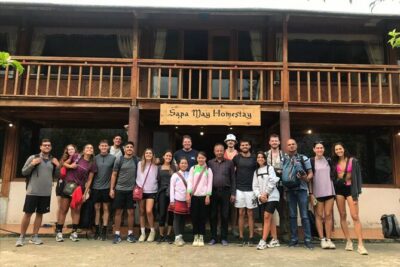
Sapa 3 Day 2 Night Trekking With Hotel & Homestay
Read our review →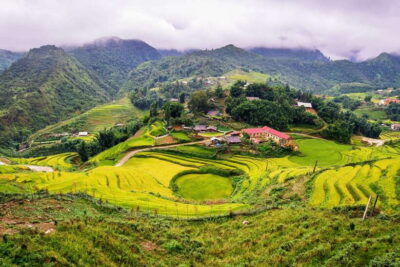
2-Day Sapa Trek Tour – Luxury Limousine Transfer
Read our review →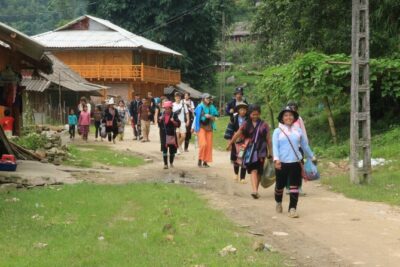
Sapa 2 Days 1 Night Overnight At Local Homestay
Read our review →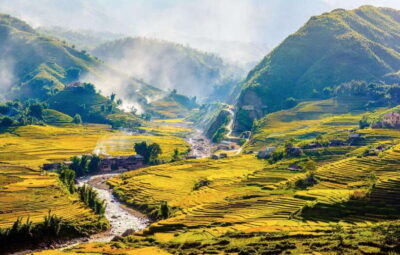
Browse the lists this trek appears in