
Review · MARRAKECH
From Marrakech: 3-Day Mount Toubkal Climbing Trek
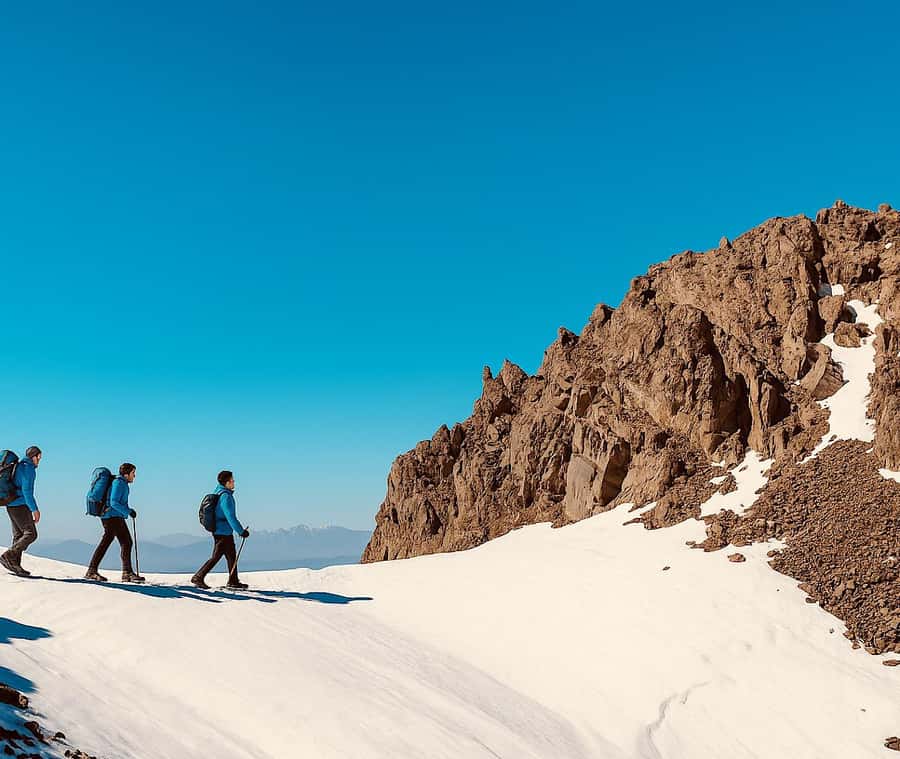
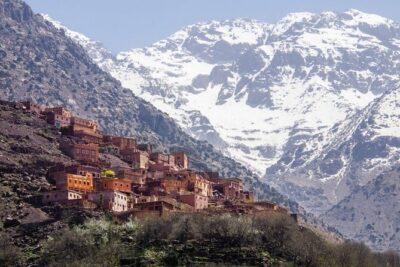
Mount Toubkal rises to 4,167 meters, making it the highest peak in North Africa. This three-day route gives you more than a quick out-and-back climb: you cross the Tizi Mzik and Aguelzim passes, visit the 100-meter Tamsoult Waterfalls, sleep in mountain refuges, and pass through Berber villages above Imlil. It is a serious hike, but it does not require technical climbing.
I especially like the circular route, which shows you more of the High Atlas than the standard two-day trip. I also like the strong guide support. Guides such as Hassan, Kamal, Mustafa, Mohammed, and Youssef are repeatedly praised for setting a steady pace and helping tired walkers reach the summit. The catch is simple: the second day is long and steep, and summit day combines altitude with a very long descent.
Key points before you book
- Mount Toubkal is a non-technical climb, but the 4,167-meter summit still demands good fitness and careful pacing.
- The three-day route is a loop, with Tamsoult Waterfalls and the Tizi Mzik Pass adding scenery that the faster two-day route misses.
- Mules carry your main luggage, so you can hike with a lighter daypack, but pack your evening items where you can reach them.
- The refuges are basic but useful, with bunk beds, blankets, meals, and sometimes hot showers. Bring toilet paper, soap, and a sleeping bag or liner.
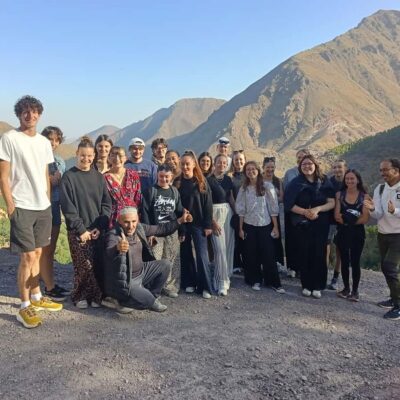
- Small groups of up to 14 make it easier for the guide to watch the pace and support people who struggle.
- Weather can change the plan, including shortening the trek or preventing a summit attempt.
Why this three-day Toubkal route makes sense
You can climb Toubkal in two days, but that version is mostly an out-and-back push. This three-day trip takes a slower, more scenic line through the Atlas Mountains. You get a proper first day on the trail, a night at Tamsoult Refuge, and a pass crossing before reaching the main Toubkal refuge.
That extra day matters for two reasons. First, you see more of the mountains and remote Berber settlements. Second, you get a little more time to adjust before the summit attempt. This is not full acclimatization in the mountaineering sense, but it is kinder to your legs and lungs than racing straight uphill from Marrakech.
The price is $226 per person. For that, you receive round-trip transport from Marrakech, a mountain guide, muleteers and mules for luggage, accommodation, and three breakfasts, lunches, and dinners as advertised. That is solid value, especially since you are paying for a local team, food, transport, and several days in the mountains rather than just a transfer and a guide.
Still, do not confuse good value with luxury. The sleeping arrangements are mountain refuges, not hotels. Food is generally plentiful and freshly prepared, but the facilities can be plain. One booking experience also reported that the final dinner listed in the plan was not supplied because of an itinerary error, so confirm the meal schedule before departure.
More Atlas Mountains Treks in Marrakesh:
- Marrakesh: 2-Day Mt. Toubkal Trek with 1-Night Stay & Meals
★ 4.7 · 795 reviews - Marrakech: 2-Day Atlas Mountains Trek with Village Stay
★ 4.8 · 717 reviews - From Marrakesh: 2-Day Mount Toubkal Trek
★ 4.7 · 591 reviews
From Marrakech to Imlil by way of the High Atlas
Pickup comes after breakfast in Marrakech. If your accommodation is outside the Medina, wait in the hotel lobby. If you are staying inside the Medina or in a riad that a vehicle cannot reach, the team contacts you through WhatsApp to arrange a nearby meeting point.
The drive takes you through Tahanaout, Oued Ghighaya, and Asni before reaching Imlil, about 65 kilometers from Marrakech. The road itself is part of the introduction to the trip. You move from the city toward valleys dotted with traditional Berber villages, with the High Atlas rising ahead.
In Imlil, you meet your certified mountain guide and muleteer team. The guide speaks Arabic, English, or French, depending on who leads your group. Group size is capped at 14, though some departures are much smaller. Several people have found groups of five to eight especially comfortable, while a full group can still work well if the pace is managed properly.
Your luggage is carried ahead by mule. Keep your passport, warm layer, water, snacks, rain gear, camera, and any medication in your daypack. Do not bury your sleeping clothes in the main luggage, since the mules may deliver bags to the refuge before you arrive.
Day one: Tizi Mzik Pass and Tamsoult Waterfalls
The first walking day covers about 11 kilometers, with 800 meters of ascent and 400 meters of descent. You should expect five to six hours on foot.
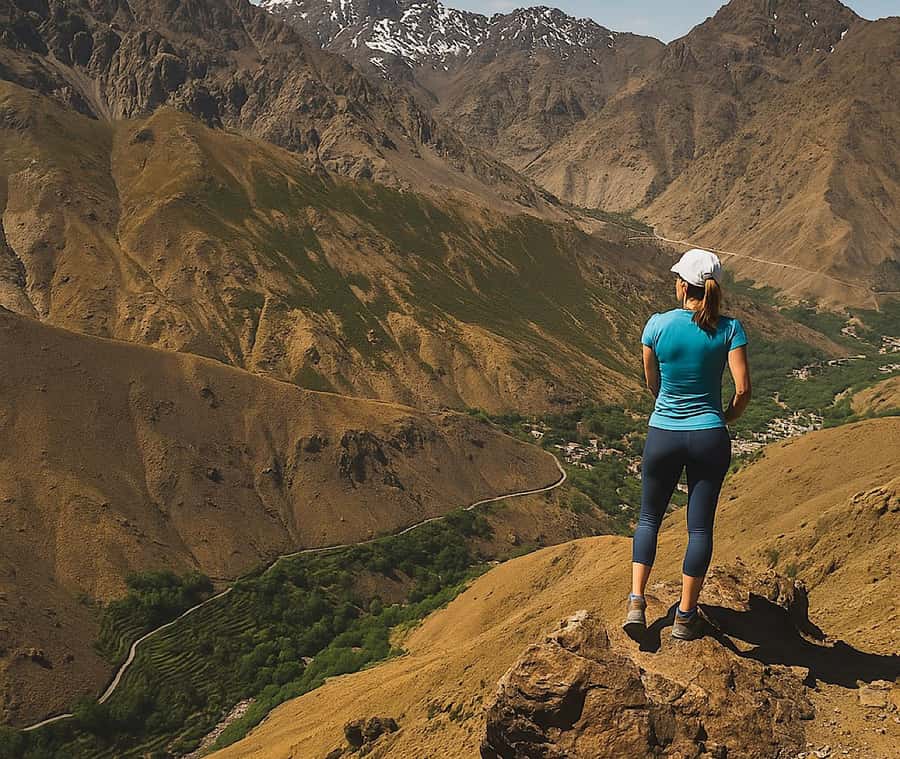
The route climbs toward Tizi Mzik Pass at 2,479 meters. From the pass, you get broad views over the Imlil Valley and toward Mount Toubkal. This is a useful first test of the group. You are gaining height, but not yet dealing with the very thin air found near the summit.
The trail then continues through juniper forest toward Tamsoult Waterfalls. At about 100 meters, these are described as the highest waterfalls in the Atlas Mountains. Water flow can vary by season, but the stop gives the day a welcome change from uphill walking and rocky trail.
You spend the night at Tamsoult Refuge. This overnight is one of the best reasons to choose the three-day plan. The refuge is less about comfort than position: it places you on a different part of the mountain route and gives you a quieter first night in the hills.
Expect bunk-style accommodation, shared facilities, and simple meals. Some departures have had hot showers at the first refuge, while conditions can vary. Bring soap, toilet paper, and a small pair of comfortable shoes for the evening. Sandals and flip flops are not allowed on the hiking activity, but several people recommend light footwear for use inside the refuge, so clarify what is acceptable with the operator.
Day two: the hard climb to Aguelzim Pass
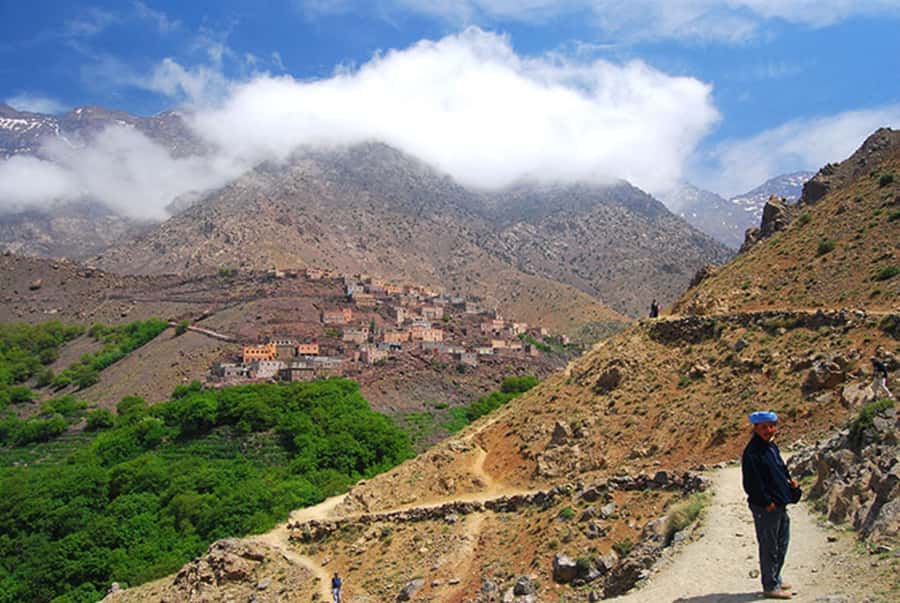
The second day is the physical heart of the trip. You walk about 10 kilometers, gain 1,200 meters, lose 300 meters, and spend roughly six to six and a half hours on the trail.
The climb to Aguelzim Pass at 3,650 meters is steady rather than technical. There is no rock climbing or specialist mountaineering section in the supplied route, but the height gain is large. If you are not used to long uphill walks, this is the day that may test you most.
A good guide makes a real difference here. Guides including Hassan, Mustafa, Kamal, and Youssef are praised for adjusting the pace, keeping the group together, and checking on people who feel the altitude. That support is practical, not decorative. The aim is to walk slowly enough that you do not burn out before the summit morning.
At the pass, you get your first strong view toward Toubkal’s summit. Then you descend to Toubkal Refuge at 3,207 meters, which becomes your base for the final climb.
The second refuge is colder and more basic than a village guesthouse. Beds and blankets may be available, but a sleeping bag or liner is still a sensible choice, especially outside the warmest months. One detailed account noted that hot showers cost 20 Moroccan dirhams there. Carry some local currency for water, snacks, showers, and tips.
This is also when you should organize your summit kit. Put your warmest clothing, headlamp, beanie, gloves if you have them, water, and snacks where you can reach them quickly. The summit start is very early, often before dawn.
A few more treks around Marrakesh worth a look
- Marrakech: 3-Day High Atlas Mountains and Three Valleys Trek
★ 4.8 · 63 reviews - Climb Mount Toubkal: 3-Day Trek from Marrakech
★ 4.4 · 58 reviews - Marrakech: 3-Day Atlas Mountains Berber Villages Trek
★ 4.5 · 41 reviews - Sapa 3 Days 2 Nights Trekking Tour (1 Night In Ta Van Village, 1 Night In Hotel)
★ 5.0 · 699 reviews
Day three: summit morning and the long return
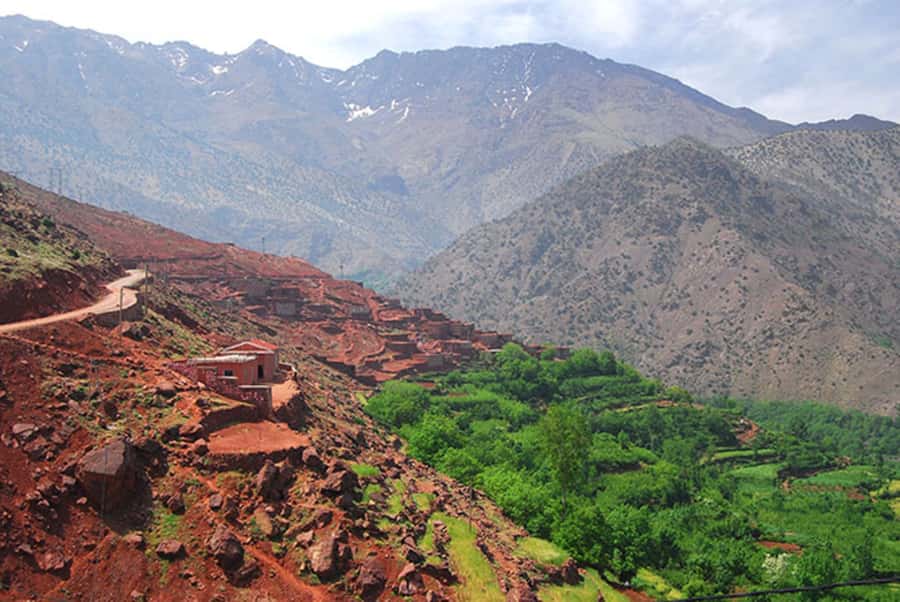
The final walking day is the biggest one. The summit section covers about four kilometers up and four kilometers down, followed by the long descent to Imlil. The stated figures give about 980 meters of ascent and 2,500 meters of descent, with eight to nine hours of walking.
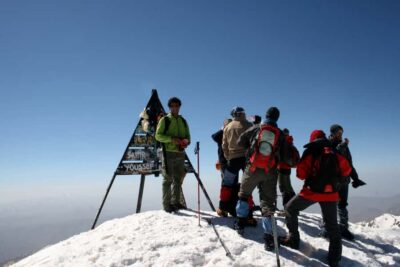
You leave early for the summit of Mount Toubkal. A start around 3:30 a.m. has been used on some departures, allowing the group to reach the top near sunrise. Times can change with weather and the group’s pace.
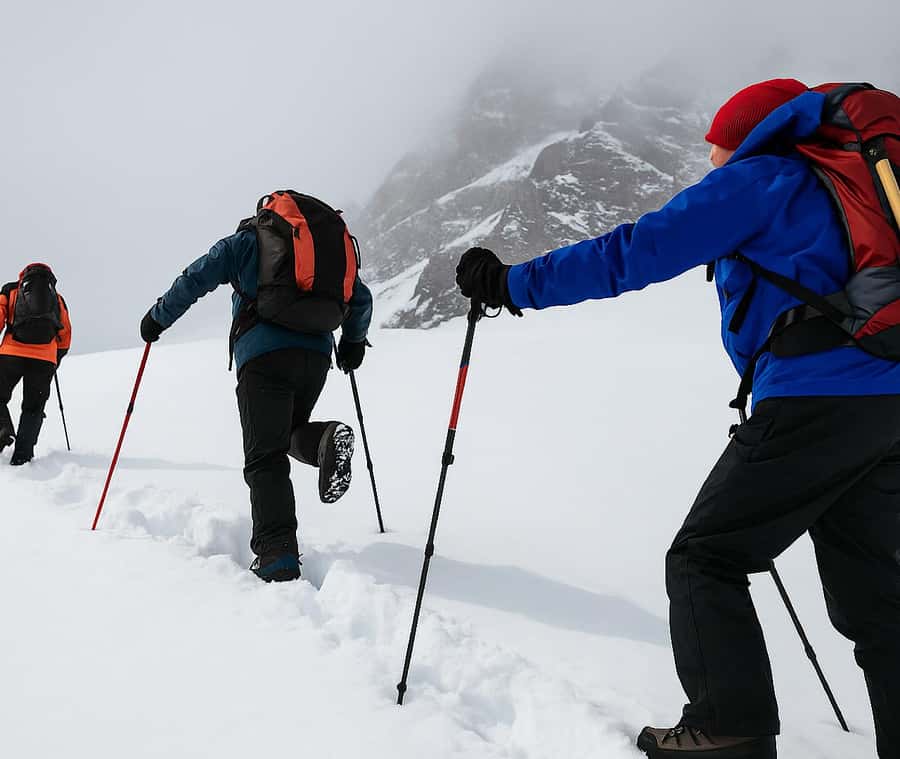
The route is non-technical, but that does not mean easy. At this height, every slope feels longer. Loose scree can make the descent awkward, and tired legs increase the risk of slipping. One guide, Mohammed, was particularly praised for catching a struggling walker several times on the way down. That is the sort of quiet supervision you want on this section.
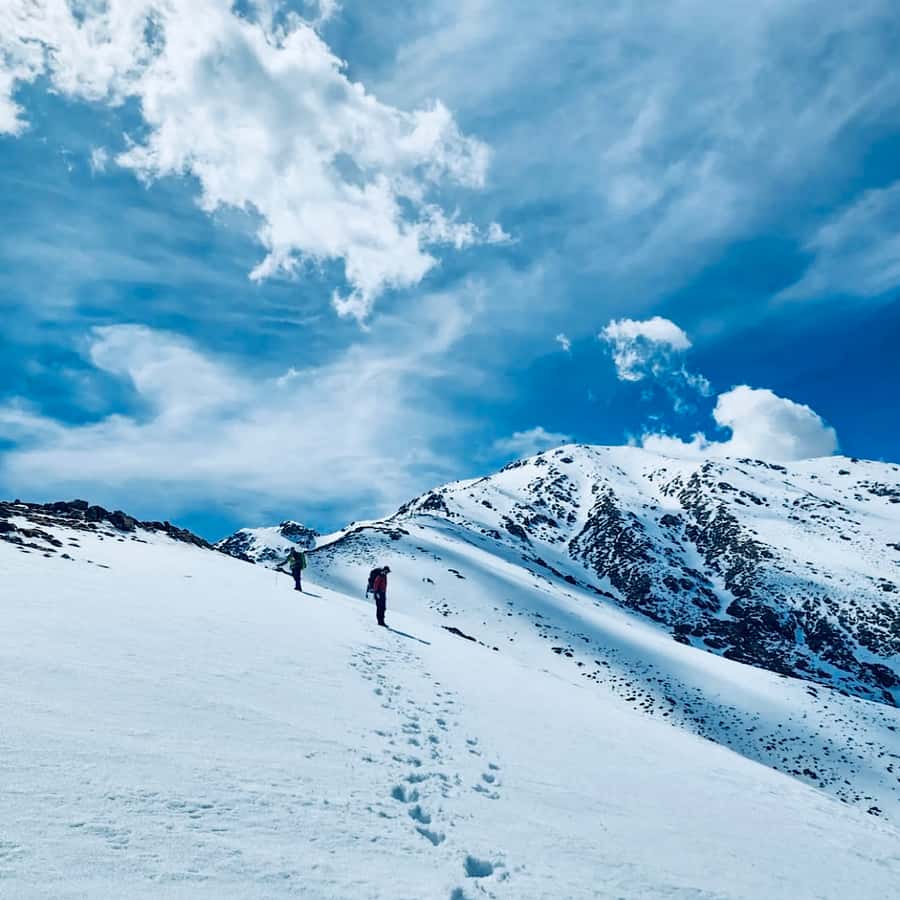
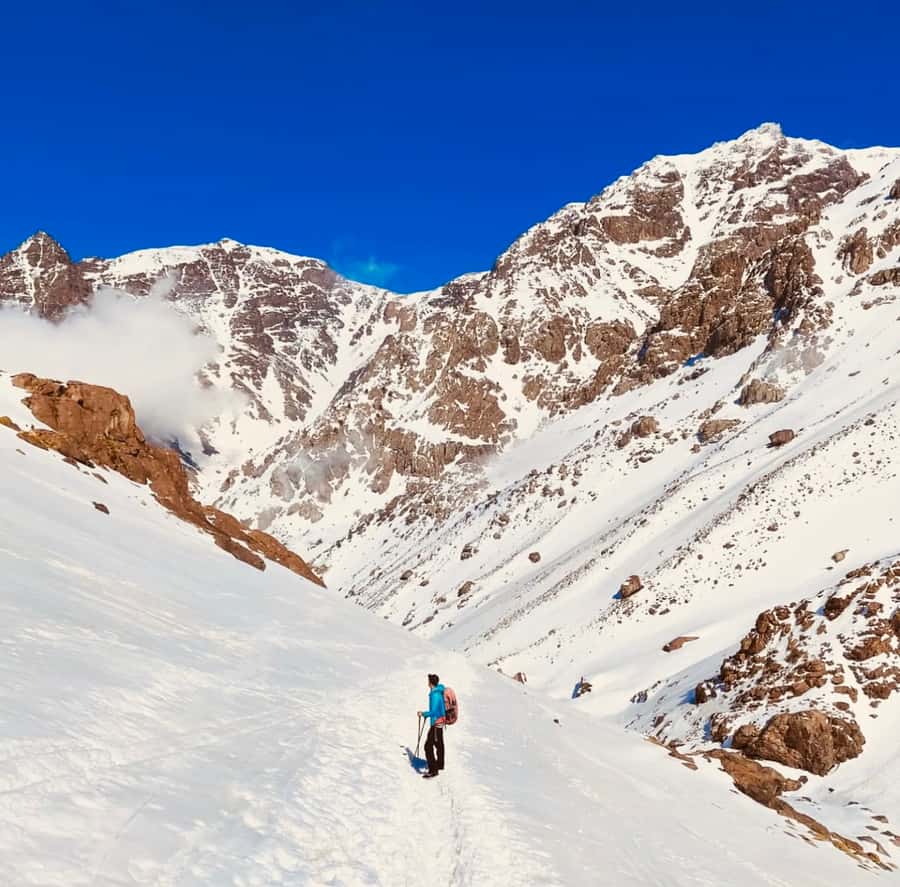
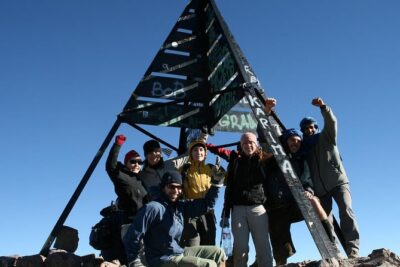
At 4,167 meters, the summit gives you 360-degree views across the High Atlas. On a clear day, the horizon may extend toward the Sahara. Weather is the deciding factor. Clouds, wind, storms, or poor visibility can prevent a safe summit attempt. A storm once stopped a group from reaching the top, and another departure had its route shortened because of weather. That is normal mountain judgment, not a failed holiday, but you should be mentally ready for the possibility.
After a short break at the refuge, you continue down to Imlil. This descent is where the three-day schedule can feel long. One person felt the final walk through the valley dragged on and suggested a vehicle pickup lower down, but the stated plan continues to Imlil before the drive back.
The return transfer usually reaches Marrakech around 5:00 p.m. Do not schedule a flight or an important evening appointment that night. Delays, tired walkers, road conditions, and weather can all affect the timing.
Guides, muleteers, and the human side of the trek
The strongest part of this trip is the local team. Guide names vary by departure, but Hassan, Kamal, Mustafa, Mohammed, Youssef, Omar, Ibrahim, and Mouad have all been specifically praised for care, humor, pacing, and mountain judgment.
You should expect the guide to set the walking rhythm, explain the daily plan, and watch for signs that someone is struggling. The best accounts describe guides adjusting breaks and speed instead of treating the group like a race. Some also share information about Berber culture and the mountain, though the amount of explanation may depend on the individual guide.
Muleteers carry luggage and help prepare meals. This is an important part of how the route works. You get to walk with a smaller pack, while the support team moves food and bags between overnight stops. Budget for tips in cash if you plan to thank the guide and muleteers at the end.
Meals are a pleasant surprise for many people on this route. The food is described as warm, fresh, healthy, and generous enough to fuel long days. Expect practical mountain cooking rather than restaurant variety. You may find meals served at well-timed breaks, which matters when you have six or more hours of walking ahead.
What to pack for a high mountain with basic refuges
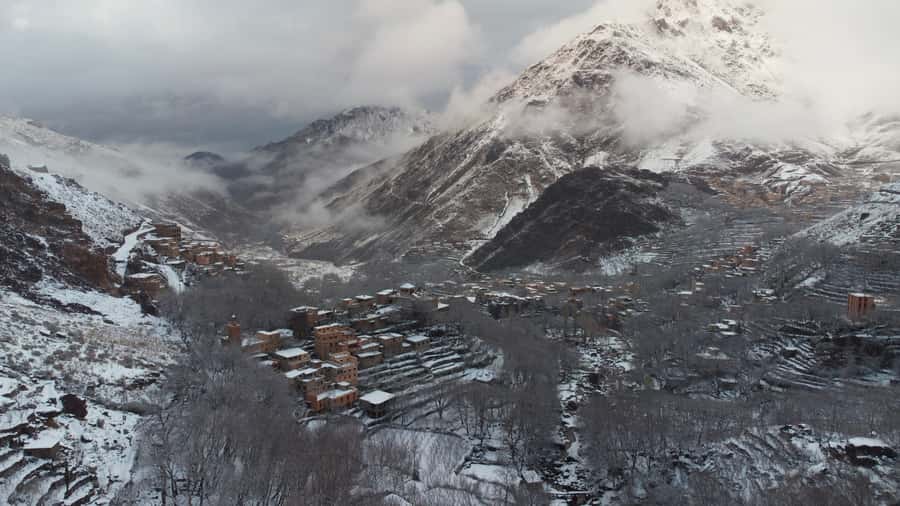
The supplied packing advice says to bring a passport, warm clothing, hiking shoes, a jacket, rain gear, a camera, and a sleeping bag. I would take that seriously even in summer. The summit can be cold at any time of year, and weather can shift quickly.
Add these small but important items:
- Headlamp for the pre-dawn summit start
- Beanie and warm layers for the summit
- Toilet paper and soap
- Electrolytes or oral rehydration sachets
- Snacks
- Sunscreen
- Small cash for water, showers, snacks, and tips
- Earplugs if you sleep lightly in shared rooms
- A sleeping bag or liner, even if blankets are supplied
Hiking shoes are essential. Sandals, flip flops, and slippers are not suitable for the trail. Bring rain protection even when the Marrakech forecast looks dry, because the summit weather can be different from the city.
Gear rental is available locally, and one person who worried about missing equipment found it easy to rent what was needed. Still, confirm rental details before setting off, especially if you need hiking poles, warm layers, or a sleeping bag.
Who should book this Toubkal climb?
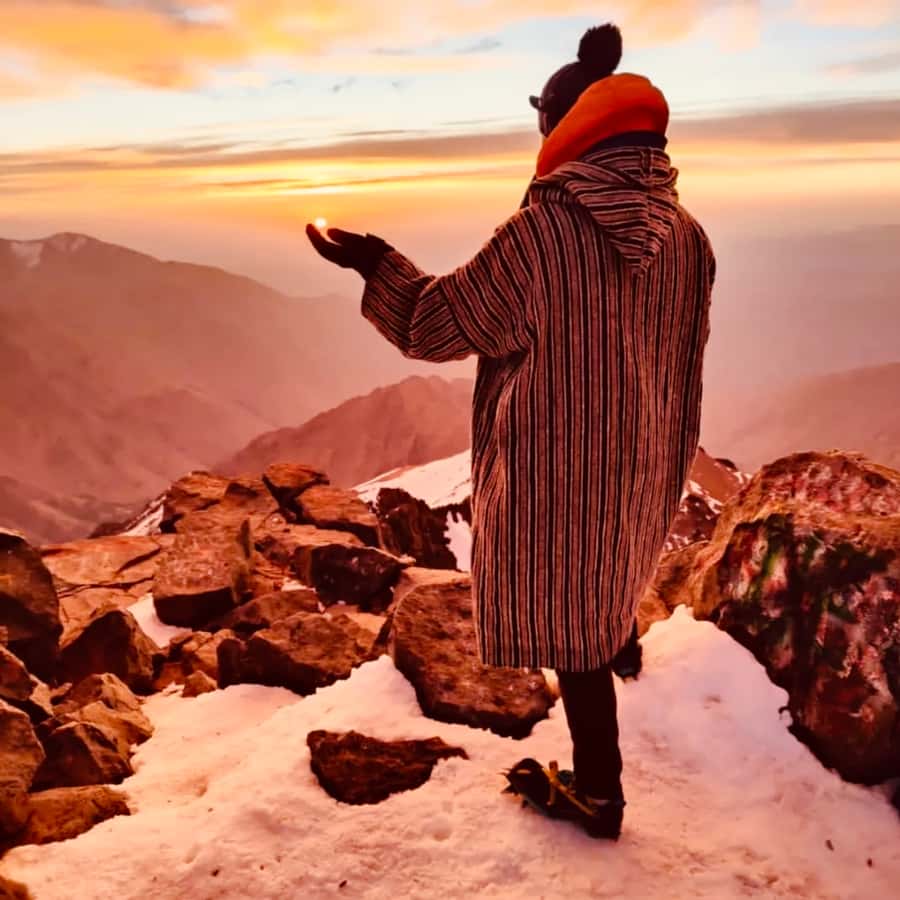
This trip suits you if you can handle several hours of uphill and downhill walking on consecutive days. You do not need climbing experience, but you do need reasonable fitness, sturdy shoes, and the willingness to walk slowly at altitude.
It is a good choice for a first serious mountain trek if you want guides, meals, luggage support, and a set route. Several beginners reached the summit with patient pacing and encouragement. It is also a good choice for experienced hikers who want a straightforward way to see more of the Atlas Mountains without arranging every refuge, meal, and transfer alone.
It is not suitable for children under two, pregnant women, people with high blood pressure, or anyone over 95. If you have a medical condition, ask a doctor before booking. The altitude is the main concern, not technical climbing.
The three-day version is a better fit than the two-day route if you value scenery and a less rushed schedule. The tradeoff is that you spend more time hiking and sleeping in basic refuges. If your only goal is to stand on the summit as quickly as possible, the shorter option may appeal. If you want the route itself to be part of the holiday, choose three days.
Is $226 good value?
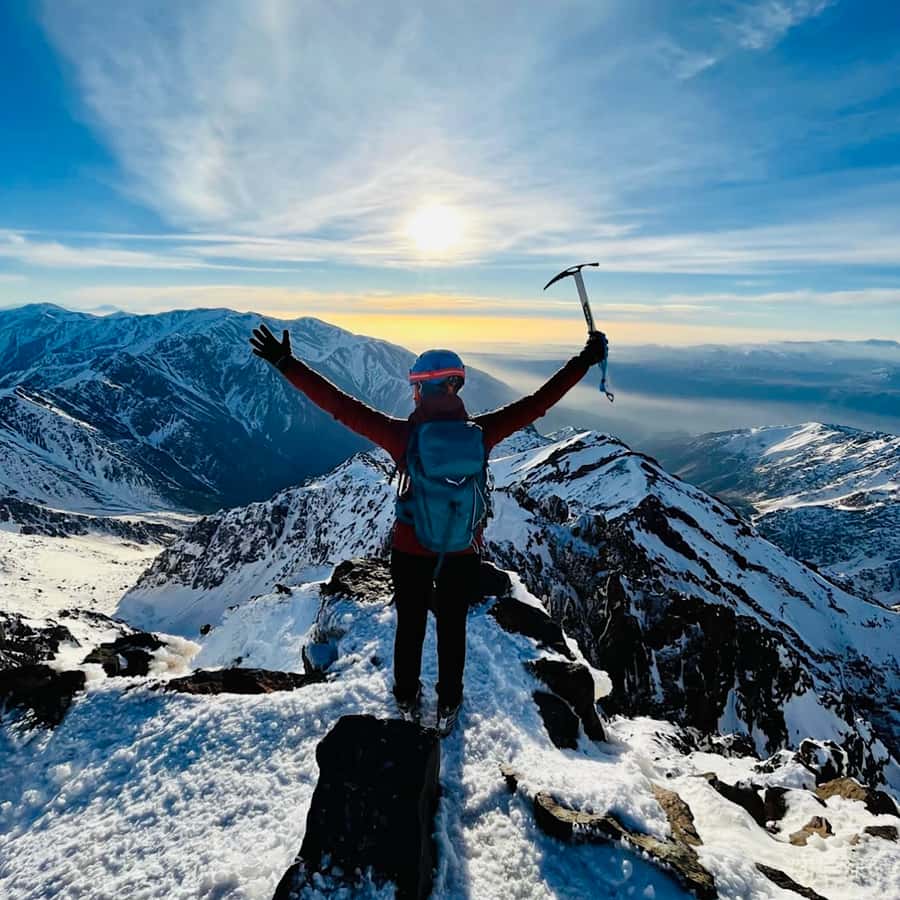
At $226, the package covers the expensive practical pieces: transport from Marrakech, a guide, mule support, three nights of meals, and mountain accommodation. Organizing those parts separately could be awkward, particularly if you do not speak Arabic or French and do not know the trail.
The price does not cover travel insurance, personal spending, or mountain gear. Plan for small extra costs at the refuges and bring money for tips. Also confirm the final meal schedule, since one booking had a mismatch between the advertised dinner and what was actually provided.
The value is strongest if you use the support properly. Pack light, let the mules carry your main bag, listen to the guide’s pace, and keep enough energy for the descent. You are paying less for polished comfort and more for access, local support, and a well-organized route through difficult country.
Should you book it?
Book this Mount Toubkal trek if you want a genuine physical challenge, wide Atlas views, Berber villages, and a local team handling the practical details. The three-day loop gives you a better sense of the mountains than a rushed summit dash, and the guides are the trip’s clearest strength.
Skip it if you dislike shared refuges, early starts, long descents, or uncertain weather. If you book, arrive with realistic expectations: Toubkal is accessible, but it is not effortless. Bring toilet paper, warm layers, a headlamp, snacks, and patience. With those basics in place, $226 buys a demanding and memorable mountain experience close to Marrakech.
FAQ
How long is the Mount Toubkal tour?
The experience lasts three days, including transport from Marrakech, the mountain trek, overnight stays, and the return transfer.
How high is Mount Toubkal?
Mount Toubkal reaches 4,167 meters and is the highest mountain in North Africa.
Is the climb technically difficult?
The ascent is described as non-technical. You do not need technical climbing equipment, but you do need good fitness for long uphill and downhill sections.
How far does the first hiking day cover?
The first day covers about 11 kilometers, with 800 meters of ascent and 400 meters of descent. Walking time is about five to six hours.
How far does the second hiking day cover?
The second day covers about 10 kilometers, with 1,200 meters of ascent and 300 meters of descent. Walking time is about six to six and a half hours.
How long is summit day?
Summit day involves about eight to nine hours of walking. It includes the climb to the summit, the return to Toubkal Refuge, and the descent toward Imlil.
Are meals included?
The activity information includes three breakfasts, three lunches, and three dinners. One booking reported that the final dinner was not provided because of an error in the information, so confirm the meal schedule before departure.
Is luggage carried during the trek?
Yes. Muleteers and mules carry luggage between stops. Keep the items you need during the day in your own daypack.
What languages do the guides speak?
Guides are available in Arabic, English, and French.
Is hotel pickup included?
Yes. Pickup from Marrakech is included. Accommodation outside the Medina is collected from the hotel lobby. For riads or accommodations without vehicle access, a nearby meeting point is arranged through WhatsApp.
What should I bring?
Bring your passport, warm clothing, hiking shoes, a jacket, rain gear, a camera, and a sleeping bag. A headlamp, toilet paper, soap, snacks, electrolytes, sunscreen, and comfortable refuge footwear are also useful.
Can the itinerary change because of weather?
Yes. Weather can shorten or change the route, and poor conditions can prevent a summit attempt. The guide and local team decide what is safe.
Just added around Marrakesh
- Mount Toubkal Trek 2 Days & 1 Night★ 4.5 · 26 reviews
- Marrakech: Mount Toubkal 2-Day trek from Marrakech★ 5.0 · 2 reviews
- Marrakech: High Atlas Tedali Summit Guided Day Trek★ 5.0 · 4 reviews
- Marrakech: 2 Day Toubkal Trek & 1 Nights with Hotel Pick up★ 5.0 · 2 reviews
- Marrakech: 3-Day Atlas Mountains Berber Villages Trek★ 4.5 · 41 reviews
- Marrakech: 2 Day Trek Atlas Mountains & Taoudja Summit 2724M★ 5.0 · 2 reviews
- Marrakech: Guided 2-Day Trek to Imlil and Imnan Valleys★ 4.6 · 14 reviews
- From Marrakech: Taoudja Summit Hike in the Atlas Mountain★ 5.0 · 5 reviews
Atlas Mountains Treks, compared.
Mt Toubkal Ascent Express Trek 2 Days 1 Nights
Read our review →
2-Day Mt. Toubkal Trek with 1-Night Stay & Meals
Read our review →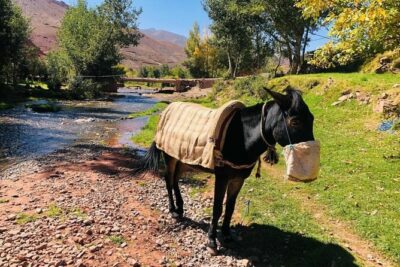
Summiting and Hiking the Atlas Mountains Day Trek from Marrakech
Read our review →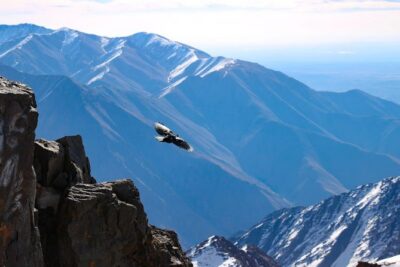
Browse the lists this trek appears in