
Review · GHANDRUK
From Pokhara: 10-Day Poon Hill and Annapurna Base Camp Trek
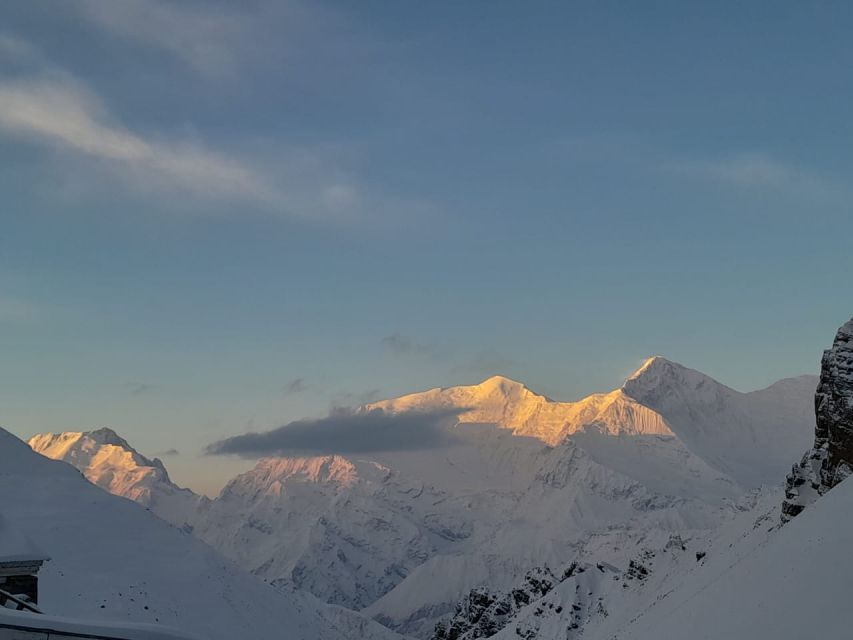
Annapurna Base Camp is the big prize here, but the best part may be the way you reach it. Over 10 days, you move from terraced hills and village paths to the high, bowl-shaped Annapurna Sanctuary, with sunrise at Poon Hill and a night beneath peaks such as Annapurna I, Machhapuchhre, and Hiunchuli.
I like the sensible pace and the mix of scenery. You get time in Gurung villages, long forest walks, a mountain sunrise, and a soak in Jhinu Danda’s hot springs. The drawback is simple: this is a demanding trek with steep stone steps, high altitude, basic guesthouses, and weather that can hide the mountains for days.
Key points to know before you book
- Poon Hill and Annapurna Base Camp in one trip: You see two of the region’s most famous mountain viewpoints rather than choosing between them.
- A private 10-day pace: Daily walks generally run about 3 to 6 hours, with room for a guide to adjust the speed.
- A tough second day: The stone staircase from Tikhedhunga to Ulleri is one of the hardest early sections.
- High-altitude finish: Annapurna Base Camp sits at 4,130 meters, so the final approach deserves patience.
- Useful inclusions: Permits, official documents, guesthouse accommodation, guide, first-aid kit, and private road transfers are covered.
- Guides who adapt: Guides named in past trips include Biru, Arjun, and Bikram, with particular praise for patience, safety, and adjusting the route when altitude causes trouble.
Why this 10-day route works so well
This trek gives you a gradual story of the Annapurna region. You begin near Pokhara, among fields and small settlements, then climb through rhododendron forest toward Ghorepani. After Poon Hill, the trail turns toward the Annapurna Sanctuary, following the Modi Khola valley into a much wilder setting.
I like this route for people who want more than a quick mountain photo. You spend nights in villages such as Tikhedhunga, Ghorepani, Tadapani, Chhomrong, Bamboo, and Jhinu Danda. The guesthouses are part of the experience, but they also mean simple rooms and limited comforts.
The itinerary is private, so your guide can pay attention to your pace instead of moving a large group along a fixed schedule. One slow hiker found the guide never rushed the walk, while another had the trek adjusted after altitude sickness appeared. That flexibility matters more than shaving an hour off a hiking day.
More Annapurna Treks in Nepal:
- Annapurna Circuit Trek with Tilicho Lake
★ 5.0 · 368 reviews - Annapurna base camp trek 5 Days
★ 5.0 · 252 reviews - 14-Day Private Annapurna Base Camp Trek
★ 5.0 · 180 reviews
Day 1: Pokhara to Tikhedhunga through Nayapul
Your morning begins with a private drive from Pokhara’s Lakeside area to Nayapul, taking about an hour and a half. From there, you start walking beside the Modi Khola and pass terraced fields, villages, and smaller rural paths.
Tikhedhunga sits at 1,577 meters. It is a gentle first night by Himalayan trekking standards, and that is useful. You are not thrown straight into the highest part of the route, giving your legs time to settle into the daily rhythm.
The road transfer is included, which keeps the start straightforward. Food and drinks are not included, so you buy meals and drinks along the way. Carry some Nepalese rupees, since one past trekker found that running short of cash could have created a problem at higher elevations.
Day 2: Ulleri’s stone steps and the climb to Ghorepani
The second day is where the route becomes serious. From Tikhedhunga, you climb the long stone staircase toward Ulleri, then continue through rhododendron and marigold forests toward Ghorepani at 2,874 meters.
This is not a day to race. The steps can feel relentless, especially if you are not used to sustained uphill walking. Your guide can set a steady rhythm, and the private format makes it easier to pause when needed.
Ghorepani is one of the route’s great payoffs. On a clear day, you may see broad views toward the Annapurna and Dhaulagiri ranges. On a wet or cloudy day, the village and forest remain pleasant, but the distant peaks can disappear. That uncertainty is part of mountain trekking, not a fault in the route.
Day 3: Poon Hill sunrise and the forest trail to Tadapani
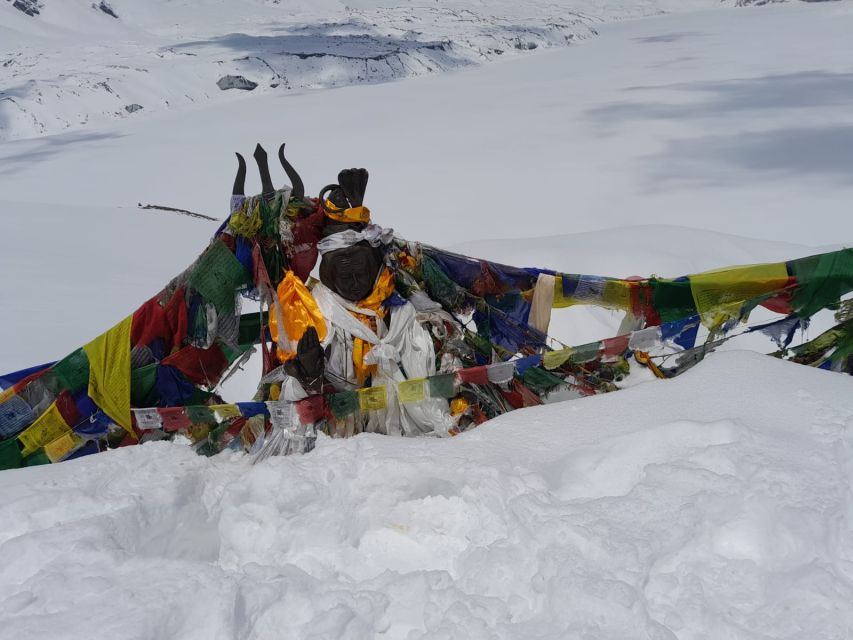
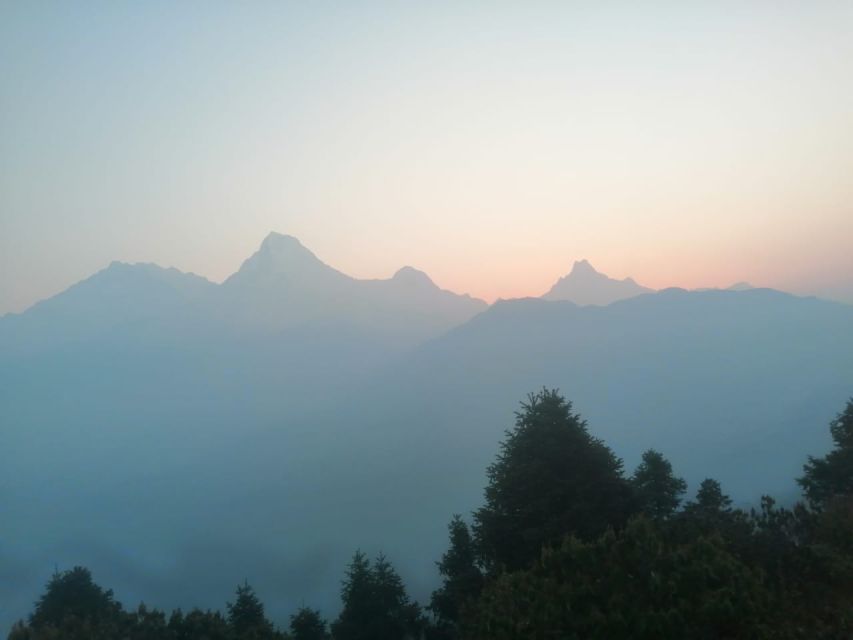
You rise early for the walk to Poon Hill, at 3,210 meters. The goal is sunrise, when the first light touches Annapurna, Dhaulagiri, Nilgiri, Machhapuchhre, and the surrounding ridges.
The early start can be cold and tiring, but this is the moment that gives the first half of the trek its identity. After returning to Ghorepani for breakfast, you continue through forest and rhododendron-filled valleys to Tadapani, at 2,630 meters.
Poon Hill is a viewpoint rather than a remote wilderness stop, so you may share the sunrise with other hikers. Still, the scale of the mountains makes the early effort worthwhile. I would bring a warm layer, gloves, and a small light for this morning section.
Tadapani offers another change of mood. The trail is quieter and more wooded, and the day combines a short, sharp viewpoint hike with a longer walk afterward. That variety helps keep the itinerary from feeling repetitive.
More Poon Hill Treks in Nepal:
- Poon hill Trek 3 days
★ 5.0 · 176 reviews - Pokhara: 4-Day Ghorepani, Poonhill & Ghandruk Mountain Trek
★ 5.0 · 132 reviews - Ghorepani – Poon Hill Trek 3N-4D
★ 5.0 · 125 reviews - 4 Days Poon Hill Trek
★ 5.0 · 94 reviews
Day 4: Tadapani to Chhomrong and the first big village
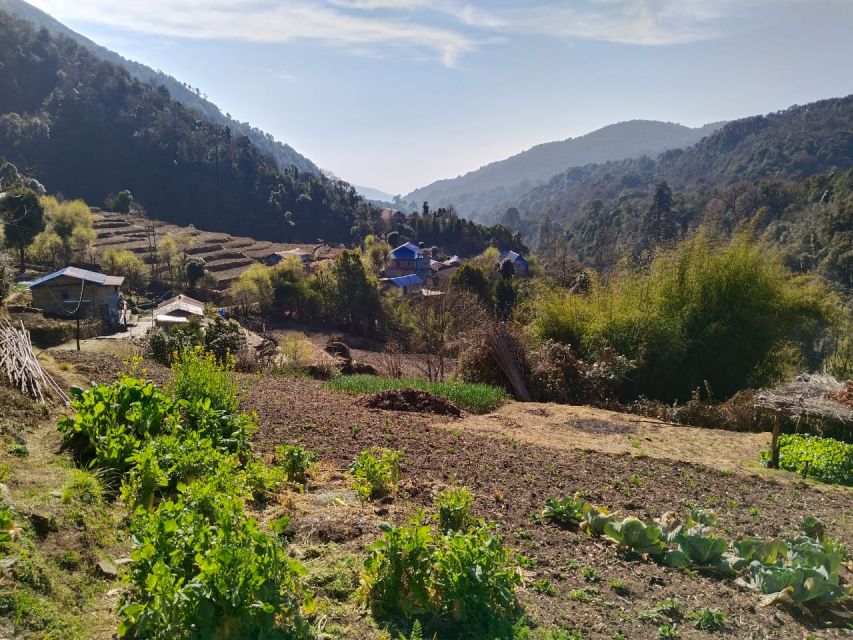
From Tadapani, the trail drops through forest toward Gurjung village. You descend to the Kimrong Khola, then climb again toward Chhomrong at 2,170 meters.
This up-and-down pattern can surprise you. A day with a lower final elevation is not automatically easy, because mountain trails often lose height only to regain it later. The reward is Chhomrong, a sizeable Gurung village with views toward Annapurna South and Machhapuchhre.
Chhomrong is an important point in the route because the character of the trek begins to shift. You are now heading into the sanctuary, and the valley ahead feels more enclosed. It is also a useful place to check your gear, charge devices if possible, and ask your guide about the next day’s descent and climb.
Day 5: Chhomrong to Bamboo through forest
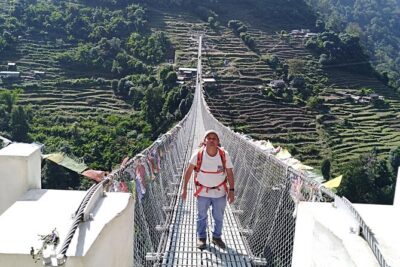
You descend from Chhomrong to the Chhomrong Khola, cross a suspension bridge, and climb toward Sinuwa. From there, thick bamboo and rhododendron forest lead to Bamboo at 2,310 meters.
The trail’s constant changes in height make this a physical day despite the modest overnight elevation. The forest provides shade, but it can also make the route feel damp and enclosed, especially in rainy weather.
Bamboo is a practical overnight stop rather than a grand viewpoint. That is fine. By this stage, a warm meal, a bed, and a chance to rest matter more than scenery from the lodge window.
Day 6: Bamboo to Deurali in the Modi Khola valley
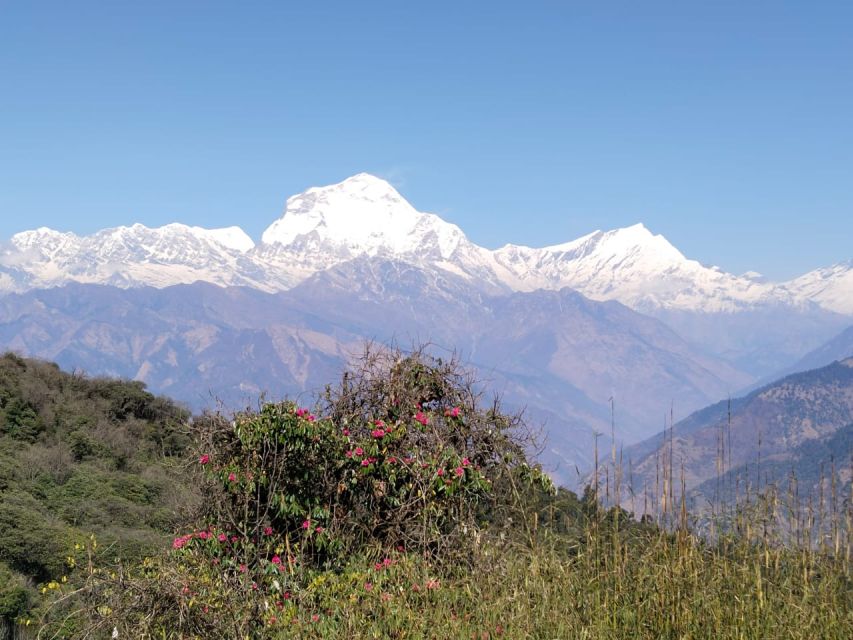
The trail continues through bamboo forest and along the Modi Khola valley. You pass the Himalayan Hotel and Hinku Cave before climbing steadily to Deurali at 3,230 meters.
This is when altitude starts to matter more. The walking distance may not look extreme, but the air is thinner and the route keeps rising. Pay attention to headaches, unusual tiredness, dizziness, or nausea, and tell your guide early rather than trying to push through.
The route has already built in some acclimatization, but no schedule can guarantee that your body will respond smoothly. One guide extended a trek by three days when altitude sickness became a problem. That is a useful reminder: reaching base camp is important, but reaching it safely is more important.
Day 7: Machhapuchhre Base Camp to Annapurna Base Camp
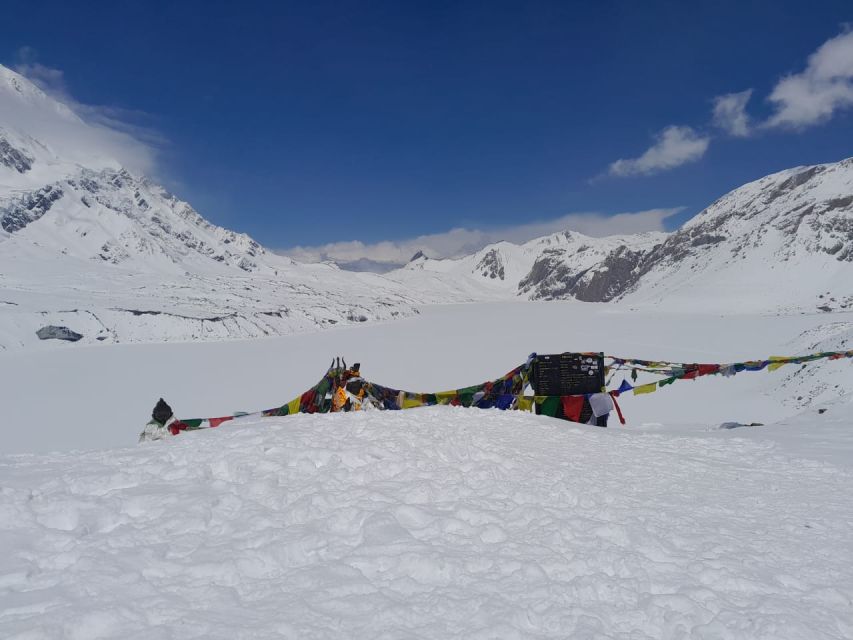
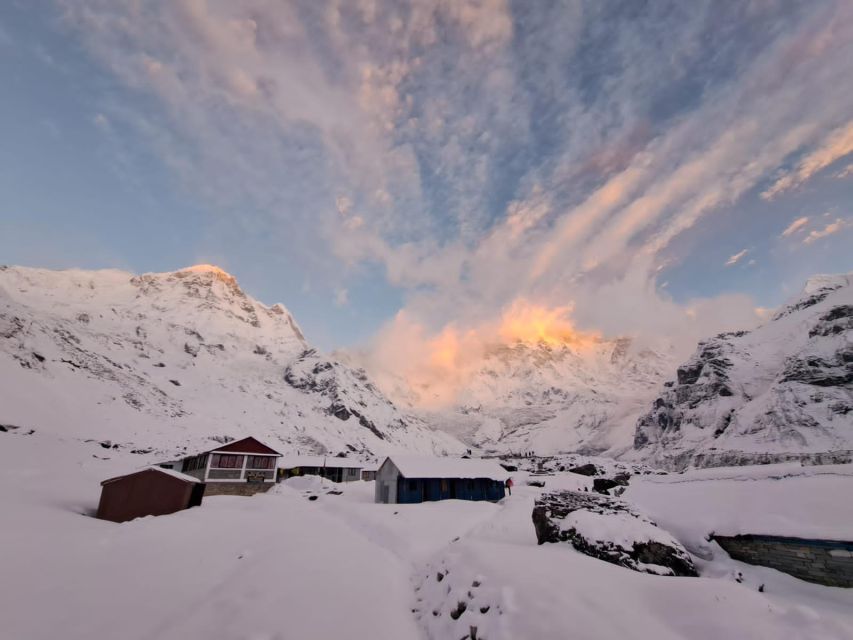
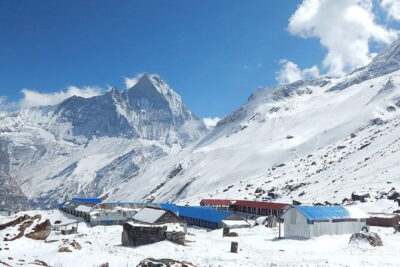
This is the defining day. From Deurali, you follow a narrow valley that opens into the Annapurna Sanctuary. The route passes Machhapuchhre Base Camp at 3,700 meters, then continues to Annapurna Base Camp at 4,130 meters.
The mountains close in around you here. Annapurna I rises to 8,091 meters, while Machhapuchhre reaches 6,993 meters and Hiunchuli 6,441 meters. You can also look for the Annapurna II, III, and IV peaks, along with Dhaulagiri and Nilgiri from suitable viewpoints along the wider route.
The final climb should be taken slowly. At 4,130 meters, even a moderate incline can feel demanding. Your guide’s job is not just navigation. A good guide watches your pace, checks how you feel, and helps you make sensible decisions.
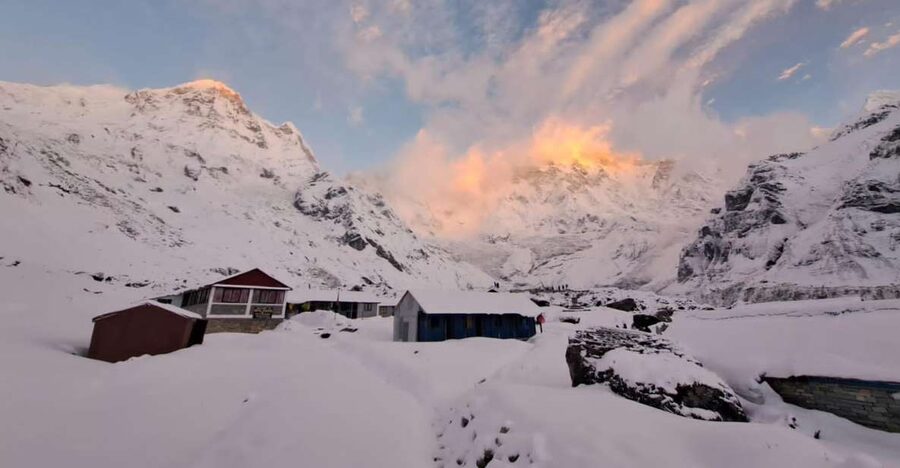
Sleeping at Annapurna Base Camp is the emotional high point of the trek, but conditions are basic. The reward is being surrounded by huge peaks rather than simply viewing them from a distant hill. If clouds move in, you may see less than expected, so keep your expectations tied to nature, not to a perfect photograph.
Day 8: Sunrise at base camp, then the long descent
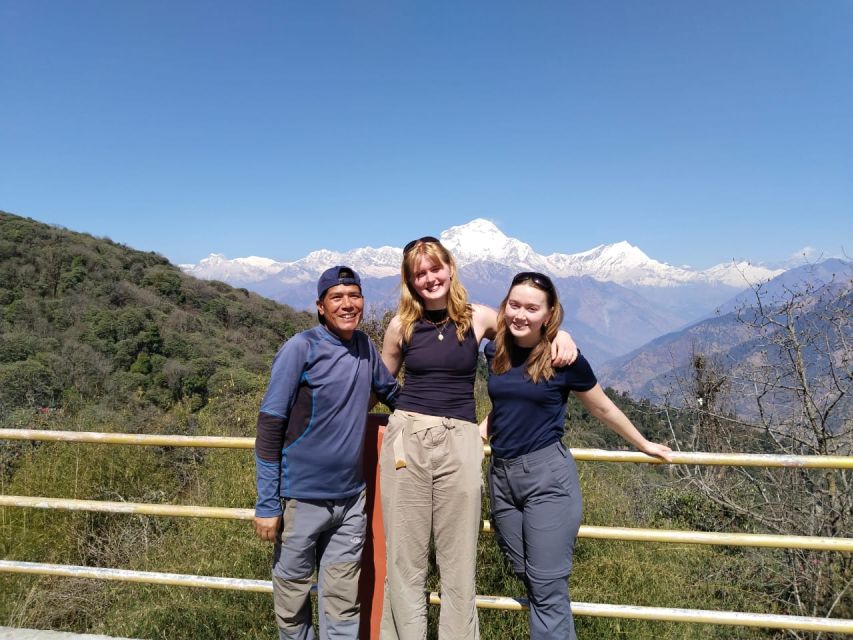
You wake early for sunrise over the sanctuary before retracing the trail through Deurali to Bamboo. The morning light can change the look of the peaks quickly, so keep your camera close, but do not let photography slow you down on the descent.
Going downhill sounds easy, yet it can be hard on knees and thighs after the high point of the trek. Trekking poles can help, though they are not listed as included equipment, so bring your own if you use them.
Returning to Bamboo gives you a shorter feeling of distance because the route is familiar. It also confirms one practical truth about this trek: the descent is not an afterthought. You still need energy and care after reaching the main goal.
Day 9: Chhomrong to Jhinu Danda and the hot springs
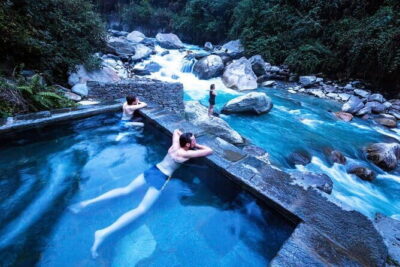
You continue down through the forest, return to Chhomrong for lunch, and then descend farther to Jhinu Danda at 1,780 meters. The day ends with a chance to visit the natural hot springs and ease tired muscles.
Jhinu Danda is a smart final overnight stop. After the cold and altitude of base camp, the lower elevation and hot water offer a welcome reset. The descent can still be hard, especially after several days of walking, but the hot springs give the day a clear reward.
One useful warning: do not assume you can simply leave from Jhinu Danda by jeep and call the trek complete. The route’s final walking section to Nayapul is part of the experience, and one past trekker specifically advised completing the full route rather than cutting it short there.
Day 10: Return to Nayapul and Pokhara
The final walk takes you from Jhinu Danda to Nayapul, followed by the private drive back to Pokhara. After several days on foot, the vehicle ride may feel almost luxurious.
The return day is less about mountain views and more about closing the loop. You finish with the knowledge that you have moved from low hill villages to one of the world’s major high mountain sanctuaries, then walked back out.
Pickup and drop-off are provided within the Lakeside area. If you are staying outside that zone, confirm the meeting point before booking.
What the $310 price really covers
At $310 per person, the value comes from the basic trekking framework being arranged for you. The price includes hotel pickup and drop-off, private transfers between Pokhara and Nayapul, a professional English-speaking guide, trekking permits and official documents, guesthouse accommodation, a first-aid kit, the private group format, and Poon Hill entrance.
That is a fair bundle for someone who does not want to organize permits, transport, route planning, and overnight stops independently. The price does not include meals, drinks, travel insurance, emergency rescue, or tips.
Budget extra for food and drinks, plus optional comforts at higher elevations. A practical estimate from one trekker was $30 to $40 per day if you want extras such as a heater, Wi-Fi, battery charging, and a hot shower. Those costs can be much lower if you stick to basic meals and services, but you should not treat the $310 as the full trip budget.
Weather, altitude, and the right preparation
Spring, from March to May, and autumn, from September to November, are the preferred seasons for clearer weather and steadier conditions. Even then, mountain weather can change quickly.
A September trek may bring several rainy days and only a single clear day. That does not erase the value of the walk, but it can greatly reduce mountain views. If you need guaranteed blue skies, no Himalayan route can offer that.
Bring comfortable shoes, a passport or ID card, a passport-sized photo, and travel insurance. The operator asks you not to bring plastic bottles, so plan to use a reusable water container. Pregnant women and wheelchair users are not considered suitable for this activity.
The trek is physically demanding, but you do not need to move at a fast pace. The key is consistency. Tell your guide if you are slow, tired, or feeling unwell. Guides such as Biru, Arjun, and Bikram have been praised for patience, route management, and adjusting the pace or schedule to fit the person walking with them.
Who should choose this trek?
I would choose this route if you want both Poon Hill and Annapurna Base Camp, prefer a private group, and like the idea of village life as much as mountain views. It suits hikers who can manage several hours of walking per day and who accept stairs, uneven trails, and simple accommodation.
It is less suitable if you want a soft adventure with comfortable hotels each night. The Ulleri steps, the high-altitude approach to base camp, and the long descents demand real effort.
The guide is a major part of the value. You are not simply paying for a route. You are paying for help with permits, lodging, pacing, safety, and decisions when weather or altitude changes the plan.
Should you book the Poon Hill and ABC trek?
Book it if you want a full Annapurna experience in a compact 10-day plan, with two famous viewpoints, a high mountain finish, and a relaxing hot-spring stop. The strongest reasons are the private pace, the included logistics, and the guides’ apparent willingness to adapt when a hiker struggles.
Think twice if you dislike basic guesthouses, cannot handle steep stone steps, or expect clear mountain views every day. Weather can hide the peaks, and meals, drinks, insurance, rescue, and high-altitude extras cost more.
For a prepared hiker who wants a guided route from Pokhara without organizing every detail, this is a strong-value choice. Bring patience, warm layers, insurance, and enough spending money, then let the mountains set the schedule.
FAQ
How long does the trek last?
The trek lasts 10 days, beginning and ending in Pokhara.
Where does the trek start?
You are picked up within the Lakeside area of Pokhara and driven to Nayapul, which takes about one and a half hours.
What is the highest point on the route?
Annapurna Base Camp is the highest overnight point, at 4,130 meters. Poon Hill reaches 3,210 meters.
Is the tour private?
Yes. The activity is arranged as a private group with a private trekking guide.
Which languages can the guide speak?
Guides are available in Nepali, English, and Hindi.
Are meals included?
No. Food and drinks are available for purchase during the trek but are not included in the price.
Is travel insurance included?
No. You need to arrange your own travel insurance. Emergency rescue costs are also excluded and should be covered by your insurance.
What should I bring?
Bring a passport or ID card, comfortable shoes, travel insurance, and a passport-sized photo. A reusable bottle is advisable because plastic bottles are not allowed.
Just added around Nepal
- Everest Base Camp Trek★ 5.0 · 3 reviews
- Everest Base Camp Trek★ 5.0 · 7 reviews
- 15 Days Private Everest Base Camp Trek★ 5.0 · 30 reviews
- Everest Base Camp Trek★ 5.0 · 57 reviews
- 14 Days of Adventure Trekking to Everest Base Camp★ 5.0 · 2 reviews
- 14-Day Everest Base Camp Trek★ 5.0 · 20 reviews
- From Kathmandu: Private 14-Day Everest Base Camp Trek★ 5.0 · 20 reviews
- 14 Days Everest Base Camp Trek★ 5.0 · 4 reviews
Annapurna Base Camp Treks, compared.
Trekking in Annapurna/Langtang/Everest/Upper Mustang regions
Read our review →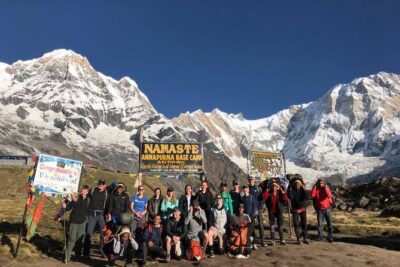
Kathmandu to Annapurna Base Camp (ABC) 5-Day Trek
Read our review →Browse the lists this trek appears in