
Review · TREKKING
3-Day Hiking & Trekking Tour Remote Villages in Guba Azerbaijan
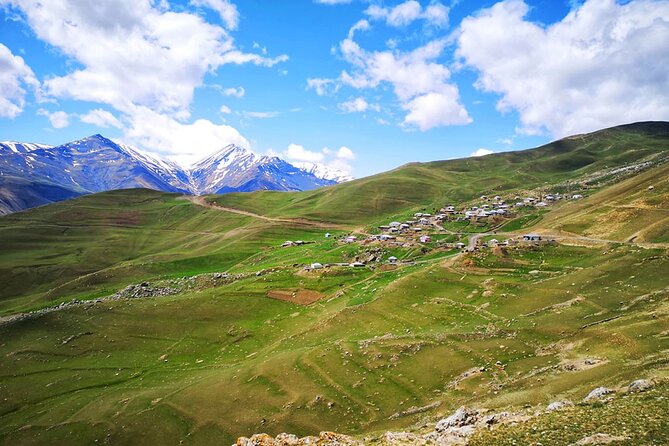
The best part of this three-day Guba trek is the way it links high mountain trails with real village life. You walk from Grizdahna to Griz, cross the Kokosh Canyon area, sleep with host families in Khinalig, and reach viewpoints as high as 2,360 meters.
I like two things in particular: the route gives you more than postcard scenery, and guide Gani keeps the trip personal and well organized. The home-cooked meals and village stays add a human touch that a standard day trip from Baku cannot match.
The catch is the first hike. It climbs 1,160 meters on a steep path and is not suitable if you fear heights or lack solid hiking fitness. This is a mountain trip first, and a sightseeing tour second.
Key points to know before booking
- A steep opening climb: The Grizdahna to Griz route gains 1,160 meters and needs care, suitable clothing, and hiking experience.
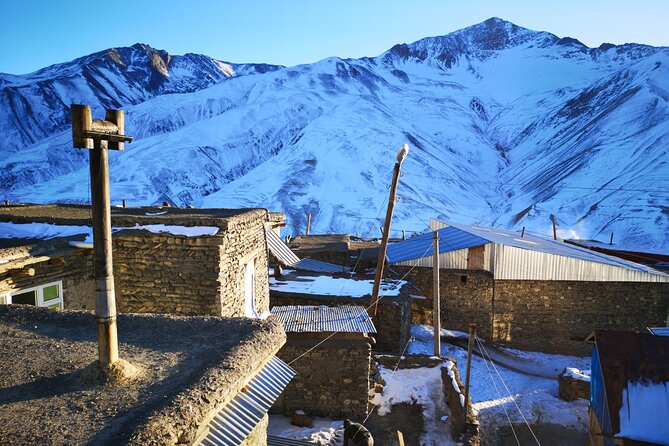
- Three remote mountain communities: You visit Griz, Galakhudat, and Khinalig, with time to see how people live far above the main roads.
- A true homestay: You spend the night in Khinalig with a host family and eat local food.
- Changing scenery: The route includes high mountain paths, Gurgur Waterfall, Kokosh Canyon, distant village views, and historic trails.
- More than hiking: The final day adds Guba’s Genocide Memorial Complex, mosques, and Jewish Red Town.
- Small-group format: The maximum group size is 15, with pickup from Baku and snacks, dry fruit, water, and basic practical supplies provided by the guide.
Why this route offers more than a mountain view
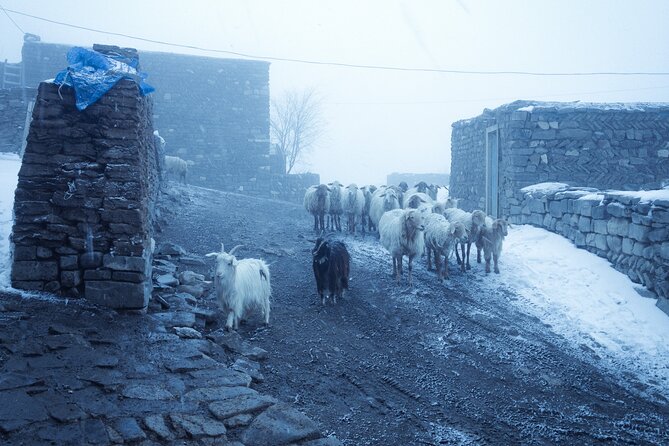
Many excursions from Baku show you one attractive place and return you to the city before dinner. This trip takes a slower route through the Guba-Khachmaz region, where the journey itself is the main event.
You move between settlements with distinct religious and cultural identities. Guba is associated with Shiite and Sunni Muslim communities as well as Jewish Red Town. Higher in the mountains, you encounter the ancient communities of Khinalig and Griz. The tour does not treat these places as quick photo stops. You walk between them, eat in village homes, and spend the night in one of them.
That matters because remote mountain life can be hard to understand from a roadside viewpoint. The homestay gives you a clearer sense of daily life in Khinalig, while the hiking routes show why these settlements developed where they did. The old paths were used by mountain peoples long before modern roads connected the region.
You should also know that the experience is not a gentle village stroll. The route reaches 2,360 meters above sea level, and the opening ascent is demanding. The reward is a much stronger connection between the villages, the terrain, and the people who live there.
A few more treks around the world worth a look
- Sapa 3 Days 2 Nights Trekking Tour (1 Night In Ta Van Village, 1 Night In Hotel)
★ 5.0 · 699 reviews - 3-Day Trekking Adventure of Sapa from Hanoi – Stay Ta Van Village
★ 5.0 · 611 reviews - From Marrakech: 3-Day Mount Toubkal Climbing Trek
★ 4.7 · 597 reviews
From Baku to Grizdahna: a long first day
The day begins at 9:00 a.m. in Baku with a drive north. The transfer takes up a large part of the morning, but planned stops for tea, coffee, and local snacks help break it up. Since the tour ends back in Baku, pickup is useful if you are staying in the capital and do not want to arrange separate transport to Guba.
After lunch, you continue by vehicle to Grizdahna. This is where the serious walking begins. The route climbs toward Griz Village along the historic Eh Yolu, with a total elevation gain of about 1,160 meters.
You need to treat this section with respect. The path is visible, but visibility does not make a steep ascent easy. The route includes exposed sections, so anyone uncomfortable with heights should think carefully before booking. The supplied guidance calls for a moderate level of fitness, but this first day is closer to the upper end of that description for many people.
Good boots are essential. Waterproof hiking or trekking boots are recommended, along with an insulated jacket and a small backpack of 20 to 30 liters. Weather in the mountains can change quickly, so light city clothing will not be enough. Gaiters and trekking poles are also sensible additions, even though they are listed as recommended rather than required.
The first day is demanding partly because of timing. You travel from Baku, stop for lunch, then tackle the major climb. If you are used to hiking, the effort may feel like a fair trade for reaching Griz on foot. If you rarely hike, this is the point where the trip may feel too ambitious.
Griz to Galakhudat: waterfall and canyon country
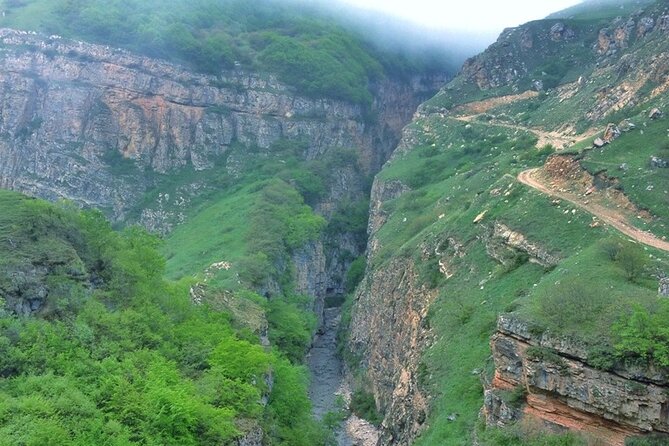
Day two begins with breakfast in Griz. The route then heads toward Galakhudat, with Gurgur Waterfall and views of Kokosh Canyon along the way.
This section gives you the kind of variety that makes a mountain trek memorable. You are not simply walking uphill for hours. The route changes as you go, moving through open mountain country and toward canyon scenery, with stops that break up the effort.
The Griz to Galakhudat trail requires moderate fitness because of the Kokosh Canyon crossing. It is less severe than the first day’s climb, but you still need steady footing and enough energy for several hours outside. The guide’s presence is especially useful here because the trail may be clear without being flat, paved, or forgiving.
Lunch is in Galakhudat. That stop divides the day neatly. You can rest after the canyon section, eat before continuing, and reset for the walk to Khinalig.
The Galakhudat to Khinalig section is described as easy by comparison. That does not mean you should expect a casual road walk, but it should feel more manageable after the earlier sections. For many people, this may be the most enjoyable part of the trek because you have already adjusted to the pace and can focus more on the surrounding peaks and settlements.
Sleeping with a host family in Khinalig
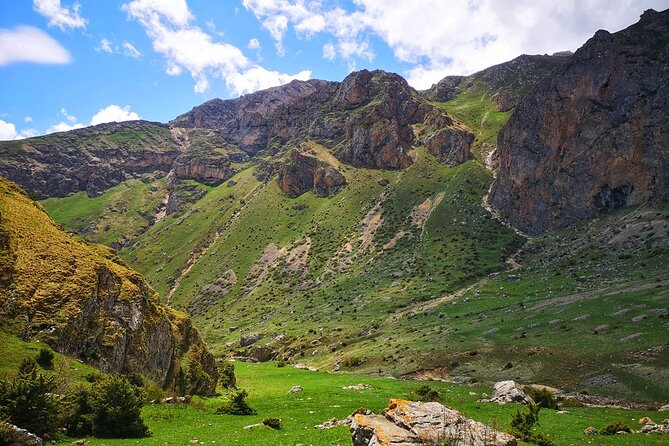
The overnight stay in Khinalig is the heart of the trip. Instead of returning to a hotel in Guba, you eat dinner with a host family and sleep in the village.
The accommodation is a homestay, so you should expect a local household rather than a conventional hotel. The value is not polished comfort. It is the chance to share a meal and spend an evening in a remote mountain community. Local cuisine is part of the experience, and the food gives you a direct connection to the people and place you have reached on foot.
You should pack light toiletries. Hand sanitizer and wet paper are provided by the guide, which helps with the practical side of staying in a remote village. Still, it is wise to bring any personal items you need for an overnight stay.
This part suits you best if you enjoy cultural contact and can be flexible about facilities. If you need a private room, hotel-style plumbing, or a predictable menu, the homestay may feel basic. If you value access to local life more than comfort, it is one of the strongest reasons to choose this tour.
Same trailhead, a different route:
- Mount Etna: Trek to 3000m with cable car and 4×4
★ 4.6 · 3,823 reviews - Bali: Mount Batur Sunrise Trek With Guide and Breakfast
★ 4.8 · 3,461 reviews - From Chania: Full-Day Samaria Gorge Trek Excursion & Guide
★ 4.6 · 3,191 reviews - Mount Etna: Summit Crater Trek with Cable Car
★ 4.8 · 1,875 reviews
Khinalig morning: village streets and a final hill climb
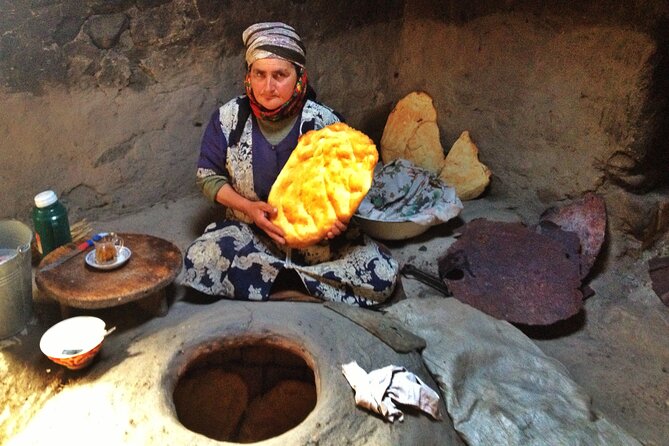
After breakfast, you explore Khinalig itself. The village is one of the most distinctive stops on the route because of its remote position and long connection with the mountain communities of the Caucasus.
The morning includes a half-hour easy ascent to nearby hills for a distant view back toward the village. This short climb is a useful contrast with the first day. You still get a higher viewpoint, but the effort is modest and the focus shifts to seeing Khinalig as a whole.
Take this time slowly. The previous two days involve long transfers and substantial walking, so the village visit should not feel rushed. It is also your chance to appreciate the settlement after spending the night there, rather than arriving only for a quick look.
The plan then changes from hiking to road travel. You drive back toward Guba, changing into Lada Niva vehicles and stopping at several viewpoints. The vehicle change is worth noting. It suggests rougher mountain roads and a more practical form of transport than a standard coach, but it may also mean a less smooth ride.
Guba, mosques, memorials, and Jewish Red Town
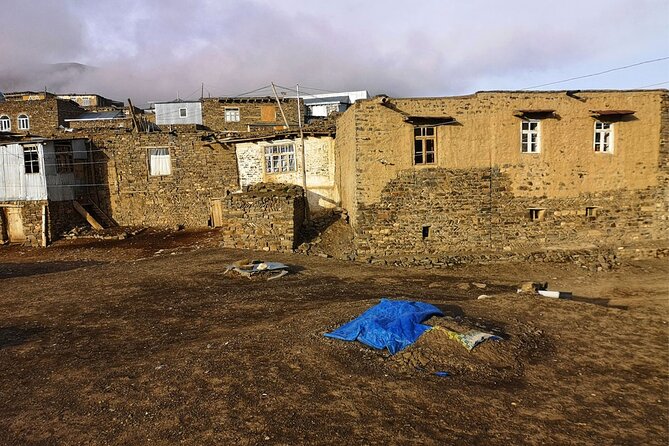
The final sightseeing section broadens the trip beyond mountains and village homestays. In Guba, you visit the Genocide Memorial Complex, mosques, and Jewish Red Town before lunch and the drive back to Baku.
The memorial adds difficult historical context to the region. It is a serious stop, not a light sightseeing break, and gives the final day more depth. The mosques show another side of local religious life, while Red Town brings attention to Guba’s Jewish community.
Dress matters at the mosques. Women should carry a headscarf, and men should not wear shorts. This is a small detail, but it can prevent an awkward visit and shows respect for active religious sites.
The final drive to Baku is long, with the third day lasting about 12 hours. That makes the last day full, not leisurely. You will have already hiked for two days, so fatigue is worth considering before you book. The advantage is that you return to Baku without needing another hotel night in Guba.
What the $600 price means
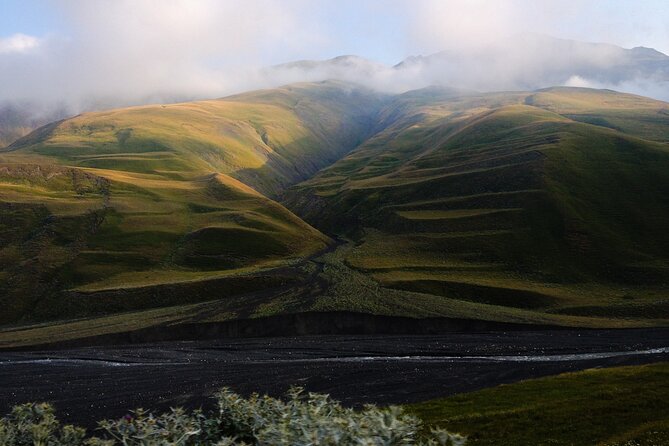
At $600 per person, this is not a low-cost hiking transfer. Its value depends on what you want included in one trip.
You are paying for a three-day route from Baku, vehicle transport, a guide, village meals, an overnight homestay, mountain access, and the final Guba sightseeing. Snacks, dry fruit, water, hand sanitizer, and wet paper are provided by the guide. The group can reach 15 people, which keeps the cost lower than a fully private trip but still offers a more personal format than a large coach tour.
The price makes the most sense if you would otherwise need to arrange several separate pieces: transport from Baku, a mountain guide, village accommodation, meals, and transfers between remote trailheads. The cultural stops also add value. You are not paying only for walking time.
It is less attractive if you want a simple day hike, low-altitude scenery, or hotel comfort. You may find a short Guba excursion better suited to those needs. This trip earns its price through access, logistics, and the chance to stay in a remote village.
Fitness, gear, and group size
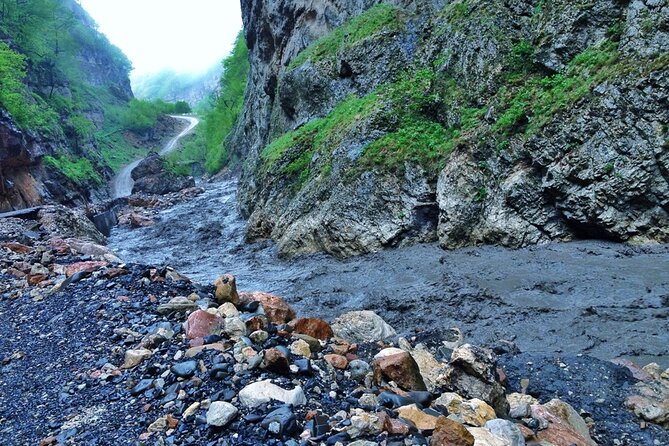
The physical demands deserve clear attention. The first day includes a steep 1,160-meter ascent and exposed sections. The second day requires enough fitness for the Kokosh Canyon crossing, while the final day combines a short hill walk with a long drive.
Bring or wear:
- Waterproof hiking or trekking boots
- An insulated jacket
- A 20 to 30-liter backpack
- Personal light toiletries
- Gaiters if conditions are wet or muddy
- Hiking poles if you use them
The guide provides water, snacks, dry fruit, hand sanitizer, and wet paper. You should still take the clothing advice seriously. Mountain weather is not the same as Baku weather, and an insulated layer can make a major difference.
The maximum group size is 15. That is large enough to create a social atmosphere but small enough for the guide to keep track of people on a steep trail. The trip requires a minimum number of bookings, so the departure is not guaranteed until availability is confirmed.
Confirmation arrives within 48 hours of booking, subject to availability. If bad weather forces a cancellation, you are offered another date or a full refund. The same applies if the minimum group size is not reached.
The guide and the feel of the trip
Guide Gani is a central part of the experience. He leads the route, manages the transfers, and helps connect the outdoor sections with the cultural stops. The trip benefits from having one guide across all three days because the route includes several different kinds of travel.
The strongest praise attached to this experience focuses on planning, organization, and the guide’s company during the three days. That matters here. A complicated route through remote villages needs someone who can coordinate vehicles, meals, trails, and timing without making the trip feel mechanical.
You should still ask questions before departure if you have concerns about pace, weather, or the first ascent. A good guide can help you prepare, but no guide can remove the physical nature of the route.
Who should book this Guba trek?
I would recommend this tour to you if you want a close look at Azerbaijan beyond Baku and the main highways. It is especially suited to hikers who enjoy mountain villages, local meals, cultural encounters, and a little discomfort in exchange for access.
It is also a strong choice if you have only a few days but want several sides of the country in one trip: Greater Caucasus scenery, ancient mountain settlements, Muslim and Jewish communities, historic trails, and Guba’s memorial sites.
I would not choose it for a relaxed family outing, a luxury break, or a first-ever hiking experience. The steep ascent, overnight homestay, long drives, and changing conditions demand preparation. Fear of heights is another clear reason to choose something else.
Should you book it?
Book this three-day trek if the idea of walking between remote villages appeals more than checking off sights from a vehicle. The best moments come from the combination of trail, home-cooked food, family lodging, and mountain community life.
Before paying, be honest about your fitness and comfort with heights. Pack proper boots, warm clothing, and a small bag, and keep the final 12-hour day in mind. If you can handle those demands, the $600 cost buys an unusually full look at northern Azerbaijan, not just a quick mountain photograph.
FAQ
Where does the tour start?
The tour starts in Baku, Azerbaijan, with pickup at 9:00 a.m.
How long does the experience last?
The tour lasts approximately three days and includes two nights.
What is the highest altitude reached?
The route reaches up to 2,360 meters above sea level.
How difficult is the hiking?
The first hike from Grizdahna to Griz is demanding and includes a 1,160-meter elevation gain. The Griz to Galakhudat route requires moderate fitness, while the Galakhudat to Khinalig section is described as easy.
Where do you stay overnight?
You stay overnight in Khinalig with a host family and have dinner there.
What equipment should you bring?
You should bring waterproof hiking or trekking boots, an insulated jacket, and a 20 to 30-liter backpack. Gaiters and hiking poles are recommended.
Is transport provided from Baku?
Yes. The tour includes the drive from Baku, transfers between the villages and trail sections, and the return drive to Baku. The return from Khinalig to Guba includes a change to Lada Niva vehicles.
Can you cancel for a refund?
You can cancel at least 24 hours before the start time for a full refund. Cancellations or changes made within 24 hours are not refunded or accepted. Poor weather or failure to reach the minimum group size may result in another date or a full refund.
Just added around the world
- Everest Base Camp Trek★ 5.0 · 3 reviews
- Everest Base Camp Trek★ 5.0 · 7 reviews
- 15 Days Private Everest Base Camp Trek★ 5.0 · 30 reviews
- Everest Base Camp Trek★ 5.0 · 57 reviews
- 14 Days of Adventure Trekking to Everest Base Camp★ 5.0 · 2 reviews
- 14-Day Everest Base Camp Trek★ 5.0 · 20 reviews
- From Kathmandu: Private 14-Day Everest Base Camp Trek★ 5.0 · 20 reviews
- 14 Days Everest Base Camp Trek★ 5.0 · 4 reviews
3-Day Experiences, compared.
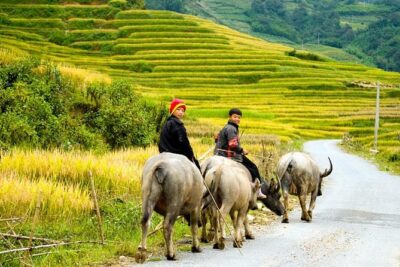
Sapa 3 Days 2 Nights Trekking Tour (1 Night In Ta Van Village, 1 Night In Hotel)
Read our review →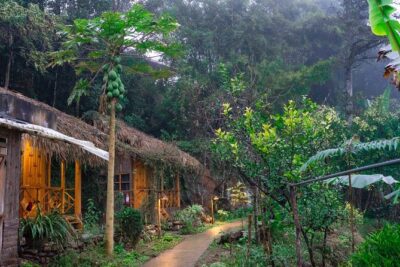
3-Day Trekking Adventure of Sapa from Hanoi – Stay Ta Van Village
Read our review →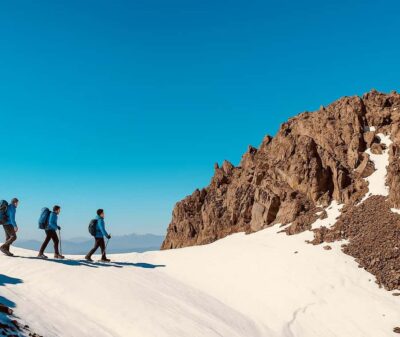
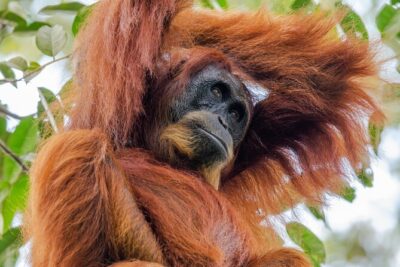
3-Day Ethical Orangutan Jungle Trek | Bukit Lawang, Sumatra
Read our review →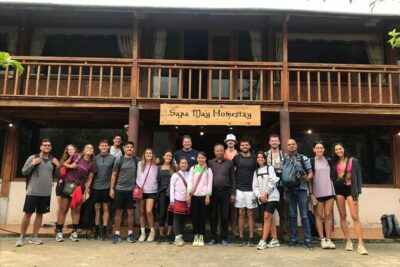
Sapa 3 Day 2 Night Trekking With Hotel & Homestay
Read our review →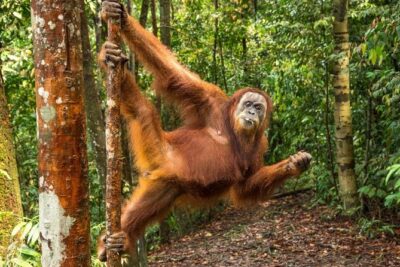
Monkey Business 3 days – 2 nights Jungle trekking (including rafting)
Read our review →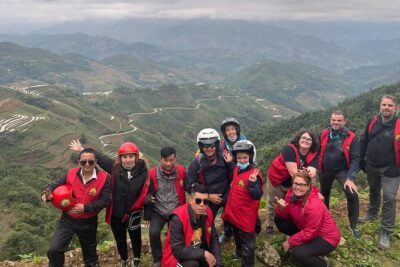
3 Days Small Group Trekking And Motorbike Combine + Private room
Read our review →
Browse the lists this trek appears in