
Review · KATHMANDU
From Kathmandu: 6-Day Langtang Valley Guided Trek
Langtang Valley gives you a lot in six days: a long mountain road from Kathmandu, forest trails, waterfalls, Tamang and Tibetan culture, and sharp views of Langtang Lirung, Langtang Ri, and Dorje Lakpa. The high point is the early hike to Kyanjin Ri, where sunrise reaches the peaks before the valley fully wakes.
I like the private-group format, since your pace and questions do not have to compete with a large crowd. I also like that the price includes permits, five nights in mountain guest houses, meals under the all-inclusive option, transport, and a registered guide. The main caution is the pace: reaching Kyanjin Gompa and then returning toward Lama Hotel on the same day makes this a demanding trek, even though it is marketed for entry-level hikers.
Key points to know before you book
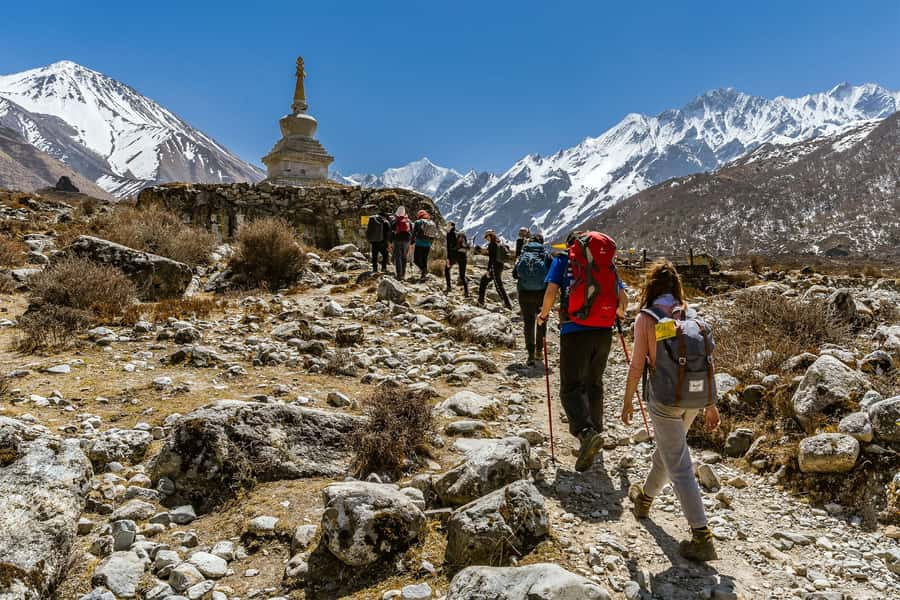
- Kyanjin Ri reaches 4,200 meters, giving you the trip’s best sunrise viewpoint and a real test of how you handle altitude.
- Langtang National Park brings forest variety, including oak, maple, pine, rhododendron, and the possibility of seeing wildlife such as Himalayan tahr, yak, red panda, or Himalayan black bear.
- The route passes through Tamang and Tibetan-influenced villages, adding cultural interest beyond mountain scenery.
- The first and last days involve long road transfers, with roughly seven to eight hours between Kathmandu and Syabrubesi.
- The $244 price is strongest under the all-inclusive option, which covers meals, accommodation, transport, permits, and a guide.
- A private group and English or Hindi guide make the trip easier to manage, but a porter costs an additional $140.
Why Langtang Valley works as a six-day trek
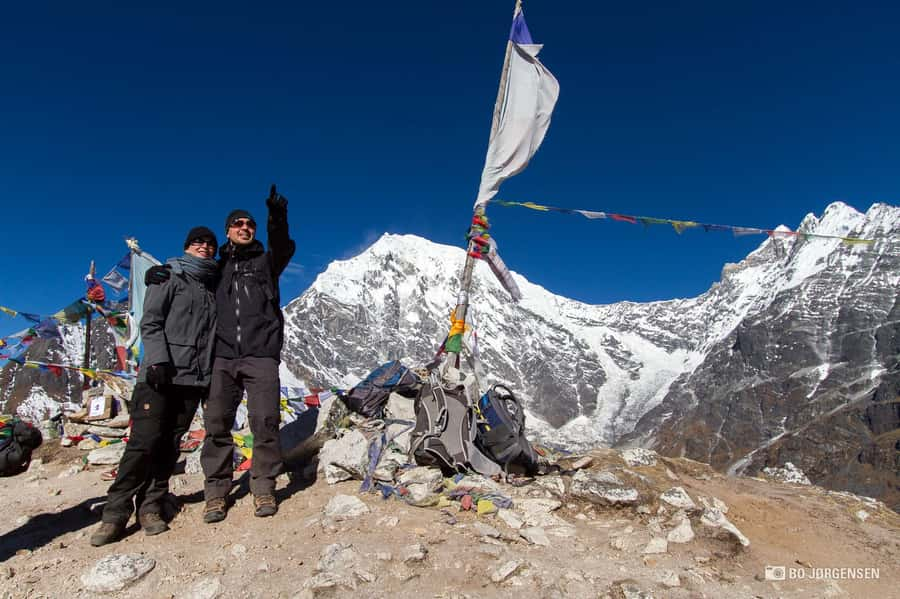
Langtang Valley lies about 80 kilometers north of Kathmandu, in Nepal’s Rasuwa district. The route sits inside Langtang National Park and reaches toward the Tibet Autonomous Region of China, giving the trek a clear borderland character.
You are not simply walking from one lodge to another. The route shifts from road travel and lower forest to high mountain pasture, monastery country, and wide views of major Himalayan peaks. The mix makes Langtang a useful choice if you want a Himalayan trek but have limited time.
The trip is described as suitable for all levels, but I would read that carefully. You need to be comfortable walking for five to seven hours on successive days, and the route rises to 3,870 meters at Kyanjin Gompa before the Kyanjin Ri climb reaches 4,200 meters. The word entry-level refers to the trekking style, not to a flat or easy walk.
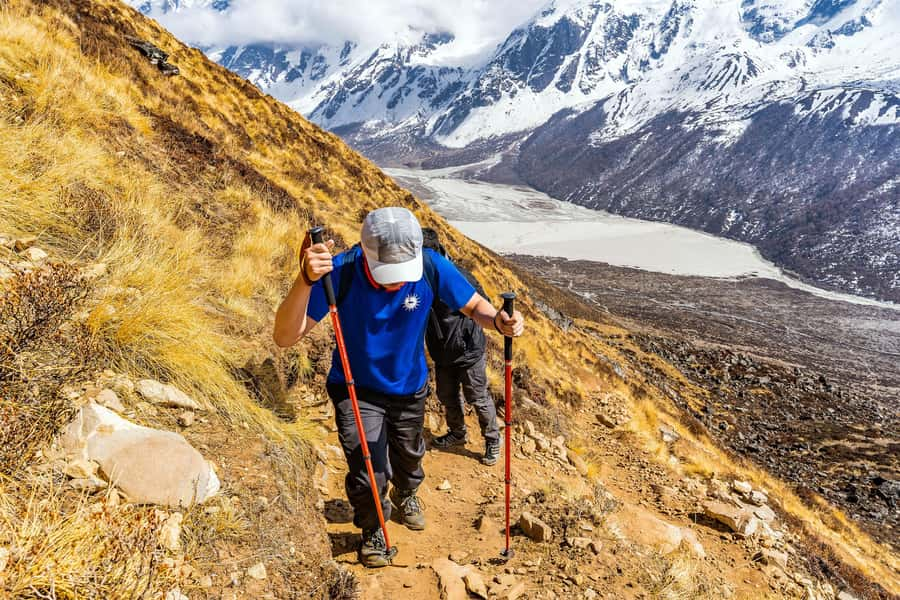
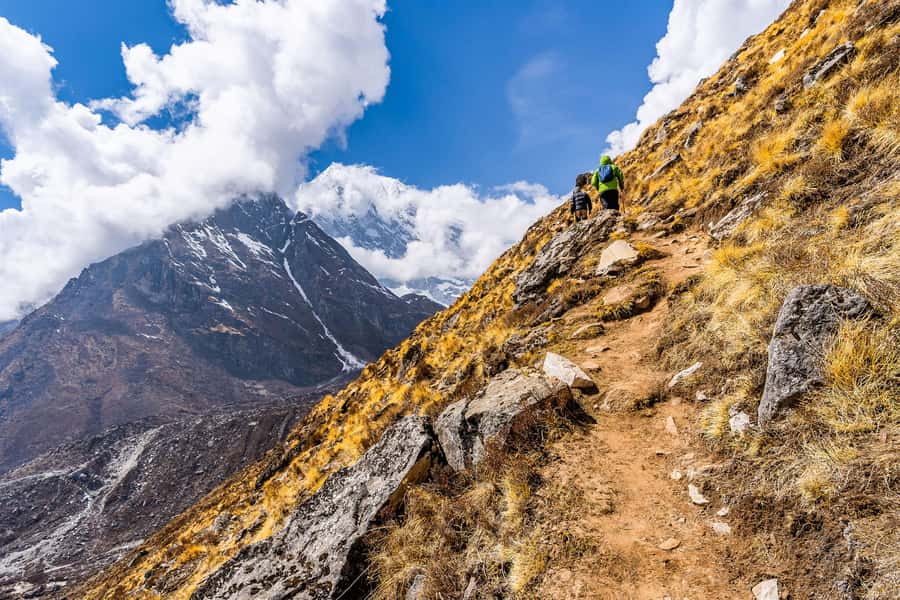
The scenery changes often enough to keep the route interesting. Lower sections pass through forest and beside waterfalls. Higher sections open toward Langtang Lirung at 7,245 meters, Langtang Ri at 6,370 meters, and Dorje Lakpa at 6,990 meters. The mountains are not just a distant backdrop. They become increasingly close and dramatic as you approach Kyanjin.
More Langtang Treks in Kathmandu:
- Langtang Valley Trek
★ 5.0 · 140 reviews - Langtang Valley Trek
★ 5.0 · 61 reviews - Langtang Valley Trek
★ 5.0 · 50 reviews
Day 1: Kathmandu to Syabrubesi, then the short walk to Pahiro
Your first day starts with a road journey from Kathmandu to Syabrubesi. The drive is expected to take seven to eight hours, using a bus or jeep according to the trip details. Transport is also described as a tour bus, so confirm the exact vehicle when you book.
This is a full travel day before the walking really begins. After a break in Syabrubesi, you walk for about two hours to Pahiro, passing through Dovan. The route reaches a maximum altitude of about 1,800 meters, so this first walking section is much lower than the days ahead.
Pahiro is your first overnight stop in a mountain guest house. Lunch and dinner are included with the all-inclusive option. Since this day combines a long drive with a trek, keep your daypack easy to reach and avoid packing your walking shoes in the main luggage.
The road transfer is one of the less glamorous parts of the trip, but it is necessary to reach the valley. If you prefer an itinerary with more walking and less time in vehicles, this schedule may feel compressed.
Day 2: Waterfalls and forest from Pahiro to Ghoda Tabela
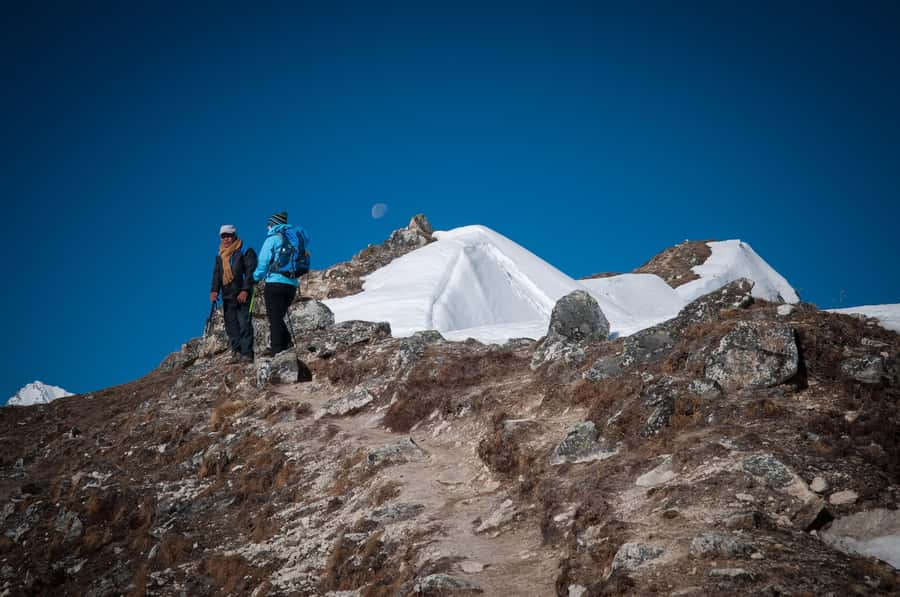
The second day brings the first substantial hiking stretch. You walk for six to seven hours from Pahiro to Ghoda Tabela, reaching approximately 3,000 meters.
The route passes waterfalls and forested sections inside Langtang National Park. The park contains deciduous oak and maple, pine, and several kinds of rhododendron. Animal life includes Himalayan black bear, Himalayan tahr, Assam macaque, snow leopard, yak, and red panda, along with more than 250 bird species.
That list is a reminder to carry patience, not a promise of sightings. The dependable reward is the changing vegetation and the sound of water along the trail. Wildlife, if you see any, is a bonus.
Ghoda Tabela marks a higher stage of the journey. You are now gaining altitude at a noticeable rate, so this is a good day to watch how you feel, drink regularly, and tell your guide if you develop any concerns. The overnight stay is again in a mountain guest house, with breakfast, lunch, and dinner included under the all-inclusive plan.
Day 3: Langtang Village and the climb to Kyanjin Gompa
Day three takes you from Ghoda Tabela to Kyanjin Gompa, with six to seven hours of walking. The route passes through Langtang Village and rises to about 3,870 meters.
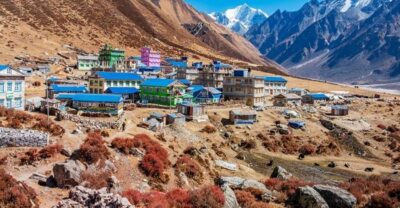
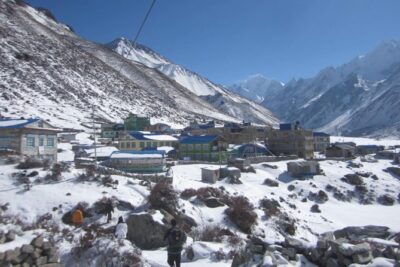
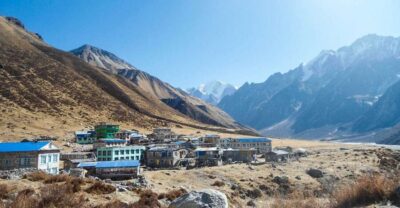
This is the day when the valley feels most distinctly Himalayan. The lower forest gives way to more open mountain views, and the peaks become the main attraction. Langtang Village adds a human scale to the route, while Kyanjin Gompa provides the cultural focus at the end of the day.
Kyanjin Gompa is an ancient monastery and the highest overnight base on this itinerary. It is also the launching point for the next morning’s Kyanjin Ri hike. The schedule calls this day a trek from Ghoda Tabela to Kyanjin Gompa via Langtang Village, though one section of the supplied timing labels it day four. The practical point is simple: expect a long uphill day before you reach the high base.
This is likely to be the hardest regular walking day because of both distance and altitude. You should not judge your condition only by how you feel at lower elevations. The jump from 3,000 meters to 3,870 meters matters.
A few more treks around Kathmandu worth a look
- Kathmandu: 6-Day Limitless Langtang Trek
★ 5.0 · 21 reviews - 6 Days Poon Hill – Ghandruk Circuit Trek from Kathmandu
★ 5.0 · 10 reviews - Kathmandu: 6 Days Langtang Valley Trek with Kyanjin Ri
★ 5.0 · 7 reviews - Kathmandu: Langtang Valley 6-Day all inclusive Guided Trek
★ 5.0 · 2 reviews
Day 4: Sunrise at 4,200-meter Kyanjin Ri
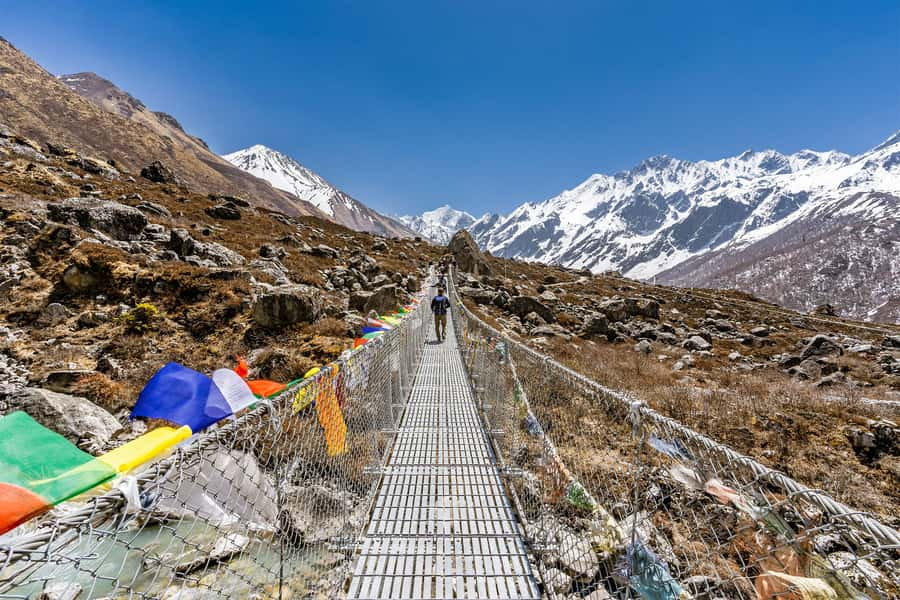
The day begins with a roughly one-hour hike to Kyanjin Ri for sunrise. At 4,200 meters, this viewpoint is the highest point named in the itinerary and the clearest chance to see the surrounding mountain range from above.
From Kyanjin Ri, you can expect views toward Langtang Lirung, Langtang Ri, Dorje Lakpa, and other peaks in the valley. The exact visibility depends on weather, but the early start is designed to give you the best chance of clear mountain views before clouds build later in the day.
After breakfast at Kyanjin Gompa, you retrace the route through Langtang Village and continue down to Lama Hotel. The descent is listed at five to six hours, making this a demanding combination of an early climb and a long downhill walk.
I like the logic of this schedule because you do not waste a separate day returning from Kyanjin Gompa. The tradeoff is physical: sunrise comes early, and the return to Lama Hotel is not a gentle rest day. If you want more time around the monastery or a slower descent, ask if the private arrangement can be adjusted.
Day 5: The return to Syabrubesi through Bamboo
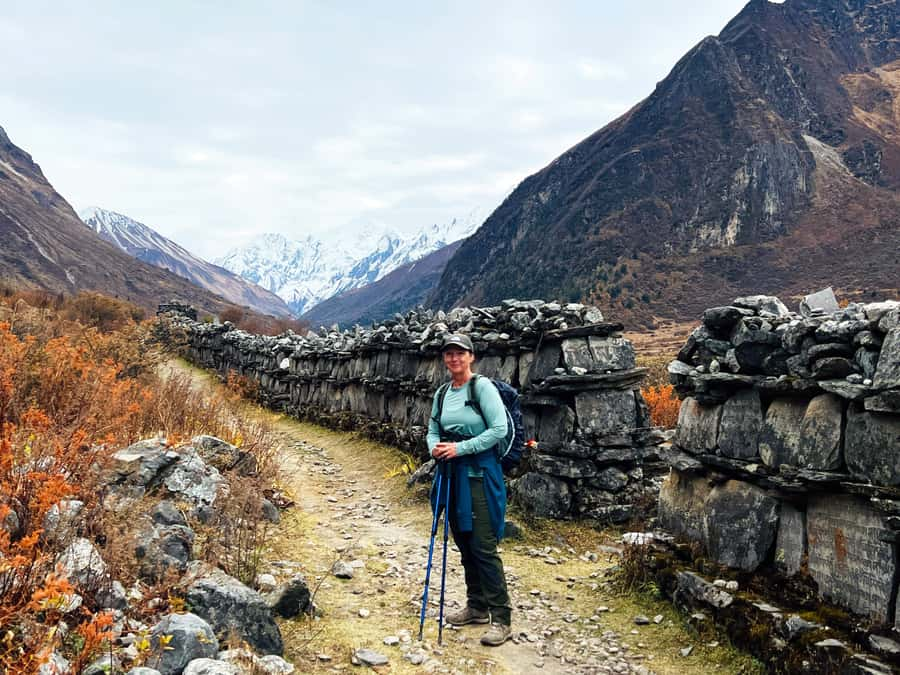
The fifth day takes you from Lama Hotel back to Syabrubesi via Bamboo. The walk lasts about five to six hours and descends to approximately 1,550 meters.
This section gives you a second look at the forest and river corridors, but the direction changes how the route feels. What was an uphill passage earlier is now a sustained descent, and downhill walking can be tiring on knees and ankles. Good hiking shoes matter here.
Syabrubesi is the final overnight stop in the trekking portion. You stay in a mountain guest house and receive breakfast, lunch, and dinner with the all-inclusive package. By this point, the private guide arrangement is useful because you can discuss pace, rest stops, and any lingering discomfort before the final road journey.
Day 6: The long road back to Kathmandu
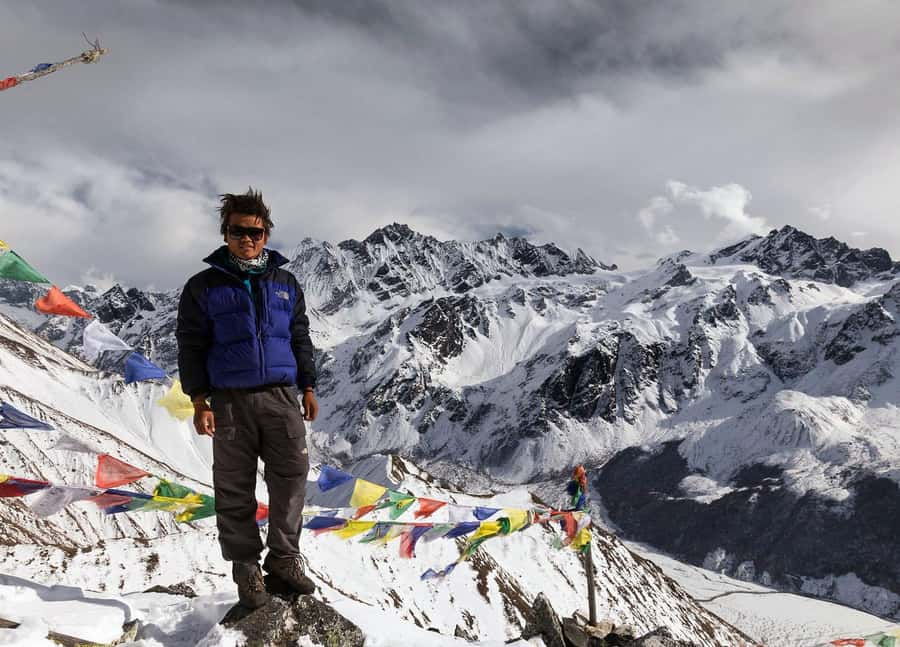
The last day is a return drive from Syabrubesi to Kathmandu. Breakfast and lunch are included under the all-inclusive option, but there is no accommodation listed for this night.
The return trip is expected to take much of the day, so do not plan an important evening commitment in Kathmandu. Road conditions and traffic can affect the timing, and the supplied information does not promise a fixed arrival hour.
This final transfer is practical rather than scenic in the same way as the trail. It completes the loop without requiring extra transport arrangements, which is one reason the package can work well for a short Nepal visit.
What the $244 price really covers
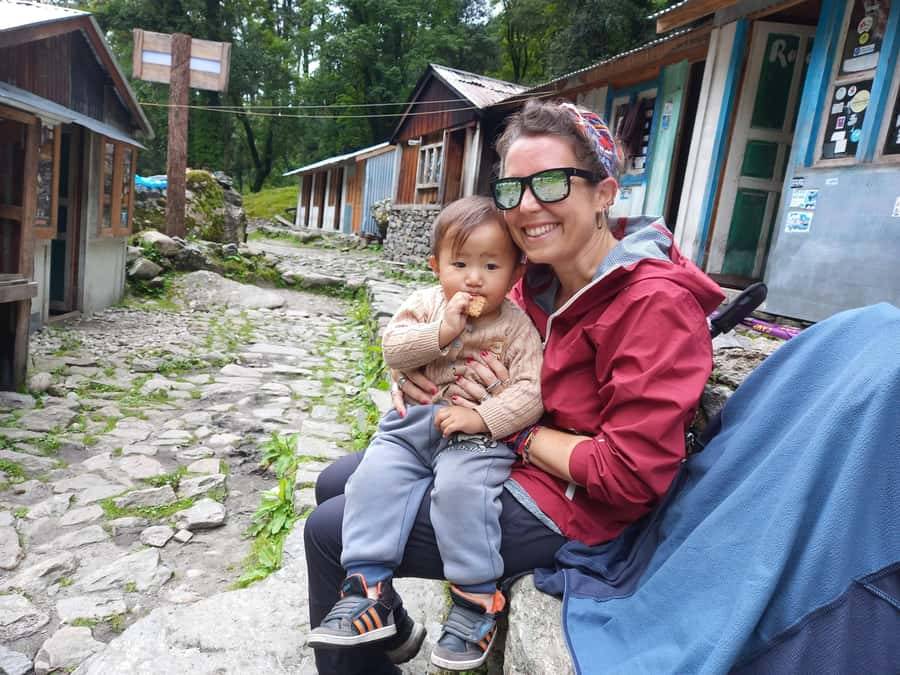
At $244 per person, the package offers solid value if you choose the all-inclusive version. That option includes hotel pickup and drop-off, five nights in mountain guest houses, five breakfasts, six lunches, five dinners, a registered guide, transport between Kathmandu and Syabrubesi, necessary travel permits, and a trekking map.
The meal count matters. The all-inclusive option provides food during the trek, while the accommodation option does not include meals. The description says all meals are excluded if you choose the six-day trek with accommodation only, so compare the two choices carefully before paying.
Hot, cold, and alcoholic drinks are not included. You also need money for personal expenses and a tip for the guide. A porter is optional at $140, which may be worth considering if you do not want to carry your main bag over several long walking days.
Travel insurance is not included. You should arrange your own cover before departure, especially for a trek reaching 4,200 meters. The package includes permits, but it does not remove your responsibility to prepare for the altitude and walking demands.
Guide style, private groups, and practical comfort
The activity uses a government-registered guide and offers service in English or Hindi. Since the group is private, you are not locked into the pace of a large shared party. That is a meaningful benefit on a route with long walking days and a high sunrise start.
Pickup is included in Kathmandu. You are asked to wait in your hotel lobby or at the main entrance of your residence building five minutes before the scheduled pickup time.
Accommodation is in mountain guest houses rather than hotels. That means you should expect simple trekking accommodation, though the provided information does not specify room layouts or bathroom arrangements. Bring a towel, hiking shoes, a camera, cash, and your passport. A copy of your passport is accepted.
The package is described as specially abled friendly, but the same information says it is not suitable for people with mobility impairments or wheelchair users. Those statements do not fully match. If you have any mobility limitation, contact the provider before booking and explain what support you need in specific terms.
Weather, timing, and the best kind of preparation
The trek is available throughout the year except during the monsoon season. Conditions can still vary outside the monsoon, and mountain visibility is never guaranteed. The Kyanjin Ri sunrise is a highlight of the plan, but clouds can affect the view.
Your most important preparation is not fancy gear. Bring proper hiking shoes, a towel, cash, and a passport or accepted copy. Keep personal items in a small daypack during the road and walking sections.
The route gains altitude quickly enough that you should treat the schedule with respect. Day two reaches 3,000 meters, day three reaches 3,870 meters, and Kyanjin Ri reaches 4,200 meters. Tell the guide if you feel unwell, and do not assume that being fit at home automatically makes high-altitude walking easy.
Who should book this Langtang trek?
I would recommend this trip to you if you want a short Himalayan trek with a private guide, clear mountain goals, village encounters, and most major costs bundled together. It suits someone who can handle five to seven hours of walking and accepts basic guest-house accommodation.
It is also a good fit if you want more than mountain photographs. Langtang National Park provides forests, waterfalls, birds, and possible wildlife sightings, while the Tamang and Tibetan-influenced villages add cultural context. Kyanjin Gompa gives the route a strong destination rather than making the trek feel like a simple out-and-back walk.
I would be cautious if you dislike long vehicle rides, need a slow acclimatization schedule, or want a relaxed day at high altitude. The six-day format is efficient, but it packs in a great deal: a seven to eight-hour transfer, several long hikes, a 4,200-meter viewpoint, and a return descent on the same day as sunrise.
Should you book it?
Book this trek if the combination of private guiding, included permits, five nights of accommodation, and a 4,200-meter sunrise viewpoint matches your priorities. At $244, the all-inclusive version offers a practical way to see Langtang without arranging transport, meals, permits, and a guide separately.
Before confirming, check three things: which transport vehicle will be used, whether meals are included in your chosen price option, and how the provider handles your mobility needs. If you are comfortable with long walking days and simple guest houses, this is a focused and good-value introduction to Langtang Valley.
FAQ
How long is the Langtang Valley trek?
The activity lasts six days, including travel from Kathmandu to Syabrubesi and the return drive to Kathmandu.
What is the highest point on the route?
The highest named viewpoint is Kyanjin Ri at 4,200 meters. Kyanjin Gompa sits at approximately 3,870 meters.
Is transportation from Kathmandu included?
Yes. Hotel pickup and drop-off are included, along with transport between Kathmandu and Syabrubesi. The trip details describe the vehicle as a tour bus, while the first-day information also mentions a bus or jeep.
Are meals included?
With the all-inclusive option, the package provides five breakfasts, six lunches, and five dinners. Meals are not included if you choose the six-day accommodation-only option.
Is a porter included?
No. A porter is optional and costs US$140.
What languages does the guide speak?
The live guide service is available in English and Hindi.
Can I cancel the booking for a refund?
You can cancel up to 24 hours in advance for a full refund. You can also reserve now and pay later.
Just added around Kathmandu
- Everest Base Camp Trek★ 5.0 · 3 reviews
- Everest Base Camp Trek★ 5.0 · 7 reviews
- 15 Days Private Everest Base Camp Trek★ 5.0 · 30 reviews
- Everest Base Camp Trek★ 5.0 · 57 reviews
- 14 Days of Adventure Trekking to Everest Base Camp★ 5.0 · 2 reviews
- 14-Day Everest Base Camp Trek★ 5.0 · 20 reviews
- From Kathmandu: Private 14-Day Everest Base Camp Trek★ 5.0 · 20 reviews
- 14 Days Everest Base Camp Trek★ 5.0 · 4 reviews
Langtang Valley Treks, compared.
Trekking in Annapurna/Langtang/Everest/Upper Mustang regions
Read our review →
7 Days Langtang Valley Private Trek From Kathmandu
Read our review →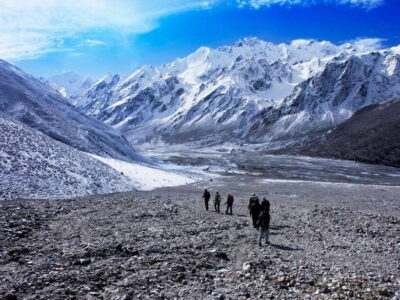
Browse the lists this trek appears in