
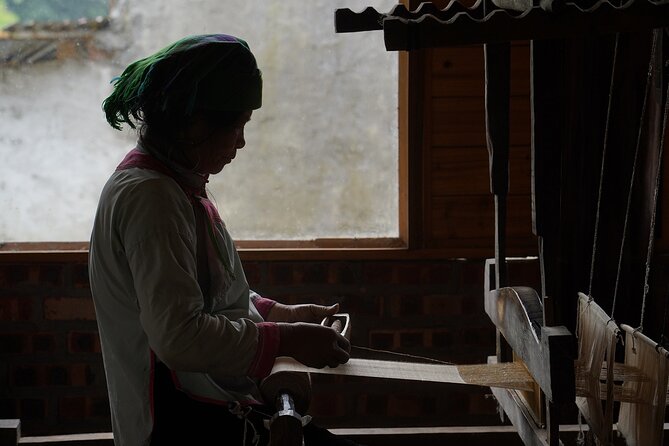
Review · HANOI
Sapa Trekking & Homestay 2 Days 1 Night
Muong Hoa Valley is the heart of this two-day trip. You walk among rice fields, bamboo forest, mountain paths, and ethnic minority villages, then spend the night in Y Linh Ho village with a Black H’mong family. This feels far more personal than a quick viewpoint stop in Sapa town.
I like the combination of village life and walking time. You get a real overnight stay, a home-cooked dinner, and visits with Black H’mong, Giay, and Red Dao communities. I also like the simple transport plan: a bus from Hanoi, a local guide for the trek, and a return ride from Sapa.
The main drawback is the long road journey. The trip from Hanoi to Sapa takes about six hours with rest stops, and the walking can become slippery, cold, or foggy. You need moderate fitness and sensible shoes, especially in wet weather.
Key points to know before booking
- Y Linh Ho overnight: Sleep at a local homestay in a Black H’mong village rather than returning to a hotel in Sapa.
- Three ethnic communities: Visit Black H’mong, Giay, and Red Dao villages across the two days.
- A full travel day from Hanoi: Pickup begins around 6:30 a.m., with arrival in Sapa at about 1 p.m.
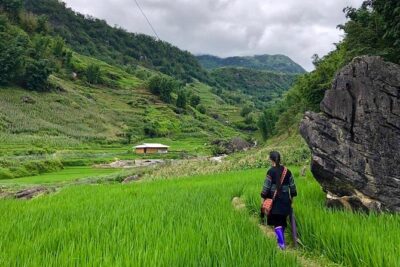
- Muong Hoa Valley on foot: Walk narrow paths through fields, a bamboo forest, and past a waterfall.
- Small group size: The maximum is 15 people, which should make the walking group easier to manage.
- Good value at $53.75: Transport, guide, homestay, breakfast, dinner, two lunches, and taxes are included.
Why this Sapa trip is more than a mountain photo stop
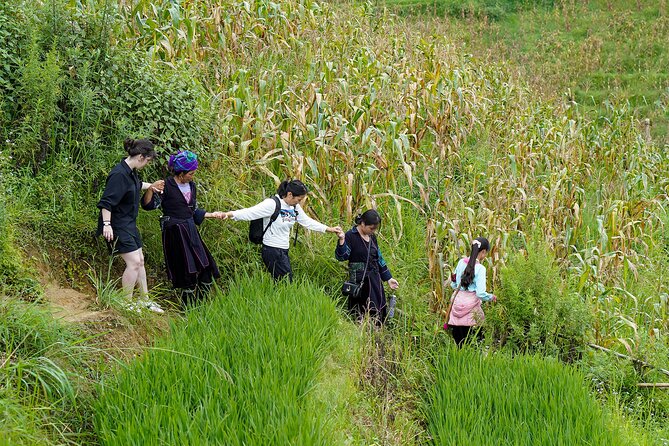
Many short Sapa outings give you a few hours in the valley and a ride back to town. This one gives you time to walk between villages and sleep in the countryside. That overnight pause matters. You are not simply looking at the Black H’mong way of life from a bus window. You have dinner at a local home, wake up there, and set off on foot the next morning.
The route also gives you variety. Y Linh Ho is associated with the Black H’mong people. Lao Chai offers more time among fields and village paths. Ta Van is home to the Giay people, while Giang Ta Chai brings you to a Red Dao community, with a bamboo forest and waterfall along the way.
I would treat this as a cultural walking trip, not a luxury escape. The homestay is part of the appeal, but it also means simple accommodation. The bus ride from Hanoi is long, and the schedule leaves limited free time in Sapa town. At $53.75 per person, though, the package covers a great deal for two days.
More Homestay Treks in Hanoi
- Hanoi – Sapa 2 Days 1 Night Overnight At Homestay
★ 5.0 · 899 reviews - From Hanoi: 2-Day Sapa Trekking Trip with Homestay & Meals
★ 4.8 · 704 reviews - 2-Day Sa Pa Ethnic Homestay Tour & Trek with Limousine Bus
★ 4.8 · 440 reviews
Leaving Hanoi at 6:30 a.m.
Your day begins early. Be ready in your Old Quarter hotel lobby at about 6:30 a.m. for pickup. The bus leaves around 7 a.m., so this is not a lazy first morning. If you are staying outside the Old Quarter, confirm the pickup arrangement before you go, since the stated pickup point is in that area.
The air-conditioned bus takes you north toward Sapa, with two short breaks on the way. The ride takes roughly six hours, arriving at about 1 p.m. One account of the trip describes bunk-style seats and a journey stretched by several stops, so I would bring water, a light snack, and something warm for the bus.
The countryside views help break up the ride, but you should not think of the transport as a quick transfer. This is a full travel morning. The benefit is that you do not need to arrange separate transport from Hanoi to Sapa, and the return bus is also included.
After arrival, you transfer by van toward the trekking area. You have lunch as part of the trip, then prepare to leave the road behind.
The first walk to Y Linh Ho village

At about 3 p.m., the first trek begins. The path leads through fields toward Y Linh Ho, a village associated with the Black H’mong people. The walk takes about two hours, which makes this a manageable opening section after the long bus ride.
The setting is the real reason to come. You move through the Muong Hoa Valley rather than viewing it from one fixed point. Rice fields, mountain slopes, and village paths give you a changing view as you walk. The scenery can look very different in clear weather and fog, and wet conditions may make the narrow paths slick.
Your local English-speaking guide helps explain the customs and daily life of the communities you pass. The Black H’mong have their own language and cultural traditions, and this visit gives you a first look at how strongly local identity remains tied to the villages and fields.
You should expect a rural path, not a paved promenade. Moderate fitness is required, and anyone who dislikes uneven ground may find this harder than the distance suggests. Take shoes with dependable grip, and bring a rain layer even if the morning in Hanoi is warm.
An evening at a Black H’mong homestay
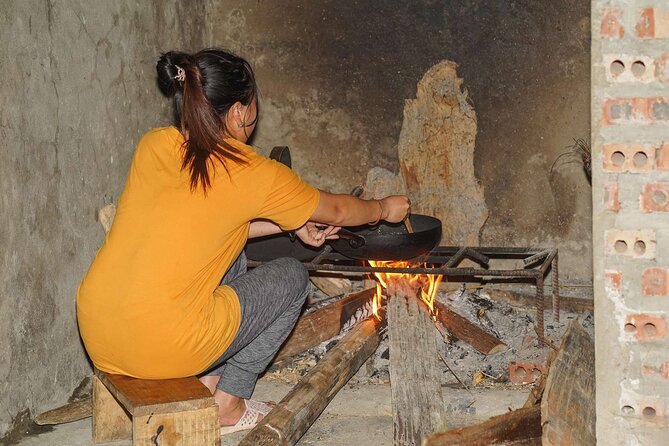
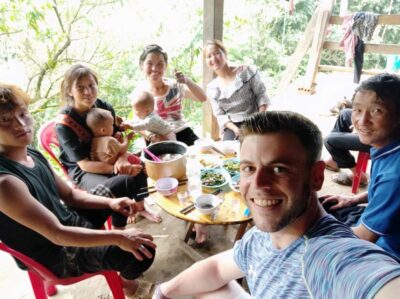
The overnight stay is at a homestay in Y Linh Ho. It includes dinner and breakfast, and it is the part of the trip most likely to make the route feel personal. You are staying in a local home rather than an ordinary Sapa hotel, so the value comes from the setting and the chance to share a meal in the village.
The dinner has been described as good and hearty, which is welcome after the afternoon walk. Drinks are not included, so bring extra money if you want anything beyond the included meals. Tips and personal purchases are also separate.
I would keep your expectations practical. The information provided does not promise private rooms or hotel-style facilities. If you want a single room, there is a $10 surcharge, but the trip details do not spell out the exact room setup. Ask before booking if sleeping arrangements are important to you.
The overnight stop also means you should pack a small bag for the trek. You may not want to carry your full Hanoi luggage along rural paths. The experience is at its best when you can focus on the walk, the meal, and the morning departure without a heavy load.
Same trailhead, a different route:
- Sapa 3 Days 2 Nights Trekking Tour (1 Night In Ta Van Village, 1 Night In Hotel)
★ 5.0 · 699 reviews - 3-Day Trekking Adventure of Sapa from Hanoi – Stay Ta Van Village
★ 5.0 · 611 reviews - Hanoi – Sapa 3 Day 2 Night Trekking With Hotel & Homestay
★ 5.0 · 389 reviews - From Hanoi: 2-Day Sapa Trek Tour – Luxury Limousine Transfer
★ 4.1 · 249 reviews
Lao Chai and the morning path

After breakfast, you say goodbye to your hosts at about 8 a.m. and continue to Lao Chai village. The walk to Lao Chai is listed at about 45 minutes, though the total time can depend on the trail and the group.
This section brings you closer to daily life around the fields. Instead of treating the village as a single photo stop, you approach on foot along narrow paths. That pace gives you time to notice the shape of the fields, the position of homes, and the way village life sits beside farming land.
The guide is important here. A visit to an ethnic minority village can easily become a quick look without context. A local guide can explain customs and help you behave respectfully around homes and people. You should listen carefully, ask before taking close-up photos, and remember that these are working communities, not museum displays.
The trip does not promise a long formal cultural presentation, so the experience is observational and informal. That suits me. You get movement, scenery, and conversation instead of a staged show.
Ta Van and the Giay community
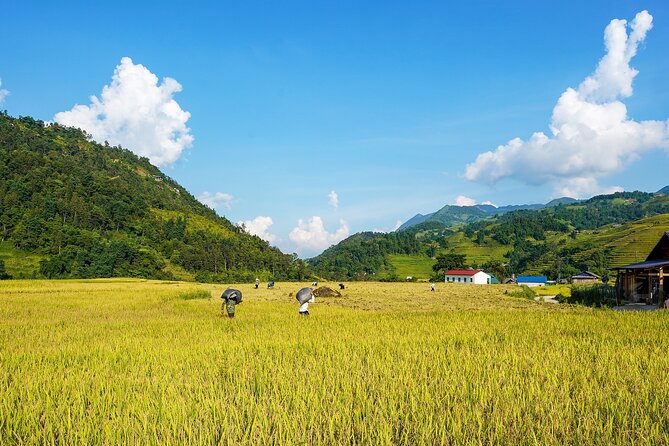
From Lao Chai, you continue toward Ta Van, with about 45 minutes set aside for the visit. Ta Van is associated with the Giay people, who live in mountain valleys near their wet-rice fields.
This stop adds a useful contrast to Y Linh Ho. You are not seeing one single version of village life. The communities in the valley have their own cultures and lifestyles, and the guide can help place those differences in context.
The wet-rice setting also explains why the route feels so closely tied to the land. The fields are not just pretty scenery for photographs. They are part of the work, food, and rhythm of the communities you pass. Walking through the valley helps you understand that connection more clearly than a drive through it.
You are given some relaxing time in Ta Van before continuing. Do not expect a long break with many tourist services. This is a rural village visit, and the appeal is the quiet pace and local setting.
Bamboo forest, waterfall, and Giang Ta Chai
The next section leads through a bamboo forest and past a waterfall on the way to Giang Ta Chai. The walk to the village is listed at about 45 minutes, but this is the part where weather can affect the going most. Fog, cold, and slippery paths have all been part of the experience for some departures, so good footwear is essential.
Giang Ta Chai is connected with the Red Dao people. The women are known for colorful red embroidery, which gives this stop a visual detail distinct from the earlier villages. The guide can help you understand the cultural differences without reducing the community to clothing alone.
I like that this final walking section is not just another village street. The bamboo forest and waterfall make the route feel varied, and the change from open fields to shaded woodland gives the morning a natural rhythm.
Still, do not mistake the short listed walking times for an easy stroll. Uneven ground, rain, mud, and stops can extend the day. The tour asks for moderate fitness, and that description should be taken seriously if you have knee, balance, or walking concerns.
Lunch, a pause in Sapa, and the ride home
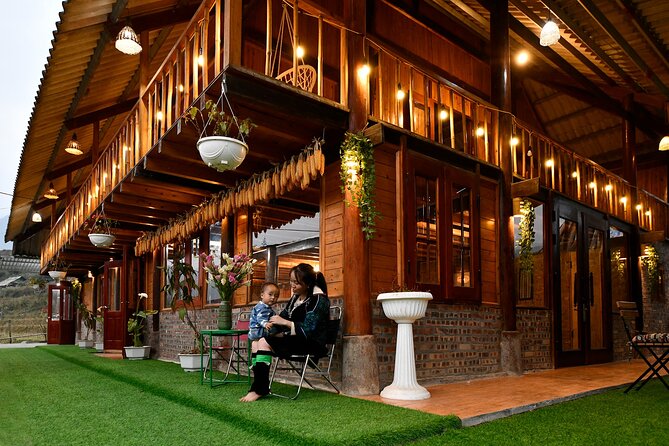
After leaving Giang Ta Chai, you stop for lunch before driving back to Sapa. Two lunches are included in the package, along with dinner and breakfast. Drinks are not included, so budget separately for them.
Back in Sapa, you have time to rest at the Symphony Hotel before boarding the afternoon bus to Hanoi. This hotel stop is useful because the walking begins early and the return drive is long. It gives you a place to sit, refresh, and collect yourself before the final transfer.
The bus reaches Hanoi in the evening and drops you at a stop near the Old Quarter. The exact arrival time can vary with traffic and road conditions, so I would avoid booking a late, fixed appointment on the same night.
The return journey is the tradeoff for starting and ending in Hanoi. You save the cost and trouble of arranging separate transfers, but you spend a large part of both days on the road. If you have only a short stay in Vietnam, count this as two full calendar days rather than two leisurely days in Sapa.
What the $53.75 price really covers
At $53.75 per person, the price is strong for the amount included. You receive Hanoi to Sapa transport and back, van transfers connected with the trek, an English-speaking local guide, one night at a homestay, breakfast, dinner, two lunches, taxes, and bus insurance.
The price is especially useful for a first visit because transport from Hanoi can be the hardest part to arrange. You also avoid paying separately for a guide and a village-to-village route.
There are still extra costs. Drinks, tips, travel insurance, and any service not specifically named are outside the price. A single-room request adds $10. The included insurance applies during bus use, so it should not be treated as a replacement for full travel insurance.
The group maximum is 15 people. That is not a private walk, but it is small enough to be more manageable than a large coach group. Group discounts are offered, which may improve the value for friends or families booking together.
Who should book this two-day route
I would recommend this trip to you if you want to combine mountain walking with a real village overnight. It suits people who prefer a set plan, need transport from Hanoi, and want a guide to explain the communities along the route.
It is also a good choice if you want more than one ethnic minority setting. The Black H’mong, Giay, and Red Dao villages give the two days a broader cultural range than a single-village outing.
I would be cautious if your priority is comfort, free time, or a private hotel room. The bus ride is long, the walking surface can be difficult, and the homestay is not presented as a luxury property. Anyone with low fitness should also think carefully before booking.
Weather matters. The trip requires good conditions, and poor weather may lead to a different date or a full refund. Free cancellation is available up to 24 hours before the start time, while cancellations inside that window are not refunded.
My verdict on Sapa Trekking and Homestay
Book this tour if you want a reasonably priced introduction to Sapa that puts village life and walking ahead of resort comfort. The best parts are the Y Linh Ho homestay, the home-cooked dinner, the changing communities, and the route through fields, bamboo, and a waterfall.
Skip it if you want a short transfer, an easy paved walk, or a polished hotel stay. For the right kind of visitor, the long bus ride is a fair price for two days in Muong Hoa Valley and a night that brings you closer to local life.
FAQ
Where does the tour start?
Pickup is offered from your hotel lobby in Hanoi’s Old Quarter. You should be ready at about 6:30 a.m., with the bus leaving around 7 a.m.
How long does the bus ride from Hanoi to Sapa take?
The bus leaves Hanoi at about 7 a.m. and reaches Sapa around 1 p.m. The journey includes two short breaks and takes roughly six hours.
Where do I sleep on the first night?
You spend one night at a local homestay in Y Linh Ho village, home to the Black H’mong people.
Which villages does the trek visit?
The route includes Y Linh Ho, Lao Chai, Ta Van, and Giang Ta Chai. These villages are associated with the Black H’mong, Giay, and Red Dao communities.
What meals are included?
Breakfast, dinner, and two lunches are included. Drinks are not included.
How difficult is the walking?
A moderate level of physical fitness is required. The route includes narrow paths, fields, a bamboo forest, and a waterfall, and conditions can become slippery in wet weather.
What happens if bad weather cancels the tour?
If poor weather causes cancellation, you are offered a different date or a full refund. The trip also requires a minimum number of participants, and a cancellation for that reason offers the same choices.
More 2-Day Experiences in Hanoi
- 2 days AMAZING trekking Sapa from Hanoi with various options
★ 4.5 · 53 reviews - From Hanoi: 2-Day Sapa-Fansipan Peak & Trek & Ha Giang Bus
★ 4.8 · 52 reviews - From Hanoi: 2-Day Luxury Sapa Trekking Tour with Homestay
★ 4.4 · 49 reviews - 2 Days Pu Luong Offbeat Trekking Best for Mountain Lovers
★ 5.0 · 47 reviews
More Evening Experiences in Hanoi
- Hanoi – Sapa 2 Days 1 Night Overnight At Local Homestay
★ 5.0 · 233 reviews - 2-Day Trekking Adventure of Sapa from Hanoi with Night Bus
★ 5.0 · 134 reviews - Sapa Trekking Tour 2 Days 1 Night By Bus
★ 5.0 · 86 reviews - Sapa: 3-Day, 3-Night Trek and Hotel with Overnight Train
★ 4.2 · 64 reviews
Just added around Hanoi
- 8-Days Hanoi, Sapa Trekking And Halong Bay Cruise★ 5.0 · 8 reviews
- From Hanoi : Sapa Moutain Trek – Halong bay Heritage★ 4.5 · 25 reviews
- Trekking around Ha Giang 5 days 4 nights★ 3.0 · 2 reviews
- Mai Chau – Pu Luong trekking 3 days 2 nights★ 4.5 · 7 reviews
- Trekking In Ha Giang 5 Days★ 5.0 · 4 reviews
- Hanoi: 3D2N Mu Cang Chai Visit All Attractions, Trek, Ethnic Life★ 5.0 · 3 reviews
- 2-Day Trekking in Sa Pa from Ha Noi by sleeping bus★ 5.0 · 4 reviews
- 2-Day SAPA Trekking – Villages-Homestay-Ethnic-Local Food-Market★ 5.0 · 2 reviews
Homestay & Village Treks, compared.

Number one top rated ethical cultural trekking and homestay by ETHOS
Read our review →
2-Day Sa Pa Ethnic Homestay Tour & Trek with Limousine Bus
Read our review →
Sapa 3 Day 2 Night Trekking With Hotel & Homestay
Read our review →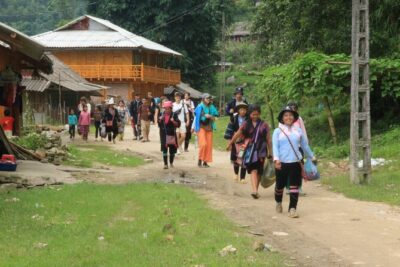
Sapa 2 Days 1 Night Overnight At Local Homestay
Read our review →
2-Day Trekking Trip with Ethnic Minority Homestay
Read our review →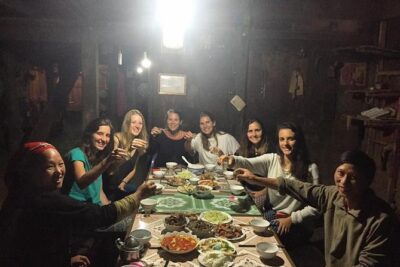
2-Day Trek & Heartwarming Homestay with an Ethnic Family
Read our review →Browse the lists this trek appears in