
Review · HANOI
From Hanoi: 2-Day Sapa-Fansipan Peak & Trek & Ha Giang Bus
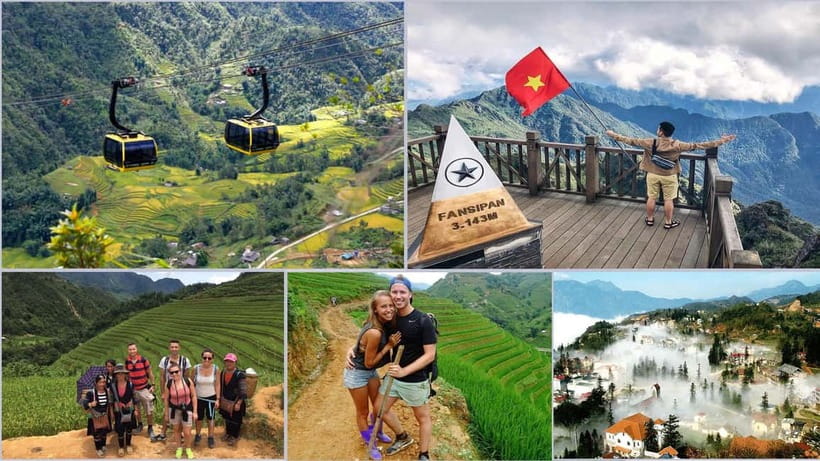
Fansipan and the Lao Chai to Ta Van trail give you two very different sides of northern Vietnam in just two days. One puts you above the clouds on the Roof of Indochina. The other takes you through rice terraces, mountain paths, and Black Hmong villages beside the Muong Hoa Stream.
I like the efficient routing, especially the option to continue from Sapa to Ha Giang instead of returning to Hanoi. I also like the practical setup: hotel, meals, local guide, village entrance, and transport to the cable car station are arranged for you. The tradeoff is a tight schedule, and the Fansipan cable car costs an extra 850,000 VND.
The cable car ride is easy, but the final 600 steps to the summit can be tiring at high altitude. Sapa weather can also change quickly, so bring warm layers even when Hanoi feels hot. Guide Song has received particular praise for friendly, well-organized support.
Key points to know before booking
- Two major Sapa sights in two days: Trek Lao Chai and Ta Van on day one, then visit Fansipan by cable car on day two.
- A useful Ha Giang connection: Continue directly from Sapa by limousine bus or sleeper bus, saving a return trip to Hanoi.
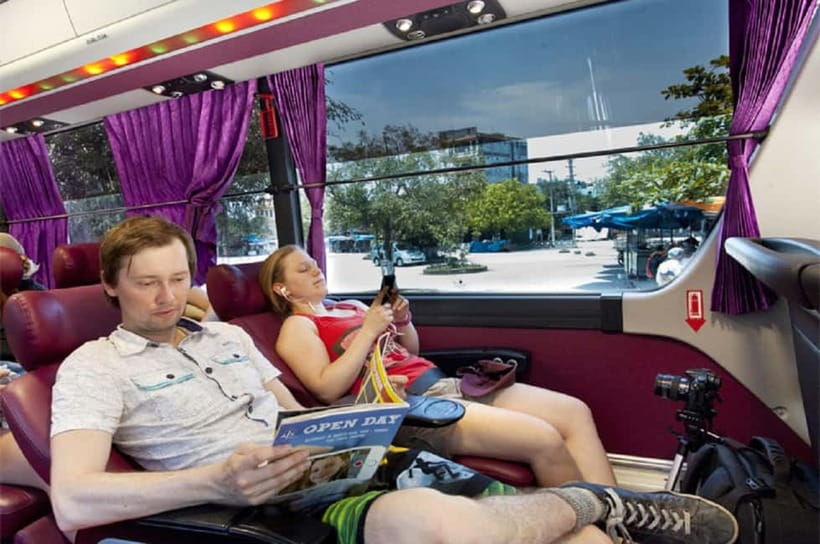
- Transport choices from Hanoi: Start with a morning sleeper bus, or choose an optional night train or night bus.
- A real mountain trek: Expect rice terraces, the Muong Hoa Stream, village paths, and some uneven ground.
- Cable car tickets are separate: Budget 850,000 VND per person for the round-trip Fansipan ticket.
- Weather matters: From September through March, Sapa is often cold, and fog is possible from December through March.
Why this two-day Sapa plan works
Many short trips to Sapa force you to choose between village walking and Fansipan. This one fits both into a compact schedule. Day one is about ground-level mountain life. Day two is about height, views, and the summit of Fansipan.
I like that the trip does not spend all its time in a vehicle once you reach Sapa. The first afternoon gives you a guided walk through the Muong Hoa Valley area, with time to see rice terraces and learn about local life. The second morning then uses the cable car to cover a large vertical distance quickly.
This is not a slow, flexible mountain holiday. You have fixed departure times, shared transport, and a fairly packed schedule. But if you have limited time in northern Vietnam, the plan makes good use of it.
The tour has earned a 4.8 rating from 52 reviews. The strongest praise focuses on organization, the hotel, the meals, and guide Song. That matters here because a two-day trip with several transfers can become confusing if nobody keeps the pieces moving.
A few more treks around Hanoi worth a look
- Hanoi – Sapa 2 Days 1 Night Overnight At Homestay
★ 5.0 · 899 reviews - From Hanoi: 2-Day Sapa Trekking Trip with Homestay & Meals
★ 4.8 · 704 reviews - 2-Day Sa Pa Ethnic Homestay Tour & Trek with Limousine Bus
★ 4.8 · 440 reviews
Getting from Hanoi to Sapa
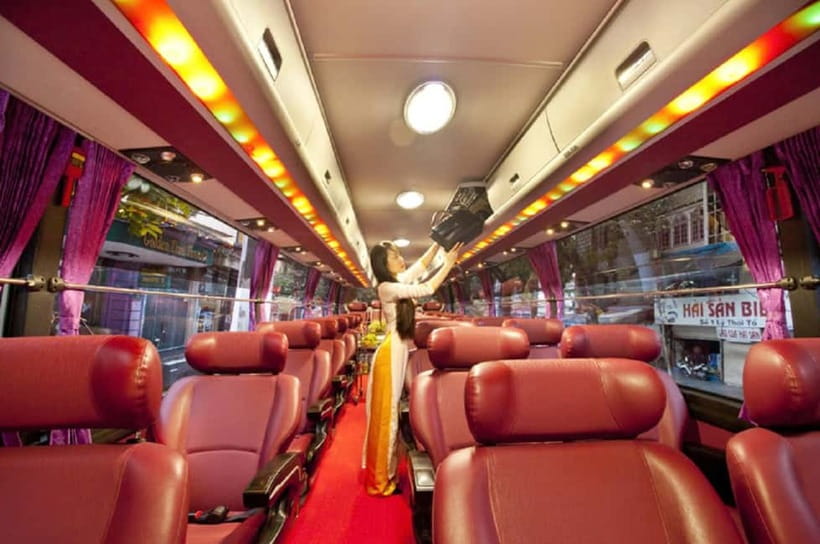
The standard departure is at 6:15 in the morning from 204 Tran Quang Khai Street. You board a sleeper bus and travel north toward Sapa. The route includes short breaks in Phu Tho Province and Lao Cai city, useful for coffee, a light breakfast, and a stretch of the legs.
The bus ride is a practical choice for this itinerary. You arrive in Sapa in time for lunch and the afternoon trek, rather than losing much of the day to a later arrival. Still, expect a long road journey, and bring water, snacks, and anything you need for comfort.
An optional night train or night bus can depart at about 9:30 the evening before. This saves daytime hours, but it changes the rhythm of the trip. You may prefer it if you want to reach Sapa early, though you should be ready for less sleep and another transfer from Lao Cai if using the train.
The exact meeting point depends on the option you book. Check it carefully before departure, since the Hanoi starting point can vary.
Lao Chai and Ta Van on foot
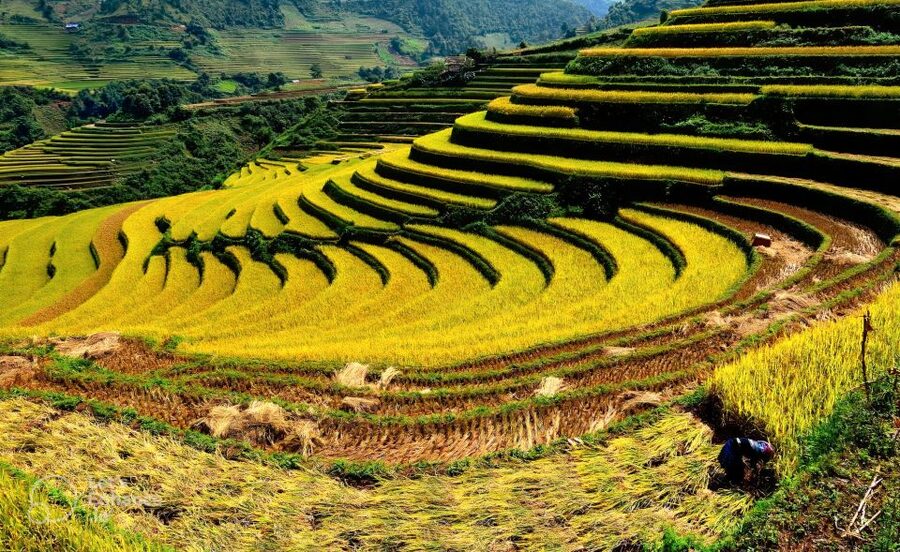
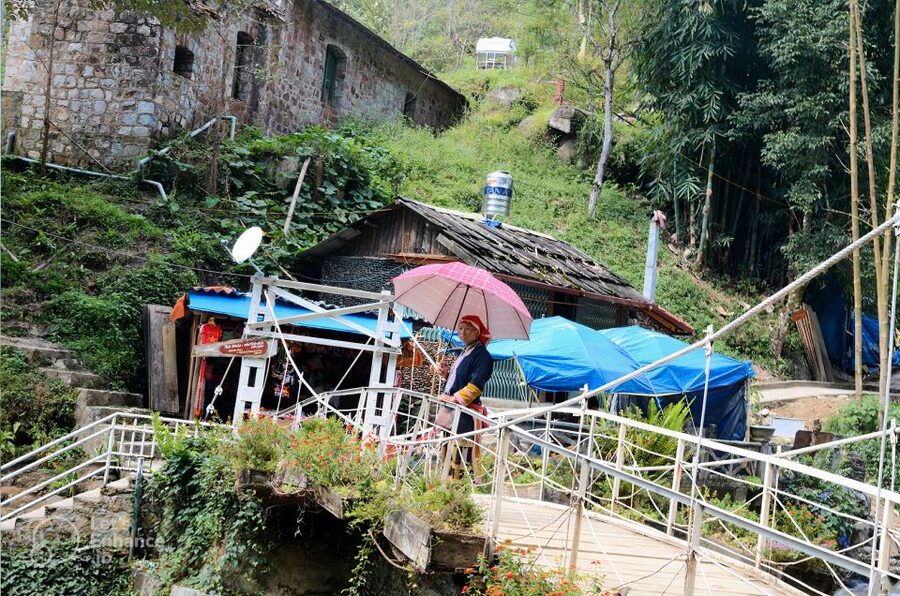
After reaching Sapa, you meet a local representative and stop for lunch with Vietnamese dishes. Then the walking portion begins, following paths through rice terraces and along the Muong Hoa Stream.
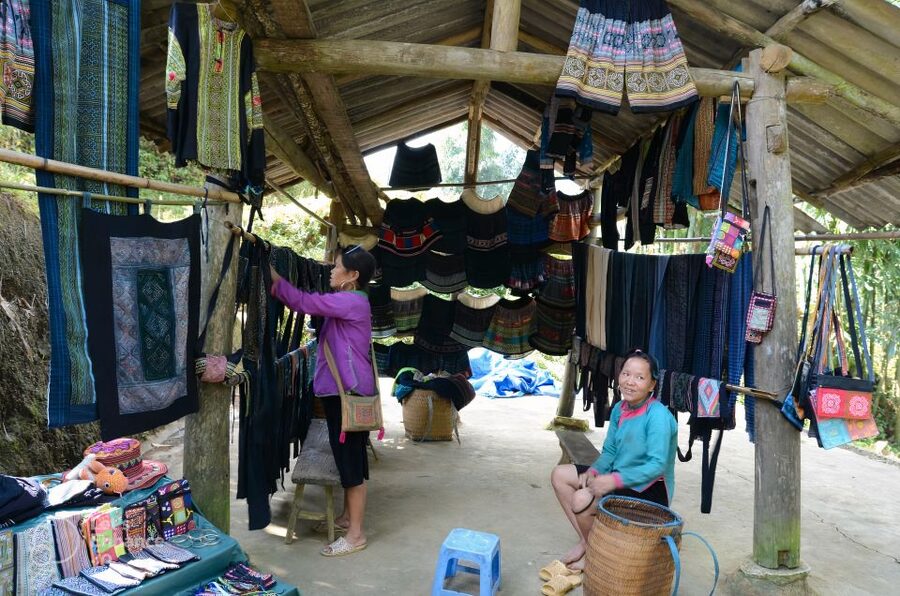
Lao Chai is a Black Hmong village surrounded by the Hoang Lien Son mountain range. The value of this section is not just the scenery. With a guide, you get a better chance to understand how ethnic communities live in the mountain area, rather than simply passing through with a camera.
The route is described as Lao Chai to Ta Van, a well-known walk in the Sapa area. Expect uneven paths and changing conditions underfoot. Comfortable shoes are essential, and trekking shoes are a sensible choice if the weather has been wet.
The tour does not give a precise walking distance or duration. That means the difficulty can feel different from one departure to another. Ask your guide early about the day’s route and pace, especially if you have concerns about hills, mud, or stairs.
This is the part of the trip where a local guide matters most. The cable car needs little explanation, but village walking is more rewarding when someone can point out details of daily life and explain the local setting. Guide Song has been singled out for warm, capable support, though the guide assigned to you may differ.
After the trek, a car takes you back to the hotel for dinner. Dinner is included, along with lunch on day one. A planned meal is welcome after the walk, though drinks are not included, so keep some Vietnamese dong handy.
The hotel stay and included meals
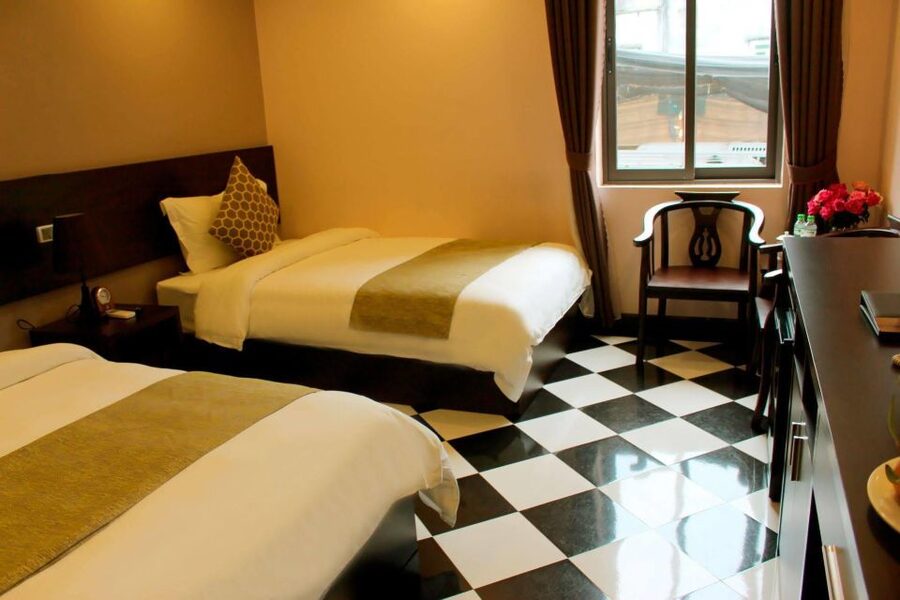
The package includes one night in a three-star hotel in a double or twin room, based on two people sharing. This gives you a proper place to wash, sleep, and repack between the trek and the Fansipan visit.
The hotel received praise for its quality, and the food was described as well served. That is useful on a short program, since you do not need to spend time searching for restaurants after arriving tired from Hanoi or the trek.
You should still treat the hotel category as a practical three-star stay, not a luxury retreat. The supplied information does not specify the hotel name, room size, views, or facilities. If those details are important to you, ask before booking.
Breakfast comes on day two, followed by the transfer to the cable car station. Lunch is served back at the hotel after your Fansipan visit. Beverages, government tax, and travel insurance are not included.
Same trailhead, a different route:
- Sapa 3 Days 2 Nights Trekking Tour (1 Night In Ta Van Village, 1 Night In Hotel)
★ 5.0 · 699 reviews - 3-Day Trekking Adventure of Sapa from Hanoi – Stay Ta Van Village
★ 5.0 · 611 reviews - Hanoi – Sapa 3 Day 2 Night Trekking With Hotel & Homestay
★ 5.0 · 389 reviews - From Hanoi: 2-Day Sapa Trek Tour – Luxury Limousine Transfer
★ 4.1 · 249 reviews
Riding the Fansipan cable car
After breakfast, a driver or guide takes you to the Fansipan cable car station and helps you buy your ticket. The round-trip ticket costs 850,000 VND per person and is paid separately.
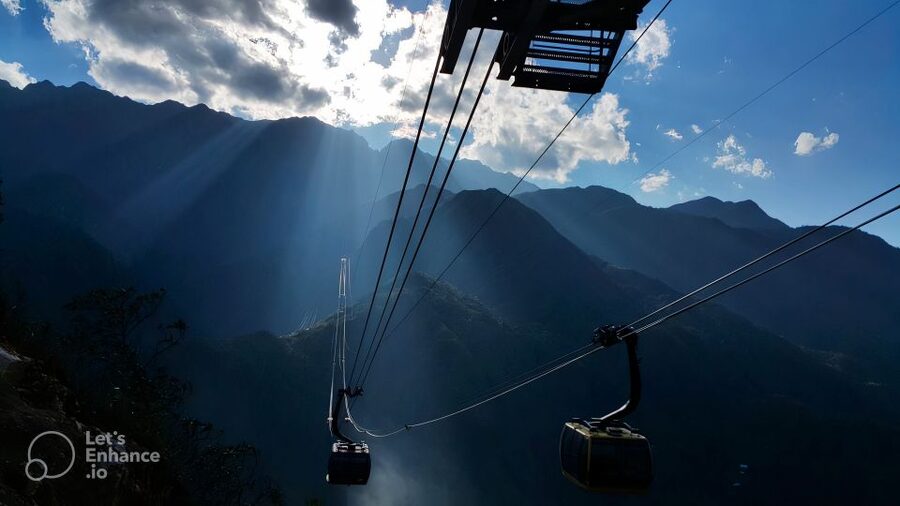
The ride itself takes about 20 minutes. It carries you high above the mountain area, giving you broad views when the weather is clear. Fog can limit what you see, particularly from December through March, so do not judge the value of the visit only by the view from the cabin.
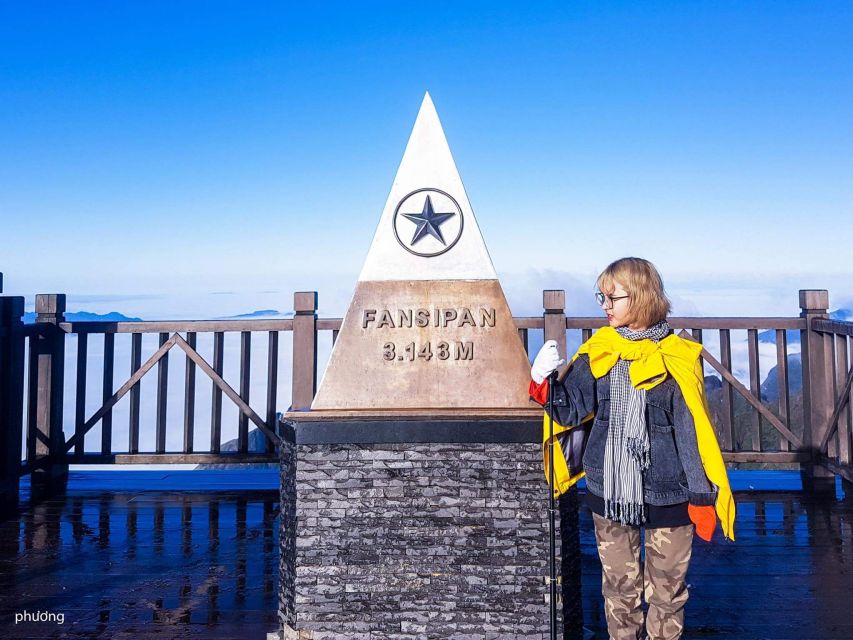
At the top, you can visit a pagoda and climb about 600 steps to the summit. Fansipan is known as the Roof of Indochina, and reaching the marker gives you a clear sense of the mountain’s height. The cable car makes the summit possible for many people who could not manage a full mountain climb, but the final stairs still require effort.
Take your time on the steps. The altitude can make even a modest climb feel harder than expected. Warm clothing, a scarf, and a hat are useful, and sunglasses and sun cream are recommended when the clouds clear.
The main drawback is cost. The cable car is a major extra expense on top of the tour price, and the visit is weather dependent. You may get crisp views, or you may get fog and a more atmospheric mountain setting. The trip still includes the pagoda and summit walk, but clear views are never guaranteed.
Returning to Hanoi or continuing to Ha Giang
After returning to Sapa, you have lunch at the hotel. If you are going back to Hanoi, you get some time to explore Sapa independently before boarding the limousine bus at 2:00 in the afternoon.
The return bus is scheduled to reach Tran Quang Khai Street in Hanoi around 8:30 to 8:45 in the evening. From there, you make your own way back to your hotel. Plan your onward arrangements with this late arrival in mind.
The Ha Giang option is the most useful feature for people planning a longer northern Vietnam route. Instead of traveling back to Hanoi, you can continue from Sapa to Ha Giang, a journey of about six hours.
There are two stated departures:
- A limousine bus with 18 seats at 2:30 in the afternoon, picking up at May Hotel
- A 40-seat sleeper bus at about 7:00 or 7:30 in the evening, picking up at its designated meeting point
Both Ha Giang buses cost extra. The afternoon limousine option gets you there sooner, while the evening sleeper bus may suit you if you want more time in Sapa after lunch. Confirm the exact pickup time and meeting point with the tour consultant, since the information gives slightly different times for the evening departure.
This connection saves both time and money if Ha Giang is already in your plans. It also makes day two very busy. You visit Fansipan in the morning, eat lunch, then begin a long road journey. Choose it for efficient routing, not for a restful afternoon.
What the price really includes

The tour price includes round-trip limousine bus transport between Hanoi and Sapa if that option is selected, one night in a shared three-star room, two lunches, one dinner, one breakfast, the Lao Chai and Ta Van entrance ticket, a local guide, and transfers to and from the Fansipan cable car station.
The value is strongest if you want the main logistics handled for you. Transport from Hanoi, accommodation, meals, village access, and local support can take time to arrange independently. The trip also links Sapa and Ha Giang without sending you back through Hanoi.
You need to budget separately for the 850,000 VND Fansipan cable car ticket, drinks, insurance, government tax, and any bus from Sapa to Ha Giang. The Ha Giang bus is not included, even when you choose that route.
There is also a holiday surcharge of 700,000 VND per person, paid directly to the guide on the date of travel. It applies on April 30, May 1, September 1 through 3, December 24 and 31, and January 1.
Bring cash in Vietnamese dong. The banking system in Sapa may not always work well, though U.S. dollars, euros, and Australian dollars are accepted in Sapa. Cash is especially useful for drinks, snacks, and unexpected small expenses.
Packing for Sapa’s changeable weather
Sapa can feel cold from September through March, and fog is possible from December through March. Even if Hanoi is warm when you leave, pack for mountain weather.
Bring:
- Warm clothes, a scarf, and a hat
- Comfortable or trekking shoes
- A change of clothes
- Sunglasses and sun cream
- Insect repellent
- Any medication you need
- Cash in Vietnamese dong
A light rain layer is a sensible addition, though it is not specifically listed among the required items. Your shoes matter most. The walk through Lao Chai and Ta Van is not a city stroll, and wet or uneven paths can make poor footwear a real problem.
Pets are not allowed, and the tour is not suitable for pregnant women.
Who should book this tour?
I would recommend it to you if you want a short, organized introduction to Sapa and plan to continue to Ha Giang. It suits people who value efficient transport and cultural contact but do not want to arrange every bus, meal, hotel, and transfer themselves.
It is also a good fit if Fansipan is a priority but you do not want to spend several days climbing it on foot. The cable car handles most of the ascent, while the final steps provide a manageable summit challenge for many people.
You may want a different plan if you prefer slow village stays, long independent walks, or plenty of free time. The schedule is tight, the Hanoi bus rides are long, and day two can become especially demanding if you continue to Ha Giang.
Should you book it?
Book this trip if you want maximum northern Vietnam coverage in two days and accept a fixed schedule. The Lao Chai and Ta Van walk gives you human scale and local context, while Fansipan supplies the high mountain views and summit moment.
Before paying, confirm which Hanoi transport option you have selected, the exact hotel, the Fansipan ticket cost, the Ha Giang bus fare if needed, and the pickup time for your chosen route. Pack for cold and fog, not just the weather you see in Hanoi. With those details clear, this is a practical, good-value way to connect Sapa’s villages, Fansipan, and Ha Giang in one compact trip.
FAQ
How long is the trip from Hanoi to Sapa?
The organized itinerary lasts two days and includes one night in Sapa. The morning sleeper bus leaves Hanoi at 6:15 and arrives in Sapa in time for lunch and the trek.
Can I take a night train or night bus from Hanoi?
Yes. An optional night train or night bus can depart at about 9:30 in the evening before the main itinerary.
Is the Fansipan cable car ticket included?
No. The round-trip cable car ticket costs 850,000 VND per person and is paid separately.
How long does the Fansipan cable car ride take?
The cable car ride takes about 20 minutes each way.
How many steps are there to the Fansipan summit?
You climb about 600 steps from the cable car area to the summit.
Is the Lao Chai and Ta Van entrance fee included?
Yes. The entrance ticket to Lao Chai and Ta Van is included.
Can I travel from Sapa directly to Ha Giang?
Yes. You can choose a limousine bus or sleeper bus from Sapa to Ha Giang. The journey takes about six hours, and the bus fare is extra.
What meals are included?
The tour includes two lunches, one dinner, and one breakfast. Drinks are not included.
What should I bring for the trip?
Bring warm clothes, a scarf, a hat, comfortable or trekking shoes, a change of clothes, sunglasses, sun cream, insect repellent, needed medication, and cash in Vietnamese dong.
Just added around Hanoi
- 8-Days Hanoi, Sapa Trekking And Halong Bay Cruise★ 5.0 · 8 reviews
- From Hanoi : Sapa Moutain Trek – Halong bay Heritage★ 4.5 · 25 reviews
- Trekking around Ha Giang 5 days 4 nights★ 3.0 · 2 reviews
- Mai Chau – Pu Luong trekking 3 days 2 nights★ 4.5 · 7 reviews
- Trekking In Ha Giang 5 Days★ 5.0 · 4 reviews
- Hanoi: 3D2N Mu Cang Chai Visit All Attractions, Trek, Ethnic Life★ 5.0 · 3 reviews
- 2-Day Trekking in Sa Pa from Ha Noi by sleeping bus★ 5.0 · 4 reviews
- 2-Day SAPA Trekking – Villages-Homestay-Ethnic-Local Food-Market★ 5.0 · 2 reviews
Hanoi Trekking Tours, compared.

Sapa 3 Days 2 Nights Trekking Tour (1 Night In Ta Van Village, 1 Night In Hotel)
Read our review →
3-Day Trekking Adventure of Sapa from Hanoi – Stay Ta Van Village
Read our review →
2-Day Sa Pa Ethnic Homestay Tour & Trek with Limousine Bus
Read our review →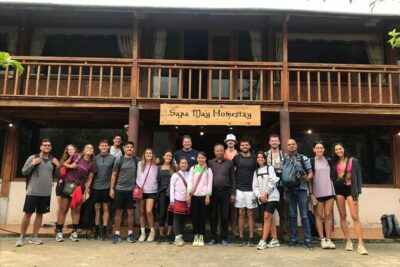
Sapa 3 Day 2 Night Trekking With Hotel & Homestay
Read our review →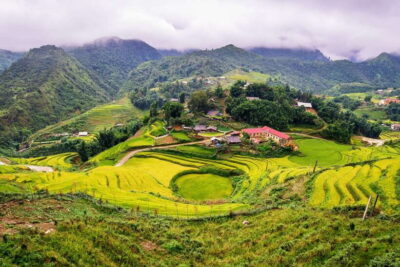
2-Day Sapa Trek Tour – Luxury Limousine Transfer
Read our review →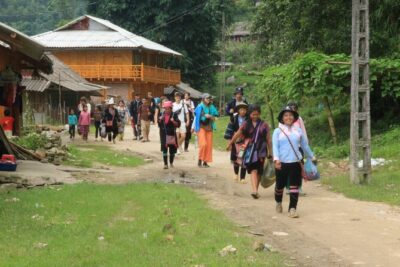
Sapa 2 Days 1 Night Overnight At Local Homestay
Read our review →Browse the lists this trek appears in