
Review · HANOI
2-Day Sa Pa Ethnic Homestay Tour & Trek with Limousine Bus
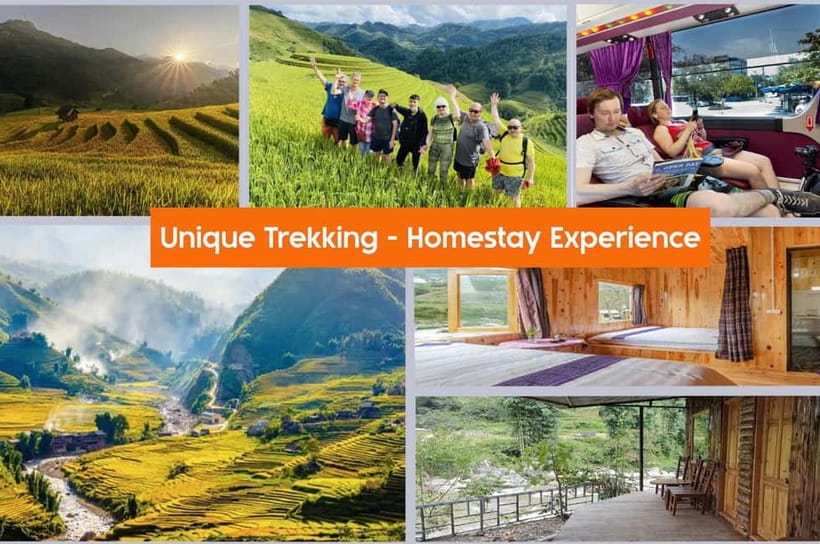
Sa Pa is best understood on foot, and this trip puts you on the trails quickly. You trek through the rice terraces of Lao Chai, follow the Muong Hoa Stream, and sleep in Ta Van village rather than spending the night in town. The local Hmong guides are the heart of the trip, adding stories about village life as you walk.
I like the comfortable bus connection from Hanoi and the chance to meet a homestay family over dinner. I also like that the second day includes bamboo forest trails and a view over Giang Ta Chai. The tradeoff is a tight schedule, plus muddy, steep paths that can be hard in wet weather. The homestay is basic, and it may feel more like a small guesthouse than a private family home.
Key points to know before booking
- A local guide makes the difference: Guides such as Soso, Sua, Soa, and Tung explain Hmong culture, farming, village life, and the route in good English.
- The first trek is mostly downhill: Expect about 8 kilometers on day one, with steep or slippery sections depending on the weather.
- The second trek is shorter but still active: The route through rice paddies and bamboo forest covers about 4 kilometers and includes uneven, undulating ground.
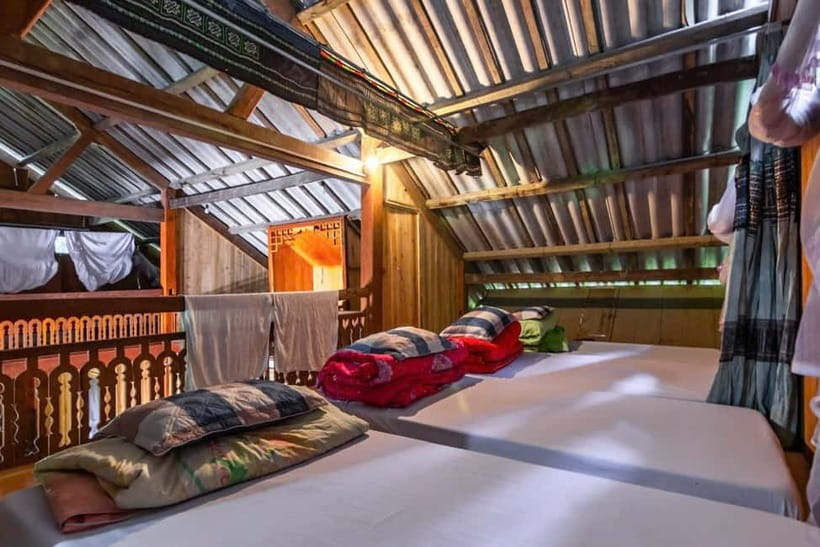
- Ta Van is the overnight highlight: You get a clean mattress, fresh food, and the chance to eat with the host family, though village noise can begin early.
- The sleeper bus upgrade is worth considering: Standard and upgraded transport options differ, so check what your booking includes before departure.
- Carry Vietnamese Dong: Cash is useful for drinks and handmade scarves, jewelry, and other goods offered along the trail.
Why two days in Sa Pa works
This tour gives you a quick taste of northern Vietnam without requiring a separate hotel booking, train ticket, and local transfer. You leave Hanoi in the morning, arrive in Sa Pa for lunch, walk into the countryside, sleep in Ta Van, and return to Hanoi the next day.
That is a lot for two days. You will not have much free time in Sa Pa town, and the journey from Hanoi takes a good part of each day. Still, the schedule makes sense if you want mountain scenery and a village stay but cannot spare three or four nights.
The experience is also more than a photo stop. You walk through working villages and farming areas, meet people in the communities, and see how the steep terrain shapes daily life. Your guide helps turn the route into something more meaningful than a series of viewpoints.
More Homestay Treks in Hanoi
- Hanoi – Sapa 2 Days 1 Night Overnight At Homestay
★ 5.0 · 899 reviews - From Hanoi: 2-Day Sapa Trekking Trip with Homestay & Meals
★ 4.8 · 704 reviews - Hanoi – Sapa 3 Day 2 Night Trekking With Hotel & Homestay
★ 5.0 · 389 reviews
The limousine bus from Hanoi to Sa Pa
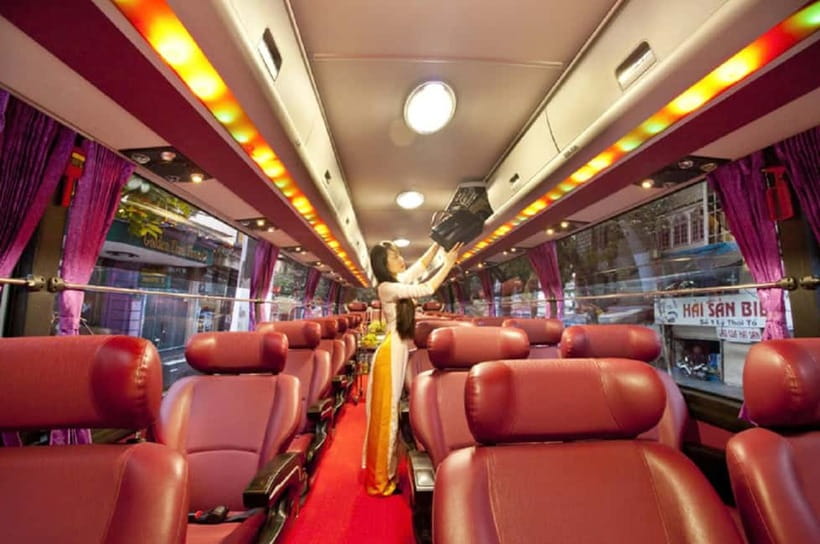
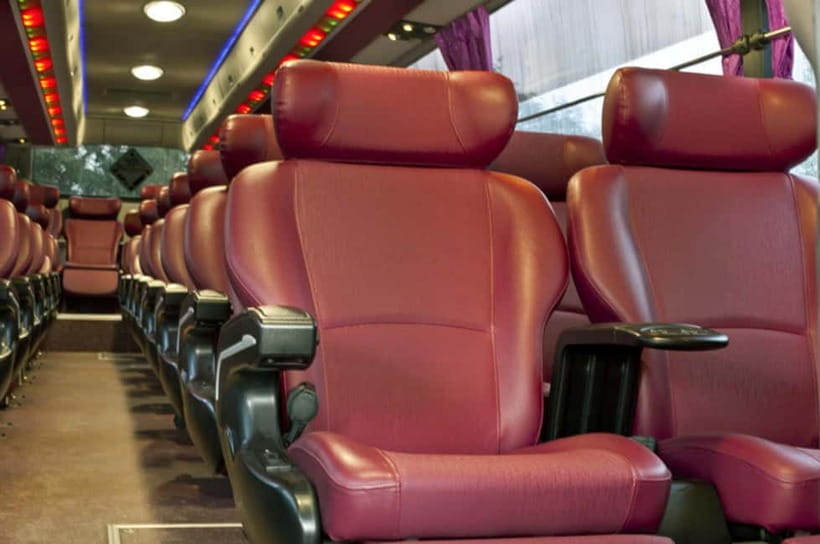
The morning transfer travels by limousine bus via Lao Cai and the new highway to Sa Pa. The bus is one of the strongest practical features of the trip, especially after a busy spell in Hanoi. Travelers who chose the sleeper-style upgrade described individual cabins, blankets, water, and Wi-Fi for much of the route.
The sleeper arrangement can seem unusual at first. You do not sit in a normal upright coach seat, but the private berth gives you a chance to rest during the long ride. If you are particular about transport, confirm the exact bus option when booking, since the upgraded vehicle is not necessarily included in every package.
You can leave larger luggage in the bus trunk during the journey. After reaching Sa Pa, bags can be stored at the hotel where lunch is served. Take only what you need for the night and the trek, then collect the rest after the second day.
That small packing detail matters. You do not want to carry a full suitcase over muddy village paths. Bring a change of clothes, toiletries, rain protection if needed, and anything you would want for a night in a simple mountain accommodation.
Lunch and the first look at Sa Pa
A local representative meets you at the Sa Pa bus stop and takes you to a hotel to rest and eat lunch. The meal consists of local dishes and gives you time to regroup before walking.
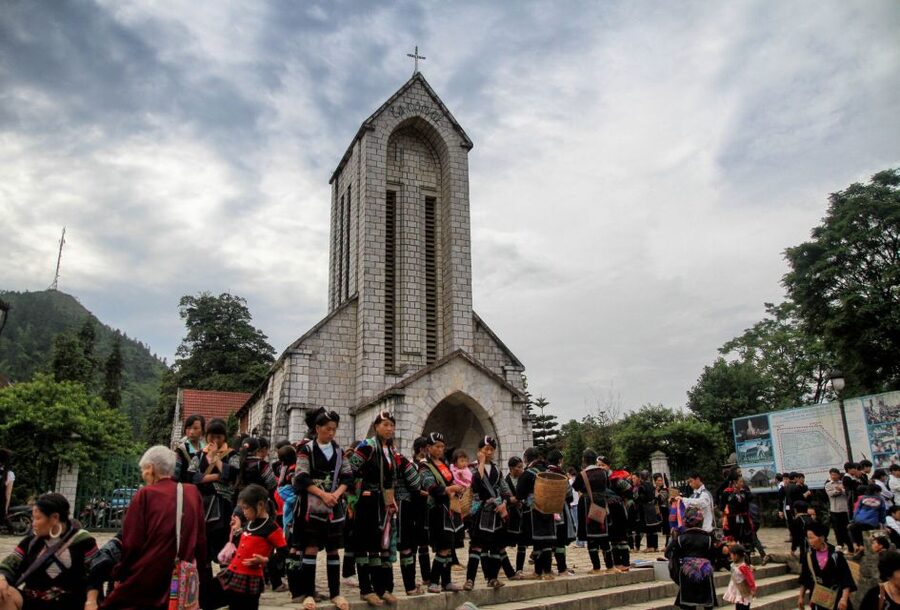
This is also when you may see the colorful clothing associated with the Hmong, Dzao, and Tay communities. Traditional dress is part of daily identity and local craft, not simply a costume arranged for tourists. You will also see handmade items for sale during the walk, so bring cash if you want to buy scarves, jewelry, or other small goods.
Do not expect a long sightseeing session in Sa Pa town. The focus is the countryside, and the walking begins after lunch. If you need extra snacks, drinks, or toiletries, this is the sensible time to buy them.
Day one: Lao Chai, rice terraces, and Ta Van
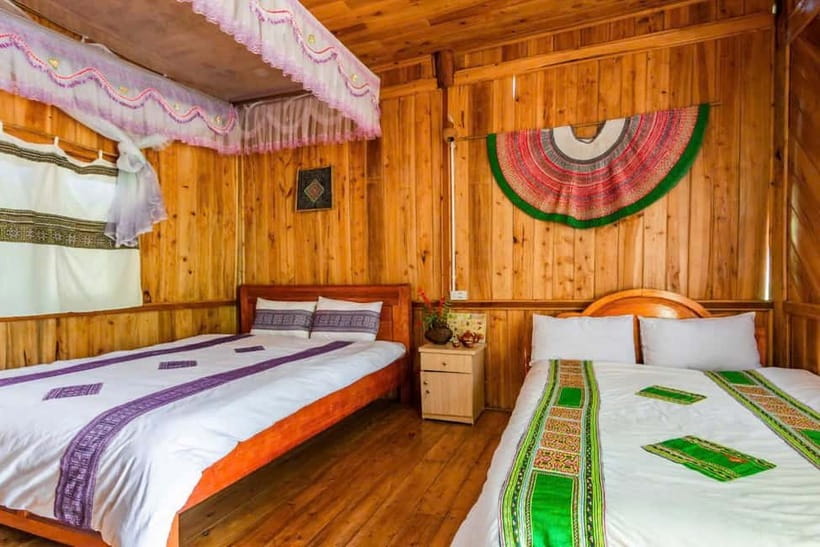
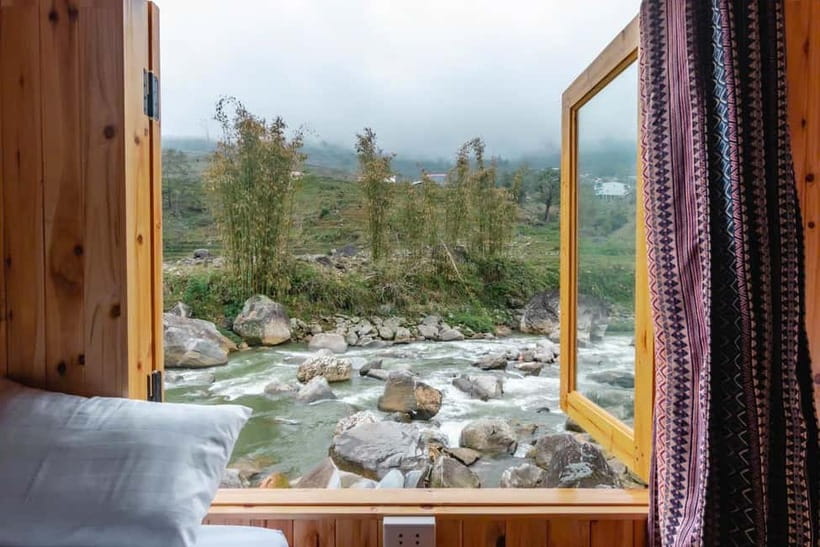
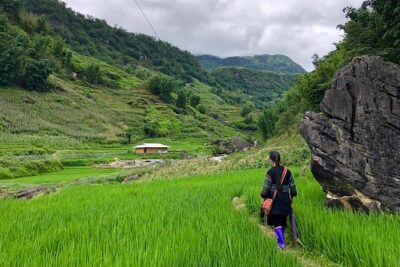
The first trek heads through the rice terraces toward Lao Chai, a Black Hmong village set below the Hoang Lien Son mountains. You follow trails near the Muong Hoa Stream and cross farmland where the terrain rises and falls in broad steps.
The route is often described as moderate, but the weather can change that quickly. In dry conditions, the walk is manageable for anyone used to hiking. After rain, soil turns slick, and steep downhill sections require careful footing. Several people found the roughly 8-kilometer first day quite doable, but also noted that it felt harder than the distance suggested because of heat, mud, and uneven paths.
Good hiking shoes are not optional here. Trainers with smooth soles are a poor match for wet earth, and some walkers have slipped when the trail became muddy. Local women sometimes walk alongside groups and offer a steadying hand on tricky sections. Their help can be welcome, but it comes with a social complication: some will later try to sell handmade goods.
You should feel free to say no clearly and politely. If you are interested in supporting local crafts, set a budget in advance and carry small notes. If you do not want to buy anything, avoid prolonged conversation about the products. Guides do not always manage this interaction for you, so you may need to handle it yourself.
After Lao Chai, the path continues to Ta Van village. This part of the trip feels less like a quick viewpoint visit and more like entering the mountain communities. The guide can explain local customs, agriculture, and family life as you walk, with guides such as Soso, Sua, Soa, and Tung receiving especially strong praise for their English, patience, humor, and care.
Same trailhead, a different route:
- Sapa 3 Days 2 Nights Trekking Tour (1 Night In Ta Van Village, 1 Night In Hotel)
★ 5.0 · 699 reviews - 3-Day Trekking Adventure of Sapa from Hanoi – Stay Ta Van Village
★ 5.0 · 611 reviews - From Hanoi: 2-Day Sapa Trek Tour – Luxury Limousine Transfer
★ 4.1 · 249 reviews - Hanoi – Sapa 2 Days 1 Night Overnight At Local Homestay
★ 5.0 · 233 reviews
The Ta Van homestay after dark
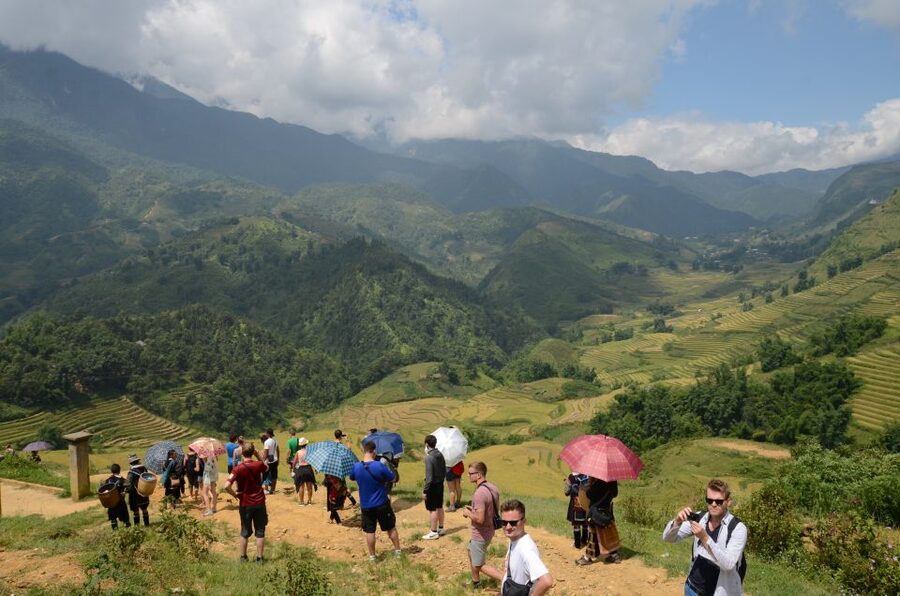
The overnight stay is in Ta Van village, and it is the main reason to choose this tour over a simple Sa Pa day hike. You eat dinner, meet the host family, and sleep close to the walking routes rather than returning to town.
Expect a clean but basic setup. The standard arrangement is a single mattress, and private-room upgrades may be available if requested when booking. Several people found their rooms comfortable, with hot showers and enough space for a good night’s rest. Others felt the property was closer to a small guesthouse than a true family home.
That distinction is worth understanding. If you picture a very private stay inside a family’s ordinary house, this may not fully match your expectations. The accommodation is built for visitors and can host several people. Still, dining with the family and staying in the village gives you far more contact with local life than a hotel in Sa Pa town.
The food is a high point. Dinner and breakfast are prepared with fresh ingredients, and portions are described as generous. The homestay provides clean water, but drinks are not included, so keep cash available. Nighttime can be active in the village, and early morning noise is possible. Light sleepers should pack earplugs.
Day two: bamboo forest and Giang Ta Chai
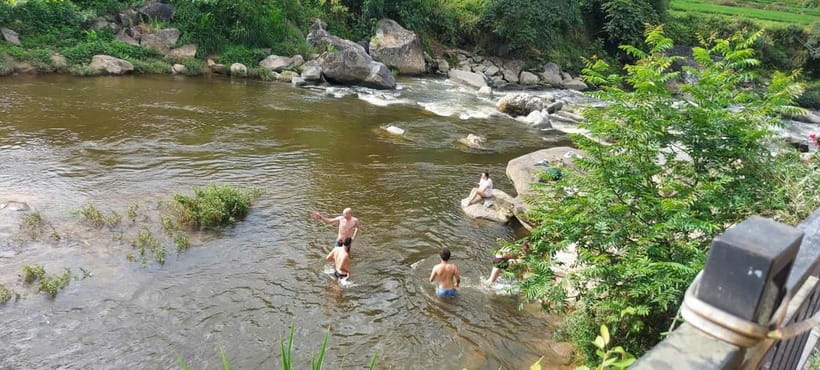
Breakfast comes at the homestay before the morning walk. The second trek is shorter, around 4 kilometers, but it is not flat or effortless. You pass rice paddies and a bamboo forest, then reach views over Giang Ta Chai village.
The bamboo section is one of the most memorable parts of the route. It feels different from the open terraces and gives the walk more variety. The path can still be slippery and uneven, especially after rain, so do not treat the shorter distance as a gentle stroll.
You then cross Giang Ta Chai Bridge, where a vehicle collects the group and returns you to Sa Pa. Back at the hotel, you have lunch and time for a shower before the return bus to Hanoi.
The return arrangement is practical but not door to door. The bus stops at the designated meeting point, and you make your own way to your hotel from there. Confirm the meeting point and keep your phone available for messages from the provider.
Weather, views, and the right season
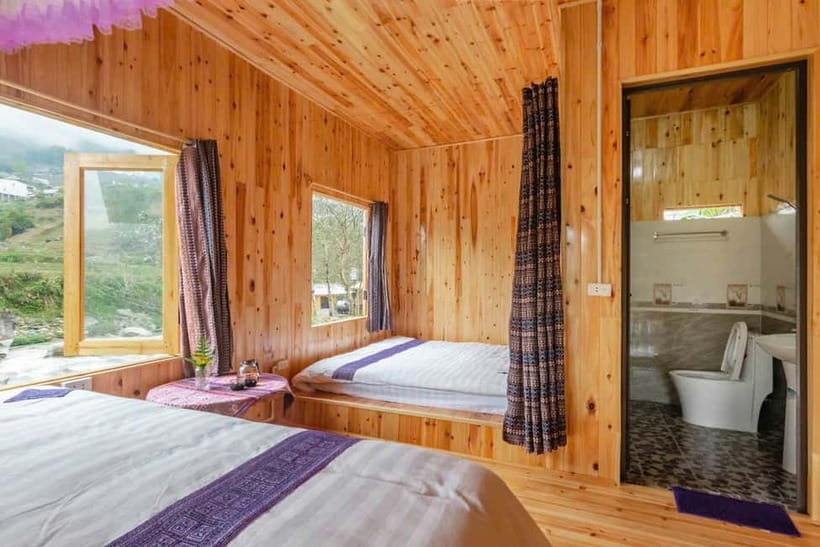
Sa Pa scenery depends heavily on conditions. Fog and low cloud can hide viewpoints, while rain makes the trails muddy and demanding. Even in poor visibility, the walk still offers village contact, forest, and the physical pleasure of moving through the mountains, but you should not book this expecting clear postcard views every hour.
Rice fields also change with the farming calendar. When the rice is green, terraces can look especially striking. After harvest, the colors are quieter, though the stepped fields and mountain setting remain impressive.
August is often suggested as a better time for the rice scenery, but the supplied information does not promise a specific harvest schedule. Bring clothes that can get dirty, and pack an extra set for the evening. Sunglasses, sunscreen, insect repellent, and sturdy hiking shoes belong in your day bag.
What the guide adds
Your guide is not simply there to lead the way. The best guides explain how people live in the mountains, introduce local customs, answer questions, and adjust their pace to the group. Soso is repeatedly praised for her warmth and cultural explanations. Sua is described as friendly, funny, careful, and highly informed about the area. Tung and Soa also receive strong praise for communication and support.
This personal contact is the tour’s greatest value. You learn about village life while looking at the fields where that life happens. You can ask about clothing, farming, homes, and family routines rather than trying to decode the scenery alone.
The guides also help with the physical side of the walk. They keep the group together, point out difficult sections, and offer support when paths become slippery. Still, do not expect a fully customized private hike unless you book one. The pace may feel brisk to some people, particularly on muddy trails.
Cost and overall value
No price is provided here, so I cannot judge the exact deal in currency. The value comes from combining transport, meals, a guide, village entry, overnight accommodation, and the return vehicle from Giang Ta Chai in one short trip.
That package can save you the work of arranging separate transport and finding a reputable local guide. It also gives you a more useful two-day route than simply staying in Sa Pa town and taking a short outing.
Check which transport option is included, since the upgraded sleeper bus may cost more. Also ask about a private room before booking if that matters to you. Drinks, tips, government tax, holiday surcharges, and personal purchases are extra. A 700,000 Vietnamese Dong per-person surcharge applies on listed public holidays and festival dates, including Lunar New Year.
The tour has a strong overall rating of 4.8 from 440 reviews, and the most consistent strengths are guide quality, food, transport organization, and the village stay. That does not remove the drawbacks: the schedule is compressed, the weather can spoil views, and the accommodation is modest.
Who should book this Sa Pa trek
I would choose this tour if you want mountain walking, local culture, and an overnight village stay but have limited time. It suits active adults and older walkers who are comfortable with uneven trails and can manage moderate hiking.
It is not suitable for children under six, wheelchair users, or people with mobility impairments. You should also reconsider it if muddy slopes, basic accommodation, or early starts sound unpleasant.
Bring Vietnamese Dong because banking in Sa Pa can be unreliable. US Dollars, Euros, and Australian Dollars are accepted, but local currency is simpler for small purchases. Leave your WhatsApp, Line, Viber, or KakaoTalk number so the provider can confirm arrangements and contact you during the trip.
Should you book it?
Book this tour if your priority is seeing Sa Pa through villages and trails rather than from a town hotel. The combination of a local Hmong guide, rice terraces, Ta Van homestay, and bamboo forest makes good use of a short stay.
Skip it if you want leisurely sightseeing, guaranteed mountain views, or polished hotel comfort. For everyone else, this is a practical and rewarding introduction to northern Vietnam, provided you pack proper shoes, accept a little mud, and understand that a homestay here is comfortable but basic.
FAQ
How long is the tour?
The activity lasts two days and includes travel between Hanoi and Sa Pa, trekking, one night in Ta Van village, meals, and the return trip to Hanoi.
Is transport from Hanoi included?
Round-trip limousine bus transport is available as an option. Check the package you select, especially if you want the upgraded sleeper-style bus.
What meals are included?
The tour includes two lunches, one dinner, and one breakfast. Drinks are not included.
Where do I sleep?
You stay at a homestay in Ta Van village. The standard setup includes a single mattress, and a private-room upgrade may be available if requested when booking.
How difficult is the trekking?
The first day is about 8 kilometers and mostly downhill, with steep and slippery sections possible. The second day is about 4 kilometers and includes uneven, undulating ground, rice paddies, and bamboo forest.
What should I bring?
Bring hiking shoes, sunglasses, sunscreen, insect repellent, cash, and spare clothing. Extra clothes are useful because the trails may be muddy.
Can I leave my main luggage behind?
You can store luggage in the bus trunk during the journey and then at the hotel in Sa Pa while you trek to the homestay. Take all essential items with you to the village.
Is the tour suitable for children or people with limited mobility?
It is not suitable for children under six, wheelchair users, or people with mobility impairments.
Do I need cash in Sa Pa?
Yes. Vietnamese Dong is recommended because the banking system can be unreliable. US Dollars, Euros, and Australian Dollars are also accepted.
More 2-Day Experiences in Hanoi
- 2-Day Trekking Adventure of Sapa from Hanoi with Night Bus
★ 5.0 · 134 reviews - Sapa Trekking Tour 2 Days 1 Night By Bus
★ 5.0 · 86 reviews - 2 days AMAZING trekking Sapa from Hanoi with various options
★ 4.5 · 53 reviews - From Hanoi: 2-Day Sapa-Fansipan Peak & Trek & Ha Giang Bus
★ 4.8 · 52 reviews
Just added around Hanoi
- 8-Days Hanoi, Sapa Trekking And Halong Bay Cruise★ 5.0 · 8 reviews
- From Hanoi : Sapa Moutain Trek – Halong bay Heritage★ 4.5 · 25 reviews
- Trekking around Ha Giang 5 days 4 nights★ 3.0 · 2 reviews
- Mai Chau – Pu Luong trekking 3 days 2 nights★ 4.5 · 7 reviews
- Trekking In Ha Giang 5 Days★ 5.0 · 4 reviews
- Hanoi: 3D2N Mu Cang Chai Visit All Attractions, Trek, Ethnic Life★ 5.0 · 3 reviews
- 2-Day Trekking in Sa Pa from Ha Noi by sleeping bus★ 5.0 · 4 reviews
- 2-Day SAPA Trekking – Villages-Homestay-Ethnic-Local Food-Market★ 5.0 · 2 reviews
Homestay & Village Treks, compared.
Number one top rated ethical cultural trekking and homestay by ETHOS
Read our review →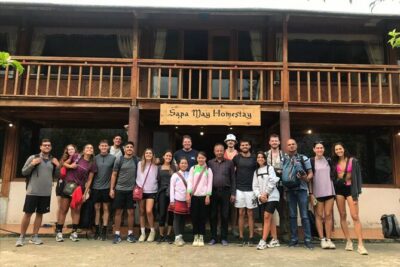
Sapa 3 Day 2 Night Trekking With Hotel & Homestay
Read our review →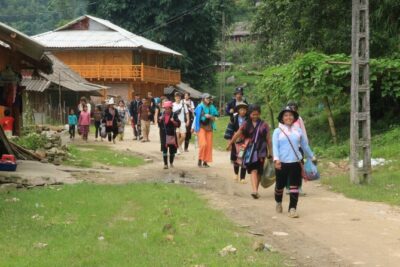
Sapa 2 Days 1 Night Overnight At Local Homestay
Read our review →
2-Day Trekking Trip with Ethnic Minority Homestay
Read our review →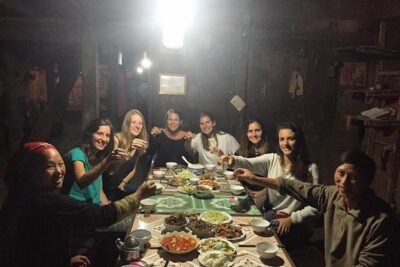
2-Day Trek & Heartwarming Homestay with an Ethnic Family
Read our review →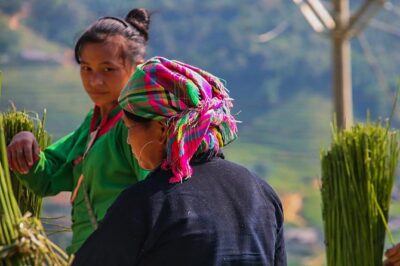
Browse the lists this trek appears in