Review · TREKKING
Santiago: Calabaceira Valley Trek & Visit to Cidade Velha
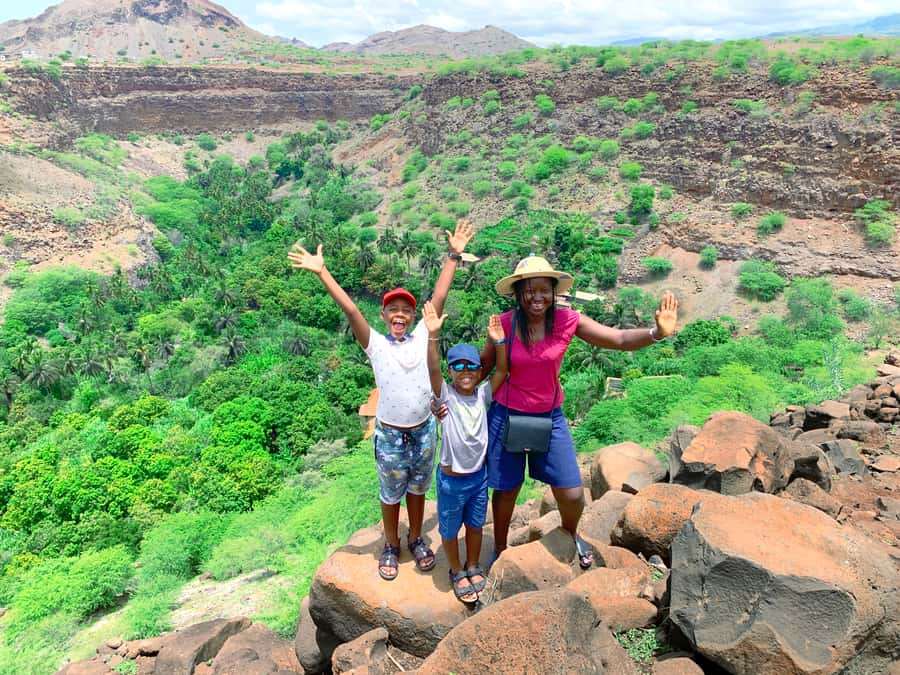
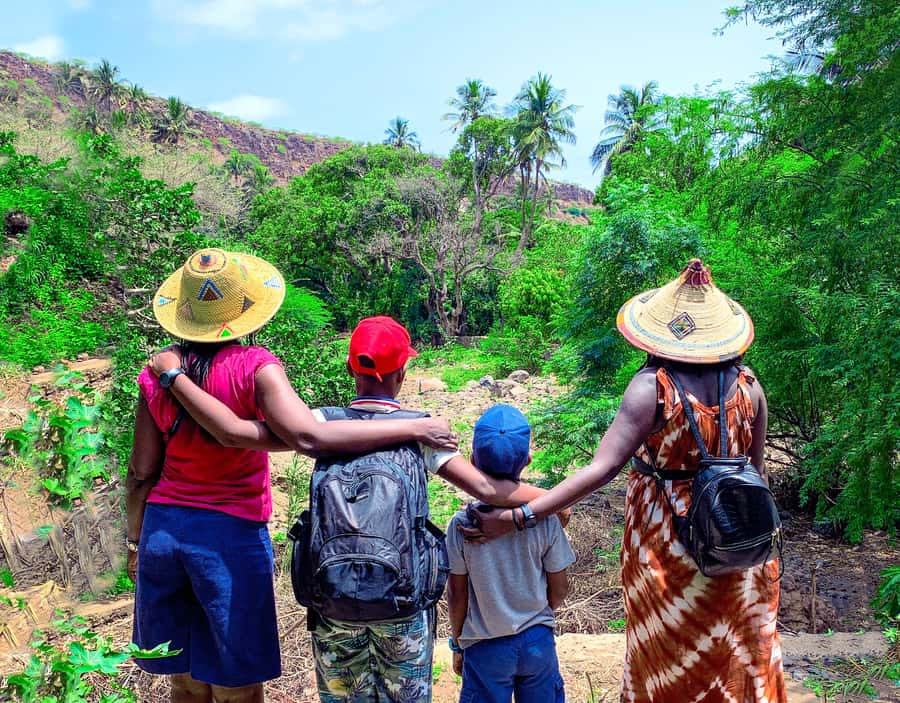
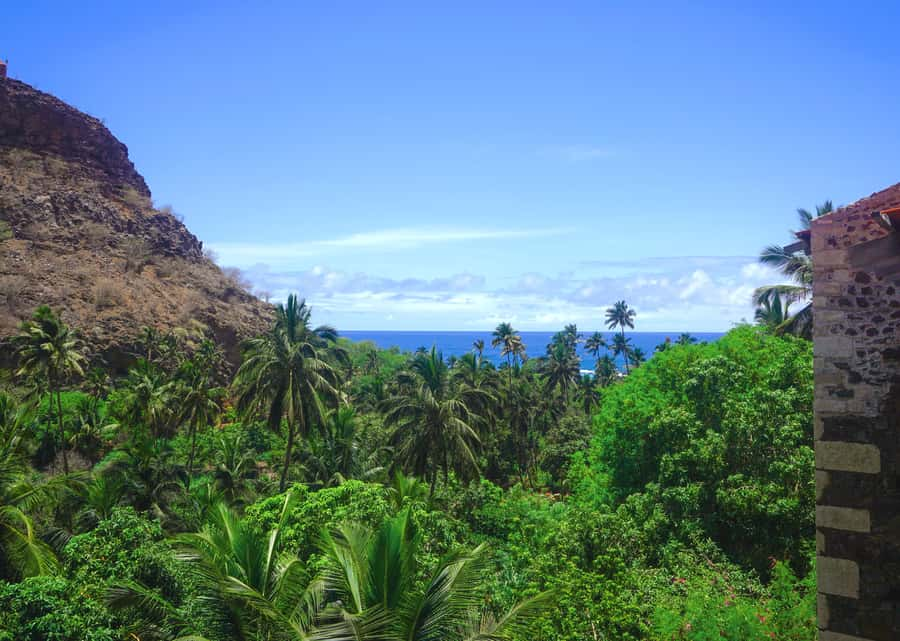
Calabaceira Valley gives you a side of Santiago that is easy to miss from Praia: a green, downhill trail through sugar cane, banana trees, mangoes, cassava, baobabs, and small farm plots. Then the day shifts from nature to history in Cidade Velha, the first city built by Europeans in sub-Saharan Africa.
I like the mix of a local walking route and major sights in one outing. I also like the stop at a small rum distillery, where the valley’s sugar cane connects directly to local work and daily life. The main caution is the word easy: the trail is accessible for many hikers, but the opening section is narrow and tilted, with a total descent of about 186 meters. One reported outing lasted almost eight hours instead of four, so timing may need watching.
Key points to know before booking
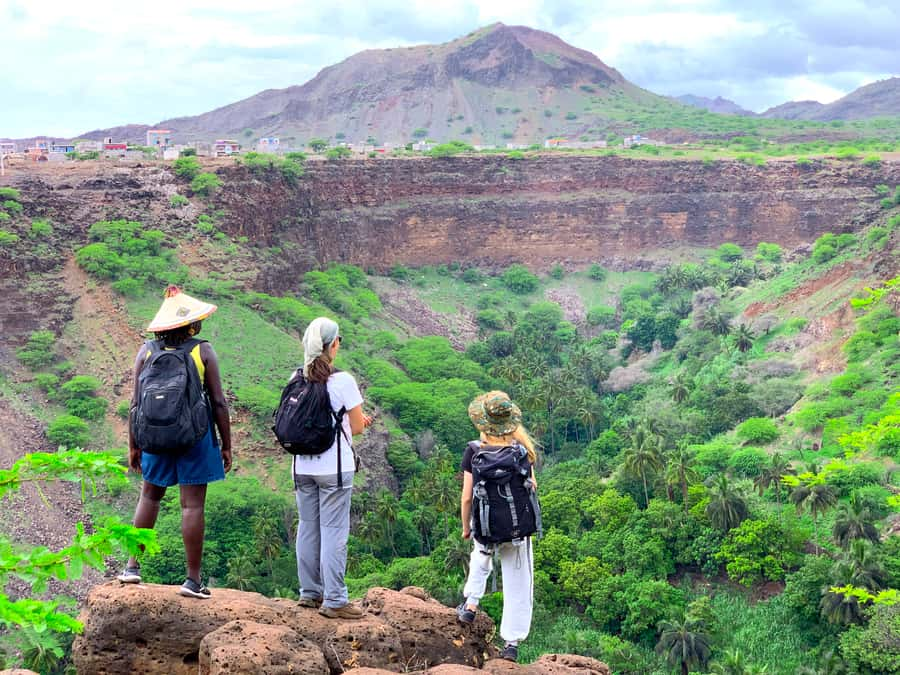
- A downhill walk through a real farming valley: The trail covers about 5 km and passes baobabs, sugar cane, mango, banana, and cassava fields.
- A local rum stop adds context: You can see how sugar cane supports a small distillery and meet farmers working nearby.
- Cidade Velha packs major sights into a small area: Expect the São Francisco Convent, Banana Street, Nossa Senhora do Rosário church, the old slave market, cathedral ruins, and São Filipe Fortress.
- The walk is easy in distance but not entirely flat: Expect a narrow, tilted path early on and a substantial downhill section.
- The guide makes a difference: Guides including Katia, Mario, Ivana, Soraya, and Riccardo have been singled out for friendliness and strong explanations.
- The price includes the practical basics: At $82 per person, you get Praia hotel pickup and drop-off, transport, a guide, and liability insurance, but not lunch or the €5 fortress entry.
Why this pairing works so well
Santiago is not an island you understand from a bus window alone. Its countryside and its colonial past are closely tied together, and this trip puts both in the same half-day plan.
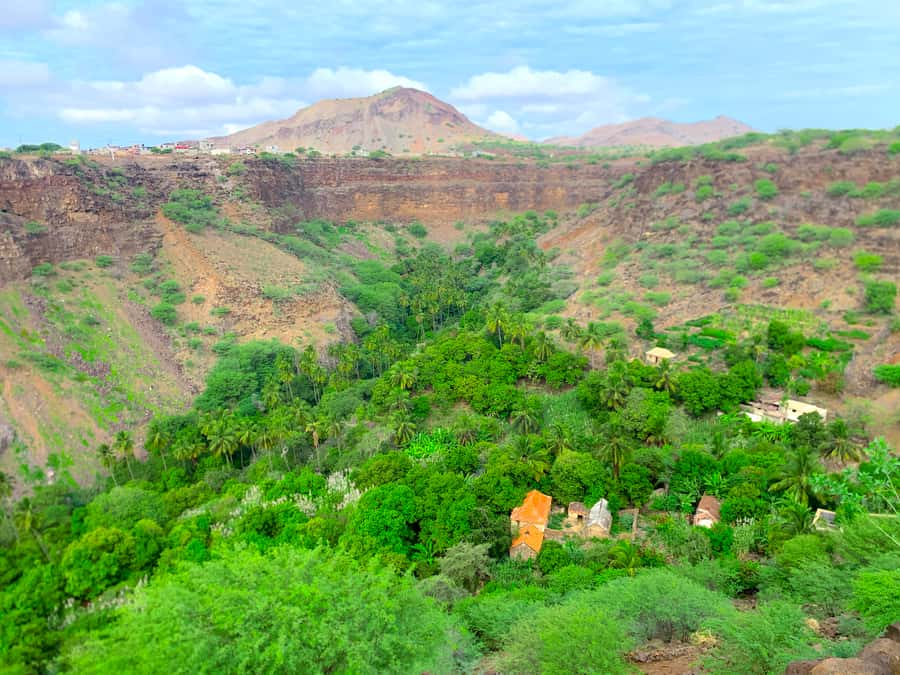
The Calabaceira walk shows you how water and farming shape an otherwise dry island. The valley holds a pocket of thick vegetation, with fields worked by local farmers and a trail that drops toward the coast. Cidade Velha then explains the island’s place in Atlantic trade, colonial expansion, slavery, and pirate attacks.
I especially like that the walking section is not just a viewpoint stop. You are moving through cultivated land and intact vegetation, with a chance to see local fauna. One outing included kingfishers, monkeys, and unusual trees, though wildlife is never guaranteed.
The change of pace is useful. You get fresh air and physical activity first, then a guided town visit where you can focus on buildings, trade, and history. If you want a single excursion that covers nature and culture without arranging separate transport, this is a sensible choice.
A few more treks around the world worth a look
- Mount Etna: Trek to 3000m with cable car and 4×4
★ 4.6 · 3,823 reviews - Bali: Mount Batur Sunrise Trek With Guide and Breakfast
★ 4.8 · 3,461 reviews - From Chania: Full-Day Samaria Gorge Trek Excursion & Guide
★ 4.6 · 3,191 reviews
From Praia to the top of Calabaceira Valley
The day begins with pickup at your hotel in Praia. Wait in the lobby about 10 minutes before the scheduled time. The driver is expected to carry a sign with your last name and will wait no longer than five minutes after pickup time, so this is not a good morning to wander off for coffee.
From Praia, transport takes you toward the small village of Calabaceira. The walk begins at the top of the valley, not at the bottom, which explains the trail’s one-way shape and its roughly 186-meter loss in elevation.
The total trail distance is about 5 km. The supplied information gives the full hike as three hours, while the total walking time is also described as about two hours. Treat those figures as estimates. The guide may pause for plants, wildlife, farms, or explanations, and the overall excursion can run longer than planned.
Walking through the green valley

The first part of the path is narrow and moderately tilted. The path is described as safe, but its quality is only rated medium, so sturdy footwear matters more than fashion here.
After that opening stretch, the route becomes a simple downhill walk through dense plant life. The valley is known for baobab trees associated with Charles Darwin, and it has also been used as an escape route by enslaved people. Those two details give the walk unusual depth: you are looking at both natural history and the human history of resistance.
The elevation ranges from about 200 meters at the high point to about 14 meters at the low point. There is very little climbing, with about 3 meters of gain, but the descent can still be tiring on knees and feet. Hiking pants are strongly advised from August through November, when vegetation may brush against your legs.
Bring water, a hat, sunscreen, and decent walking shoes. The trail is not suitable for people with mobility impairments. I would also avoid treating easy as a promise of a smooth, level stroll. The route is manageable for many people who walk regularly, but boulders and steep sections can make it unsuitable for anyone unsteady on their feet.
Farms, wildlife, and the rum distillery
The valley is a working place, not a landscaped park. You pass agricultural plots with sugar cane, mango trees, cassava, bananas, and other crops. This gives the walk a useful local focus. You see what people grow, not just what looks good in a photograph.
The stop at the local rum distillery is one of the more distinctive parts of the outing. The distillery sits in the valley, close to the farms and the sugar cane that supplies its production. You have the chance to see local rum-making and speak with farmers, connecting a finished product with the land and labor behind it.
The available information does not promise a formal tasting or a set amount of time at the distillery, so do not book this expecting a large commercial factory tour. Its appeal is the small-scale setting and the chance to see a local trade in place.
Keep your eyes open for birds and animals. Kingfishers and monkeys have been seen on the route, along with large trees and other plant life. These sightings depend on conditions and luck, but the valley itself gives you more to notice than a standard scenic walk.
Same trailhead, a different route:
- Mount Etna: Summit Crater Trek with Cable Car
★ 4.8 · 1,875 reviews - La Palma: Tajogaite Volcano Guided Trek
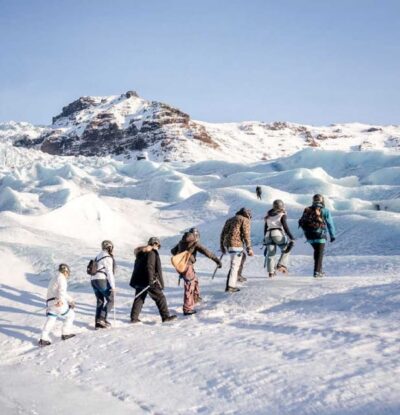
★ 4.8 · 1,810 reviews - Skaftafell: Ice Cave Tour and Glacier Hike
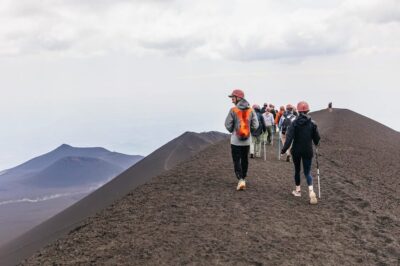
★ 4.5 · 1,746 reviews - Etna: summit craters trekking with volcano guide 3350mt
★ 4.7 · 1,712 reviews
Arriving in Cidade Velha
After the trek, the tour moves into Cidade Velha, a UNESCO World Heritage Site and the first city built by Europeans in sub-Saharan Africa. This is where Santiago’s wider Atlantic story comes into view.
The town was a major colonial center and a place tied to the slave trade. You visit the former slave market, an essential but difficult stop. The site is not simply an old building to photograph. It forces you to consider the people who were bought, sold, confined, and transported through this part of the Atlantic world.
The guide’s explanation matters here. Guides such as Mario have been praised for giving broad context about the places visited and Cape Verde itself. Katia, Ivana, Soraya, and Riccardo have also been named as warm and capable leaders. Your actual guide will depend on the date and language, but the tour is offered in English, French, Portuguese, and Spanish.
Churches, convents, and Banana Street
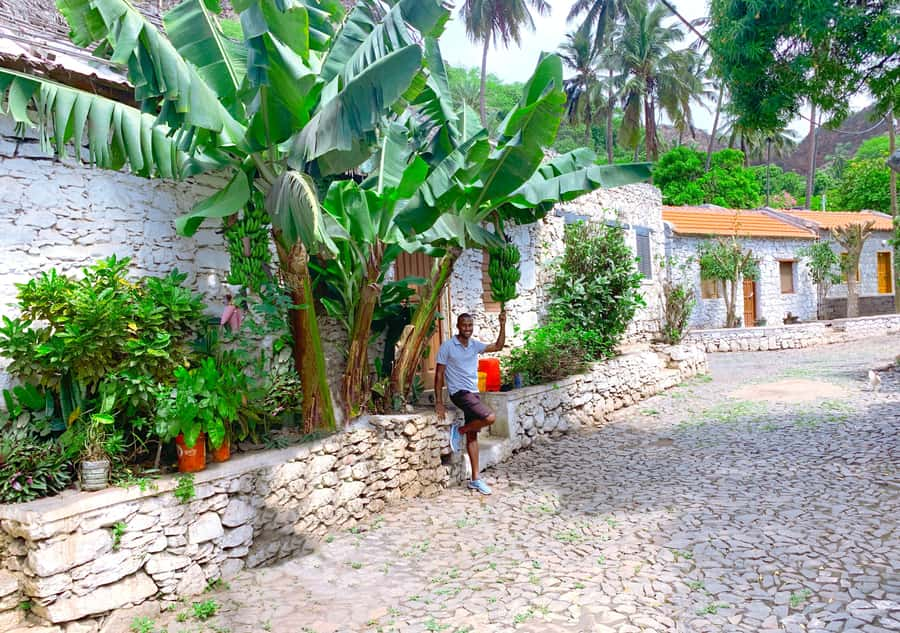
The São Francisco Convent and Banana Street offer a gentler introduction to the old town. The convent helps show the religious presence that accompanied Portuguese settlement, while Banana Street gives you a feel for the town’s early colonial layout.
Nossa Senhora do Rosário church is another key stop. It is described as one of the oldest European churches in the world outside Europe, making it more than a quick photo stop. Look for the way the church fits into the wider story of trade, faith, and colonial rule.
You will also see the ruins of the Sé Catedral. Ruins can be easy to skim past, especially after a hike, but here they help show the former importance of Cidade Velha. The town once held a much larger role than its present scale suggests.
The walking between sights is part of the experience. Cidade Velha is compact enough to tour on foot, but the full day still includes a trail, stairs or uneven surfaces may occur, and heat can build up. Keep some water for the town visit rather than finishing it all in the valley.
Lunch by the sea
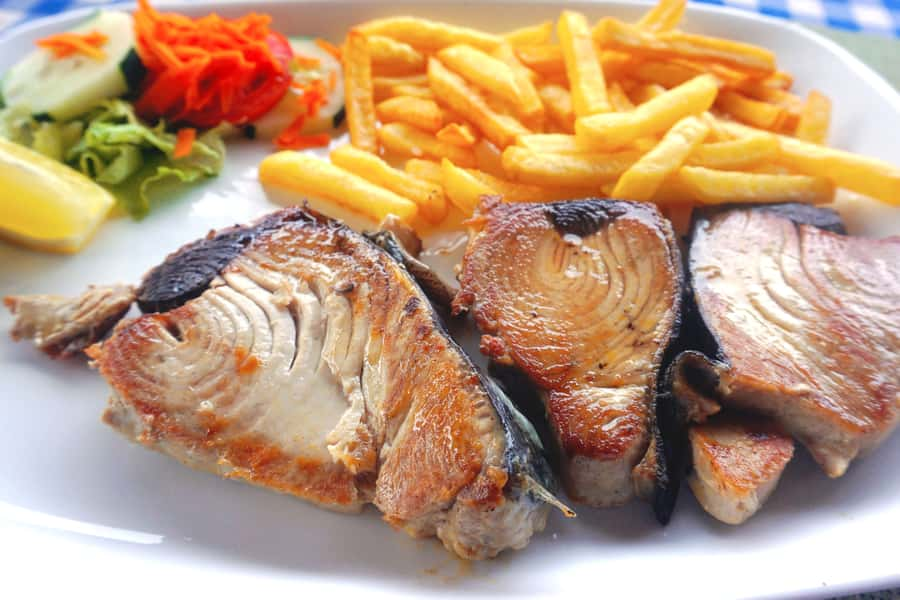
The schedule includes a break for lunch at a typical restaurant on the seafront. Lunch is not included in the $82 price, so budget separately.
This is a useful pause after the downhill walk. You can eat local food and enjoy the coastal setting rather than rushing from one historical stop to the next. The exact menu and price are not specified, so do not assume a particular dish or a fixed meal arrangement.
Because the tour is sold as a four-hour experience, the meal stop may feel short if the group is large or the schedule runs late. A recorded outing took nearly eight hours, so I would keep the rest of your day flexible. That longer timing may have involved delays or a slower group, but it is still a practical warning.
São Filipe Fortress and the pirate defenses
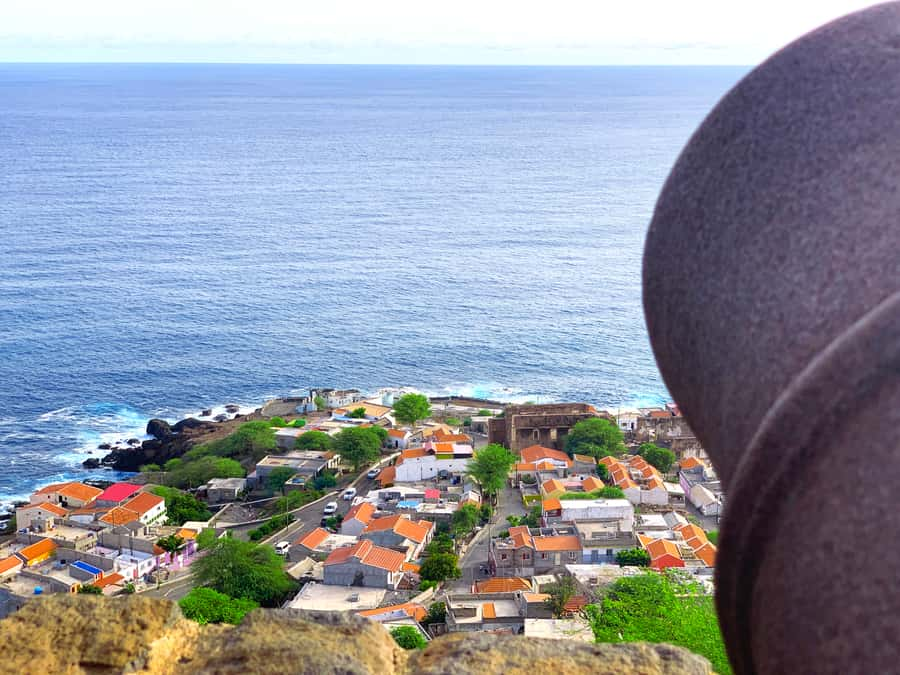
The final major stop is the Royal Fortress of São Filipe. The fortress sits above Cidade Velha and gives you a broad view over the old town.
This is one of the strongest visual moments of the day. From above, you can understand the town’s position and see why a fortified high point mattered. The guide explains the defensive system used against pirates, giving the ruins a clear purpose rather than leaving you to guess what you are seeing.
The €5 entrance fee is not included. Bring the money with you, along with water and sun protection. The approach and fortress visit may be difficult for anyone with limited mobility, and the tour is specifically not suitable for people with mobility impairments.
After the fortress, transport returns you to your accommodation in Praia. The combination of a one-way valley trail and vehicle transfer means you do not have to retrace the walk.
Is $82 a fair price?
At $82 per person, the tour offers reasonable value if you want transport and a guide for both the countryside and Cidade Velha. Hotel pickup and drop-off from Praia, transportation, guiding, and liability insurance are included. Organizing the same route independently would mean arranging transport to Calabaceira, finding the trail, hiring or locating a local guide, getting to Cidade Velha, and returning to Praia.
The value is strongest for visitors with limited time on Santiago. You get a rural walk, a distillery visit, a UNESCO-listed town, a seafront lunch stop, and the fortress in one organized outing.
The price is less attractive if you only want a short nature walk or if you already have transport and a private guide. Add lunch and €5 for São Filipe Fortress. Also consider the group format. Shared trips require at least two participants, and if that minimum is not met, the operator may suggest another date, charge extra to run the trip privately, or cancel with a full refund.
Private and small-group options are available. A smaller group may help if you want more time for questions, wildlife spotting, or historical explanation.
Who should book this experience?
I would choose this tour if you want Santiago’s strongest nature and history combination in one day. It suits active visitors who can handle about 5 km of downhill walking, uneven sections, heat, and a narrow opening trail.
It is especially useful if you are staying in Praia and do not want to manage rural transport yourself. It also suits anyone interested in Cape Verde beyond beaches, since the valley shows farming life and Cidade Velha covers colonial power, slavery, religion, and defense.
I would look for another option if you have mobility limits, dislike downhill walking, need a strict four-hour schedule, or want a completely gentle stroll. The advertised difficulty is easy, but that should be read as moderate for a regular walker, not effortless for everyone.
The strongest part of the experience is the contrast: sugar cane and baobabs in the valley, then churches, ruins, the slave market, and a fortress above the sea. Guides such as Mario, Katia, Ivana, Soraya, and Riccardo have been praised for friendly explanations, but group pace and timing can vary.
FAQ
How long is the Calabaceira Valley trail?
The trail is about 5 km, with total walking time listed at approximately two hours. The full trek is also described as taking about three hours, including stops and explanations.
Is the hike difficult?
The trail is rated easy, but it is not flat. The opening path is narrow and tilted, and the route descends about 186 meters from a maximum elevation of roughly 200 meters to about 14 meters.
Is the trail suitable for people with mobility impairments?
No. The experience is not suitable for people with mobility impairments.
What should I bring for the walk?
Bring decent footwear, hiking pants, a hat, sunscreen, and water. Hiking pants are especially advised from August through November.
Is lunch included?
No. Lunch is not included. The itinerary provides a break at a typical seafront restaurant in Cidade Velha.
Is the São Filipe Fortress entrance included?
No. The entrance fee is €5 and should be paid separately.
What languages are available?
Live guiding is available in English, French, Portuguese, and Spanish.
Does the tour include hotel pickup?
Yes. Pickup and drop-off at your hotel in Praia are included. Wait in the lobby 10 minutes before the scheduled pickup, and the driver will hold a sign with your last name.
Can I book a private tour?
Yes. Private and small-group options are available, alongside the shared group option. The shared group trek requires at least two participants.
Should you book it?
Book this experience if you want a practical introduction to Santiago that joins a real rural walk with the major sights of Cidade Velha. The valley, local farms, rum distillery, slave market, churches, and fortress create a varied day for $82, especially when Praia transport is included.
Go in prepared for a downhill trail rather than a flat nature stroll, and leave extra time in your schedule in case the outing runs long. With sturdy shoes, water, sun protection, and a little patience, this is one of the better choices for seeing both the living countryside and the difficult, important past of Santiago Island.
Just added around the world
- Everest Base Camp Trek★ 5.0 · 3 reviews
- Everest Base Camp Trek★ 5.0 · 7 reviews
- 15 Days Private Everest Base Camp Trek★ 5.0 · 30 reviews
- Everest Base Camp Trek★ 5.0 · 57 reviews
- 14 Days of Adventure Trekking to Everest Base Camp★ 5.0 · 2 reviews
- 14-Day Everest Base Camp Trek★ 5.0 · 20 reviews
- From Kathmandu: Private 14-Day Everest Base Camp Trek★ 5.0 · 20 reviews
- 14 Days Everest Base Camp Trek★ 5.0 · 4 reviews
Trekking Tours, compared.
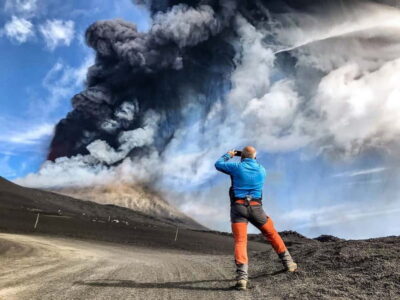
Mount Etna: Trek to 3000m with cable car and 4×4
Read our review →
Mount Batur Sunrise Trek With Guide and Breakfast
Read our review →
Full-Day Samaria Gorge Trek Excursion & Guide
Read our review →
Mount Etna: Summit Crater Trek with Cable Car
Read our review →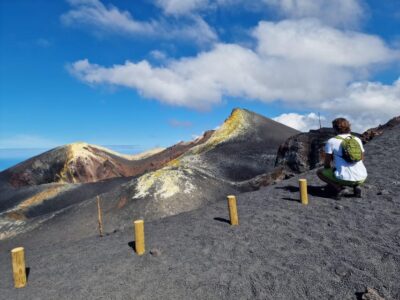
Etna: summit craters trekking with volcano guide 3350mt
Read our review →