
Review · POKHARA
Pokhara: 4-Day Private Trek Tour
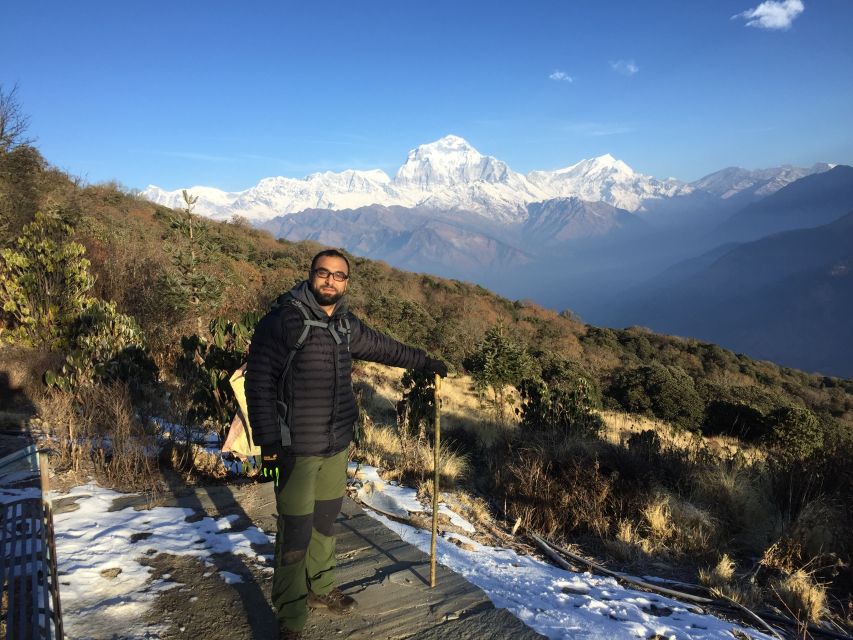
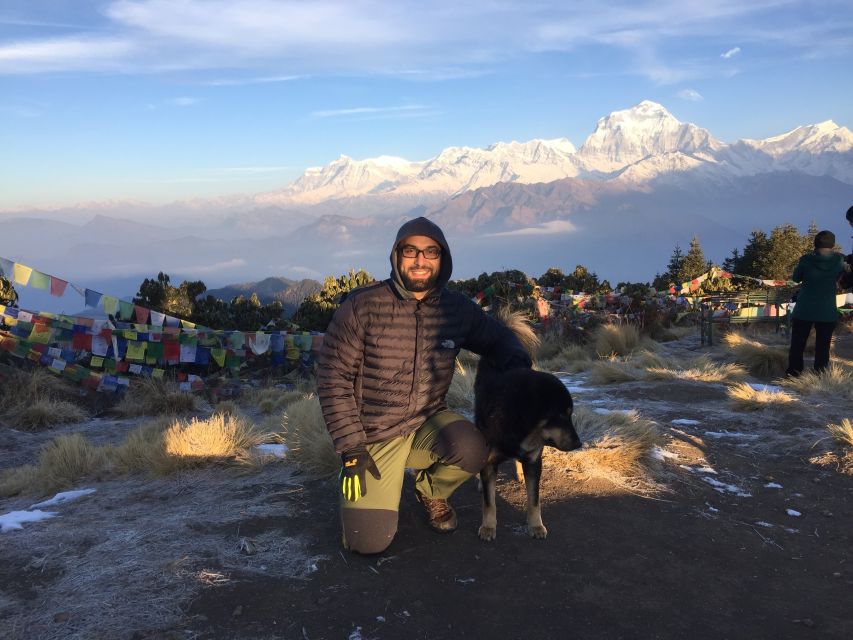
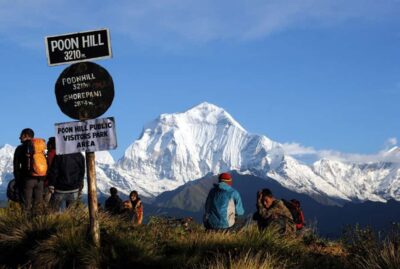
Poon Hill earns its reputation at sunrise. You leave Ghorepani before dawn, climb for about 45 minutes, and watch the Annapurna range catch the first light from 3,210 meters. It is a short trek with a proper mountain feel, passing through stone villages, forest paths, and Gurung communities.
I like two things especially: the private format, which lets your guide adjust the pace, and the human side of the route, from tea house conversations to time in Ghandruk. Guides such as Krishna, Milan, Gobinda, Dhanraj Gurung, Dadhi, and Raj have been praised for their patience, local stories, and care when walkers felt sick or struggled on steep ground.
The main catch is simple: this is not an easy stroll. The long descents on days three and four can be hard on knees, and the four-day schedule leaves little spare time if weather, illness, or slow walking changes your plans.
Key points to know before you book
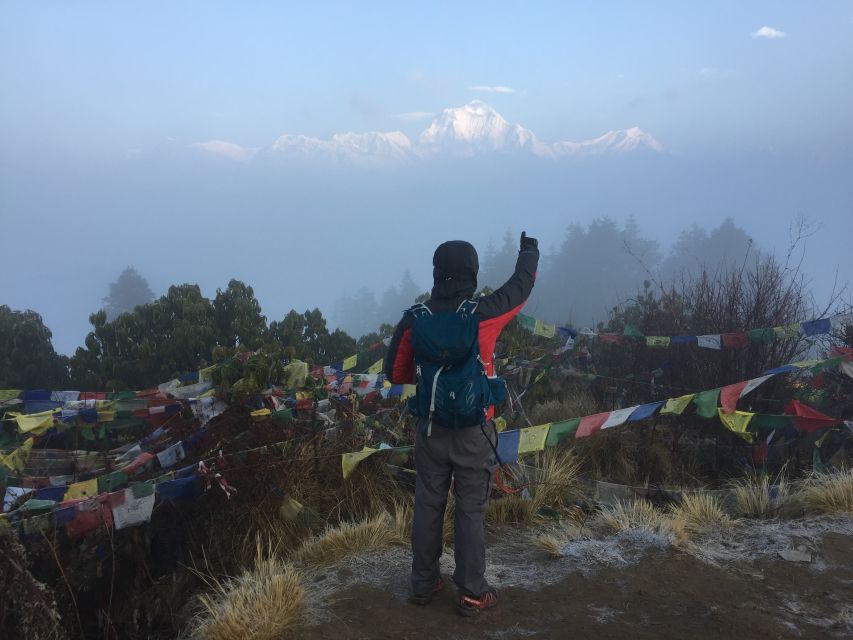
- Poon Hill at 3,210 meters: The early climb leads to a celebrated sunrise over the Annapurna Himalayas.
- Four walking days from Pokhara: The route links Nayapul, Ulleri, Ghorepani, Tadapani, and Ghandruk.
- A private guide and private group: You can set a comfortable pace and ask for help when conditions change.
- Simple guesthouse nights: Three nights are included, with food, drinks, and extra personal items paid separately.
- A demanding descent: The route is manageable for many beginners, but stairs and downhill walking make strong legs useful.
- Good value at $243: Permits, guide, accommodation, and return transport are included, though meals and emergency rescue are not.
Why this short trek works from Pokhara
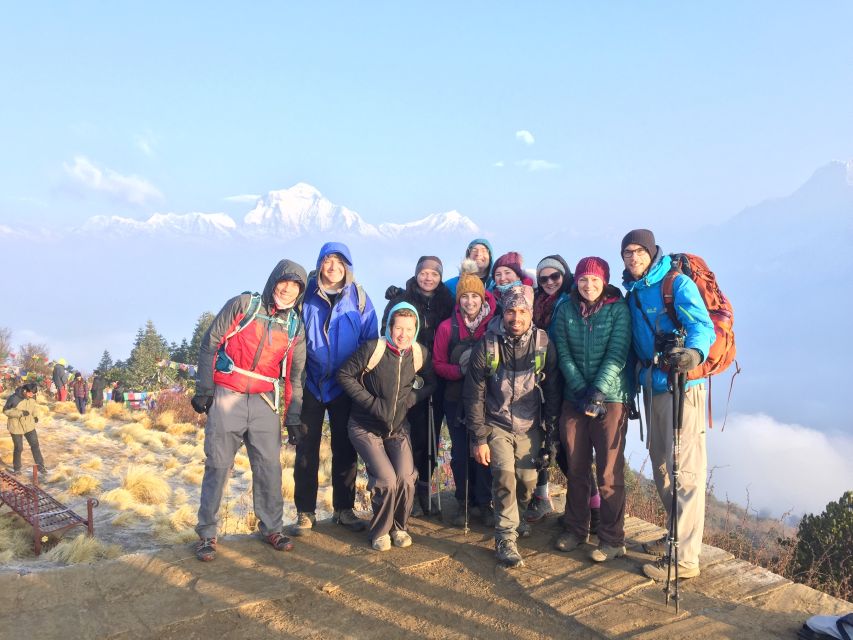
This trip gives you a taste of Himalayan trekking without asking you to spend a week or more away from Pokhara. You start and finish in Lakeside, so it fits neatly into a Nepal itinerary that also includes time in the city, boating on Phewa Lake, or a longer visit to the Annapurna region.
The route is short on a map, but the days are active. You will walk for roughly four to five hours on the first day, about five hours on the second, around 45 minutes before sunrise on the third, then another five hours to Tadapani. Day four adds a walk to Ghandruk and a further trek to Nayapul before the drive back.
I see this as a good first Himalayan trek for someone with limited time and a reasonable level of fitness. You do not need technical climbing skills, but you should be ready for uneven paths, steps, uphill sections, and a long descent. The private arrangement matters here. If your legs need a slower pace, your guide can work with you rather than forcing you to match a large group.
The tour costs $243 per person. That is a useful package price because it covers the guide, three nights of lodging, permits and TIMS fees, and transport from Pokhara to the trailhead and back. You still need money for meals, drinks, and personal supplies, and rescue costs are excluded. Bring cash for the route, since meals and water are bought along the way.
A few more treks around Pokhara worth a look
- Pokhara: 4-Day Ghorepani, Poonhill & Ghandruk Mountain Trek
★ 5.0 · 132 reviews - Pokhara: 4-Day Mardi Himal Trek
★ 4.9 · 59 reviews - 4-Day Private Poon Hill Trekking Tour
★ 5.0 · 58 reviews
Day one: Pokhara to Nayapul and the stairs to Ulleri
Your guide meets you at 8:30 AM in the Lakeside area, holding a name card. The drive to Nayapul takes about an hour and a half by private car. This transfer saves you from arranging separate transport and gets you directly to the walking route.
From Nayapul, you trek toward Ulleri for approximately four and a half hours. The day introduces the basic rhythm of the trip: walk, pause, eat, and keep climbing. The route leads through mountain villages and highland scenery rather than empty wilderness, so you get an early look at how people live along the trail.
Ulleri is your first overnight stop, in a guest house. The accommodation is simple, and you should not expect hotel comforts. Bring a light day bag, warm layers, personal hygiene items, and a towel and slippers, since those last two items are useful even though they are not included in the stated packing list.
This first day is also a good test of your footwear. Comfortable shoes are listed as essential, but proper trekking shoes and good socks are the safer choice. If your shoes rub on day one, the rest of the route will not become kinder.
Day two: Rhododendron forest and Ghorepani
After breakfast and a start around 8:00 AM, you continue through dense rhododendron forest. The trees and green high hills give this day a different feel from the more open village sections. Spring can be an especially attractive time for rhododendrons, though the activity information does not promise flowers or clear mountain views on any particular departure.
The walk takes about five hours before you reach Ghorepani. This is the key overnight stop before the Poon Hill sunrise, so try to keep the evening calm. You will need to rise well before dawn, and the next morning begins in darkness.
Ghorepani is also the place to make sure your clothes and headlamp are ready. A headlamp was specifically recommended for the early climb, and it is far more useful than trying to manage a phone flashlight while walking uphill. Warm clothes matter too. Nights can be very cold in winter, and extra blankets may be available at the tea houses if you ask.
Food is not included in the package, but it is available to buy along the route and at the guesthouses. You should budget for every meal and carry enough cash. Toilet paper and water can be bought often along the trail, but carrying a small personal supply is still sensible.
Day three: Poon Hill sunrise and the long walk to Tadapani
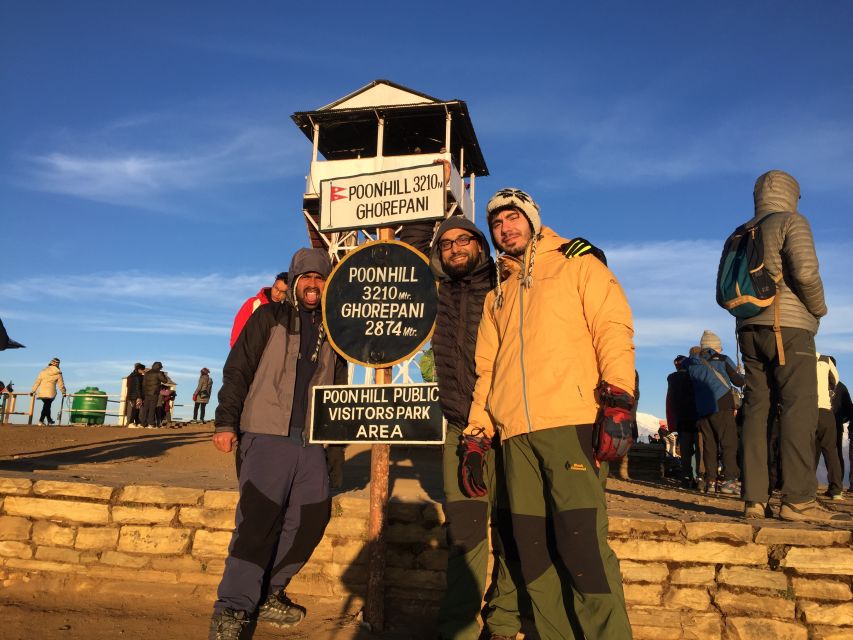
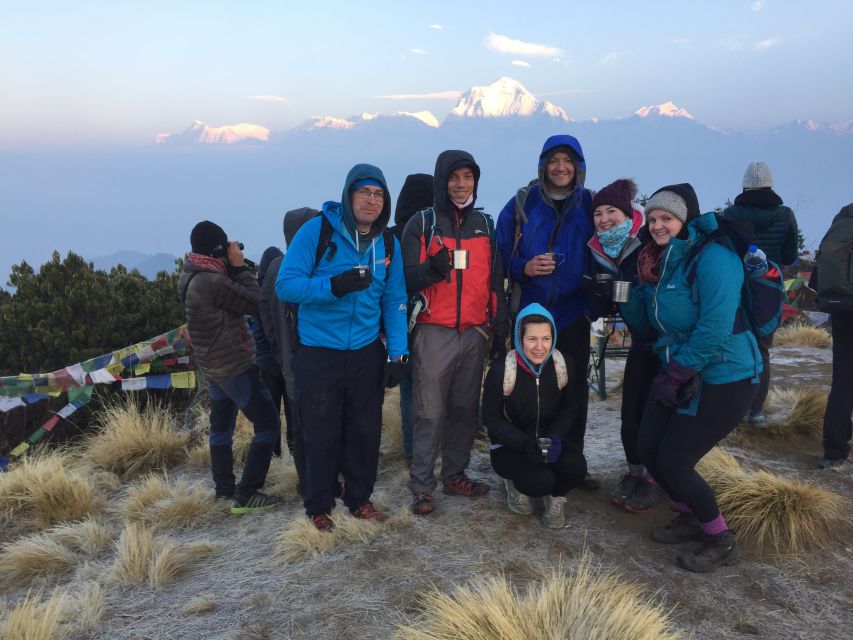
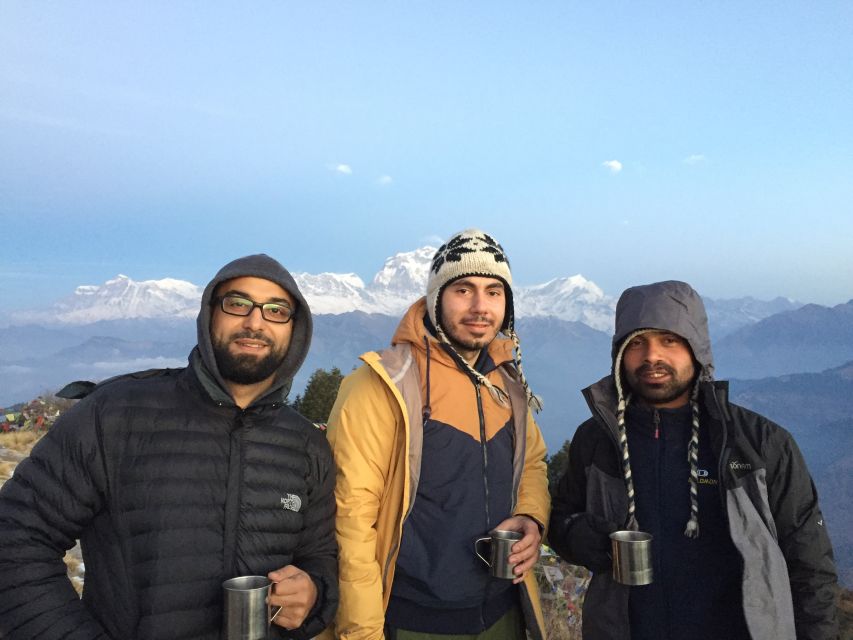
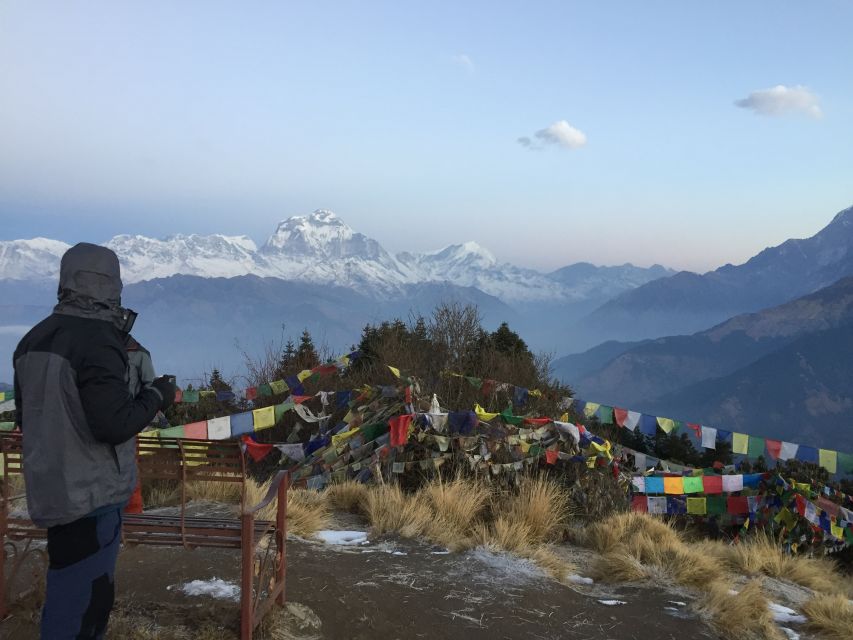
The alarm comes early. At 4:00 AM, you begin the roughly 45-minute climb from Ghorepani to Poon Hill. It is dark, cold, and likely to feel harder than the distance suggests. The reward is the view from 3,210 meters, where the Annapurna Himalayas can light up as the sun rises.
This is the central moment of the trek. The mountain panorama depends on weather, so clear skies are never guaranteed. One person completed the walk without good mountain views because of bad weather, yet still found the route worthwhile. That is the right way to think about Poon Hill: the sunrise is the prize, but the forest, villages, and walking itself are part of the experience.
After spending time at the viewpoint, you return and continue toward Tadapani. The walk takes about five hours. This section can be tiring because the route includes repeated downhill walking. If you have knee trouble, bring strapping tape or knee braces, and consider trekking poles. The steep descent is one of the most important practical details to understand before booking.
Your guide is useful here in ways that go beyond navigation. Several guides have been praised for slowing the pace, carrying a backpack when needed, helping with illness, and arranging practical changes. Krishna, for example, helped one couple find medication, organize a porter, and adjust plans when they were struggling. That kind of support is particularly valuable on a private trek.
Tadapani is your third guesthouse night. By this point, you will have spent much of the day walking, so do not plan a packed evening. Eat, dry your clothes, charge your devices if possible, and prepare for the final day.
Same trailhead, a different route:
- Poon hill Trek 3 days
★ 5.0 · 176 reviews - Trekking in Annapurna/Langtang/Everest/Upper Mustang regions
★ 5.0 · 161 reviews - Ghorepani – Poon Hill Trek 3N-4D
★ 5.0 · 125 reviews - Pokhara: Annapurna Foothills Day Hike with Transfers
★ 5.0 · 100 reviews
Day four: Ghandruk’s Gurung culture and the ride back
The final day begins around 8:00 AM with a trek to Ghandruk. This village is one of the cultural highlights of the route. You can visit the Gurung Museum, walk through the town, and speak with local people. It gives the trip more depth than a simple mountain viewpoint tour because you see a community connected to the valleys and hills you have crossed.
Ghandruk is a good place to pause and notice the difference between a viewpoint visit and a trek. You arrive on foot, after passing through villages and forest, so the town feels like part of a journey rather than a quick photo stop. Your guide can also explain local customs, mountain life, and the plants and animals seen along the way. Guides such as Dhanraj Gurung have been praised for storytelling and explanations about the area.
From Ghandruk, you continue walking to Nayapul. The exact feel of this final section depends on your pace and how your knees handled the previous day. At Nayapul, a private car takes you back to Pokhara in about an hour and a half, with drop-off at your hotel.
The return drive is convenient, but do not assume you will be back early in the day. The morning walk, the final trek to Nayapul, and the road transfer make this a full travel day. Keep any Pokhara plans flexible.
What the private guide adds
The guide is the most important part of this experience. A private group gives you direct help with pacing, meals, guesthouses, route choices, and unexpected problems. The available guides include English, Hindi, and Nepali speakers, so confirm your preferred language when booking.
The strongest pattern in the guide feedback is practical care. Milan has been praised for keeping solo walkers comfortable and safe, including one day when a walker felt ill. Gobinda has been valued for adjusting the pace and offering conversation about Nepalese culture. Dadhi has helped with knee trouble, while Raj has been appreciated for making the trek feel friendly and relaxed.
That does not mean every guide will handle every situation in exactly the same way. It does mean the guide is not just someone walking at the front. Your guide can help you choose lunch stops, explain local life, advise on food and altitude, and arrange extra support if your condition changes.
Altitude sickness is worth taking seriously even on a short route. The itinerary reaches 3,210 meters at Poon Hill, and one guide advised walkers about how to manage altitude. Move steadily, drink enough, and tell your guide early if you feel unwell. Rescue costs are not included, so travel insurance with trekking and emergency cover is a sensible safeguard.
Guesthouses, food, and what to pack
Three nights in guesthouses are included. Expect basic tea house accommodation rather than private bathrooms or resort facilities. The rooms are described as simple but clean, and extra blankets may be available when nights are cold.
All meals are extra. You can buy food along the route, and the guide can suggest places to stop. Carry cash for meals, water, and small purchases. Toilet paper and water are widely available for purchase, but it is still wise to begin each day with a small supply.
Pack light, since you will carry a day bag unless you arrange additional porter help. The recommended items include:
- Two T-shirts, long pants, and shorts
- Trekking shoes, socks, and comfortable walking shoes
- A jacket and warm clothing
- Sunscreen, sunglasses, and a hat
- Mosquito repellent and toilet paper
- A headlamp for the Poon Hill climb
- A light day bag, camera, and personal hygiene items
- Hiking poles, especially if your knees are sensitive
One unusual but important detail is the need to provide a scanned passport copy and a digital passport-sized photo before the trek. Have those files ready before you book your departure.
The activity is not suitable for pregnant women or people with heart problems. Anyone with knee concerns should also think carefully about the downhill sections and discuss pace and support with the operator.
Value, flexibility, and who should choose it
At $243 per person, the price makes sense if you want the main logistics handled. You receive private round-trip transport, an experienced English-speaking guide, three nights of guesthouse accommodation, entrance fees, TIMS, and permits. Arranging those pieces separately would take time, particularly if this is your first trek in Nepal.
The price is less complete than it may first appear because food is excluded and emergency rescue is not covered. You should also allow for drinks, snacks, water, tips, and any porter or horse arranged during the trek. Still, the package offers useful value for a short, private route beginning and ending in Pokhara.
I would choose this trip if you want mountain views and village life but cannot spare a longer Annapurna trek. It also suits solo walkers who prefer company and practical support without joining a large group. Beginners can manage it if they are prepared for long walking days and accept a steady pace.
I would hesitate if you want a relaxed holiday with short walks. The early Poon Hill start, the five-hour walking days, and the long descents require real effort. Weather may also hide the Annapurna panorama, so book this for the full route, not only for one sunrise photograph.
Free cancellation up to 24 hours before departure and reserve-now, pay-later booking make the timing easier to manage. Even so, you should confirm pickup from the Lakeside area, since transport outside that zone may cost extra.
Should you book the Poon Hill trek?
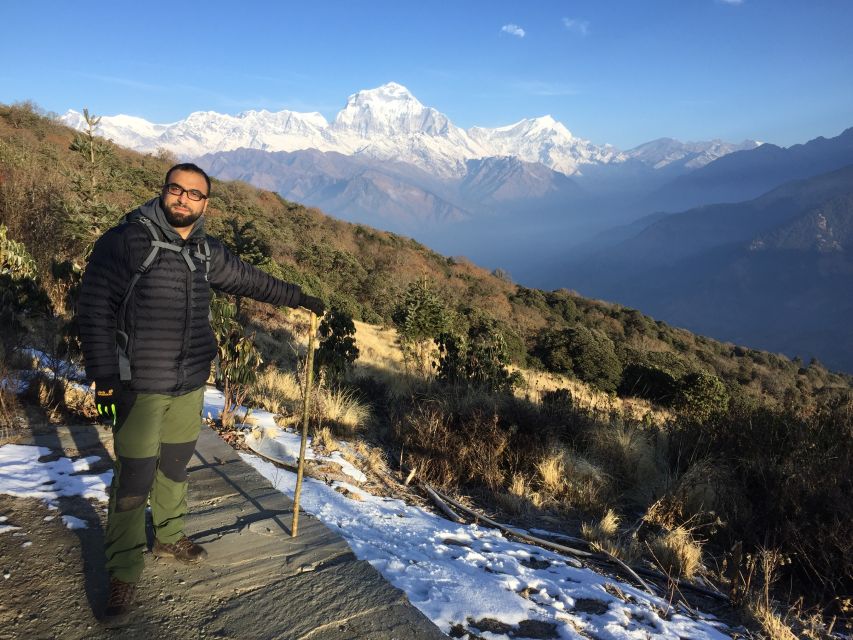
Book it if you want a compact, well-supported introduction to trekking around Pokhara. You will walk through rhododendron forest, sleep in simple guesthouses, meet people in mountain villages, and have a strong chance of seeing the Annapurna range from Poon Hill.
Go in with realistic expectations. This is a physical trek, not a sightseeing drive, and the route can be cold, wet, steep, or cloudy. Bring proper shoes, warm layers, cash, a headlamp, and knee support if needed. If you are ready for that trade-off, the four-day format delivers a lot of Nepal in a manageable amount of time.
FAQ
How long does the trek last?
The activity is described as a four to five-day experience. The planned itinerary uses four days, beginning and ending in Pokhara.
Where does pickup take place?
Pickup is included from the Lakeside area of Pokhara. Your guide meets you with a name card at your hotel or place of residence in that area.
What is included in the price?
The price includes taxes and service charges, TIMS and permits, an experienced English-speaking trekking guide, three nights in guesthouses, and round-trip transportation.
Are meals included?
No. All meals are available to purchase along the route but are not included in the tour price.
What languages can the guide speak?
Guides are available in English, Hindi, and Nepali.
What documents are needed before the trek?
Every participant must provide a scanned copy of their passport and a digital passport-sized photo before the tour.
Just added around Pokhara
- Pokhara: Sarangkot Sunrise & Panoramic Annapurna View Tour★ 4.8 · 10 reviews
- Pokhara: Majestic Mardi Base Camp Guided Trek with HotSpring★ 5.0 · 6 reviews
- Pokhara: Bungee Jumping Experience Near Annapurna★ 5.0 · 9 reviews
- Pokhara: Annapurna Day Hike with Panoramic Views★ 4.3 · 7 reviews
- Pokhara: 9-Day Annapurna Base Camp Trek with Poon Hill★ 5.0 · 6 reviews
- Pokhara: 7-Day Annapurna Base Camp Trek & Hot Spring★ 4.0 · 3 reviews
- Pokhara: 5-Day Ghorepani and Poon Hill Private Trek★ 5.0 · 4 reviews
- Pokhara: 5-Day Trek to Annapurna Base Camp and Hot Springs★ 5.0 · 4 reviews
Pokhara Trekking Tours, compared.
Trekking in Annapurna/Langtang/Everest/Upper Mustang regions
Read our review →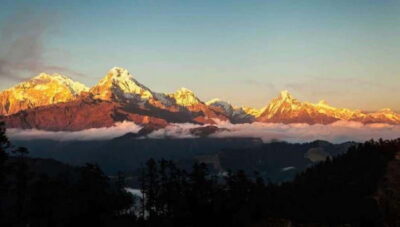
4-Day Ghorepani, Poonhill & Ghandruk Mountain Trek
Read our review →
Kathmandu/Pokhara: 5-Day Annapurna Base Camp (ABC) Trek
Read our review →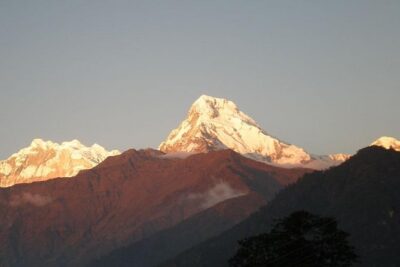
Browse the lists this trek appears in