Review · TREKKING
From Puerto Princesa: Trek to Batak Tribe Village
The main appeal here is the walk itself: after a 70-kilometer drive from Puerto Princesa, you leave the paved road and follow mountain trails and river crossings toward a Batak village. The Batak are one of the Philippines’ smallest Indigenous groups, so this is a chance to learn about a community rarely encountered on a standard Palawan beach trip.
I like the combination of a physical jungle trek and a cultural visit. I also like that the price includes permits, a licensed guide, transport, bottled water, and a token gift of basic goods for the community. Guides such as Rich and Wilson have been praised for explaining Batak culture and recent history with care.
The main caution is expectation-setting. This is not a staged cultural show, and contact with the village may be limited. Some visitors have met only a few residents, with children away at school and no ceremony, traditional dress, or archery display. The hike can also be hot and exposed.
Key points to know before you book
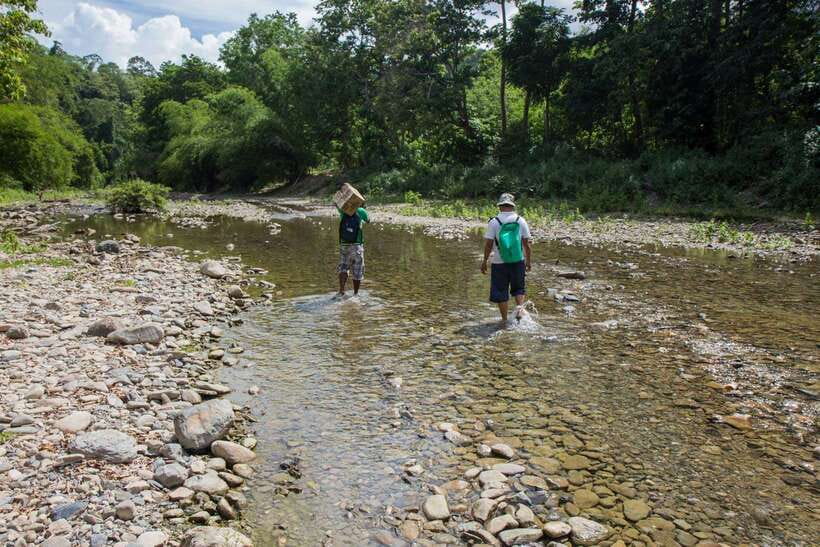
- The trek takes 75 to 120 minutes each way, depending on your group’s pace, and includes mountain paths and river crossings.
- The village visit is a look at daily life, not a guaranteed performance or formal demonstration of rituals.
- Rich and Wilson are among the guides named in positive feedback, praised for their care and explanations.
- The tour is private for your group, with a listed price of $216 for up to four people.
- Lunch is optional and not included, and one reported arrangement served lunch at a hotel near the road rather than in the village.
- Pickup covers hotels within 15 kilometers of Puerto Princesa City Airport, with English and Tagalog guiding available.
Why this Batak visit is different from a normal Palawan day out
Puerto Princesa is usually a starting point for beaches, island trips, and the Underground River. This outing points inland, toward the Batak community in Barangay Conception. That change matters. You are not spending the day looking for another scenic coast. You are using your legs, crossing water, and learning how one of Palawan’s Indigenous groups lives today.
The Batak are among the smallest Indigenous populations in the Philippines. That fact gives the visit weight, but it also calls for a respectful attitude. You are entering a living community, not a museum. Daily life may look quieter and more ordinary than you expect. That is part of the point, though it can feel disappointing if you arrive hoping for a prepared show.
I would book this for cultural interest first and adventure second. If you want a polished performance with set costumes, music, or demonstrations, this is probably the wrong choice. If you want a guided introduction to Batak life and accept that the meeting may be brief, the outing has real value.
A few more treks around the world worth a look
- Mount Etna: Trek to 3000m with cable car and 4×4
★ 4.6 · 3,823 reviews - Bali: Mount Batur Sunrise Trek With Guide and Breakfast
★ 4.8 · 3,461 reviews - From Chania: Full-Day Samaria Gorge Trek Excursion & Guide
★ 4.6 · 3,191 reviews
The morning pickup and long road to Barangay Conception
The day begins with hotel pickup in an air-conditioned van. Pickup and drop-off are included for hotels within 15 kilometers of Puerto Princesa City Airport. If you stay farther away, confirm the arrangement before paying, since the stated pickup area is limited.
The drive covers about 70 kilometers. That is a fair stretch of road for a five-hour activity, especially once the trek is included. The drive is useful because it takes you away from the city and toward the Batak Visitor Center in Barangay Conception, but it also means the schedule is compact.
Your guide handles the tour permits and entry fees, which removes some of the practical work. An English or Tagalog-speaking guide accompanies the group. Two guides named in particularly positive feedback are Rich and Wilson, who were praised for their enthusiasm, care, and explanations of Batak culture and recent history.
Because this is a private group, your pace should be easier to manage than on a large coach outing. Still, the total timing is listed as five hours, so you should not expect a leisurely day with long stops. Wear clothes you can walk in and keep your daypack light.
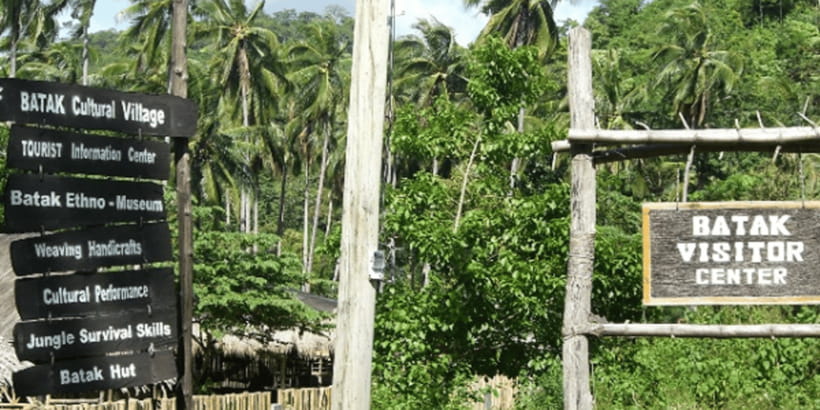
Starting at the Batak Visitor Center
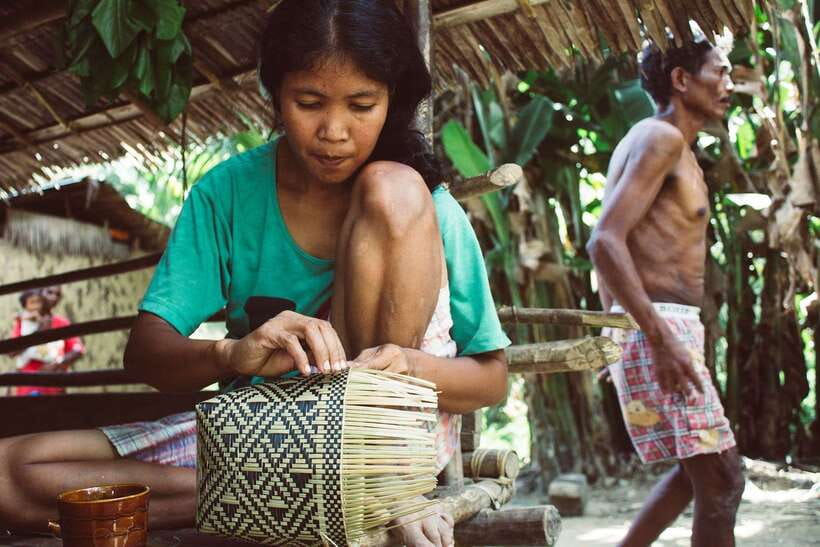
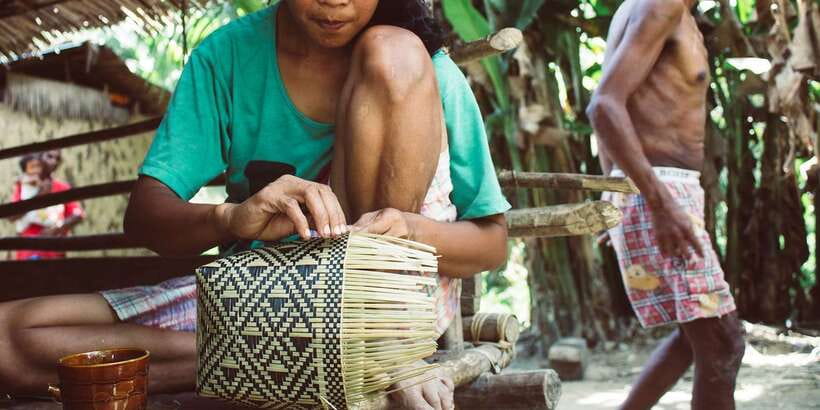
The Batak Visitor Center is your first proper stop. It provides a place to prepare for the hike and offers local products made by members of the tribe for sale. Buying something here can be a direct way to support local work, though you should look at the products and prices for yourself rather than assume every purchase is essential.
The center also helps set the cultural context before you reach the village. Your guide can explain what you are about to see and how to behave. That introduction matters because the village is a home, not a tourist attraction built for constant foot traffic.
The tour includes a token gift for the community. It contains items such as coffee, rice, sugar, and other basic needs. The gift is presented when you arrive. This is a practical gesture, and it is more appropriate than arriving empty-handed.
One point requires some flexibility. A reported visit involved buying cakes instead of presenting the expected basic goods. That does not necessarily describe every departure, but it shows why you should ask your guide what the token includes before the walk begins. The stated arrangement is a basic-needs gift, so rice, coffee, sugar, or similar supplies are more in keeping with that purpose than snacks purchased on the spot.
A 75 to 120 minute walk through the mountains
From the visitor center, you follow mountain trails toward the Batak village. The walk takes about 75 to 120 minutes, depending on how quickly your group moves. The route includes several river crossings and uneven ground, so this is not a simple stroll.
You should bring comfortable clothes and wear practical footwear suitable for wet or rough sections. The official advice only specifies comfortable clothing, but the river crossings make sensible shoes an obvious part of preparing well. Do not bring luggage or a large bag. A small daypack for essentials is the better choice, if permitted by the operator.
The physical effort is one of the strongest parts of the experience. You are not simply driven to a cultural center, shown a few objects, and returned to town. You walk through the setting where the community lives, and the route gives you time to ask questions and listen to your guide.
It can also be the hardest part. One account described the trail as exposed to strong sun with little shade. Since the route crosses mountainous terrain, heat may affect your pace. Bottled water is included, but drink regularly and tell your guide if you need a slower rhythm.
The duration range is important. A fit group moving steadily may finish closer to the shorter estimate. A group that takes care on slopes and crossings may need the full two hours. Anyone with mobility limits, a serious medical condition, or difficulty walking on uneven ground should choose another activity.
Same trailhead, a different route:
- Mount Etna: Summit Crater Trek with Cable Car
★ 4.8 · 1,875 reviews - La Palma: Tajogaite Volcano Guided Trek
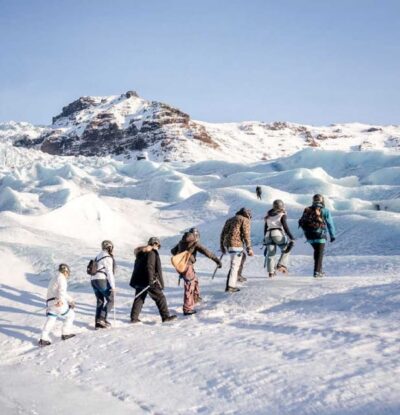
★ 4.8 · 1,810 reviews - Skaftafell: Ice Cave Tour and Glacier Hike
★ 4.5 · 1,746 reviews - Etna: summit craters trekking with volcano guide 3350mt
★ 4.7 · 1,712 reviews
Meeting the Batak community
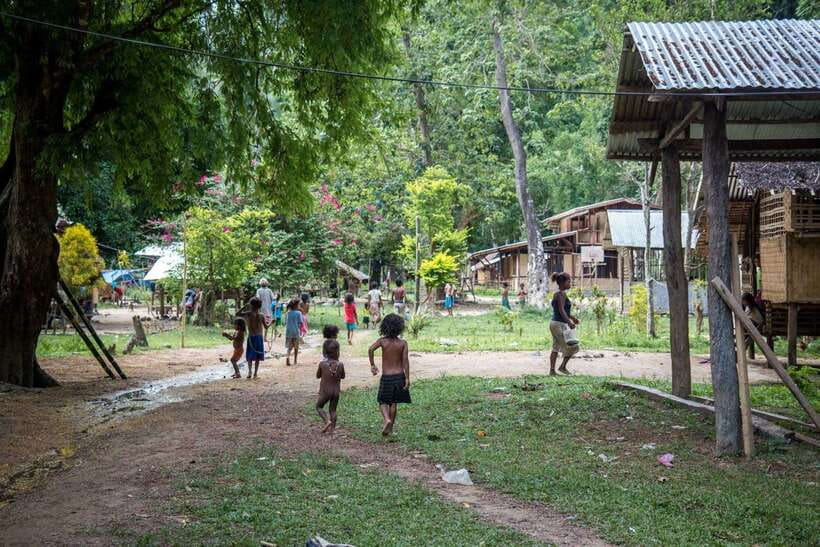
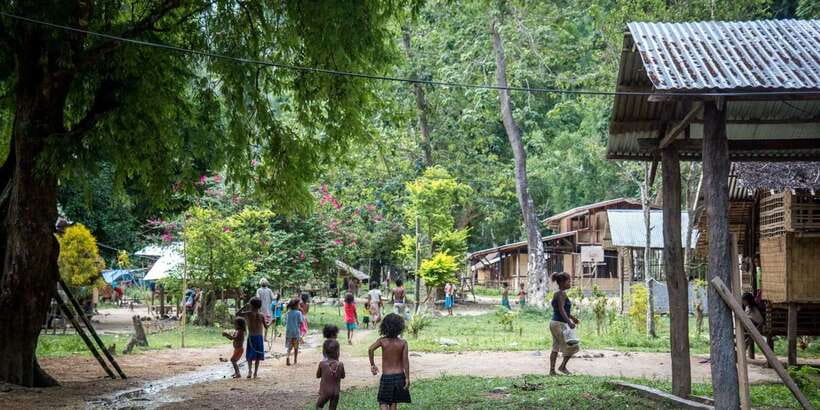
At the village, you present the token gift and say hello to the residents. The guide explains Batak traditions, customs, and daily routines. The best part of this stop is the chance to observe ordinary life and ask respectful questions through the guide.
You may be allowed to sit with villagers and watch what is happening around you. A positive account described time spent observing daily life, while another found that only about five people were present and that the children were at school. Both possibilities fit the nature of a real community visit.
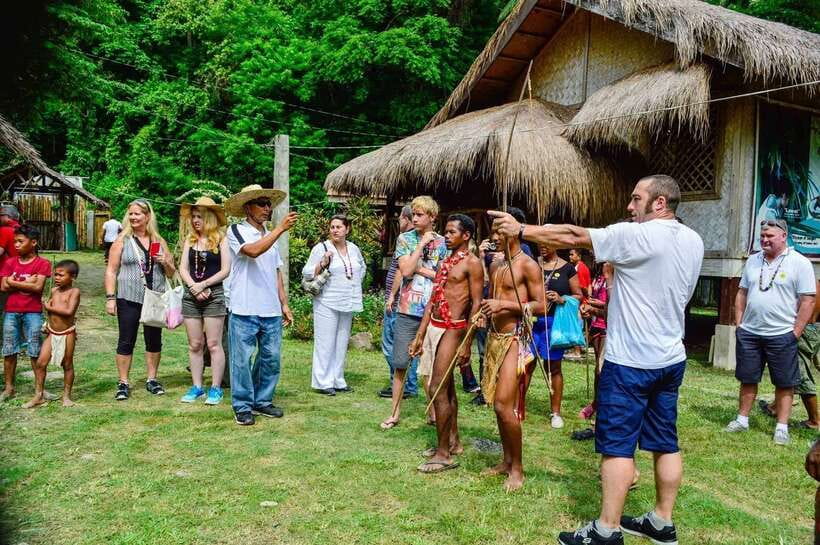
This is where your expectations matter most. Do not count on seeing a full village gathered for your arrival. Do not assume there will be a ritual, traditional clothing, archery, or a formal demonstration. None of those elements is guaranteed.
Interaction may also be limited. Language differences, the short schedule, and the natural reserve of people meeting visitors can all shape the visit. Your guide may do much of the explaining. That does not make the stop worthless, but it means the experience is closer to guided observation than to an extended personal exchange.
I appreciate that the tour presents the Batak as a living community rather than a theatrical display. At the same time, the description of the activity can lead some people to expect a more independent or isolated way of life than they actually see. Modern life, school, roads, and contact with other communities are part of the picture too.
Returning to the visitor center and Puerto Princesa
After the village visit, you retrace the route to the Batak Visitor Center. The return takes energy, especially in the heat, so leave enough water for the walk back. Once you reach the center, the van takes you back to your Puerto Princesa hotel.
The listed duration is five hours, including the drive, trek, village stop, and return. That makes this a tightly arranged half-day outing. You get a meaningful introduction, but not a long period for conversation or independent exploration.
Lunch is not included. You can choose an option that adds lunch, but the available arrangement described in the tour information is not a meal with the Batak community. One account placed lunch at a hotel near the closest road. That may be convenient after the hike, but you should not book the lunch add-on expecting a village meal.
If lunch matters to you, ask what is included and where it will be served before confirming. The standard package includes bottled water, not food.
Is $216 good value for up to four people?
The listed price is $216 per private group of up to four. If four people share the cost, that works out to $54 per person. For two people, the per-person cost is much higher, so the value depends strongly on group size.
The price covers more than transport. It includes hotel pickup and drop-off within the stated area, an air-conditioned van, a licensed guide, entry fees, permit processing, bottled water, and the community gift. You are also paying for a private arrangement rather than joining a large mixed group.
That can be fair value for a full group that wants a guided cultural outing outside Puerto Princesa. The permit work and transport are useful, and the private format gives your party more control over pace and questions.
The value is harder to defend for a small party if the village visit is brief. One dissatisfied party considered the cost too high for seeing only a few residents and receiving little direct interaction. That concern is valid. The experience is not cheap if you expect a long cultural exchange and receive only a short introduction.
I would judge the price against your purpose. If your main goal is to find an isolated village with a scheduled cultural presentation, you may feel let down. If you value the trek, the guide’s interpretation, and the chance to see a less visited part of Palawan, the fee makes more sense.
Who will enjoy this walk, and who should skip it?
I would recommend this for adults and older children who can handle a long walk in heat, uneven mountain terrain, and river crossings. It suits people who prefer a small private outing and want to spend part of their Palawan trip away from beaches and city stops.
It is also a good fit for anyone who wants cultural context rather than a standard sightseeing route. The guide’s role is important here. Rich and Wilson received praise for explaining the Batak’s background and for treating the visit with care. A good guide can help you understand what you are seeing even when the community members are not speaking directly with you.
I would not choose it for a relaxed half-day. The route may be sunny and tiring, and the total time includes a long drive. It is not recommended for pregnant women, wheelchair users, people with mobility impairments, or people with serious pre-existing medical conditions.
You should also skip it if you need a guaranteed schedule of performances. There may be no ritual, costume display, archery activity, or large gathering. The people you meet may be few, and children may be away at school.
Free cancellation up to 24 hours before the start gives you some flexibility, and you can reserve now and pay later. Still, the bigger decision is not the booking policy. It is deciding if an unscripted community visit matches your idea of a good cultural experience.
What to bring and how to prepare
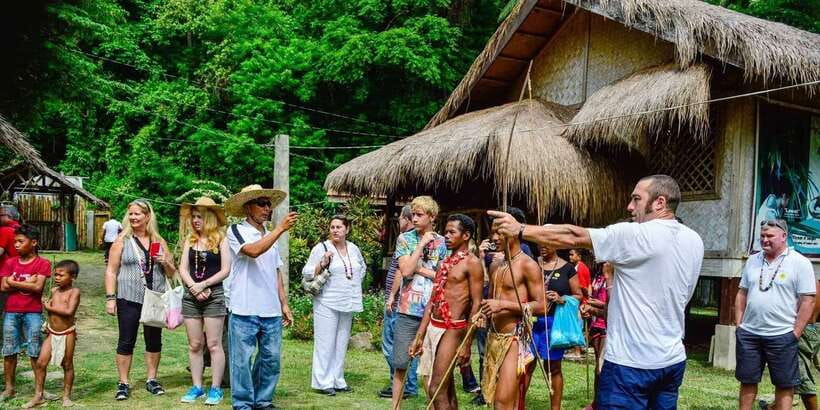
Keep your clothing light and comfortable. The walk can be hot, and one account found little shade along the route. A small amount of sun protection and water-friendly footwear would be sensible, while still following the operator’s instruction not to bring luggage or large bags.
Ask your guide about the gift before leaving the visitor center. The planned token includes coffee, rice, sugar, and other basic goods. Clarifying this avoids confusion over whether you will need to buy an extra item locally.
Plan to listen more than you speak. Avoid treating the village as a photo stop, and let the guide explain when and how to interact. Since the community visit is not a performance, patience is part of being a respectful visitor.
Should you book the Batak trek?
Book it if you want a private, active introduction to Batak culture and you are comfortable with uncertainty. The mountain walk, river crossings, guide-led explanations, and chance to observe daily life make this more substantial than a quick cultural display.
Think twice if your priority is a long conversation, a formal ceremony, traditional costumes, or a guaranteed group of villagers waiting for you. The village may be quiet, the visit may be brief, and the heat can make the route demanding.
For four people sharing the $216 group price, I think it is a reasonable choice for a half-day outside Puerto Princesa. For one or two people, I would ask detailed questions about the gift, lunch, expected walking conditions, and village visit before booking. Go with realistic expectations, and this can show you a part of Palawan that most beach-focused itineraries miss.
FAQ
How long does the Batak trek take?
The hike from the Batak Visitor Center to the village takes about 75 to 120 minutes, depending on your group’s pace. The full activity lasts about five hours.
Where does the tour leave from?
Hotel pickup and drop-off are included for hotels within 15 kilometers of Puerto Princesa City Airport. The tour then travels about 70 kilometers to the Batak Visitor Center in Barangay Conception.
Is lunch included?
Food is not included in the standard activity. A lunch option is available, and the meal described in the tour information is served at a hotel near the closest road.
What languages does the guide speak?
Guiding is available in English and Tagalog.
Is this a private tour?
Yes. The experience is offered as a private group activity, with a listed price of $216 for up to four people.
Who should not take this tour?
The activity is not recommended for pregnant women, wheelchair users, people with mobility impairments, or people with serious pre-existing medical conditions.
Just added around the world
- Everest Base Camp Trek★ 5.0 · 3 reviews
- Everest Base Camp Trek★ 5.0 · 7 reviews
- 15 Days Private Everest Base Camp Trek★ 5.0 · 30 reviews
- 14 Days of Adventure Trekking to Everest Base Camp★ 5.0 · 2 reviews
- 14-Day Everest Base Camp Trek★ 5.0 · 20 reviews
- Everest Base Camp Trek★ 5.0 · 57 reviews
- From Kathmandu: Private 14-Day Everest Base Camp Trek★ 5.0 · 20 reviews
- 14 Days Everest Base Camp Trek★ 5.0 · 4 reviews
Trekking Tours, compared.
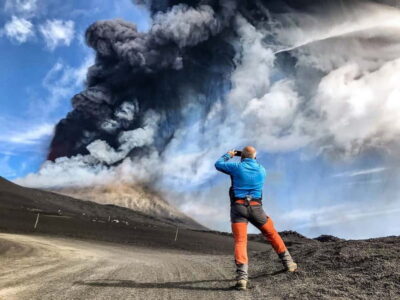
Mount Etna: Trek to 3000m with cable car and 4×4
Read our review →
Mount Batur Sunrise Trek With Guide and Breakfast
Read our review →
Full-Day Samaria Gorge Trek Excursion & Guide
Read our review →
Mount Etna: Summit Crater Trek with Cable Car
Read our review →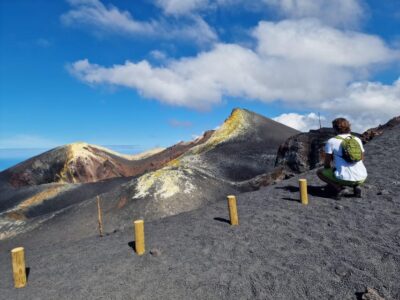
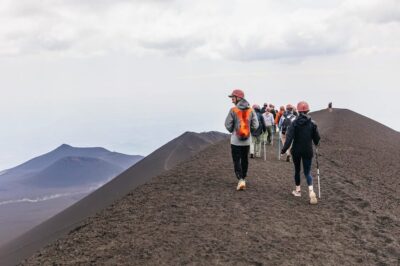
Etna: summit craters trekking with volcano guide 3350mt
Read our review →