
Review · POKHARA
From Pokhara: 5-Day Mardi Himal Base Camp Trek
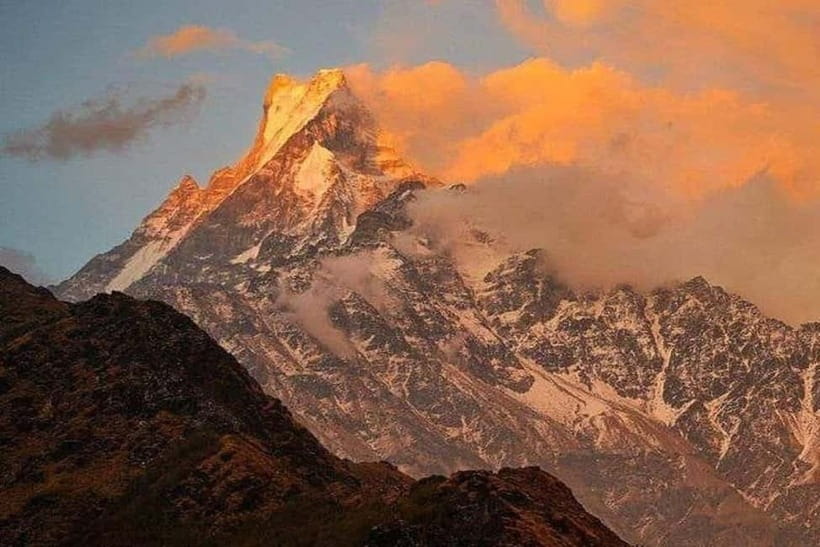
Mardi Himal gives you close-up mountain scenery without the crowds of Nepal’s best-known routes. In five days, you walk from Kande through rhododendron forests and small villages to High Camp, then reach the base camp for sunrise views of Mardi Himal, Machapuchre, and the Annapurna range. The mountain views are the main event, but the quiet trail and local stops give the trek its character.
I like the private-group format, since your guide can adjust the pace and offer extra help on steep sections. I also like the practical package: permits, tea-house stays, guide costs, transport, a first-aid kit, luggage storage in Pokhara, and some trekking gear are covered. The main catch is that the trek is not a casual walk. The first two days are the hardest, and meals may cost extra depending on the option you book.
Key points at a glance
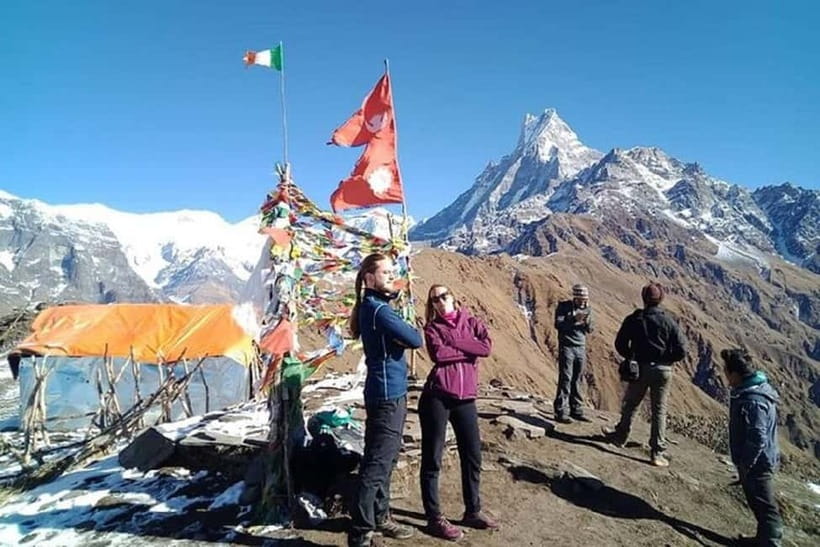
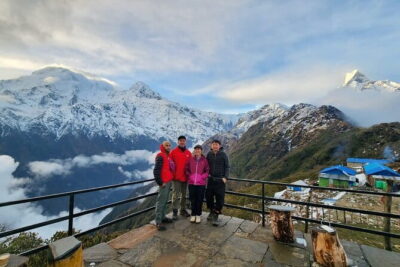
- Sunrise at Mardi Himal Base Camp: Reach the high viewpoint on day four for broad views of Mardi Himal, Machapuchre, and the Annapurna range.
- A quieter route from Kande: Walk through Australian Camp, Pothana, rhododendron woods, and mountain settlements instead of following a busier classic circuit.
- Experienced guide support: English, Hindi, and Nepali-speaking guides are available, with Santosh and Sun-Bahadur Nepali receiving especially warm praise for patient, helpful service.
- Five days with a private group: The schedule leaves useful rest time after some walks, though the climb to High Camp still demands good fitness.
- Useful inclusions: Permits, TIMS fees, tea-house lodging, guide expenses, transport, Pokhara luggage storage, and a first-aid kit are included.
- Budget carefully for food: Meals are included only with the selected package. If you buy food along the way, carry enough Nepalese cash.
Why Mardi Himal works so well for a short Himalayan trek
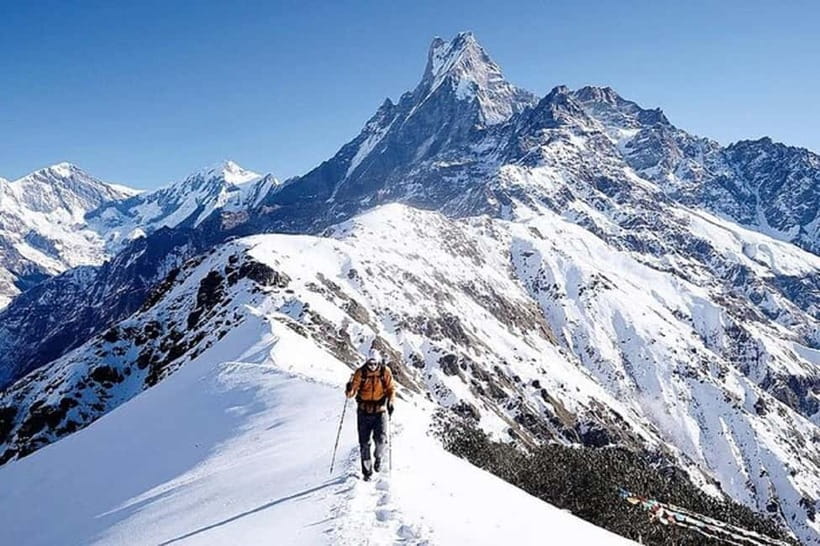
Mardi Himal is a good choice if you want a serious mountain walk but have only five days. The route climbs steadily from the road near Pokhara, passes through forest and village country, and ends high above the tree line with a close view of the major peaks.
The route is appealing because it changes character each day. At the start, you walk among trees and settlements. Higher up, the forest opens to wide mountain views. By High Camp, the feeling is more exposed and alpine, with the peaks seeming much closer than they do from Pokhara.
I especially like the contrast between the quiet trail and the strong mountain payoff. You are not spending every day on a long road journey or in a large group. You are walking, eating in simple lodges, and staying in places that feel tied to the route.
Still, this is not an easy sightseeing trip. One visitor with a knee problem completed it, but that does not mean the route is suitable for everyone. You should be in good health, reasonably fit, and ready for long uphill and downhill sections. Hiking poles can help, especially on the descent.
More Mardi Himal Treks in Pokhara:
- Pokhara: 4-Day Mardi Himal Trek
★ 4.9 · 59 reviews - Private Mardi Himal Trek
★ 5.0 · 42 reviews - From Pokhara: 4-Day Mardi Himal Base Camp Trek
★ 4.9 · 31 reviews
Day one: Kande to Pitam Deurali through Australian Camp
Your vehicle picks you up in Pokhara, at Pokhara International Airport, or along Lakeside Road 6. The first drive takes you to Kande, where the walking begins.
The route passes through Australian Camp and Pothana before continuing to Pitam Deurali. The day includes about four hours of hiking, with lunch along the way. Rhododendron forest and mountain village scenery make this a pleasant introduction, but do not underestimate the effort. The first two days are often the more demanding part of the trek.
Australian Camp is a useful early viewpoint and a good place to appreciate how quickly the route leaves the city behind. Pothana adds a village stop before the trail continues through the forest. At Pitam Deurali, you spend the night in a simple tea house or lodge.
The accommodation is practical rather than luxurious. Tea houses are part of the appeal, but you should expect basic rooms and mountain lodging, not hotel comforts. Bring warm layers, since temperatures can change sharply after sunset.
Day two: The long forest walk to Low Camp
After breakfast, you continue through forest and small settlements to Mardi Himal Low Camp. The walking time is listed at about six hours, making this the longest stated hiking day of the route.
This is where a steady pace matters. The rhododendron woods offer shade and good scenery, but the upward route can feel tiring after the first day. Your guide can help manage breaks and point out local features as you go.
Lunch is taken along the trail, then you continue to Low Camp for the night. The stop marks a clear change in the trek. You are gaining height, the air feels cooler, and the views begin to open more often through the trees.
A private group is useful here. If you are slower than the rest of your party, a guide can help keep the day comfortable rather than turning it into a race. One family group particularly valued the patient help of Sun-Bahadur Nepali and his daughter, Niva Nepali, including assistance with day packs on the downhill sections.
Day three: Low Camp to High Camp and the upper trail
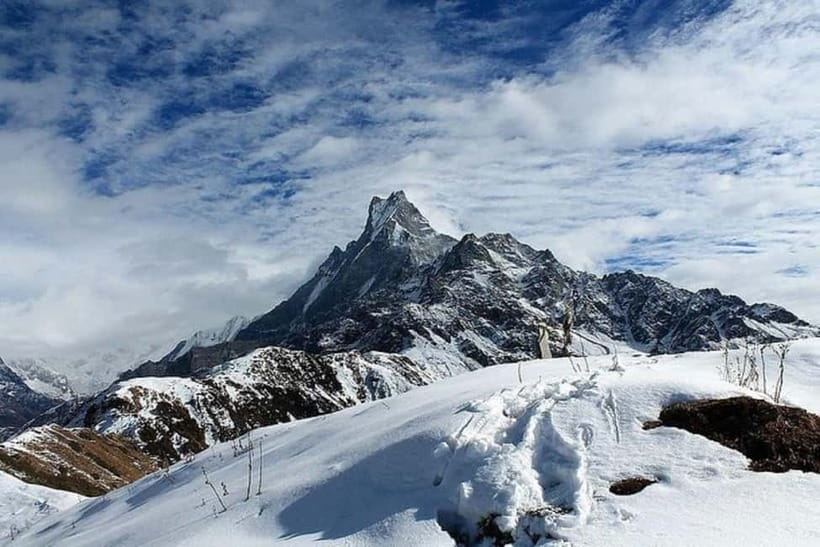
The third day takes you from Low Camp to High Camp, with about four hours of hiking. You continue uphill through changing scenery, with lunch along the route.
High Camp is the final settlement area on this trail. That detail matters because you need to arrive prepared for the base camp morning. Once you leave High Camp, you should not expect another village or lodge for food, warmth, or supplies.
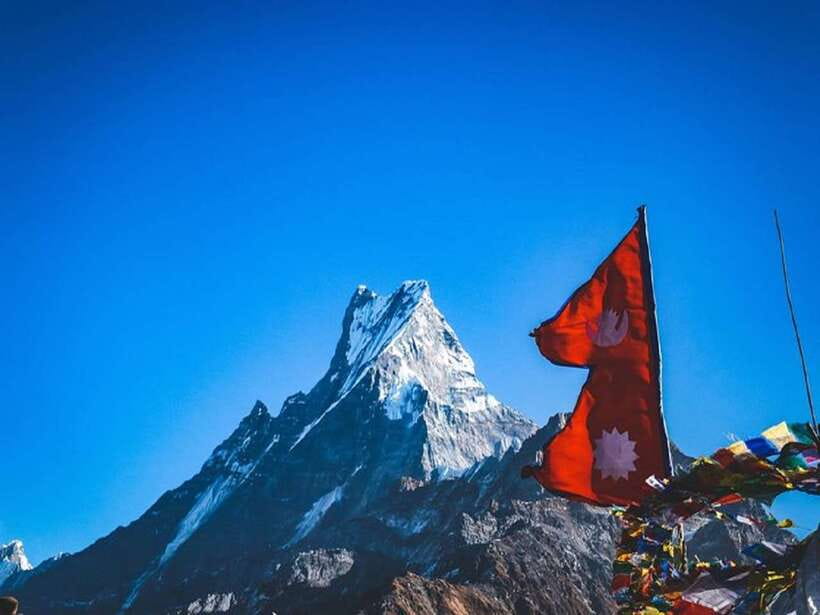
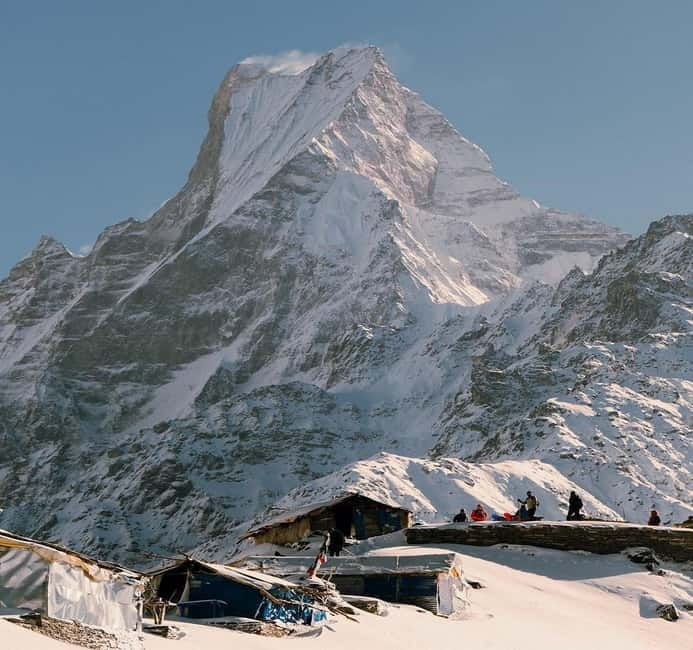
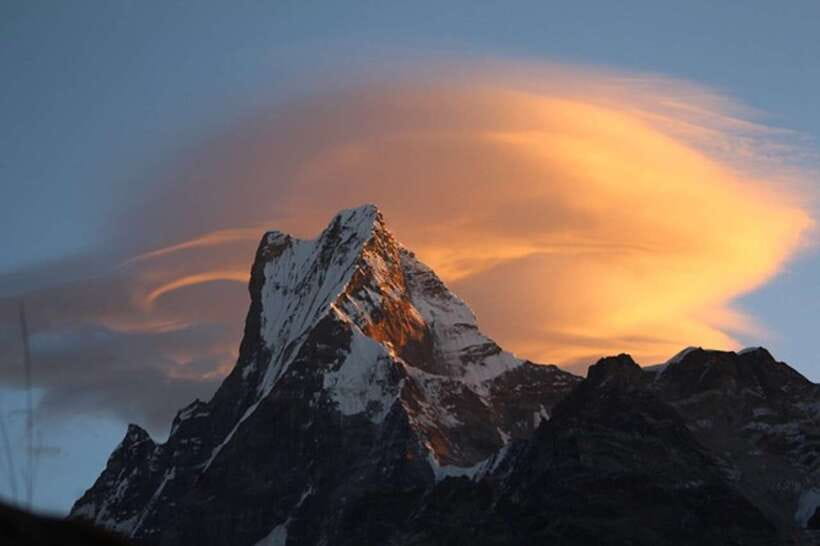
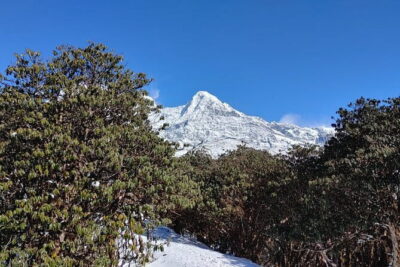
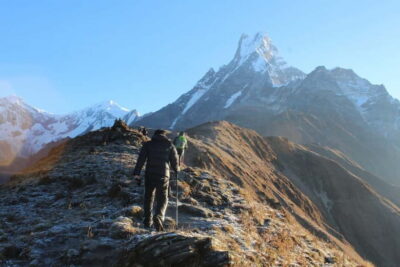
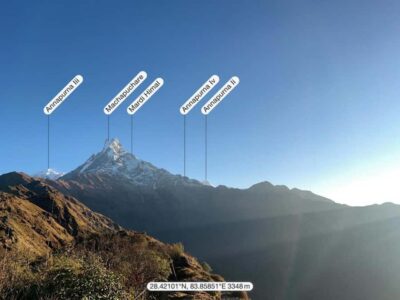
The route above the forest feels more open and exposed. The views of the Annapurna range and Machapuchre become the reason to stop often, not just a reward at the end. Machapuchre, also called Fishtail Mountain, is one of the defining sights of this trek.
The overnight stay at High Camp also breaks up the altitude gain. You are not trying to go from Pokhara to base camp in one push. Even so, the higher elevation and cold can affect you. Pack a warm jacket, comfortable clothing, and any medication you normally need. Travel insurance is mandatory, and emergency rescue services are available if required.
A few more treks around Pokhara worth a look
- Kathmandu/Pokhara: 5-Day Annapurna Base Camp (ABC) Trek
★ 4.9 · 72 reviews - Pokhara: 5 Day Annapurna Base Camp Trek & Natural Hot Spring
★ 4.9 · 44 reviews - From Pokhara: 5-Day Annapurna Basecamp Trek with Hot Springs
★ 4.9 · 26 reviews - Pokhara: 5-Day Ghorepani and Poon Hill Private Trek
★ 5.0 · 4 reviews
Day four: Sunrise at Mardi Himal Base Camp
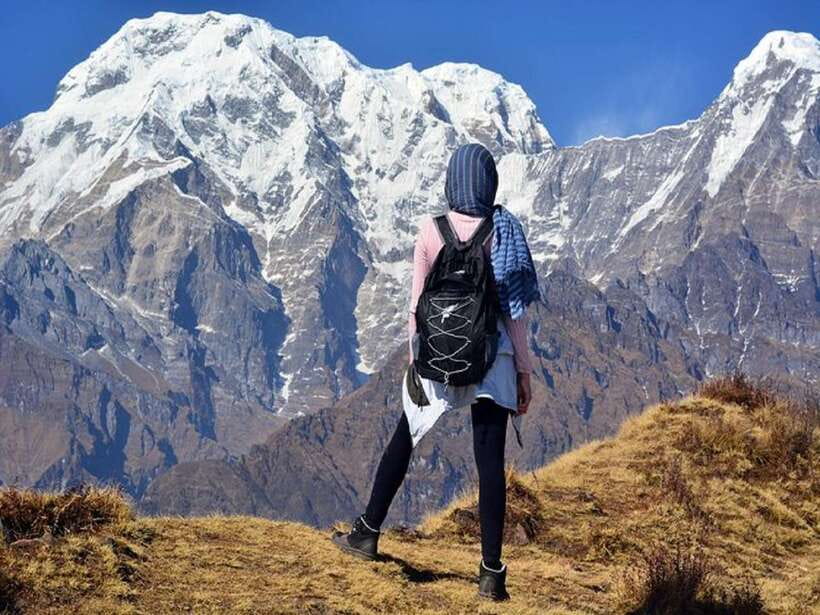
Day four is the high point of the trip. After breakfast, you walk toward Mardi Himal Base Camp. The stated hiking time for the outward section is about three hours, followed by time at the viewpoint and a return toward Low Camp.
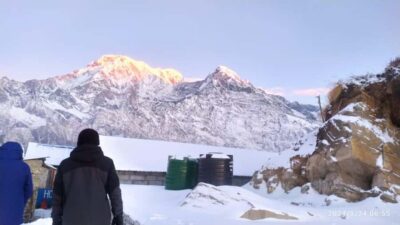
The early start is important because sunrise is one of the central reasons to choose this itinerary. In clear weather, the light reaches across the Annapurna range and highlights Mardi Himal and Machapuchre. Conditions in the mountains can change quickly, so clear views are never guaranteed, but the morning timing gives you the best chance.
The base camp section is not only about taking photographs. It is the moment when the trail’s steady climb makes sense. You have moved from warm forest to a high mountain viewpoint where the peaks feel remarkably close.
After spending time at the base camp, you retrace your route and continue down to Low Camp for the night. This makes day four more substantial than the three-hour ascent suggests. The mountain walk may finish earlier than expected for some people, leaving time to rest after lunch, but your legs still have to handle the return.
The descent can be hard on knees. Use trekking poles if you have them, take measured steps, and listen to your guide. A visitor who completed the route with a knee problem recommended hiking poles, and that is practical advice for anyone concerned about downhill walking.
Day five: Sidding, Lumre, and the drive back to Pokhara
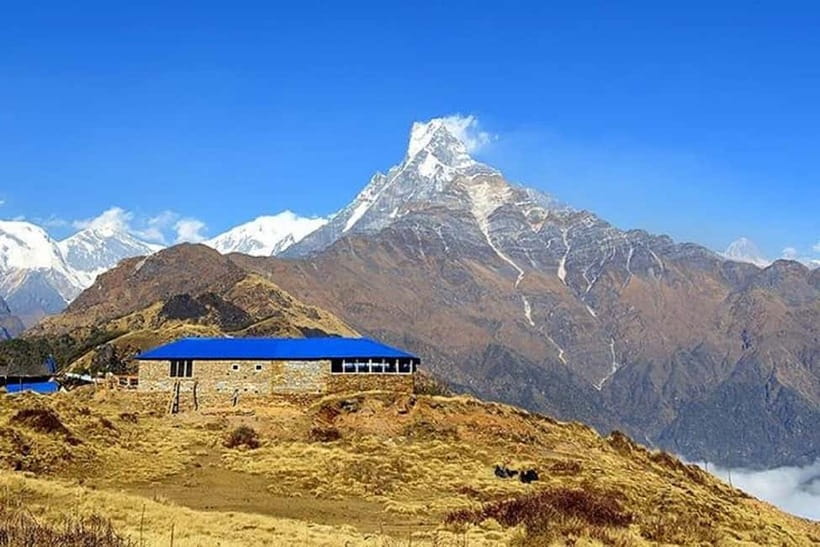
The final day begins with breakfast and a descent toward Sidding. After lunch, you continue hiking to Lumre, where your vehicle collects you for the return to Pokhara.
The itinerary lists about five hours of hiking for this day. Descending can feel easier on your lungs than climbing, but it still puts pressure on your knees and ankles. Good shoes are important, and you should not pack more than you need.
The route includes the Lumre canyons and the Lwang Ghalel area. These lower sections bring you back toward village life and warmer conditions. The change is a fitting end to the trek, taking you from high mountain country to the road and then back to Pokhara.
There may be time for local encounters after the main walking is done. One guide, Santosh, took a group to Lwang village, where they watched a volleyball tournament and shared a barbecue with local people. That kind of unscheduled stop depends on timing and local activity, so do not treat it as guaranteed, but it shows why a private guide can add value beyond simply following the trail.
Guides, porters, and the human side of the trek
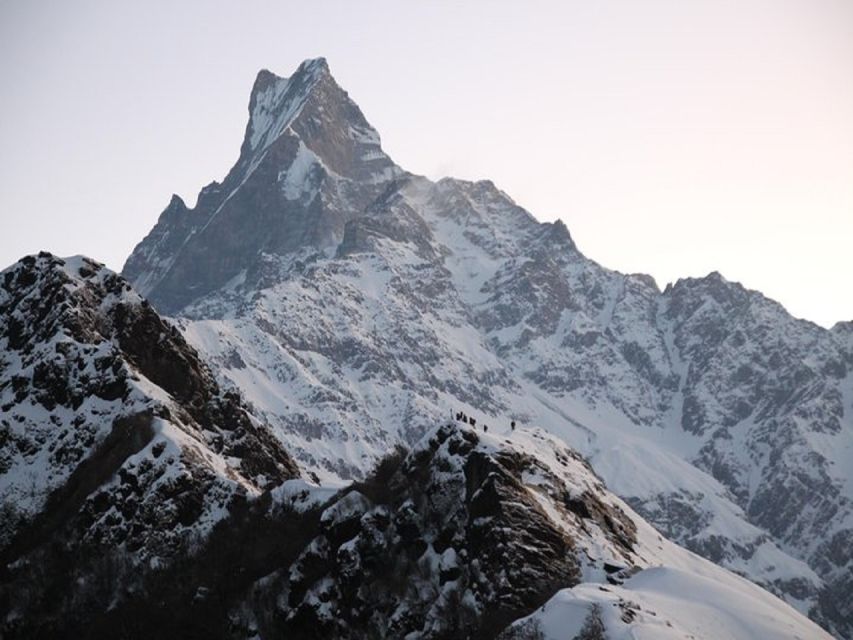
The guide is central to this experience. The package provides a government-certified English-speaking trekking guide, and guides can also speak Hindi and Nepali. The guide’s salary, meals, accommodation, transport, insurance, and equipment are covered.
Santosh is specifically noted for fluent English, a friendly manner, and practical care. He bought fruit for one group to eat during the walk and invited another group for dal bhat at his home after the trek. Those details suggest the guide relationship can become a meaningful part of the trip, not just a safety arrangement.
Sun-Bahadur Nepali and Niva Nepali are another named team associated with the trek. Their help with food, backpacks, trail choices, and slower walking speeds was especially valued. If you want a porter, one is available for an additional $20 per day. That may be worthwhile if you prefer to carry only a day pack, particularly on the steep descent.
Ask in advance exactly what the porter will carry and how the fee applies. The supplied information confirms the daily price, but it does not spell out porter limits or group arrangements.
What the $181 price really covers
At $181 per person, the trek offers solid value if you want the main logistics handled. Transport to the trailhead and back to Pokhara, permits, TIMS fees, guide expenses, tea-house accommodation, taxes, and a first-aid kit are included.
You can also store luggage in Pokhara, which saves you from carrying city clothes and extra belongings up the trail. Trekking poles and a sleeping bag are available as needed, another useful saving if you do not own suitable gear.
Food needs careful attention. The details say meals are included depending on the option selected, while the not-included section says meals may be purchased along the route. Check the exact booking choice before paying. One practical calculation from the trip is that self-funded meals may work out cheaper, but you then need enough cash for food, tea, and snacks.
This is one area where a lower headline price can become less simple. If meals are included, budgeting is easier. If not, buying as you go gives you more choice and may cost less, but mountain supplies are not priced like food in Pokhara.
Who should book this trek?
You should consider this trek if you want:
- A five-day private trek from Pokhara
- Strong mountain views without committing to a much longer route
- A guide who can help with pace, permits, and trail decisions
- Simple tea-house stays rather than camping
- A route that combines forest, villages, and high viewpoints
- A manageable first multi-day trek, provided you are reasonably fit
It suits people who enjoy walking for several hours a day and do not mind basic accommodation. It can also work for first-time trekkers. One first-time multi-day trekker completed the route despite a knee problem, but you should not use that as a guarantee that the route will feel easy.
You may want a different trip if you dislike steep descents, cold high-altitude mornings, or carrying cash for food. You may also find the five-day pace slower than necessary if you are an experienced trekker. Some strong walkers could complete the route in four days, and possibly three, but the five-day plan gives you more recovery time and reduces the need to rush.
Packing advice for changing mountain temperatures
Bring comfortable hiking shoes, a warm jacket, comfortable clothing, a hat, trekking gear, cash, and a camera. A hair tie is also listed, useful if you have long hair and are walking in wind or sun.
Pack for two climates. Lower sections can feel warm, while High Camp and the base camp morning can be very cold. Layering is more useful than carrying one heavy item because you can adjust as the temperature changes.
A sleeping bag and trekking stick can be provided if needed. Even so, confirm availability before departure. Carry personal medication and any essential items yourself. Diamox was recommended by one visitor, but medication decisions should be discussed with a qualified medical professional rather than copied from someone else.
You must submit a passport copy at least one day before the trek so the permits can be arranged with the Government of Nepal. Travel insurance is mandatory, and it should cover trekking and emergency rescue.
Booking details worth checking before you pay
This is a private-group activity with optional pickup from your hotel lobby. The available pickup points include Pokhara Lakeside, Pokhara International Airport, and Lakeside Road 6, with the same areas available for drop-off.
The activity offers free cancellation up to 24 hours before the start and a reserve-now, pay-later option. Starting times depend on availability, so confirm the departure time and pickup point before the trek.
Also confirm four details in writing:
- Whether meals are included in your selected price
- Whether the group has a porter and what the porter fee covers
- Which trekking gear is available for your dates
- The exact High Camp to base camp schedule and return timing
Those questions are simple, but they prevent the most likely surprises.
Should you book the Mardi Himal Base Camp trek?
I would book this trek if you want a short, well-supported Himalayan route with a strong mountain finish. The views of Machapuchre and the Annapurna range, the sunrise walk to base camp, and the quieter forest sections give the five days a satisfying shape.
The $181 price is appealing when you value included transport, permits, guide costs, lodging, and luggage storage. Just check the meal option and plan for personal spending. You should also be honest about your fitness, since the six-hour second day and repeated descents are real work.
Choose this trip for the guide support, private format, and mountain scenery. Skip it if you want a soft holiday with no steep walking. For a fit visitor who wants a first or relatively short Nepal trek, Mardi Himal offers a memorable balance of effort, scenery, and local contact.
FAQ
How long is the Mardi Himal Base Camp trek?
The trek lasts five days, starting and ending in Pokhara.
Where can I be picked up?
Pickup is available from Pokhara Lakeside, Pokhara International Airport, or Lakeside Road 6. Hotel-lobby pickup can also be arranged before the scheduled time.
Where does the walking begin?
The vehicle takes you to Kande, where the trek begins. The first route passes through Australian Camp and Pothana before reaching Pitam Deurali.
Where do I sleep during the trek?
You stay in simple tea houses or lodges along the route, including Pitam Deurali, Low Camp, and High Camp.
Is food included?
Meals are included only with the selected option. If your booking does not include meals, you can purchase food along the route. Check the exact option before booking and carry enough cash.
Is a porter available?
Yes. A porter can be hired optionally for $20 per day.
What languages does the guide speak?
Guides are available in English, Hindi, and Nepali.
Do I need travel insurance?
Yes. Travel insurance is mandatory, and emergency rescue services are available if required.
What should I send before the trek?
You need to provide a copy of your passport at least one day before departure so the required permits can be arranged with the Government of Nepal.
Just added around Pokhara
- Pokhara: Sarangkot Sunrise & Panoramic Annapurna View Tour★ 4.8 · 10 reviews
- Pokhara: Majestic Mardi Base Camp Guided Trek with HotSpring★ 5.0 · 6 reviews
- Pokhara: Bungee Jumping Experience Near Annapurna★ 5.0 · 9 reviews
- Pokhara: Annapurna Day Hike with Panoramic Views★ 4.3 · 7 reviews
- Pokhara: 9-Day Annapurna Base Camp Trek with Poon Hill★ 5.0 · 6 reviews
- Pokhara: 7-Day Annapurna Base Camp Trek & Hot Spring★ 4.0 · 3 reviews
- Pokhara: 5-Day Ghorepani and Poon Hill Private Trek★ 5.0 · 4 reviews
- Pokhara: 5-Day Trek to Annapurna Base Camp and Hot Springs★ 5.0 · 4 reviews
Mardi Himal Treks, compared.
Pkr. Backpacker Group Dep.: 4 Day Mardi Himal Base Camp Trek
Read our review →Browse the lists this trek appears in