
Review · SAPA
From Sapa: 2 Days 1 Night Trek Over Night At Homestay
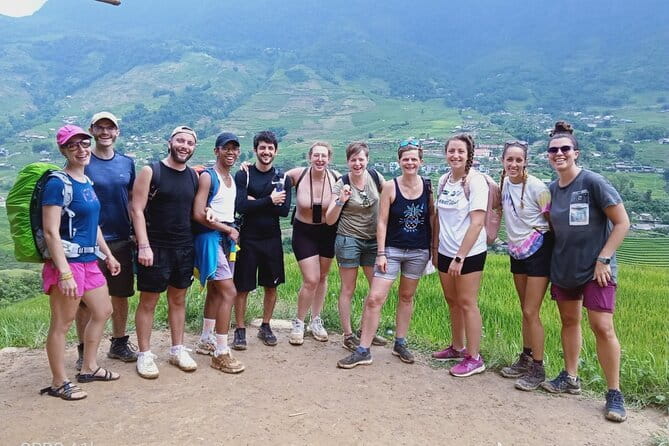
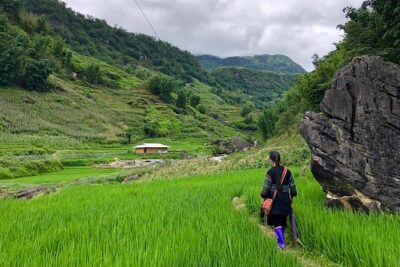
Sapa’s best feature is not the town itself, but the walk down into the Muong Hoa Valley, where rice terraces, mountain streams, and ethnic villages unfold below the Hoang Lien Son range. This two-day route gives you time to see several villages instead of rushing through one short hike, then spends the night in Ta Van.
I like the mix of scenery and local contact. You walk through Y Linh Ho, Lao Chai, Ta Van, and Giang Ta Chai, then make fried spring rolls with your hosts. I also like the private room at the homestay, since you get a more local stay without giving up all privacy.
The main thing to consider is the walking. Day one includes several hours on village paths, and day two adds a six-kilometre walk through the Red Dao villages. Transport can also be bumpy, and the schedule leaves little room for delays.
Key points to know before booking
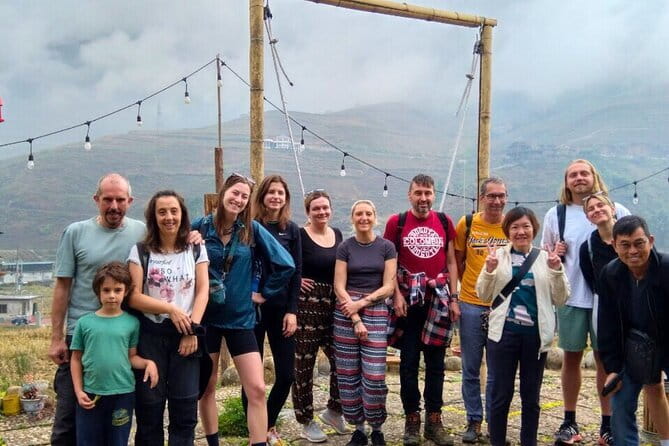
- Muong Hoa Valley is the star: Rice terraces, streams, and Hoang Lien Son mountain views shape both days.
- Four village areas are included: The route reaches Y Linh Ho, Lao Chai, Ta Van, and Giang Ta Chai, with Supan as the final stop.
- The overnight stay is in Ta Van: You sleep in a private room at a local homestay among Hmong and Giay communities.
- Mao Co is a highly praised guide: Her English, local stories, and explanations of village heritage have earned especially strong praise.
- Meals are part of the package: Dinner, breakfast, and lunch are included, while drinks are extra.
- The group is capped at 15: That is small enough for a personal guide, though not a private tour.
Why two days works better than a quick Sapa walk
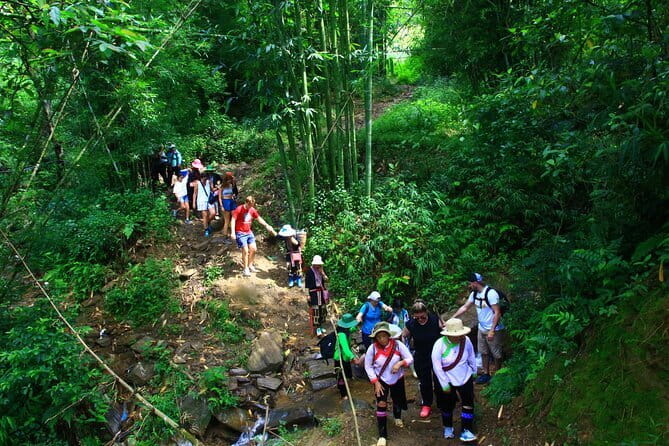
Sapa is often sold through dramatic mountain views, but a short outing can feel like a photo stop with a little walking attached. This trip gives you a fuller route and a night outside town. That overnight matters because Ta Van feels more like a lived-in village than a sightseeing platform.
At $55 per person, the price is strong for a two-day trip. You receive a local English-speaking guide, entrance fees, dinner, breakfast, lunch, transport back to Sapa, and a private homestay room. Drinks are not included, and the listing specifies lunch as included twice, while the schedule clearly describes lunch on the second day. I would confirm the exact meal count before paying if that detail matters to you.
The tour generally runs with up to 15 people. That keeps the cost down and lets you meet others, but it also means the walking speed and comfort stops may be set by the group. For a private pace, this is not the right product. For a good-value introduction to Sapa’s valley villages, it makes sense.
More Homestay Treks in Sapa
- Number one top rated ethical cultural trekking and homestay by ETHOS
★ 5.0 · 456 reviews - Sa Pa: 2-Day Trekking Trip with Ethnic Minority Homestay
★ 4.7 · 145 reviews - Sapa : 2-Day Trek & Heartwarming Homestay with an Ethnic Family
★ 5.0 · 143 reviews
8:00 a.m. pickup from Sapa town
The day begins with pickup between 8:00 and 8:30 a.m. at Sa Pa Retreat Condotel, or at another pre-arranged meeting point in Sapa town. The first transfer is short, and the walk begins soon after.
This early start gives you a useful full day on the trail. It also means you should eat beforehand if you need more than a light breakfast, since the first scheduled meal is later in the day. The tour includes mobile ticketing and confirmation at booking, so the meeting arrangement should be clear before departure.
Transport is part of the practical trade-off. The return journey to Sapa is by bus, and the ride may feel rough on mountain roads. Bring water and keep valuables secure. The trip is not designed around luxury transport, but around getting you to the walking route at a low price.
Y Linh Ho and the first view of Muong Hoa Valley
Y Linh Ho is the first major stop, reached around 8:30 a.m. The village sits along Muong Hoa Valley, below the Hoang Lien Son mountain range. Terraced fields, streams, and mountain views set the tone for the trip.
You have about two hours here, which gives the guide time to lead you through the area rather than simply point from a roadside. The terraces are the main visual reward, especially when the fields hold water or crops. Their appearance changes with the farming season, so the exact colors and textures will depend on when you visit.
This is proper walking country, not a paved attraction. Paths can be uneven, and the route is more enjoyable if you bring shoes with a firm grip. The tour description says most people can take part, but that should not be confused with an effortless stroll. You need to be comfortable walking between villages for several hours.
Lao Chai, where several cultures meet

Around 10:30 a.m., the route continues to Lao Chai. The village is home to Black Hmong, Red Dao, and Giay communities, and the guide provides context as you walk through the area.
Lao Chai gets roughly three hours, making it one of the more substantial stops. That time is valuable because you can pay attention to daily village life, terrace farming, and the relationship between the settlements and the mountains. A good guide makes a real difference here. Mao Co is especially associated with this tour, and her English, local stories, and explanations of village heritage have been repeatedly praised.
You should keep your expectations grounded. This is a working village, not a museum built for visitors. The experience is strongest when you listen and observe rather than treat every home or person as a photo subject. The local setting is the point, and respectful behavior will help keep it that way.
Same trailhead, a different route:
- Sa Pa: Muong Hoa Valley Trek and Local Ethnic Villages
★ 4.6 · 864 reviews - Sapa: Eco Adventure Terrace Fields and Local Villages Trek
★ 4.9 · 636 reviews - From Sapa: 1-Day Guided Trek to Lao Chai & Ta Van with Lunch
★ 4.9 · 416 reviews - Sa Pa Full Day Trekking Tour
★ 5.0 · 414 reviews
Ta Van Village and a night at a local homestay

Ta Van is about eight kilometres from Sapa town and sits with the Hoang Lien Son range behind it and the Muong Hoa stream in front. It is the overnight base, and the village is described as home to Hmong and Giay communities.
The homestay gives the trip its most distinctive feature. You are not simply returning to a hotel in Sapa after the hike. You spend the evening in the valley, sleep in a private room, and share a meal in the village. A private room is a useful middle ground: you get more privacy than a dormitory-style homestay while still staying in a local home.
At about 5:30 p.m., you take part in a cooking class and make fried spring rolls. This is a simple activity, but it gives the evening some shape after the walk. At 7:00 p.m., dinner is served, followed by a chance to try local rice wine. Drinks beyond the included meals cost extra, so bring some Vietnamese currency if you want refreshments.
The homestay is not presented as a resort. That is part of its appeal, but it also means you should expect a basic local stay rather than hotel-style facilities. The exact room arrangement and amenities are not specified, so ask the operator if you need a particular standard of comfort.
Day two through Giang Ta Chai
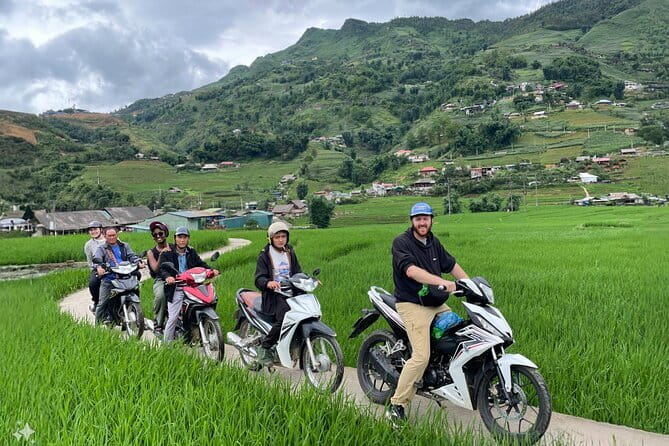
Breakfast is served between 8:00 and 9:00 a.m., followed by checkout. The second day begins at a relaxed hour compared with the first, but it is still another walking day.
Around 9:15 or 9:30 a.m., the guide takes you toward Giang Ta Chai Village. The route covers six kilometres and visits two Red Dao villages, with Giang Ta Chai as the named stop. This section gives you another side of the valley and avoids making the trip a one-village repeat.
The second day is useful for people who want more than the classic Y Linh Ho and Lao Chai route. It also demands energy. You have already walked on day one, so proper shoes, water, and a sensible pace matter. The group size can affect the rhythm, especially if some people walk much faster than others.
Because the tour includes a local guide, the walk is not just route-finding. The guide can explain the communities and heritage along the way. Mao Co has been particularly well liked for her clear English and storytelling, though your assigned guide may be someone else.
Supan and the return to Sapa
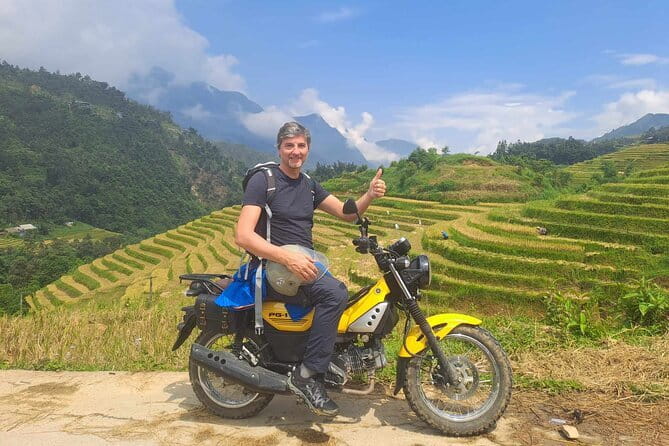
At noon, the final destination is Supan Village, followed by lunch at a local restaurant. A bus collects the group at about 1:00 p.m., and arrival back in Sapa is scheduled for roughly 1:30 to 2:00 p.m.
That return time is convenient if you need to continue your Vietnam itinerary, but I would avoid booking a tight onward connection. Mountain roads and group departures can add delay, and the ride itself may be bumpy. Give yourself a buffer if you have a train, bus, or other fixed booking.
The tour ends back at the meeting point in Sapa. Pickup and return transport make the package easier than arranging separate village transfers, especially if you do not speak Vietnamese or want to negotiate local transport yourself.
Guide quality and the value of local knowledge
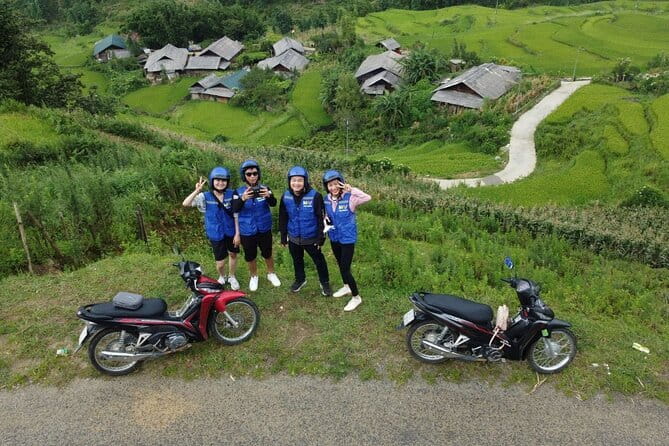
The guide may be the most important part of this experience. The route itself is scenic, but a walk through terraces and villages can become a string of views without explanation. A local English-speaking guide adds meaning to the communities, farming areas, and cultural differences along the way.
Mao Co receives the strongest praise connected with this trip. Her English is described as excellent, and she is noted for explaining local heritage, sharing stories, and even showing visitors her home. Those details turn the walk into a personal encounter rather than a standard route.
You should still allow for variation. Guides are assigned according to availability, and the information provided does not promise Mao Co specifically. The package does promise a local English-speaking guide, which is the key point to look for when comparing similar Sapa walks.
What the $55 price really covers
The $55 cost is good value if you want transport, meals, guiding, and a night away from Sapa in one booking. Paying separately for a guide, village transfers, food, and accommodation can be less convenient even if you prefer to control each part yourself.
Included items are dinner, breakfast, entrance fees, a local English-speaking guide, a private room at the Ta Van homestay, and lunch as stated in the package. Drinks are excluded. The schedule also includes the spring-roll cooking activity, which adds something beyond simple sightseeing.
The price does not buy a luxury experience. It buys access and organization. You get a route through several villages, a local host, and a practical way to reach the valley without planning each transfer. If your main goal is comfort, a hotel-based Sapa trip may suit you better. If your goal is scenery and local contact at a modest price, this package earns its keep.
Who should book this Sapa trek?
I would recommend it to you if you want:
- Two days of walking rather than a rushed half-day outing
- Rice terraces and mountain scenery
- A local guide who can explain village life
- An overnight homestay instead of returning to town
- A small group rather than a large coach tour
- A low-cost package with meals and transport included
It may not suit you if you dislike uneven walking, basic accommodation, group schedules, or mountain-road transfers. The tour is described as suitable for most people, and service animals are allowed. It is also near public transportation, but the core experience remains a multi-hour trek.
The activity is not wheelchair-focused, and no detailed accessibility information is provided. If you have mobility concerns, ask Sapa May Travel about the current route before booking.
Booking, timing, and cancellation
This experience is often booked well ahead, with an average lead time of 102 days. That suggests you should reserve early if your Sapa dates are fixed, especially during busy periods.
Free cancellation is available up to 24 hours before the 8:00 a.m. start time for a full refund. Changes or cancellations inside that 24-hour window are not accepted or refunded, and the cutoff follows local time.
The activity carries a 4.9 rating from 68 reviews and a 100 percent recommendation rate in the supplied booking information. The most consistent praise centers on the guides, especially Mao Co, the beautiful terraces, the local explanations, and the hospitality at the homestay.
Should you book this two-day Sapa trek?
Book it if you want Sapa at walking pace, with several villages, a night in Ta Van, and a guide who can put the scenery into cultural context. The $55 price is especially attractive because it includes meals, entrance fees, guiding, accommodation, and the return bus.
Think twice if you need polished transport, a hotel-standard room, or a short and easy walk. For most active visitors who want a practical introduction to Muong Hoa Valley, this is a well-priced route with the right balance of scenery and local contact. Just pack for walking, keep your schedule flexible on the return day, and confirm the meal details and homestay arrangements before departure.
FAQ
How long is the Sapa trekking tour?
The experience lasts two days and one night, with the overnight stay in Ta Van Village.
Where does the tour start?
Pickup is listed at Sa Pa Retreat Condotel, 03 Hoàng Liên, Sapa, or at a pre-arranged meeting point in Sapa town. The start time is 8:00 a.m.
Which villages are included?
The route includes Y Linh Ho, Lao Chai, Ta Van, Giang Ta Chai, and Supan. The itinerary also mentions two Red Dao villages during the second-day walk.
Where do I sleep?
You sleep at a homestay in Ta Van Village. A private room is included.
What meals are included?
Dinner and breakfast are included, along with lunch as specified in the package. Drinks are not included.
Is a tour guide provided?
Yes. A local English-speaking guide accompanies the group. Mao Co is a guide associated with this experience, but a specific guide is not guaranteed in the provided details.
How many people can join the tour?
The maximum group size is 15 people.
Is this tour suitable for most people?
The provided information says most people can participate. The experience includes several hours of village trekking on day one and a six-kilometre walk on day two, so you should be comfortable with extended walking.
Can I cancel for a full refund?
Yes. You can cancel at least 24 hours before the local start time for a full refund. Cancellations or changes made less than 24 hours before departure are not accepted for a refund.
More 2-Day Experiences in Sapa
- EXPLORE SAPA: 2D1N TREKKING & HMONG CULTURE WITH DINH
★ 4.9 · 191 reviews - 2 Days Fansipan Trekking
★ 5.0 · 84 reviews - 2D1N Buffalo trek by Hmong Sister House and Trekking
★ 5.0 · 81 reviews - 2 days authentic trekking tour in Sapa ( Homestay – Less touristy )
★ 5.0 · 68 reviews
More Evening Experiences in Sapa
- SAPA: 2-DAY 1-NIGHT TREKKING & CULTURE WITH HMONG GUIDE LINH
★ 4.9 · 126 reviews - Sapa: 2-Day Local Guided Valley Trek with Night Homestay
★ 5.0 · 27 reviews - Hanoi: Sapa Trekking 2 Days 1 Night – Sleeper Bus from Hanoi
★ 4.6 · 18 reviews - 2 Night Lao Chai-Ta Van Homestay- Trekking & Fansipan Visit
★ 4.0 · 8 reviews
Just added around Sapa
- Sapa: Private The Most Beautiful Terraced Fields Trekking★ 4.8 · 42 reviews
- Soob Sapa Trekking Tour★ 4.3 · 3 reviews
- Sapa Trekking – Waterfalls And H’mong Villages★ 5.0 · 2 reviews
- Sapa3D2N TrekkingAdventures,Valleys,Bambooforest,Waterfall★ 4.8 · 24 reviews
- Sapa: Trekking Through Terraced Rice Fields & Valley 1 Day★ 4.8 · 4 reviews
- Sapa: Trekking Sapa One Day With Group Tour★ 4.7 · 55 reviews
- Sapa Trekking Private Tour With Ethnic Female Tour Guide★ 4.9 · 24 reviews
- Sapa: Y Linh Ho – Lao Chai, and Ta Van Trekking Day Tour★ 5.0 · 25 reviews
Homestay & Village Treks, compared.
Number one top rated ethical cultural trekking and homestay by ETHOS
Read our review →
2-Day Sa Pa Ethnic Homestay Tour & Trek with Limousine Bus
Read our review →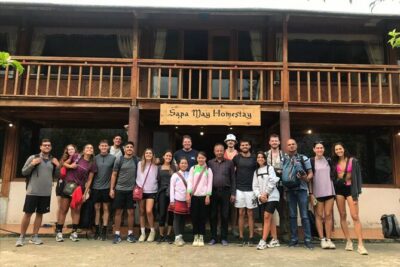
Sapa 3 Day 2 Night Trekking With Hotel & Homestay
Read our review →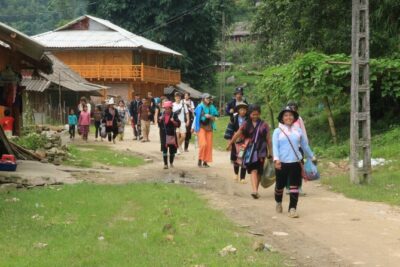
Sapa 2 Days 1 Night Overnight At Local Homestay
Read our review →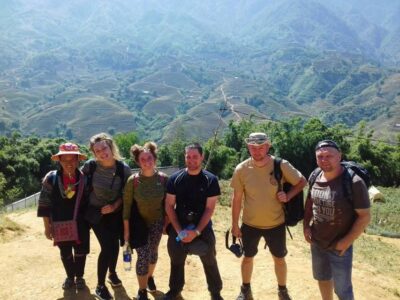
2-Day Trekking Trip with Ethnic Minority Homestay
Read our review →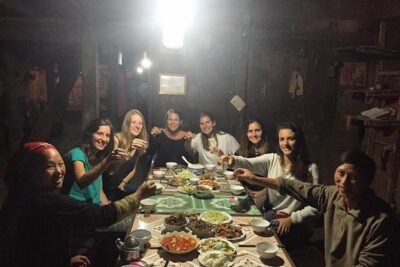
2-Day Trek & Heartwarming Homestay with an Ethnic Family
Read our review →Browse the lists this trek appears in