
Review · SAPA
Sapa Trekking Private Tour With Ethnic Female Tour Guide
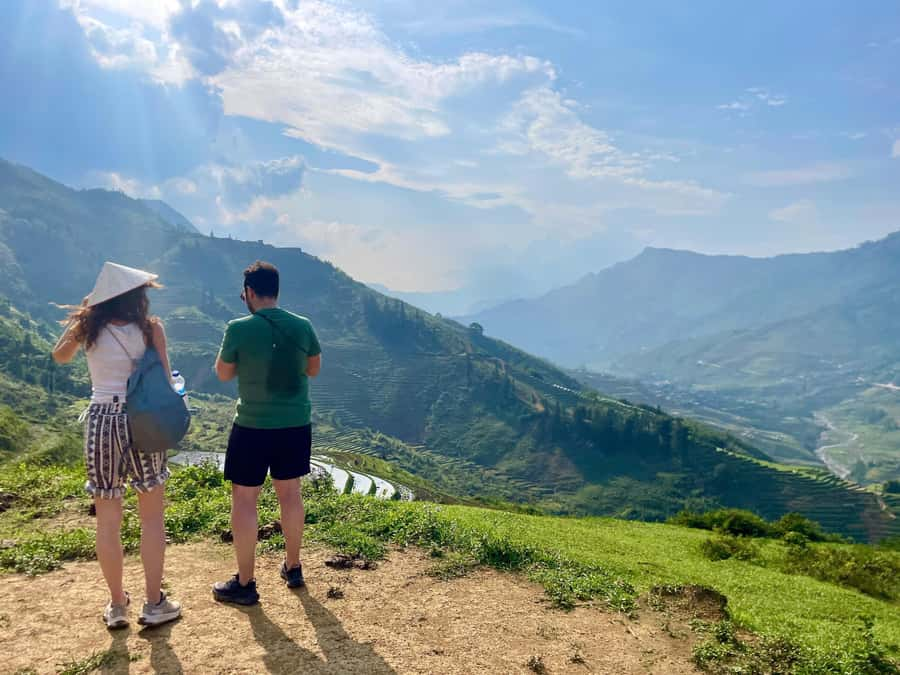
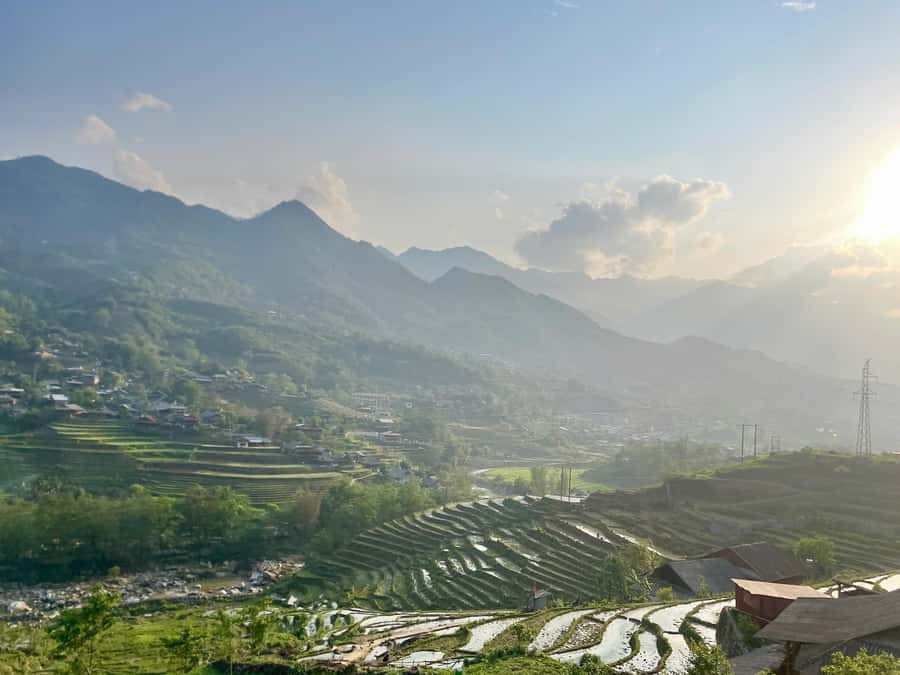
Sapa’s best moments often come away from the town center, where a local female guide leads you through Black Hmong and Red Dao villages before taking you into Muong Hoa Valley. You visit traditional homes, share a welcome drink, and learn how the groups differ while rice terraces unfold below.
I like the direct contact with local families, and I like the way the tour links three ethnic communities in only four hours. Guides such as Dely, Dung, La, and Xiang have been praised for clear English and personal insight, with some guides coming from nearby villages themselves.
The main drawback is the footing. This is a real village trek, not a smooth city walk, and rain can turn paths muddy. Bring proper trekking shoes or rubber boots, especially during wet weather, and do not expect a full meal to be included.
Key Points
- Three ethnic communities in one outing: Learn about the Black Hmong, Red Dao, and Dzay groups around Sapa.
- Tea inside traditional homes: Meet local residents, enjoy a welcome drink, and ask questions in an informal setting.
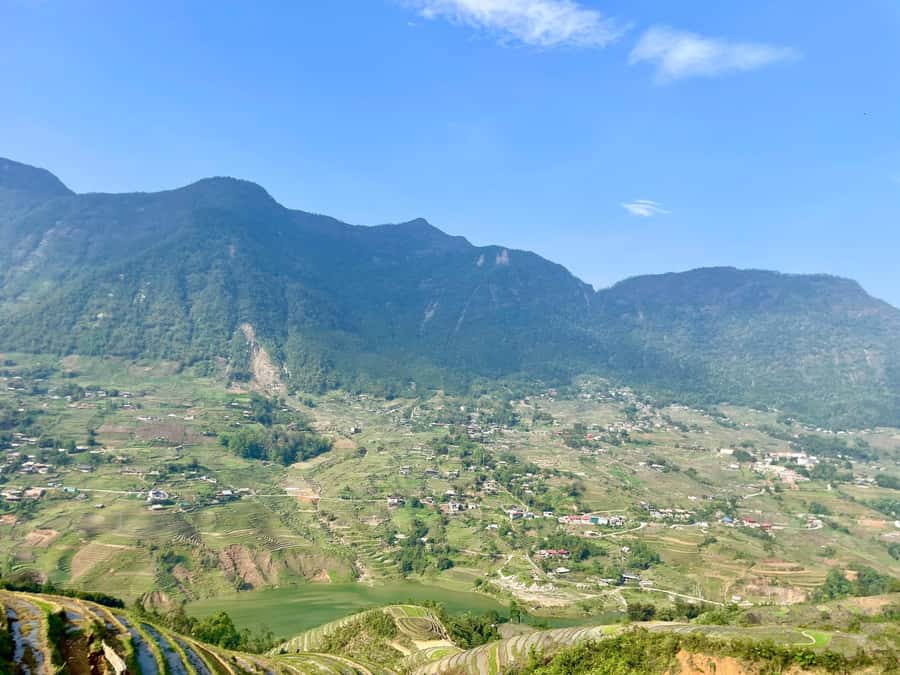
- Muong Hoa Valley views: Walk among rice terraces and villages instead of only stopping at roadside viewpoints.
- Local female guides: Guides including Dely, Dung, La, and Xiang bring personal knowledge of village life and customs.
- Flexible four-hour route: The trek can be adjusted, and you may begin from your accommodation in central Sapa.
- Prepare for rough paths: Comfortable shoes, water, sunscreen, and a hat matter more here than polished clothing.
Why This Sapa Trek Is More Than a Viewpoint Stop
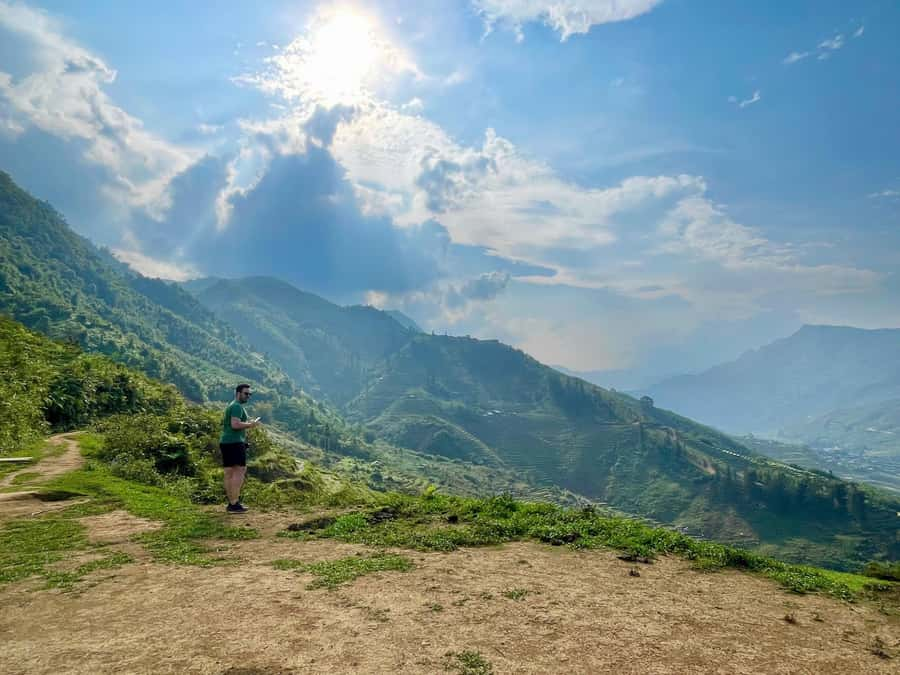
Sapa is famous for its rice terraces, but a quick photo stop tells you little about the people who farm them. This tour gives you a short, practical introduction to the communities living around the town, then places the scenery in a human setting.
You travel north from central Sapa first, focusing on the Black Hmong and Red Dao groups. Later, you head southeast into Muong Hoa Valley to meet the Dzay community and see the terraces from within the valley. That sequence gives the outing a useful shape: culture first, scenery and village life together afterward.
I especially like that the guide is not simply driving you to a viewpoint and reading a few facts. The plan includes time in traditional houses, a welcome drink, and conversation with local people. Those small details help you understand how daily life differs between communities.
The four-hour length is also sensible for a short stay in Sapa. You get a genuine walk and several village stops without giving up an entire day. At the same time, you should not expect a long wilderness trek or a detailed multi-day cultural study. This is a compact introduction.
A few more treks around Sa Pa worth a look
- Sapa: Private The Most Beautiful Terraced Fields Trekking
★ 4.8 · 42 reviews - Private Hoang Lien National Park & Tribal Village Trek
★ 4.7 · 30 reviews - Sapa Cat Cat Village And Y Linh Ho Private Trekking Tour
★ 4.4 · 7 reviews
Starting in Central Sapa and Heading North
Your day begins with collection from your accommodation in central Sapa. The route can be adjusted, and you may be able to start walking directly from where you are staying, depending on the plan arranged with your guide.
The first part heads north of Sapa toward villages associated with the Black Hmong and Red Dao. A short vehicle transfer is useful here because it gets you away from the central streets and toward the rural communities without spending most of your four hours on foot beside the town.
Your guide provides an introduction before the visit begins. English is the working language, and the strongest feedback has focused on the guides’ ability to explain customs clearly and answer questions. Dung, Dely, La, and Xiang have each been singled out for friendly, helpful guiding, though the person assigned to you can vary.
The route is flexible, but flexibility should not be confused with unlimited choice. Weather, booking time, and other practical conditions can change the plan. Tell the guide early if you want a gentler walk, more time for questions, or a stronger focus on scenery.
Meeting the Black Hmong and Red Dao
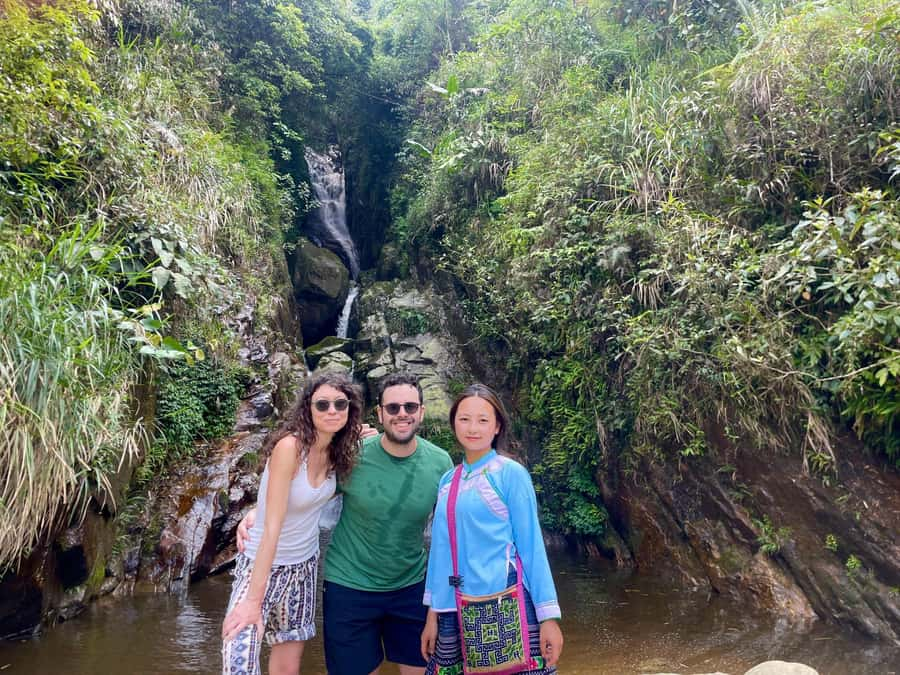
The Black Hmong and Red Dao are two of the largest ethnic groups in the Sapa area, and comparing them is one of the most useful parts of the tour. Your guide explains differences in traditions and customs as you move between communities.
The experience is most personal inside the traditional houses. You can accept a welcome drink, often tea according to the tour details, and spend time talking with local residents. This is not a staged performance. The value comes from having space to ask about daily life and listen to explanations from someone who understands the area.
Photography is welcome, and the tour specifically allows time to take pictures with friendly local people. I would still treat this as a social visit rather than a photo stop. Ask before photographing individuals, and let the guide help with introductions. That simple courtesy makes the meeting more comfortable for everyone.
The two groups are not presented as interchangeable. Your guide helps you notice differences in customs and community life, which is more useful than collecting a few costume photographs without context. If you are curious, ask specific questions. The guides have been praised for answering a wide range of them, so you should use that access.
Keep in mind that the welcome drink is included as part of the visit, but meals are not. If you need food during the outing, arrange that separately. You should also tell the provider in advance about food allergies or dietary restrictions.
Walking Through Muong Hoa Valley
After the northern village visits, the route continues southeast toward Muong Hoa Valley. Here the focus shifts toward the Dzay community, terraced fields, and the relationship between village life and the valley floor.
Muong Hoa is the visual centerpiece. The terraces create broad bands across the slopes, and the walk lets you see them from a more useful angle than a single roadside lookout. Instead of viewing the fields as decoration, you see the paths, houses, and people who live among them.
The exact condition of the terraces depends on the season. At some times they may be green, while at others the fields can look more subdued after harvest. The tour promises the beauty of the rice terraces, but you should understand that weather, farming cycles, and visibility shape what you see on the day.
The Dzay portion adds another layer to the outing. After learning about the Black Hmong and Red Dao, you get a chance to see another local community in the valley. That three-group comparison is a strong reason to choose this tour over a simple walk to one village.
The route is described as a trek, and the conditions can be adventurous. One person specifically advised bringing trekking shoes or rubber boots. That is practical advice, not an optional extra if rain is in the forecast. Comfortable footwear with a good grip will make the walk more pleasant, while sandals and smooth soles could be a poor choice.
Same trailhead, a different route:
- Sa Pa: Muong Hoa Valley Trek and Local Ethnic Villages
★ 4.6 · 864 reviews - Sapa: Eco Adventure Terrace Fields and Local Villages Trek
★ 4.9 · 636 reviews - Number one top rated ethical cultural trekking and homestay by ETHOS
★ 5.0 · 456 reviews - From Sapa: 1-Day Guided Trek to Lao Chai & Ta Van with Lunch
★ 4.9 · 416 reviews
What the Guides Add
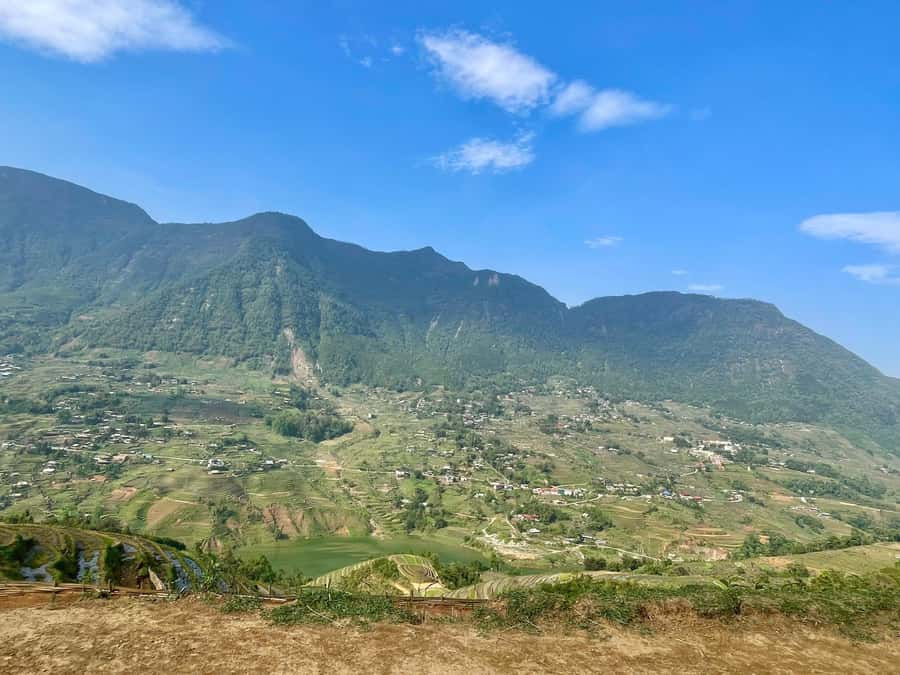
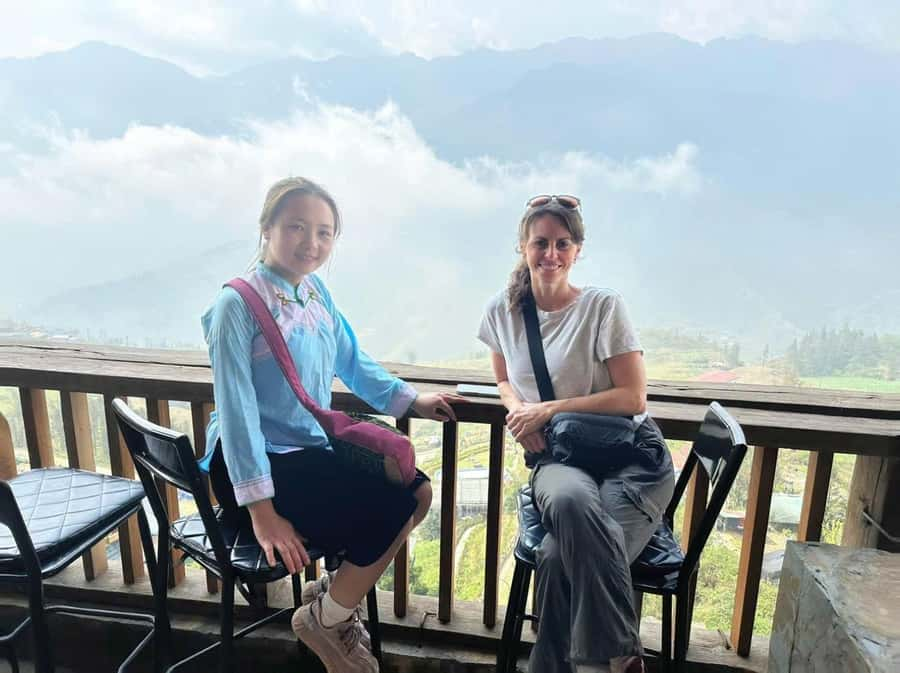
The female guide is central to the experience. She is not only there to keep the route moving. She explains customs, introduces you to local residents, and helps you understand what you are seeing.
Dely has been praised for explaining Hmong culture, speaking good English, and adapting the outing to the group. One guide named La was described as a native of a nearby village with excellent knowledge of the area and its customs. Dung has also been praised for clear explanations and for answering almost any question. Xiang was highlighted for leading a fun, slightly adventurous walk through villages and rice fields.
Names can change with availability, so you should not book on the assumption that one particular guide is guaranteed unless the provider confirms it. Still, the repeated strength of the guiding is clear: a local woman can often explain family customs, village routines, and cultural differences in a way a general city guide cannot.
The guide also acts as a bridge during home visits. You may feel unsure how to begin a conversation or when to take a photograph. A good guide makes those moments easier and helps you avoid treating the community as a backdrop.
A Four-Hour Pace With Room to Adjust
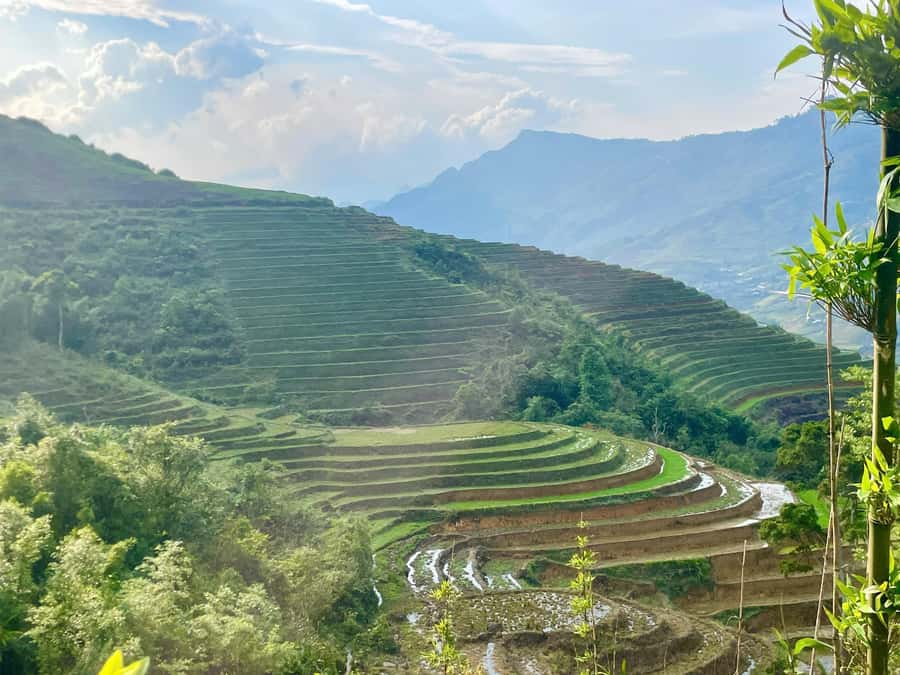
Four hours is enough for an introduction, but it requires a sensible pace. The plan combines transport, village visits, conversation, photography, and walking. You should not expect long stops at every location.
The flexible itinerary is helpful for several reasons. Weather can shift quickly in the mountains, and muddy paths may call for a shorter walking section. Your guide may also adjust the order or length of stops based on booking times and local conditions.
I would tell the guide at the start what matters most to you. If cultural conversation is your priority, ask for time in the traditional houses. If the terraces are your main goal, say so before setting off. If you have limited stamina, be clear about it rather than trying to keep quiet until the walk becomes uncomfortable.
The tour is not suitable for wheelchair users or people with back problems. That restriction makes sense given the uneven trekking route and rural paths. Anyone with ordinary mobility should still bring water, wear comfortable shoes, and use sunscreen. A hat and camera are also listed as useful items.
Smoking is not allowed. That is worth noting because you spend time around homes and local communities, where a respectful, clean visit matters.
The Return to Sapa
At the end, you return to Sapa by a different, more discreet road, with car transport available as an option. The change of route can provide a different view of the surrounding area and keeps the return from feeling like a repeat of the outward journey.
Because the final transport details can depend on the route and conditions, confirm what is planned with your guide. The important point is that this is not necessarily a walk back along the same path. You finish with a practical return to town rather than being left to arrange your own way back.
A free edited video is available per booking if you send photographs to the guide through WhatsApp. This is a nice extra for people who take plenty of pictures, though it depends on you sharing the images and contacting the guide as requested.
Is $30 Good Value?
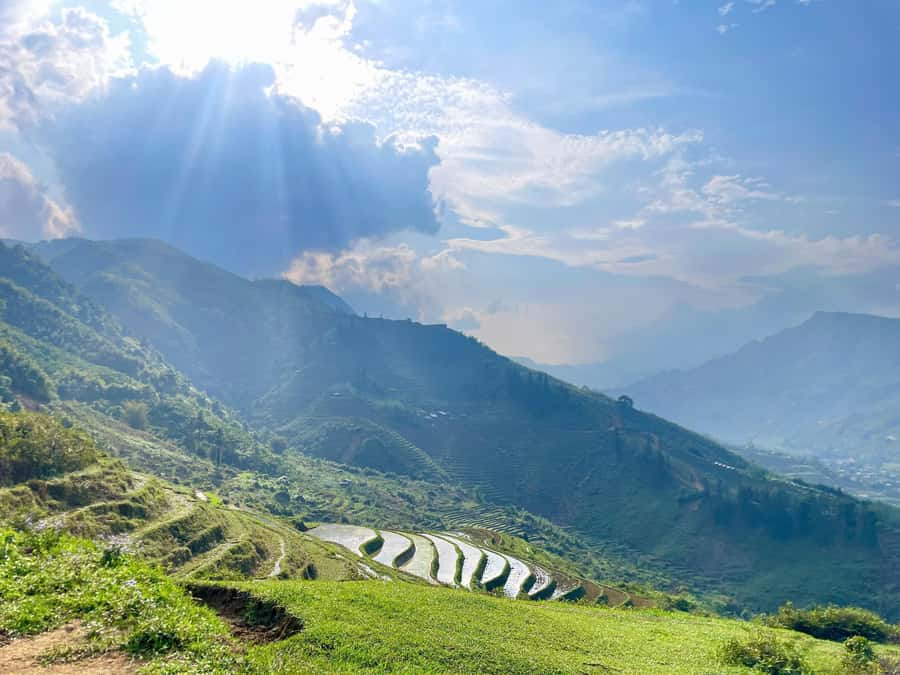
At $30 per person, the tour offers strong value if you want a guide, central accommodation pickup, several ethnic communities, and a short trek in one package. The price covers the English-speaking guide and the customizable itinerary, which are the parts that give the outing its purpose.
Meals and personal expenses are not included. A Cat Cat Village entrance ticket is also excluded, although Cat Cat is not the main focus of the route described here. You should budget separately for food and any extras rather than assuming the price covers every Sapa activity.
The value is strongest for independent visitors who want local context but do not want to plan village transport and introductions themselves. You are paying less for luxury and more for access, explanation, and a smoother route through unfamiliar rural areas.
If your priority is a long, demanding trek with a packed lunch and extensive time in the mountains, this may feel too short. If you have only a morning or afternoon and want a focused look at village life, the four-hour format is much easier to fit into a Sapa schedule.
Who Should Book This Trek?
I would choose this outing if you want:
- A short but active introduction to Sapa’s ethnic communities
- Direct contact with local families in traditional homes
- An English-speaking guide who can explain cultural differences
- Rice terrace views combined with village visits
- A route that can be adjusted around weather and your interests
- Pickup from central Sapa accommodation
It suits couples, families with older children who can manage uneven paths, and solo visitors who prefer a local guide. It is also a good choice if you want more than photographs but less than a full-day hike.
I would think twice if you have back trouble, use a wheelchair, dislike muddy paths, or want a polished sightseeing trip with no physical effort. The route is described as fun and adventurous, but that also means conditions can be rough.
Practical Tips for a Better Walk
Wear shoes designed for grip. During wet conditions, rubber boots may be more useful than ordinary trainers. Bring a light layer, sunscreen, a hat, and enough water for four hours.
Keep your camera ready, but leave room for conversation. The home visits and explanations are the heart of the outing, not just pauses between scenic viewpoints.
Tell the guide about allergies or dietary restrictions before the tour. Since meals are not included, carry any food you may need rather than relying on an arranged lunch.
If you hope to receive the edited video, send your photographs to the guide through WhatsApp after or during the experience as requested. Also, confirm the pickup point and any car transfer details when your time is arranged.
Free cancellation up to 24 hours before the start and reserve-now, pay-later terms make this easier to fit around a changeable Sapa schedule. Weather can affect the route, so keeping some flexibility is sensible.
Should You Book the Sapa Ethnic Village Trek?
Yes, if you want a compact, personal introduction to the people and scenery around Sapa. The strongest reasons are the local female guide, the chance to enter traditional homes, the comparison between Black Hmong and Red Dao customs, and the walk through Muong Hoa Valley among the Dzay community.
Book it with realistic expectations. This is a four-hour trek, not a full-day expedition, and the $30 price does not include meals or every local admission fee. Bring proper footwear and accept that weather may change the route.
For many visitors, the combination of terrace views and thoughtful local explanation is the point. You leave with more than photographs of rice fields, and that makes this one of the better short activities for getting beyond central Sapa.
FAQ
How long is the Sapa trekking tour?
The tour lasts four hours. Starting times depend on availability, and the itinerary can be adjusted to suit the conditions and your plans.
Where does pickup take place?
Pickup is provided from accommodation in central Sapa. The itinerary may also allow you to begin the trek directly from your accommodation.
Which ethnic groups will I learn about?
You will learn about the Black Hmong, Red Dao, and Dzay communities. The northern part focuses on the Black Hmong and Red Dao, while the Muong Hoa Valley section introduces the Dzay group.
Is a meal included?
No. Meals are not included, and personal expenses are separate. You should tell the provider in advance about any food allergies or dietary restrictions.
What should I bring?
Bring comfortable trekking shoes, a hat, sunscreen, water, and a camera. Trekking shoes or rubber boots are especially useful when the paths are wet or muddy.
Is the tour suitable for people with mobility issues?
The tour is not suitable for wheelchair users or people with back problems. It includes trekking on rural paths, so you should be comfortable walking on uneven ground.
Just added around Sa Pa
- Sapa: Private The Most Beautiful Terraced Fields Trekking★ 4.8 · 42 reviews
- Soob Sapa Trekking Tour★ 4.3 · 3 reviews
- Sapa Trekking – Waterfalls And H’mong Villages★ 5.0 · 2 reviews
- Sapa3D2N TrekkingAdventures,Valleys,Bambooforest,Waterfall★ 4.8 · 24 reviews
- Sapa: Trekking Through Terraced Rice Fields & Valley 1 Day★ 4.8 · 4 reviews
- Sapa: Trekking Sapa One Day With Group Tour★ 4.7 · 55 reviews
- Sapa: Y Linh Ho – Lao Chai, and Ta Van Trekking Day Tour★ 5.0 · 25 reviews
- Sapa small groupe activities: 1 Day trek – Meet the locals★ 4.7 · 3 reviews
Sapa Trekking Tours, compared.
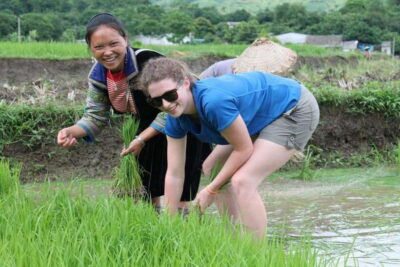
Muong Hoa Valley Trek and Local Ethnic Villages
Read our review →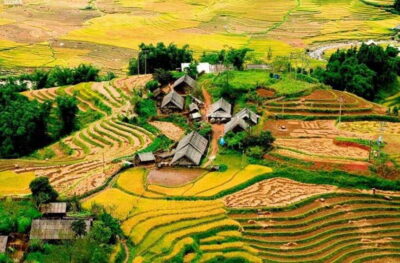
Eco Adventure Terrace Fields and Local Villages Trek
Read our review →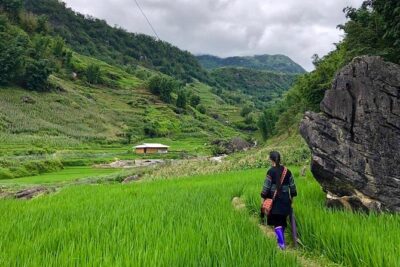
Number one top rated ethical cultural trekking and homestay by ETHOS
Read our review →
1-Day Guided Trek to Lao Chai & Ta Van with Lunch
Read our review →
Sapa 1 Day Long Trek: Trek to Hau Thao and Sa Seng Villages
Read our review →
Explore Sapa by TrekkingAdventures, Mountain,Rice fields
Read our review →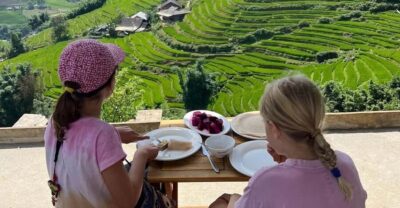
EXPLORE SAPA: 2D1N TREKKING & HMONG CULTURE WITH DINH
Read our review →Browse the lists this trek appears in