
Review · SAPA
2 Night Lao Chai-Ta Van Homestay- Trekking & Fansipan Visit
Sapa’s best moments come on foot, and this three-day trip takes you through rice terraces, streams, bamboo forest, and two ethnic villages before returning to Hanoi. You sleep in Lao Chai San and Ta Van, not in a standard hotel, so the experience is about village life as much as scenery.
I like the two different homestays, which give you a better feel for local life, and I like the route beside the Muong Hoa Stream, with a suspension bridge and waterfall along the way. English-speaking guides, including a guide named Soa on one reported departure, help explain H’Mong and Day culture.
The main caution is that the program and walking time may not always match the booking description. Some people were moved into a cheaper group, walked less than expected, carried their own large bags, and paid for water separately. Confirm your exact route and inclusions before leaving Sapa.
Key points at a glance
- Two nights, two villages: Sleep with local families in Lao Chai San and Ta Van, with different ethnic traditions and settings.
- Muong Hoa on foot: Walk beside streams and rice terraces, cross suspension bridges, and pass through Black H’Mong country.
- Hanoi to Sapa by limousine bus: The included ride takes about 5.5 hours each way, with three short refreshment stops.
- Fansipan is optional: Add the cable-car visit to Vietnam’s 3,143-meter peak for 850,000 VND per person.
- Meals are included: The price covers three lunches, two dinners, and two breakfasts, including one picnic lunch.
- A real physical trip: Long treks, uneven paths, homestay mattresses, and changing weather make this a poor fit for anyone with low fitness.
Why this Sapa trip works best on foot
Sapa is easy to reduce to a viewpoint, a cable car, and a quick photograph. This trip gives you more time in the Muong Hoa valley, where the details arrive slowly: terraces cut into the hills, water running beside the path, village homes, local people going about daily work, and the changing views as you climb and descend.
The route begins at Y Linh Ho and continues to Lao Chai San, a Black H’Mong village. From there, you walk onward to Ta Van, then finish near Giang Ta Chai before returning to Sapa. It is not a short sightseeing walk. The schedule calls for long treks on the first two days and a morning walk on the third.
I like this shape because each day has a clear purpose. Day one gets you into the valley. Day two is the main walking day, with the best chance to appreciate the terraces and village setting. Day three gives you a final look at the area before the long ride back to Hanoi.
The tradeoff is that the route may be adjusted by the operator. One departure became a shorter walk with a mixed group, and the second day lasted only about 2.5 hours instead of being the more demanding trek expected. If you are booking this specifically for a serious hiking challenge, ask for the exact walking route and group arrangement.
More Homestay Treks in Sapa
- Number one top rated ethical cultural trekking and homestay by ETHOS
★ 5.0 · 456 reviews - Sa Pa: 2-Day Trekking Trip with Ethnic Minority Homestay
★ 4.7 · 145 reviews - Sapa : 2-Day Trek & Heartwarming Homestay with an Ethnic Family
★ 5.0 · 143 reviews
The 5.5-hour bus ride from Hanoi to Sapa
Your day starts at about 6:15 am at 204 Tran Quang Khai Street in Hanoi, although the exact meeting point can vary by booking option. The limousine bus takes roughly 5.5 hours to reach Sapa and includes three short breaks.
The ride gives you a look at the Red River Delta before the road climbs toward northern Vietnam. A bottle of water and an English-speaking guide are included. You should still bring extra water and spending money, since drinks during the trip are not covered.
This is a long transfer on both the outward and return journeys. The vehicle is described as a limousine bus, but one account found the sleeper-style bus cramped, especially for a person 1.85 meters tall. If you are tall, do not expect generous sleeping space on the return trip. The ride is part of the value calculation: the $110 price includes transport from Hanoi, but three days away also means a good deal of time on the road.
You reach Sapa at about 1:00 pm, meet a local representative, receive the trip information, and have lunch. The first trek begins around 2:30 pm, so do not treat arrival in Sapa as free time. Have your trekking shoes and day bag ready.
Day one: Y Linh Ho to Lao Chai San
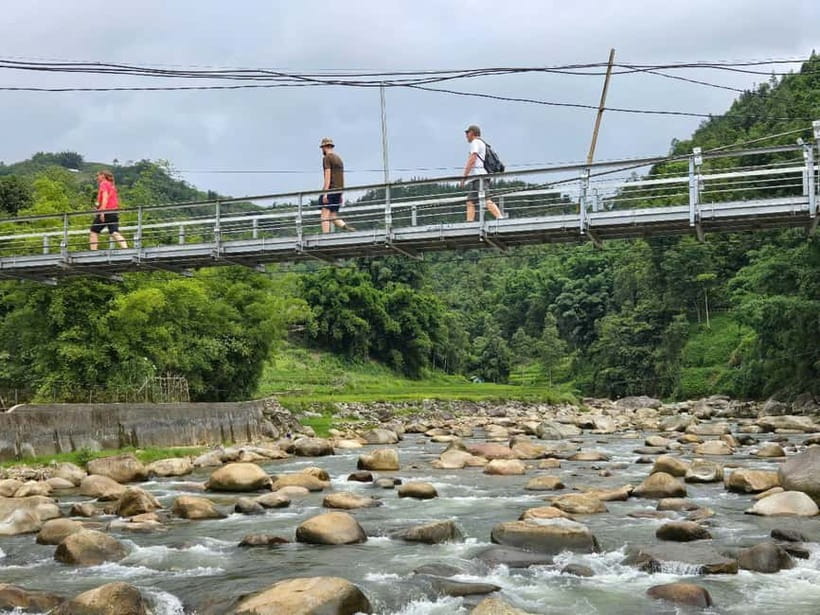
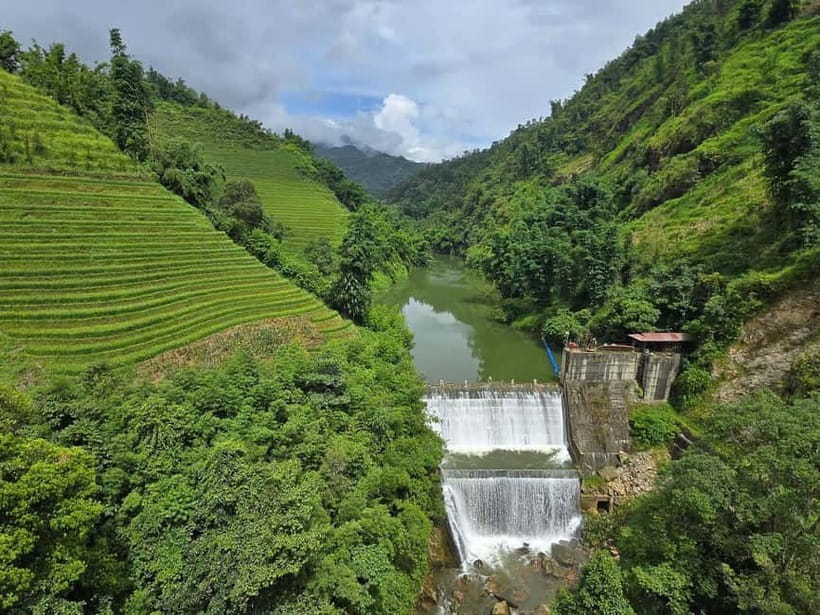
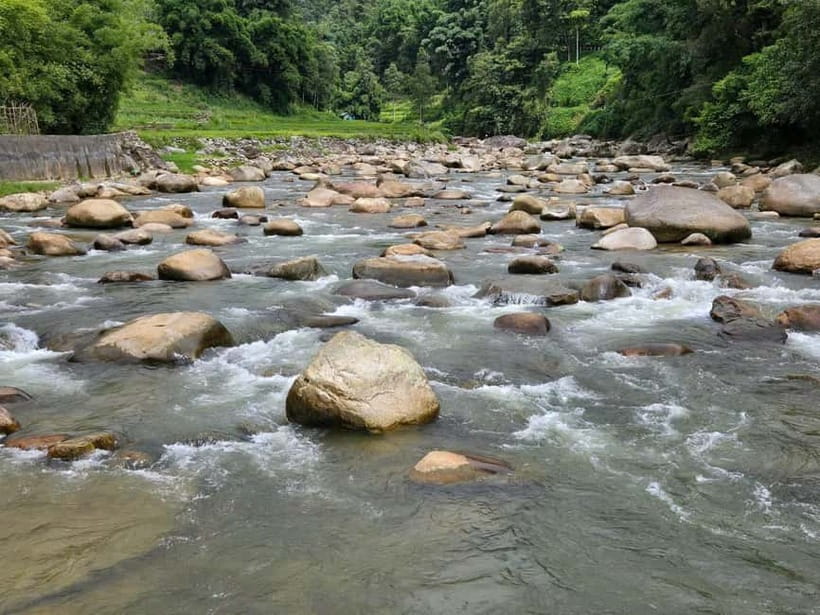
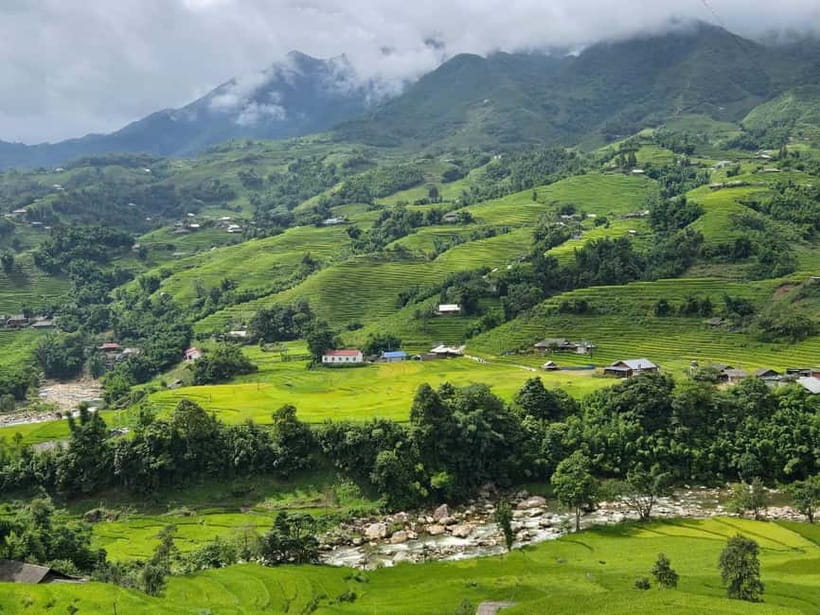
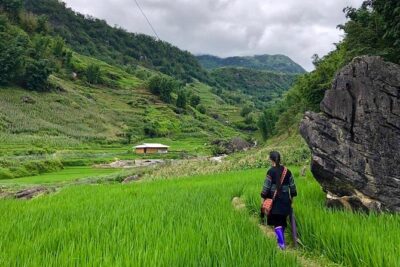
The first route starts at Y Linh Ho and heads toward Lao Chai San. You walk through rice terraces and beside the Muong Hoa Stream, with the sound of moving water helping break up the climb.
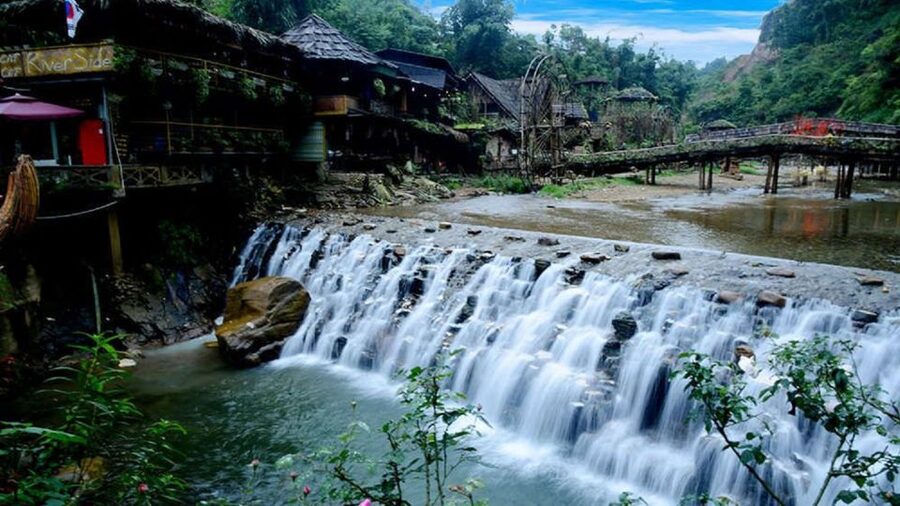
A suspension bridge and waterfall add variety to the route. After that, the path rises toward the homestay, so the afternoon is not simply a flat stroll through the valley. The combination of terraces, streamside walking, and hillside climbing gives you a useful first taste of Sapa’s terrain.
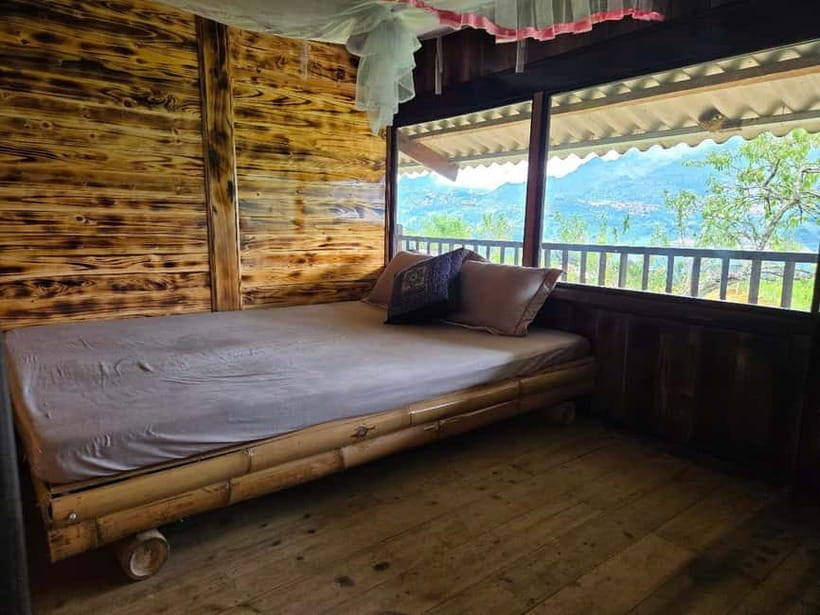
Lao Chai San is a Black H’Mong village. The homestay is basic, with a single mattress rather than a private hotel room. A private room is not included, and the trip is not designed around hotel-style comfort. You should expect shared homestay arrangements and a quieter evening in the mountains.
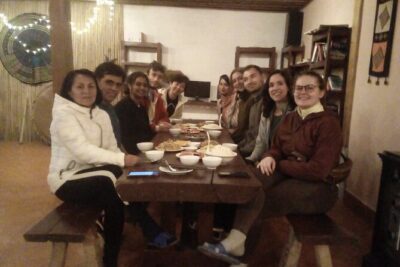
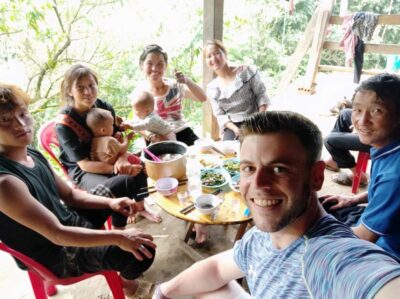
Dinner is prepared with the host, and you may join the cooking if you wish. This is one of the better parts of the trip because the meal becomes part of the cultural experience rather than a restaurant stop. The included food is practical rather than elaborate, but it gives you time with the family and your guide.
Bring warm clothing even if Hanoi is hot. Sapa’s mountain weather can feel cool, especially in the evening, and the recommended packing list includes warm clothes, a scarf, a hat, sunscreen, insect repellent, and trekking shoes.
Day two: the main walk from Lao Chai to Ta Van
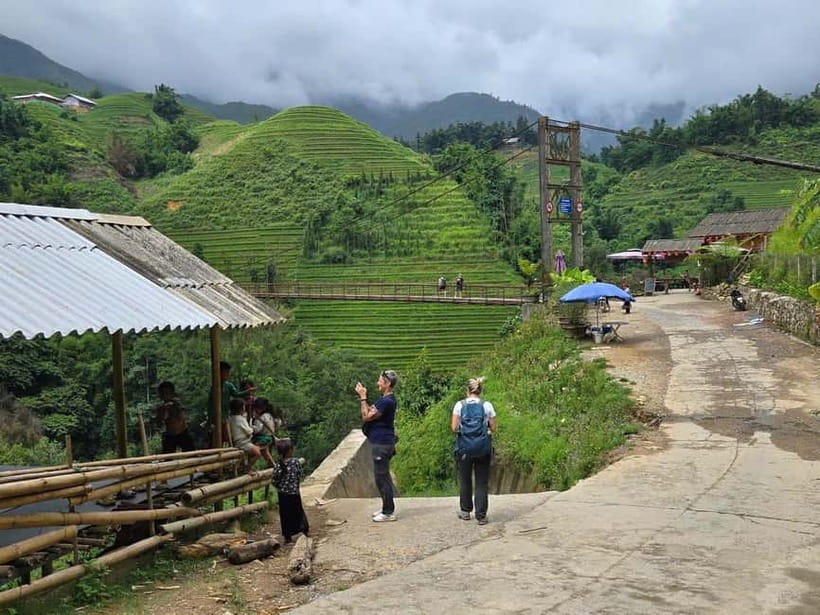
Breakfast at Lao Chai includes pancakes with honey and fruit. The walk then continues through the Muong Hoa valley, with terraces, streams, local homes, and frequent chances to stop for photographs.
This is the day that should matter most to anyone choosing the tour for walking. The route is described as a long trek, and a picnic lunch is prepared by the guide. You should carry only what you need for the day, but confirm in advance how your larger luggage will be handled. On some departures, people had to carry their own big bags, despite expecting different arrangements.
You are scheduled to reach Ta Van at about 3:00 pm. Ta Van has a different ethnic setting from Lao Chai, and the second homestay lets you compare the two villages rather than treating the valley as one interchangeable stop.
The afternoon is deliberately slow. You can rest at the homestay, swim in a nearby stream, or sit with a beer and look across the mountain scenery. Drinks are not included, so budget for them separately. This free time is useful after two days of walking, though it may feel disappointing if you paid for an especially intense trekking program and the route has been shortened.
Dinner is cooked by the host. As with the first evening, the appeal is the setting and contact with the family, not private-room comfort. The homestay experience suits you if you are happy with simple accommodation and shared facilities. It is less suitable if you need a private room, strong privacy, or predictable hotel amenities.
More Homestay Treks in Sa Pa:
- Sapa Valley Trek and Homestay – 3D2N
★ 5.0 · 105 reviews - From Sapa: 2 Days 1 Night Trek Over Night At Homestay
★ 5.0 · 68 reviews - 2 days authentic trekking tour in Sapa ( Homestay – Less touristy )
★ 5.0 · 68 reviews - Private Hoang Lien National Park & Tribal Village Trek
★ 4.7 · 30 reviews
Day three: bamboo forest and Giang Ta Chai
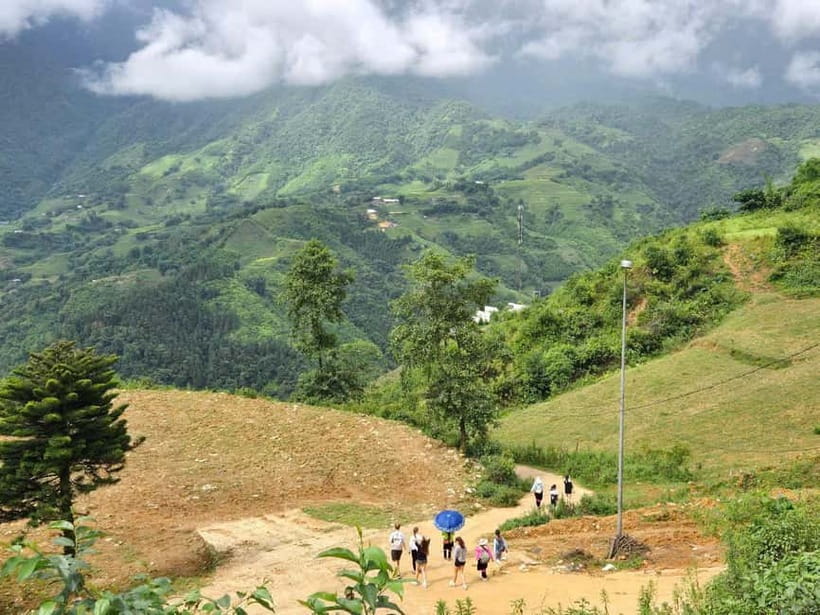
Breakfast is scheduled for about 7:30 am before the final morning trek. The route passes through rice paddies and bamboo forest, then gives you a panoramic view toward Giang Ta Chai village.
The walk ends with the Giang Ta Chai Suspension Bridge. From there, a vehicle takes you back to Sapa for lunch and a shower before the return trip to Hanoi. That shower is a small but important detail. After two days on muddy or dusty paths, you will appreciate having time to clean up before sitting on a bus for several more hours.
The return transfer reaches the original meeting point in Hanoi at about 9:00 pm. You then make your own way to your hotel. Plan this as a full day, not a relaxed half-day excursion.
Adding Fansipan by cable car
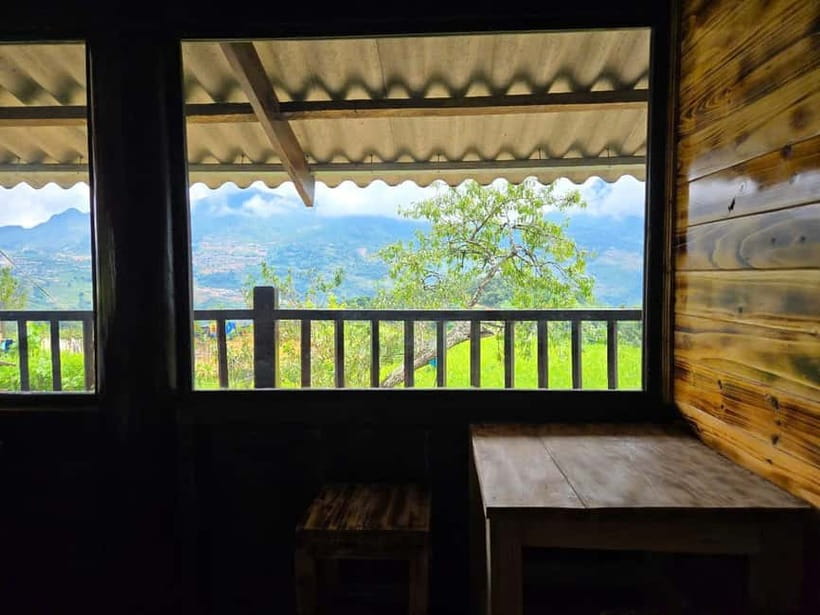
Fansipan reaches 3,143 meters and is the optional headline attraction for people who want a second major sight beyond the valley. On the third morning, after breakfast in Ta Van, a car and guide take you to the Fansipan cable-car station.
You ride the cable car to the peak area, then return to the station for transport to lunch and the Hanoi bus. The cable-car ticket costs 850,000 VND per person and is not included in the $110 price.
The Fansipan option changes the character of day three. Instead of the planned morning walk through rice paddies and bamboo forest, you spend the morning at the mountain’s summit area. Choose the cable car if reaching Vietnam’s highest peak matters more to you than the final village trek. Choose the Giang Ta Chai route if you prefer a quieter, more connected finish on foot.
Weather can affect the value of the cable-car visit, but no weather policy is specified, so ask the operator what happens if visibility is poor. You should also remember that the cable-car ticket is a sizable extra cost relative to the tour price itself.
What the $110 price really includes
At $110 per person, this is a strong package for a three-day Hanoi to Sapa trip. The price covers:
- Round-trip limousine bus between Hanoi and Sapa
- A bottle of water on the bus
- English-speaking support on the transfer and a local English-speaking guide in Sapa
- Two nights in homestays
- Three lunches, two dinners, and two breakfasts
- Entrance tickets
- Local minibus or car transfers in Sapa
The value comes from combining transport, meals, accommodation, guiding, and trekking in one booking. Arranging those pieces separately would take time, especially if you do not speak Vietnamese.
Still, the low price means you should read the inclusions carefully. Drinks, travel insurance, private homestay rooms, tips, and personal expenses are extra. The Fansipan cable car costs another 850,000 VND. Holiday dates also carry a 700,000 VND surcharge per person, paid directly to the guide, on April 30, May 1, September 1 to 3, December 24, December 31, and January 1.
The biggest value concern is consistency. Some departures followed a shorter route than expected, and water was not supplied despite being expected. Before you set out, confirm the walking distance, luggage handling, drinking water, and whether your group will be combined with another booking.
How hard is the trekking?
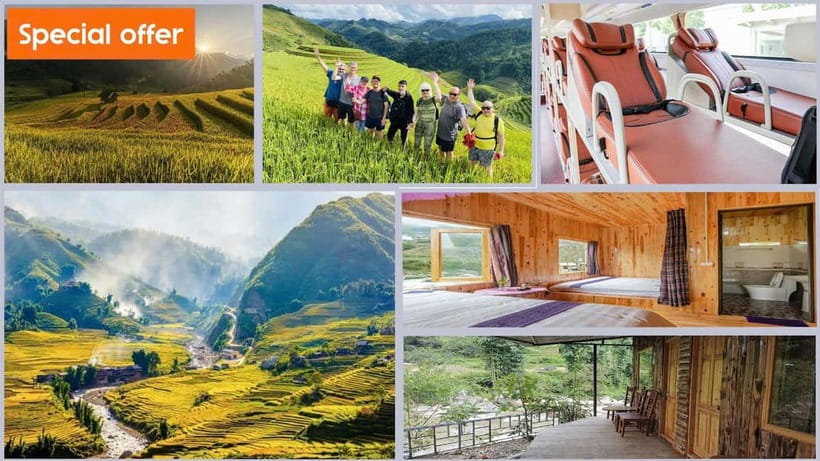
The tour is marked as unsuitable for people with a low level of fitness. That warning deserves attention. The first afternoon includes a long trek with an uphill section, the second day is intended to be the main long walk, and the final morning includes paddies, bamboo forest, and a suspension bridge.
You need comfortable trekking shoes, sun protection, and clothing for changing temperatures. Insect repellent and sunscreen are sensible additions. Bring any medication you need, since the tour does not provide personal medical supplies.
The paths can be uneven, and the trip does not suit wheelchair users. You should also be ready to carry at least a day bag, and perhaps your larger luggage if the operator does not arrange otherwise.
The guide can make a major difference. Soa was described as friendly, helpful, and able to explain local life and answer questions. The guide is not just there to lead the path. A good guide gives meaning to the rice terraces, village customs, meals, and family homes you pass.
Homestay life, food, and comfort
You sleep in two different homestays, one in Lao Chai San and one in Ta Van. Both include a single mattress, and private rooms cost extra if available. This is simple accommodation, but it places you closer to the families and village setting than a standard Sapa hotel would.
Meals include local cooking at the homestays, a picnic lunch on day two, and meals in Sapa during the transfer points. Food was described as decent, and the pancake breakfast with honey and fruit gives day two a pleasant start.
Do not count on bottled water being included throughout the trek. Drinks are formally excluded, and some people had to pay for water separately. Carry spending money for drinks, snacks, tips, and anything personal.
Pets are not allowed. The activity is offered in English, and cancellation is available up to 24 hours before departure for a full refund. Those details are useful, but the more important practical issue is to arrive with the right shoes, warm layers, and realistic expectations about shared sleeping arrangements.
Who should book this Sapa experience?
I would choose this trip if you want a compact introduction to northern Vietnam that combines active walking and home stays. It suits you if you have moderate fitness, enjoy village contact, and prefer a fixed package to arranging buses, meals, guides, and accommodation on your own.
It is also a good match for a first Sapa visit from Hanoi. You see the Muong Hoa valley from several routes, spend two nights in different villages, and still have the option to add Fansipan.
I would hesitate if you are booking mainly for a demanding trek. The advertised route may not always be delivered as expected, and group changes have affected walking time. I would also hesitate if you need a private room, generous bus space, or included bottled water.
Should you book the Lao Chai and Ta Van trip?
Book it for the valley scenery, local homestays, guide-led walking, and simple all-in-one price. The strongest parts are the two villages, the stream and terrace routes, the suspension bridges, and the chance to eat with local hosts rather than rush through Sapa.
Before paying, ask the operator to confirm four things: your exact trekking distance, whether luggage is carried, how water is provided, and whether the group will be changed or combined. If you get clear answers and can handle basic homestay conditions, $110 offers good value for three busy days.
Add Fansipan only if the 3,143-meter summit is a priority. Otherwise, keep the final morning trek to Giang Ta Chai and spend the extra money on drinks, tips, and a little breathing room.
FAQ
How long is the trip from Hanoi to Sapa?
The limousine bus takes about 5.5 hours each way. The outbound journey starts around 6:15 am, and the return reaches the Hanoi meeting point at about 9:00 pm on day three.
Where does the tour start in Hanoi?
The stated meeting point is 204 Tran Quang Khai Street, but the exact meeting point can vary depending on the option booked.
Where do you stay during the tour?
You spend one night in a homestay in Lao Chai San and one night in a homestay in Ta Van. Accommodation is on a single mattress, and a private room is not included.
Are meals included?
Yes. The price includes three lunches, two dinners, and two breakfasts. It also includes a picnic lunch on the second trekking day.
Is the Fansipan cable car included?
No. The Fansipan round-trip cable-car ticket costs 850,000 VND per person and must be paid separately.
Is the tour suitable for people with low fitness?
No. The tour is marked as unsuitable for people with a low level of fitness. It includes long treks, uphill sections, rice terraces, bamboo forest, and suspension bridges.
What should you bring?
Bring your passport or ID, comfortable trekking shoes, warm clothes, a scarf, a hat or cap, sunglasses, sunscreen, insect repellent, spending money, and any medication you need.
More Evening Experiences in Sa Pa
- SAPA: 2-DAY 1-NIGHT TREKKING & CULTURE WITH HMONG GUIDE LINH
★ 4.9 · 126 reviews - Sapa: 2-Day Local Guided Valley Trek with Night Homestay
★ 5.0 · 27 reviews - Hanoi: Sapa Trekking 2 Days 1 Night – Sleeper Bus from Hanoi
★ 4.6 · 18 reviews - Sapa: 2-Day Local Guided Valley Trek with Night Homestay
★ 4.8 · 5 reviews
Just added around Sa Pa
- Sapa: Private The Most Beautiful Terraced Fields Trekking★ 4.8 · 42 reviews
- Soob Sapa Trekking Tour★ 4.3 · 3 reviews
- Sapa3D2N TrekkingAdventures,Valleys,Bambooforest,Waterfall★ 4.8 · 24 reviews
- Sapa Trekking – Waterfalls And H’mong Villages★ 5.0 · 2 reviews
- Sapa: Trekking Through Terraced Rice Fields & Valley 1 Day★ 4.8 · 4 reviews
- Sapa: Trekking Sapa One Day With Group Tour★ 4.7 · 55 reviews
- Sapa Trekking Private Tour With Ethnic Female Tour Guide★ 4.9 · 24 reviews
- Sapa: Y Linh Ho – Lao Chai, and Ta Van Trekking Day Tour★ 5.0 · 25 reviews
Homestay & Village Treks, compared.
Number one top rated ethical cultural trekking and homestay by ETHOS
Read our review →
2-Day Sa Pa Ethnic Homestay Tour & Trek with Limousine Bus
Read our review →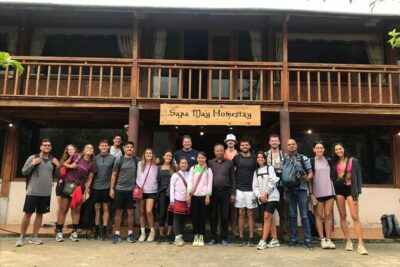
Sapa 3 Day 2 Night Trekking With Hotel & Homestay
Read our review →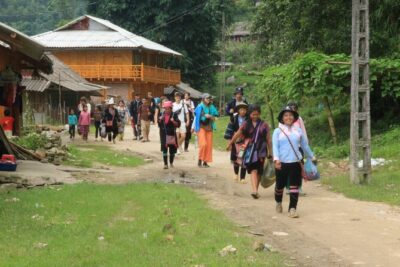
Sapa 2 Days 1 Night Overnight At Local Homestay
Read our review →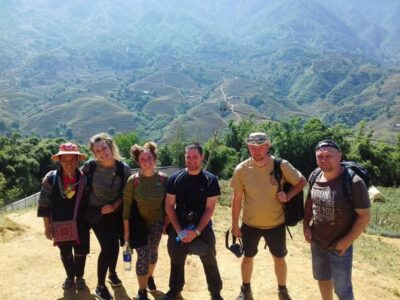
2-Day Trekking Trip with Ethnic Minority Homestay
Read our review →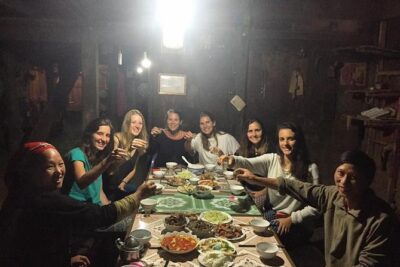
2-Day Trek & Heartwarming Homestay with an Ethnic Family
Read our review →Browse the lists this trek appears in