
Review · SAPA
Sapa: 2-Day Local Guided Valley Trek with Night Homestay
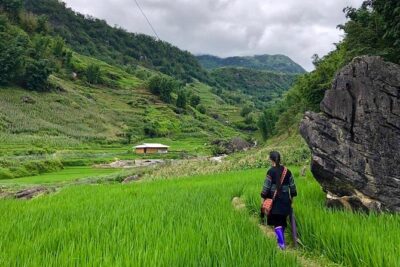
Sapa is at its best away from the town center, where stone paths lead through rice terraces, bamboo forests, and small H’Mong villages. This two-day route gives you that wider view, with Zo, a Black H’Mong guide, leading the way and explaining local life as you walk.
I like the direct contact with village life and the chance to sleep in a family homestay rather than rush back to town. I also like the route’s variety: mountain views on Ham Rong, farm paths near Hau Thao, Red Dao culture, and the bamboo forest near Ta Van. The trade-off is simple: 19 kilometers of uneven trails means this is an active trip, not a gentle sightseeing walk.
Key points to know before you book
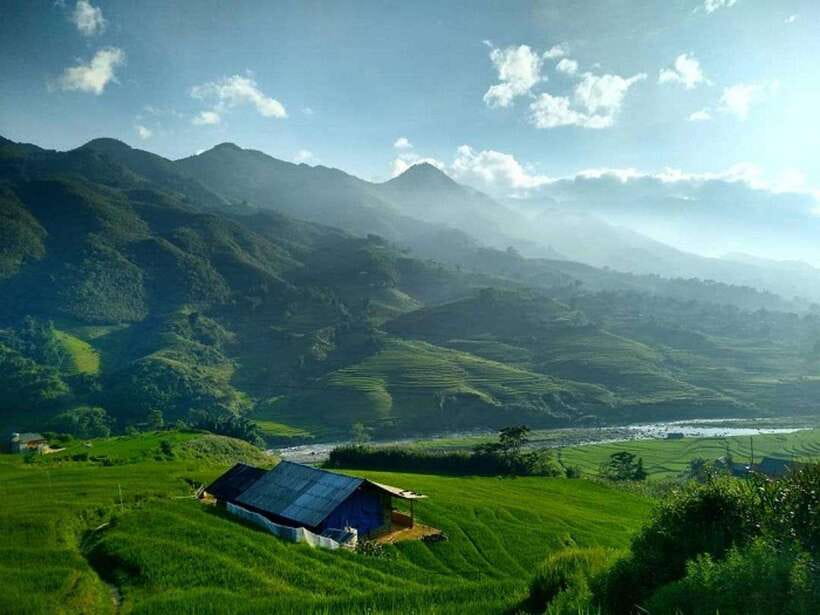
- Ham Rong begins the adventure: The first 2 kilometers climb toward about 2,000 meters, with views toward Fansipan and Muong Hoa Valley.
- Two ethnic communities, two perspectives: You visit Black H’Mong villages and a Red Dao community, with Zo explaining daily life and local customs.
- The homestay is simple by design: Expect a cozy, basic place with a traditional village atmosphere rather than hotel comforts.
- The walking is genuinely moderate: Steep sections, uneven ground, and roughly 13 to 15 kilometers on day one make good shoes essential.
- Zo adjusts the pace: The guide can adapt the walk to the group’s ability, an important advantage on a route with hills and rough paths.
- The $43 price is strong value: It covers guiding, water, village lunch, and transport back to Sapa, but confirm exactly which meals are included before paying.
Why this two-day Sapa route works
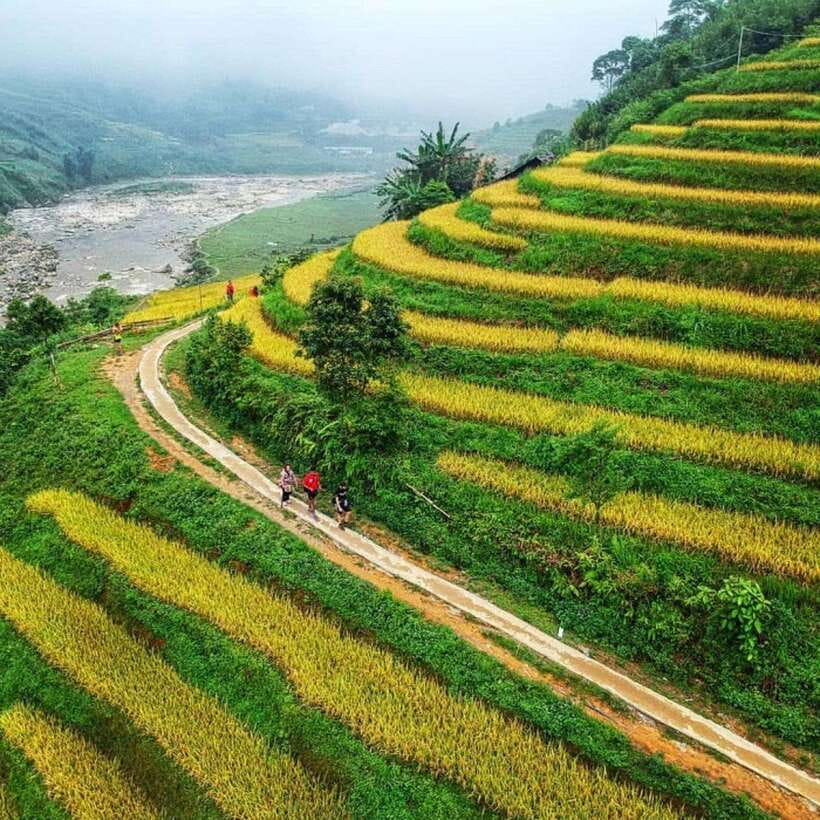
Many Sapa outings are built around a quick village visit and a photo stop. This one gives you time to walk between communities and see how the valley changes from one section to the next. You are not simply looking at rice terraces from a roadside viewpoint. You are moving through farming areas, forest paths, and homes where daily work continues around you.
The route covers about 19 kilometers over two days, though the first day is listed at 13 to 15 kilometers and the second at about 10 kilometers. That means the exact distance may vary slightly with the chosen path. You should be comfortable walking for several hours and handling steep or slippery sections.
The guide is Zo, a Black H’Mong woman from Sa Pa who speaks English. Her role matters here. The villages and trails are easier to understand when someone can explain what you are seeing, from farming work to the differences between H’Mong and Red Dao communities. The trip is also described as a group tour, so you may walk with other people rather than have a private guide all to yourself.
More Homestay Treks in Sapa
- Number one top rated ethical cultural trekking and homestay by ETHOS
★ 5.0 · 456 reviews - Sa Pa: 2-Day Trekking Trip with Ethnic Minority Homestay
★ 4.7 · 145 reviews - Sapa : 2-Day Trek & Heartwarming Homestay with an Ethnic Family
★ 5.0 · 143 reviews
Day one: Ham Rong Mountain and wide views
The tour starts at 9 a.m. with pickup from your hotel in Sapa or from the area in front of Sapa Stone Church. After a short introduction, you begin with a 2-kilometer uphill walk toward Ham Rong Mountain.
This opening climb sets the tone. It is not a flat warm-up, and the height makes the first section one of the more demanding parts of the trip. In return, you get broad views toward Fansipan, Vietnam’s highest peak at 3,143 meters, along with Muong Hoa Valley and its famous stepped rice fields.
The view from Ham Rong is one of the major rewards of the morning. On a clear day, you may see the valley spread below and the mountain ridges beyond it. Clouds and weather can change quickly in northern Vietnam, so do not treat the Fansipan view as guaranteed. The mountain setting is still impressive when mist covers part of the scene, but visibility will affect your photographs.
After Ham Rong, the route turns downhill toward Hang Da Village. The change from open mountain views to village paths gives the walk more purpose. Hang Da is home to the Black H’Mong community, and you may see buffaloes, horses, pigs, and other animals moving freely near the trail.
This is a good place to slow down and watch rather than simply pass through. The route is designed to show ordinary village life, not just prepared attractions. At the same time, remember that homes and farms are private spaces. Follow Zo’s lead, ask before taking close photographs, and keep your attention on the trail.
Lunch in Hang Da and the path to Hau Thao
Around 12:30 p.m., you stop for a local lunch at a small restaurant near a family in Hang Da. The setting is likely to feel much more modest than a restaurant in Sapa, which is part of the appeal. Lunch breaks also matter physically, since the morning climb and descent can leave your legs tired before the longest afternoon section.
The supplied details specifically include a village lunch, but the full meal plan is not completely clear. Dinner and breakfast are described at the homestay, and a second lunch is scheduled in Lao Chai, yet the inclusions list only says your lunch at the village. Ask the provider what food is covered in the $43 price, and bring cash for anything extra.
At 2 p.m., you continue toward Hau Thao Village on a small trail. Hau Thao is another Black H’Mong community, and this section focuses more on farming and daily work. Depending on the season, you might see rice planting or harvesting.
This is one reason the timing of a Sapa trek matters. The same path can look and feel different during planting season, harvest, or the greener months. Do not expect a staged cultural show. The value comes from seeing work as it happens, with Zo providing context and helping you understand the setting.
The trail eventually leads to Giang Ta Chai Mong, where you arrive around 5 p.m. That gives you time to settle in before the evening meal. After a long day, the homestay is not just a place to sleep. It is a chance to stop walking, sit with the hosts, and enjoy the quieter pace of village life.
The Giang Ta Chai Mong homestay
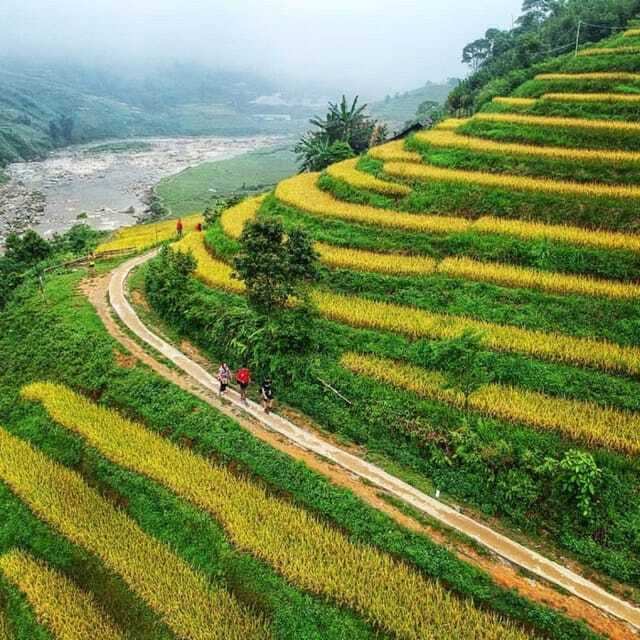
The homestay is described as simple, authentic, and cozy, with basic facilities. That wording is important. You should not book this expecting the privacy, polished bathrooms, or full services of a standard hotel.
The hosts are Black H’Mong, and the evening gives you a chance to speak with them about their culture and daily routines. Dinner is scheduled for 7 p.m., followed by time to relax, chat, or sit quietly in the village. Some people will find this the most memorable part of the trip. Others may prefer more comfort and personal space.
The sleeping arrangements can vary in practice, and the available information is not fully consistent. One account describes a cozy bed and another mentions private rooms, but the general description says basic facilities. Confirm the room setup, bathroom arrangements, and meal details before departure if those points matter to you.
Bring a change of clothes for the evening. A waterproof bag is useful for protecting dry clothing, electronics, and other essentials if rain arrives. Mosquito repellent is also advised.
More Homestay Treks in Sa Pa:
- Sapa Valley Trek and Homestay – 3D2N
★ 5.0 · 105 reviews - 2 days authentic trekking tour in Sapa ( Homestay – Less touristy )
★ 5.0 · 68 reviews - From Sapa: 2 Days 1 Night Trek Over Night At Homestay
★ 5.0 · 68 reviews - Private Hoang Lien National Park & Tribal Village Trek
★ 4.7 · 30 reviews
Day two: Red Dao homes and the bamboo forest
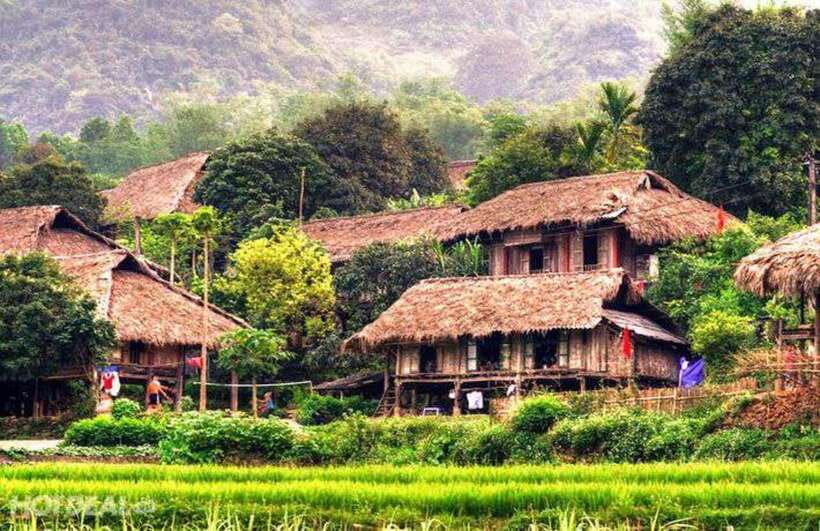
The second morning begins at 8 a.m. with valley views, drifting clouds, and mountain light. Breakfast and hot tea or coffee are served at the homestay around 9 a.m., then you set out again at 9:30.
The first destination is Giang Ta Chai Dao, a small Red Dao community near the mountain foothills. This gives you a different cultural focus from day one. You can photograph the rice terraces, see simple wooden homes, and visit a quiet lake associated with the Red Dao people.
The distinction between H’Mong and Red Dao communities is one of the strongest reasons to choose this route over a basic Sapa walk. You see more than one local culture within a short trip, and Zo can help explain what makes each community distinct. Keep your questions respectful, especially when discussing homes, clothing, family life, or work.
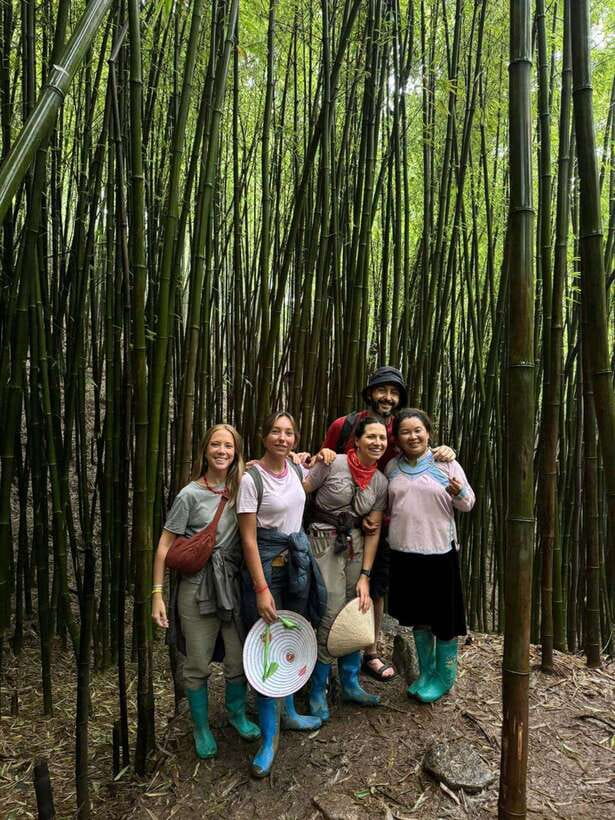
At about 11 a.m., you walk through a bamboo forest toward Ta Van Village. The forest section offers a change from open terraces and exposed mountain paths. You may hear dry leaves underfoot and find the route cooler and more shaded than the earlier climbs.
Ta Van is a useful rest point. You can pause for photographs, catch your breath, and enjoy the change in scenery before continuing. The route still involves walking on small paths, so this is not a long, formal break with extensive facilities.
Ta Van, Lao Chai, and the ride back
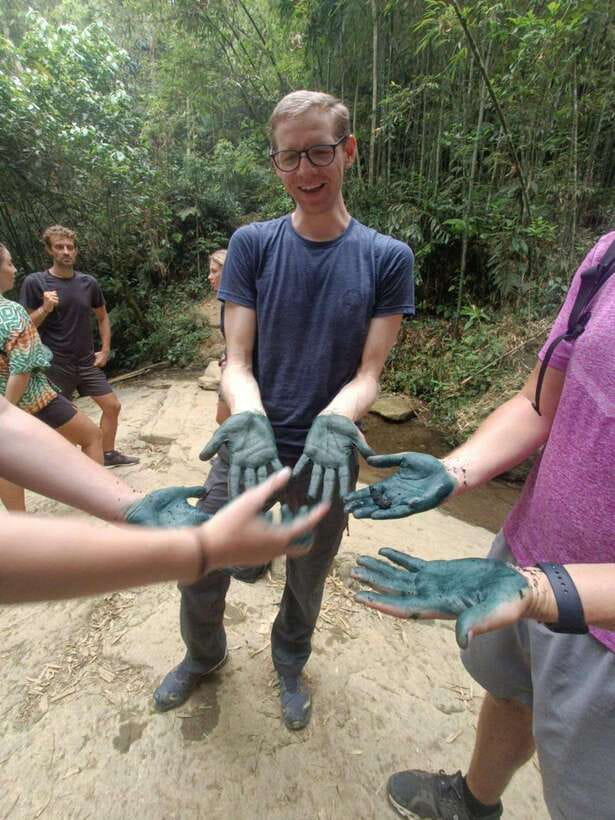
Around noon, the trek continues from Ta Van to Lao Chai. This is described as one of the prettiest rice terrace areas in Sapa, and it makes a fitting final walking section. By this stage, you will have already seen mountain viewpoints, village farms, forest, and valley trails, so the terraces feel like part of a larger story rather than a single photo stop.
Lunch is scheduled in Lao Chai. Again, confirm whether this meal is included, since the food details are not perfectly matched across the tour information. After lunch, a car picks you up at Lao Chai at around 2 p.m.
The return ride is practical. You do not have to walk all the way back to Sapa after two days on foot. The tour information says transport back to Sapa can be by car or motorbike, with the end of the tour expected between 3:30 and 4 p.m. The exact return time can depend on the road, weather, and pickup arrangements.
What the $43 price really offers
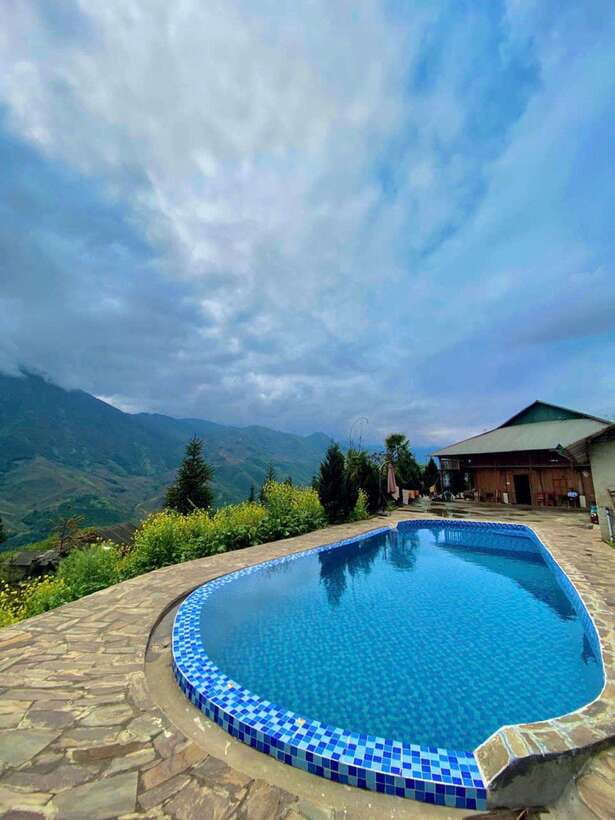
At $43 per person, this is an inexpensive way to arrange a two-day guided trek in Sapa. You get an English-speaking local guide, a small bottle of water, a village lunch, and transport back to Sapa. The overnight stay and other meals are part of the planned experience, but the inclusion wording should be checked carefully.
The value is strongest if you want a local guide and do not want to arrange several moving parts yourself. Zo handles the route, explains what you are seeing, and helps set the walking pace. You also get a night outside Sapa town, which would be harder to organize alone.
The price is less attractive if you expect hotel-style accommodation, private transport throughout, or a fully specified meal plan. This is a village trek, and the low cost reflects a simple homestay and basic services. Carry some cash for drinks, snacks, personal purchases, or any meal not included.
Fitness, shoes, and weather
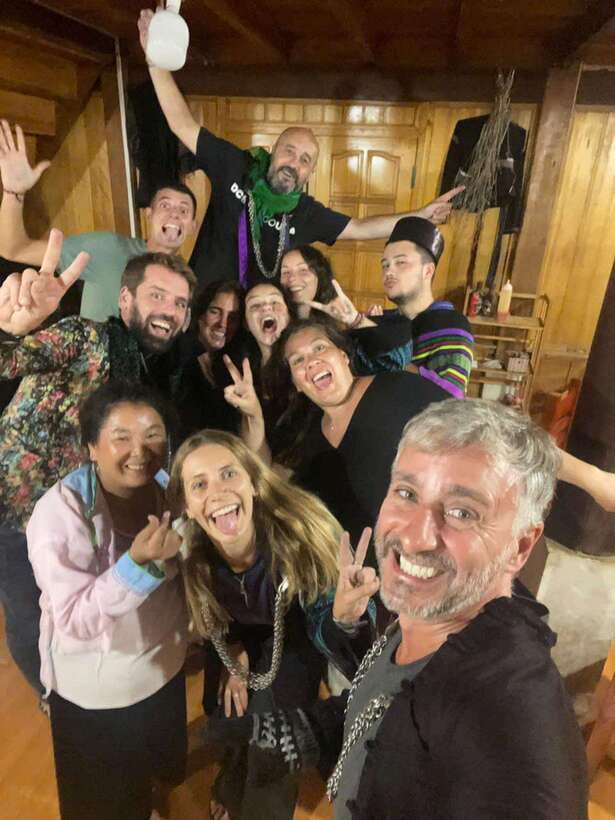
The tour is rated moderate, but do not read that as easy. Day one includes the uphill approach to Ham Rong and a total of 13 to 15 kilometers. Day two adds another 10 kilometers, with uneven trails and forest paths.
Wear proper hiking shoes with good grip. Comfortable trainers may work in dry weather, but steep paths and rain can make the ground difficult. A light raincoat or jacket, sun protection, sunglasses, and a hat are sensible choices. Bring water even though a small bottle is supplied.
A waterproof camera or waterproof bag is useful. The route passes through mountain areas where rain can appear quickly, and wet conditions may affect both comfort and walking speed. Pack lightly, but include dry evening clothes and mosquito repellent.
The guide can adjust the pace and route to suit the group’s abilities. That is helpful, but it does not remove the physical demands of the route. If you rarely hike, you should be prepared for tired legs, especially after the first day.
Who should choose this trek
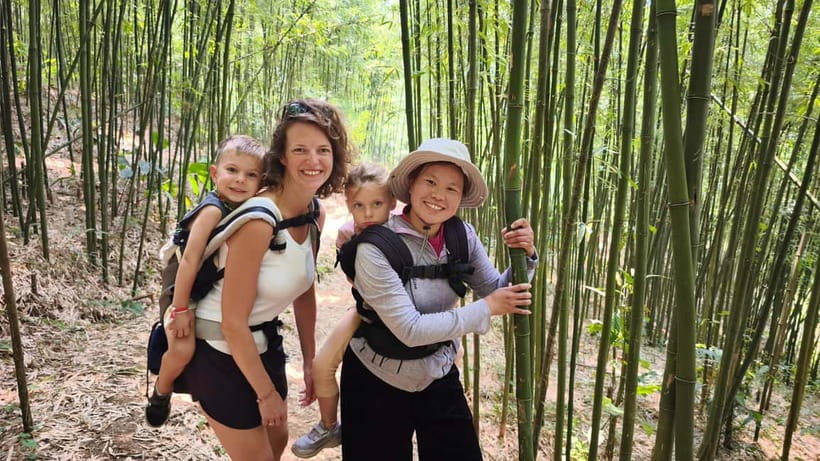
I would choose this trip if you want village contact, long walks, and a basic overnight stay rather than a polished resort experience. It suits people who enjoy photographs, mountain air, cultural explanation, and the small moments between major sights, such as tea after a walk or footsteps through the bamboo.
It is also a good fit if you want to see both Black H’Mong and Red Dao communities in one short trip. The route offers enough variety to keep the walking interesting, and the group format may make it easier to meet other people.
I would think twice if you have knee problems, dislike steep ground, or need predictable hotel facilities. The information also says the tour is not suitable for people over 70 and separately says it is not suitable for people over 95. That is inconsistent, so contact the provider to confirm the actual age policy before booking.
Children under four are free, but you should inform the provider in advance. The tour requires booking at least 10 hours ahead, and cancellation or rescheduling is allowed up to 24 hours before departure for a full refund.
Should you book it?
Book this trek if you want Sapa beyond the town streets and are happy to trade comfort for access. The strongest parts are Zo’s local guidance, the mix of H’Mong and Red Dao villages, the mountain views, and the chance to spend the night in a working village.
Before you pay, confirm the homestay sleeping arrangement, which meals are included, the final pickup method, and the age restriction. If those basics suit you, $43 is a very good price for two days of walking, cultural context, and transport back to Sapa. If you want an easy outing, choose a shorter valley walk instead.
FAQ
Where does the tour start?
Pickup is at your hotel in Sapa or in front of Sapa Stone Church at 9 a.m.
Who is the guide?
The guide is Zo, a Black H’Mong guide from Sa Pa who speaks English.
How far do you walk?
The tour covers about 19 kilometers over two days. Day one is listed at 13 to 15 kilometers, and day two at about 10 kilometers.
How difficult is the trek?
It has a moderate fitness level, with steep sections and uneven terrain. The first day includes a 2-kilometer uphill trail toward Ham Rong Mountain.
Where do you spend the night?
You stay at a homestay in Giang Ta Chai Mong with Black H’Mong hosts. The facilities are simple and basic.
Which villages do you visit?
The route includes Hang Da, Hau Thao, Giang Ta Chai Mong, Giang Ta Chai Dao, Ta Van, and Lao Chai.
Which ethnic communities can you learn about?
You visit Black H’Mong communities and a Red Dao community. Zo provides information about local culture and daily life.
Is food included?
The tour information includes a village lunch and describes dinner and breakfast at the homestay, along with lunch in Lao Chai. Confirm the exact meal inclusions before booking.
Is transport included?
Transport is included for pickup and return to Sapa. A car picks you up in Lao Chai, and the return may be by car or motorbike.
What should I bring?
Bring comfortable hiking shoes, comfortable clothes, a hat, sunscreen, water, a rain jacket, sunglasses, mosquito repellent, a change of clothes, cash, and a waterproof bag.
More 2-Day Experiences in Sa Pa
- EXPLORE SAPA: 2D1N TREKKING & HMONG CULTURE WITH DINH
★ 4.9 · 191 reviews - 2 Days Fansipan Trekking
★ 5.0 · 84 reviews - 2D1N Buffalo trek by Hmong Sister House and Trekking
★ 5.0 · 81 reviews - 2-Day Fansipan Mountain Trek – Indochina’s Highest Peak
★ 4.3 · 42 reviews
More Evening Experiences in Sa Pa
- SAPA: 2-DAY 1-NIGHT TREKKING & CULTURE WITH HMONG GUIDE LINH
★ 4.9 · 126 reviews - Hanoi: Sapa Trekking 2 Days 1 Night – Sleeper Bus from Hanoi
★ 4.6 · 18 reviews - 2 Night Lao Chai-Ta Van Homestay- Trekking & Fansipan Visit
★ 4.0 · 8 reviews - Sapa: 2-Day Local Guided Valley Trek with Night Homestay
★ 4.8 · 5 reviews
Just added around Sa Pa
- Sapa: Private The Most Beautiful Terraced Fields Trekking★ 4.8 · 42 reviews
- Soob Sapa Trekking Tour★ 4.3 · 3 reviews
- Sapa Trekking – Waterfalls And H’mong Villages★ 5.0 · 2 reviews
- Sapa3D2N TrekkingAdventures,Valleys,Bambooforest,Waterfall★ 4.8 · 24 reviews
- Sapa: Trekking Through Terraced Rice Fields & Valley 1 Day★ 4.8 · 4 reviews
- Sapa: Trekking Sapa One Day With Group Tour★ 4.7 · 55 reviews
- Sapa Trekking Private Tour With Ethnic Female Tour Guide★ 4.9 · 24 reviews
- Sapa: Y Linh Ho – Lao Chai, and Ta Van Trekking Day Tour★ 5.0 · 25 reviews
Homestay & Village Treks, compared.
Number one top rated ethical cultural trekking and homestay by ETHOS
Read our review →
2-Day Sa Pa Ethnic Homestay Tour & Trek with Limousine Bus
Read our review →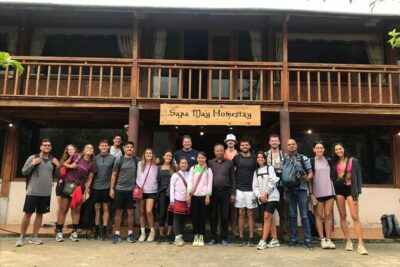
Sapa 3 Day 2 Night Trekking With Hotel & Homestay
Read our review →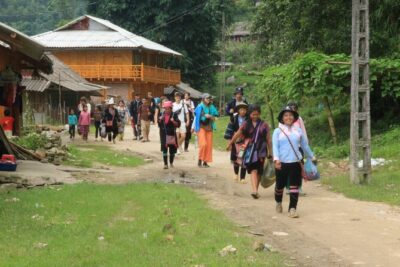
Sapa 2 Days 1 Night Overnight At Local Homestay
Read our review →
2-Day Trekking Trip with Ethnic Minority Homestay
Read our review →
2-Day Trek & Heartwarming Homestay with an Ethnic Family
Read our review →Browse the lists this trek appears in