
Review · SAPA
Sapa: Eco Adventure Terrace Fields and Local Villages Trek
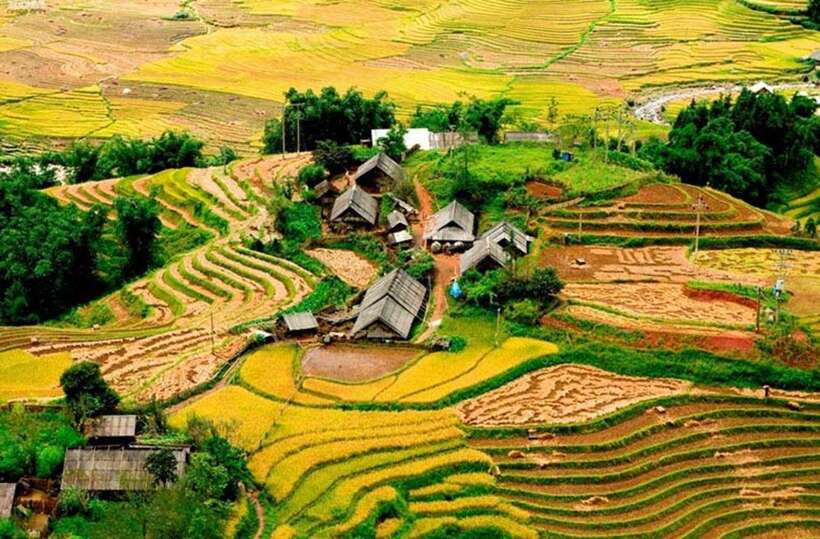
Sapa’s best moments come below town, where the pavement gives way to terraced rice fields, wooden homes, streams, and working farms. This six-and-a-half-hour trek takes you through Muong Hoa Valley and several Hmong and Dzay villages, ending with a local meal and a much better sense of mountain life.
I like two things here: the route gives you real village scenery rather than a quick photo stop, and the local guides make the walk personal. Guides named Chai and Vu receive especially warm praise for their English, humor, and stories about women’s lives, customs, and daily work. The main catch is simple: 10 to 12 kilometers on uneven ground can mean mud, slippery descents, and tired knees.
Key points
- Fansipan viewpoint: Begin with broad views toward Vietnam’s highest peak, weather permitting.
- Muong Hoa Valley route: Walk beside streams, rice terraces, farm plots, wooden houses, and mountain slopes.
- Three Hmong and Dzay villages: Visit Y Linh Ho, Lao Chai Sang, Lao Chai, and Ta Van across the day.
- Local lunch: Stop around 12:30 PM for a traditional meal with local hospitality.
- A proper countryside trek: Expect 10 to 12 kilometers, with muddy and slippery sections after rain.
- Small-group guiding: Groups are limited to 10 people, with an English-speaking local guide.
What this Sapa trek is really about
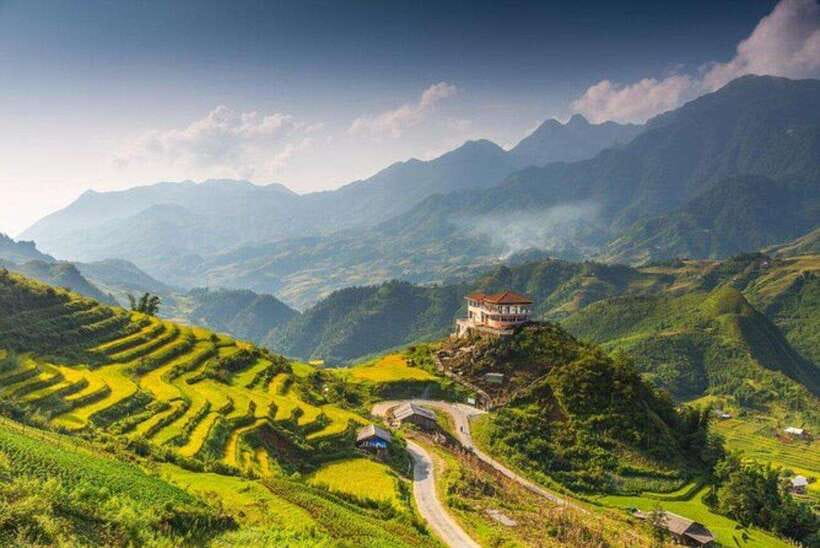
This is not a gentle stroll around Sapa town. It is a full day on mountain paths, village lanes, rice-field edges, and rough sections that can turn slick after rain. You get scenery, but the stronger reason to book is the contact with local life.
The route passes through communities associated with the Hmong and Dzay people. Your guide explains clothing, farming, family life, customs, and the pressures facing people in the villages. That context matters. Without it, a rice terrace is just a pretty view. With it, you begin to understand the work behind each field and the seasonal rhythm of the valley.
The group size is limited to 10, which is useful on narrow or muddy paths. A smaller group also gives you more room to ask questions. Guides vary by departure, but Chai is repeatedly praised for her warmth, clear English, humor, and ability to keep a group together. Vu, Wu, Chay, Rou, Si, Le, and others are also named as friendly local guides who explain the area well.
A few more treks around Sa Pa worth a look
- Sa Pa: Muong Hoa Valley Trek and Local Ethnic Villages
★ 4.6 · 864 reviews - Number one top rated ethical cultural trekking and homestay by ETHOS
★ 5.0 · 456 reviews - From Sapa: 1-Day Guided Trek to Lao Chai & Ta Van with Lunch
★ 4.9 · 416 reviews
Starting at Sapa Church and climbing toward Fansipan
Meet your guide at 9:00 AM in front of Sapa Church. This is a central and easy-to-find meeting point, but you should provide a WhatsApp number so the guide can contact you if plans need clarification.
The first stop is a small hill viewpoint facing toward Fansipan Peak. On a clear day, this gives you an early sense of the scale of the mountains around Sapa. Fog is common, particularly in the cooler months, so do not treat the first view as guaranteed. Some days begin gray and open up later in the afternoon.
From the viewpoint, the trail heads toward Muong Hoa Valley. The route soon feels more rural than the town center, with slopes, terraces, water, houses, and working fields replacing shops and traffic. This is where sturdy footwear starts to matter. The first part can include steep and slippery ground, especially after rain.
Muong Hoa Valley and the first muddy section
The valley is famous for its layered rice terraces, but the walk is not simply a scenic road with a few viewpoints. You are moving through an active farming area. Depending on the season, you may see people planting or harvesting rice, water buffalo, pigs, ducks, chickens, and dogs around the villages and fields.
Several people found the early part the hardest, particularly after wet weather. Mud can become deep enough to cover shoes, and some slopes require careful footwork. Local women sometimes help visitors across the trickier stretches. Their help is part of the local tourism economy, and you may also be offered handmade clothing or bags later in the day. You are not required to buy anything, but carrying some cash lets you support the people who assist you if you wish.
Some departures offer a simpler road option for part of the route. That can be sensible if conditions are poor or your knees are unhappy, though it removes some of the more adventurous trail walking. If you want the most direct version of the experience, be ready for mud rather than expecting a dry path.
Bring clothing that can get dirty. In wet conditions, rented rubber boots can be useful, and several people specifically found them worthwhile. The tour asks you to bring hiking shoes, warm clothing, and insect repellent. Pack with the weather in mind, since fog, rain, and bright sun can all affect comfort in Sapa.
Y Linh Ho Village and the Hmong connection
At about 11:00 AM, you reach Y Linh Ho Village, a Hmong community in the valley. The route crosses a small bridge over a scenic river before continuing toward Lao Chai Sang.
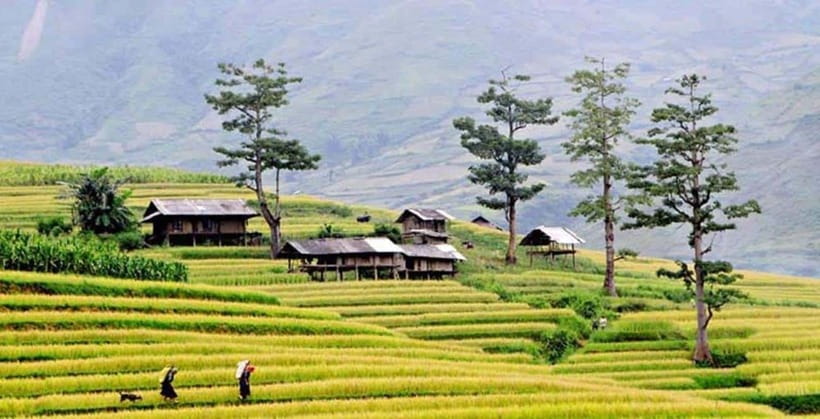
The bridge and river create a welcome pause after the rougher opening section. From here, the walking often becomes easier, although the surface still depends on the weather. You continue among rice fields and high mountain walls, with traditional wooden houses and working farms close to the path.
This is also where a good guide adds real value. Guides such as Chai and Vu explain details about local customs and village life that you would likely miss on your own. The strongest part of the cultural program is not a formal performance. It is the chance to ask about daily routines, traditional clothing, local women’s work, and the choices facing families in the mountains.
That personal exchange gives the day more weight than a simple photo walk. At the same time, you should be respectful. You are passing through homes and working communities, not a museum. Listen first, ask before taking close photographs, and remember that people are living their ordinary lives.
Same trailhead, a different route:
- Sa Pa Full Day Trekking Tour
★ 5.0 · 414 reviews - Sapa 1 Day Long Trek: Trek to Hau Thao and Sa Seng Villages
★ 4.6 · 344 reviews - Explore Sapa by TrekkingAdventures, Mountain,Rice fields
★ 4.9 · 229 reviews - EXPLORE SAPA: 2D1N TREKKING & HMONG CULTURE WITH DINH
★ 4.9 · 191 reviews
Lunch at Lao Chai Sang around 12:30 PM
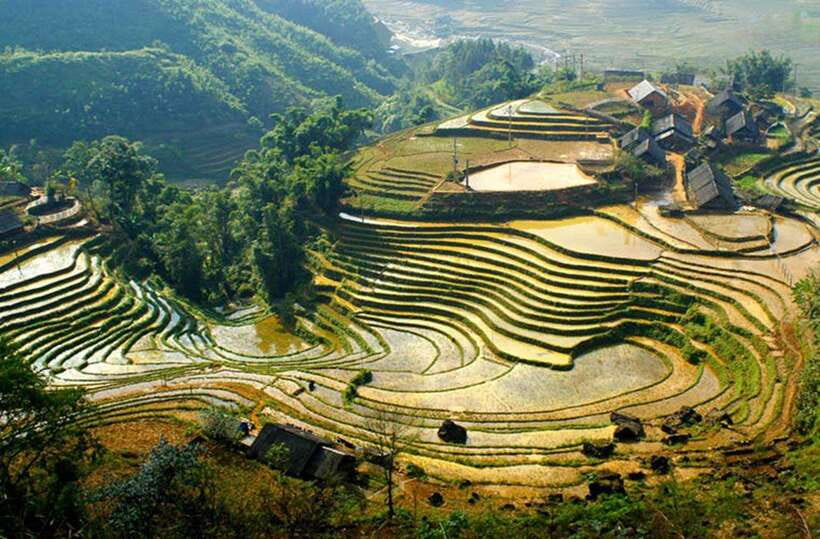
Around midday, you stop in Lao Chai Sang for lunch with local hospitality. The meal is included in the $27 price, along with the entrance tickets and local English-speaking guide.
The exact setting can vary. The schedule describes a meal with a local Hmong family, while some departures have been described as eating at a small village restaurant with a view. Either way, lunch is designed as a proper break in the middle of a demanding walk, not a snack grabbed between stops.
Food is one of the better-value parts of the outing. Several meals were praised as delicious or very good, and vegetarian and vegan options have been available. If you have dietary needs, tell the provider when booking so the meal can be arranged properly.
Drinks are not included, so bring money or water. There are also other personal expenses that are not part of the price. The lunch stop gives you time to rest, but do not expect a long luxury dining experience. This is village food during a walking day, with the setting and hospitality doing as much work as the dishes.
Lao Chai Village and the working rice terraces
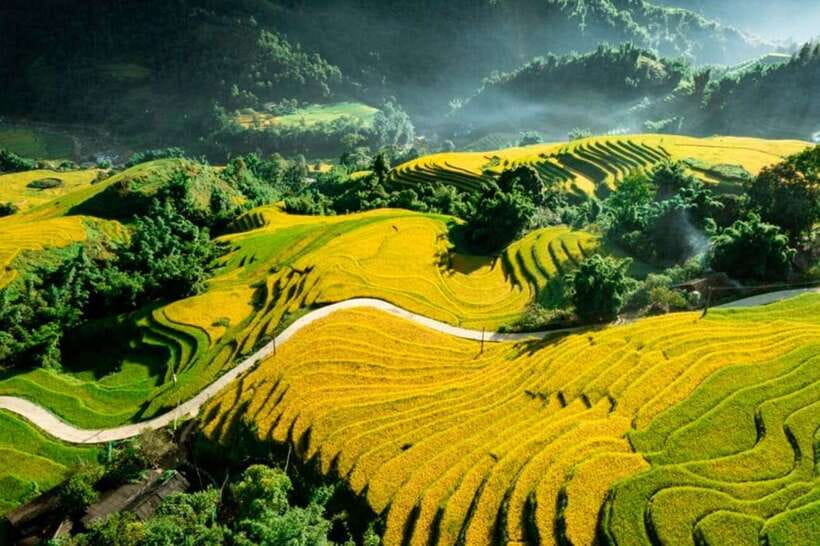
After lunch, the walk continues toward Lao Chai Village. The scenery remains the star: terraces folded into the hills, streams running through the valley, wooden houses, and steep mountains rising on both sides.
The rice fields change with the season. In planting months, you may see farmers working in the paddies. During harvest, the fields and village activity look different. At other times, the terraces may be less colorful than the photographs used to promote Sapa, but the farming setting remains interesting.
This part of the route tends to feel less punishing than the opening trail. Several paths are paved or easier to follow, though you should still expect hills and a full day on your feet. The route is often described as moderately challenging rather than extreme. That makes it suitable for active adults and older children with good stamina, but not for anyone seeking a flat village walk.
The walk also gives you time to notice small details. You might see livestock near homes, people carrying supplies, or children and adults going about daily tasks. The experience works best when you slow down enough to look beyond the famous terrace views.
Clothing, craft, and Hmong daily life
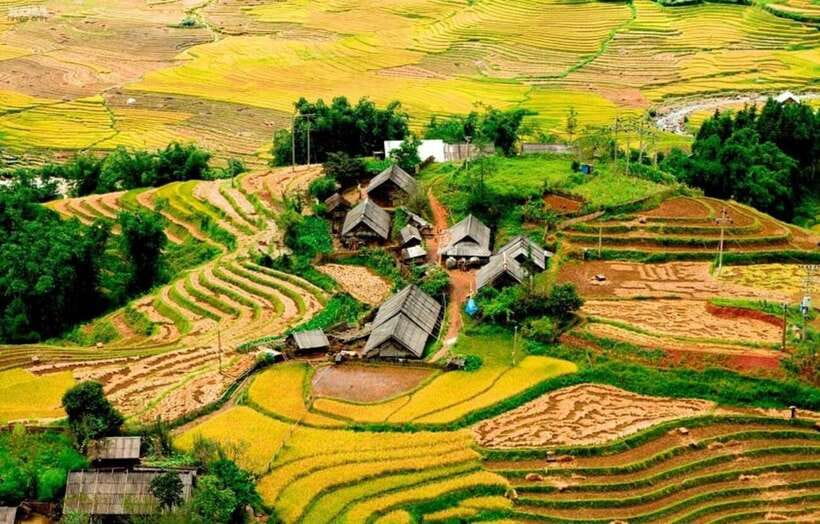
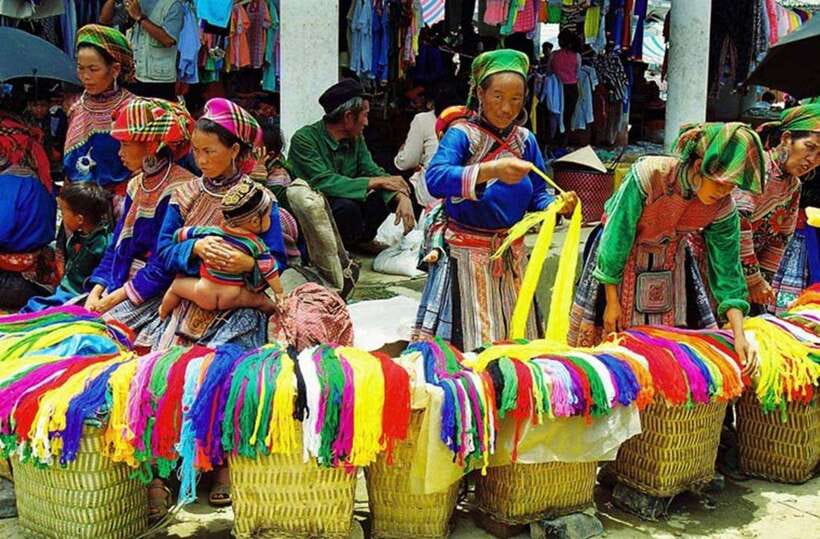
Later in the afternoon, the cultural portion focuses on Hmong daily life and traditional clothing-making. This helps explain the fabrics and garments you may see for sale along the route.
The subject is not just decorative. Clothing connects to identity, skill, family work, and local income. Guides may also talk about the role of women in village life, an aspect that has made a strong impression on people who want more than surface-level sightseeing.
You may encounter women selling handmade bags, clothing, or other items. The approach is generally part of the village economy, but you should still decide for yourself. If you want to support local makers, carry small amounts of cash and buy something you genuinely value. If not, a polite refusal is enough.
Do not confuse shopping with the main purpose of the tour. The strongest value comes from the walk and the conversation, not from being pressured to purchase souvenirs.
Ta Van Village and the Dzay community
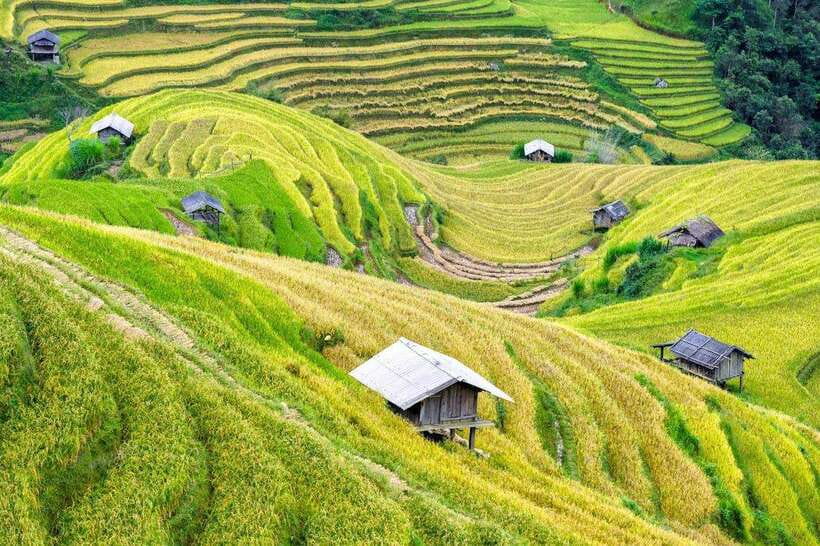
The final village is Ta Van, home to the Dzay minority. This creates a useful contrast with the Hmong communities visited earlier.
The point is not to treat each village as a quick checklist. Your guide helps connect the places through stories about customs, work, clothing, history, and village life. The guide’s local background is important here. Chai, Vu, and other guides have been praised for answering questions openly and for sharing personal experiences rather than delivering a stiff speech.
Ta Van also marks the end of the walking route for many groups. The exact finish can run later than the planned 3:30 PM, particularly if the trail is muddy or the group moves at different speeds. Some departures have finished closer to 4:00 PM, followed by a bus ride back to Sapa.
There is no vehicle support during the main trek. Transport is used at the end to return to town. That detail matters if you are considering this on a tight train, bus, or dinner schedule.
Weather, fitness, and what to pack
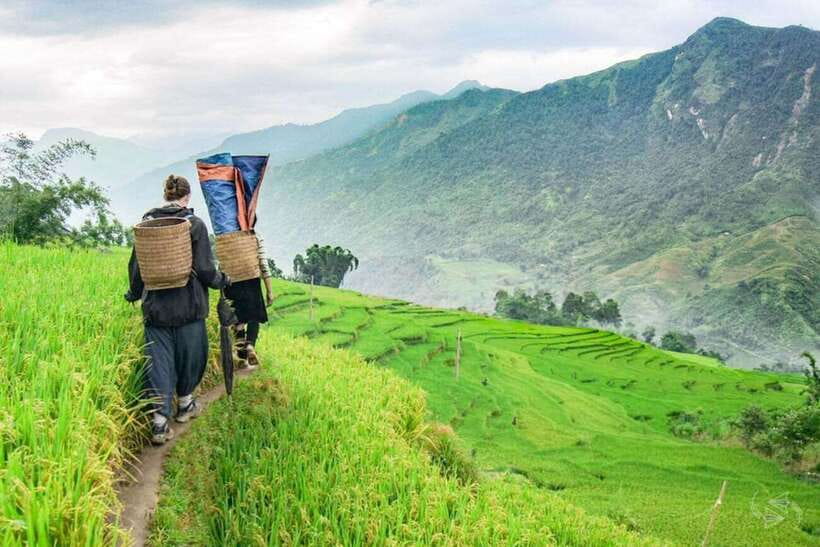
Sapa weather can change the character of the day. Fog may hide Fansipan and the wider valley in the morning, while views improve later. Rain can turn the first section into a slippery test, but dry weather does not always mean a clean trail.
I would pack:
- Hiking shoes with a solid grip
- Warm layers, even when the forecast looks mild
- Clothes that can handle mud
- Insect repellent
- Water and money for drinks
- A phone with WhatsApp access
- Optional cash for handmade goods or boot rental
The distance is about 10 to 12 kilometers. You should be comfortable walking for several hours and handling uneven ground. Pregnant people, wheelchair users, people with mobility impairments, children under five, and people over 75 are advised not to take this activity.
Families with teenagers can enjoy it, especially when everyone is comfortable with a proper hike. It is not a good match for a child who expects an easy sightseeing walk or for anyone with weak knees who dislikes slippery descents.
Is $27 good value?
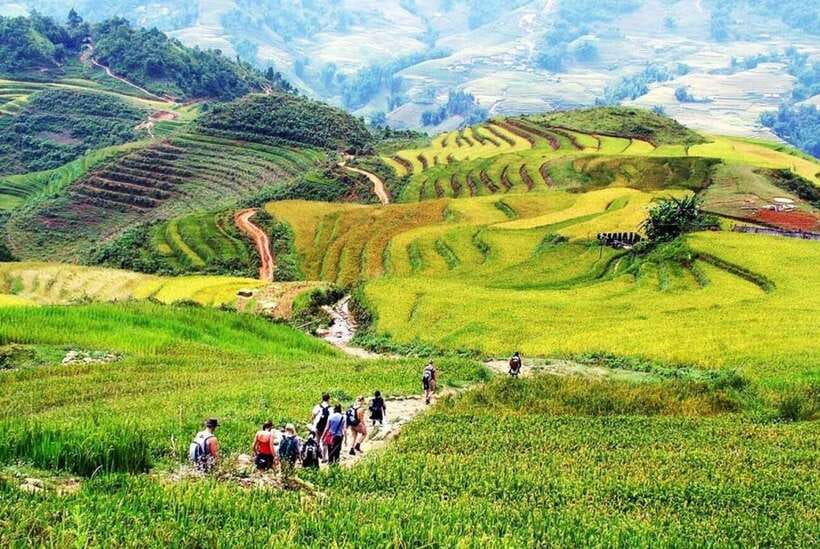
At $27 per person, this is a strong value for a full day of guided walking. The price includes an English-speaking local guide, entrance tickets, and lunch. You are also getting a small group capped at 10 people, which is more useful on narrow paths than a large coach-style outing.
The value depends on what you want. If you only want a quick view of rice terraces, a shorter trip may be enough. If you want to understand village life and spend most of a day outdoors, this price covers the main costs without adding separate entrance fees or lunch charges.
Remember that drinks, hotel transfers, boot rental if needed, purchases, and other personal spending are extra. The meeting point is Sapa Church, so you must make your own way there. The activity offers free cancellation up to 24 hours ahead and lets you reserve now and pay later, which helps if your mountain plans depend on weather.
Who should book this Sapa experience?
I would choose this trek if you want Sapa’s countryside with plenty of cultural explanation. It suits people who like walking, local food, small groups, and direct contact with village communities.
I would skip it if you want a short, dry, polished outing. Wet weather can make the trail muddy, fog can hide the mountains, and the route requires stamina. Still, poor weather does not automatically ruin the day. Fog can create a different mood, and several guides are good at adjusting the pace and helping people through difficult sections.
The guide may be the deciding factor, since names vary by departure. Chai is especially associated with warm, funny, detailed guiding, while Vu and several other local guides are praised for clear English and care on the trail. You cannot necessarily request a particular person, but the local guide is central to the experience.
Should you book it?
Book this trek if you want to walk through the real countryside around Sapa rather than simply photograph it from a viewpoint. The rice terraces, village paths, local meal, and Hmong and Dzay stories make a well-rounded day, and $27 is fair for what is included.
Go prepared for mud, distance, changing weather, and some tired legs. If you bring proper shoes, warm layers, an open attitude, and enough time for the return to town, this is one of the better ways to connect Sapa’s scenery with the people who live among it.
FAQ
Where does the Sapa trek begin?
The guide meets you in front of Sapa Church in the center of Sapa at 9:00 AM.
How long does the activity last?
The scheduled duration is 390 minutes, or about six and a half hours. The planned return to Sapa is around 3:30 PM, though some departures may finish closer to 4:00 PM.
How far do you walk?
The trek covers about 10 to 12 kilometers of walking and hiking.
Which villages does the route visit?
The route includes Y Linh Ho, Lao Chai Sang, Lao Chai, and Ta Van. It passes through areas associated with Hmong and Dzay communities.
Is lunch included?
Yes. A local lunch is included, with the schedule placing the meal around 12:30 PM in Lao Chai Sang. Vegetarian and vegan options have been available.
Are drinks included?
No. Drinks are not included in the price.
What should I bring?
Bring warm clothing, hiking shoes, and insect repellent. You should also wear clothing that can get muddy, particularly after rain.
Is the trek suitable for people with limited mobility?
No. The activity is not suitable for people with mobility impairments or wheelchair users. It is also not recommended for pregnant women, children under five, or people over 75.
What happens if I need to cancel?
You can cancel up to 24 hours in advance for a full refund. The activity also offers a reserve-now, pay-later option.
Just added around Sa Pa
- Sapa: Private The Most Beautiful Terraced Fields Trekking★ 4.8 · 42 reviews
- Soob Sapa Trekking Tour★ 4.3 · 3 reviews
- Sapa Trekking – Waterfalls And H’mong Villages★ 5.0 · 2 reviews
- Sapa3D2N TrekkingAdventures,Valleys,Bambooforest,Waterfall★ 4.8 · 24 reviews
- Sapa: Trekking Through Terraced Rice Fields & Valley 1 Day★ 4.8 · 4 reviews
- Sapa: Trekking Sapa One Day With Group Tour★ 4.7 · 55 reviews
- Sapa Trekking Private Tour With Ethnic Female Tour Guide★ 4.9 · 24 reviews
- Sapa: Y Linh Ho – Lao Chai, and Ta Van Trekking Day Tour★ 5.0 · 25 reviews
Sapa Trekking Tours, compared.
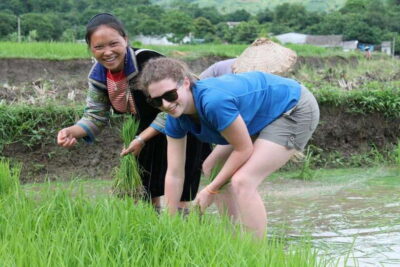
Muong Hoa Valley Trek and Local Ethnic Villages
Read our review →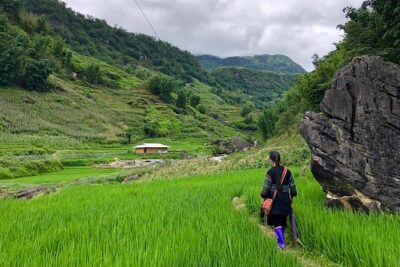
Number one top rated ethical cultural trekking and homestay by ETHOS
Read our review →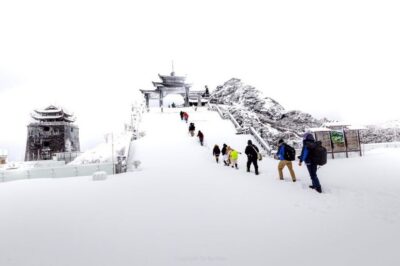
1-Day Guided Trek to Lao Chai & Ta Van with Lunch
Read our review →
Sapa 1 Day Long Trek: Trek to Hau Thao and Sa Seng Villages
Read our review →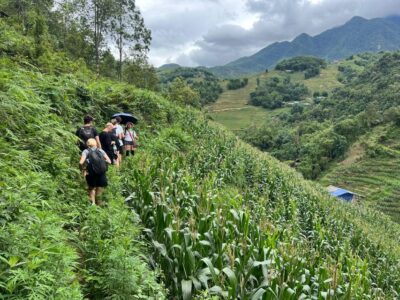
Explore Sapa by TrekkingAdventures, Mountain,Rice fields
Read our review →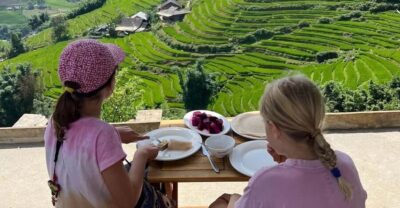
EXPLORE SAPA: 2D1N TREKKING & HMONG CULTURE WITH DINH
Read our review →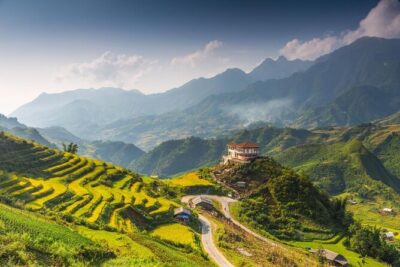
Browse the lists this trek appears in