Review · TREKKING
Trek the Tombs and Trails in the Dublin Mountains
Two ancient tombs give this Dublin hike its purpose. You leave the city by local bus, follow old mountain paths, and cross a ridge where Dublin lies to the north and Wicklow to the south. The route mixes archaeology, open views, forest, and a proper country stop at the end.
I like the small group of up to eight, since it gives you room to ask questions and keep a natural pace. I also like the included bus pass, which turns the trip into a true outing through the foothills rather than a hike that begins and ends beside a busy road.
The main consideration is the physical effort. This is a seven-hour mountain walk for people with moderate fitness, and the experience depends on good weather. Lunch and alcoholic drinks at the finish are optional extras, not part of the $180.44 price.
Key points at a glance
- Two very different ancient burial sites: See a second-millennium B.C. wedge tomb and a stone circle linked to the mountain’s name.
- A high viewpoint over Dublin Bay: Stop at a mountain-top rock beside a cairn and triangulation pillar for wide views.
- A local bus is part of the experience: Ride through the backroads to the start and return by a different route.
- Seasonal wild berries: When conditions allow, you may pick berries to eat or save for jam or a tart.
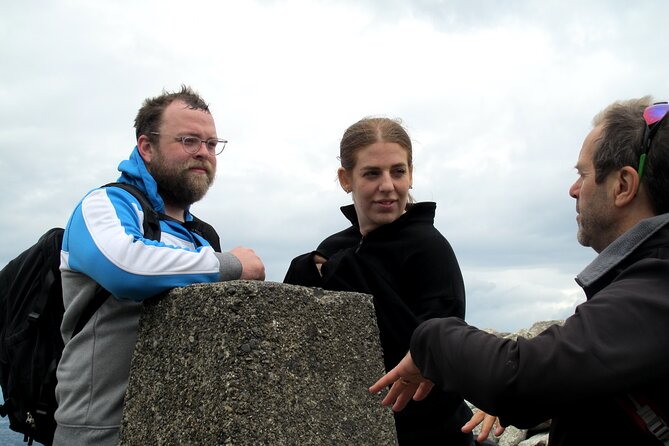
- Small-group guiding: The maximum group size is eight, with guide Ben named in the available feedback.
- A relaxed country finish: Choose between local food at a rustic cafe and restaurant or a pint in a rural pub.
Why this hike feels different from a standard Dublin day tour
Many Dublin outings stay within the city center. This one uses the capital as a starting point, then heads into the foothills by bus. That change matters. You get a sense of how quickly Dublin gives way to open mountain country, small roads, and scattered rural places.
The archaeology is not presented as a quick photo stop. The first tomb is an ancient wedge tomb dating to the second millennium B.C. Its form and setting give the guide something solid to explain, and the quiet mountain path makes it easier to picture the site as a burial place rather than simply an old pile of stones.
The second stop offers a different kind of interest. It is an ancient stone circle and burial place connected with the man for whom the mountaintop is named. Seeing two types of burial site in one day helps you notice the variety of prehistoric monuments around Ireland.
I also like the balance between planned stops and small seasonal details. If wild berries are available, you may pause to pick them. You can eat them on the walk or save the idea for jam or a tart later. It is a simple touch, but it makes the route feel tied to the season rather than fixed to a script.
A few more treks around the world worth a look
- Mount Etna: Trek to 3000m with cable car and 4×4
★ 4.6 · 3,823 reviews - Bali: Mount Batur Sunrise Trek With Guide and Breakfast
★ 4.8 · 3,461 reviews - From Chania: Full-Day Samaria Gorge Trek Excursion & Guide
★ 4.6 · 3,191 reviews
Dundrum to Glencullen by local bus
The meeting point is outside the Luas station in Dundrum, Dublin. From there, the included bus pass takes you through the backroads of the Dublin foothills toward the remote mountain village of Glencullen.
This opening ride is useful for two reasons. First, you do not have to arrange a separate taxi or rental car to reach the trailhead. Second, the bus gives you a gradual change of scene before the walking begins. The tour is not just a route from a city stop to a mountain path. The transport helps show the transition.
The return is also by bus, and the route back uses a different path. That means the transport is not simply a repeat of the morning journey. You finish at the original Dundrum meeting point, which makes the day easier to fit into a Dublin visit.
The listing does not provide a detailed bus timetable, so you should keep the full seven-hour period free. A mobile ticket is offered, and the experience is conducted in English.
The first tomb and the long mountain path
From Glencullen, you follow a meandering mountain path to the first burial site. This is the wedge tomb from the second millennium B.C., an especially worthwhile stop for anyone interested in prehistoric Ireland.
The route is designed for steady walking rather than a rushed march between monuments. That gives the guide time to explain the tomb’s history and answer questions. If guide Ben is leading your outing, you can expect the history to be a central part of the walk. One strong account of the day specifically praised his knowledge of Irish history and the amount learned along the way.
You should still treat the route as a genuine hike. The experience calls for moderate physical fitness, and seven hours is a long day even at a leisurely pace. Good shoes, water, and clothing suited to changing mountain weather are sensible choices, though the supplied details do not specify a required kit list.
The path itself is part of the appeal. You are not confined to a marked urban attraction with crowds and fixed viewing areas. The walk meanders through the foothills and later joins the Dublin Mountains Way, giving the day a sense of distance from the city.
Dublin Bay from the mountaintop rock
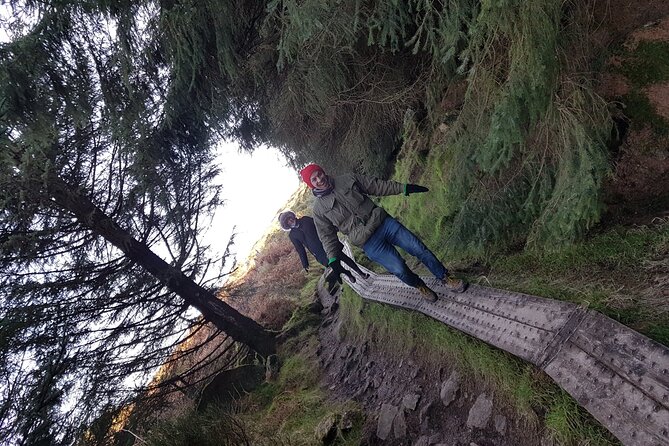
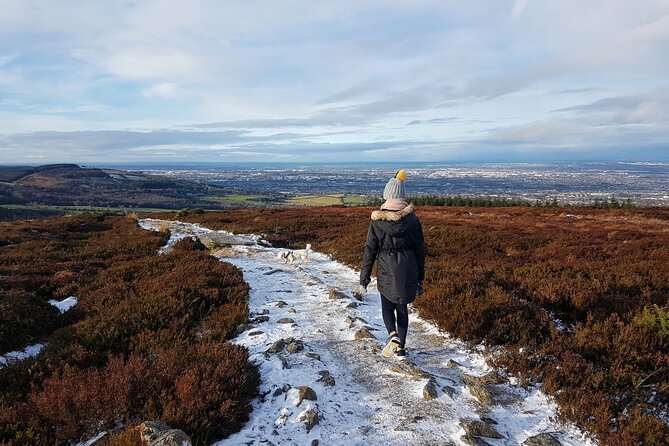
The next major stop is a popular viewpoint on a mountain-top rock. From here, you look north over Dublin and the bay area. The exact conditions will shape the view, but the stop is intended as one of the day’s broad scenic moments.
A never-excavated cairn and a triangulation pillar sit at this high point. The cairn adds another layer of archaeological interest, while the pillar shows the practical surveying history of the mountain. You get both an ancient marker and a more recent one in the same place.
I like this stop because it breaks up the historical explanations with a wide view. After walking a winding trail, it is satisfying to reach a point where the city’s position becomes clear. Dublin is no longer only the place where you met the group. From above, you can see its relationship with the surrounding hills and bay.
Mountain views are weather-dependent, of course. The tour requires good weather, and poor conditions can lead to a new date or a full refund. Even in fair weather, cloud or haze may reduce the distance you can see, so you should book this for the walking and archaeology as much as for the panorama.
Same trailhead, a different route:
- Mount Etna: Summit Crater Trek with Cable Car
★ 4.8 · 1,875 reviews - La Palma: Tajogaite Volcano Guided Trek
★ 4.8 · 1,810 reviews - Skaftafell: Ice Cave Tour and Glacier Hike
★ 4.5 · 1,746 reviews - Etna: summit craters trekking with volcano guide 3350mt
★ 4.7 · 1,712 reviews
Picking berries when the season is right
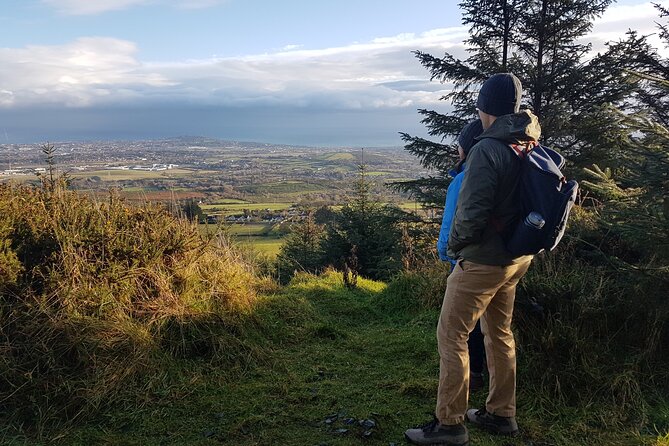
The berry stop is optional and seasonal. If the plants are producing fruit, you may pick some to enjoy during the walk or use later for jam or a tart.
This is not the kind of feature that should decide the booking by itself. The details do not promise a particular berry, quantity, or season. Think of it as a pleasant extra that may appear along the route, not a scheduled tasting.
Still, I like the way it changes your attention. You are not only looking at tombs and distant views. You are also noticing what grows along the path. For many people, that small pause will be more memorable than another formal sightseeing stop.
The ridge between Dublin and Wicklow
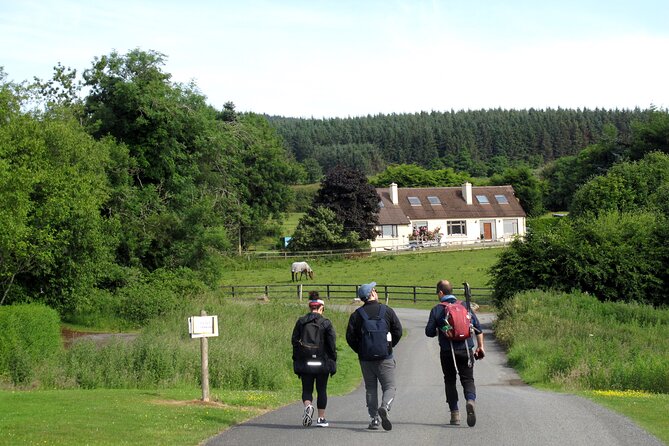
After the viewpoint, the hike continues along a ridge. Dublin remains to the north, while Wicklow lies to the south. This section gives you the clearest sense of the tour’s position between city and mountain country.
The ridge walk is likely to be one of the more open parts of the day, with views in both directions. It also adds variety after the first path and the mountaintop stop. You are not simply retracing your steps to the first tomb.
The route’s changing character is a real strength. You move from a remote village to a prehistoric burial site, then to an exposed viewpoint, across a ridge, and later into an evergreen forest. That range makes the seven hours feel like a proper day out rather than a single attraction padded with spare time.
At the same time, open ridges can feel more demanding in poor weather. Wind and rain would make this section less comfortable, which is another reason the good-weather requirement matters. The tour is not the best choice if you want a short, sheltered walk with no exposure to changing conditions.
Tibradden and the second burial site
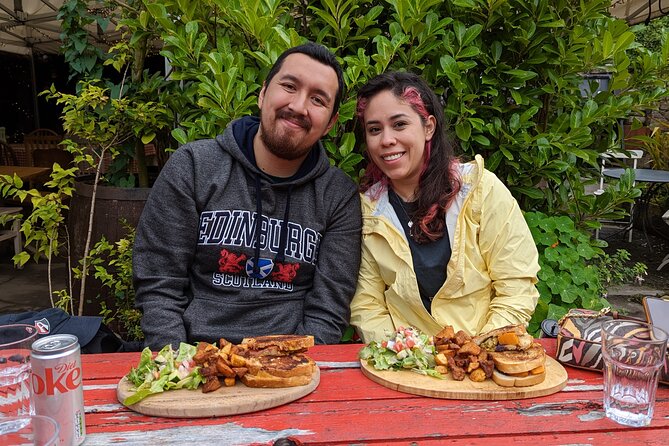
The next major area is Tibradden, where you reach the second tomb. This site is an ancient stone circle and burial place, connected with the man whose name the mountaintop carries.
The contrast with the wedge tomb gives the day its strongest archaeological shape. You see two burial traditions and two different settings, then hear how the second place connects to a local name. The guide’s explanations are important here, since the stones themselves will not provide much context without interpretation.
This is where the small group should help. With no more than eight people, you can gather close enough to hear the guide and ask about the monuments without the stop becoming a large crowd scene. If you care more about context than simply checking off sights, that group limit adds real value.
The tour does not promise excavation access or a museum-style display. These are outdoor sites, and the experience depends on walking to them and understanding them in place. That will suit you if you enjoy archaeology in the open air. It may not suit you if you prefer polished visitor centers, extensive signage, or a short route between attractions.
Forest paths, country roads, and a well-earned stop
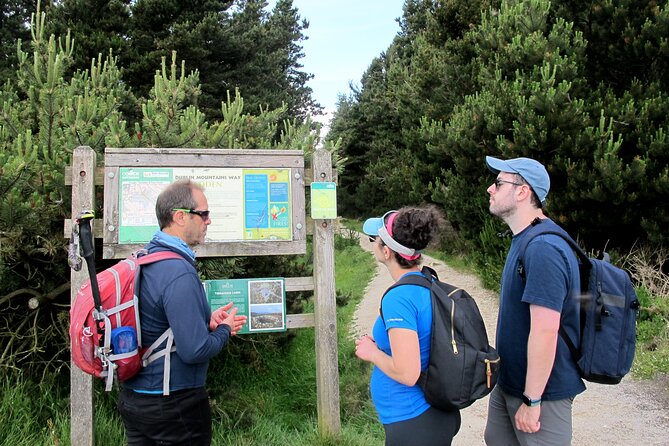
After Tibradden, the route heads down through an evergreen forest and then follows a rural back road. The change in pace should feel welcome after the ridge and mountain sections.
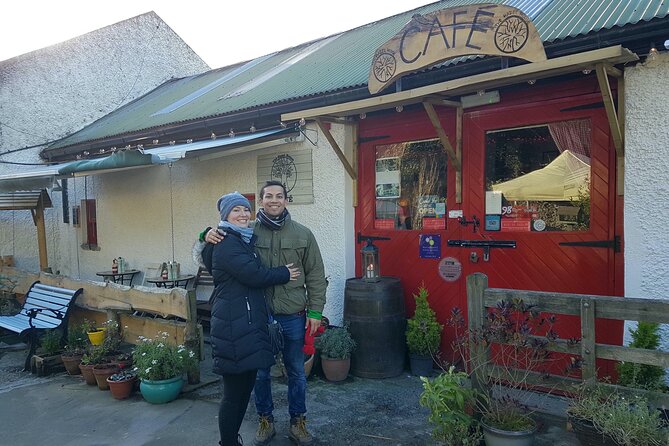
The day ends at The Hazel House, described as a quaint, rustic cafe and restaurant. You can choose a lunch made with local produce and local cuisine, or stop at a country pub for a pint.
Neither lunch nor alcoholic drinks are included in the tour price. That is worth keeping in mind when working out the day’s cost. The advantage is choice. You can sit down for food if you are hungry, or keep the stop simpler with a drink at the pub. The supplied details do not state the menu, meal price, or pub name, so plan to pay separately and treat the stop as an optional finish.
I like ending here rather than at a transport interchange. A rural cafe or pub gives the day a social, local feel and rewards you after the walk. Just remember that the final stop is part of the outing, not a guaranteed included meal.
Is $180.44 a fair price?
At $180.44 per person, this is not a cheap way to spend seven hours. The value depends on what you want from a Dublin day.
The price includes the bus pass to the hike and back, a small-group guide, archaeological interpretation, and access to a full route through the Dublin Mountains. You are also paying for the planning that connects the village, trails, two tombs, viewpoints, forest, and final stop without requiring you to work out the transport yourself.
The group limit is important. A maximum of eight is much more personal than a large coach excursion, especially at outdoor monuments where the guide’s explanations matter. The available feedback gives the experience a five-star score from 14 reviews, with 100 percent recommending it. One detailed comment especially praised the hiking, tombs, views, and Ben’s Irish history knowledge. Those are the parts that justify the price for someone who wants substance rather than a simple scenic walk.
Still, the cost may feel high if you already have a car, know the Dublin Mountains, and can reach the trails independently. It also does not include lunch or a drink. I would see the price as reasonable for a guided, transport-linked, small-group day, but not as a bargain excursion.
Who should book this Dublin Mountains walk?
I would recommend it to you if you enjoy active sightseeing, outdoor archaeology, and local history. It suits someone who wants to leave central Dublin for a day without renting a car or planning several bus connections.
It is also a good match for people who prefer small groups. With only eight places, you should have a better chance to hear the guide, ask questions, and walk at a more human pace than on a large organized tour.
You should think twice if you dislike long walks, uneven mountain paths, changing weather, or optional stops where food costs extra. The seven-hour length is significant, and the route is not presented as an easy stroll.
The tour is offered in English, is near public transport, and allows service animals. Group discounts are available. Free cancellation applies when you cancel at least 24 hours before the start time. Changes made within 24 hours are not accepted, and a weather cancellation offers either another date or a full refund.
Final call: book for history, views, and a real day outdoors
Book this hike if two prehistoric burial sites, a ridge walk, and broad Dublin Bay views sound more appealing than another day among city streets. The best reasons to go are the small group, the included bus transport, and the way the route joins archaeology with ordinary mountain pleasures such as berries, forest paths, and a country pub.
Skip it if you want a short, low-effort activity or an all-inclusive price with lunch included. For a reasonably fit visitor who wants to understand the Dublin foothills rather than simply photograph them, this is a strong and unusual day out.
FAQ
Where does the tour start and finish?
It starts outside the Luas station in Dundrum, Dublin, and finishes back at the same meeting point.
How long does the experience last?
The hike and transport take approximately seven hours.
How many people can join the tour?
The maximum group size is eight people.
Is transportation included?
Yes. A bus pass is included for transport to the start of the hike and for the return journey. The return uses a different route.
Are lunch and alcoholic drinks included?
No. You may choose to eat at a rustic cafe and restaurant or visit a country pub, but lunch and alcoholic beverages cost extra.
What happens if the weather is poor?
The experience requires good weather. If it is canceled because of poor conditions, you will be offered another date or a full refund.
Just added around the world
- Everest Base Camp Trek★ 5.0 · 3 reviews
- Everest Base Camp Trek★ 5.0 · 7 reviews
- 15 Days Private Everest Base Camp Trek★ 5.0 · 30 reviews
- Everest Base Camp Trek★ 5.0 · 57 reviews
- 14 Days of Adventure Trekking to Everest Base Camp★ 5.0 · 2 reviews
- 14-Day Everest Base Camp Trek★ 5.0 · 20 reviews
- From Kathmandu: Private 14-Day Everest Base Camp Trek★ 5.0 · 20 reviews
- 14 Days Everest Base Camp Trek★ 5.0 · 4 reviews
Trekking Tours, compared.
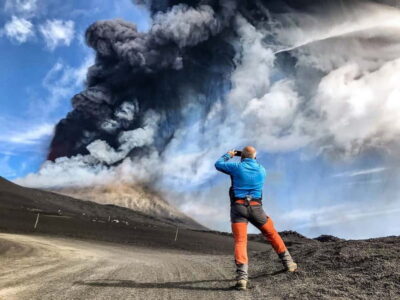
Mount Etna: Trek to 3000m with cable car and 4×4
Read our review →
Mount Batur Sunrise Trek With Guide and Breakfast
Read our review →
Full-Day Samaria Gorge Trek Excursion & Guide
Read our review →
Mount Etna: Summit Crater Trek with Cable Car
Read our review →
Etna: summit craters trekking with volcano guide 3350mt
Read our review →