
Review · COLOMBIA
Bogota: East Hills Mountain Hike
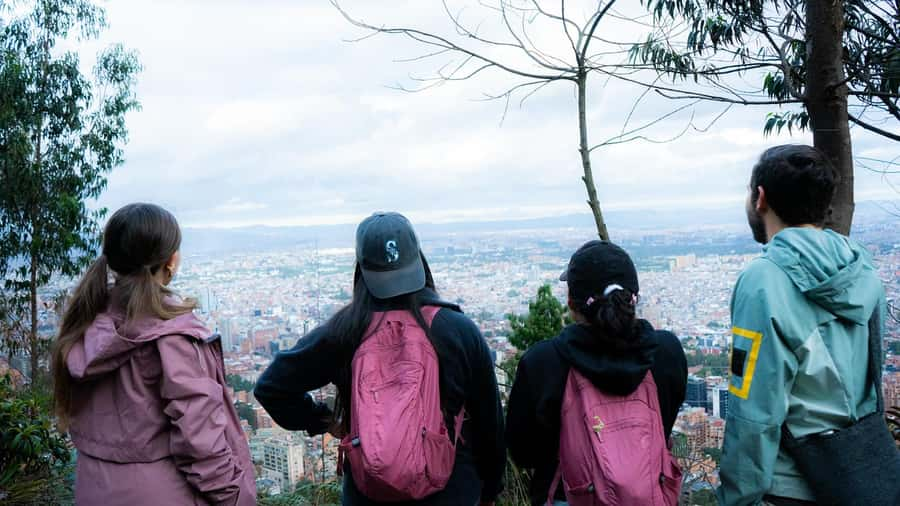
Bogotá’s East Hills give you something most city tours do not: a close look at the wild mountains that form the capital’s eastern edge. The trail climbs from the city into forest and high Andean vegetation, ending at Moyas, where you get broad views over Bogotá and the reserve beyond it. The city panorama is the main prize.
I like the small groups, limited to eight people, and the private transfer that makes an early start much easier. I also like the environmental focus. Your guide explains the struggle between native and invasive plants rather than treating the hills as scenery alone.
The catch is the climb. You gain about 550 meters over 3 kilometers each way, reaching roughly 3,100 meters above sea level. Rain can turn the steep path into slippery mud, so this is a proper half-day hike, not a gentle city walk.
Five things to know before you book
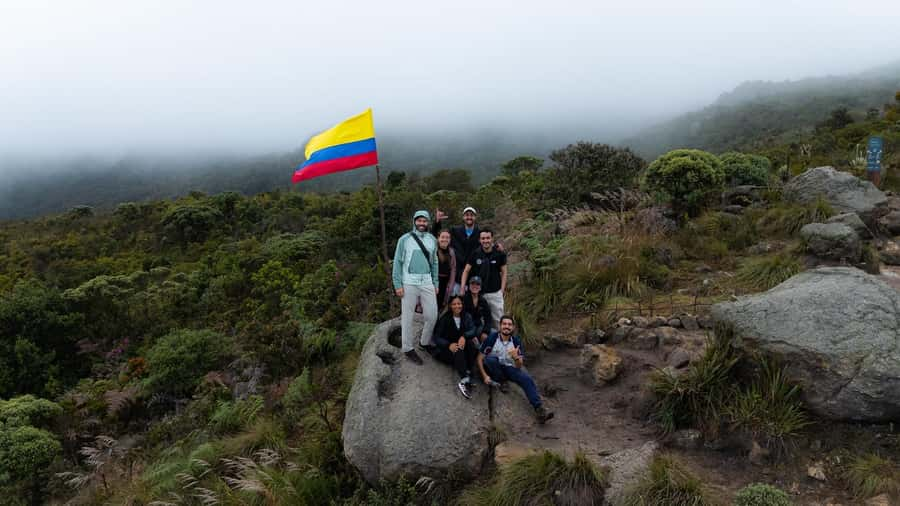
- Moyas gives you a different Bogotá view: The high viewpoint can feel more rewarding than the usual city lookout because you see the capital from within its eastern forest.
- The altitude matters: Bogotá itself sits at about 2,600 meters, and the hike climbs another 550 meters. Give yourself at least 36 hours in the city first.
- Expect a steep, muddy trail: Good-tread hiking shoes are essential, especially after rain. Wear shoes and clothes you do not mind getting dirty.
- The guide adds real context: Felipe and Rodrigo are named guides associated with this experience, and the tour covers páramo vegetation, biodiversity, invasive species, and conservation.
- The price buys more than a walk: At $80 per person, you receive hotel pickup, a private vehicle, a guide, and access to the forest reserve, with a small group capped at eight.
Why Bogotá’s East Hills are worth your morning
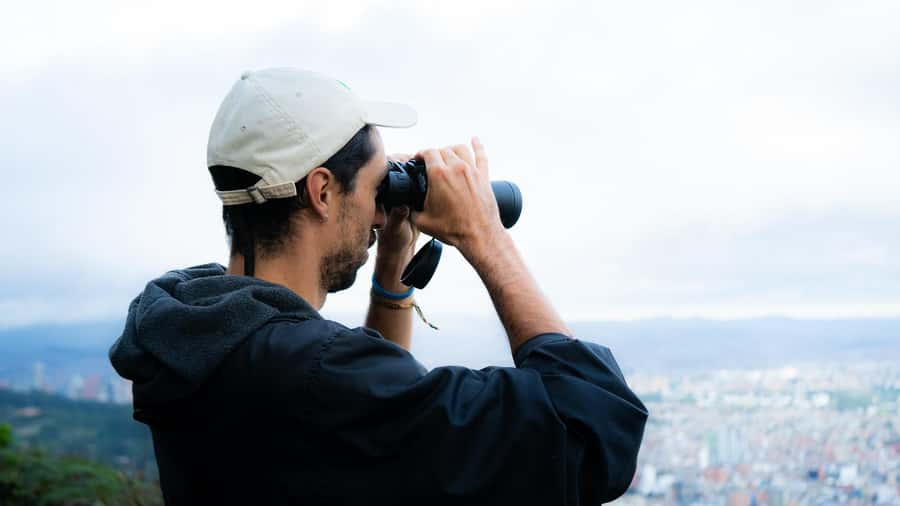
Bogotá spreads across a high savannah at the foot of the eastern Andean range. The city may look broad and flat from many streets, but the Cerros Orientales rise sharply along its eastern boundary. These hills affect the capital’s weather and provide a large forest reserve close to millions of people.
That setting is what makes this outing special. You are not driving out to a distant national park for a full day. You are leaving the urban core, walking uphill, and reaching a protected natural area within the city’s own mountain belt.
I like the contrast. At the start, Bogotá is very much a city. As you climb, the buildings give way to trees, rough trail, mountain air, and high-altitude plants. The change is quick enough to feel striking, but the route remains manageable within a four-hour program for people who are comfortable with a demanding walk.
The hills also have a local story. Much of this area was not traditionally open or easy for visitors to explore. Work by residents of nearby neighborhoods and the city administration has helped connect and open trails. Your guide can explain how access, conservation, and urban growth meet in this narrow strip of wilderness.
A few more treks around the world worth a look
- Mount Etna: Trek to 3000m with cable car and 4×4
★ 4.6 · 3,823 reviews - Bali: Mount Batur Sunrise Trek With Guide and Breakfast
★ 4.8 · 3,461 reviews - From Chania: Full-Day Samaria Gorge Trek Excursion & Guide
★ 4.6 · 3,191 reviews
Hotel pickup and an early start
The experience includes pickup at your hotel and a private vehicle for the transfer. That matters in Bogotá, where an early meeting point on the edge of the city can be awkward to reach on your own. It also keeps the morning simple: you can focus on clothing, water, and breakfast rather than arranging transport before sunrise.
Some departures have started at about 6 a.m., especially on a Saturday. An early start is useful for two reasons. It gives you cooler conditions for the uphill section, and the trail may be less crowded before late morning. Starting early also leaves time after the hike to eat or continue sightseeing.
The exact starting time depends on availability, so check it before booking. The tour lasts about four hours, though the route is not a rushed dash. The guide needs time to manage the climb, talk about the reserve, and pause at Moyas.
A small group of no more than eight is another practical advantage. On a steep path, a large group can stretch out and force everyone to move at the same pace. With fewer people, it should be easier to stay near the guide and ask questions about plants or the city below.
Climbing from 2,600 to 3,100 meters
Bogotá already sits high, at roughly 2,600 meters above sea level. The route climbs to about 3,100 meters, with an elevation gain of approximately 550 meters. That number tells you more than the four-hour duration does: the hike is medium-high in physical difficulty.
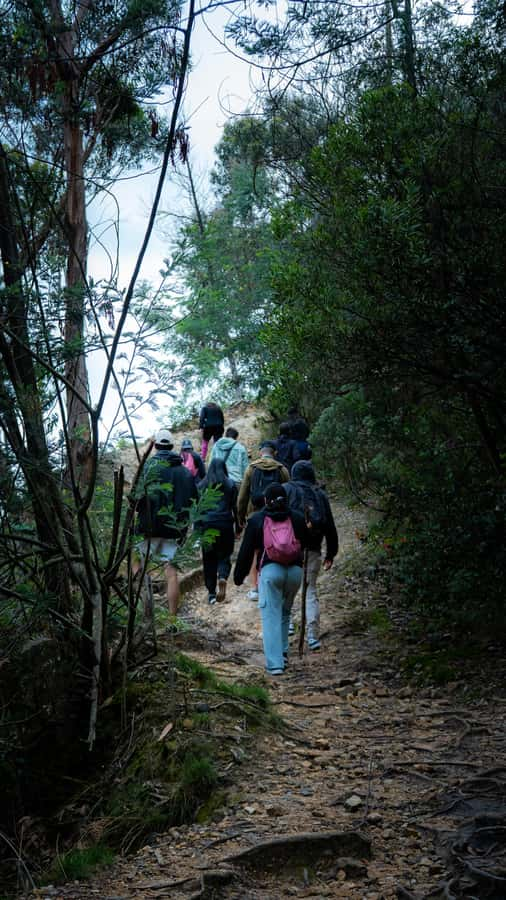
The total distance is about 6 kilometers, with 3 kilometers going up and 3 kilometers returning. The uphill stretch is the demanding part. You should expect a steep trail rather than a level path with occasional steps.
Altitude can affect people differently. Even if you are fit at home, the combination of thin air, a steep grade, and unfamiliar exertion can make the climb feel harder. The sensible advice is to spend at least 36 hours in Bogotá before taking this tour, and preferably schedule it around your second day or later.
You do not need to be an expert mountaineer, but you should be comfortable walking uphill for several hours. This outing is not suitable for people with mobility impairments. If you have doubts about the exertion, ask the provider for current trail conditions before confirming.
The forest reserve and its high Andean plants
The route passes into Bogotá’s forest reserve, where the point is not only to reach a viewpoint. Your guide discusses biodiversity and the pressure created by invasive species competing with native plants. This adds meaning to the walk, especially if you want to understand how a major city manages its remaining mountain forest.
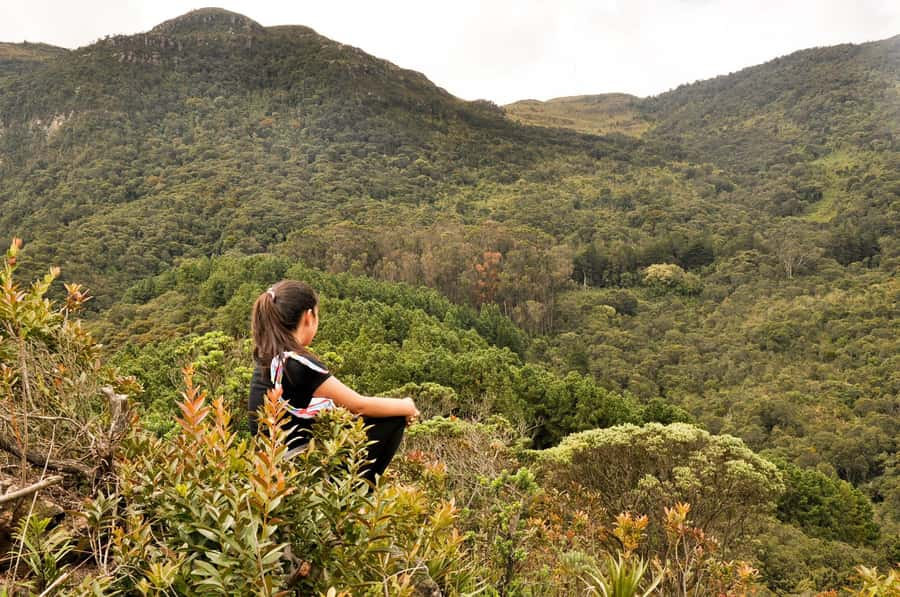
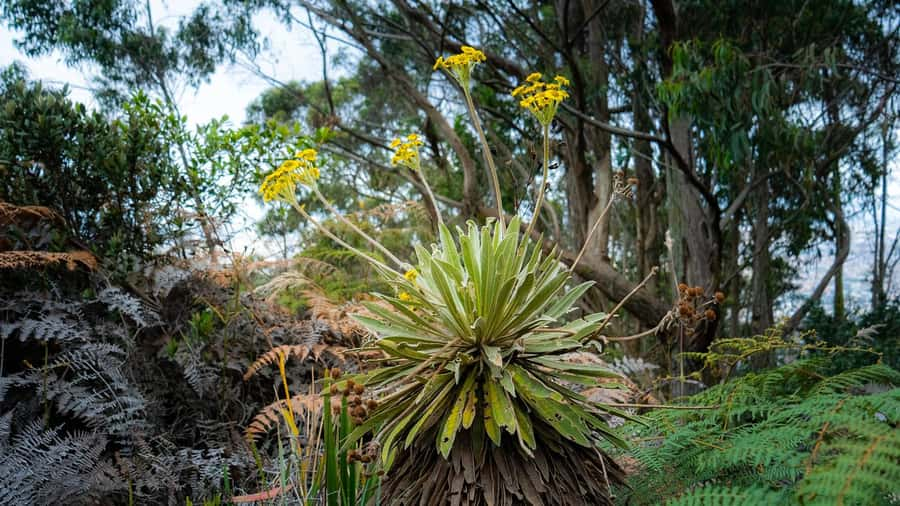
Near the top, you reach vegetation associated with the páramo, the high Andean environment found at these elevations. The plant life is part of what makes the trail feel different from a standard woodland walk. You are moving from Bogotá’s urban zone into a high mountain setting without leaving the city’s eastern range.
The exact condition of the path can change with weather. After rain, the trail may become very muddy and slippery. A verified booking from Switzerland described the route as steep, wet, and slick after rainfall, with a strong recommendation for shoes that have excellent grip and can get dirty.
Take that warning seriously. Running shoes with smooth soles are a poor choice. Wear sturdy hiking shoes with good tread, comfortable clothes, and a jacket or raincoat. The reserve has no food stands, cafés, or other amenities, so bring drinking water and snacks.
Same trailhead, a different route:
- Mount Etna: Summit Crater Trek with Cable Car
★ 4.8 · 1,875 reviews - La Palma: Tajogaite Volcano Guided Trek
★ 4.8 · 1,810 reviews - Skaftafell: Ice Cave Tour and Glacier Hike
★ 4.5 · 1,746 reviews - Etna: summit craters trekking with volcano guide 3350mt
★ 4.7 · 1,712 reviews
Moyas and the wide view over Bogotá
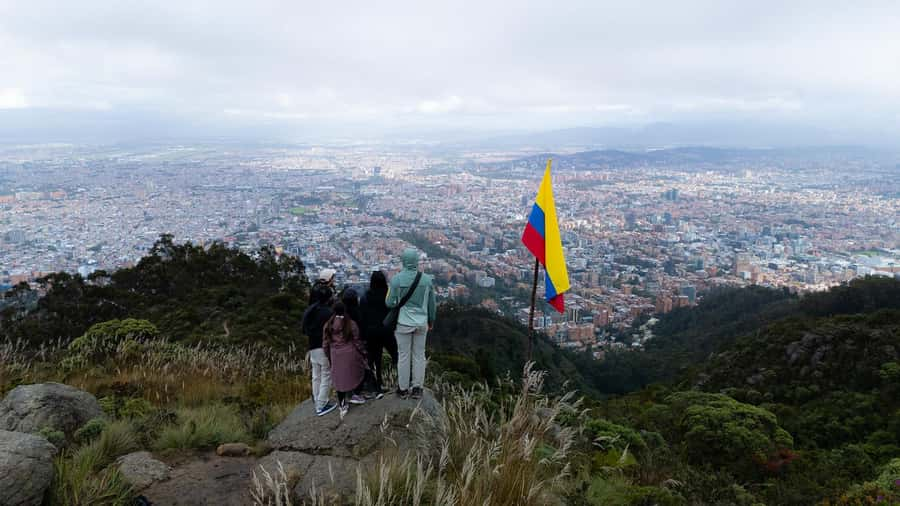
Moyas is the turning point and scenic reward. The stone formations sit high enough to give you sweeping views over Bogotá, with the forest reserve extending east toward the mountains. You can take a break here, catch your breath, and look back at the city you left below.
The view has a useful comparison point. Monserrate is the best-known high lookout in Bogotá, but Moyas offers a different angle because you reach it by walking through the hills rather than riding up to a major attraction. One strong recommendation for this outing specifically praised the Moyas view as even more impressive than the panorama from Monserrate.
That does not mean Moyas replaces Monserrate for every visitor. Monserrate is easier to reach and better suited to anyone who wants a quick scenic stop. Moyas asks more from you, but the effort gives the view a stronger sense of place. You see Bogotá from a forest trail, with the city spread below and the reserve behind you.
Bring sunglasses and sunscreen. The high elevation can make the sun feel strong even when the air is cool. A jacket is also important because weather in the hills can shift quickly, and rain is a real possibility.
Guides who make the climb more useful
The experience is offered in English or Spanish. Named guides connected with the outing include Felipe and Rodrigo. Rodrigo has been described as speaking English, French, and Spanish, which could be useful if you need more than one language during the walk.
A good guide matters here because the path alone does not explain the reserve. You want someone who can point out the difference between native and invasive plants, describe the páramo environment, and explain the environmental problems facing Bogotá’s hills.
The guide also helps with pacing and route decisions. On a steep or muddy trail, that practical role is important. You are not simply following a map. You have someone watching the group, explaining the terrain, and helping the hike stay within the planned time.
Felipe has also been singled out for his company and strong understanding of the area. Names and guide assignments can change, so do not assume one particular person will lead your departure. Still, the inclusion of an expert English-speaking guide is a real part of the value, not a minor extra.
Returning toward the G Zone
After Moyas, you return along the trail and walk back toward Bogotá. The tour then continues on foot to the G Zone, a dining and café area where you can stop for food or coffee, or arrange transport to your hotel or next destination.
Food and drinks are not included, so budget separately for this final stop. The useful part is the flexibility. You can end the active portion with a café visit in the G Zone, or arrange to continue elsewhere instead of being tied to a fixed lunch plan.
This also means you should not count on refreshments inside the reserve. Carry your own water and snacks for the hike. Save the café or restaurant stop for afterward, when you have finished the climb and descent.
Is $80 a fair price?
The price is $80 per person. That is not the cheapest way to walk in Bogotá, but the cost includes several services that would be inconvenient to arrange separately: hotel pickup, a private vehicle, an English or Spanish-speaking guide, and access to the forest reserve.
The group limit of eight improves the value. You are paying for a guided experience with room for questions, not a large bus outing where the guide must speak to dozens of people at once. If you value nature interpretation and want the logistics handled, the price is reasonable.
The value is weaker if you only want a viewpoint. You could choose an easier city lookout or Monserrate and avoid the steep climb, muddy conditions, and altitude concerns. This outing earns its price through the combination of exercise, conservation context, and access to a less common part of Bogotá.
The listed price does not include Colombian VAT. Foreign visitors entering as tourists may qualify for the tax benefit, but you need to send a copy of your passport and the photo of your Colombian entry stamp as proof. Clarify this before payment so the final charge does not surprise you.
What to pack for a safer hike
Keep your bag light, but do not skip the essentials. I would bring:
- Hiking shoes with deep, reliable tread
- Water and snacks
- A raincoat or waterproof jacket
- An extra warm layer
- Sunscreen and sunglasses
- Comfortable hiking clothes
- Passport or another ID card
The passport or ID is listed as required, so keep it secure and accessible. The jacket is not just for cold. It also gives you protection if rain moves into the hills.
You may get muddy, especially after rain. Plan your clothing and footwear around that fact. This is not the right outing for delicate shoes or clothes you need to wear later that day.
Who should book this East Hills hike?
I would choose this hike if you want a physical morning outdoors and prefer a less standard view of Bogotá. It fits people who enjoy walking, care about local conservation, and like having a guide explain what they are seeing.
It is also a good choice for repeat visitors who have already seen the main city sights. The route shows why Bogotá is more than its streets and museums. The eastern hills shape the city’s climate, edge, and identity.
I would be cautious if you arrive late at night and want to hike the next morning. The recommended acclimatization period is at least 36 hours, particularly if you are not used to high altitude. I would also skip it if steep, slippery trails are a concern, or if you have mobility limitations.
The booking terms are flexible enough for uncertain plans. You can cancel up to 24 hours ahead for a full refund, and the reserve-now, pay-later option lets you hold a place without paying immediately. Check the available start times, then match the hike to your energy and altitude adjustment.
Should you book it?
Book this if the idea of climbing from Bogotá into páramo vegetation, learning about the reserve, and earning a broad view from Moyas appeals to you. The strongest reasons are the small group, private transfer, expert guide, and a city panorama reached by your own effort.
Skip it if you want an easy sightseeing stop or if you have only just arrived in Bogotá. The 550-meter climb is real, and wet weather can make it steep and slick. With good shoes, water, patience, and enough time to adjust to altitude, this is one of the more distinctive ways to see the capital.
FAQ
How long is the East Hills Mountain Hike?
The activity lasts about four hours. The route covers roughly 3 kilometers each way, for an approximate total of 6 kilometers.
How high does the hike go?
The trail reaches about 3,100 meters above sea level. Bogotá begins at roughly 2,600 meters, so the hike includes an elevation gain of about 550 meters.
How difficult is the hike?
The physical demand is rated medium-high. The route is steep, and rain can make it muddy and slippery. It is not suitable for people with mobility impairments.
How long should I acclimatize in Bogotá first?
You should spend at least 36 hours in Bogotá before taking the hike. The activity is especially recommended around two days after arrival if you are not used to high altitudes.
What does the $80 price include?
The price includes hotel pickup, private vehicle transfers, an expert English-speaking guide, and access to the forest reserve. Food, drinks, and personal expenses are not included.
Can I cancel the booking?
Yes. You can cancel up to 24 hours in advance for a full refund. A reserve-now, pay-later option is also available.
Just added around the world
- Everest Base Camp Trek★ 5.0 · 3 reviews
- Everest Base Camp Trek★ 5.0 · 7 reviews
- 15 Days Private Everest Base Camp Trek★ 5.0 · 30 reviews
- Everest Base Camp Trek★ 5.0 · 57 reviews
- 14 Days of Adventure Trekking to Everest Base Camp★ 5.0 · 2 reviews
- 14-Day Everest Base Camp Trek★ 5.0 · 20 reviews
- From Kathmandu: Private 14-Day Everest Base Camp Trek★ 5.0 · 20 reviews
- 14 Days Everest Base Camp Trek★ 5.0 · 4 reviews
Colombia Trekking Tours, compared.
Trekking History and Indigenous Heritage in Minca + Cacao & Coffee + Waterfall
Read our review →
Aerial Hammocks, Zip and Waterfall Trek on Medellin Private Tour
Read our review →
Santa Marta: Trekking in Minca Complete Waterfall Circuit
Read our review →
Coffee, Cocoa and Trekking Tour in Minca: Nature, Crops and Production
Read our review →
Cali: Pico de Loro Trekking Adventure – Farallones de Cali
Read our review →
Camino Real: Barichara-Guane Trekking Tour + Paleontological Museum
Read our review →Browse the lists this trek appears in