
Review · COLOMBIA
Santa Marta: Multi-Day Trek to The Lost City
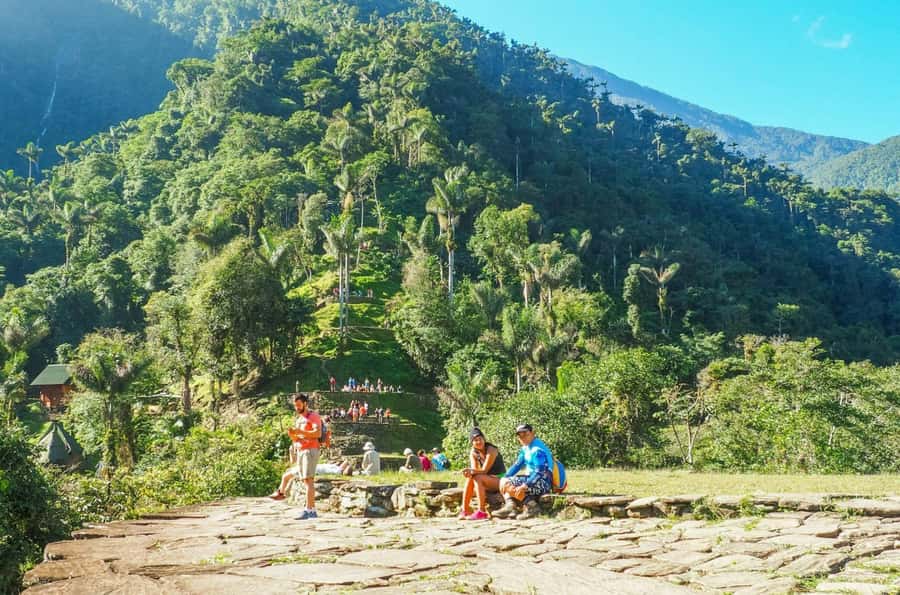
The Lost City is not a quick ruin stop. You reach it after days of humid jungle walking, river crossings, steep paths, and a final climb up 1,200 stone steps. At the top, 169 terraces and circular plazas appear among the trees, built by the Tayrona people centuries before Machu Picchu.
I like the way the trek combines archaeology with living culture. You pass Kogui and Wiwa communities, hear ancestral stories from local guides, and support camps run by people from the area. I also like the choice of 4, 5, or 6 days, which lets you trade extra rest and cultural time for a slower pace.
The catch is simple: this is a hard jungle trek, not an ordinary hike. Long uphill stretches, heat, mud, mosquitoes, basic sleeping arrangements, and occasional uncomfortable jeep rides all come with the deal. The published price is $713 per person, so you should be ready for a serious physical challenge before paying a premium price.
Key points to know before booking
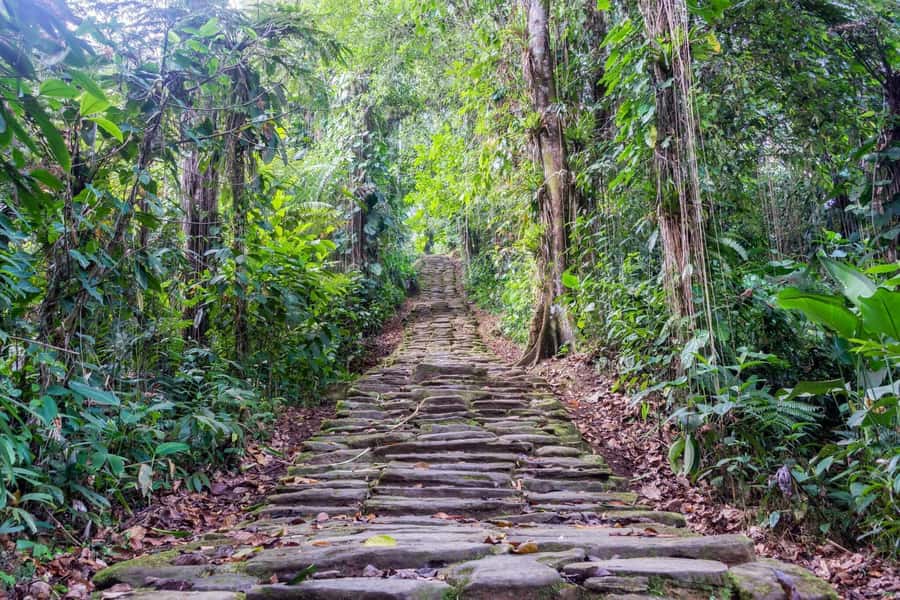
- The Lost City sits above 1,200 stone steps: The final approach is tiring, but it brings you to terraces and plazas hidden in the Sierra Nevada.
- You walk through living indigenous territory: The route passes Wiwa and Kogui communities, including the small settlement of Mutanyi.
- Four days is the shortest option: Five and six-day versions add more time for rest, rivers, and cultural visits.
- Camps are basic but practical: Expect hammocks or beds with mosquito nets, plus electricity, toilets, and showers.
- Meals and water are included: Breakfast, lunch, dinner, purified water, fruit, and snacks help keep you going.
- The jungle can be rough: Rain, slippery mud, river crossings, heat, and humidity are part of the experience, not unusual problems.
Why the Lost City trek feels different
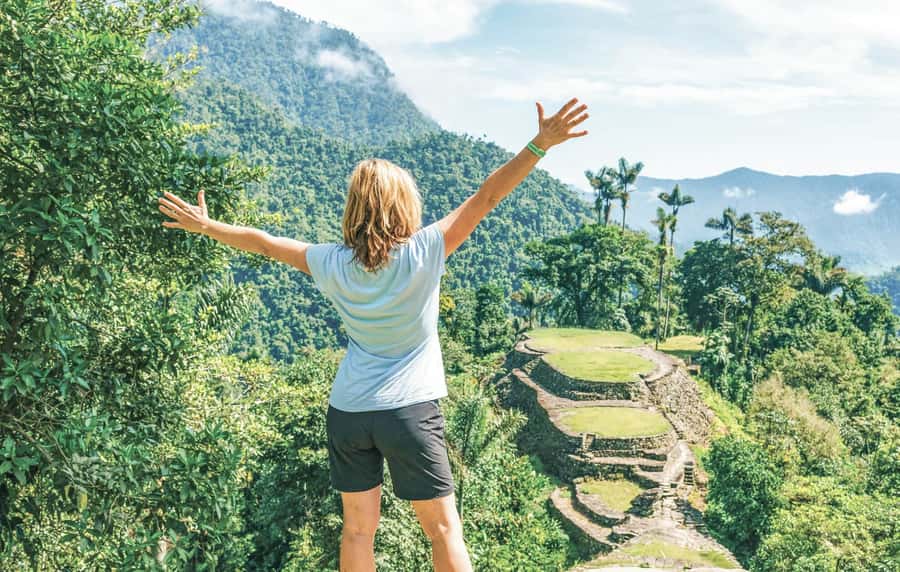
The ruins are only part of the reason to come. The route leads through the Sierra Nevada of Santa Marta, where jungle paths connect rivers, small settlements, lookout points, and camps. You do not simply arrive at a monument, take a photo, and leave. The walking gives the site its meaning.
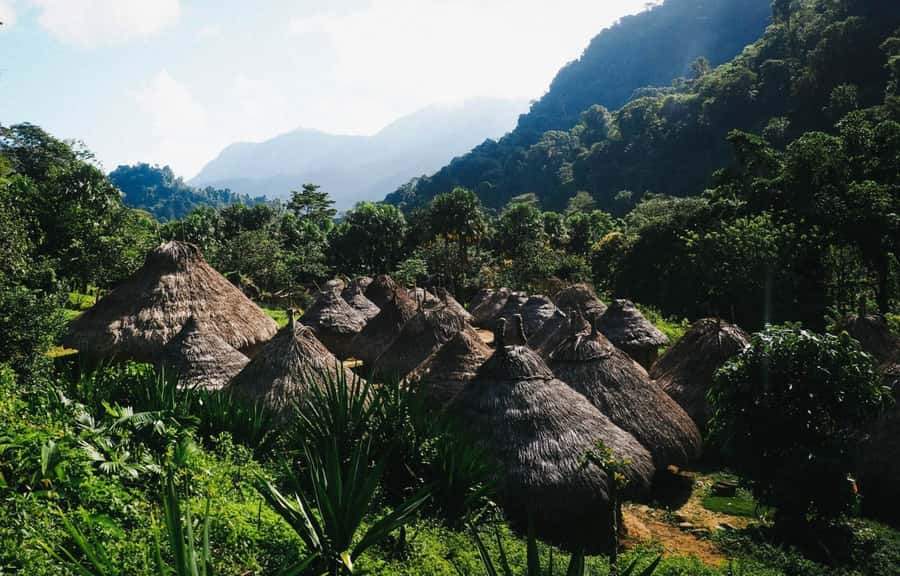
The ancient city is believed to have been founded around 800 CE, about 650 years before Machu Picchu. Its remains include 169 stone terraces, tiled paths, and small circular plazas. The Tayrona built these structures into the mountainside, and the jungle now surrounds them on every side.
Your guide helps explain the site and the traditions connected to it. Guide teams may include English and Spanish speakers, with names such as Arghenith, Victor, Bridgette, Francisco, Emilie, Miguel, and Coco appearing among recent departures. The exact team can vary, but the important point is that you travel with a guide throughout the trek rather than trying to find the site alone.
The cultural side deserves your attention. Wiwa and Kogui communities still live in the region, and the tour includes contributions toward indigenous community development. You pass homes and village areas, hear stories, and get a closer look at a way of life connected to these mountains. Be respectful with photographs and follow your guide’s instructions around homes and sacred places.
A few more treks around the world worth a look
- From Ho Chi Minh City: Can Gio Mangrove & Monkey Island Trek
★ 4.7 · 512 reviews - Mexico City: Guided Volcano Trek with Lunch
★ 4.7 · 242 reviews - Bach Ma National Park Trekking Tour 1 Day From Hue city, Vietnam
★ 5.0 · 54 reviews
Day one: Santa Marta to El Mamey and the first jungle camp
The day begins around 9:30 AM with a three-hour ride in a 4WD vehicle from Santa Marta to El Mamey. This road transfer is not just a minor detail. It is a long start to an already active day, and vehicles can feel crowded, particularly on the return journey.
At El Mamey, you eat lunch before setting off on foot. The first walk covers about 7.6 kilometers and takes roughly four hours. Compared with later days, this is a gentle introduction, though the heat and humidity can still make the distance feel longer.
A stop at Las Tres Cruces lookout gives you a chance to rest and eat fruit. The route then offers natural pools and waterfalls, useful places to cool down before reaching the first camp in the late afternoon. Take advantage of these pauses. They are not wasted time, and your clothes may already be damp from sweat.
The first night is spent at a jungle camp with dinner and a choice of hammock or bed protected by a mosquito net. Camps have electricity, toilets, and showers, but do not expect hotel comfort. Bring flip-flops for the shower area, a towel, and toiletries in a small waterproof bag.
Day two: The Buritaca River, Wiwa culture, and Mutanyi
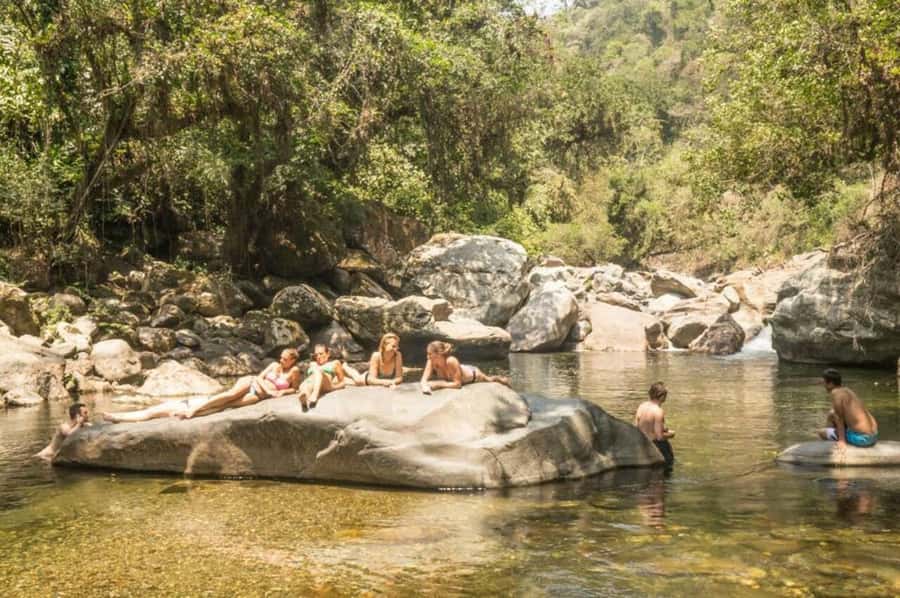
For the four and five-day routes, day two is the longest walking day. After an early breakfast, you head toward Wiwa Camp by the Buritaca River. The total walking time is about seven hours, covering roughly 14.7 kilometers, with plenty of uphill work and some downhill sections.
The river is a welcome feature. You can take a refreshing bath, rest, and eat lunch near the water before continuing. The route then leads farther into the jungle, where you pass homes belonging to a Kogui community known as Mutanyi.
This is one of the most meaningful sections because the trail is also a route through inhabited territory. You see that the mountains are not empty wilderness. People live, work, and maintain their communities here, and the camps depend on local operations.
The six-day itinerary breaks this stage into a gentler cultural day. After the first night, you walk for only about three hours on fairly smooth ground to an indigenous reserve. You spend more time learning about Wiwa and Kogui culture, enjoying the river, and resting at the second camp.
That extra day can make a real difference. If you want a less rushed experience, or if long uphill days worry you, the six-day option is the sensible choice. You pay with more time and another night, but you gain a slower rhythm before the hardest approach.
Day three on the longer routes: Into the Buritaca valley
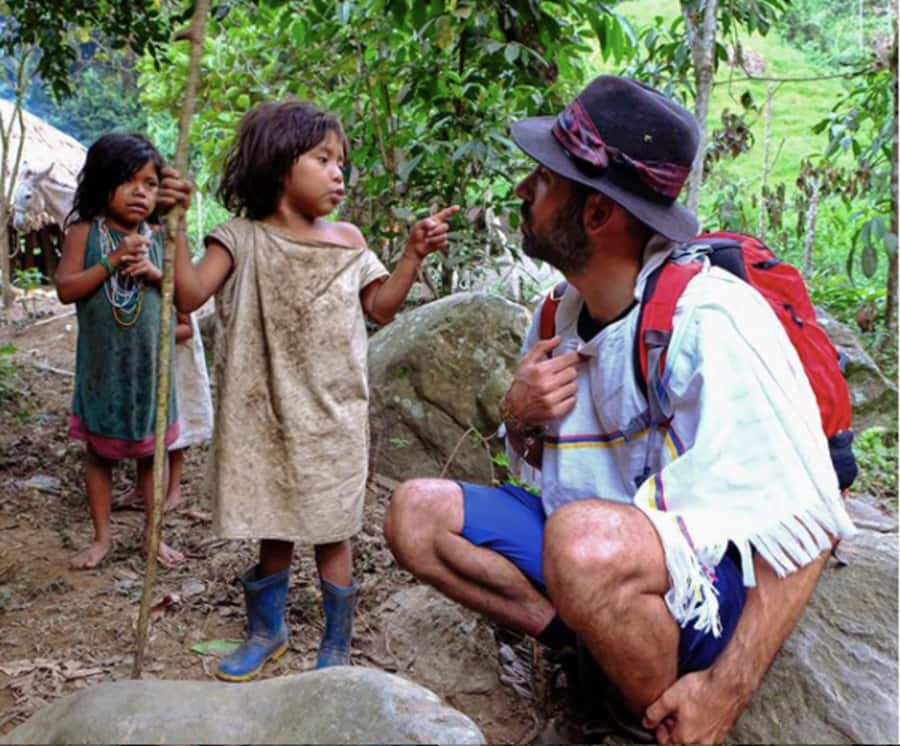
On the six-day version, day three takes you down toward the Buritaca River valley after breakfast. The walk lasts about five hours and includes both climbs and descents. Along the way, you pass indigenous houses near Mutanyi and stop by a river for a bath.
This day gives you room to notice the natural setting. Guides explain local plants and animals, and breaks allow you to recover before the next section. At night, guides share stories and adventures at camp, a simple pleasure that suits this kind of trip better than rushing straight to bed.
On the four and five-day routes, the equivalent walking takes place on day two. The route is more compressed, so your legs work harder earlier in the journey. The four-day version suits people who want the shortest possible schedule and feel confident about sustained walking. The five-day route adds a rest period after the major visit, which many people will appreciate.
Same trailhead, a different route:
- Mount Etna: Trek to 3000m with cable car and 4×4
★ 4.6 · 3,823 reviews - Bali: Mount Batur Sunrise Trek With Guide and Breakfast
★ 4.8 · 3,461 reviews - From Chania: Full-Day Samaria Gorge Trek Excursion & Guide
★ 4.6 · 3,191 reviews - Mount Etna: Summit Crater Trek with Cable Car
★ 4.8 · 1,875 reviews
The Lost City itself: Terraces, plazas, and the final climb
The main day starts very early. After breakfast, you begin the climb to the Lost City on a trail built by the Tayrona people. The approach includes 1,200 stone steps, often damp or slippery, and the jungle can make the climb feel enclosed and steep.
At the top, your guide explains the terraces, tiled roads, plazas, relics, and stories connected with the ancient settlement. This is the moment when the long walk pays off. The ruins are not grand in the polished, open-air way of a major European site. Their power comes from the setting, the age of the construction, and the work required to reach them.
You have time to enjoy the views and take photographs, but remember that the group must keep moving. Keep your daypack light, protect your phone from rain, and carry water. A charged smartphone is useful for pictures, though a flashlight is also worth packing for camp and early starts.
After visiting the site, you return to the same camp for lunch before continuing toward the Wiwa camp or the next overnight stop, depending on the route. The day lasts about seven hours, with around six kilometers of uphill and downhill walking. The distance may sound modest, but the steps and heat matter more than the number on a map.
The return walk and what the final days feel like
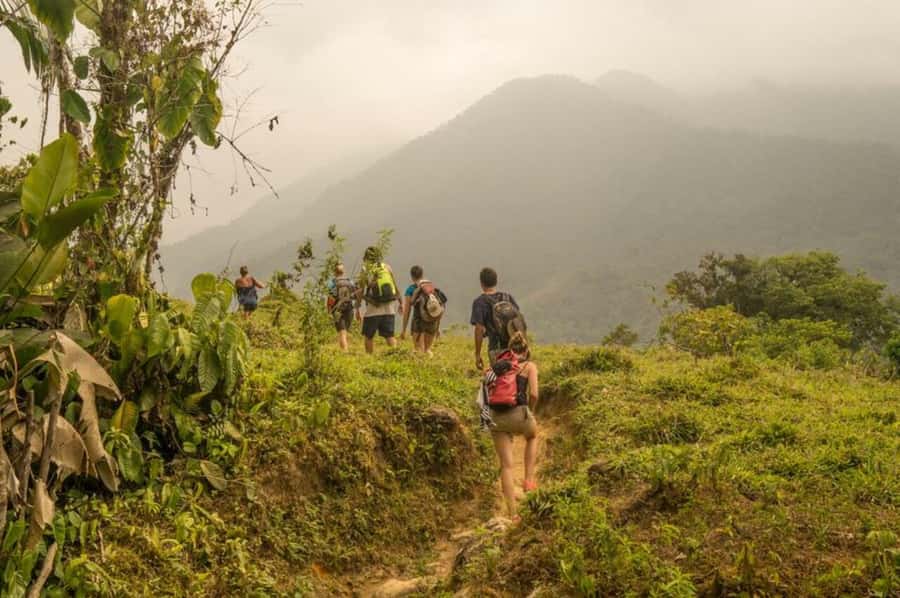
On the four-day tour, day four begins with a two-hour walk to the camp used on the first night. After a short break with fruit and water, you continue for about four hours to El Mamey. Lunch comes there, followed by the 4WD drive back to Santa Marta.
The five-day trip splits the return into a calmer schedule. You reach the first-night camp, eat lunch, and spend the rest of the day resting, looking out over the area, and talking with the group. The final day involves breakfast, the walk to El Mamey, lunch, and the drive back.
The six-day version gives you still more breathing room. After visiting the Lost City and returning to camp, you spend the next day walking for about two hours toward another camp, where you eat lunch and rest for the afternoon. The final day takes you to El Mamey for lunch and transport to Santa Marta.
This staging matters. The return is not an easy stroll after the archaeological visit. Your knees and feet may be tired, and wet conditions can slow the group. Extra days reduce the pressure and give you more time to enjoy the camps rather than treating them as places to eat and sleep.
Food, sleeping arrangements, and daily comfort
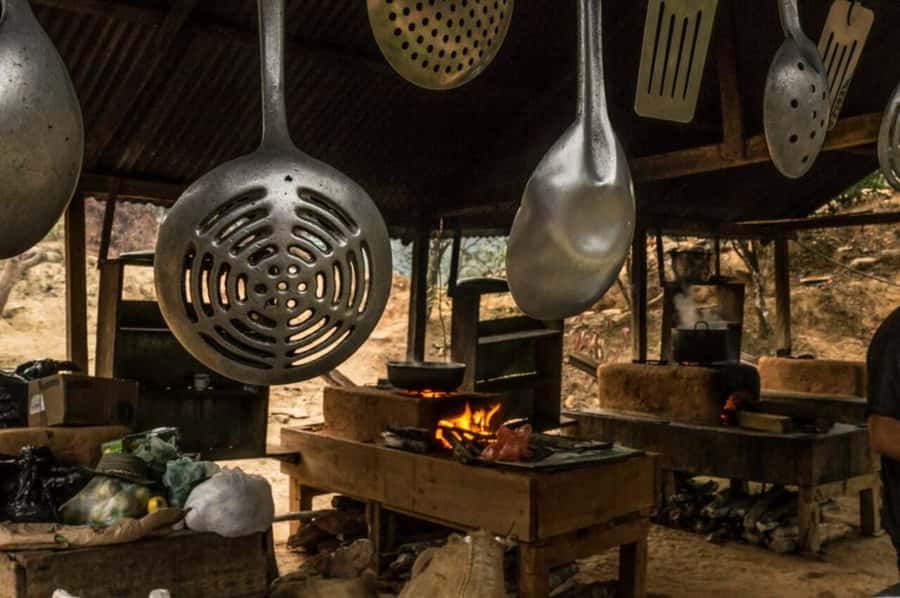
Breakfast, lunch, and dinner are included, along with purified water, fruit, and snacks during the walks. Meals are intended to keep you moving, and the food is generally described as filling. Bring cash for drinks beyond water, such as soda or sports drinks, since those are not included.
Camps provide hammocks or beds with mosquito nets. You also get electricity, toilets, and showers, though the accommodation and food facilities are operated by local communities and can vary in service. Think clean and useful rather than polished.
Pack quick-dry clothing, several pairs of socks, swimwear, rain gear, insect repellent, sunscreen, and a small daypack. A towel and flip-flops are practical after river swims and showers. Warm clothing is still listed among the essentials because nights can cool to about 18 C, even though daytime temperatures usually sit between 26 C and 32 C.
Rain often arrives around sunset. Mud and slippery sections are normal, so hiking shoes with a firm grip are more useful than ordinary trainers. You may cross streams or rivers, and mosquitoes are present in the jungle. Personal medication should stay in your daypack, not in stored luggage.
Your main suitcase can be stored during the trek. Pack only what you need for the trail. Drones are not permitted.
Is $713 a fair price?
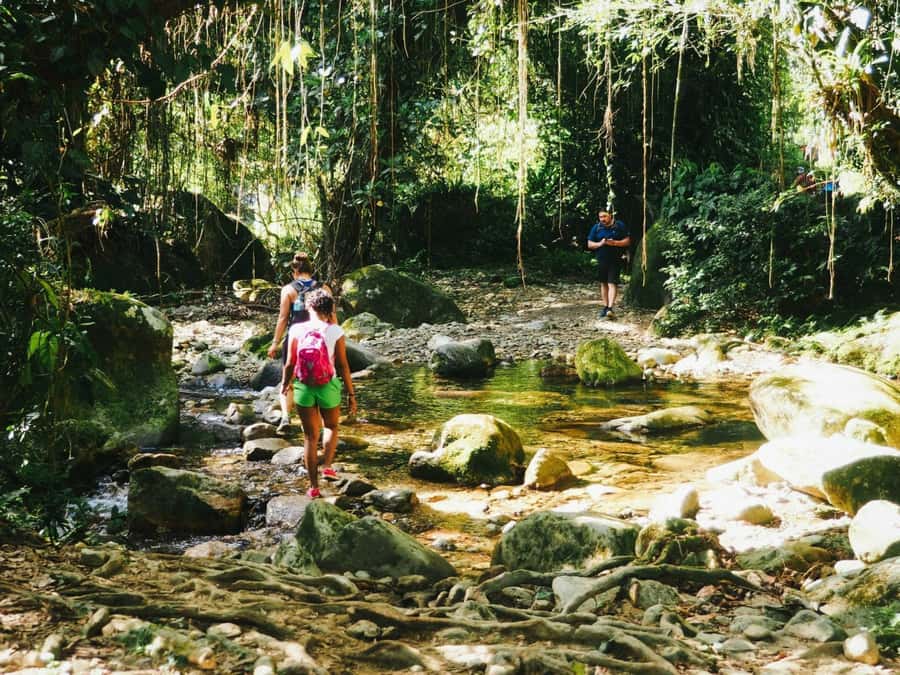
At $713 per person, this is an expensive multi-day excursion by Colombian standards. The fee covers a lot: transport from Santa Marta to El Mamey and back, the archaeological entrance, all meals, purified water, camp accommodation, guide service in English or Spanish, accident insurance, snacks, community contributions, and suitcase storage.
The value depends on how much support you want. You are not paying only for entry to the ruins. You are paying for food and beds over several nights, a guide on a difficult route, local transport, and logistics in a remote area. That can be worthwhile if you prefer an organized trip and want cultural interpretation along the way.
Still, the price deserves scrutiny. One recent booking account reported paying 407 euros for the same general experience, a major difference from the published $713 rate. Extra costs such as motorbike rides, soft drinks, sports drinks, or mule assistance may also arise, and drinks besides water are not included.
Ask exactly what your booking covers before you commit. If you need help carrying gear or want paid drinks along the route, bring cash and confirm those costs in advance. The high price is easier to justify for the six-day option if the slower pace matters to you, but it may feel steep for a fit person choosing the four-day version.
Who should choose this trek?
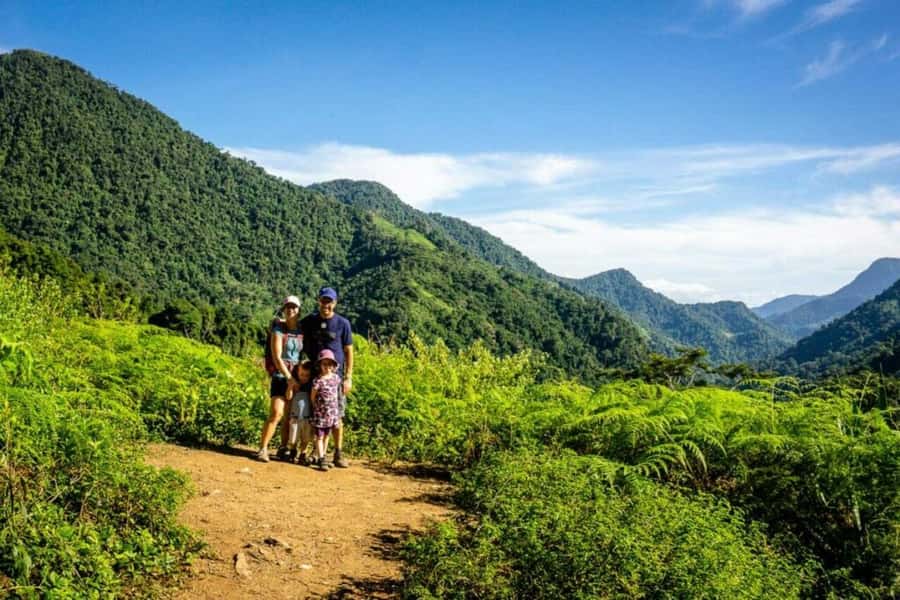
Choose it if you want an active encounter with Colombia that combines archaeology, jungle, rivers, and indigenous culture. It suits people who can handle long days on foot and who are comfortable with basic camps.
The four-day trip is for strong walkers who want the shortest schedule. The five-day trip offers a useful rest period on the return. The six-day trip is best if you want more cultural time, shorter walking stages, and less pressure around the hardest sections.
Do not book it if you want a relaxed sightseeing tour, private hotel rooms, or smooth transport throughout. It is not suitable for pregnant women or wheelchair users. You also need to accept heat, mud, insects, river crossings, and basic sleeping conditions.
Pickup is available within Santa Marta’s urban perimeter, Rodadero, and Taganga. Pickup does not include Bonda, Minca, Palomino, or places outside that area. The group is limited to 15 people, which is small enough for guide access without promising a private experience.
Should you book the Lost City trek?
You should book this trek if reaching an ancient city through jungle and mountain paths sounds more rewarding than simply touring a ruin. The guides, local camps, rivers, and cultural visits give the trip substance beyond the final viewpoint.
I would choose the six-day option for comfort and the four-day option only if you are already used to long, hilly walks. Pack light, prepare for wet weather, and budget for drinks or unexpected trail costs. If the $713 price is firm and you dislike basic accommodation, compare alternatives first. If the logistics, local connection, and guided support matter most, this can be one of Colombia’s most memorable demanding adventures.
FAQ
How long is the Lost City trek?
You can choose a 4, 5, or 6-day trek. The shortest option reaches the site and returns to Santa Marta in four days, while the longer versions spread out the walking and add more time for rest and cultural visits.
What languages does the guide speak?
Guide service is available in Spanish and English. Some departures may also include a separate translator, depending on the guide team.
How difficult is the trek?
It is physically demanding, with long uphill and downhill sections, heat, humidity, mud, river crossings, and a climb of 1,200 stone steps to the Lost City. It is not an ordinary easy hike.
Where do you sleep?
You sleep in jungle camps in hammocks or beds with mosquito nets. Camps have electricity, toilets, and showers, but the accommodation is basic and operated by local communities.
Are meals and water included?
Breakfast, lunch, dinner, purified water, fruit, and snacks during the walking sections are included. Drinks besides water are not included.
What should you bring?
Bring hiking shoes, quick-dry clothing, rain gear, swimwear, a towel, sunscreen, insect repellent, toiletries, socks, cash, a flashlight, a charged smartphone, personal medication, and a small daypack.
Is pickup available from all areas near Santa Marta?
Pickup is included from the Santa Marta urban perimeter, Rodadero, and Taganga. It does not include Bonda, Minca, Palomino, or areas outside the urban perimeter.
Just added around the world
- Everest Base Camp Trek★ 5.0 · 3 reviews
- Everest Base Camp Trek★ 5.0 · 7 reviews
- 15 Days Private Everest Base Camp Trek★ 5.0 · 30 reviews
- Everest Base Camp Trek★ 5.0 · 57 reviews
- 14 Days of Adventure Trekking to Everest Base Camp★ 5.0 · 2 reviews
- 14-Day Everest Base Camp Trek★ 5.0 · 20 reviews
- From Kathmandu: Private 14-Day Everest Base Camp Trek★ 5.0 · 20 reviews
- 14 Days Everest Base Camp Trek★ 5.0 · 4 reviews
City Tours, compared.

From Ho Chi Minh City: Can Gio Mangrove & Monkey Island Trek
Read our review →
Bach Ma National Park Trekking Tour 1 Day From Hue city, Vietnam
Read our review →
From Mexico City: 2-Day Pico de Orizaba Summit Trek
Read our review →
2-Day Trekking & Biking Nam Cat Tien National Park from HCM City
Read our review →
Cappadocia: Red Valley Trek and Kaymakli Underground City
Read our review →
Browse the lists this trek appears in