Review · TREKKING
Rio de Janeiro: Sugarloaf Mountain Hike and Climb
Sugarloaf Mountain is best known for its cable car, but this four-hour outing lets you earn the summit on foot. You hike from Urca, scramble up stone ramps, and tackle a 20-meter vertical wall before reaching views over Guanabara Bay, Copacabana, and Niterói. I like the mix of real effort and classic Rio scenery, plus the chance to meet wild monkeys along the trail. The main catch is that this is not a gentle city walk. You need steady footing, some comfort with heights, and enough fitness for steep hiking.
I also like the personal feel of the outing. Guides such as Sergio, Didi, Thomas, and Eduardo have been praised for setting a sensible pace, explaining climbing holds, and sharing stories about Rio, local plants, and animals. The climbing is beginner-friendly, but the hike itself can feel advanced because of steep sections and scrambling.
- Historic trail from Pista Claudio Coutinho: Follow the route associated with the first ascent on foot in 1817.
- Twenty-meter climbing wall: Use certified equipment and basic climbing technique on the most adventurous section.
- Several viewpoints before the summit: See Guanabara Bay, Niterói, Copacabana Beach, Pedra da Gávea, and Morro Dois Irmãos.
- Possible monkey sightings: Keep your eyes open on the forested sections, especially during the hike.
- Cable-car descent: Reach the top without repeating the full route downhill.
- Small-group or private format: Choose a more personal outing, with English, Portuguese, or Spanish guiding.
Why Hike Sugarloaf Instead of Taking the Cable Car?
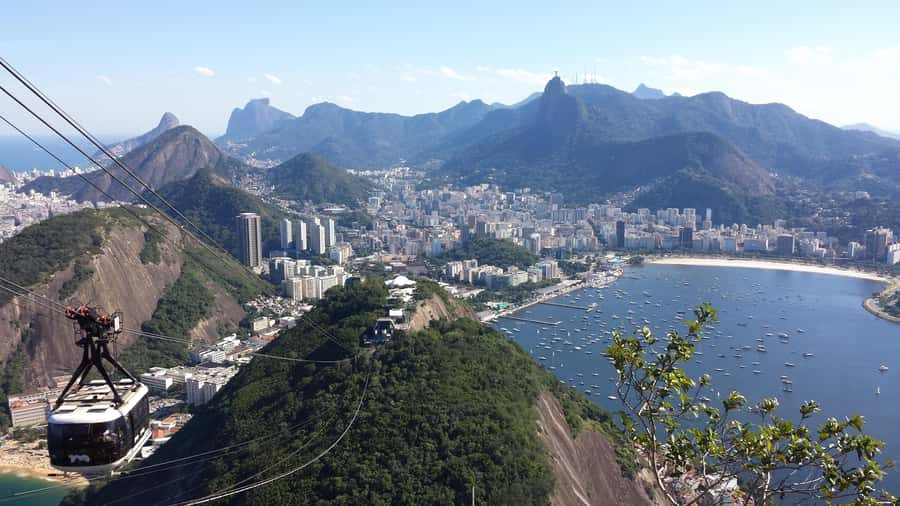
The cable car gives you the famous view with little physical effort. This hike gives you the mountain itself.
You begin near Praça General Tibúrcio in Urca, close to the obelisk and the entrance to the Pista Claudio Coutinho. From there, the trail quickly leaves the feel of a normal city attraction. You walk beneath the mountain, gain height, and pause at open viewpoints where Rio begins to spread out below you.
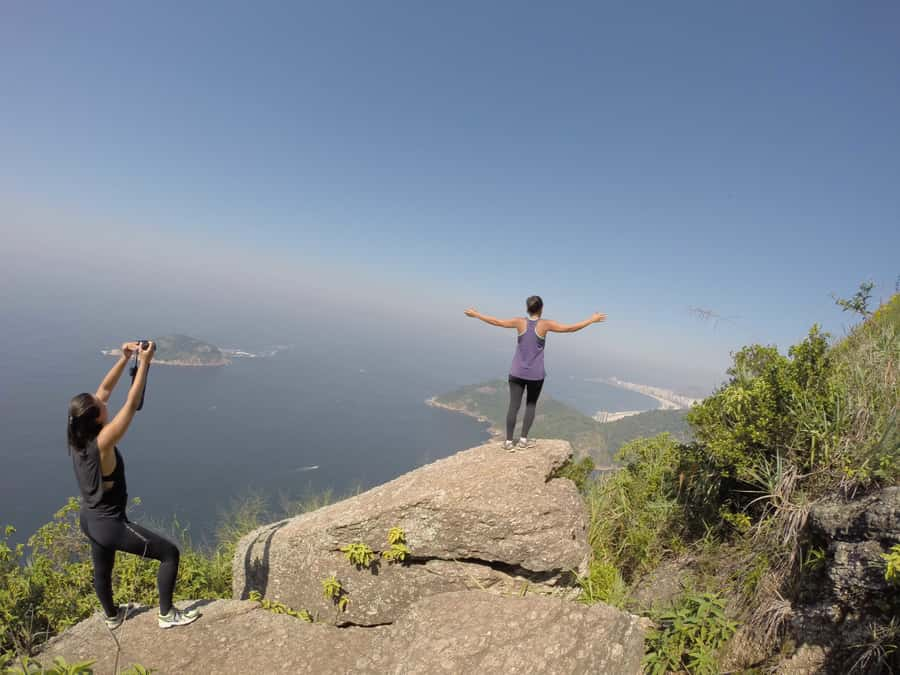
The first lookout arrives after about 20 minutes. That early reward matters. You can see the entrance to Guanabara Bay and the city of Niterói across the water, while the guide helps you get oriented. It is a useful reminder that Sugarloaf is not just a photo stop. It guards one of the most important natural entrances to Rio.
I like this gradual start. You are not thrown straight into the hardest section, and you have time to settle into the pace. The climb also gives you changing angles that the cable car cannot provide. Every few minutes, the view shifts as the trail curves around the rock.
The 1817 Route and the First Lookout
The route follows the path used by the first person to walk up Sugarloaf Mountain in 1817. That detail gives the outing a sense of place without turning it into a formal history lesson.
The opening stretch leads from Pista Claudio Coutinho toward the first belvedere. It is short, but you are already gaining height. Wear shoes with a firm grip from the start. Sandals and flip-flops are not allowed, and they would be a poor choice on the stone ramps anyway.
At the first lookout, take a moment to study the water and buildings below. Guanabara Bay is the star here, with Niterói across the entrance. This is also a good place to take photos before the more technical trail begins.
Your guide will likely adjust the pace to the group. Thomas, Didi, Sergio, and other guides have been praised for stopping at viewpoints, explaining what lies ahead, and helping people through difficult sections. That matters on a route where stronger hikers may want to move quickly, while first-time climbers may need a little time to get comfortable.
A few more treks around the world worth a look
- Mount Etna: Trek to 3000m with cable car and 4×4
★ 4.6 · 3,823 reviews - Bali: Mount Batur Sunrise Trek With Guide and Breakfast
★ 4.8 · 3,461 reviews - From Chania: Full-Day Samaria Gorge Trek Excursion & Guide
★ 4.6 · 3,191 reviews
Stone Ramps, Scrambling, and Belvederes
After the first viewpoint, the outing becomes more physical. You cross stone ramps and uneven sections, using your hands at times to steady yourself. This is not a technical climbing route from start to finish, but it is more demanding than a paved walk.
A regular hiker may find the route manageable but still advanced. The elevation gain comes in steep bursts, and the rock can require careful foot placement. You do not need prior professional climbing experience, but you should be comfortable with a workout that includes scrambling.
The payback comes through a series of smaller viewpoints. These stops break up the effort and give you new views of Rio instead of one fixed panorama. The guide can also point out local flora, animals, and nearby landmarks.
This is where the activity feels different from a standard sightseeing tour. You are not simply moved from one viewpoint to another. You work your way toward each one. If you enjoy being active on vacation, that effort makes the views feel more personal.
The 20-Meter Wall and Your First Climbing Lesson
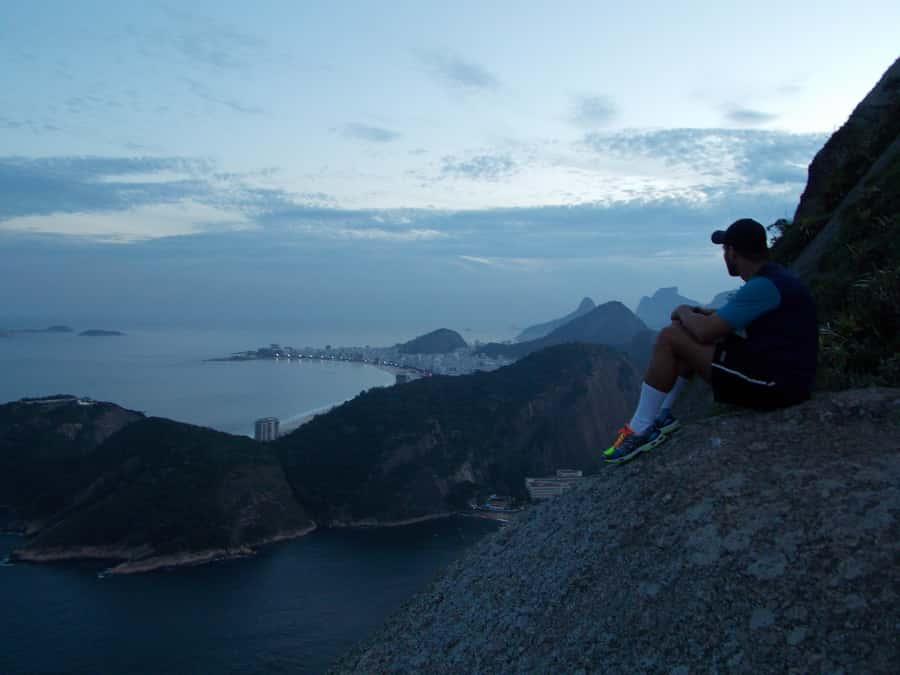
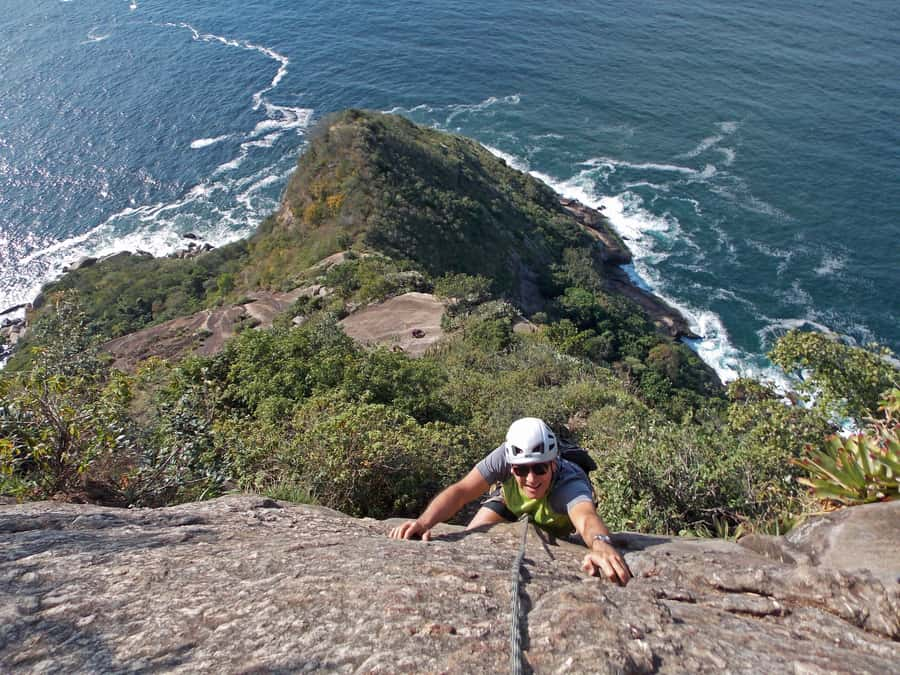
The main challenge is a 20-meter vertical wall. Certified climbing equipment is provided, and the guide introduces you to the basic hand and foot techniques needed to move upward.
The climbing sections have been described as fun and manageable for beginners, but that does not mean they are effortless. You need to trust your feet, listen to instructions, and stay calm if you are not used to looking down from a height. A guide such as Sergio can point out handholds and footholds while helping you through awkward spots.
This is not the place to pretend you are an experienced climber. Tell the guide if you are nervous. The activity is designed to provide an introduction to rock climbing, and the small-group or private format allows for more direct help than a large sightseeing group would offer.
The wall is also the part most likely to decide if this outing suits you. If you have heart problems, serious medical conditions, or a strong fear of heights, choose the cable car instead. The activity is not recommended for people with heart complaints, and alcohol or drug use before or during the outing leads to cancellation.
Pedra Filosofal and the Big Rio Views
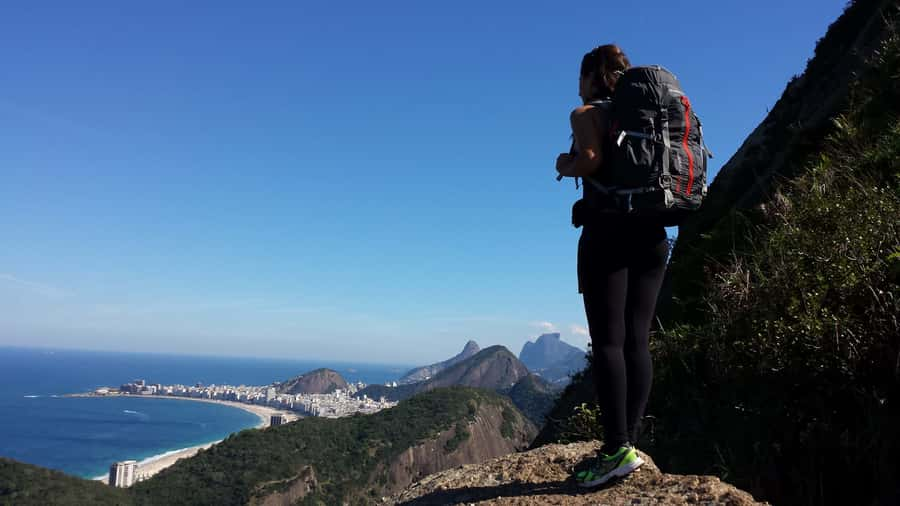
Once you reach the Pedra Filosofal viewpoint, the scenery opens in several directions. You can look toward Copacabana Beach, Pedra da Gávea, and Morro Dois Irmãos. These are some of the views that make Rio instantly recognizable, but seeing them from the climbing route gives them a different context.
Copacabana appears as a broad curve of city and beach. Pedra da Gávea rises as a distinctive rock mass farther along the coast, while Morro Dois Irmãos marks the western end of Ipanema. Your guide can help you match each landmark to the view, which is useful when Rio’s hills begin to look like one giant wall of green and stone.
Weather matters greatly here. On a clear, dry morning, the views can be the finest part of the whole activity. Cloud, rain, or wet rock can change both the safety and the order of the route. The itinerary may be altered in poor conditions, and rescheduling may be needed if weather does not cooperate.
Bring sunscreen and water even if the day begins cool. The recommendation is up to three liters of water, plus a light snack. Four hours on steep rock can use more energy than the distance suggests.
Same trailhead, a different route:
- Mount Etna: Summit Crater Trek with Cable Car
★ 4.8 · 1,875 reviews - La Palma: Tajogaite Volcano Guided Trek
★ 4.8 · 1,810 reviews - Skaftafell: Ice Cave Tour and Glacier Hike
★ 4.5 · 1,746 reviews - Etna: summit craters trekking with volcano guide 3350mt
★ 4.7 · 1,712 reviews
Reaching Sugarloaf’s Summit
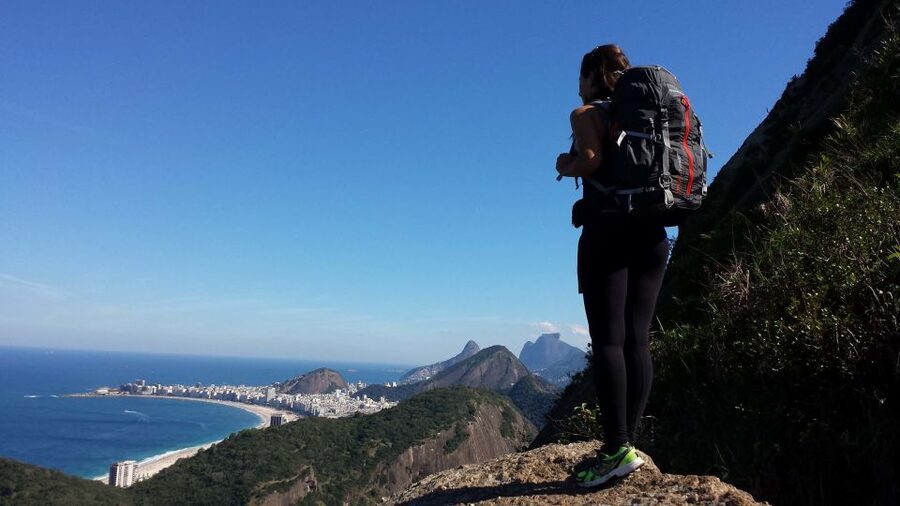
The route continues upward to Sugarloaf’s summit, where the city, bay, beaches, and surrounding peaks come together in one broad view. Reaching the top is the emotional high point of the outing, especially after the scramble and climbing wall.
The timing varies with the group and the conditions. One experienced hiker reached the top in about two and a half to three hours, leaving the final part of the experience for the summit and descent. The full activity lasts around four hours.
Expect time for photos and a pause at the top. The guide may also share more about Rio and the mountain before you descend by cable car. The summit can be busy because it is accessible by the regular tourist route, so the hike provides a quieter and more active way to arrive, but it does not turn Sugarloaf into a secluded place.
The Cable-Car Ride Down to Urca Hill

The return is easier on your legs. You take the cable car down to Urca Hill instead of walking the full route back. That is a smart design choice. You get the satisfaction of a complete ascent without turning the activity into an exhausting all-day expedition.
The ride also gives you one final view of the route you have climbed. Look back at the rock faces and trail sections from above. From the cable car, the scale of Sugarloaf becomes clearer.
The end point is near the lower part of the mountain, and the outing may include an easy walk from there. One account also noted that the beach at the end was a pleasant extra, though the exact finish can depend on the route and conditions.
Guides, Languages, and Group Size
Guiding is a major part of the value here. The activity is available in English, Portuguese, and Spanish, with private or small-group options. A good guide matters because the route combines sightseeing, hiking, and climbing rather than following one simple path.
Sergio has been praised for helping first-time climbers through tough spots and explaining both Rio’s history and Brazil’s outdoor culture. Didi has been described as confident, careful with pace, and good at pointing out animals and viewpoints. Thomas has been noted for enthusiasm, route knowledge, and attention to safety. Eduardo also received praise for guiding a strong outing.
Those details are useful when you book because the guide is not just there to lead the way. You rely on that person to explain how to use the equipment, show you where to place your hands and feet, and decide how to handle changing weather.
Hotel pickup is optional. It is available from most hotels in Rio’s South Zone and Downtown, but not from Barra da Tijuca, Recreio, São Conrado, or Santa Teresa. If your hotel is not covered, you are directed to the nearest available pickup point. You can also meet at Praça General Tibúrcio, 75, in Urca, near the obelisk.
Is the $68 Price Good Value?
At $68 per person, the price is reasonable if you want more than a standard Sugarloaf visit. You are paying for a bilingual guide, guided hiking and climbing, certified equipment, personal accident insurance, taxes, and possibly hotel transport if you select that option.
The value is strongest for people who would otherwise pay separately for a sightseeing trip and a beginner climbing experience. You get both in one half-day outing, along with viewpoints that appear during the approach rather than only at the summit.
It is less attractive if your main goal is simply to reach the top and take a few photos. The regular cable car is the easier choice for that. This activity earns its price through the route, the instruction, and the personal support on the rock.
You can reserve and pay later, and cancellation is free up to 24 hours before the activity for a full refund. Weather can still affect the plan, so keep some flexibility in your Rio schedule.
What to Bring and What to Expect Physically
Keep your packing simple. Bring:
- Comfortable shoes with good grip
- A daypack
- Water, with up to three liters recommended
- Sunscreen
- A light snack
Large bags, luggage, pets, sandals, and flip-flops are not allowed. A small pack is best because you need both hands available during the scrambling and climbing sections.
You do not need prior professional climbing experience. You do need average fitness, balance, and a willingness to follow instructions. The climbing itself may feel easier than expected, while the approach hike can be the harder part.
If your fitness is limited, tell the guide early and keep a steady pace. Do not treat this as a race. The route includes steep sections, and the activity is not suitable for people with heart problems or other serious medical conditions.
Should You Book the Sugarloaf Hike and Climb?
Book it if you want an active half-day in Rio, enjoy mountain views, and like the idea of reaching Sugarloaf under your own power. It suits fit beginners, regular hikers, and first-time climbers who are not afraid of heights.
Choose another way up if you want a relaxed outing, dislike scrambling, or need a fully predictable schedule in any weather. The route is short enough to fit into a busy Rio itinerary, but it is demanding enough that you should not schedule it as an afterthought.
For the right person, this is one of the best ways to make Sugarloaf feel like an experience rather than a lookout. You hike through the mountain, learn a little climbing, search for monkeys, and finish with Rio spread out below you.
FAQ
How long does the Sugarloaf hike and climb last?
The activity lasts about four hours. The climb to the summit can take around two and a half to three hours depending on pace, conditions, and the group.
Where does the activity meet?
Meet at Praça General Tibúrcio, 75, in Urca, Rio de Janeiro, near the obelisk.
Is hotel pickup available?
Yes. Pickup is available from most hotels in Rio’s South Zone and Downtown if you book the transportation option. Hotels in Barra da Tijuca, Recreio, São Conrado, and Santa Teresa are not eligible.
What languages are available?
The live guide service is available in English, Portuguese, and Spanish.
Do I need previous climbing experience?
No. The activity includes an introduction to basic rock climbing and provides certified equipment. You should still be comfortable with heights, steep hiking, and scrambling.
How high is the climbing wall?
The vertical wall is 20 meters tall.
What equipment is included?
Certified climbing equipment is included, along with personal accident insurance.
Can I take the cable car down?
Yes. The descent from Sugarloaf is by cable car back toward Urca Hill.
What should I bring?
Bring water, a daypack, comfortable footwear with good grip, sunscreen, and a light snack. Up to three liters of water is recommended.
Can the route change because of weather?
Yes. The itinerary and order of sightseeing may change because of weather or other adverse conditions.
Just added around the world
- Everest Base Camp Trek★ 5.0 · 3 reviews
- Everest Base Camp Trek★ 5.0 · 7 reviews
- 15 Days Private Everest Base Camp Trek★ 5.0 · 30 reviews
- Everest Base Camp Trek★ 5.0 · 57 reviews
- 14 Days of Adventure Trekking to Everest Base Camp★ 5.0 · 2 reviews
- 14-Day Everest Base Camp Trek★ 5.0 · 20 reviews
- From Kathmandu: Private 14-Day Everest Base Camp Trek★ 5.0 · 20 reviews
- 14 Days Everest Base Camp Trek★ 5.0 · 4 reviews
Trekking Tours, compared.
Mount Etna: Trek to 3000m with cable car and 4×4
Read our review →
Mount Batur Sunrise Trek With Guide and Breakfast
Read our review →
Full-Day Samaria Gorge Trek Excursion & Guide
Read our review →
Mount Etna: Summit Crater Trek with Cable Car
Read our review →
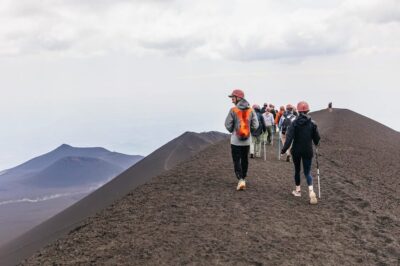
Etna: summit craters trekking with volcano guide 3350mt
Read our review →