Review · TREKKING
Rio De Janeiro: SUGARLOAF MOUNTAIN HIKE & CLIMB
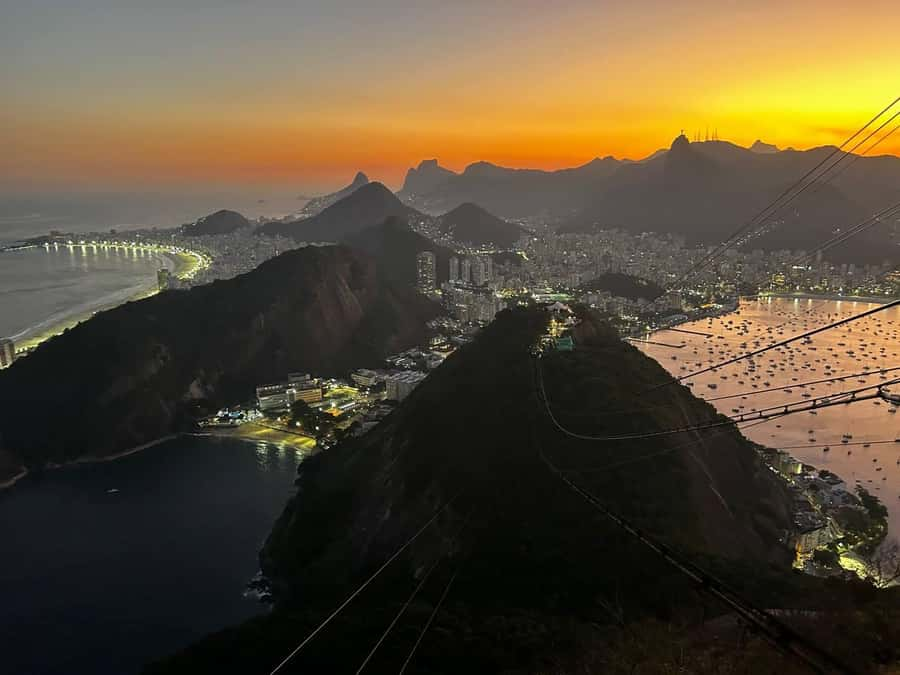
Sugarloaf Mountain is easy to visit by cable car, but this route gives you a far more active way to reach the summit. You’ll hike through Urca, scramble over rocky sections, and use a rope on a 20-meter vertical wall before reaching views over Copacabana and Guanabara Bay.
I like the small group, limited to five people, and the calm, safety-minded guidance from André. I also like the chance to see small monkeys along the trail and reach the summit before the largest crowds if you start early. The catch is simple: this is a serious four-hour hike, not a gentle walk. Steep ground, slippery rock, and heights are part of the deal.
Key points
- A real route to Sugarloaf’s summit: You hike and climb rather than simply ride the cable car.
- A 20-meter rock wall: Certified equipment and guide support make the main climbing section manageable for beginners.
- Small groups of up to five: André can give close attention and set a sensible pace.
- Excellent Rio views: Expect sights toward Copacabana, Guanabara Bay, and the surrounding coast.
- Wildlife along the trail: Small monkeys may appear among the tropical plants.
- Fitness matters: Good shoes, steady footing, and comfort with heights are essential.
Why climb Sugarloaf instead of taking the cable car?
The cable car is the easy answer. It is also the reason this guided route feels special. Instead of going straight from the station to the summit, you begin with a short hike in Urca and enter a natural area at the foot of Sugarloaf Mountain.
The route gives you time to notice the tropical plants, rocky ground, and changing views. It also makes the summit feel earned. You are not simply stepping out at a viewpoint after a short ride. You have worked your way upward, one steep section at a time.
I would choose this activity if you want an active morning and a story to tell afterward. It is a poor fit if your main goal is a relaxed lookout with minimal effort. The route has several steep passages, and the final climb continues after the rope section. You need enough energy to keep moving once the most technical part is over.
The listed price is $60 per person. For a four-hour private-feeling outdoor experience with a certified guide, climbing equipment, and a group capped at five, that is fair value. You are paying for instruction, route support, and the chance to take a less ordinary path up one of Rio’s best-known sights.
A few more treks around the world worth a look
- Mount Etna: Trek to 3000m with cable car and 4×4
★ 4.6 · 3,823 reviews - Bali: Mount Batur Sunrise Trek With Guide and Breakfast
★ 4.8 · 3,461 reviews - From Chania: Full-Day Samaria Gorge Trek Excursion & Guide
★ 4.6 · 3,191 reviews
Starting in Urca and entering the forest
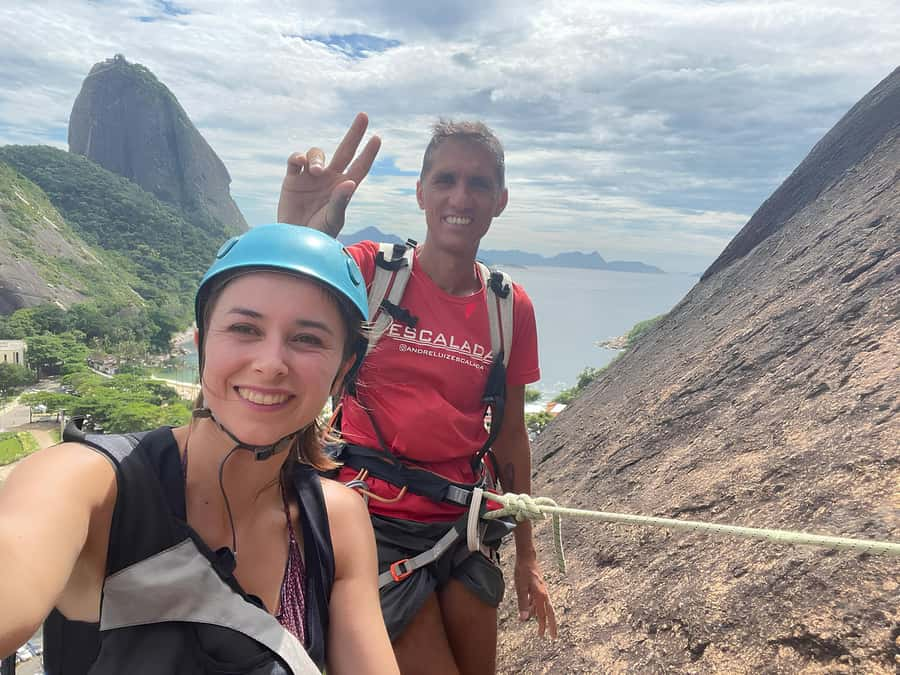
The tour begins in Urca, near the base of Sugarloaf Mountain. The first section is a hike, but do not picture a level city stroll. The path soon becomes narrow and rocky, with sections that ask you to place your feet carefully.
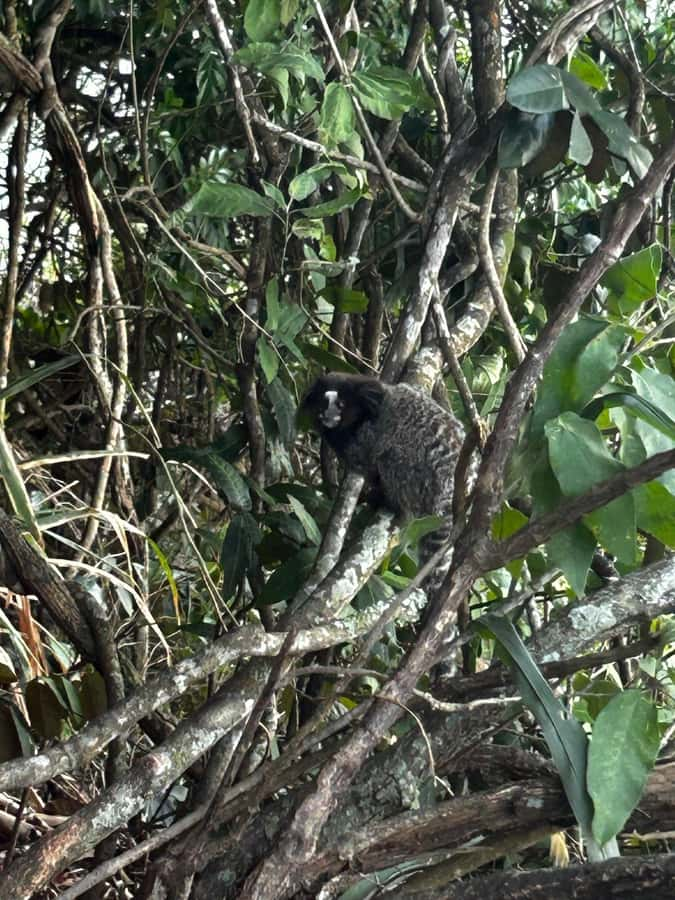
Tropical plants line the route, and small monkeys may be seen in the trees. They are not the main reason to book this activity, but they add a pleasing bit of Rio nature to the outing. Keep your food packed away and your camera ready, since wildlife sightings are never guaranteed.
The trail passes through a nature reserve and includes a descent along a narrow, challenging path before the route turns upward again. That early downhill section can be deceptive. You may think the hard work has not begun, only to find that the return route requires more climbing and leg strength.
André’s role matters here. He helps you understand where to step and keeps the pace from becoming a race. Several people who climbed with him found his patient manner useful when a section looked more intimidating than it felt from the ground.
Rocky passages before the rope climb
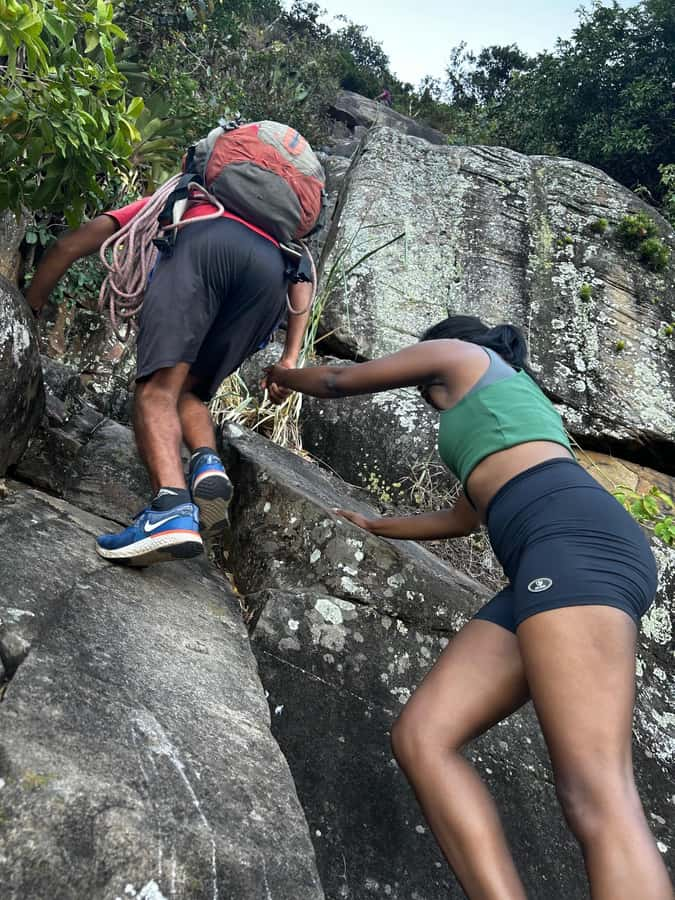
As the path rises, you encounter rocky sections that require balance and careful footwork. The route is not presented as a technical climb from the first minute, but it is more demanding than an ordinary hiking trail.
You do not need previous rock-climbing experience. You do need to be comfortable using your hands for balance, stepping up uneven rock, and moving slowly when the ground becomes steep. Good sports shoes with strong grip are important. One person found even shoes with 4-millimeter tread slippery in places, so worn-out soles are a bad idea.
This is also where fitness begins to make a major difference. If you arrive already tired, the main wall will feel much harder. Take water and a small energy snack, and use sunscreen before you start. There is no reason to save your energy drink or snack for an emergency. Eat and drink early enough to keep your strength steady.
The route can take around two hours to reach the summit for some groups, though the full outing is advertised at four hours. The actual timing can change with group pace, weather, and how much help you need on the rock sections. One group completed its outing in roughly two and a half to three hours, while others took close to two hours just to reach the top.
The 20-meter vertical wall
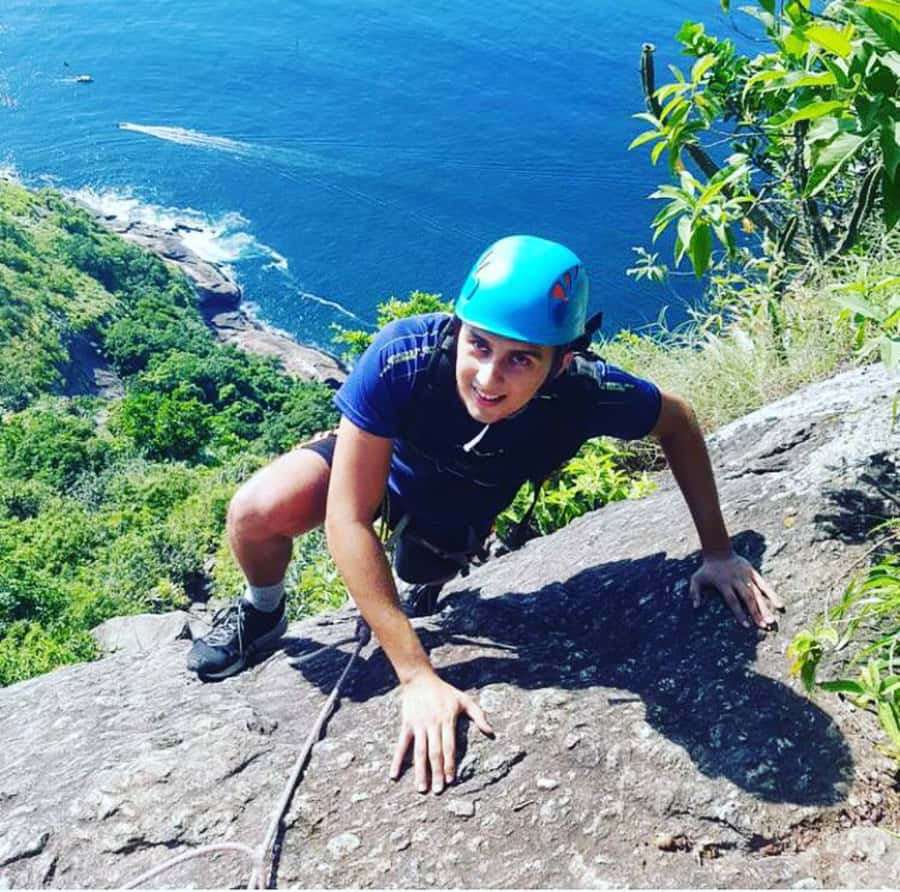
The main challenge is a roughly 20-meter vertical wall. This is the moment when the activity changes from a demanding hike into a proper introductory climbing experience.
You receive certified climbing equipment, and André provides instruction and physical support as needed. You do not need to know climbing commands or technical methods in advance. The practical lesson is more basic: where to place your hands and feet, how to use the rope, and how to keep moving when the wall feels steep.
The wall is manageable for a fit beginner, but that does not mean it is easy. You may reach it with tired legs and a higher pulse than expected. You may also discover that heights affect you more than you thought. A guide can help with technique and encouragement, but you still need to make the upward movement yourself.
This is the part I would think about most carefully before booking. The activity information says people with a low level of fitness and people with altitude sickness should not take part. It also requires a head for heights. The mountain is not extremely high in the way a high-altitude trekking destination is, but the exposure and steep rock can still feel intense.
The safety system is a major part of the value. André has been praised for staying calm, checking the situation, and helping people through difficult movements without rushing them. That makes a big difference when your mind is saying stop, even though your body can continue.
Same trailhead, a different route:
- Mount Etna: Summit Crater Trek with Cable Car
★ 4.8 · 1,875 reviews - La Palma: Tajogaite Volcano Guided Trek
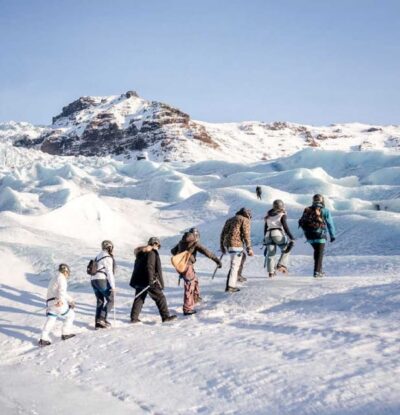
★ 4.8 · 1,810 reviews - Skaftafell: Ice Cave Tour and Glacier Hike
★ 4.5 · 1,746 reviews - Etna: summit craters trekking with volcano guide 3350mt
★ 4.7 · 1,712 reviews
Reaching the summit and the Copacabana view
After the wall, you still have a few meters of upward travel before reaching the summit area. That final push can feel surprisingly long, especially if the rope section used most of your strength.
Then the reward arrives all at once. From Sugarloaf, you can look toward Copacabana and across Guanabara Bay. The views are broad, open, and far more satisfying after the effort of getting there on foot.
An early start can improve the experience. Several outings reached the top before the larger crowds, leaving more room for quiet views and photographs. The start time is not always fixed at 7 a.m. André may contact you to arrange the timing, so keep some flexibility in your morning plans.
The guide may also take photographs during the climb. That is useful because taking pictures while handling rock and rope is not always practical. Still, protect your phone and do not let photography distract you from your footing.
Weather controls the quality of this experience more than it controls a simple cable-car visit. Rain can make the rock slippery and alter the safety decision. One outing was rescheduled because of weather, while another went ahead after overnight rain because the rock had dried enough to climb safely. Do not treat a scheduled booking as a promise that the route will run in poor conditions. A responsible guide may change the plan.
The return route and cable-car detail
The summit is not necessarily the end of the physical effort. The stated activity does not include a cable-car ticket for the way back if you decide you would rather not walk down. That wording means you should budget for a return ticket unless André confirms another arrangement before the tour.
A practical detail from the current tour operation is that André may use his guide access for the first cable-car section down to Morro da Urca, followed by a roughly 20 to 25-minute downhill walk to Praia Vermelha. This arrangement has been used on outings, but I would confirm it directly when scheduling, since the information also says the cable-car ticket is not included.
The walk down from Morro da Urca is shorter than the ascent but can still be hard on tired knees. This is another reason to wear shoes with reliable grip rather than casual trainers with smooth soles. If your legs are spent after the climb, ask about the cable-car option rather than forcing a descent you do not feel ready for.
Hotel pickup is not included, though it can be arranged on request. Plan your own way to Urca unless pickup has been confirmed. Drinks and snacks are also your responsibility.
André’s guiding style and small-group advantage
The group is limited to five participants, which is a strong feature for this kind of activity. On a crowded hike, a beginner can feel pressured to keep up. In a group this small, the guide can watch each person’s movement and offer help where it is needed.
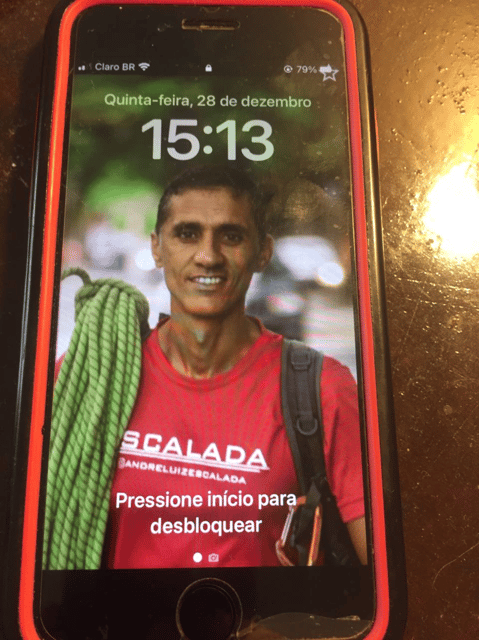
André is the named climbing instructor, and the experience is available in Portuguese, Spanish, and English. His most important quality for this route is not speed. It is patience. He has been described as friendly, encouraging, and serious about safety, with a habit of explaining the next move instead of leaving you to guess.
That matters for beginners. You may not need a climbing lesson in the formal sense, but you do need clear instructions when you reach the wall. A good guide also needs to judge when to pause, when to encourage, and when wet rock makes continuing a poor choice.
The guide can add local information about the area as you walk, making the hike more than a sequence of obstacles. Still, the main service here is outdoor leadership. If you want a slow nature walk with long stops for sightseeing, say so when arranging the time. The activity is built around reaching the summit by a challenging route.
What to pack for four hours on the mountain
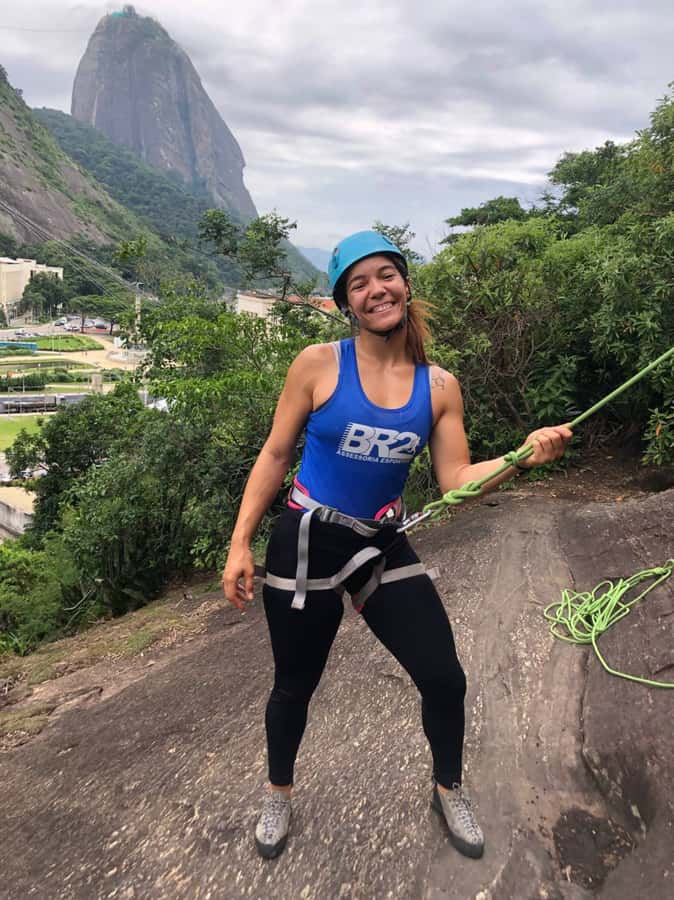
Keep your packing simple and practical. You need freedom of movement, protection from the sun, and enough water to stay comfortable.
Bring:
- Sunglasses
- Sunscreen
- Food and drinks
- A small energy snack
- Comfortable sportswear
- Sturdy sports shoes with good grip
Do not wear sandals or flip-flops. They offer poor protection and poor footing on rocky ground. Alcohol and drugs are not allowed, and pets cannot join the activity, apart from assistance dogs.
Light clothing is sensible, but avoid anything that restricts your legs or catches on equipment. You should be able to step high, crouch, and move your arms freely. Keep valuables to a minimum, since the route involves rock and climbing gear.
You should also arrive ready for sweat. Even a cool or cloudy morning can feel warm once the path turns upward. Drinking water before you feel thirsty is one of the easiest ways to make the climb more pleasant.
Who should book this Sugarloaf climb?
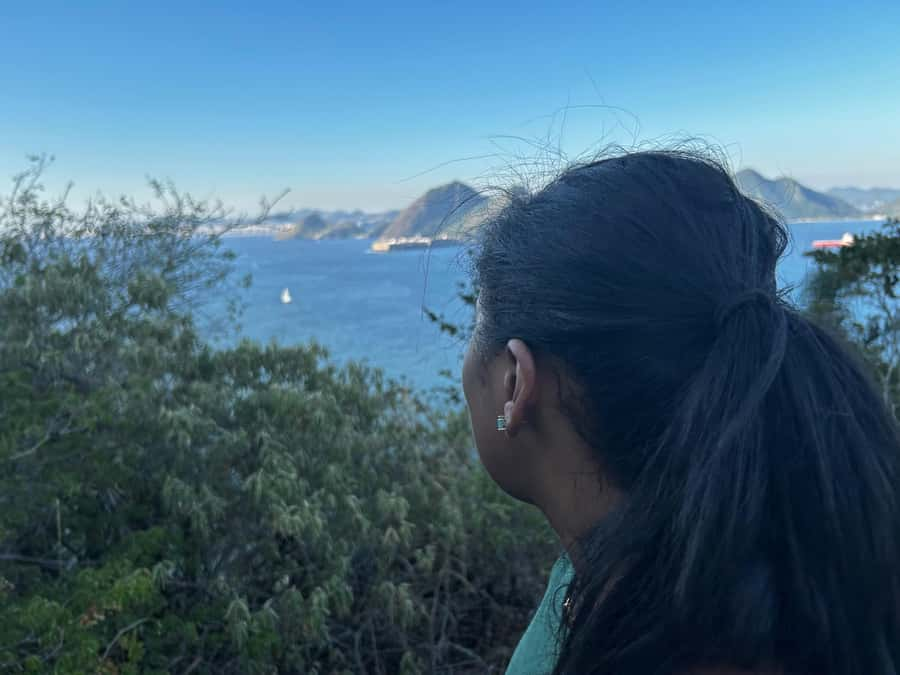
I would recommend it to an active adult who wants more than a standard viewpoint. It works especially well for someone who has never climbed outdoors but is curious, reasonably fit, and willing to accept a challenge.
You do not need formal climbing experience. You do need:
- Good general fitness
- Comfort on steep paths
- A head for heights
- Shoes with strong grip
- Patience when the route gets difficult
This is not suitable for children under 18, people with low fitness, or anyone with altitude sickness. It is also a poor choice if you dislike exposed heights or become anxious on steep rock.
The difficulty is not constant. Some sections are straightforward hiking, while others are steep enough to demand full attention. One person with good motivation found the activity much harder than expected after reaching the wall already tired. That is useful warning, not a criticism of the tour. You should book because you want a demanding adventure, not because the description makes it sound effortless.
Is the $60 price good value?
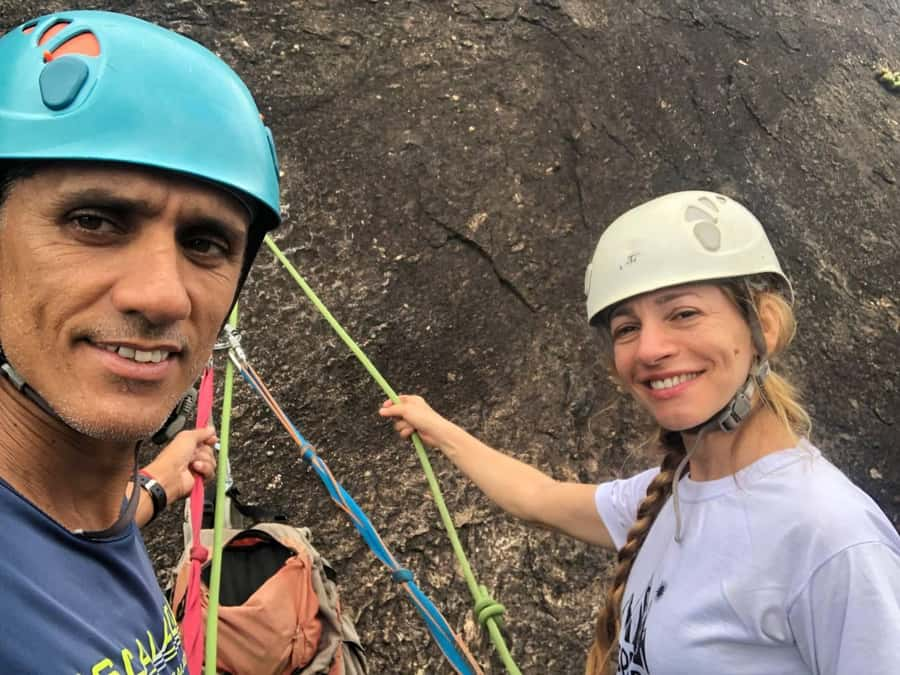
At $60 per person, the cost is reasonable for a four-hour guided hike and climb in a group of no more than five. The price includes the guide, climbing equipment, taxes, fees, and processing charges.
You still need to provide drinks and snacks, and a cable-car ticket may be extra for the return. Hotel pickup is not part of the standard price. Those additions do not change my view of the value, but they should be included in your budget.
The strongest part of the price is the instruction. You are not simply paying for access to a trail. You are paying for a certified guide who can manage the climbing system, help you through the wall, adjust the pace, and make a weather-based safety call. That is worthwhile on a route where a poor decision or bad footwear can quickly make the day unpleasant.
Free cancellation is available up to 24 hours before the activity for a full refund, and you can reserve now and pay later. Since weather may affect the route, those flexible terms are useful.
Should you book it?
Book this Sugarloaf climb if you want an active, small-group adventure and you are comfortable working hard for your views. The combination of tropical trail, possible monkey sightings, a 20-meter wall, and open views over Rio gives you much more variety than a standard cable-car ride.
Skip it if you want an easy outing, dislike heights, or are unsure about your fitness. The rope makes the climb safer and more accessible, but it does not remove the steepness, exposure, or effort.
For the right person, this is one of Rio’s strongest outdoor activities. Wear serious shoes, carry water, keep your schedule flexible for weather, and confirm the return cable-car arrangement with André. If you meet those conditions, the $60 price buys a memorable way to reach Sugarloaf that feels personal, active, and well supported.
FAQ
How long does the Sugarloaf Mountain hike and climb take?
The activity is scheduled for four hours. The time can vary by weather, group pace, and how much assistance participants need on the rocky sections.
Do I need previous climbing experience?
No. The activity is designed for people without climbing experience, and the guide provides certified equipment and instruction. You still need good fitness and a head for heights.
How high is the main climbing section?
The biggest challenge is a vertical wall of about 20 meters.
Who leads the tour?
The experience is provided by André, a certified climbing instructor with extensive guiding and climbing experience.
What languages are available?
The activity is offered in Portuguese, Spanish, and English.
How many people can join the group?
The group is limited to five participants.
Is the cable-car ride included?
A cable-car ticket for the return is listed as not included. In some outings, André has used his guide access for the first cable-car section to Morro da Urca, followed by a walk downhill. Confirm the arrangement when scheduling.
What should I bring?
Bring sunglasses, sunscreen, food, drinks, comfortable sportswear, and sturdy sports shoes with good grip.
Can I cancel if my plans change?
You can cancel up to 24 hours in advance for a full refund. A reserve-now, pay-later option is also available.
Just added around the world
- Everest Base Camp Trek★ 5.0 · 3 reviews
- Everest Base Camp Trek★ 5.0 · 7 reviews
- 15 Days Private Everest Base Camp Trek★ 5.0 · 30 reviews
- Everest Base Camp Trek★ 5.0 · 57 reviews
- 14 Days of Adventure Trekking to Everest Base Camp★ 5.0 · 2 reviews
- 14-Day Everest Base Camp Trek★ 5.0 · 20 reviews
- 14 Days Everest Base Camp Trek★ 5.0 · 4 reviews
- From Kathmandu: Private 14-Day Everest Base Camp Trek★ 5.0 · 20 reviews
Trekking Tours, compared.
Mount Etna: Trek to 3000m with cable car and 4×4
Read our review →
Mount Batur Sunrise Trek With Guide and Breakfast
Read our review →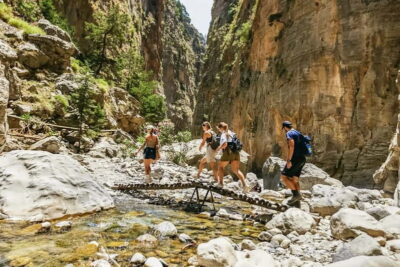
Full-Day Samaria Gorge Trek Excursion & Guide
Read our review →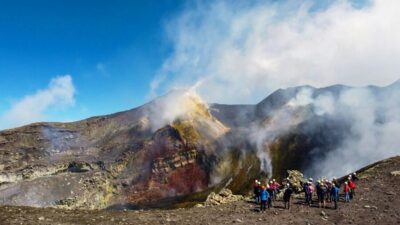
Mount Etna: Summit Crater Trek with Cable Car
Read our review →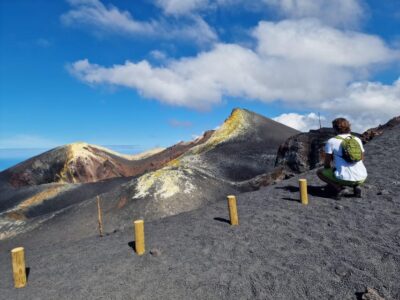
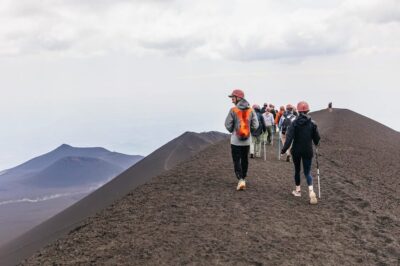
Etna: summit craters trekking with volcano guide 3350mt
Read our review →