
Review · TREKKING
From Antigua: Pacaya Volcano Trek
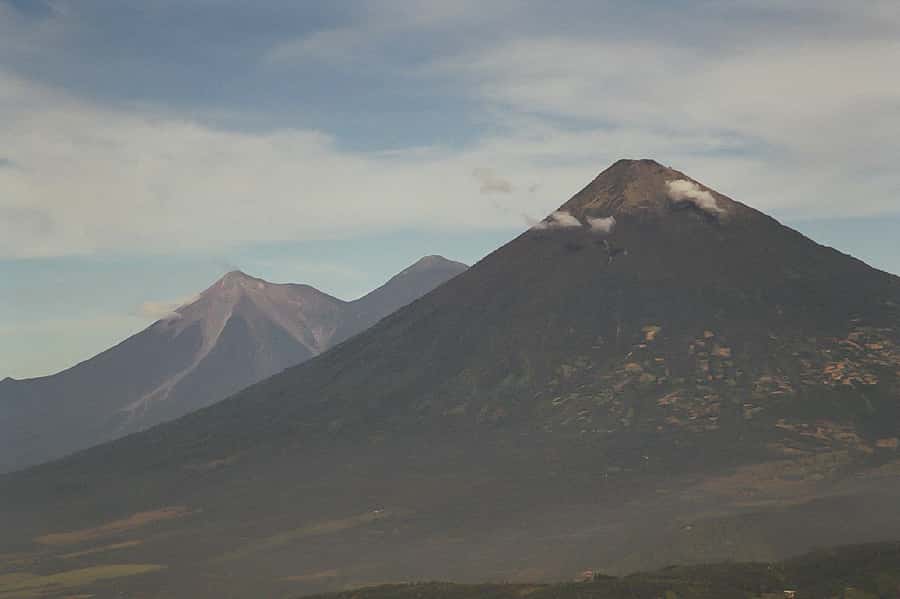
Pacaya’s best trick is simple: it gives you a real volcano day without taking over your whole Guatemala itinerary. You ride from Antigua for an hour, hike through pine forest and loose ash, then reach smoking ground with views toward Agua, Fuego, and Acatenango. On an active day, you may also see red lava.
I like the regular rest stops and patient pacing, especially for mixed-ability groups. I also like the hot marshmallow finish, a small, slightly silly treat that makes the volcanic heat easy to appreciate. The main drawback is the steep, loose climb, and clouds can hide the views you came to see.
Key points to know before you go
- A steep two-hour volcano hike: The route is often closer to 1 to 1.5 hours uphill, with a longer return depending on the group.
- Pine forest gives way to volcanic ash: The footing gets less stable near the smoking cone, so good shoes and a walking stick help.
- Lava is possible, not promised: Activity changes, and the crater itself is off-limits for safety.
- Guides set a friendly, flexible pace: Carlos, Leslie, Roberto, Jose, and other local guides have been praised for patience and safety.
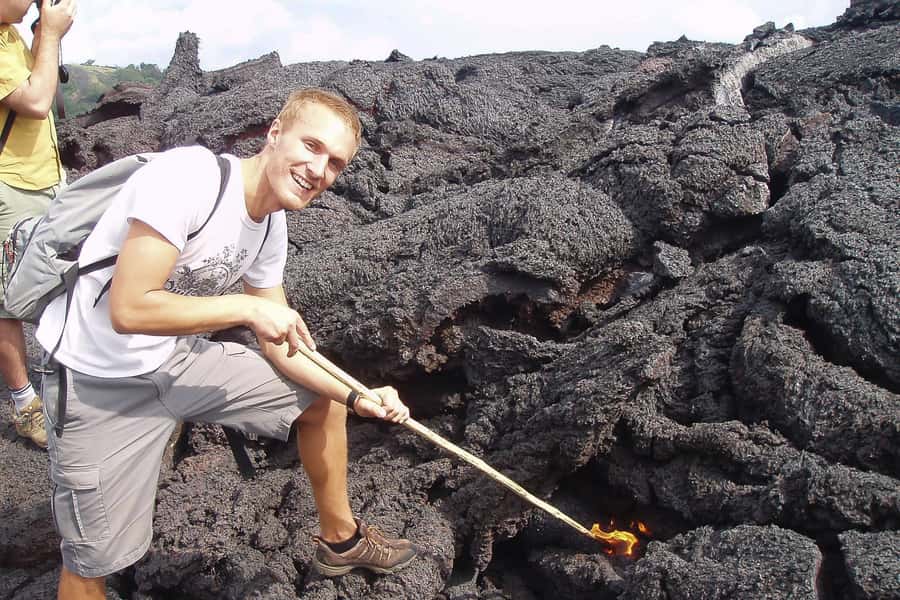
- Marshmallows are included: You roast them using heat and steam from the volcano.
- The $23 price is strong value: Add the Q100 entrance fee, food, and any optional horse ride to your budget.
Why Pacaya works so well from Antigua
Pacaya is one of the most practical volcano outings from Antigua. The total trip lasts about six hours, with roughly two hours of road time and four hours at the volcano. That leaves you time for lunch and another half-day in Antigua, unlike a long overnight volcano trip.
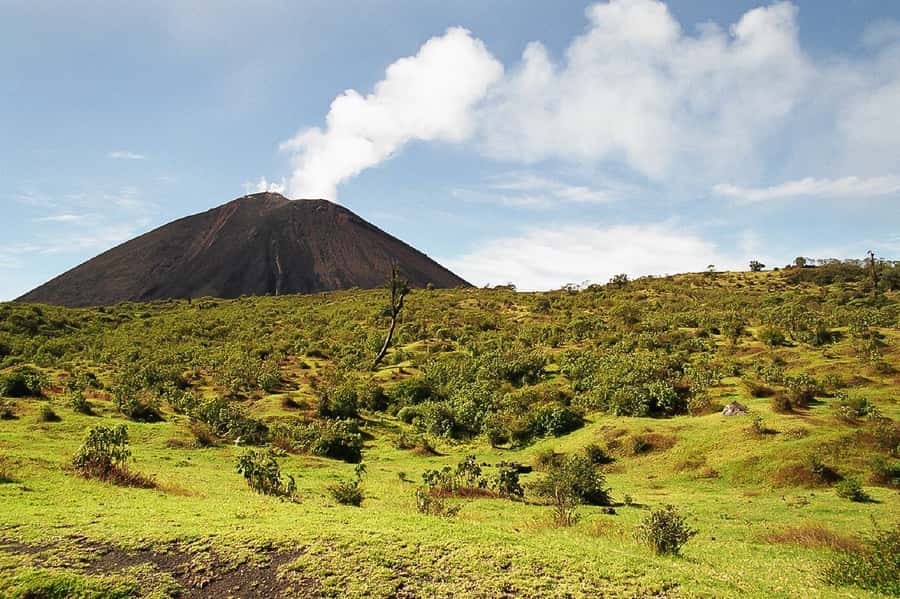
The attraction is not just reaching a high point. You move through several different settings in a short stretch: pine forest, open volcanic ash, sulfur fumes, steam-heated ground, and wide views across Guatemala’s southern highlands. On clear days, you can see Agua, Fuego, and Acatenango, the Pacific lowlands, and possibly as far as El Salvador.
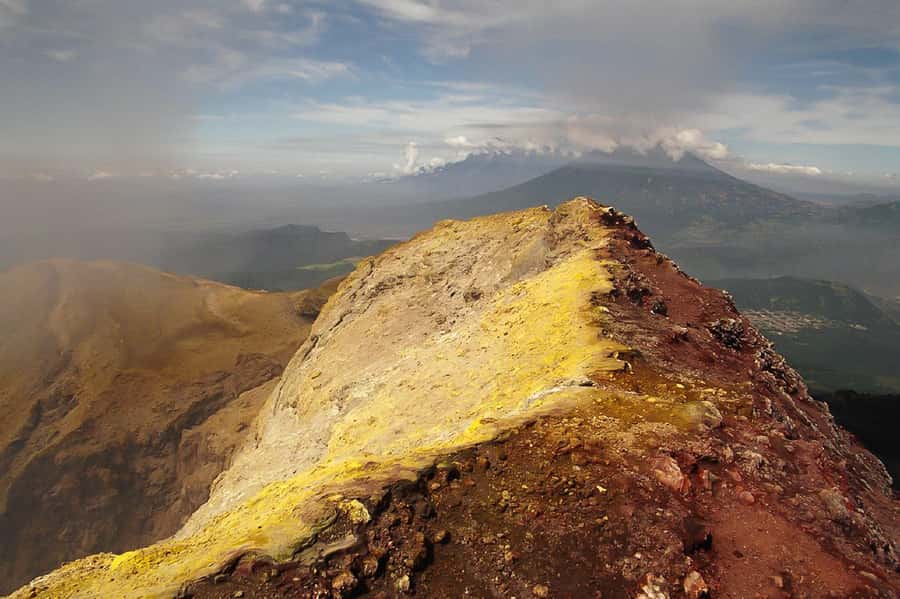
The word summit needs a little care here. You do not walk into Pacaya’s crater, and access is restricted for safety. Instead, the route takes you to a safe viewing area near the smoking cone, where you may see glowing lava, warm rocks, or steam. Volcanic activity changes, so book this for the full experience rather than a guaranteed lava show.
More Volcano Treks in the world:
- Mount Etna: Trek to 3000m with cable car and 4×4
★ 4.6 · 3,823 reviews - Mount Etna: Summit Crater Trek with Cable Car
★ 4.8 · 1,875 reviews - La Palma: Tajogaite Volcano Guided Trek
★ 4.8 · 1,810 reviews
The Antigua pickup and one-hour road ride
Hotel pickup is included from a long list of Antigua locations, including Hotel Casa Santo Domingo, Camino Real, Porta Hotel Antigua, Selina, Ojala Hotel, Yellow House, and several hostels. Some pickups are from a hotel lobby, while others use a meeting point in front of a coffee shop.
You ride in a shared minivan to the volcano. The trip usually takes about an hour, though pickup order can make the morning feel less exact. Several pickup points mean the van may collect you first or last, and delays of 30 minutes or more have happened. Keep this in mind if you have a fixed lunch booking or another tour afterward.
The road ride is part of the practical trade-off at this price. It is not a private transfer, and the van may feel basic or crowded. The road can also be bumpy and winding. If you get motion sickness, bring medication such as Dramamine, as one uphill ride was described as full of turns and jolts.
Some departures stop at a coffee shop before continuing. That can be useful for caffeine or a quick snack, but it also adds time. Bring water and food with you rather than counting on a full meal along the way.
The first climb through Pacaya’s pine forest
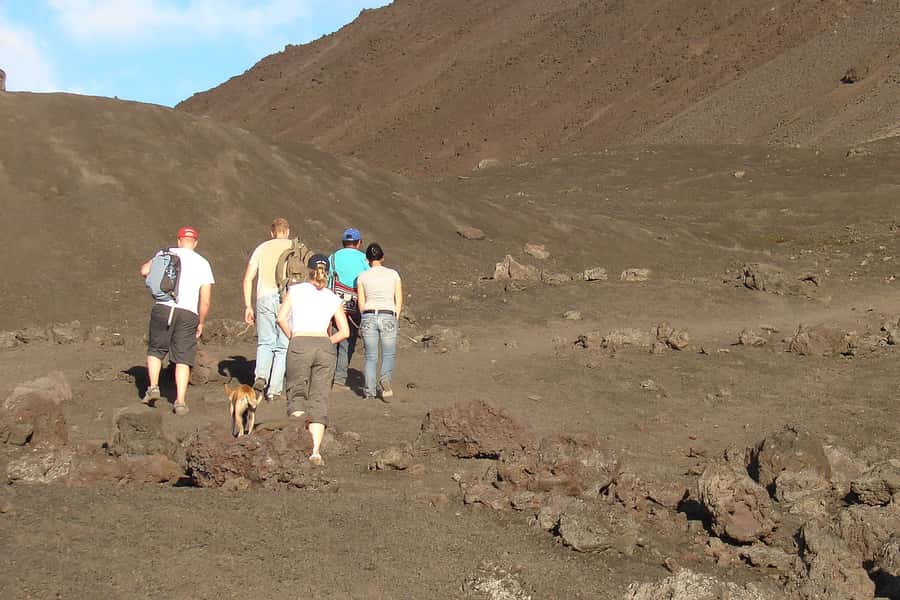
After reaching the volcano area, you begin walking with a local guide. The published hiking time is about four hours at Pacaya, including stops, sightseeing, photos, and the return route. The active uphill portion is commonly around 1 to 2 hours, depending on pace and group fitness.
The opening section passes through pine forest. This is the most forgiving part of the climb, with some shade and a clearer trail underfoot. Your guide may stop to explain the volcano, local plants, and the area’s history. Guides such as Roberto, Carlos, Leslie, and Jose have been singled out for keeping groups together and explaining what you are seeing.
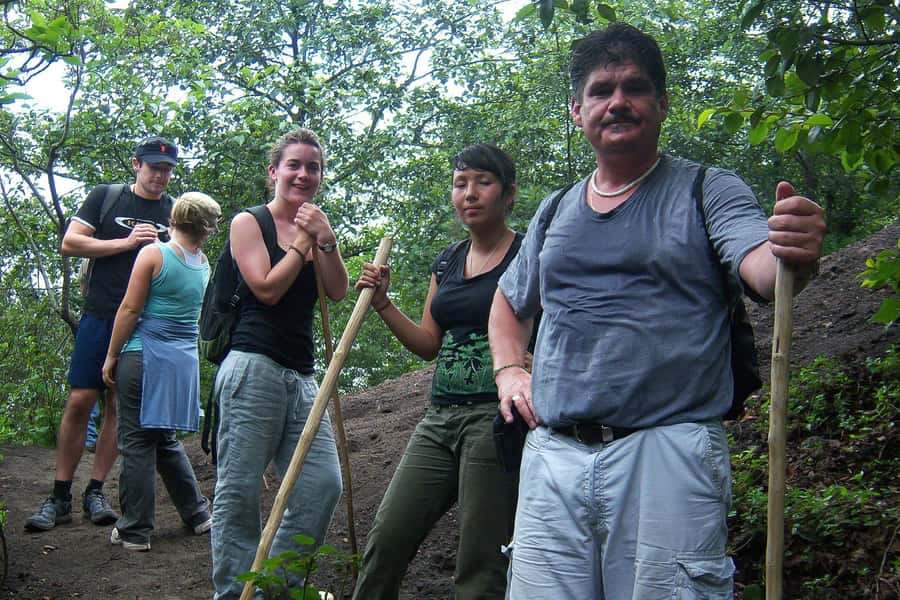
Do not mistake the word medium for easy. The trail rises steadily, and some sections are steep enough to leave fit walkers breathing hard. Reviews describe the climb as moderate to difficult, with long uphill stretches and little flat ground. If you walk often, you will likely find it manageable with breaks. If you are not used to hills, plan to go slowly from the first minute.
The guides generally use a relaxed pace, with stops every 10 to 20 minutes reported on some departures. That helps, but a large group can also slow the day down. One guide may stay near the front and another near the back, which is useful if the group spreads out.
Volcanic ash, loose footing, and the final approach
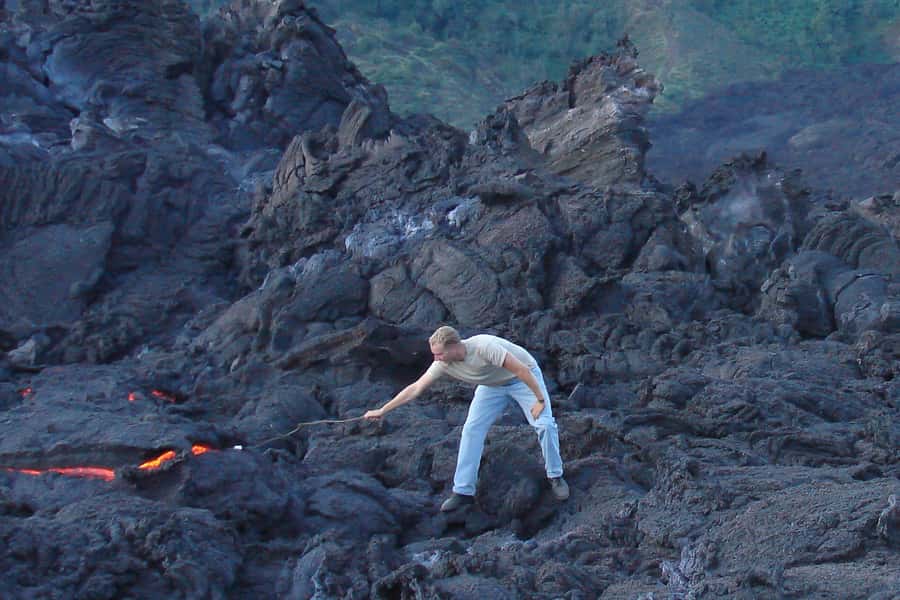
The forest eventually gives way to volcanic ash and rock. This section is more exposed and less pleasant underfoot. Fine ash can shift beneath your shoes, while rough volcanic ground can make the descent harder on your knees.
Wear sturdy hiking shoes if you have them. Sneakers can work, but they are less secure on loose ash, especially after rain or on the way down. A walking stick is worth having. Poles may be available to rent before the walk, and several people found one helpful on both the steep uphill and the knee-jarring descent.
Sun protection matters even if the morning begins cool or cloudy. Bring sunglasses, a hat, water, and a light jacket. Pacaya can feel chilly at times, yet humidity and direct sun can make the climb tiring. Conditions can change quickly, and clouds may cover the volcanoes just when you reach the top.
You will also encounter local horse handlers along the route. Horses can provide a useful backup if your legs, lungs, or knees give out. They are not listed as part of the tour price, and local rides have been quoted at about Q100 one way in recent accounts. Carry cash if you want that option.
There is a social wrinkle here. Horse handlers may repeatedly offer rides, even after you decline. A firm, polite answer usually ends the exchange, but it can be irritating during rest stops. If you use a horse, assess the animal and agree on the price and direction before setting off.
A few more treks around the world worth a look
- Bali: Mount Batur Sunrise Trek With Guide and Breakfast
★ 4.8 · 3,461 reviews - From Chania: Full-Day Samaria Gorge Trek Excursion & Guide
★ 4.6 · 3,191 reviews - Skaftafell: Ice Cave Tour and Glacier Hike
★ 4.5 · 1,746 reviews - Etna: summit craters trekking with volcano guide 3350mt
★ 4.7 · 1,712 reviews
The smoking cone and the marshmallow stop
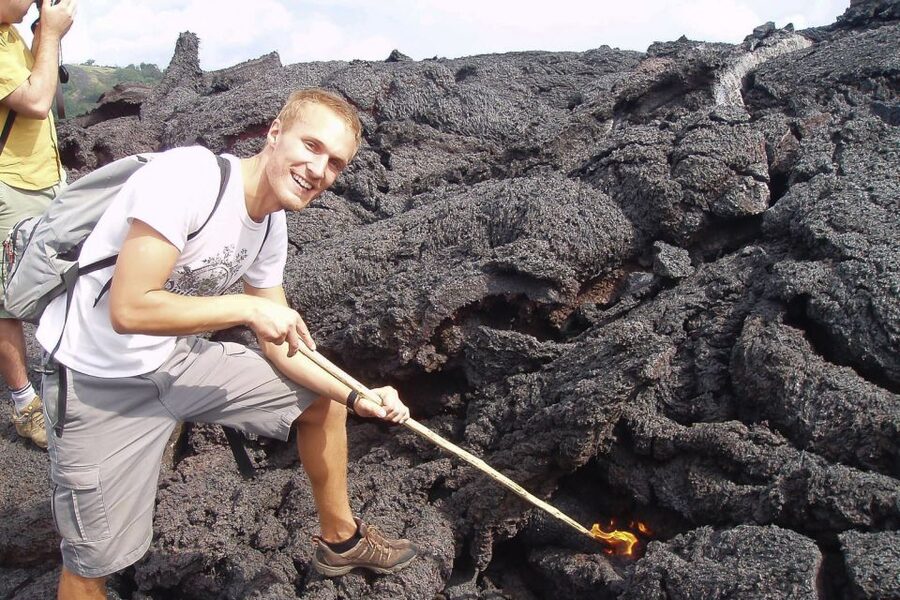
The final section brings you to sulfur-smelling ground and a smoking volcanic area. Steam rises from cracks and warm spots, and the heat is strong enough to roast marshmallows. The guide supplies the marshmallows, so this unusual snack is included.
It is a fun moment, but it also shows why you need to follow instructions. Stay with the guide and do not wander toward the crater or hot ground on your own. The tour does not take you into the crater, and that restriction is sensible given the changing activity at Pacaya.
Lava sightings depend on the volcano. At times, small eruptions or red-hot flows can be visible. At other times, you see steam, warm rocks, and the shape of the volcanic cone without glowing lava. The experience remains worthwhile, but you should not choose this trip on the promise of a dramatic eruption.
The marshmallow stop gives the group a natural pause before the return hike. It also creates a memorable contrast: a familiar campfire snack prepared by volcanic heat. If you have children in your group, this may be the part they talk about most.
Views toward Agua, Fuego, and Acatenango
The view is Pacaya’s main reward. From the upper area, you can look toward three of Guatemala’s best-known volcanoes: Agua, Fuego, and Acatenango. You may also see the Pacific lowlands and, on a clear day, toward El Salvador.
Weather controls how much of this you get. Early cloud can lift later, so a gray start does not always mean a gray finish. But cloud can also remain in place, hiding the distant volcanoes. The tour still offers a physical walk through volcanic terrain, yet the scenery may be limited on a poor-weather day.
The early pickup can help with visibility and timing. One 6 a.m. departure reached the volcano while the sky was clearing and finished with blue skies. Morning also avoids the hottest part of the day on the descent. The exact starting time depends on availability, so check the departure options when booking.
Leave time for photos. The group normally pauses along the way and at the upper area, so you do not need to choose between keeping pace and taking pictures. Protect your phone or camera from ash, and keep both hands free on steep sections.
The descent and return to Antigua
Going down is usually faster and easier on the lungs, but it can be tougher on knees and balance. Loose ash makes you slide, and steep sections put pressure on the front of your legs. Use a walking stick, take short steps, and do not race the group.
Some people who use a horse uphill walk back down. That can be a sensible choice if the climb is your main concern. The return route may differ slightly from the ascent, and guides can adjust the pace to keep the group together.
Once you reach the base, you board the shared minivan for the ride back to Antigua. Drop-offs cover the same general set of hotels, hostels, and central meeting points used in the morning. The full outing is planned for about six hours, with some departures returning around lunchtime or early afternoon.
Build in a little flexibility. Shared pickups, coffee stops, road conditions, and different walking speeds can affect the final arrival time. The tour works well before an open afternoon, not before a tight airport transfer or a fixed reservation.
What the $23 price really covers
At $23 per person, this is one of the least expensive ways to reach Pacaya from Antigua. The price includes round-trip transport between Antigua and the San Vicente area, hotel pickup and drop-off, a local guide, the guided volcano walk, and marshmallows.
You must add the park entrance fee of Q100 per person. Food is not included, so bring snacks or eat after returning to Antigua. Water is also not supplied at the top, and carrying enough for the full hike is your responsibility.
The low price comes with shared transport and a group format. You do not get a private van or a custom walking pace. Still, the core costs of reaching the volcano, entering the site, and having a guide are covered for a modest total. For most budget-conscious visitors, the value is very good.
A horse ride is an extra cost. It can make the route possible for someone who finds the incline too much, but it changes the nature of the outing. This is best treated as a backup, not an automatic part of the package.
Who should book this hike
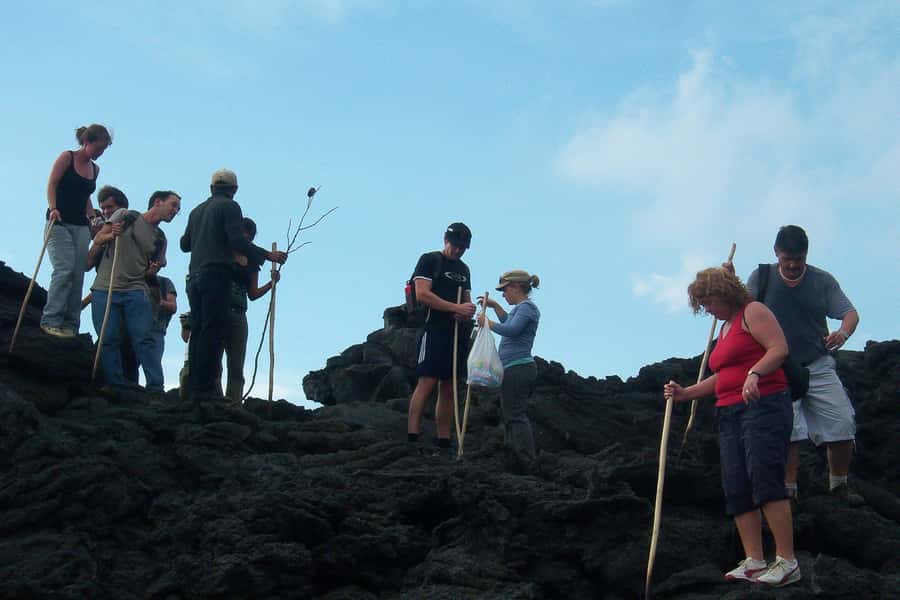
You should consider Pacaya if you want a half-day outdoor activity with real volcanic scenery, but you do not want to give up a night or a full day in Antigua. It suits people with reasonable fitness who can handle a steady incline, loose footing, and a hot or humid section.
It also works for mixed groups. Guides have been praised for waiting for slower walkers and stopping often, while horses provide another option for the uphill section. That said, you should not book it expecting a flat nature walk. The incline is continuous in places, and the altitude and heat can catch you off guard.
The tour is not suitable for pregnant women, people with mobility impairments, children under four, or people over 80. You should also be comfortable walking on uneven volcanic ground. Bring cash, water, sun protection, comfortable shoes, a camera, and a jacket.
English and Spanish guides are available, though the amount of English can vary by guide and group. If you speak Spanish, you may get more detail and easier conversation. Guides including Carlos, Leslie, Roberto, Jose, and Dario have been praised for being friendly, patient, and careful with group safety.
Should you book From Antigua: Pacaya Volcano Trek?
Book it if you want strong value, a manageable half-day schedule, and a genuine volcano setting. The views, pine forest, smoking ground, and hot marshmallows give the outing more character than a simple uphill walk.
Skip it if you need guaranteed lava, private transport, perfect punctuality, or an easy trail. Pacaya can be cloudy, the van can arrive late, horse handlers can be persistent, and the climb is steeper than the simple six-hour description suggests.
For most active visitors based in Antigua, I would choose this trip with three conditions: carry water, expect a medium-to-hard uphill walk, and treat lava as a bonus. At $23 plus the Q100 entrance fee, it is a sensible way to add Guatemala’s volcanic country to your trip without surrendering an entire day.
FAQ
How long does the Pacaya Volcano tour last?
The full experience lasts about six hours, including roughly one hour by van each way and about four hours at Pacaya for hiking, sightseeing, breaks, and photos.
How long is the hike to the summit area?
The uphill walk is described as taking about two hours, though many groups complete it in roughly 1 to 1.5 hours depending on pace and breaks.
Is lava guaranteed on this tour?
No. You may see small eruptions or red-hot lava if volcanic activity allows, but conditions change. The tour does include views of steam and heat from the volcano.
Can I enter Pacaya’s crater?
No. For safety, the route does not take you into the crater. You view the smoking cone, hot ground, steam, and possible lava from a permitted area.
Are marshmallows included?
Yes. Marshmallows are included and can be roasted using heat from the volcano.
Is the park entrance fee included?
No. The entrance fee is Q100 per person and must be paid separately.
Are horses available if the hike is too difficult?
Local horses may be available for an additional fee. Recent information places the cost at about Q100 each way, but this is separate from the tour price.
What languages do the guides speak?
The tour operates with live guides in English and Spanish. The amount of English may vary depending on the guide and group.
Just added around the world
- Everest Base Camp Trek★ 5.0 · 3 reviews
- Everest Base Camp Trek★ 5.0 · 7 reviews
- 15 Days Private Everest Base Camp Trek★ 5.0 · 30 reviews
- Everest Base Camp Trek★ 5.0 · 57 reviews
- 14 Days of Adventure Trekking to Everest Base Camp★ 5.0 · 2 reviews
- 14-Day Everest Base Camp Trek★ 5.0 · 20 reviews
- 14 Days Everest Base Camp Trek★ 5.0 · 4 reviews
- From Kathmandu: Private 14-Day Everest Base Camp Trek★ 5.0 · 20 reviews
Volcano Treks, compared.
Mount Etna: Trek to 3000m with cable car and 4×4
Read our review →
Mount Etna: Summit Crater Trek with Cable Car
Read our review →
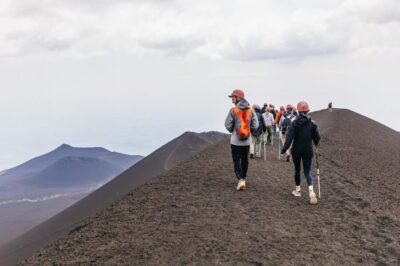
Etna: summit craters trekking with volcano guide 3350mt
Read our review →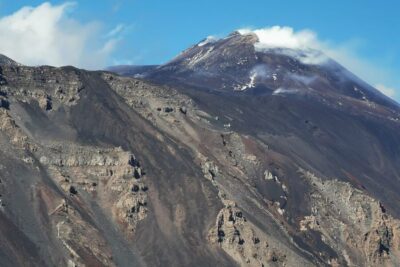
Mount Etna Trekking Tour Beyond the Tourist Trails
Read our review →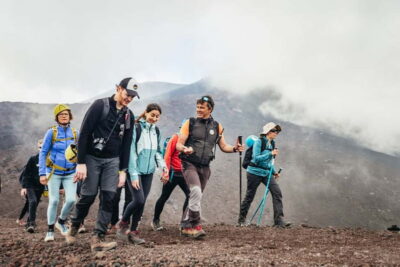
Mount Etna: Guided Trek 3,000 Meters to the Summit
Read our review →
Etna Sunset Tour: Volcano trek, Cave & tasting from Catania
Read our review →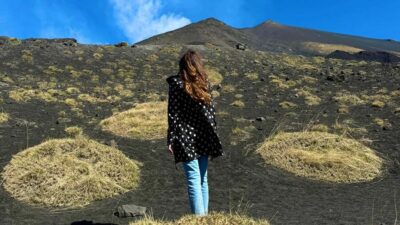
Browse the lists this trek appears in