
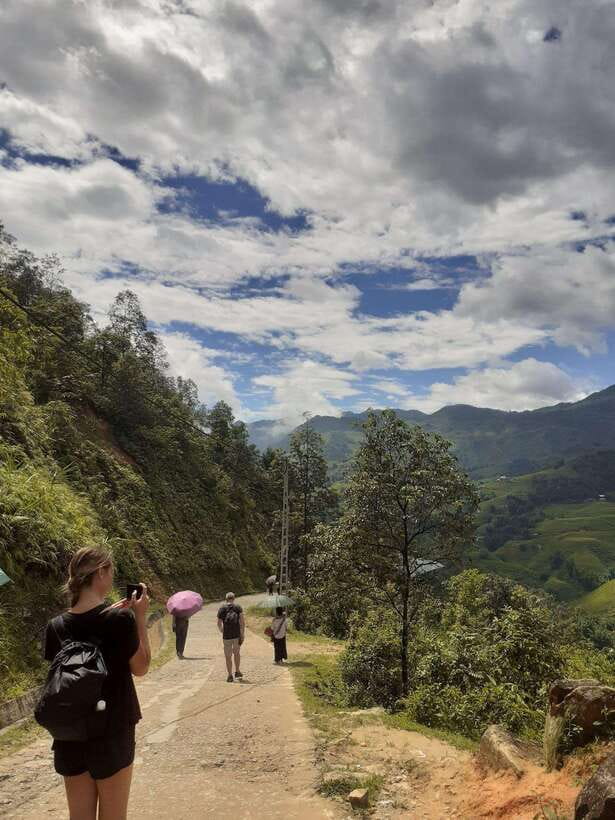
Review · SAPA
Trekking Sapa 1 Day With Local Guide, Terraced Rice Fields
Sapa’s best scenery arrives on foot, and this 13-kilometer mountain trek takes you from town into the Muong Hoa Valley, across rice terraces, bamboo forest, and three ethnic villages. You’ll reach around 1,800 meters, then finish with a meal at a small Hmong-run restaurant.
I like the small group size of up to 10 people and the useful return bus from Ta Van, which saves you a long walk back. I also like the cultural focus: you hear about Hmong marriage customs, farming, house building, and daily work instead of simply stopping for photographs.
The main drawback is the trail condition. Heavy rain can turn sections into slippery mud. One June outing became a careful exercise in staying upright, although guide Su and her accompanying local women were praised for being very friendly and helpful.
Key points at a glance
- 13 kilometers of walking: Expect about five hours on foot within a seven-hour outing.
- Three village communities: Visit Y Linh Ho, Lao Chai, and Ta Van, with Hmong, Black Hmong, and Giay cultural connections along the route.
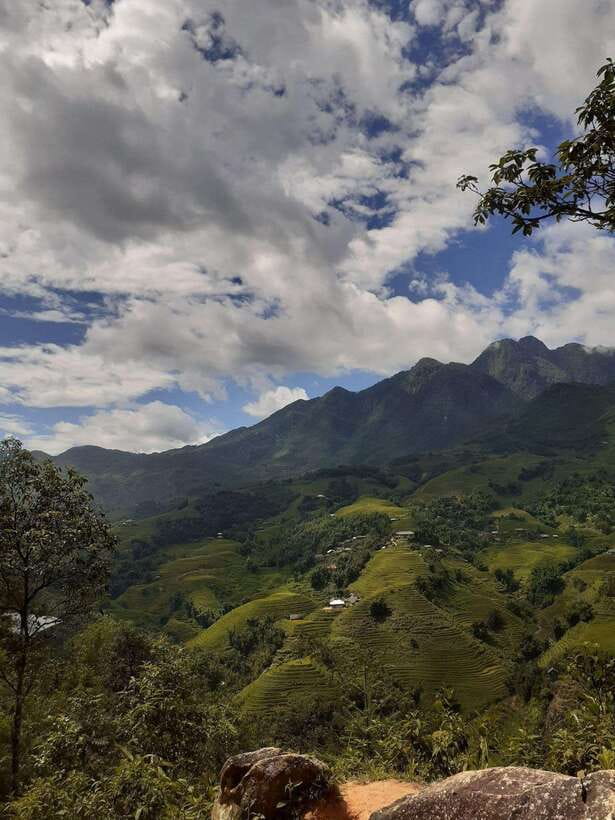
- High mountain scenery: Walk toward elevations of about 1,800 meters and look across the Hoang Lien Son range.
- A local Hmong lunch: Eat at a small family-run restaurant in Y Linh Ho.
- Small-group guidance: The group is limited to 10 people, with an English-speaking local guide.
- Rain can change the day: Mud may make the walk much harder, so shoes with strong grip matter.
Why this Sapa trek is worth your time
Sapa is famous for its rice terraces, but the views are only half the reason to leave town. The other half is the gradual change in the surroundings. Streets and buildings give way to footpaths, mountain slopes, rivers, farm plots, and village homes.
This route gives you that change in one day. You begin in Sapa, walk toward Cat Cat, cross the Muong Hoa River area, and continue through Y Linh Ho, Lao Chai, and Ta Van. The route is long enough to feel like a real mountain walk, yet organized enough to finish back in Sapa by mid-afternoon.
I especially like the way the guide provides context while you walk. You are not simply pointed toward a rice field and told to take a picture. You learn about farming, Hmong marriage traditions, house construction, and the differences between local ethnic groups. That turns the scenery into part of a living community rather than a backdrop.
The price is $24 per person. For that amount, you receive a guide, entrance fees, one meal, and transport from Ta Van back to Sapa. Drinks, tips, taxes, and holiday surcharges cost extra, but the basic package covers the main needs of the day. For a full day of guided walking in the mountains, it offers good value.
More Rice Terrace Treks in Sapa
- Sa Pa: Muong Hoa Valley Trek and Local Ethnic Villages
★ 4.6 · 864 reviews - Explore Sapa by TrekkingAdventures, Mountain,Rice fields
★ 4.9 · 229 reviews - Sa Pa: 6-Hours Muong Hoa Valley Trek with Local Ethnic guide
★ 4.5 · 178 reviews
Starting in Sapa and heading toward Cat Cat
The day begins between 8:00 and 8:30 in the morning. Pickup is available from hotels in central Sapa, or you can meet the guide in front of the main church. The operator does not promise pickup outside the Sapa center, so check your accommodation location before booking.
After a short introduction, you walk or are taken about two kilometers down the road toward Cat Cat. This area is associated with the Hmong community and serves as the first point where the town begins to fall behind you.
Cat Cat is included in the route, but it is not the main village stop for the day. Think of it as the start of the walking section. From here, the path leads toward the Muong Hoa River and the hanging bridge.
Crossing the Muong Hoa River and entering the hills
The route continues toward the hanging bridge over the Muong Hoa River. This is where the outing starts to feel more remote. You leave the easier road behind and begin moving uphill through the mountains.
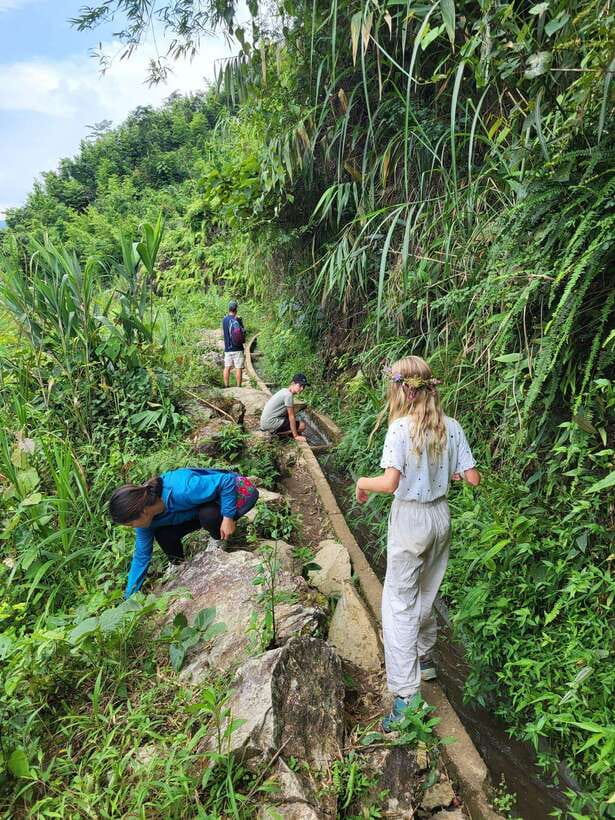
The path also passes through bamboo forest. Bamboo changes the mood of the walk, giving you a shaded section before the open views return. The climb is part of the appeal, but you should not treat this as a gentle town stroll. The tour reaches around 1,800 meters above sea level, and the route includes uphill and downhill sections.
Altitude sickness is listed as a reason not to join. High blood pressure is another stated concern. The age guidance excludes babies under one year and people over 95. Those restrictions are practical reminders that this is an active outing, not a sightseeing transfer with a few short walks.
The rice terraces and Hoang Lien Son views
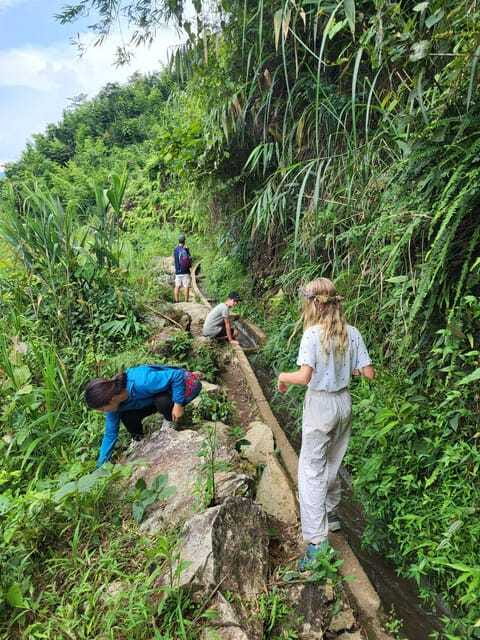
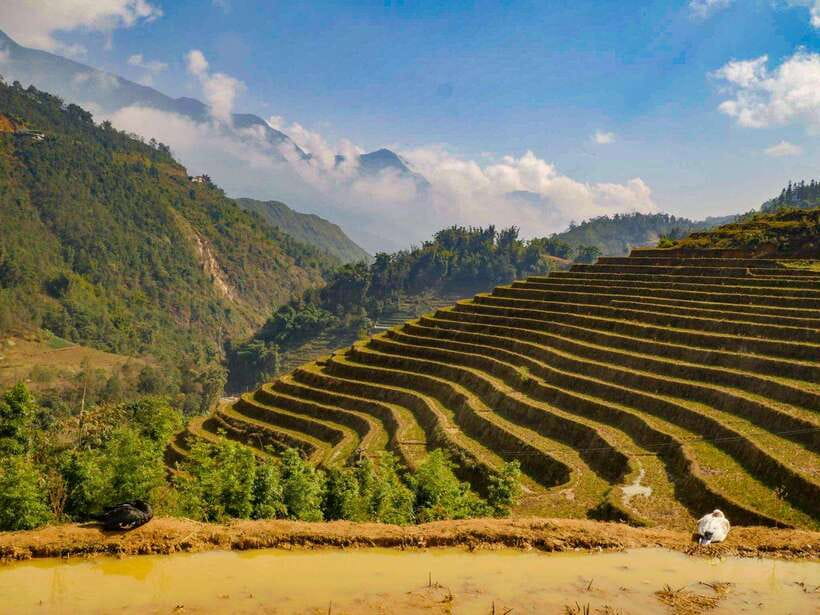
The most striking part of the morning is the view across the rice terraces. Sapa’s stepped fields follow the shape of the hills, creating broad lines across the slopes. Their appearance changes with the season and weather, but the scale is the point: these are working mountain fields, not a decorative park.
From higher sections, you can look toward the Hoang Lien Son range and the valley below. Clear weather gives you the best chance of seeing the mountain views, while mist and rain create a different, more enclosed atmosphere.
Rain is worth taking seriously here. A June walk was affected by heavy rain and enough mud to make each step a task. The scenery remained impressive, but the walker had to spend less time looking around and more time watching the ground. Bring waterproof clothing and footwear with reliable grip. The tour provides no indication that hiking equipment is included.
More Rice Terrace Treks in Vietnam
- Sapa Muong Hoa Valley & Ta Van Eco Village Scenic Tour (No Trek)
★ 5.0 · 144 reviews - Daily Tour: Sapa Trekking in Muong Hoa valley, Bamboo forest
★ 5.0 · 121 reviews - 1-Day Sapa Long Trek – Rice Field Terrace, Ethnic Culture
★ 4.9 · 62 reviews - Sapa: Muong Hoa Mountain Views and Villages Trek with Lunch
★ 4.3 · 28 reviews
Y Linh Ho and lunch with a Hmong family
After the mountain section, you descend toward Y Linh Ho village. This is where the route slows down for lunch at a small traditional restaurant run by a local Hmong family.
One meal is included, but drinks are not. That sounds minor until you are five hours into a mountain walk. Carry water, since the included meal does not cover beverages. The precise menu is not specified, so do not book this expecting a particular dish.
The lunch stop matters for more than food. It gives you a break before the second part of the route and places you in a family-run setting rather than a large dining room. The guide can also connect what you see in the fields with the work involved in growing rice and maintaining homes in the hills.
Lao Chai and the Black Hmong community
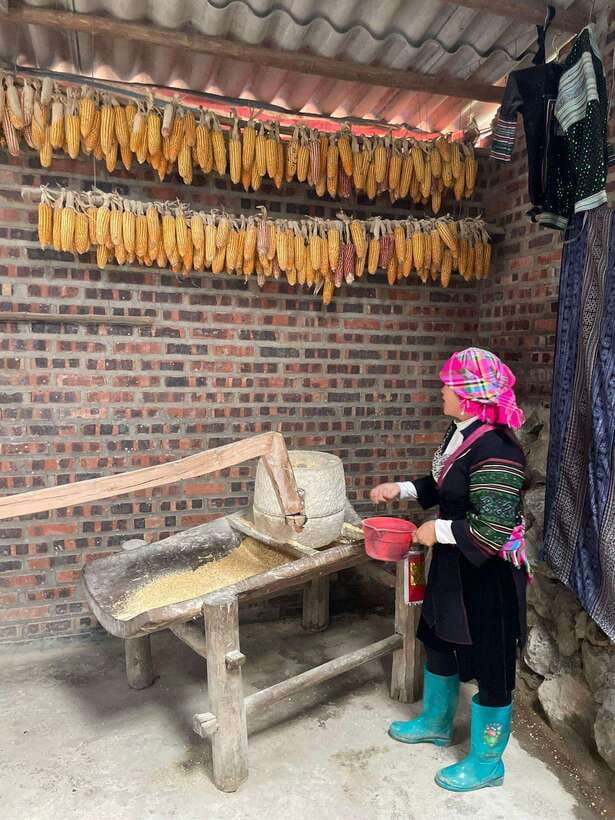
After lunch, you continue to Lao Chai, a village associated with the Black Hmong. The route gives you time to notice how the villages relate to the slopes, fields, and valley rather than rushing between isolated photo stops.
The cultural explanations are one of the stronger reasons to choose a guided walk. You learn about differences among the ethnic groups, along with marriage customs, work, farming, and house-building methods. The description also refers to Hmong, Giay, and Red Dao communities, while the detailed route specifically identifies Hmong, Black Hmong, and Giay locations. If meeting Red Dao residents is essential to your plans, confirm that point before booking, since the named stops do not clearly include a Red Dao village.
There is also a practical social issue at some village entrances. During one wet-weather outing, local women approached the group with handmade goods for sale. They were described as very friendly, but the repeated sales attention may feel uncomfortable if you prefer a walk without shopping pressure. Carry only what you intend to spend, and remember that purchases are not part of the tour price.
Ta Van and the ride back to Sapa
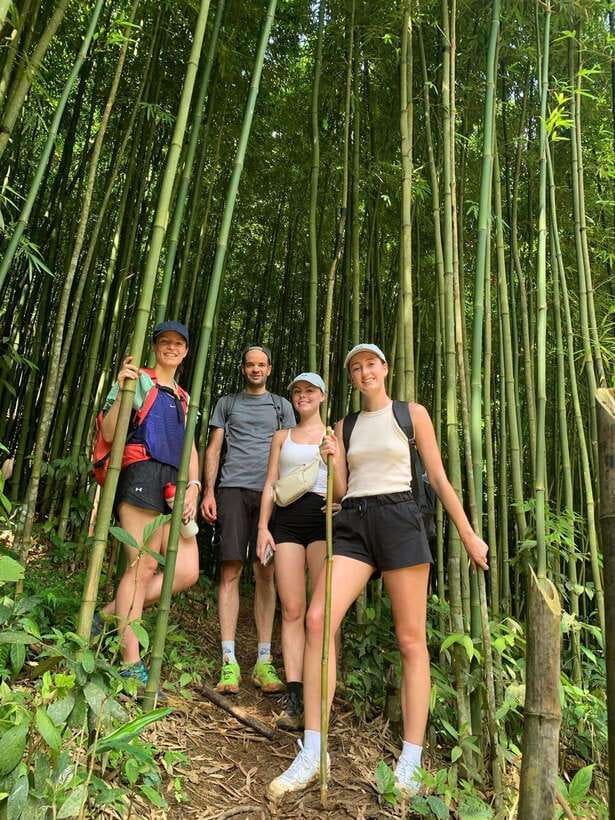
The final village is Ta Van, associated with the Giay community. By this point, you have seen the route change from mountain path to village area and have had the chance to compare local customs and ways of life.
The tour does not leave you to walk all the way back. A bus takes you from Ta Van to Sapa Town, which is a useful feature after roughly five hours on foot. The day ends at about 2:30 in the afternoon.
That early finish can help if you need to catch onward transport. The timing information specifically notes that you may be able to book a bus to Hanoi or another destination afterward. Still, leave a sensible buffer for delays, especially in wet conditions. Mountain roads and a muddy route do not reward a tight schedule.
What the guide adds to the experience
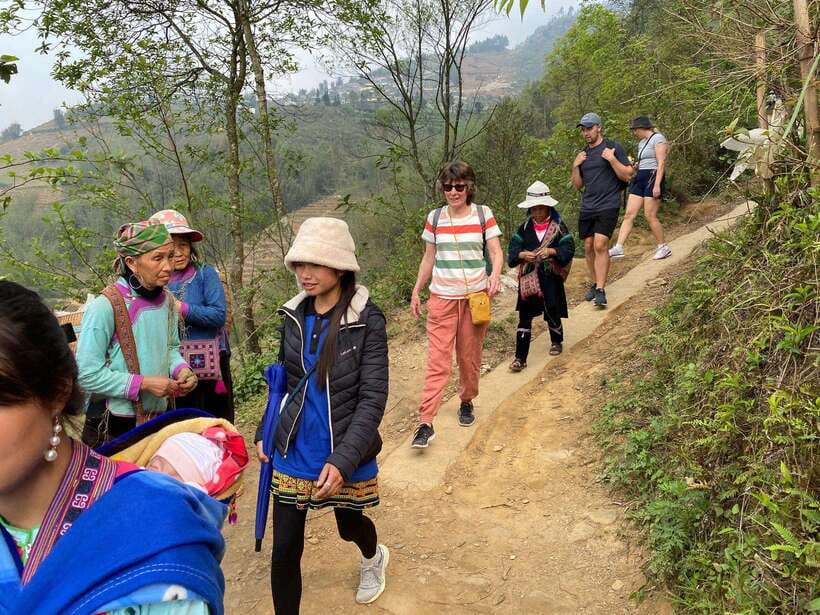
The guide is a major part of the value. The tour is conducted in English and uses a local guide who leads the walk and explains the communities along the way. One guide named Su received particularly warm praise for helping the group through very heavy rain, along with the local women who accompanied the walk.
That kind of assistance matters more on a slippery trail than it does on a city tour. A local guide can help you judge the path, keep the group moving, and explain customs in context. You should still expect the guide to lead an active walk, not provide a private porter or a fully managed hiking expedition.
The group limit is 10 people. That is small enough for questions and conversation, while still allowing the operator to run the tour at a modest price. Private touring is not promised, so you may share the route with other participants.
How difficult is the walking?
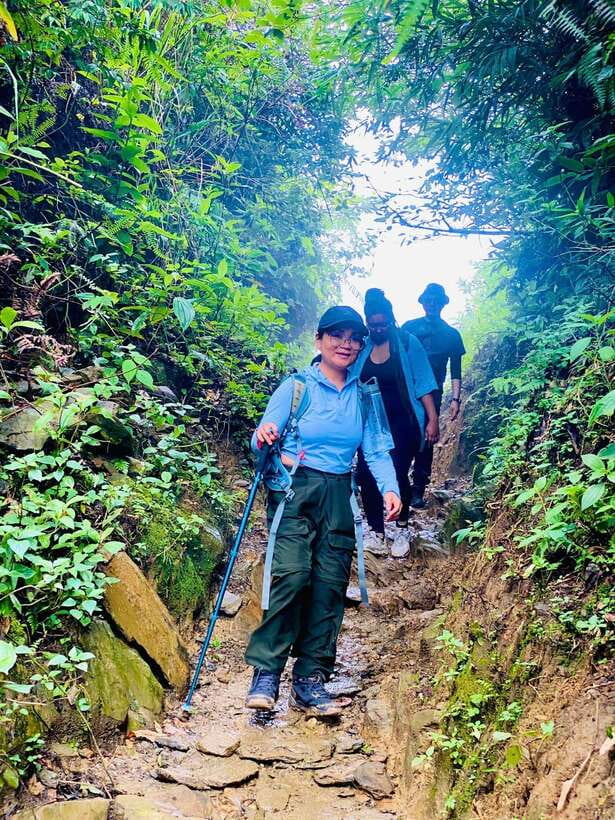
The tour is described as mountain trekking, with about 13 kilometers covered over roughly five hours. You will walk uphill through the hills, descend toward villages, pass through bamboo forest, and deal with changing surfaces.
The difficulty depends heavily on the weather. In dry conditions, the route may feel like a demanding but manageable day hike. In rain, mud can become the main challenge. A June outing required careful footing, and even the best views were sometimes hard to enjoy because the ground demanded constant attention.
This is not a suitable choice if you have altitude sickness or high blood pressure. It is also not designed for very young babies or people above the stated age limit. If you are unsure about your fitness, ask the operator about current trail conditions before you pay.
Practical planning for the $24 price
At $24, the tour covers the parts that are expensive or awkward to arrange alone: a local English-speaking guide, entrance fees, lunch, and the return bus from Ta Van. That combination makes it a sensible choice if you want a planned route without paying for a private car all day.
You should budget separately for drinks, tips, taxes, and any holiday surcharge. The surcharge may apply during Lunar New Year, Christmas, New Year, and other listed holiday periods.
Wear shoes that can handle mud. Bring water, rain protection, and clothing that can get dirty. A trekking pole could be useful, but none is listed as included. You also need to keep your hands free enough for balance on wet sections.
Pickup is limited to Sapa center. The tour offers free cancellation up to 24 hours before departure and allows you to reserve now and pay later, which is useful if your mountain plans depend on weather.
Who should book this walk?
I would choose this tour if you want the famous Sapa terraces but prefer seeing them through a long village-to-village walk. It suits people who value local explanation, modest group sizes, and a family-run lunch more than comfort or a polished sightseeing format.
It is also a good match if you want to finish early enough to continue your journey. The return bus from Ta Van and the planned arrival in Sapa around 2:30 make the day easier to fit into a larger Vietnam itinerary.
I would hesitate if you dislike mud, sales approaches, steep paths, or uncertain weather. The $24 price does not buy an easy stroll. It buys access to a demanding route, local guidance, and the practical details needed to cover a lot of ground in one day.
Should you book the Sapa rice-field trek?
Book it if your priority is real walking through the Muong Hoa Valley, with rice terraces, village communities, and a local guide who can explain what you are seeing. The small group, included lunch, entrance fees, and return bus make the price attractive.
Skip it if you need a dry, gentle, highly predictable day. Rain can turn the route into a muddy test of balance, and village sales activity may not suit everyone. For active visitors who accept those tradeoffs, this is a strong one-day way to get beyond Sapa’s main streets.
FAQ
How long does the Sapa trekking tour last?
The activity lasts about seven hours. It begins around 8:00 to 8:30 in the morning and finishes in Sapa at about 2:30 in the afternoon.
How far do you walk?
The listed route covers about 13 kilometers, with approximately five hours of trekking.
Which villages does the route visit?
The route includes Cat Cat, Y Linh Ho, Lao Chai, and Ta Van. The detailed cultural stops are connected with Hmong, Black Hmong, and Giay communities.
Does the tour reach a high altitude?
Yes. The trek reaches approximately 1,800 meters above sea level.
Is lunch included?
Yes. One meal is included at a small traditional restaurant run by a local Hmong family in Y Linh Ho. Drinks are not included.
Is transportation included?
Pickup is included for hotels in central Sapa. A bus takes you from Ta Van back to Sapa Town.
Is the guide English-speaking?
Yes. The tour includes an English-speaking local guide.
How large is the group?
The tour is limited to 10 participants.
Can I cancel the booking?
You can cancel up to 24 hours in advance for a full refund. The activity also offers reserve-now, pay-later booking.
More 1-Day Tours in Sa Pa
- From Sapa: 1-Day Guided Trek to Lao Chai & Ta Van with Lunch
★ 4.9 · 416 reviews - Sapa 1 Day Long Trek: Trek to Hau Thao and Sa Seng Villages
★ 4.6 · 344 reviews - 1-day Authentik trek & Panorama valley views
★ 5.0 · 189 reviews - 1 day Fansipan Trekking
★ 5.0 · 180 reviews
More Rice Terrace Treks in Sa Pa
- Sapa: Muong Hoa Valley View & Villages Trek with Local Guide
★ 5.0 · 25 reviews - From Sapa: Muong Hoa Valley View & Village Trek 1-Day
★ 5.0 · 21 reviews - SAPA: 1-DAY TREKKING TOUR WITH LOCALS, LUNCH & RICE FIELDS
★ 4.7 · 18 reviews - From Sapa : 1 Day Amazing Sapa Trek To Terrace rice field
★ 4.6 · 17 reviews
Just added around Sa Pa
- Sapa: Private The Most Beautiful Terraced Fields Trekking★ 4.8 · 42 reviews
- Soob Sapa Trekking Tour★ 4.3 · 3 reviews
- Sapa Trekking – Waterfalls And H’mong Villages★ 5.0 · 2 reviews
- Sapa3D2N TrekkingAdventures,Valleys,Bambooforest,Waterfall★ 4.8 · 24 reviews
- Sapa: Trekking Through Terraced Rice Fields & Valley 1 Day★ 4.8 · 4 reviews
- Sapa: Trekking Sapa One Day With Group Tour★ 4.7 · 55 reviews
- Sapa: Y Linh Ho – Lao Chai, and Ta Van Trekking Day Tour★ 5.0 · 25 reviews
- Sapa Trekking Private Tour With Ethnic Female Tour Guide★ 4.9 · 24 reviews
Rice Terrace Treks, compared.
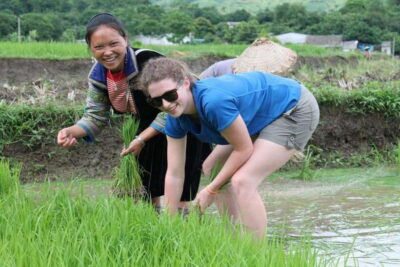
Muong Hoa Valley Trek and Local Ethnic Villages
Read our review →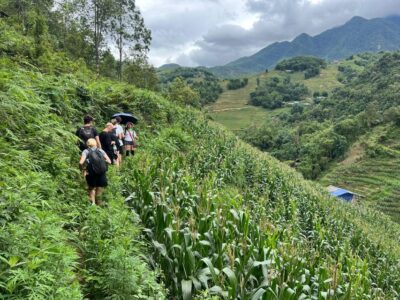
Explore Sapa by TrekkingAdventures, Mountain,Rice fields
Read our review →
Selogriyo Temple and Trekking Java Rice Terraces, hidden waterfall -Nature Java
Read our review →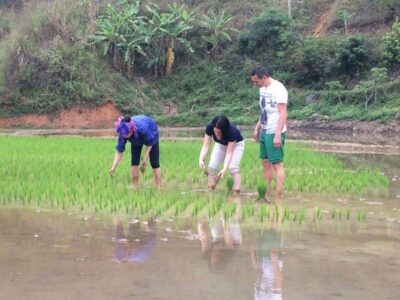
6-Hours Muong Hoa Valley Trek with Local Ethnic guide
Read our review →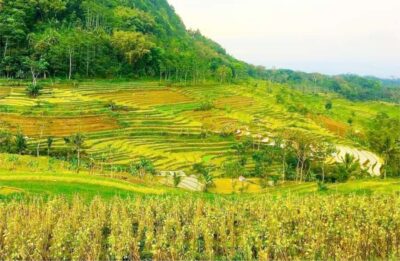
Yogyakarta: Selogriyo Temple Tour & Java Rice Terrace Trek
Read our review →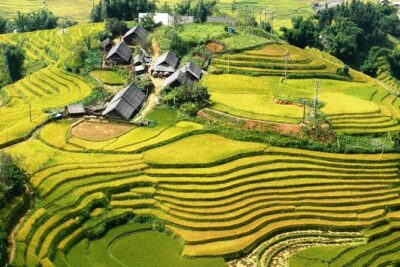
Sapa Muong Hoa Valley & Ta Van Eco Village Scenic Tour (No Trek)
Read our review →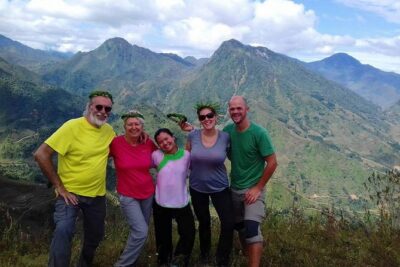
Daily Tour: Sapa Trekking in Muong Hoa valley, Bamboo forest
Read our review →
Rice Terrace, Holy Water Temple & Waterfalls Trek Tour
Read our review →Browse the lists this trek appears in