
Review · SAPA
1-Day Sapa Long Trek – Rice Field Terrace, Ethnic Culture
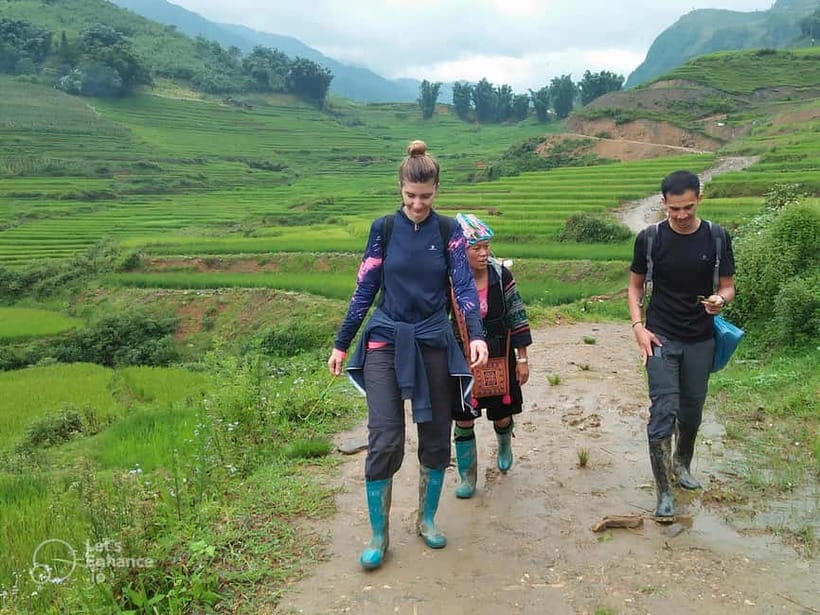
Sapa’s best day walks are not about ticking off viewpoints. They are about following a narrow path through the Muong Hoa Valley, crossing a wooden bridge, watching Hmong families work the rice terraces, and sitting down to eat in a village home. This seven-hour trek gives you that close-up look at mountain life, with a local Hmong guide to explain what you are seeing.
I like two things right away. First, the guides, including Mao, Sung, Giang, Soso, Chai, and Thao, are praised for warm care, good English, and flexible pacing. Second, the family-style lunch is more than a meal break. It brings you into the rhythm of village life, with simple dishes served generously and time to talk.
The main catch is the trail itself. This is not a gentle stroll. You may walk 12 to 15 kilometers, with uneven ground, steep parts, and slippery mud after rain. Bring proper hiking shoes, and consider renting rubber boots in wet weather.
Key points to know before you book
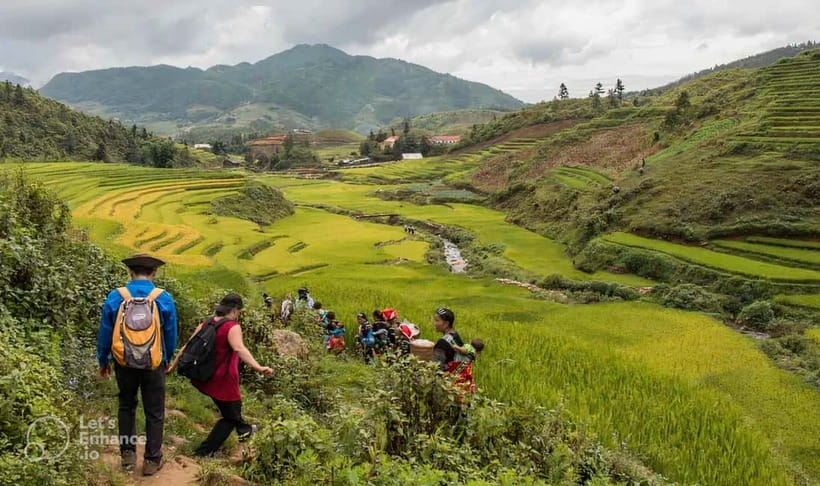
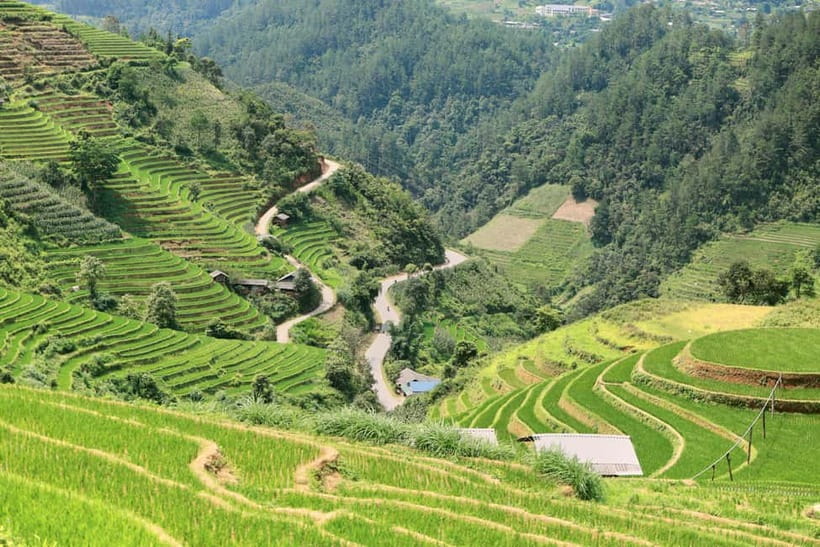
- Muong Hoa Valley views: Rice terraces drop down the hillsides below Fansipan and the Hoang Lien Son range.
- Local Hmong guiding: Your guide comes from the area and can explain village customs, farming, clothing, family life, and local stories.
- A real walking day: Plan for roughly 12 to 15 kilometers, with uphill and downhill stretches rather than a flat village walk.
- Lunch with a Hmong family: Lao Chai Sang provides a welcoming pause with home-cooked food and generous portions.
- Craft traditions: You may learn about handwoven clothing, natural dyes, and indigo work in or near Ta Van.
- Small-group value: The group limit is 10, and smaller groups make it easier to keep a shared pace and ask questions.
Why this Sapa trek feels different
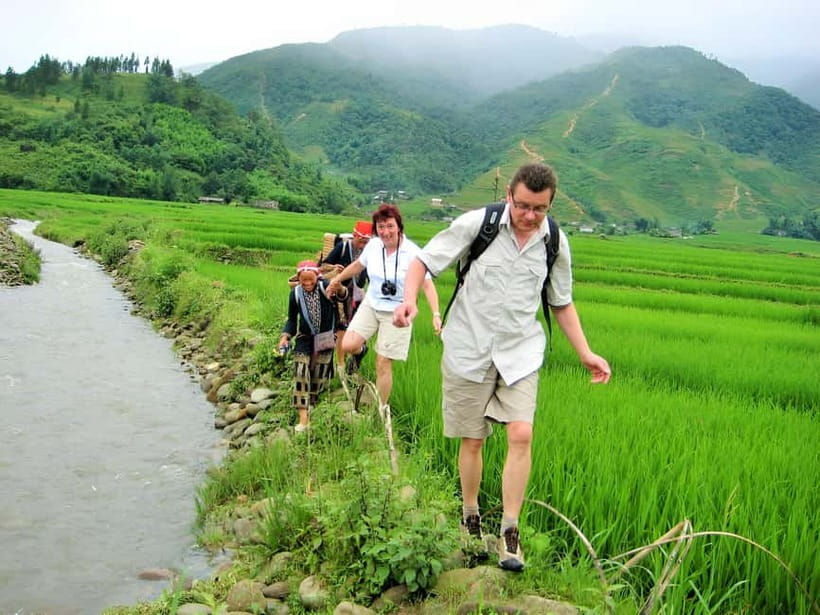
Sapa town can feel busy, commercial, and full of tour vans. This route gets you out into the Muong Hoa Valley, where the day is shaped more by fields, streams, and footpaths than by shops.
The experience is cultural as much as scenic. You are not simply looking at rice terraces from a roadside platform. You walk among them and pass through villages linked with the Hmong and Giay communities. Your guide can explain how people live, work, dress, and adapt to a mountain environment.
The activity is priced at $24 per person, which is strong value for a seven-hour guided trek. The price includes hotel pickup in Sapa town, a local guide, village entrance fees, lunch, a small bottle of water, and rain protection. It also includes transport back to Sapa from Ta Van.
That low price does not make the walk effortless. You are paying for a local route and useful support, not for a polished resort-style excursion. The experience works best if you value scenery, conversation, and a bit of mud more than comfort.
More Rice Terrace Treks in Sapa
- Sa Pa: Muong Hoa Valley Trek and Local Ethnic Villages
★ 4.6 · 864 reviews - Explore Sapa by TrekkingAdventures, Mountain,Rice fields
★ 4.9 · 229 reviews - Sa Pa: 6-Hours Muong Hoa Valley Trek with Local Ethnic guide
★ 4.5 · 178 reviews
Setting out above Sapa at 9:00 AM
Pickup begins at 9:00 AM in Sapa town. If you are staying within town, the operator can collect you at your hotel. People staying farther out may need to pay an extra pickup fee or reach one of the stated meeting points on Dien Bien Phu Street or Muong Hoa Street.
The opening section climbs toward a quiet ridge. On a clear day, you can look toward Fansipan, known as the Roof of Indochina, rising from the Hoang Lien Son range. Clouds are common in Sapa, especially in the wetter months, so do not treat the first viewpoint as a guarantee. Mist can hide the high peaks, but it also gives the valley a cool, atmospheric feel.
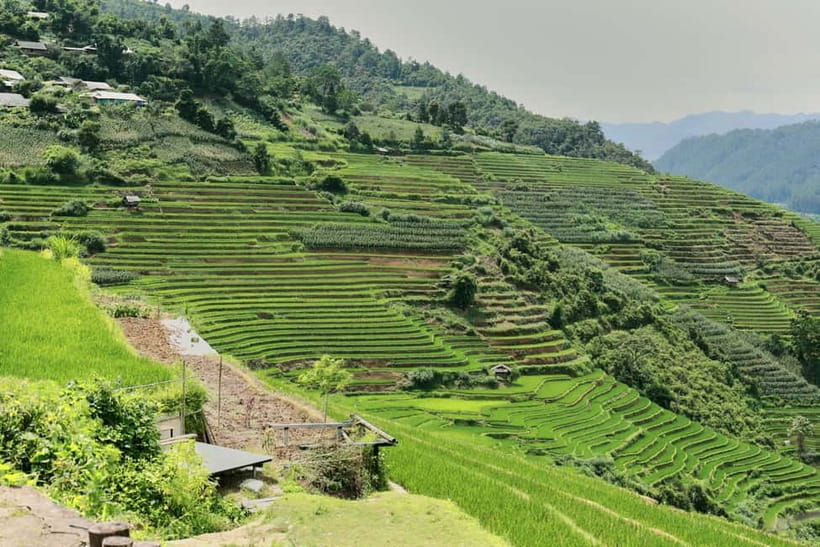
From the ridge, the trail drops toward Muong Hoa Valley. This is where the walk begins to feel properly rural. Rice terraces curve around the hills in broad steps, and distant mountains frame the route. During planting and growing seasons, the fields can be bright green. At harvest, their color changes, and in winter some terraces may look bare.
Your guide matters here. A good guide will help you see more than a pretty view. They can point out field work, explain why the terraces are built in steps, and answer questions about Hmong life. The guides on this route are repeatedly praised for speaking clear English and adjusting the pace.
Y Linh Ho and the river crossing
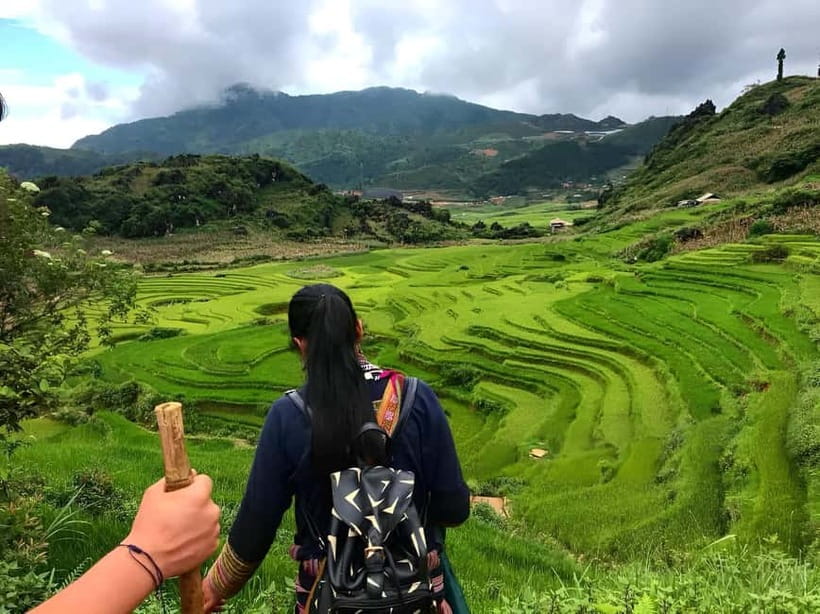
Around 11:00 AM, you reach Y Linh Ho, a quiet Hmong village beside a clear river. The path crosses a small wooden bridge before continuing through open fields.
This is one of the most scenic portions of the walk, but it is also where footing may become less predictable. The path can be uneven, and wet ground turns muddy quickly. After rain, local women may help people across slippery sections. Their help can be welcome, though some may also offer handmade goods for sale.
That selling is part of the complicated side of walking near Sapa’s villages. You will meet people who are friendly and proud of their crafts, but you may also feel pressure to buy scarves, bags, or other items. I suggest deciding in advance how you want to handle this. A polite no is enough, and buying something should be your choice, not an obligation.
The route is often peaceful once you move away from the main stopping points. One small group walked along less crowded paths and had stretches with no one else around. That quieter feeling is a major reason to choose a trek instead of a short village transfer.
Lao Chai Sang and the family lunch
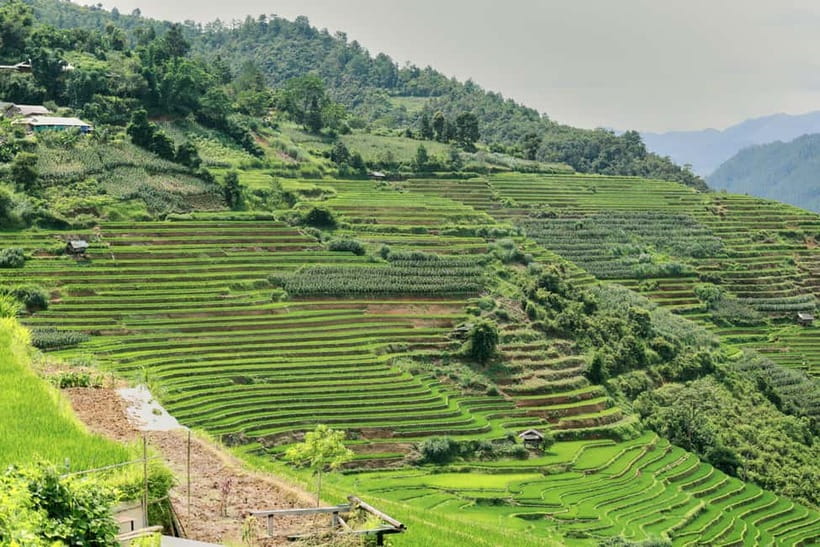
At about 12:30 PM, the group reaches Lao Chai Sang for lunch with a Hmong family. The meal is served in a simple home and is generally shared family-style.
This pause gives the day a useful change of pace. You can sit down, dry off if needed, refill your energy, and talk with your guide without walking. The food is described as home-cooked, tasty, and generous, with more available if you are still hungry. Dietary restrictions and allergies can be catered for if you report them ahead of time.
I like this part because it gives the village visit some substance. You are not only passing through with a camera. You have time to sit in a local setting and share a meal, which can make conversations feel more natural.
Lunch is still a local meal, not a restaurant buffet. If you need a very specific diet, confirm the arrangements before departure. Bring some extra water as well. The included bottle is useful, but a 12 to 15 kilometer walk can require more fluid, especially under a warm sun.
More Rice Terrace Treks in Vietnam
- Sapa Muong Hoa Valley & Ta Van Eco Village Scenic Tour (No Trek)
★ 5.0 · 144 reviews - Daily Tour: Sapa Trekking in Muong Hoa valley, Bamboo forest
★ 5.0 · 121 reviews - Sapa: Muong Hoa Mountain Views and Villages Trek with Lunch
★ 4.3 · 28 reviews - Sapa: Muong Hoa Valley View & Villages Trek with Local Guide
★ 5.0 · 25 reviews
Hmong clothing, indigo, and traditional craft
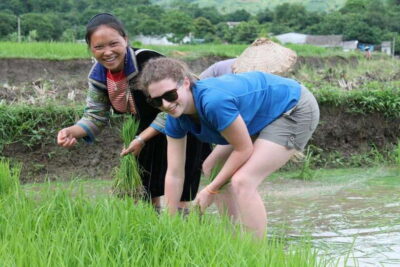
Around 2:00 PM, the route includes a local craft stop. The focus is on traditional Hmong clothing, handwoven fabric, and natural dyes. Several visitors especially valued seeing indigo dyeing and learning how local traditions are kept alive.
The highlight description also refers to learning traditional incense making in Ta Van. The exact craft activity may vary with the route and local arrangements, so ask your guide at the start if incense making is a priority. The more consistently described visit involves textile work and natural dyeing.
This is a good example of why a local guide adds value. Fabric and clothing can look decorative from a distance, but the process carries information about identity and daily life. Your guide can help explain what the colors and patterns mean, how the materials are made, and how older skills fit into village life today.
Do not expect a long formal workshop. Think of it as a short, hands-on cultural stop during a walking day. It adds meaning without taking over the trip.
Ta Van, the Giay village, and the ride home
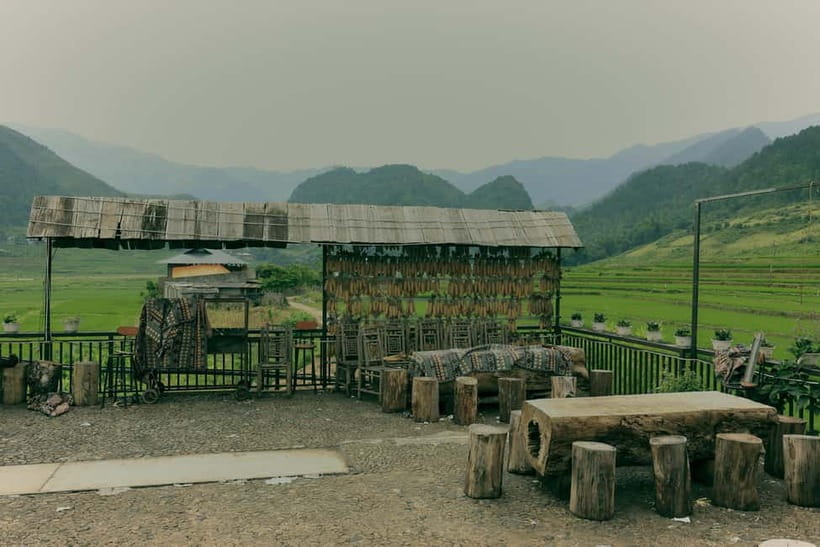
The final main stop is Ta Van, reached around 3:00 PM. Ta Van is associated with the Giay community and gives you another view of life in the valley after the Hmong villages earlier in the day.
The route description allows about four and a half hours around Ta Van and the surrounding path, while the broader activity lasts about seven hours. In practice, timing can shift with weather, the group’s pace, photo stops, and trail conditions. Some walks feel like four to five hours of hiking, while others cover closer to 12 or 15 kilometers.
At Ta Van, your driver waits to take you back to Sapa. That return ride matters. After a long downhill stretch or a muddy trail, you will appreciate not having to retrace the route on foot.
Drop-off within Sapa is included in the normal arrangement, but a farther location may involve an extra fee. Confirm your exact pickup and drop-off points before the morning begins.
How difficult is the 7-hour route?
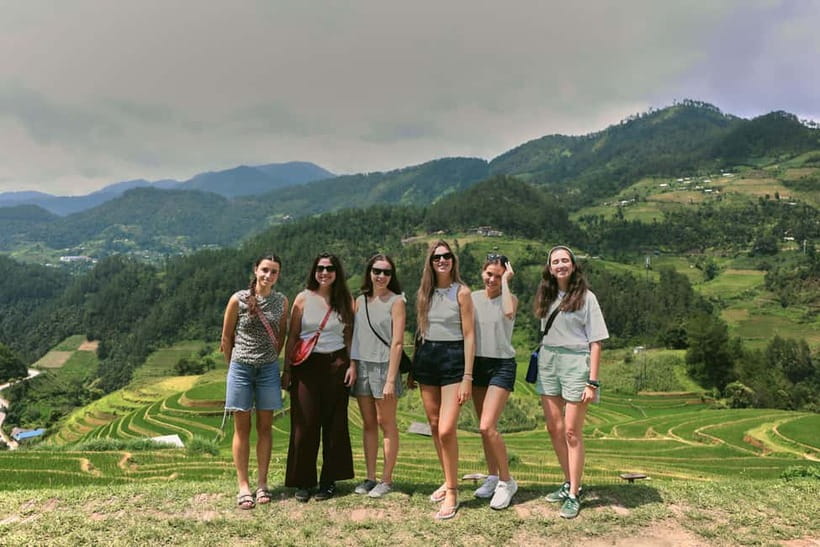
The activity is suitable for people who are comfortable walking for most of a day. It is not suitable for wheelchair users or people with mobility, heart, back, or significant health problems. The operator also advises against it for people afraid of heights or with visual impairments.
The difficulty changes with weather. On a dry day, the trek can feel manageable despite the distance. After rain, muddy slopes and slick stones make the same route much harder. Several people found the views worth the effort but stressed the need for footwear with good grip.
Pack:
- Hiking shoes with a solid tread, or rubber boots during very wet weather
- Sun protection, including a hat, sunglasses, and sunscreen
- Insect repellent
- Water beyond the small included bottle
- A raincoat or poncho
- Comfortable clothes that can handle mud
The tour runs rain or shine. That is useful to know before booking, because Sapa weather can turn quickly. Rain may limit mountain views, but the guide can sometimes choose a lower route or adjust the pace. One guide offered a choice between climbing higher for a possible view and staying lower in misty conditions.
The guides are the heart of the day
The strongest part of this experience is the local guiding. Guides such as Mao, Sung, Giang, Soso, Chai, Thao, and Pao are praised for being friendly, patient, funny, and attentive.
Several guides learned English through talking with visitors, and that can give the conversations a natural feel. You can ask about village life, women’s work, local customs, farming, clothing, and changes in the region. One guide spoke openly about women’s lives and the changes taking place in the villages, adding a thoughtful social side to the walk.
A guide also helps with practical choices. Mao adjusted the route when mist reduced visibility. Other guides offered easier or steeper paths and kept the group at a comfortable pace. This flexibility makes a difference when a group includes people with different fitness levels.
The group limit is 10, though actual groups may be smaller. Groups of four were especially easy to manage because everyone could walk at a similar speed. If you want a private walk, private arrangements may be possible, but the small shared group can be more social and costs less.
Price, timing, and who gets the best value
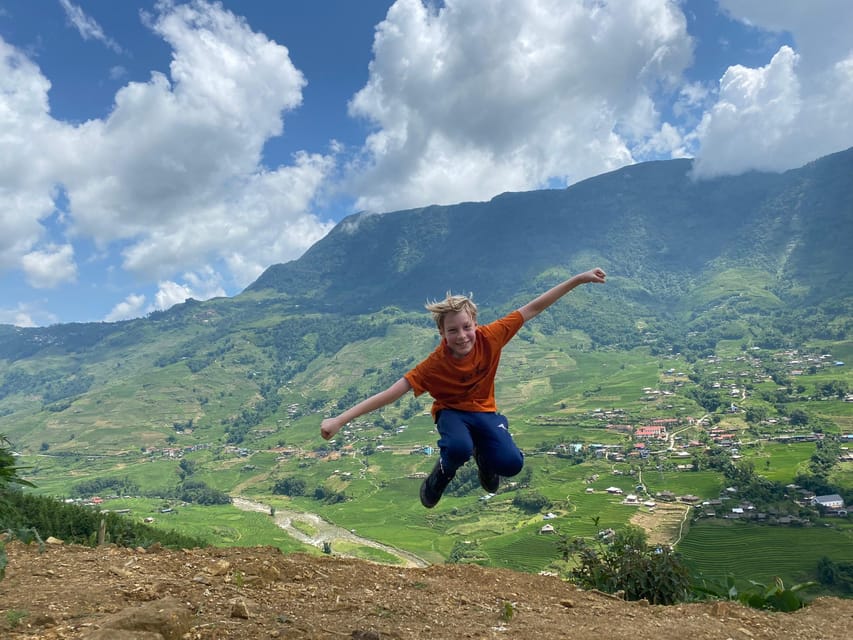
At $24, this is one of the better-value ways to see Sapa’s terraces and villages in one day. You get guiding, pickup in town, lunch, village fees, basic rain protection, and the return ride. Paying separately for those pieces would likely cost more and require more planning.
The value is highest if you have only one night in Sapa or want a single full day that combines walking and culture. It gives you a broad introduction without requiring a multi-day trek or homestay.
It is less suitable if you want a soft sightseeing day. The distance can reach 15 kilometers, and the ground may be steep or muddy. A cable car, bus tour, or short viewpoint visit would be easier, but none would give you the same contact with village paths and family life.
The activity has a 4.9 rating from 62 bookings, with especially strong praise for the guides, food, scenery, transport, and personal care. The practical complaints are clear too: muddy trails, occasional pressure to buy crafts, and pickup limits for accommodation outside Sapa town.
Should you book the Lao Chai and Ta Van trek?
Book it if you want to walk through Sapa rather than simply look at it from a viewpoint. You will get excellent scenery, a local guide, a generous lunch, and a real chance to learn about Hmong and Giay communities.
I would choose it for active visitors, couples, solo walkers, and anyone with limited time in Sapa. Wear serious shoes, carry water, and accept that weather may change the views. If you dislike mud, steep paths, or village sellers, this may test your patience.
For most reasonably fit people who want an affordable and personal introduction to the Muong Hoa Valley, it is a smart choice. The best memories are likely to come from small moments: crossing the bridge at Y Linh Ho, eating at a family home, hearing a guide explain indigo dyeing, or sharing a laugh before the ride back to town.
FAQ
How long does the Sapa trek last?
The activity lasts about seven hours, beginning around 9:00 AM and ending after transport back to Sapa.
How far will I walk?
The route may cover about 12 to 15 kilometers. The exact distance can vary with the route, weather, group pace, and any adjustments made by the guide.
Where does the tour start?
Pickup is available from hotels or locations in Sapa town. Meeting points include Sapa TT Homestay at 812 Dien Bien Phu Street and Sapa View Spring Garden Hotel at 61 Muong Hoa Street.
Are village entrance fees included?
Yes. Entrance fees to the villages are included.
Is lunch included?
Yes. A home-cooked traditional lunch is included, usually prepared by a local family. Dietary restrictions and allergies can be accommodated if you provide the information in advance.
What languages does the guide speak?
Guides speak English and Vietnamese. The guides are local Hmong people from villages in the Sapa area.
Is transport back to Sapa included?
Yes. A driver waits at Ta Van to take you back to Sapa town. Drop-off farther outside town may require an additional fee.
What should I wear?
Wear comfortable clothing and hiking shoes with good grip. Bring sun protection, insect repellent, water, and rain protection. Rubber boots may be useful after rain.
Does the tour operate in bad weather?
Tours operate rain or shine. Bring a raincoat during the wet season, and understand that rain can make the trail muddy and reduce mountain views.
Is this trek suitable for people with limited mobility?
No. It is not suitable for wheelchair users or people with mobility, heart, or back problems, visual impairments, pre-existing medical conditions, or difficulty with heights.
More 1-Day Tours in Sa Pa
- From Sapa: 1-Day Guided Trek to Lao Chai & Ta Van with Lunch
★ 4.9 · 416 reviews - Sapa 1 Day Long Trek: Trek to Hau Thao and Sa Seng Villages
★ 4.6 · 344 reviews - 1-day Authentik trek & Panorama valley views
★ 5.0 · 189 reviews - 1 day Fansipan Trekking
★ 5.0 · 180 reviews
More Rice Terrace Treks in Sa Pa
- From Sapa: Muong Hoa Valley View & Village Trek 1-Day
★ 5.0 · 21 reviews - SAPA: 1-DAY TREKKING TOUR WITH LOCALS, LUNCH & RICE FIELDS
★ 4.7 · 18 reviews - From Sapa : 1 Day Amazing Sapa Trek To Terrace rice field
★ 4.6 · 17 reviews - Trekking Sapa 1 Day With Local Guide, Terraced Rice Fields
★ 4.5 · 5 reviews
Just added around Sa Pa
- Sapa: Private The Most Beautiful Terraced Fields Trekking★ 4.8 · 42 reviews
- Soob Sapa Trekking Tour★ 4.3 · 3 reviews
- Sapa Trekking – Waterfalls And H’mong Villages★ 5.0 · 2 reviews
- Sapa3D2N TrekkingAdventures,Valleys,Bambooforest,Waterfall★ 4.8 · 24 reviews
- Sapa: Trekking Through Terraced Rice Fields & Valley 1 Day★ 4.8 · 4 reviews
- Sapa: Trekking Sapa One Day With Group Tour★ 4.7 · 55 reviews
- Sapa Trekking Private Tour With Ethnic Female Tour Guide★ 4.9 · 24 reviews
- Sapa: Y Linh Ho – Lao Chai, and Ta Van Trekking Day Tour★ 5.0 · 25 reviews
Rice Terrace Treks, compared.
Muong Hoa Valley Trek and Local Ethnic Villages
Read our review →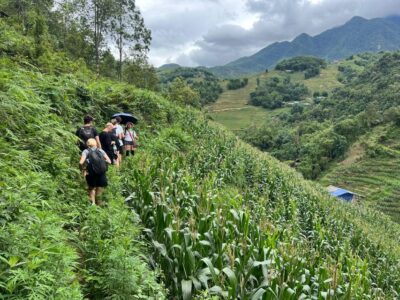
Explore Sapa by TrekkingAdventures, Mountain,Rice fields
Read our review →
Selogriyo Temple and Trekking Java Rice Terraces, hidden waterfall -Nature Java
Read our review →
6-Hours Muong Hoa Valley Trek with Local Ethnic guide
Read our review →
Yogyakarta: Selogriyo Temple Tour & Java Rice Terrace Trek
Read our review →
Sapa Muong Hoa Valley & Ta Van Eco Village Scenic Tour (No Trek)
Read our review →
Daily Tour: Sapa Trekking in Muong Hoa valley, Bamboo forest
Read our review →
Rice Terrace, Holy Water Temple & Waterfalls Trek Tour
Read our review →Browse the lists this trek appears in