
Review · SAPA
Explore Sapa by TrekkingAdventures, Mountain,Rice fields
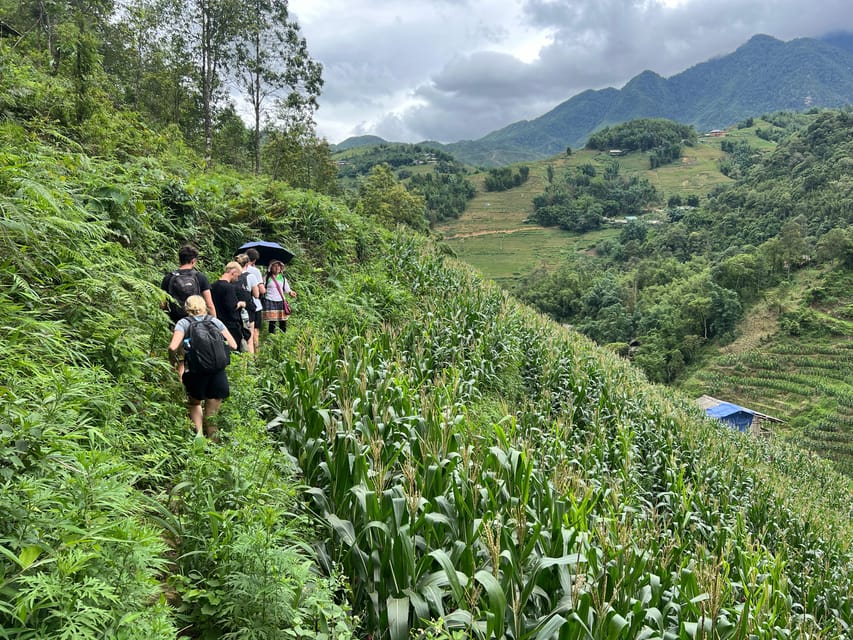
Sapa’s best views begin when you leave town. This trek drops into the mountain valleys around Y Linh Ho, Lao Chai, and Ta Van, where rice terraces, buffalo, bamboo, and village paths replace Sapa’s hotels and souvenir shops. Local Hmong women lead the walk, sharing stories about family, work, farming, and daily life.
I like the choice of routes. You can take an easier road walk, tackle a harder path through fields and muddy sections, or start hard and finish easy. I also like the direct support for the three Hmong sisters who run the tour and help local women find work and children attend school.
The main caution is the terrain. This is not a gentle stroll, especially after rain. Expect steep downhill sections, slippery mud, narrow paths, stream crossings, and occasional scrambling over low fences. Fog can also hide the views in winter, so keep your expectations flexible.
Key points at a glance
- Three villages in one walk: Follow the route from Sapa to Y Linh Ho, Lao Chai, and Ta Van.
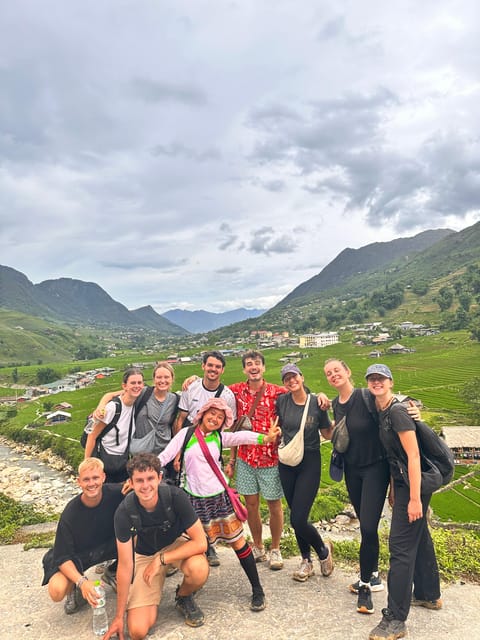
- Local women as guides: Guides such as Sun, Dinh, Khu, and Mama Mai explain Hmong life from personal experience.
- A route for different abilities: Choose an easy to moderate walk or a harder route of about 10 km, with the full distance ranging from 5 to 11 km.
- Lunch in Lao Chai: Stop at a local restaurant for a filling meal, with vegetarian and vegan options available.
- Weather matters: Fog, rain, and mud can change the experience quickly, but boots and trekking sticks are available when needed.
- Strong value at $23: The price includes a guide, lunch, water, village entry fees, and transport back to Sapa.
Why this trek gets you beyond Sapa town
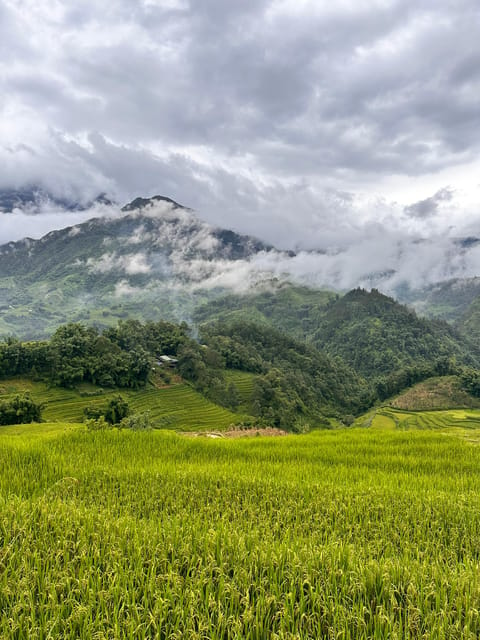
Sapa town is a useful base, but its center can feel busy and commercial. This walk gives you the reason many people come to the region in the first place: high valleys cut into rice terraces, footpaths between villages, and a closer look at how minority communities live in the mountains.
The route follows a practical progression. You meet in Sapa at about 9:00 AM, usually at your hotel or near the main church, then walk downhill toward Y Linh Ho. From there, you continue through Lao Chai and finish in Ta Van, where a private car returns you to Sapa.
The advertised duration is five hours, but the real day can run longer depending on the route, breaks, weather, and group pace. Some walks have taken about six hours, and the longer option can reach roughly 12 km. I would avoid booking a tight onward connection immediately after the stated 3:00 PM finish.
More Rice Terrace Treks in Sapa
- Sa Pa: Muong Hoa Valley Trek and Local Ethnic Villages
★ 4.6 · 864 reviews - Sa Pa: 6-Hours Muong Hoa Valley Trek with Local Ethnic guide
★ 4.5 · 178 reviews - Sapa Muong Hoa Valley & Ta Van Eco Village Scenic Tour (No Trek)
★ 5.0 · 144 reviews
Y Linh Ho: rice terraces and a steep start
The first section takes you from Sapa down to Y Linh Ho, a Black Hmong village surrounded by terraces and steep mountain slopes. This is where you begin to feel the shape of the area. The route leaves the town behind and opens into broad views when the weather cooperates.
The downhill direction sounds easy, but it is often the trickiest part. Wet earth, loose stones, and uneven steps require careful footing. Several people found the muddy paths challenging but manageable with a patient guide, and local helpers may lend a hand on the more awkward stretches.
You will see buffalo, pigs, and chickens along the way. These are not staged attractions. They are part of the working village setting, and your guide can explain how animals fit into local farming life.
Y Linh Ho is also a good place to ask questions. Guides such as Sun have explained how the villages differ, while Dinh and her family share personal stories about growing up without electricity or regular access to school. Those details give the walk more meaning than a simple scenic hike.
Lao Chai: a useful lunch stop and cultural pause
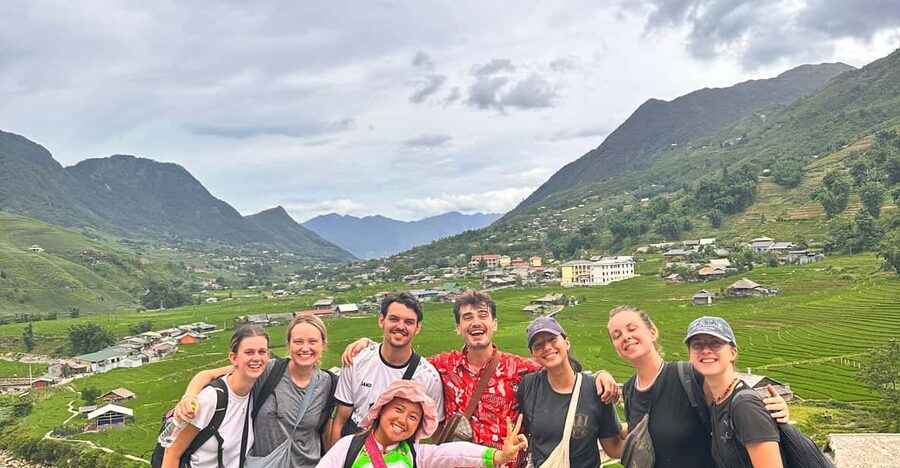
Lao Chai is one of the largest and oldest Hmong communities on the route. The walk here combines village paths, terraces, and views across the valley. Depending on the season, you may see people planting rice or bringing in the harvest.
Lunch is served at a local restaurant in Lao Chai. The meal is included, and the food is described as plentiful, with vegetarian and vegan choices available. It is a welcome pause after the first downhill section, and the setting can include views across the fields and valley.
Do not expect a polished restaurant experience designed for international tourists. The appeal is the local setting and the chance to eat with the group before continuing. Extra drinks, including bottled water and beer, cost more, so carry cash.
After lunch, the walk includes a visit to a traditional Black Hmong house. This is one of the stronger parts of the day because it connects the scenery to real domestic life. You can learn about daily routines, family life, and local customs rather than simply taking photographs of houses from a path.
Some guides also explain traditional textile work, including indigo dyeing. The conversations are informal, and the quality depends partly on your guide. Sun, Dinh’s niece, and Khu are often praised for clear English, good humor, and their willingness to answer questions.
Ta Van: meeting the Dzay community
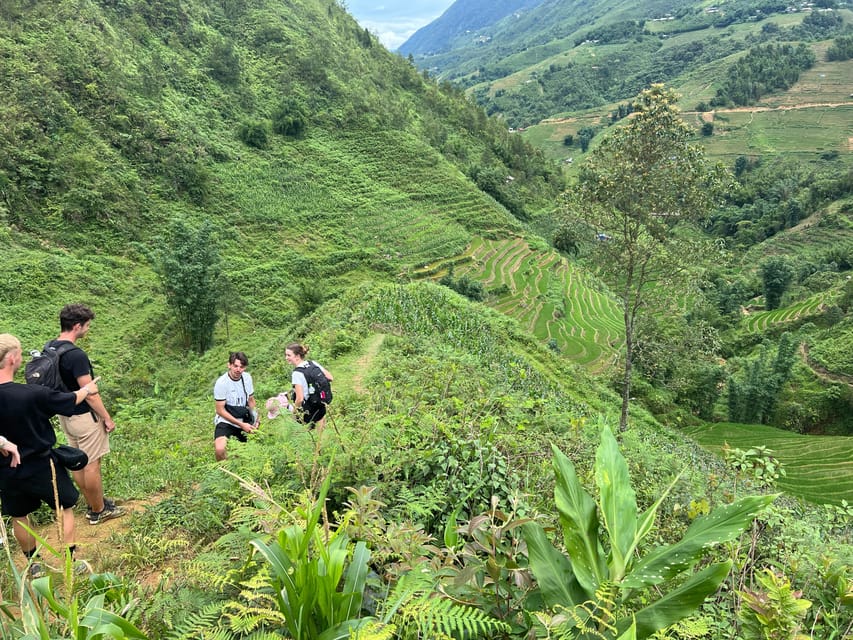
From Lao Chai, the trail continues to Ta Van Village, home to the Dzay people. Seeing more than one ethnic community in a single day helps you understand that Sapa is not culturally uniform. Your guide can point out differences in customs, language, clothing, and village life.
The Ta Van section may feel easier than the opening descent, particularly if you choose the hard-then-easy option. Still, the paths can remain narrow or slippery, and the distance adds up. Regular short breaks are built into the walk, often around once an hour, with time to stop for photographs.
The end of the trek is in Ta Van, not back in Sapa. A private car takes you back to town, usually arriving near the old church. This transport is important. You do not need to arrange your own ride from the valley, and it saves you from walking the route in reverse.
More Rice Terrace Treks in Vietnam
- Daily Tour: Sapa Trekking in Muong Hoa valley, Bamboo forest
★ 5.0 · 121 reviews - 1-Day Sapa Long Trek – Rice Field Terrace, Ethnic Culture
★ 4.9 · 62 reviews - Sapa: Muong Hoa Mountain Views and Villages Trek with Lunch
★ 4.3 · 28 reviews - Sapa: Muong Hoa Valley View & Villages Trek with Local Guide
★ 5.0 · 25 reviews
The guides are the heart of the experience
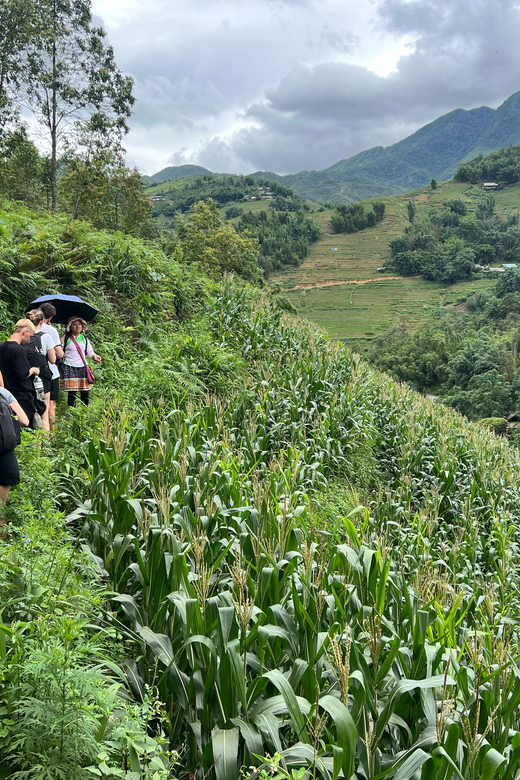
The scenery gets you onto the trail, but the guides make the day personal. This is run by three Hmong sisters, and the work supports women in their family and community. Their own stories include arranged marriage at a young age, limited schooling, motherhood, and the struggle to find dependable work.
That background is not a decorative add-on. It explains why the company focuses on local women as guides and why the tour feels more personal than a standard group walk. You are not only passing through a village. You are walking with someone who understands its family networks, farming patterns, and social customs.
Guide names vary. Sun receives repeated praise for her excellent English, humor, energy, and steady help on difficult paths. Dinh is also described as warm and energetic, while Khu, Chuchu, Ko, Ze, Mam, Mu, and Mama Mai have led groups as well.
You should not book expecting one specific guide unless the company confirms that in advance. What you can expect is an English or Vietnamese speaking local guide, with the English level depending on the person assigned. The strongest guides keep the group moving while allowing time for questions and photographs.
Choosing the right route for your legs
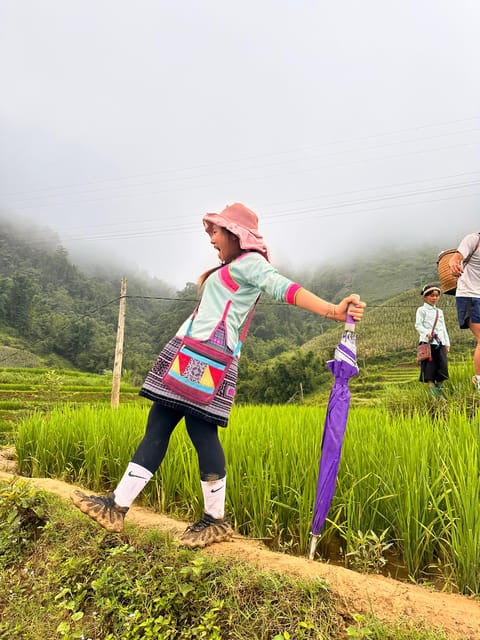
You can choose between an easy to moderate route and a harder route of about 10 km. Some versions cover 5 to 11 km, while the longest reported walks reach about 12 km. Ask for the route that matches your condition before setting out.
The easy choice generally uses more roads and gentler walking surfaces. The hard route uses field paths and can include slippery, rocky, or uneven ground. The harder option offers a closer look at the terraces, but it demands better balance and full mobility in your legs.
This is a poor match for anyone with serious mobility limitations. The tour is not suitable for people over 95, and that age rule is only the clearest limit. Narrow paths, downhill walking, stream crossings, and low fences make the route unsuitable for anyone who cannot comfortably manage uneven ground.
You do not need to be a serious hiker. Several routes include regular rests, and the guides take care with the tricky parts. Still, bring proper walking shoes and clothes. Sandals and smooth-soled trainers are a bad idea, especially in wet weather.
Rain, fog, and the real Sapa forecast
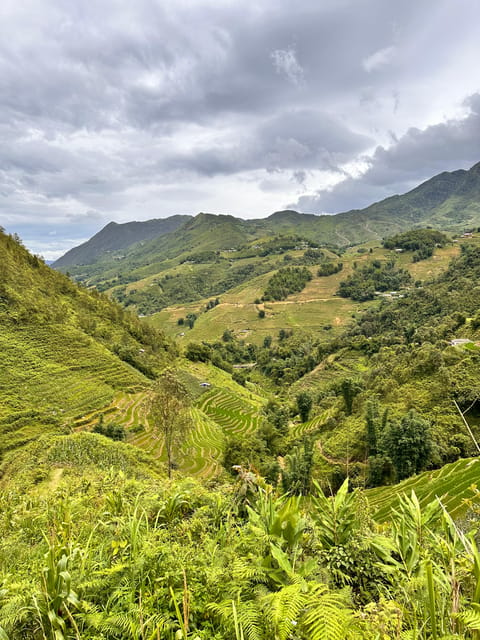
Weather is the biggest wild card. Clear days reveal the terraces and valleys at their best. Rain turns the earth into mud, while winter fog can hide almost every distant view.
A foggy day is not necessarily a wasted day. The villages, animals, guide stories, and close views remain, and the walk still provides exercise. But if your main goal is sweeping photography, try to schedule the trek when the forecast looks promising.
The company provides boots and trekking sticks when it rains. That is useful, but it does not make the path dry or easy. Bring a raincoat, insect repellent, sunscreen, a hat, and clothes you do not mind getting dirty. Sunglasses and a camera are also on the useful packing list.
Rice fields change with the calendar. Planting and harvesting are seasonal, so you may see active farm work or simply terraces in different stages of growth. Do not assume that every visit will look like the classic green rice-field photographs.
The friendly helpers and the shopping pressure
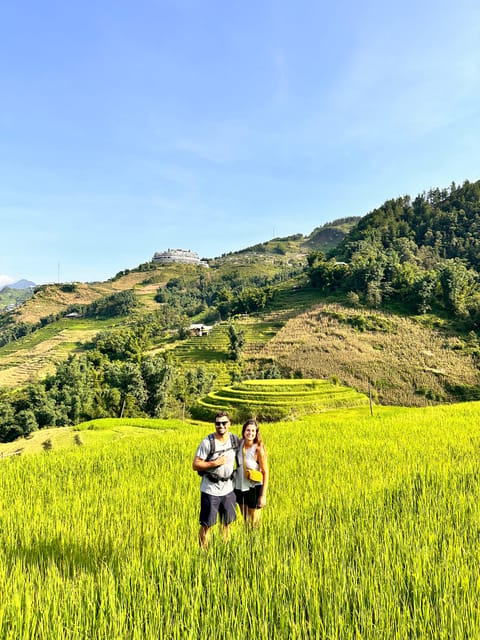
On some walks, local women accompany the group for part of the route. They can help you across slippery sections and offer useful support on difficult ground. Their presence is also part of the local economy.
The uncomfortable side is that some women may sell handmade goods during the walk. A few people found the sales pressure persistent, while others appreciated the chance to buy local crafts. You are not required to purchase anything, and the guide can explain this at the start.
Bring cash if you may want drinks or handmade items. The tour price covers the main meal, guide, water, entry fees, and return transport, but not personal purchases or extra drinks.
Is $23 good value?
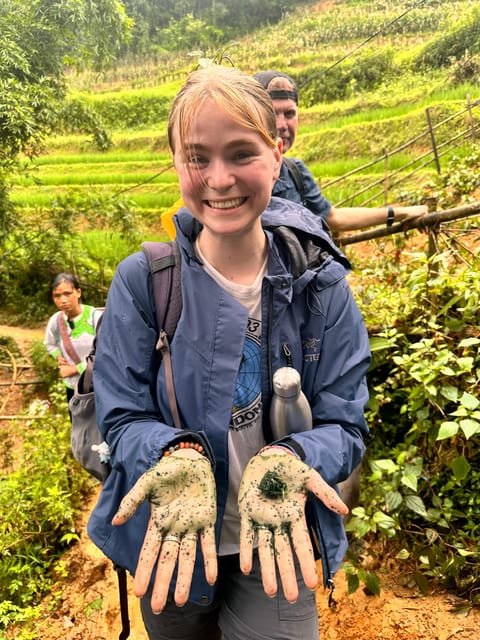
At $23 per person, this is strong value if you want a guided introduction to Sapa’s valleys without arranging several separate services. You get a local English speaking guide, lunch, water, village entry fees, and transport back to town.
The price is especially fair because the day includes more than a marked walk. You receive cultural explanation, a house visit, a meal in Lao Chai, and access to a route that would be harder to follow alone. Booking also supports the women who run the operation and the local employment work connected to it.
The trade-off is that this is a group tour. Meeting at the main church can feel chaotic when several groups gather, and your pace may not match everyone else’s. A private tour is available for an extra charge, which makes sense for families, photographers, or anyone who wants more control over distance and timing.
Free cancellation is available up to 24 hours before departure, and you can reserve now and pay later. Book at least two or three hours ahead if possible, even though last-minute arrangements may sometimes be possible through the company.
What to pack for a better day
Keep your bag light, but do not leave out the basics.
- Comfortable walking shoes with good grip
- A raincoat, even if the morning looks clear
- Sun protection, including a hat, sunglasses, and sunscreen
- Insect repellent
- Cash for drinks, crafts, or other personal purchases
- A camera and a phone with enough battery
- Water beyond the included supply if you drink a lot
Layering is smart. Sapa can feel cool, and the temperature and visibility may change as you leave town and descend into the valleys.
Who should book this Sapa trek?
I would choose this experience if you want a reasonably priced walk with genuine local contact, flexible difficulty, and a clear route through three villages. It suits people who care as much about conversation and culture as they do about photographs.
It is also a good choice for solo visitors who would rather join a group than arrange a private guide. The group setting gives you company, while the local guides keep the day organized.
I would think twice if you dislike mud, uneven ground, sales approaches, or changing weather. You should also avoid it if you need a fully accessible path or a guaranteed short five-hour schedule.
Should you book it?
Book it if you want Sapa’s countryside, not just its town center. The strongest reasons are the Hmong women guides, the personal stories, the chance to compare Black Hmong and Dzay communities, and the good value of lunch and return transport included.
Choose the harder route in dry weather if you want closer views of the terraces and do not mind slippery paths. Choose the easier route if your priority is conversation and scenery without pushing your balance. If the forecast predicts heavy fog, go for the village and cultural experience, not postcard views.
FAQ
Where does the trek start?
The tour starts in Sa Pa. Pickup is available from your hotel in Sapa Town, or you can meet in front of the main church.
Which villages does the route visit?
The route runs from Sapa to Y Linh Ho, Lao Chai, and Ta Van. Y Linh Ho is a Black Hmong village, Lao Chai is a large Hmong community, and Ta Van is home to the Dzay people.
How long is the walk?
You can choose a route of about 5 to 11 km. The harder option is about 10 km, and some versions of the trek have reached roughly 12 km. The stated tour duration is five hours, but the day can take longer depending on the route and conditions.
Is lunch included?
Yes. Local lunch in Lao Chai is included. Vegetarian and vegan meals are available.
What language does the guide speak?
Guides speak English and Vietnamese. The tour is led by local Hmong women, and guides may include Sun, Dinh, Khu, Chuchu, Ko, Ze, Mam, Mu, or Mama Mai.
What happens if it rains?
The company provides boots and trekking sticks when needed. You should still bring a raincoat, suitable walking shoes, and clothes that can handle mud.
Is this a private tour?
The standard option is a group tour with other people. A private tour can be arranged for an extra charge.
What does the $23 price include?
The price includes a local English speaking guide, lunch, water, village entry fees, and transport back to Sapa after the trek. Personal insurance and extra drinks are not included.
More Rice Terrace Treks in Sa Pa
- From Sapa: Muong Hoa Valley View & Village Trek 1-Day
★ 5.0 · 21 reviews - SAPA: 1-DAY TREKKING TOUR WITH LOCALS, LUNCH & RICE FIELDS
★ 4.7 · 18 reviews - From Sapa : 1 Day Amazing Sapa Trek To Terrace rice field
★ 4.6 · 17 reviews - Trekking Sapa 1 Day With Local Guide, Terraced Rice Fields
★ 4.5 · 5 reviews
Just added around Sa Pa
- Sapa: Private The Most Beautiful Terraced Fields Trekking★ 4.8 · 42 reviews
- Soob Sapa Trekking Tour★ 4.3 · 3 reviews
- Sapa Trekking – Waterfalls And H’mong Villages★ 5.0 · 2 reviews
- Sapa3D2N TrekkingAdventures,Valleys,Bambooforest,Waterfall★ 4.8 · 24 reviews
- Sapa: Trekking Through Terraced Rice Fields & Valley 1 Day★ 4.8 · 4 reviews
- Sapa: Trekking Sapa One Day With Group Tour★ 4.7 · 55 reviews
- Sapa Trekking Private Tour With Ethnic Female Tour Guide★ 4.9 · 24 reviews
- Sapa: Y Linh Ho – Lao Chai, and Ta Van Trekking Day Tour★ 5.0 · 25 reviews
Rice Terrace Treks, compared.
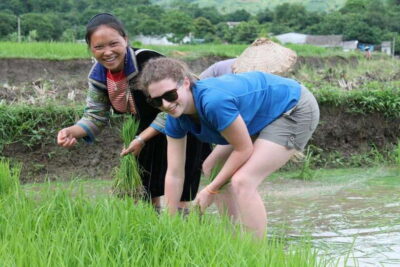
Muong Hoa Valley Trek and Local Ethnic Villages
Read our review →
Selogriyo Temple and Trekking Java Rice Terraces, hidden waterfall -Nature Java
Read our review →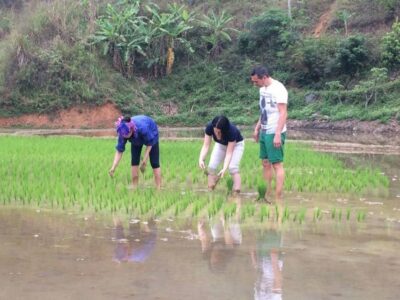
6-Hours Muong Hoa Valley Trek with Local Ethnic guide
Read our review →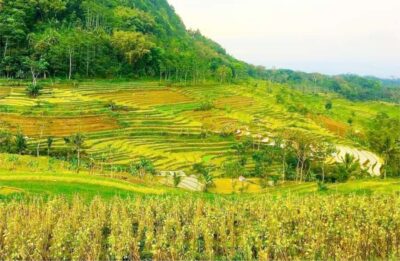
Yogyakarta: Selogriyo Temple Tour & Java Rice Terrace Trek
Read our review →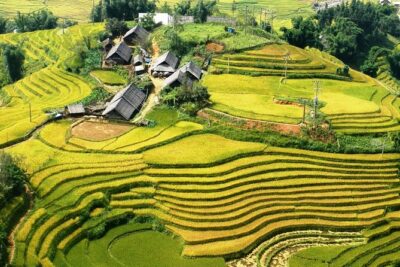
Sapa Muong Hoa Valley & Ta Van Eco Village Scenic Tour (No Trek)
Read our review →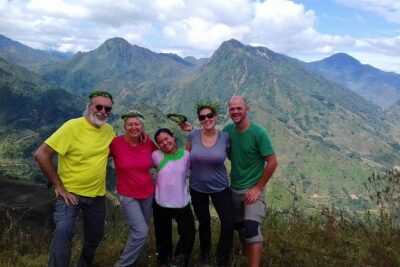
Daily Tour: Sapa Trekking in Muong Hoa valley, Bamboo forest
Read our review →
Rice Terrace, Holy Water Temple & Waterfalls Trek Tour
Read our review →
Mount Batur Sunrise Trekking and Rice Terrace Adventure
Read our review →Browse the lists this trek appears in