
Review · SAPA
Sapa 1 Day Long Trek: Trek to Hau Thao and Sa Seng Villages
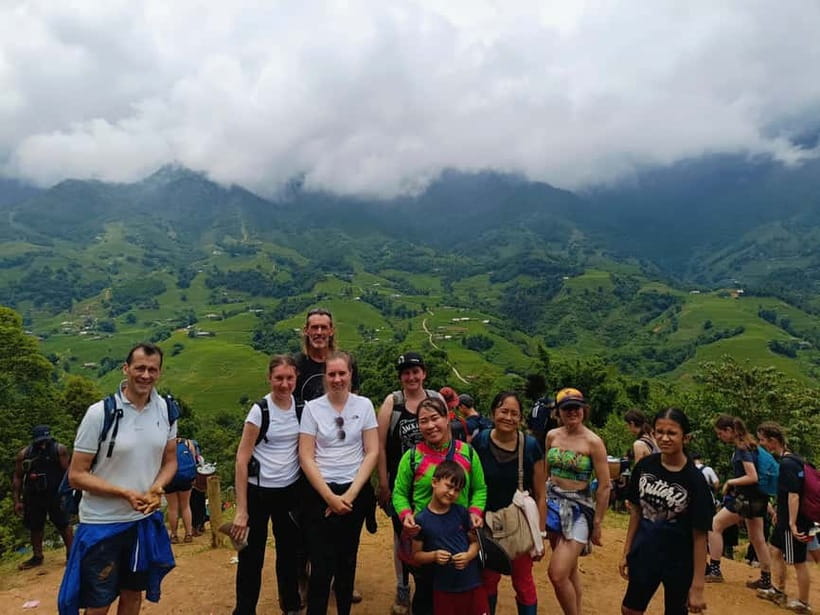
Sa Seng Mountain gives you the day’s big reward early: wide views of Mount Fansipan and Muong Hoa Valley after a steady uphill climb. From there, the route drops through bamboo, rice fields, farm paths, and Black Hmong villages before ending at Giang Ta Chai.
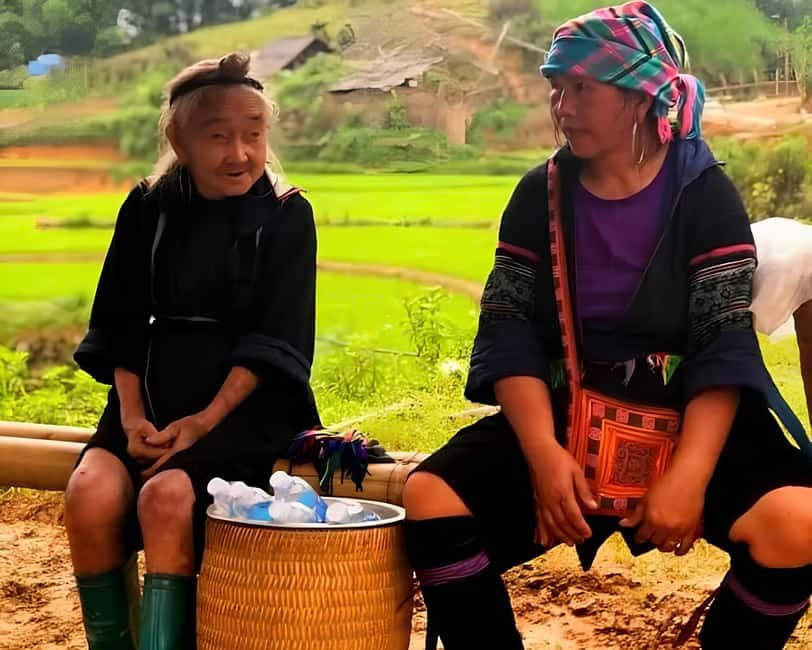
I like the local Hmong guides, who explain farming, marriage customs, houses, and daily life in a warm, personal way. I also like the family-run lunch, which turns a long walk into a proper social stop. The catch is simple: this is not an easy stroll, and rain can turn steep trails into slippery mud while fog may hide the views.
Key things to know before you walk
- Sa Seng comes first: The opening climb is steep and uneven, but it leads to the best high viewpoint of the day.
- The route is long: Expect roughly 15 kilometers for many departures, with about 7 to 10 hours outside.
- Weather changes the tour: Clear skies reveal Fansipan and the valley, while fog and rain can make the walk harder and hide the scenery.
- Your guide matters: Guides including Mao, Su, Zozo, Vang, and La are praised for humor, care, and local insight.
- Lunch is part of the culture: A freshly prepared meal at a family-run restaurant gives you time to rest and eat local food.
- The finish is practical: A vehicle collects you at Giang Ta Chai and returns you to Sapa.
Sa Seng Mountain earns the first big view
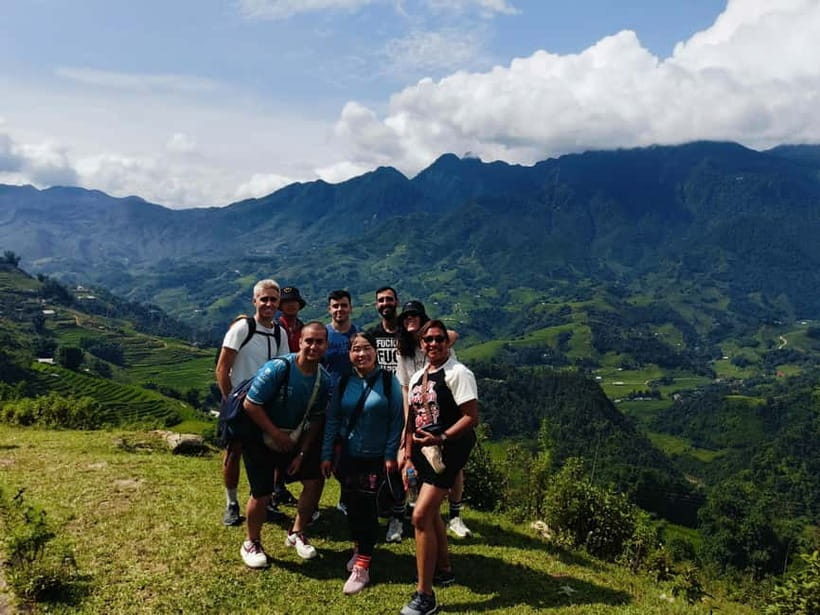
Pickup is around 9:00 AM from accommodation in Sapa town, followed by a short briefing and the start of the walk. The first section covers about 1 kilometer uphill, but the slope and uneven trail make it feel like a proper mountain start.
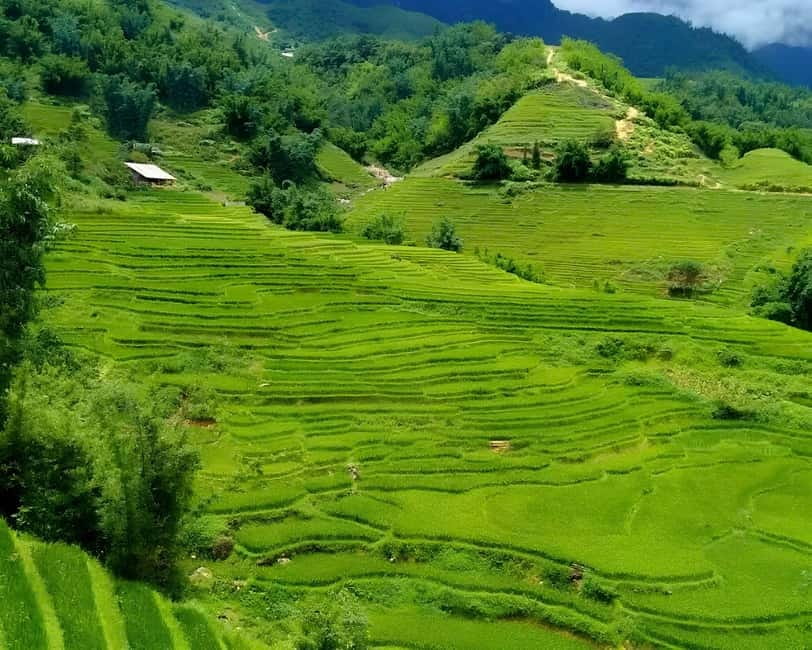
After roughly an hour of moderate trekking, you reach the top of Sa Seng Mountain. This is the point that gives the trip its shape. You look toward Fansipan, Vietnam’s highest peak at 3,143 meters, and down across Muong Hoa Valley, with its folded hills, river, villages, and rice terraces.
The view depends heavily on the sky. In clear weather, this is the kind of high mountain outlook that makes the early effort worthwhile. In fog, you may see only fragments of the valley. Do not treat a cloudy forecast as an automatic reason to cancel, but rain deserves more caution because it affects both visibility and footing.
The uphill section is the hardest part for many people. You should be comfortable walking on uneven ground and handling sustained climbs. One participant recorded about 15.6 kilometers, with 630 meters of ascent and 1,100 meters of descent, though exact distances and timing can vary.
A few more treks around Sa Pa worth a look
- From Sapa: 1-Day Guided Trek to Lao Chai & Ta Van with Lunch
★ 4.9 · 416 reviews - 1-day Authentik trek & Panorama valley views
★ 5.0 · 189 reviews - 1 day Fansipan Trekking
★ 5.0 · 180 reviews
Down through Hang Da and the Black Hmong countryside
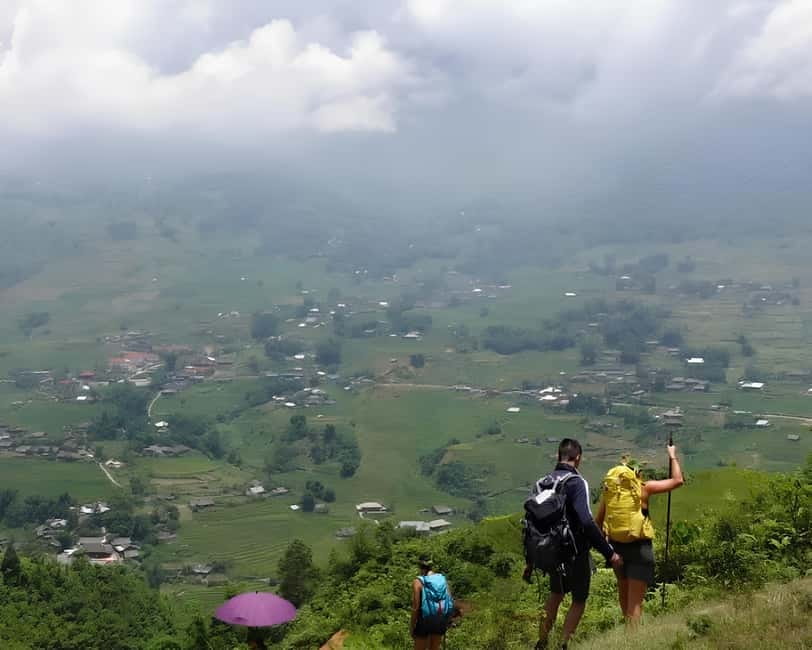
From Sa Seng, the route heads downhill toward Hang Da Village. The change in pace feels welcome after the climb, though downhill walking has its own strain, especially on knees and ankles.
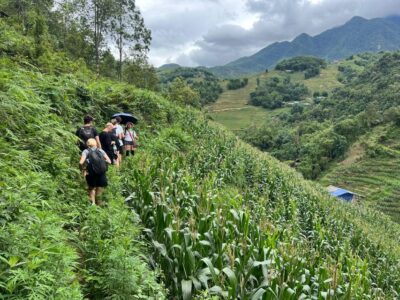
This section brings you closer to everyday mountain life. You may pass buffaloes, pigs, and horses, animals that are part of farm work and household life. The route also moves through rice fields, corn fields, clearings, and bamboo forest, so the scenery keeps changing instead of repeating the same viewpoint.
The bamboo section can be slippery after rain. Proper hiking shoes are a smart choice, and waterproof footwear becomes useful in the wet season. Some departures have provided rubber boots when conditions were poor, but you should not count on borrowed footwear fitting well or replacing sturdy shoes.
Hang Da is also where the walk feels less like a viewpoint tour and more like a visit through working communities. Houses, paths, animals, and fields show how much daily life depends on the terrain. Your guide can explain the role of farming and how local families use the land.
You may meet local women selling handmade goods along the route or near the finish. Some walkers enjoy buying scarves and other items, while others find repeated sales approaches uncomfortable. Decide in advance what you want to spend, and feel free to give a polite no.
A family lunch gives the day a welcome pause
Around noon, you stop for lunch at a local family-run restaurant. This is not just a box meal eaten beside the trail. It is a chance to sit down, eat freshly prepared food, and recover before the afternoon walking.
The quantity can be generous, and the meal has been described as delicious and home-style. Drinks may cost extra, so carry cash if you want something beyond the included food and bottled water.
Lunch also helps break up the day. A seven to ten hour trek needs a real pause, especially if the morning has been wet or the climb has taken more out of you than expected. Use this time to dry off, refill your energy, and check your feet before continuing.
The setting is simple rather than polished. That is part of the appeal. You are eating in a local family business, not a city restaurant designed for a quick tourist turnover. If you need a highly predictable menu or formal dining, this stop may feel basic. If you want a straightforward meal tied to the community, it fits the day well.
Hau Thao shows the farming rhythm
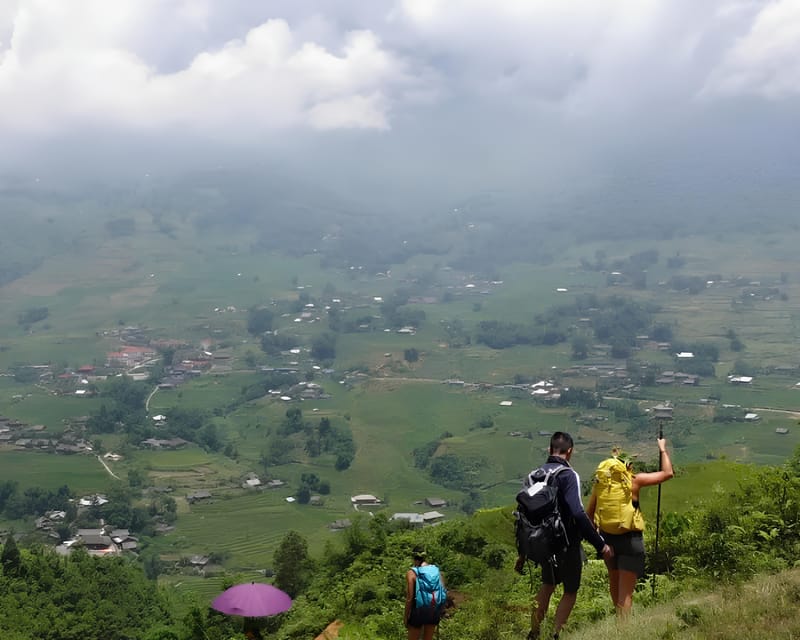
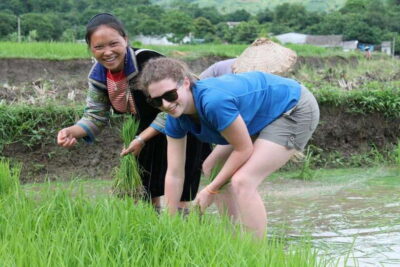
After lunch, the route continues toward Hau Thao, another Black Hmong community in the hills. Depending on the season, you might see people planting or harvesting rice. That seasonal detail matters because Sapa changes greatly through the year.
Rice terraces are not just scenic decoration. They show how farmers have adapted steep mountain slopes for food production. Your guide can connect what you see in the fields with local work, house-building, family customs, and marriage traditions.
The cultural information is strongest when you ask questions. Guides such as Mao, Su, Zozo, Vang, La, and Chau have been praised for being friendly, funny, attentive, and willing to talk about their own communities. English ability varies by guide, but many departures include clear explanations and plenty of conversation.
This is a good place to slow down. Look at the paths between homes, the shape of the fields, and the way animals and people share the same working space. The tour is not a staged village performance. You are moving through places where people live and work, so behave as you would in any neighborhood: ask before taking close-up photos and keep your voice low around homes.
Same trailhead, a different route:
- Sa Pa: Muong Hoa Valley Trek and Local Ethnic Villages
★ 4.6 · 864 reviews - Sapa: Eco Adventure Terrace Fields and Local Villages Trek
★ 4.9 · 636 reviews - Number one top rated ethical cultural trekking and homestay by ETHOS
★ 5.0 · 456 reviews - Sa Pa Full Day Trekking Tour
★ 5.0 · 414 reviews
The final walk to Giang Ta Chai
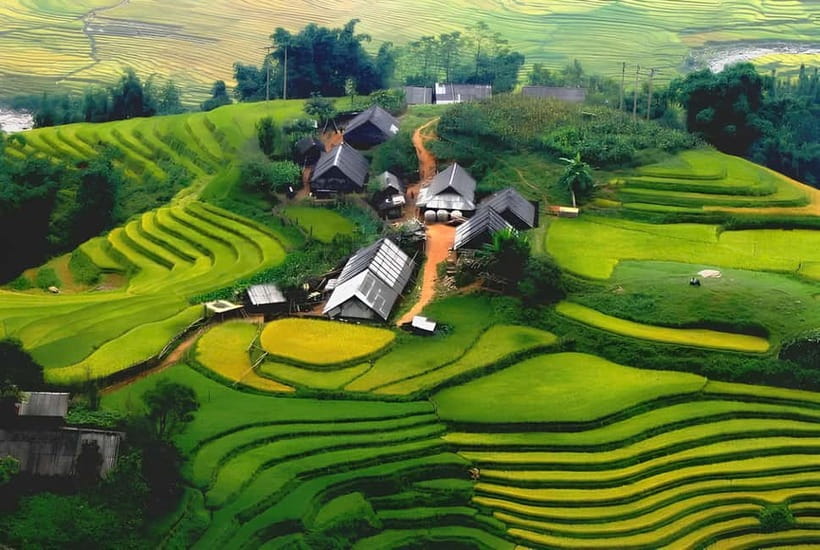
The trek finishes in Giang Ta Chai, where a vehicle waits to return you to Sapa. The final section may include more downhill walking, and some routes end with steep concrete roads. That can be tiring after hours on dirt paths and uneven ground.
This finish is one reason the tour works well for a one-day visit. You get a full mountain day without needing to walk back to town or arrange your own transport from the countryside. Your legs may be ready for a shower, but you are not left trying to find a taxi in a remote village.
The trip description also allows for an overnight stay near Hau Thao or Giang Ta Chai if arranged ahead of time. The operator can help with a local homestay, luggage transfer, and transport plans. That option is useful if you want to turn the trek into a longer mountain visit rather than return to Sapa the same day.
What the weather really means here
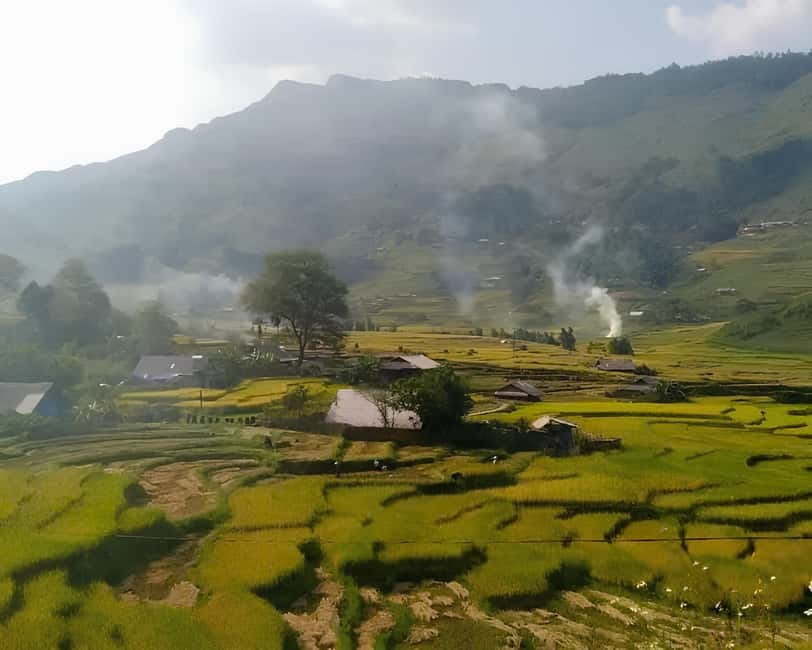
Sapa weather can change quickly, and this route is exposed to that uncertainty. Fog may erase Fansipan and the valley while leaving the village walk enjoyable. Rain makes the paths muddy and slippery, especially through bamboo and on steep descents.
Several departures have continued successfully in mist or rain because the guide adjusted the pace or chose an easier section. One group chose to stay lower when the summit view was hidden. That flexibility is valuable, but it does not make wet conditions easy.
For the best chance of clear terraces and distant mountain views, choose a dry forecast if your dates allow it. Spring can bring cool, misty conditions. Summer may offer greener fields but also rain. The exact appearance of the rice terraces depends on the farming season, so you may see planting, growing fields, or harvest work.
Bring a sun hat and sunglasses for bright weather, but also prepare for wet ground. Cash is useful for drinks, purchases, or any transport arrangement outside the basic Sapa pickup and drop-off.
How difficult is the 7 to 10 hour trek?
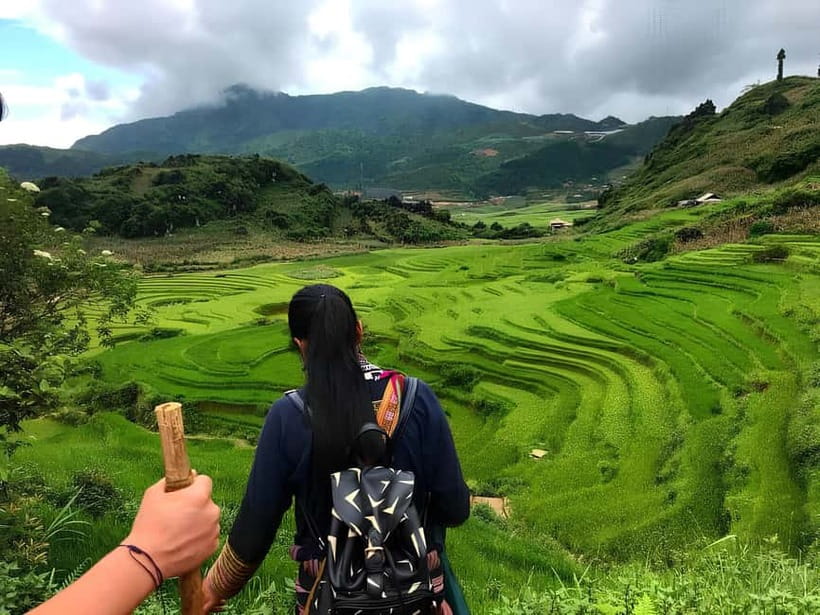
The tour is best described as moderate to challenging, not easy. The first climb is steep, the total walking distance can reach about 15 kilometers, and the route includes rough ground, rice fields, bamboo forest, and long descents.
You do not need technical climbing skills, but you do need reasonable fitness and steady footing. If you are new to hiking, the length and elevation may feel like a lot. People who tire easily, have heart or kidney problems, altitude sickness, or mobility limits should not book this route.
The operator does not accept children under the listed young age limits, wheelchair users, people with visual impairments, or people over 80. The information also excludes people over 350 pounds, or 159 kilograms. If you have a medical concern, choose a gentler activity rather than hoping the guide can make a mountain route safe.
Wear hiking shoes with good grip. Long trousers can help with brush and mud, while a light waterproof layer is sensible in uncertain weather. Bare feet, alcohol, drugs, weapons, fireworks, and explosive items are not permitted.
Guide quality is a major part of the value
The price is about $24 per person, which is strong value for a full day that includes hotel pickup in Sapa town, a guide, village and route fees, bottled water, lunch, and transport back to town. You are paying less for luxury and more for access, local interpretation, and a route that would be awkward to organize alone.
The guide can make the difference between a long walk and a meaningful one. Mao, often called Mama Mao, is known for high energy, humor, and a warm personality. Su is described as attentive and good at explaining the mountains and cultures. Zozo, Vang, La, Chau, Mu, and other local guides have also led departures.
A small group is available, and a group of around five can make it easier to talk, keep a shared pace, and ask questions. Group size may affect how personal the day feels, so confirm the arrangement when booking.
Pickup is included only within Sapa town. If you stay outside town, you can pay for transport to a meeting point such as Sapa TT Homestay on 812 Dien Bien Phu Street or July Hotel Central Sapa at 2 To Vinh Diem Street. Leave a WhatsApp number when booking so the operator can confirm timing and meeting details.
Who should book this Sapa trek?
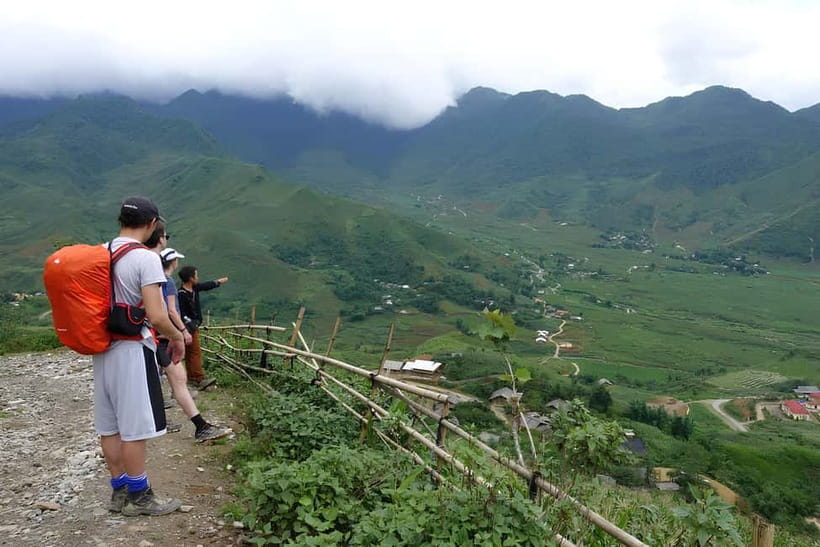
I would choose this trip if you have one free day in Sapa and want a full countryside route rather than a short walk near town. It suits people who value mountain views, local villages, cultural conversation, and a good physical challenge.
It is also a good choice if you want a local guide instead of walking independently. The route has enough variety to keep the day moving: a high viewpoint, terraces, bamboo, animals, villages, lunch, and a vehicle ride home.
I would think twice if your main goal is a guaranteed Fansipan view. Fog may block it completely. I would also avoid booking during a wet forecast if slippery trails would make you anxious or uncomfortable.
Free cancellation up to 24 hours before the start and reserve-now, pay-later booking make it easier to work around Sapa’s changeable weather. Still, check the forecast and ask about trail conditions before you go.
FAQ
How long does the Sa Seng and Hau Thao trek take?
The activity lasts about 7 to 10 hours. The scheduled walk begins around 9:00 AM and finishes in Giang Ta Chai around 3:30 PM, followed by transport back to Sapa.
How far do you walk?
The distance varies, but some departures cover around 15 kilometers. One recorded route covered 15.6 kilometers, with substantial climbing and descending.
Is hotel pickup included?
Pickup and drop-off are included for accommodation within Sapa town. If you stay outside town, you can request paid transport to a meeting point or arrange another transfer with the operator.
Where does the trek finish?
The walking portion finishes in Giang Ta Chai Village. A private vehicle then takes you back to Sapa.
Is lunch included?
Yes. Lunch is served at a local family-run restaurant. Drinks may cost extra, so bring cash.
What languages are available?
The tour is available with English-speaking or Vietnamese-speaking local guides.
Can I book this trek in a small group?
Yes. A small-group option is available. The exact group size should be confirmed when you book.
What should I bring?
Bring sunglasses, a sun hat or hat, cash, and suitable walking shoes. Waterproof clothing is sensible when rain is forecast.
Can I cancel the booking?
You can cancel up to 24 hours in advance for a full refund. Reserve-now, pay-later booking is also available.
Should you book it?
Book this trek if you want to earn your views, meet local Hmong communities, and spend a full day outside Sapa. The $24 price covers the important practical pieces, while the local guides add the human detail that makes the villages more than a backdrop.
Just arrive ready for a real walk. The trails can be steep, muddy, and tiring, and clear skies are never guaranteed. If you bring proper shoes, keep your schedule flexible, and accept the weather as part of mountain travel, this is a strong-value way to see Muong Hoa Valley beyond the usual viewpoints.
Just added around Sa Pa
- Sapa: Private The Most Beautiful Terraced Fields Trekking★ 4.8 · 42 reviews
- Soob Sapa Trekking Tour★ 4.3 · 3 reviews
- Sapa Trekking – Waterfalls And H’mong Villages★ 5.0 · 2 reviews
- Sapa3D2N TrekkingAdventures,Valleys,Bambooforest,Waterfall★ 4.8 · 24 reviews
- Sapa: Trekking Through Terraced Rice Fields & Valley 1 Day★ 4.8 · 4 reviews
- Sapa: Trekking Sapa One Day With Group Tour★ 4.7 · 55 reviews
- Sapa Trekking Private Tour With Ethnic Female Tour Guide★ 4.9 · 24 reviews
- Sapa: Y Linh Ho – Lao Chai, and Ta Van Trekking Day Tour★ 5.0 · 25 reviews
Sapa Trekking Tours, compared.
Muong Hoa Valley Trek and Local Ethnic Villages
Read our review →
Eco Adventure Terrace Fields and Local Villages Trek
Read our review →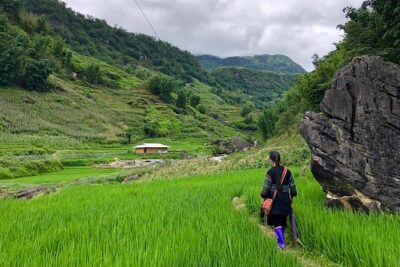
Number one top rated ethical cultural trekking and homestay by ETHOS
Read our review →
1-Day Guided Trek to Lao Chai & Ta Van with Lunch
Read our review →
Explore Sapa by TrekkingAdventures, Mountain,Rice fields
Read our review →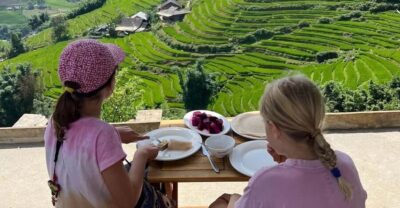
EXPLORE SAPA: 2D1N TREKKING & HMONG CULTURE WITH DINH
Read our review →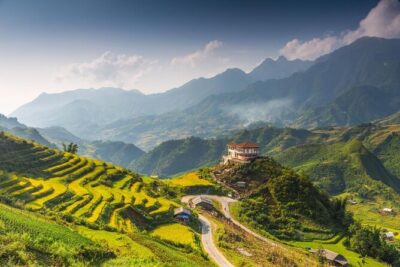
Browse the lists this trek appears in