
Review · CHILE
Torres del Paine: Base Torres Trekking
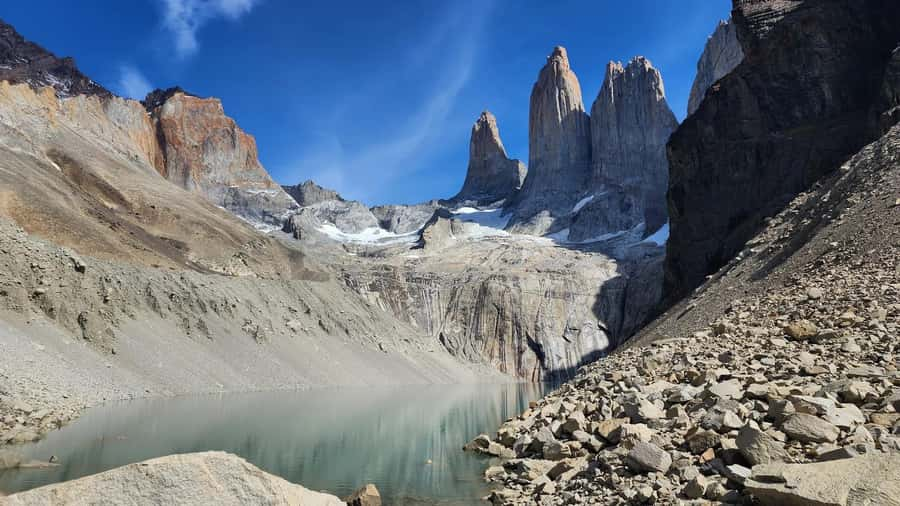
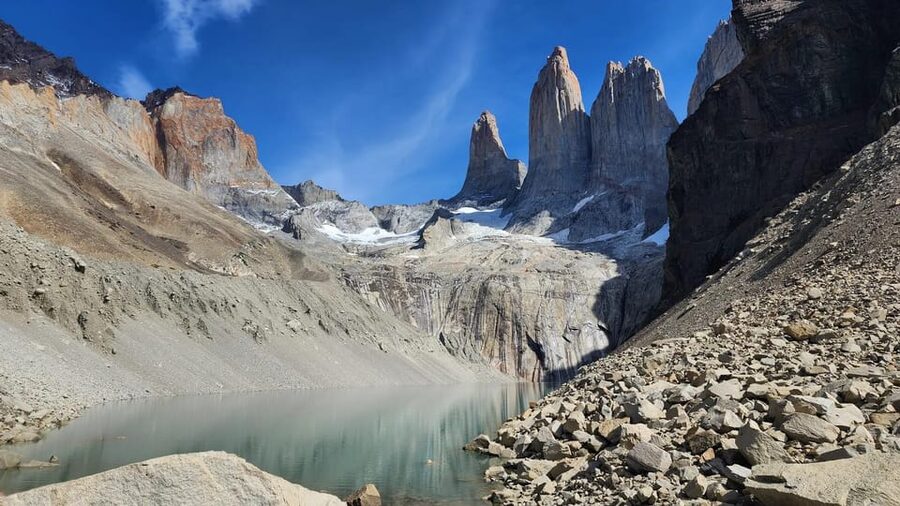
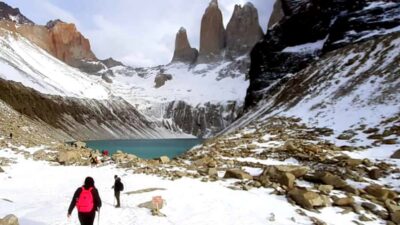
The reward here is the Base Torres viewpoint, where three huge granite towers rise above a quiet glacial lake. The route is tough, but it gives you the full Torres del Paine experience in one long day: forest, river, glacier, rocks, and a final wall of stone.
I like the clear three-stage route and the help built into it, including hotel transport, a live guide, and trekking poles. I also like the small details, such as the Martina Hanging Glacier and the silent water at the base of the towers. The main drawback is simple: 20 kilometers and 14 hours demand real stamina, especially during the final rocky climb.
Guides Gabriel and Phillipe have earned praise for patience and for keeping slower hikers moving at a comfortable pace. Still, this is not a gentle sightseeing walk. You need proper hiking shoes, warm layers, food, snacks, and plenty of water. A lunchbox is not provided.
Key points to know before you book
- The final kilometer is the hardest: You climb steadily over loose and uneven rocks toward the viewpoint.
- The route covers 20 kilometers: The distance is split into three stages, but the full return walk makes this a serious day outdoors.
- Martina Hanging Glacier adds a special stop: You reach it after about 1 hour and 15 minutes in the greener middle section.
- Hotel pickup and drop-off are included: Bring a WhatsApp number so the operator can coordinate your transfer.
- The quiet payoff is worth waiting for: At the towers, you can pause beside the water and take in the scale of the granite peaks.
- You need a good fitness level: The tour is not suitable for children under 14, pregnant women, wheelchair users, people with heart problems, or people with low fitness.
Why the Base Torres is Patagonia’s classic day hike
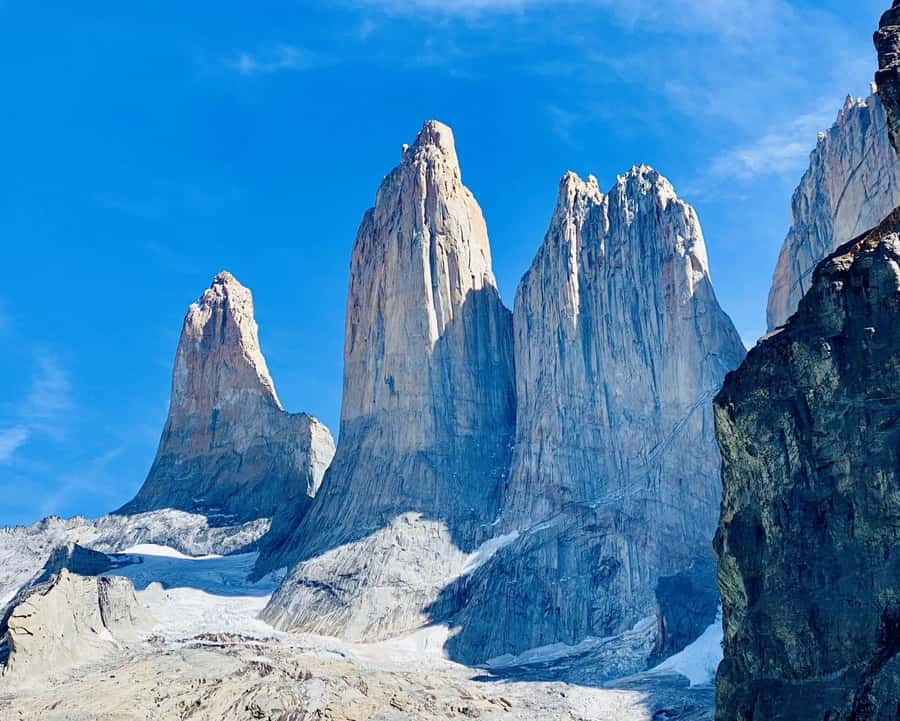
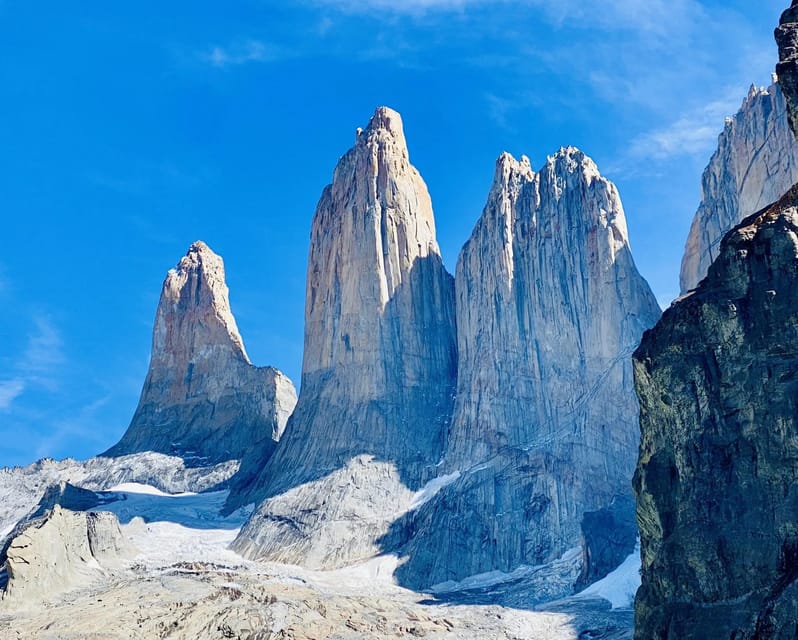
The Base Torres trek is the best-known hiking route in Torres del Paine National Park for a reason. It leads to the foot of the D’Agostini, Central, and Monzino towers, three granite giants that give the park its name.
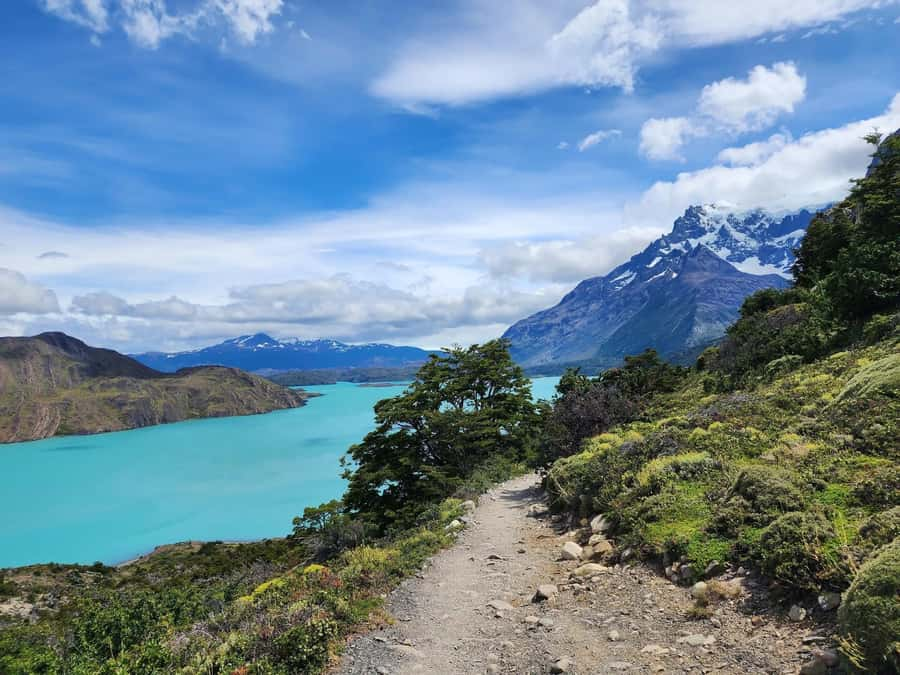
You do not simply walk to a viewpoint and return. The route changes under your feet and around your eyes. You begin with a demanding climb, enter a greener valley, pass through Lenga forest, and finish on a rough glacial moraine.
That variety makes the day feel like a proper mountain journey. It also makes the trek harder than the distance alone suggests. Twenty kilometers on a flat path would be one thing. Twenty kilometers with a steep final section, uneven rocks, and a long return is another.
I like this route for people who want one major Torres del Paine experience without committing to a multiday circuit. You see some of the park’s most famous scenery in a single outing, but you pay for that convenience with an early start, a long day, and tired legs.
A few more treks around the world worth a look
- Mount Etna: Trek to 3000m with cable car and 4×4
★ 4.6 · 3,823 reviews - Bali: Mount Batur Sunrise Trek With Guide and Breakfast
★ 4.8 · 3,461 reviews - From Chania: Full-Day Samaria Gorge Trek Excursion & Guide
★ 4.6 · 3,191 reviews
The first stage toward Campamento Chileno
The trek begins with the route toward Campamento Chileno. This opening section takes you into the Ascencio Valley, where the path narrows and the first serious work begins.
The trail gives you an early look at the flora and wildlife of Torres del Paine National Park. You should keep your attention on the surroundings, but also watch your footing. The first stage includes more ascent than the middle part, so it sets the physical tone for the day.
Campamento Chileno is an important rest point. You can stop there and use the restroom, though restroom facilities are not included in the tour price. This is also a good place to check your layers, drink water, and make sure your food is easy to reach.
The camp does not mark the halfway point in effort. The trail still has a demanding finish ahead. Think of this stop as a useful reset rather than a sign that the hard work is over.
A greener walk through the Ascencio Valley
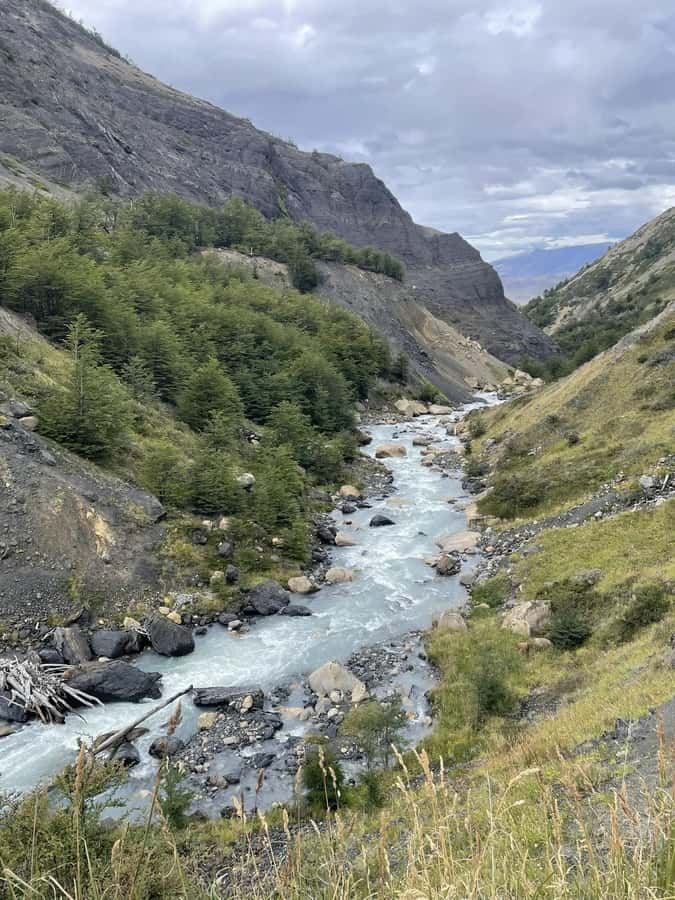
After crossing a stream, the route changes character. The scenery becomes greener, with nearby forests and a softer feel than the opening climb.
This middle section has fewer uphill stretches and is less demanding than the first stage. That gives you time to settle into your pace and enjoy the valley instead of staring at the next patch of trail.
The stream crossing and forested sections add welcome variety. You are no longer looking at one repeated type of terrain. The trail moves through open areas and trees, with water nearby and a stronger sense of being inside the park rather than simply heading toward a famous viewpoint.
The guide matters here, especially if your group moves at different speeds. Gabriel and Phillipe have been praised for patience with slower hikers, which is exactly the kind of support that helps on a long day. A guide cannot remove the climb, but a calm pace can make it feel manageable.
Martina Hanging Glacier after 1 hour and 15 minutes
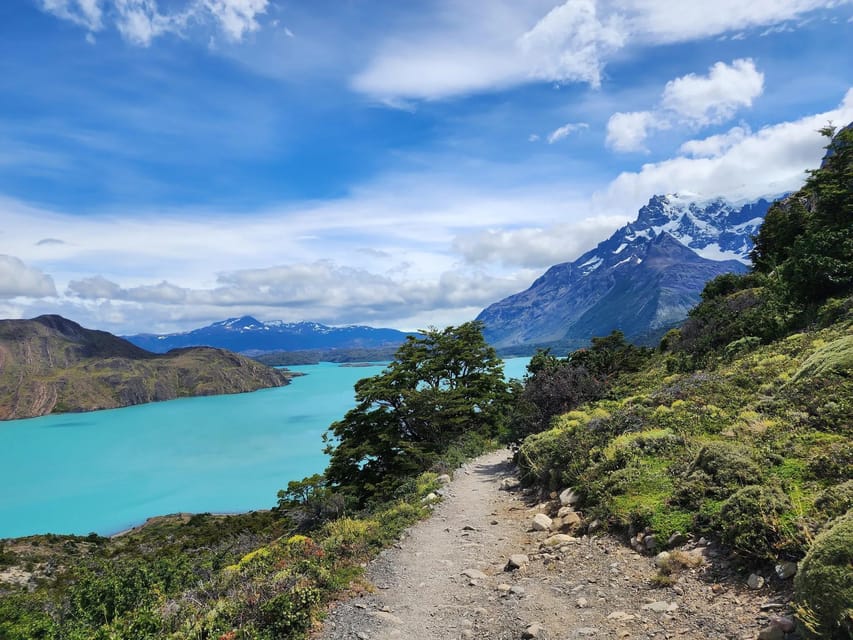
After about 1 hour and 15 minutes in this middle stage, you reach a point where you can see Martina Hanging Glacier. It is one of the trek’s most memorable features because it adds ice and high mountain drama before the final push.
The glacier is not the endpoint. Treat it as a scenic marker and a chance to pause, not as the moment to spend all your energy or food. You still have the most difficult kilometer ahead.
This is also a good point to think about clothing. Warm layers are essential in the park, and conditions can change during a 14-hour outing. Comfortable shoes are listed as necessary, but I would choose sturdy hiking shoes with good grip for the rockier sections.
You should also keep your camera accessible. The glacier, forest, valley, and towers each offer a different kind of photograph. Just remember that a camera does not replace water, snacks, or a layer you can put on quickly.
Same trailhead, a different route:
- Mount Etna: Summit Crater Trek with Cable Car
★ 4.8 · 1,875 reviews - La Palma: Tajogaite Volcano Guided Trek
★ 4.8 · 1,810 reviews - Skaftafell: Ice Cave Tour and Glacier Hike
★ 4.5 · 1,746 reviews - Etna: summit craters trekking with volcano guide 3350mt
★ 4.7 · 1,712 reviews
The final rocky kilometer to the towers
The last stage is short in distance but serious in effort. You climb one kilometer in a steady ascent over rocks, and the trail can look confusing at first.
Red marks and sticks among the rocks show you where to go. The route may appear to rise in a straight line, making the climb seem even more severe than it is. Take it slowly and follow the marked path rather than trying to find your own line.
This section is the key reason the tour requires a good fitness level. The rocks make each step less predictable, and the uphill grade keeps your heart working. Trekking poles are provided, and they are useful here for balance and for taking some pressure off your legs.
Do not judge yourself by the fastest person in the group. The guides have experience helping slower hikers, and this is a place where steady progress matters more than speed. Stop when you need to, eat before you feel empty, and drink regularly.
The final climb is not suitable for everyone. Children under 14, pregnant women, wheelchair users, people with heart problems, and people with low fitness should not book this experience.
Reaching the silent base of the granite towers
At the top, the trail opens onto the Base Torres viewpoint. The three granite towers, D’Agostini, Central, and Monzino, dominate the scene.
The setting is more than a photo stop. You can pause beside the water and hear the quiet movement of it, with the rock walls rising above you. After the noise of a long climb, that silence can feel like the real reward.
The weather can affect what you see, so the scenery may not always look exactly as it does in a photograph. The experience still has value in the scale of the rock, the high mountain setting, and the feeling of having walked there under your own power.
Give yourself time at the base if conditions and the schedule allow. This is where you should eat something, drink water, and take the photos you want. You may be tempted to hurry because the return walk remains, but rushing through the endpoint would waste the best part of the day.
The return walk and the value of hotel transport
The return follows the same trail. That means you already know the broad shape of the route, but it does not mean the walk is easy. The downhill sections can be hard on tired knees, and the rocks require just as much care on the way back.
Hotel pickup and drop-off are included, which adds real value to a demanding full-day activity. After 20 kilometers, arranging your own transport would be an unpleasant final task. The operator asks for a WhatsApp number so the transfer can be coordinated, so make sure you provide one you will check.
A live guide is also included in Spanish or English. You should confirm your preferred language when booking. The guide’s role is especially useful on the rocky final section, where route markers are present but the path may not look obvious.
There is no lunchbox included. Bring food and snacks from the start, along with enough water for the day. This is one of the few practical weaknesses of the package, since the trek occupies nearly the entire day and you need to plan your own meals.
What the $149 price really covers
At $149 per person, the price is not only for access to the trail. It includes hotel transport, a live guide, trekking poles, and the guided Base Torres experience itself.
That is a fair package for you if you value a planned transfer and personal guidance on a demanding route. The poles are a useful extra, and the transport saves you from sorting out the start and end of the day yourself.
The price does not include food, drinks, national park admission, or restroom facilities at Campamento Chileno. These exclusions matter. Add the park ticket and your own packed meals when working out the real cost.
I would not choose this tour because it is cheap. I would choose it because the logistics are simplified and the route is difficult enough that a guide can be genuinely useful. If you already have transport, park access, hiking poles, and strong route-finding skills arranged, you may prefer to organize the day independently. If not, the package offers practical support.
The reserve-now, pay-later option gives you some flexibility, and you can cancel up to 24 hours before the activity for a full refund. Check the start time before booking, since the day lasts about 14 hours and availability controls the departure schedule.
What to bring for a 14-hour mountain day
Pack for function, not style. The supplied guidance calls for warm clothing, comfortable shoes, hiking shoes, food, snacks, water, and a camera.
I would make sure your footwear is suited to rocks and a long descent. The last kilometer is not a place for casual shoes. Warm layers also matter because you can move between exposed trail, forest, and a cold mountain viewpoint during the same outing.
Bring food you can eat without much fuss. Since there is no lunchbox, you need to supply your own main meal and snacks. Keep them easy to reach rather than buried at the bottom of your bag.
Trekking poles are provided, so you do not need to bring your own unless you strongly prefer a personal pair. Drones are not allowed, so leave yours at the hotel.
The tour also requires a WhatsApp number for transfer coordination. This is a small detail, but it can prevent confusion on a long day with an early pickup.
Who should book this trek
I would recommend this tour to a fit hiker who wants the famous Torres del Paine viewpoint in one day and prefers having transport and a guide arranged.
It suits you if you can handle a long outing, sustained uphill walking, uneven rocks, and a full return route. You do not need to be an elite athlete, but you should be honest about your fitness. The final climb is demanding, and tired legs make the return harder.
It is not a good match for a relaxed park outing, a family trip with young children, or anyone who needs an accessible trail. The activity specifically excludes children under 14 and people with low fitness, heart problems, pregnancy, or wheelchair use.
If you dislike group pacing, ask about the arrangement before booking, since group size is not specified. The positive point is that Gabriel and Phillipe have been patient with slower walkers, so you should not feel pressured to race to the top.
Should you book the Base Torres Trek?
Book it if the three granite towers are high on your Chile itinerary and you want a guided, organized day rather than a self-planned hike. The route delivers an impressive range of scenery, and the quiet moment at the water is a strong payoff for the work.
Skip it if 20 kilometers sounds excessive, if you do not have proper hiking shoes, or if the thought of a steep rocky finish makes you uneasy. You should also budget separately for park admission, food, drinks, and any restroom costs at Campamento Chileno.
For a fit hiker, the $149 price is reasonable because it combines transport, a guide, poles, and the trek itself. Bring your own lunch, start with realistic expectations, and let the day unfold at a steady pace. This is a demanding walk, but it gives you one of Patagonia’s most memorable mountain views without requiring a multiday expedition.
FAQ
How long does the Base Torres trek take?
The full activity lasts about 14 hours, including the trek and the return to your hotel or accommodation.
How far do you walk?
The total trekking distance is 20 kilometers, divided into three stages.
What is the hardest part of the route?
The final kilometer is the most difficult. It involves a constant uphill climb over rocks toward the Base Torres viewpoint.
Do I need to be physically fit?
Yes. Participants should be in good physical condition because the route is long and includes a demanding rocky ascent.
Is hotel pickup included?
Yes. Pickup and drop-off at your hotel or accommodation are included. You should provide a WhatsApp number so the operator can coordinate the transfer.
Are guides available in English?
Yes. Live guiding is available in English and Spanish.
Are trekking poles provided?
Yes. Trekking poles are included in the activity.
Is food included?
No. Food and drinks are not included. Bring your own food, snacks, and water for the full day.
Is the Torres del Paine National Park ticket included?
No. Admission to Torres del Paine National Park is not included in the price.
Can children join the trek?
Children under 14 years old are not suitable for this activity. The trek is also not suitable for pregnant women, wheelchair users, people with heart problems, or people with a low level of fitness.
Just added around the world
- Everest Base Camp Trek★ 5.0 · 3 reviews
- Everest Base Camp Trek★ 5.0 · 7 reviews
- 15 Days Private Everest Base Camp Trek★ 5.0 · 30 reviews
- Everest Base Camp Trek★ 5.0 · 57 reviews
- 14 Days of Adventure Trekking to Everest Base Camp★ 5.0 · 2 reviews
- 14-Day Everest Base Camp Trek★ 5.0 · 20 reviews
- From Kathmandu: Private 14-Day Everest Base Camp Trek★ 5.0 · 20 reviews
- 14 Days Everest Base Camp Trek★ 5.0 · 4 reviews
Chile Trekking Tours, compared.
Puerto Natales: Base of the Towers Trekking Experience
Read our review →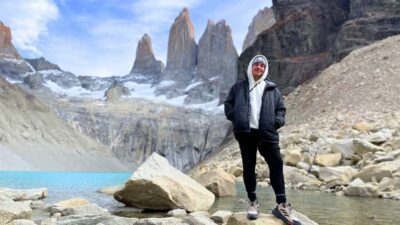
Puerto Natales: Base Torres Small Group Trekking
Read our review →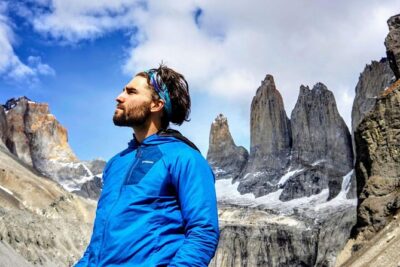
Trekking Base Torres – Torres del Paine trek from Puerto Natales
Read our review →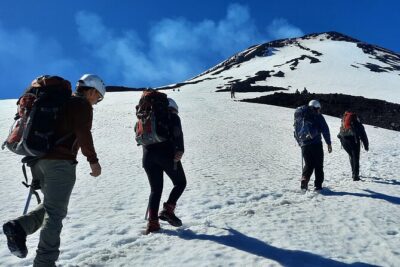
Full Day Mountaineering to Villarrica Volcano from Pucón
Read our review →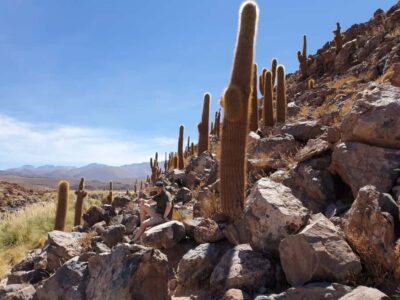
San Pedro de Atacama: Desert Tour with Canyoning & Trekking
Read our review →
Browse the lists this trek appears in