
Review · SAPA
Sapa Trekking Bargains With Local Guide
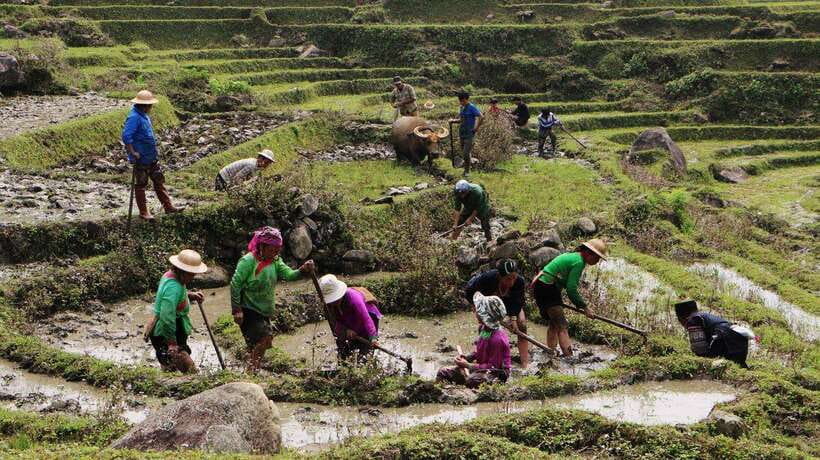
Sapa is best understood on foot, and this trek takes you well beyond town streets into the rice fields and villages of the Muong Hoa Valley. Your guide, often Chan, Sung, or Chan’s sister Vu, adjusts the route to your pace and can steer you toward quieter paths. I especially like the local Hmong leadership and the chance to finish in Ta Van instead of spending the whole day in a vehicle.
I also like the practical setup: lunch and the ride back to Sapa are included, and you can leave luggage at the office and shower before or after the walk. The main caution is simple: this is a real mountain trek, not a flat village stroll. Mud, slippery paths, steep sections, and up to 11 kilometers of walking can make it tiring, especially after rain.
Key points at a glance
- Hmong guides with local ties: Chan, Sung, and Vu can explain village life, farming, customs, and family traditions from personal experience.
- Three different village settings: Walk through Y Linh Ho, Lao Chai, and Ta Van, meeting Hmong and Dzay cultural communities along the way.
- Flexible routes from 5 to 11 kilometers: Your guide can alter the path for fitness, weather, confidence, and crowd levels.
- Lunch with a mountain view: A traditional meal at a local Hmong family restaurant is included, with vegetarian food available.
- Useful start and finish: Meet at Sapa Stone Church at 9 AM and finish in Ta Van around 3 PM, with transport back to Sapa.
- Good value at $19: Guide, lunch, and return transfer are included, plus office storage and a shower before or after the trek.
Why this Sapa trek feels different
Many Sapa outings are built around quick stops and vehicle transfers. This one puts the walking first. You spend several hours moving through the valley, with time to ask questions, stop for photographs, and notice how farms and homes fit into daily life.
The guide is the heart of the experience. Chan has more than 15 years of guiding experience and speaks fluent English. Sung, her husband, has also led visitors along quieter routes, and Vu has guided guests through the rice fields and villages. Their personal connection to the Hmong community gives the tour more substance than a string of memorized facts.
I would not book this expecting a polished performance. The appeal is the conversation and the local point of view. Ask questions. Guides have explained how crops are processed, which plants can be picked, how customs differ between ethnic groups, and what life was like growing up in Sapa.
The route may also change during the day. If a path is crowded, muddy, or too hard for your group, your guide can choose another. That flexibility is a real benefit, not a minor extra.
A few more treks around Sa Pa worth a look
- From Sapa: 1-Day Guided Trek to Lao Chai & Ta Van with Lunch
★ 4.9 · 416 reviews - Sa Pa: 6-Hours Muong Hoa Valley Trek with Local Ethnic guide
★ 4.5 · 178 reviews - Sapa 1 day trek with local guide to the village by Comlam
★ 5.0 · 148 reviews
Starting at Sapa Stone Church at 9 AM
The advertised meeting point is Sapa Stone Church in the center of town. Pickup from a Sapa hotel may also be possible, and Sung has met people at hotels well outside the center. Confirm this when you book, particularly if you are staying about 30 minutes from the church.
The day is scheduled from 9 AM to about 3 PM. The activity duration is listed as 330 minutes, so allow a little flexibility around the stated times. If you have a bus to Hanoi, the planned finish and return ride are designed to leave you time to collect your things and continue your journey.
One useful perk is the chance to leave luggage at the office and shower before and after the trek. That matters if you arrive early, are checking out of your hotel, or are continuing by bus that evening. Bring only what you need for the walk.
Y Linh Ho: rice fields and the first real walk
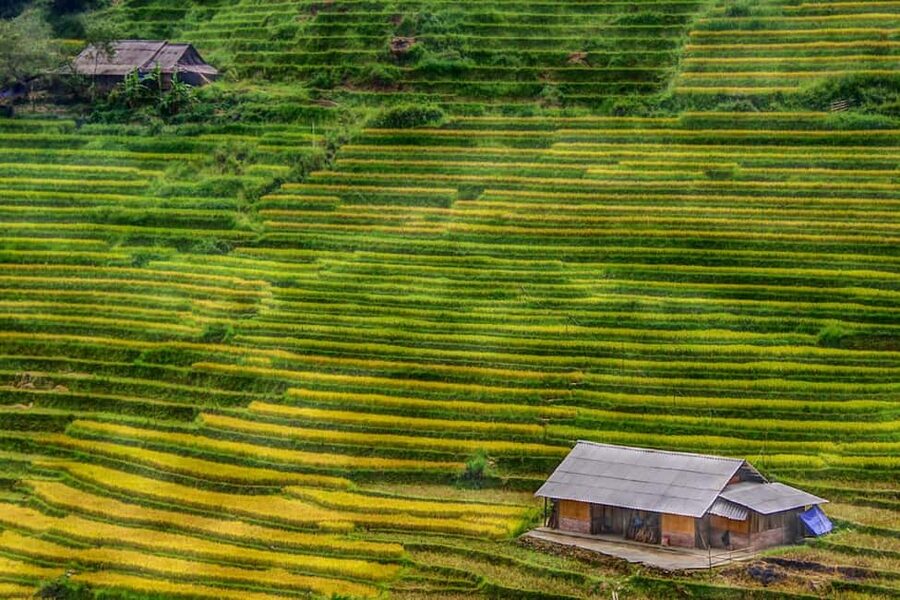
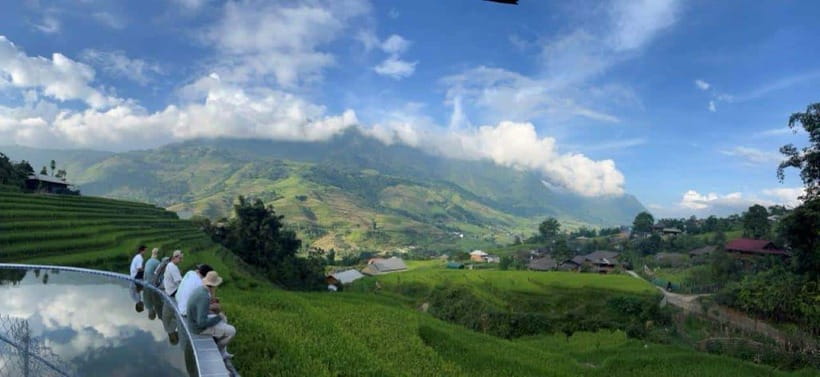
The first main section leads toward Y Linh Ho, a Hmong village surrounded by steep hills and cultivated terraces. Depending on the route selected, you may walk on wider roads or smaller paths across and beside the rice fields.
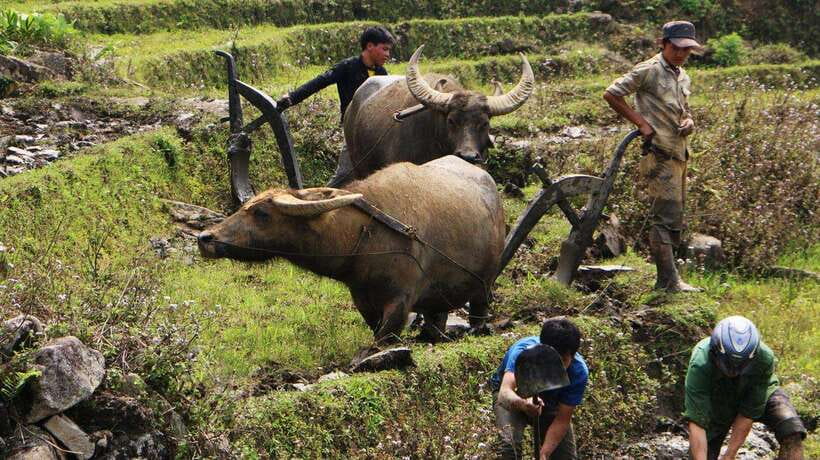
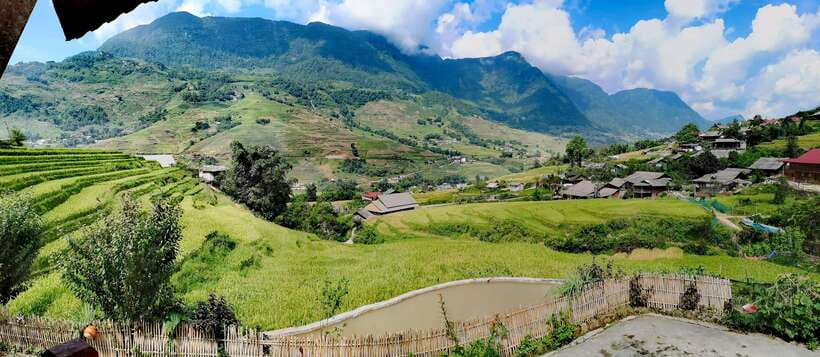
The views are the big reward here. In planting and harvest seasons, you may see farm work taking place, which gives the valley a human scale. The scenery changes with the season, so do not expect the same colors year-round. Clear weather can reveal broad views across the valley, while mist and cloud create a quieter, more enclosed walk.
This is also where the condition of the trail becomes clear. Some paths are easy enough for a moderate level of fitness, but smaller tracks can be slippery and steep. Several people have found the trek manageable with route changes, while others have described steep hills and muddy footing as a genuine challenge.
Good shoes matter. Hiking shoes are best, and waterproof footwear or temporary boots may be useful after rain. Some guides can help arrange gumboots, but you should confirm this rather than count on it. A sun hat, sunglasses, rain gear, water, and sunscreen belong in your day pack.
Lunch in Lao Chai with a Hmong family
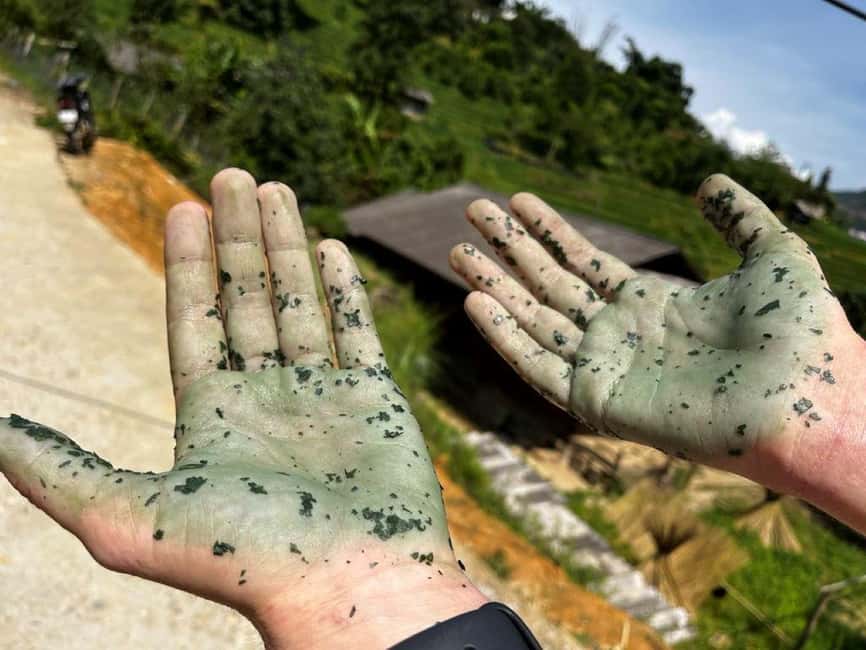
Lao Chai is one of the oldest and largest Hmong communities on the route. The stop is not only a meal break. It gives you time to sit down, recover from the first walking section, and ask more questions about local food and family life.
Lunch is served at a local Hmong family restaurant and is included in the $19 price. The meal has been described as filling and tasty, and vegetarian options are available. If you have a food allergy or dietary restriction, tell the provider before setting out. The information specifically flags lactose intolerance as unsuitable, so this may not be the right choice if dairy causes serious problems.
The setting adds to the meal. You may eat with a view over the valley rather than in Sapa’s busy center. Still, keep expectations sensible. This is a local meal included in an inexpensive walking tour, not a formal restaurant tasting menu.
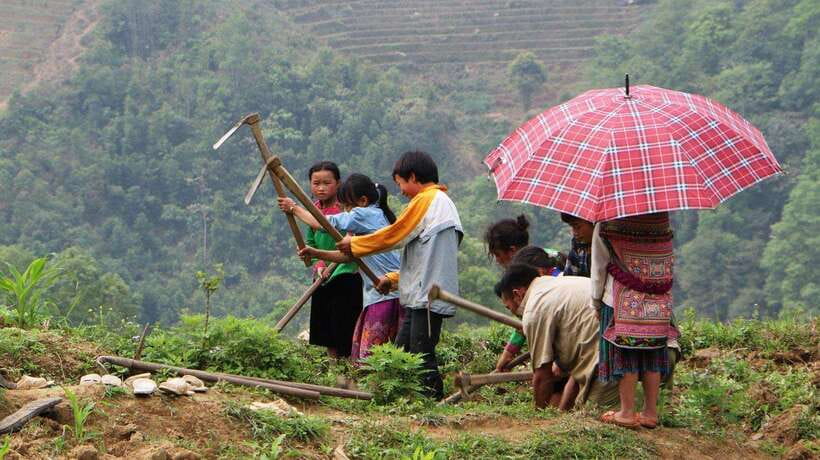
Lao Chai is also a place where you may meet Hmong women and children who accompany visitors along parts of the trail or offer handmade items for sale. A few people have found their help valuable on slippery sections, especially when someone needs a steady hand. You are not required to buy anything, but a polite conversation and respectful attitude go a long way.
Same trailhead, a different route:
- Sa Pa: Muong Hoa Valley Trek and Local Ethnic Villages
★ 4.6 · 864 reviews - Sapa: Eco Adventure Terrace Fields and Local Villages Trek
★ 4.9 · 636 reviews - Number one top rated ethical cultural trekking and homestay by ETHOS
★ 5.0 · 456 reviews - Sa Pa Full Day Trekking Tour
★ 5.0 · 414 reviews
Ta Van: a different village and a gentler finish
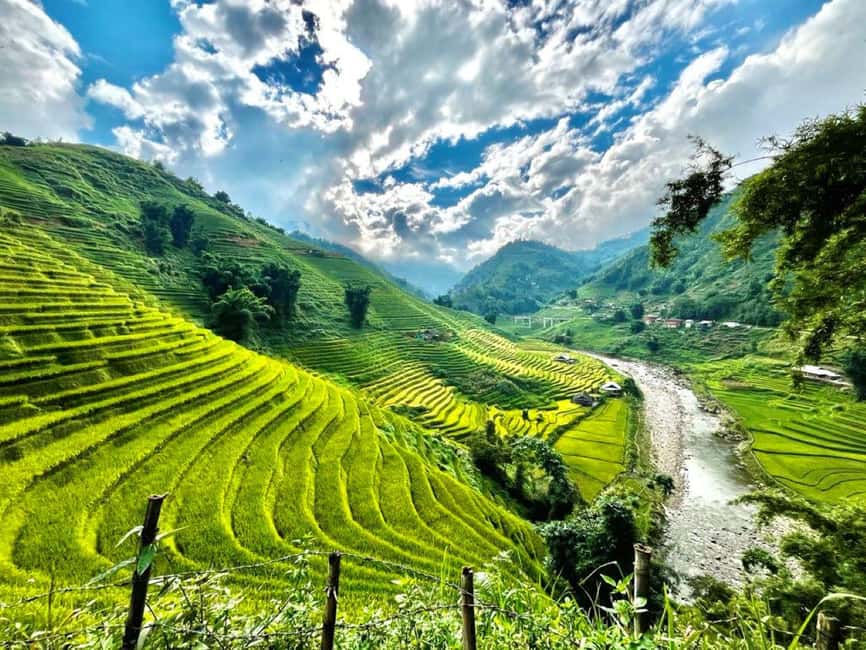
After lunch, the route continues toward Ta Van, a village associated with the Dzay people. This gives the walk a useful cultural contrast. You are not simply seeing three versions of the same settlement. Your guide can explain differences among local ethnic communities, including customs, work, and traditions.
The final section takes about an hour and a half in the stated plan, though the exact time depends on your chosen path. Some routes follow roads, while others use narrow footpaths through fields and along the valley. A less crowded route can feel more personal, but it may also be rougher underfoot.
Ta Van is the planned endpoint, not Sapa. A transfer back to town is included, so you do not need to walk the entire way back. This is one of the tour’s strongest practical features. You get a substantial walk through the valley without turning the day into a long return march.
Choosing the right route and difficulty
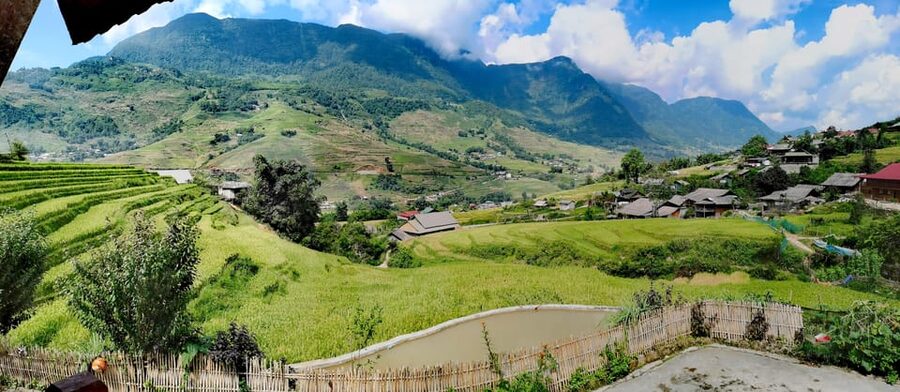
The advertised choices range from about 5 to 11 kilometers, with easy, medium, and harder options. Some tailored outings have reached roughly 12 kilometers, so clarify the distance before you start if you are unsure of your fitness.
Tell your guide honestly how much walking you want. The guide can choose a road when a steep scramble would be too much, or select a smaller path if you want a quieter and more demanding walk. The route can also change for rain, mud, crowds, or the pace of the group.
I would describe the outing as moderate overall, with occasional hard sections. It is not suitable for a low level of fitness, and it is not wheelchair accessible. The provider also advises against joining if you have heart problems, high blood pressure, haemophilia, or other serious medical concerns.
The best approach is to think of this as countryside hiking with cultural stops. If you want a gentle stroll with little exertion, choose the shortest route and say so clearly. If you regularly hike and want a fuller day, ask about the longer option and smaller paths.
The guides are the main reason to book
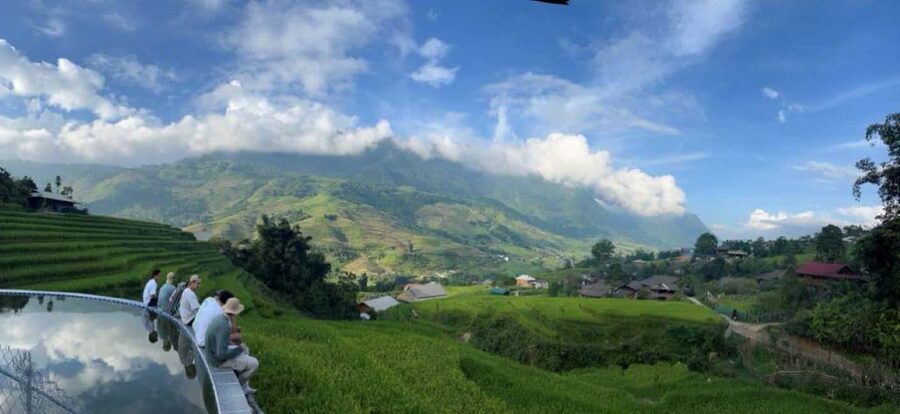
Chan receives particularly strong praise for her clear English, humor, and ability to explain local life without making the day feel like a lecture. She has answered questions about ethnic minorities, farming, plants, customs, and her own family. That personal exchange is more useful than a rushed list of dates and labels.
Sung has also been praised for arranging a quieter route and adjusting the walk to suit different confidence levels. His extra effort to meet people at a hotel and tailor the route shows the kind of personal service this small operation aims to provide.
This is not a guarantee that every day will be identical. Guide availability can vary, and the activity may be led by Chan, Sung, Vu, or another local guide. But the format clearly depends on guides who know the area and can adapt the walk.
If you want the best experience, speak up during the trek. Tell your guide if you need a break, want a different path, or would like more explanation about what you are seeing. The more you engage, the more useful the day becomes.
Value at $19, including lunch and transport
At $19 per person, this is unusually good value for a full day in the Sapa valley. The price includes the guide, lunch, and transport from Ta Van back to Sapa. You are also getting several hours of walking and local interpretation, rather than paying mainly for a vehicle ride.
The value is strongest if you want an active outing and are already staying in Sapa. You avoid paying separately for a village transfer, lunch, and a guide. The office luggage storage and shower are practical additions for people between hotels or buses.
The low price does not mean you should expect luxury. Paths may be muddy, the meal is local and straightforward, and the day depends on weather and trail conditions. You are paying for access, conversation, and a flexible route, not a polished resort-style excursion.
Free cancellation is available up to 24 hours before the start, and you can reserve now and pay later. Once the tour has been booked and paid for, the provider asks you to change to another day rather than request a refund. Keep that rule in mind before confirming.
What to pack for the valley
Wear shoes with good grip. Ordinary trainers may be fine in dry weather, but hiking shoes are safer on steep or wet sections. One person described slipping on muddy paths, and another specifically advised covering the legs, so long trousers are sensible.
Bring:
- Water or another drink
- Sun hat and sunglasses
- Sunscreen
- Rain gear
- Camera or charged smartphone
- A small amount of trekking gear
- A light layer for changing conditions
Sapa weather can shift quickly, and the route is outdoors for most of the day. Even if the morning looks clear, keep rain protection with you. A phone battery matters if you use it for photographs or directions.
Who will enjoy this experience most
I would choose this trek if you want to see Sapa through local villages rather than from a tour bus. It suits people who enjoy walking, asking questions, and accepting a little uncertainty in exchange for a less packaged day.
It is also a good match for mixed-ability groups. The guide can adjust the route, choose roads instead of steep paths, and keep the pace practical. Still, everyone needs to be comfortable with several hours on foot.
This is less suitable if you have limited mobility, serious heart or blood pressure problems, or a low fitness level. It is also not a good choice if you need highly controlled food arrangements, since the meal is served in a local setting and lactose intolerance is listed among the restrictions.
The outing is available in English. Its strongest feature is not a dramatic attraction with a ticket gate. It is the chance to walk through working villages, see rice farming up close, and have an unhurried conversation with someone who lives in the region.
Should you book the Sapa Hmong village trek?
Book it if you want a flexible, active day with a local Hmong guide, a good amount of walking, and a real look at village life. The combination of Y Linh Ho, Lao Chai, and Ta Van gives you varied scenery and contact with both Hmong and Dzay communities.
Before booking, be honest about your fitness and ask which route is planned. Pack proper shoes, expect mud, and do not treat the 5 kilometer option as a guarantee of flat ground. If you are comfortable with those conditions, $19 buys a remarkably full day, including lunch, return transport, and useful practical support in Sapa.
FAQ
Where does the Sapa trek start?
The meeting point is Sapa Stone Church. Pickup from your Sapa hotel may also be arranged, so confirm the exact meeting plan when booking.
What villages does the trek visit?
The route goes through or toward Y Linh Ho, Lao Chai, and Ta Van. Y Linh Ho and Lao Chai are Hmong communities, while Ta Van is home to the Dzay people.
How long is the trek?
The tour lasts about 330 minutes, with the daily schedule running from 9 AM to around 3 PM. Route choices range from about 5 to 11 kilometers, depending on difficulty and group needs.
Is lunch included?
Yes. Lunch at a local Hmong family restaurant is included. Vegetarian food is available, but you should advise the provider about dietary needs before the trek.
Is transport back to Sapa included?
Yes. The tour ends in Ta Van, and transport back to Sapa is included.
What should I bring?
Bring comfortable hiking shoes, water, sunglasses, a sun hat, a camera or charged smartphone, sunscreen, and rain gear. Good footwear is especially important when the trails are wet or muddy.
Just added around Sa Pa
- Sapa: Private The Most Beautiful Terraced Fields Trekking★ 4.8 · 42 reviews
- Soob Sapa Trekking Tour★ 4.3 · 3 reviews
- Sapa Trekking – Waterfalls And H’mong Villages★ 5.0 · 2 reviews
- Sapa3D2N TrekkingAdventures,Valleys,Bambooforest,Waterfall★ 4.8 · 24 reviews
- Sapa: Trekking Through Terraced Rice Fields & Valley 1 Day★ 4.8 · 4 reviews
- Sapa: Trekking Sapa One Day With Group Tour★ 4.7 · 55 reviews
- Sapa Trekking Private Tour With Ethnic Female Tour Guide★ 4.9 · 24 reviews
- Sapa: Y Linh Ho – Lao Chai, and Ta Van Trekking Day Tour★ 5.0 · 25 reviews
Sapa Trekking Tours, compared.
Muong Hoa Valley Trek and Local Ethnic Villages
Read our review →
Eco Adventure Terrace Fields and Local Villages Trek
Read our review →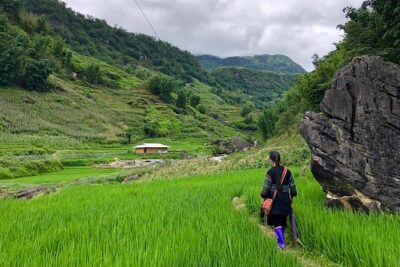
Number one top rated ethical cultural trekking and homestay by ETHOS
Read our review →
1-Day Guided Trek to Lao Chai & Ta Van with Lunch
Read our review →
Sapa 1 Day Long Trek: Trek to Hau Thao and Sa Seng Villages
Read our review →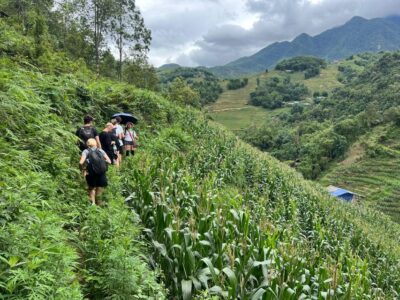
Explore Sapa by TrekkingAdventures, Mountain,Rice fields
Read our review →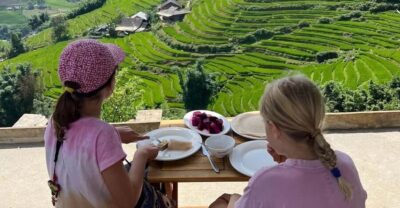
EXPLORE SAPA: 2D1N TREKKING & HMONG CULTURE WITH DINH
Read our review →Browse the lists this trek appears in