
Review · SAPA
Sapa The Hidden Trail Trek 1 Day – Mountain & Rice Valley
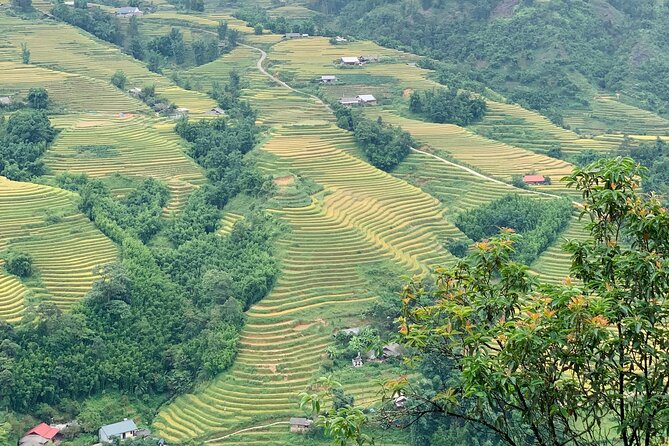
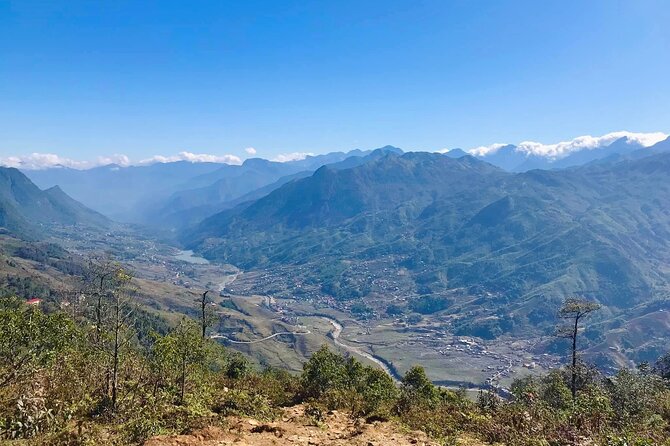
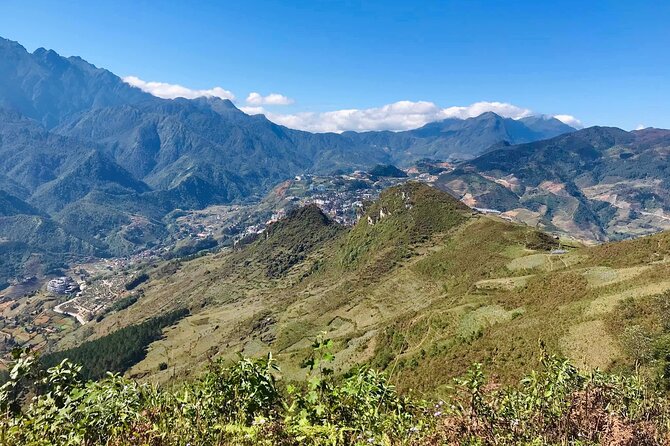
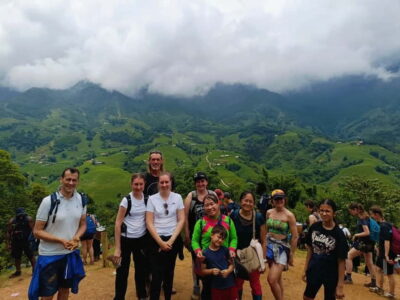
The best part of this Sapa trek is the change in view as you climb Dragon Jaw Mountain to 1,970 meters. From above town, you look across Sapa, scattered villages, bamboo forest, and the rice terraces of Muong Hoa Valley. Then the route drops into smaller village paths where the scenery feels less staged and more connected to daily life.
I like the mix of big mountain views and local culture, rather than a walk that offers only one or the other. I also like the guides’ flexible pace. Nhu, Zo, Chu, Phenh, and others are praised for explaining H’Mong and Dao customs, stopping for breaks, and helping people over steep ground. The catch is simple: this is a demanding trek, with mud, uneven paths, and long uphill and downhill sections.
Key points to know
- Dragon Jaw Mountain: Climb to about 1,970 meters for wide views over Sapa and Muong Hoa Valley.
- Three cultural stops: Visit Hang Da, Hau Chu Ngai, and Giang Ta Chai villages, with H’Mong and Dao traditions along the way.
- A real workout: Expect steep slopes, rough ground, possible mud, and roughly 20,000 steps for some routes.
- Patient local guides: Guides including Nhu, Zo, Chu, Phenh, and Keyni adjust the pace and explain local life.
- Lunch and return transport included: Bottled water, village entry fees, lunch, and transportation back to Sapa are covered.
- Good value at $35: The price includes the guide, food, access fees, and transport for a private group activity.
From Sapa town to Dragon Jaw Mountain
You meet your guide at 9:00 am at your hotel or at Sapa Church. The day begins in central Sapa, then quickly turns into a mountain walk. Your guide gives you an outline of the route before you set off, which matters here because the terrain changes often.
The first major section leads toward Ham Rong Mountain and Dragon Jaw Mountain. The climb is the physical heart of the trip. You gain height over steep paths and uneven surfaces, so the route rewards steady pacing rather than speed. A guide can pause when needed, and this is one reason the private format is useful.
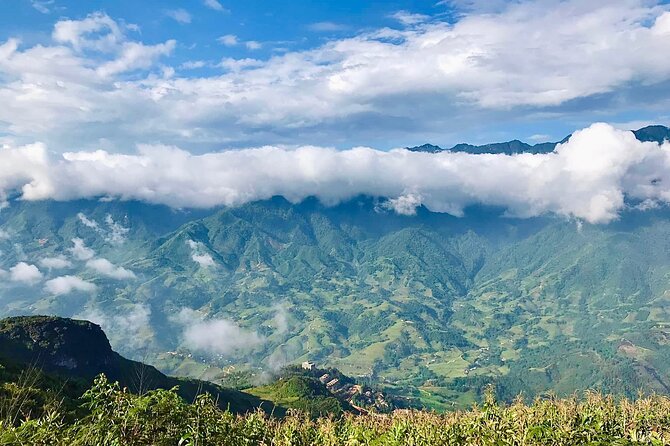
At the top, the payoff is the view. From around 1,970 meters, you can see Sapa town and the villages spread through Muong Hoa Valley. On a clear day, this is the kind of high view that helps you understand the area at a glance. You see how the settlement, rice fields, forest, and mountains fit together.
Cloud and rain can change the experience. In wet conditions, the ground becomes slippery and the views may disappear into mist. One account of a rainy June walk describes seeing plenty of greenery and cloud but not the valley or mountain panorama from the summit. If scenery is your main reason for booking, weather will matter as much as the route.
The climbing section also explains the mixed ratings. The views receive the strongest praise, but the walk is not a casual stroll. Some people describe about 20,000 steps and roughly nine miles, with almost half uphill. The stated duration is about five to six hours, though a slower group in rain can take six to seven hours of walking.
A few more treks around Sapa worth a look
- From Sapa: 1-Day Guided Trek to Lao Chai & Ta Van with Lunch
★ 4.9 · 416 reviews - Sapa 1 Day Long Trek: Trek to Hau Thao and Sa Seng Villages
★ 4.6 · 344 reviews - 1-day Authentik trek & Panorama valley views
★ 5.0 · 189 reviews
Hang Da Village and the Black H’Mong view
After the mountain section, you continue toward Hang Da Village. Hang Da is home to Black H’Mong people and is known for large rocks, mountain scenery, and views over the Sapa area. The stop is listed at about one hour, giving you time to catch your breath while taking in the village setting.
This is where the trek begins to feel less like a summit walk and more like an introduction to local life. Your guide can explain the H’Mong community, farming, clothing, and the way villages relate to the surrounding slopes. Guides such as Nhu and Chu are praised for answering questions about culture, plants, customs, and family life.
The village visit is not presented as a formal performance. That is a strength. You are walking through a lived-in area, with farms, paths, and mountain homes rather than moving from one polished attraction to another. Still, you should keep your expectations sensible. The route offers contact with local culture, but the information you receive depends partly on your guide and the amount of time available.
The path around Hang Da can be rough. Expect stones, inclines, and uneven footing. If you have only basic stamina, you may manage the walk at a slower pace, but you should not book it expecting an easy village outing. One guide changed to an easier route for a struggling hiker, which shows the benefit of discussing your pace early.
Lunch before the bamboo forest descent
Lunch comes after the first major walking section, before the route continues toward Hau Chu Ngai and Giang Ta Chai. Lunch is included, along with bottled water, so you do not need to budget separately for the main meal.
The food receives mixed but generally favorable comments. Some people praise the local dishes, including rice from the Sapa terraces, while one person found the meal bland and expected to eat in a local home rather than at a small restaurant. That distinction is worth noting. The meal gives you a practical break and a taste of local cooking, but it should not be treated as a guaranteed home-hosted dining experience.
The timing also matters. One slower walk reached the village for lunch around 2:00 pm after starting at 9:00 am. If you tire quickly, the late meal can feel far away. Bring a little personal food if you know you need snacks between breakfast and lunch. Personal expenses are not included, so anything extra is your responsibility.
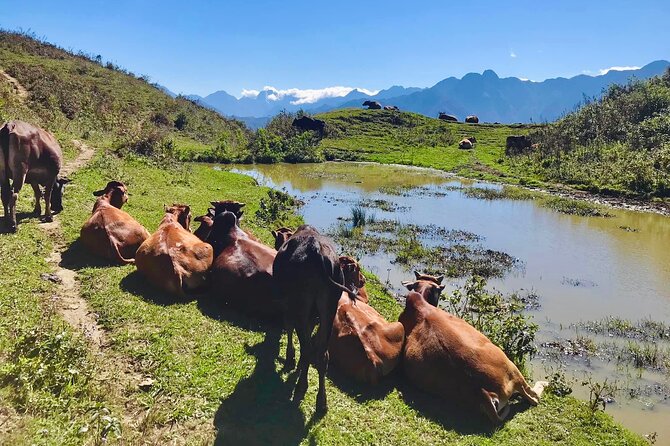
After lunch, the trail continues toward Hau Chu Ngai. This section uses village roads and short bamboo forest paths. It is less about a single lookout and more about the rhythm of walking through the hills. You may pass farms, animals, rice terraces, and changing views as the route descends.
Hau Chu Ngai and the bamboo trail
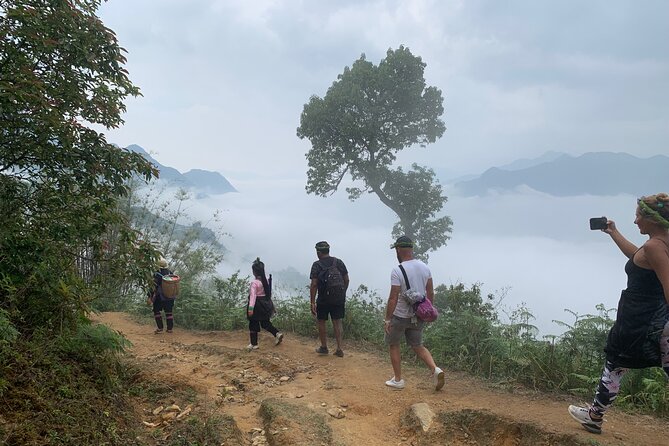
The route from Hau Chu Ngai toward Giang Ta Chai takes about one and a half hours. This is one of the more scenic parts of the day, with narrow village roads and bamboo trails leading down toward the valley.
The descent can be harder than it sounds. Going downhill on wet or uneven ground puts work on your knees and requires careful foot placement. A walking pole would be useful, especially for anyone over 40 or anyone who does not often hike steep paths. The experience does not list poles as included, so bring your own if you use them.
Mud is possible. One person described a muddy trail as part of the fun, while others stressed that the ground can become slippery after rain. Good shoes are not optional here. Wear footwear with a firm grip and clothes you do not mind getting dirty. Sapa’s mountain weather can change the character of the route from a clear scenic walk to a slow, careful trek.
This is also the section where the guide’s role becomes most practical. A good guide does not just point out sights. The guide watches the slowest person, helps on difficult sections, and adjusts the route when needed. Nhu is repeatedly praised for patience and care, while Zo is praised for explaining culture and keeping breaks comfortable. The exact guide is not guaranteed, but the experience has several named guides with strong feedback.
Same trailhead, a different route:
- Sa Pa: Muong Hoa Valley Trek and Local Ethnic Villages
★ 4.6 · 864 reviews - Sapa: Eco Adventure Terrace Fields and Local Villages Trek
★ 4.9 · 636 reviews - Number one top rated ethical cultural trekking and homestay by ETHOS
★ 5.0 · 456 reviews - Sa Pa Full Day Trekking Tour
★ 5.0 · 414 reviews
Giang Ta Chai village and Dao culture
Giang Ta Chai is the final main stop. The village includes Black H’Mong and Red Dao residents, giving you a chance to compare cultural traditions encountered during the day.
A small museum visit is included. The local guide explains traditional clothing, customs, and local culture. This is a short stop, listed at about 30 minutes, so it is not a long museum tour. Its value comes from the context your guide adds. Clothing and customs make more sense when you have already walked through the villages and seen the mountain setting where these communities live.
The combination of H’Mong and Dao culture gives the day more depth than a simple viewpoint trek. You are not only looking at rice fields. You are also learning how different ethnic communities maintain their own clothing, customs, and ways of life in the same highland region.
Keep the cultural side respectful and low-key. Listen to your guide, ask before taking close-up photographs, and remember that villages are homes and workplaces, not just scenic stops. The small museum helps create a clear place for explanation, but much of the day’s value comes from the guide’s conversation along the path.
After Giang Ta Chai, transportation takes you back to town. The activity ends at the meeting point in Sapa. The return ride is welcome after several hours on foot, especially if the ground has been muddy.
What the $35 price really covers
At $35 per person, this is strong value if you want a full mountain day with a guide. The cost includes a local guide, bottled water, lunch, village entry fees, and transportation back to Sapa. Those inclusions remove several small costs that can add up on a self-planned day.
The private format is another useful feature. Only your group participates, so the guide can slow down for a novice hiker or move more quickly if everyone is fit. The group discount may also help if you are traveling with several people, though the exact discount is not stated.
The price does not include tips, personal expenses, or insurance. Bring suitable clothing and footwear rather than expecting equipment to be supplied. If you want walking poles, snacks, or anything beyond the included lunch and water, plan for those separately.
The best comparison is not simply $35 against a cheaper self-guided walk. Ask what you value. You get route guidance, cultural explanation, village access, lunch, and a ride back. You also avoid having to work out the path down from the mountain on your own. For a first Sapa trek, that makes the price sensible.
Fitness, weather, and what to carry
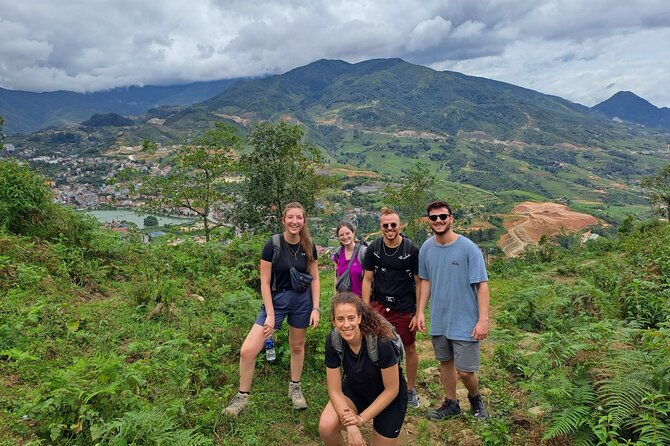
You need a moderate level of physical fitness. The route includes steep climbs, rough surfaces, bamboo paths, and a long descent. It is manageable for someone with basic stamina if the pace is adjusted, but the mountain section can feel tough in heat or rain.
The trek has suited a wide age range, including a 15-year-old and a 51-year-old in one group, but age alone tells you little. Your walking experience and comfort on slopes matter more. Beginners can take part, especially with a patient guide, but you should be ready for real exercise.
Pack light, but pack well:
- Shoes with solid grip
- Rain protection and a change of socks
- Water beyond the included bottle if you usually drink a lot
- A small snack for the morning
- Sun protection for clear weather
- Walking poles if steep descents worry you
- Clothes that can handle mud
The most favorable seasons mentioned are March to April and September to October. June can be rainy, and rain may reduce visibility while making the trail slippery. This does not make a wet-season walk worthless, but it changes the emphasis from wide views to forest, village paths, and the physical challenge.
Which guide experience should you expect?
The guide is central to the quality of this activity. Names associated with strong feedback include Nhu, Zo, Chu, Phenh, Keyni, Jacob, TJ, and others. Nhu is noted for patience, cultural explanations, and helping less confident hikers. Zo is praised for English, local knowledge, and explanations of plants and ethnic groups. Chu is valued for information about the H’Mong people.
The guide may also tailor the route. One group moved onto an easier path when a novice hiker struggled early on. That flexibility is useful, but it should not be read as a promise that every route can be changed without affecting the sights or distance.
You should tell the guide at the start if someone in your group is slow, nervous on steep ground, or managing an injury. The activity is private, so early communication can help shape the pace. Do not assume the guide can remove every difficult section. Dragon Jaw Mountain and the descent remain the main physical tests.
Who should book this Sapa trek?
I would choose this for you if you want mountain views, village paths, and cultural conversation in one day. It works especially well as an introduction to Sapa because you see the town from above, walk through the Muong Hoa area, and meet more than one ethnic community.
It also suits people who prefer a private outing to a fixed large group. A flexible guide can slow the walk, add breaks, or use an easier route when needed. The experience is a good match for couples, families with fit older children, and small groups who want to stay together.
I would think twice if you want an easy half-day walk, guaranteed clear views, or a polished cultural show. The route is physical, conditions can be muddy, and lunch may be served at a small restaurant rather than in a family home. Fansipan is also a different choice: choose this trek for villages and local contact, not for a cable-car or summit attraction.
Booking is flexible because cancellation is free up to 24 hours before the start time. The activity starts at 9:00 am, confirmation is provided at booking, and pickup is offered from your hotel or Sapa Church.
Should you book the Hidden Trail Trek?
Book it if your ideal Sapa day includes a hard climb, wide views, rice terraces, bamboo paths, and a guide who talks with you along the way. At $35, the included lunch, village fees, guide, water, and return transport give it solid value.
Skip it if your group dislikes steep trails or if poor weather would spoil the day for you. For everyone else, this is a well-rounded Sapa walk with enough challenge to feel earned and enough cultural detail to make the scenery mean more.
FAQ
How long does the Sapa Hidden Trail Trek take?
The stated duration is approximately five to six hours. Some groups may take six to seven hours of walking, especially when rain, mud, slow pacing, or extra breaks affect the route.
What time does the trek start?
The trek starts at 9:00 am.
Where do I meet the guide?
The guide can pick you up at your hotel, or you can meet at Sapa Church in central Sapa.
What places does the trek visit?
The route includes Ham Rong Mountain, Dragon Jaw Mountain, Hang Da Village, Hau Chu Ngai, bamboo forest paths, Muong Hoa Valley, and Giang Ta Chai Village.
Is lunch included?
Yes. Lunch and bottled water are included. The meal may be served at a small restaurant, and personal food or other personal expenses are not included.
Is transportation included?
Transportation back to Sapa is included. The activity ends at the meeting point in town.
What level of fitness do I need?
You should have a moderate level of physical fitness. Expect steep climbs, uneven ground, possible mud, and a long downhill section. The activity is private, so the guide can adjust the pace or use an easier route when needed.
Just added around Sapa
- Sapa: Private The Most Beautiful Terraced Fields Trekking★ 4.8 · 42 reviews
- Soob Sapa Trekking Tour★ 4.3 · 3 reviews
- Sapa Trekking – Waterfalls And H’mong Villages★ 5.0 · 2 reviews
- Sapa3D2N TrekkingAdventures,Valleys,Bambooforest,Waterfall★ 4.8 · 24 reviews
- Sapa: Trekking Through Terraced Rice Fields & Valley 1 Day★ 4.8 · 4 reviews
- Sapa: Trekking Sapa One Day With Group Tour★ 4.7 · 55 reviews
- Sapa Trekking Private Tour With Ethnic Female Tour Guide★ 4.9 · 24 reviews
- Sapa: Y Linh Ho – Lao Chai, and Ta Van Trekking Day Tour★ 5.0 · 25 reviews
Sapa Trekking Tours, compared.
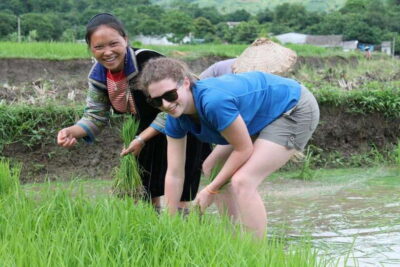
Muong Hoa Valley Trek and Local Ethnic Villages
Read our review →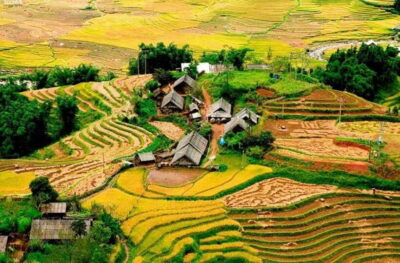
Eco Adventure Terrace Fields and Local Villages Trek
Read our review →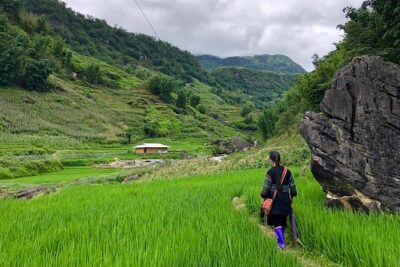
Number one top rated ethical cultural trekking and homestay by ETHOS
Read our review →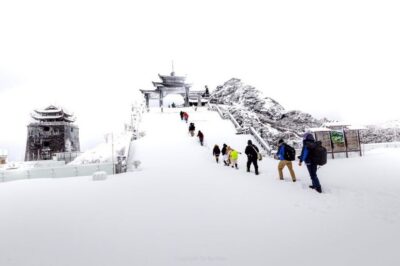
1-Day Guided Trek to Lao Chai & Ta Van with Lunch
Read our review →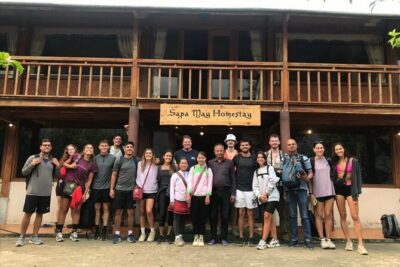
Sapa 1 Day Long Trek: Trek to Hau Thao and Sa Seng Villages
Read our review →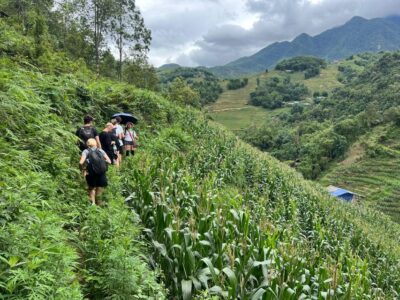
Explore Sapa by TrekkingAdventures, Mountain,Rice fields
Read our review →
EXPLORE SAPA: 2D1N TREKKING & HMONG CULTURE WITH DINH
Read our review →Browse the lists this trek appears in