
Review · SAPA
Sapa: Epic 1-Day Trek to Fansipan Mountain Peak
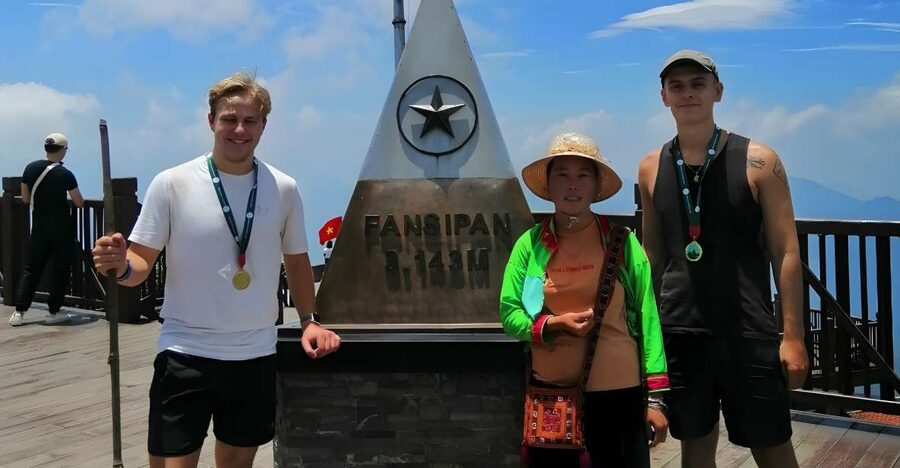
Reaching Fansipan’s 3,143-meter summit in one day is a serious test, not a gentle sightseeing outing. You leave Sapa at 5:30 am, climb through old pine forest and yellow bamboo, stop at 2,600 meters, then keep going until the highest point in Indochina is beneath your boots.
I like the small group limit of 10, which gives your local guide room to watch the pace and terrain. I also like the simple plan: forest, breakfast break, summit lunch, descent, and a car back to Sapa. The main drawback is clear: this trek demands good fitness, long hours on steep ground, and proper footwear. Rain can make it far harder.
Key points to know before you book
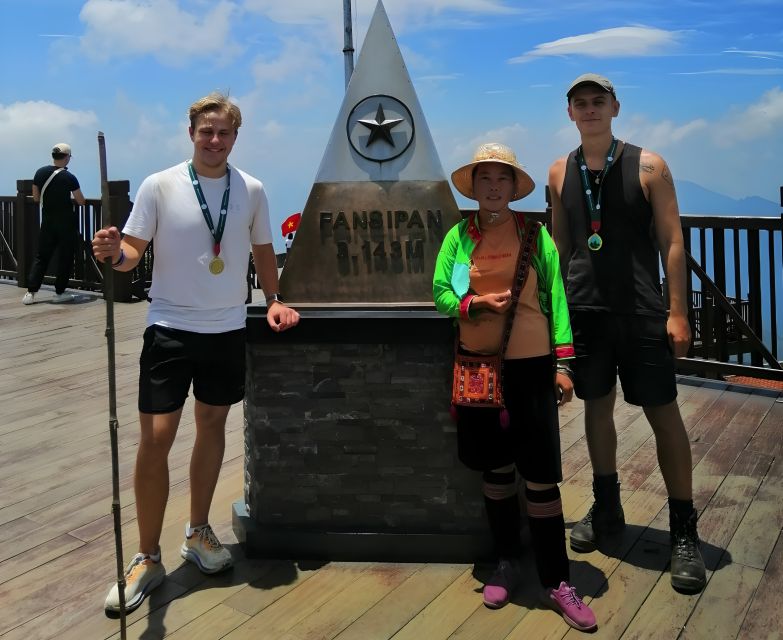
- The summit comes by foot: This is the trekking route, not a cable car ride. A cable car ticket costs an extra 737,000 VND if you choose that option.
- The day starts early: Meet in central Sapa at 5:30 am, with a return to town planned for about 4:30 pm.
- The forest is part of the reward: You walk among centuries-old pine trees and fields of yellow bamboo before the summit push.
- The guide matters: English and Vietnamese guiding is available, and strong guidance is especially useful in rain or on steep ground.
- Pack for changing weather: Bring sunscreen, a hat, hiking shoes, and clothing for wet and cooler conditions.
- Lunch is functional, not a highlight: One published rating praised the guide and mountain but called the food poor, so consider carrying extra snacks.
What this Fansipan day trek is really like
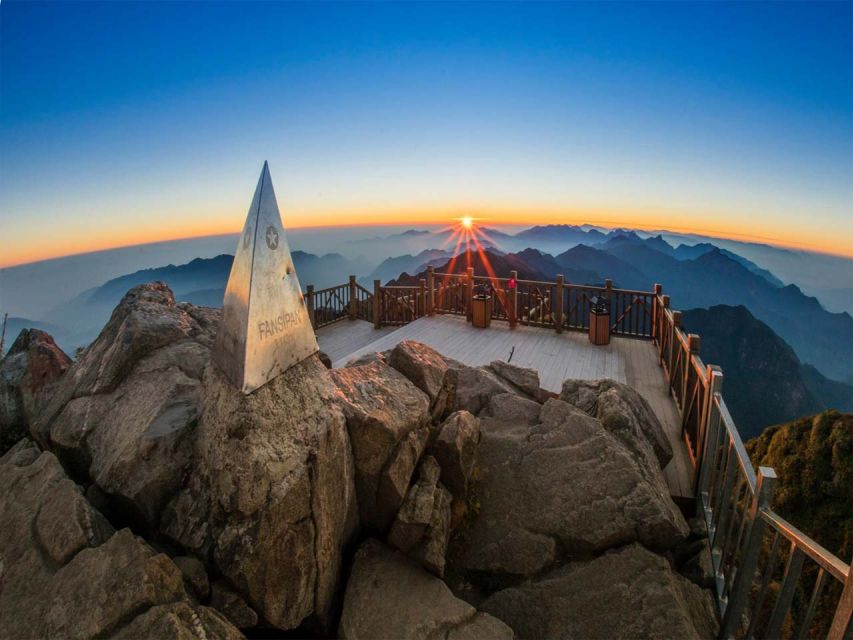
Fansipan rises to 3,143 meters and is known as the highest mountain in Indochina. The appeal is not simply collecting a summit photograph. You get a full mountain day, with the physical effort, changing weather, forest trail, and final sense of achievement all included.
This route suits you if you want to climb rather than ride. The cable car offers a much easier way to reach the upper mountain, but it cannot give you the same feeling of earning the summit step by step. Here, the climb is the experience.
The tour costs $104 per person. That price includes transport from Sapa and back, a local guide who speaks English, a one-liter bottle of water, and entrance tickets for the tourist area. It does not include personal spending, drinks, trekking equipment, food beyond what is provided, or the optional alternate descent route.
I see the value mainly in the guide and logistics. A one-day mountain trip can become awkward if you must arrange transport, entrance access, and the return journey yourself. The value is less convincing if you already have gear, know the route, and prefer to walk independently.
A few more treks around Sa Pa worth a look
- From Sapa: 1-Day Guided Trek to Lao Chai & Ta Van with Lunch
★ 4.9 · 416 reviews - Sapa 1 Day Long Trek: Trek to Hau Thao and Sa Seng Villages
★ 4.6 · 344 reviews - 1-day Authentik trek & Panorama valley views
★ 5.0 · 189 reviews
A 5:30 am start from central Sapa
The meeting point is in the center of Sapa, with a reception area where you give your name and receive directions. The early start is practical. It gives you the full day for the climb and leaves enough time for the return to town.
You meet the group and local guide before traveling toward the mountain. The group can include up to 10 people, so you should expect a shared pace rather than a private mountain schedule. A smaller group is still useful here because steep trails and weather changes call for regular communication.
Wear your hiking shoes from the start. Do not treat the opening hours as a warm-up stroll. You have a long day ahead, and comfortable boots with strong grip can make the difference between steady progress and tiring, slippery steps.
Pine forest and yellow bamboo at the lower elevations
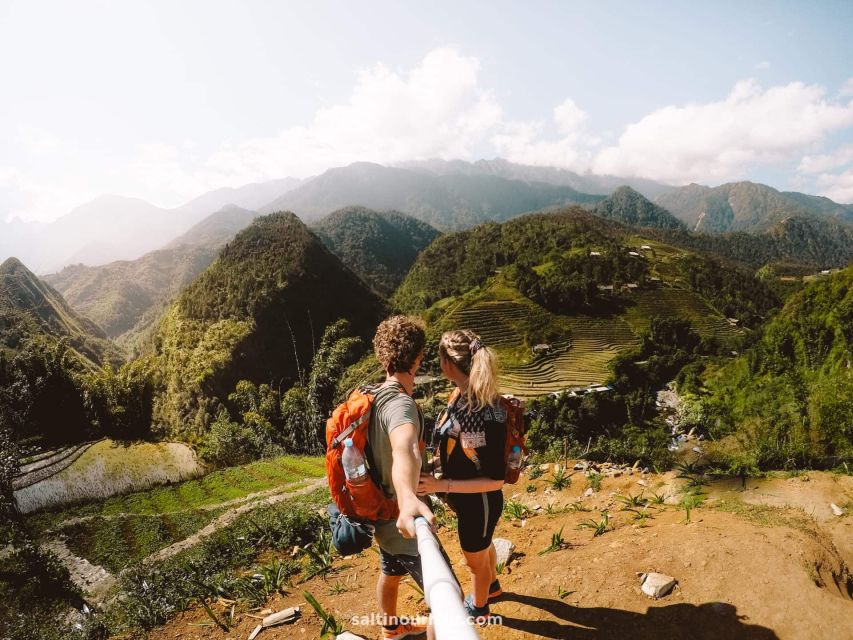
The first major section passes through primary forest. Centuries-old pine trees and yellow bamboo give the route a much more natural setting than a simple stairway to a viewpoint.
This is one of the best parts for you if you enjoy the walk itself. The trees provide a sense of scale, while the bamboo adds a distinctive mountain texture. You are not just ticking off distance. You are moving through a changing highland environment on the way to the summit.
The word untouched should not lead you to expect an easy wilderness walk. The route includes challenging ground and steep ascents. Your guide will direct the group along the proper paths, and you need to stay alert, especially if the trail is wet.
One person who completed the climb described heavy rain at the beginning and poor conditions underfoot. That is a useful warning. Sapa’s mountain weather can make a hard route much harder, so pack for more than one season. A dry forecast is not a promise of dry ground.
The 2,600-meter breakfast stop
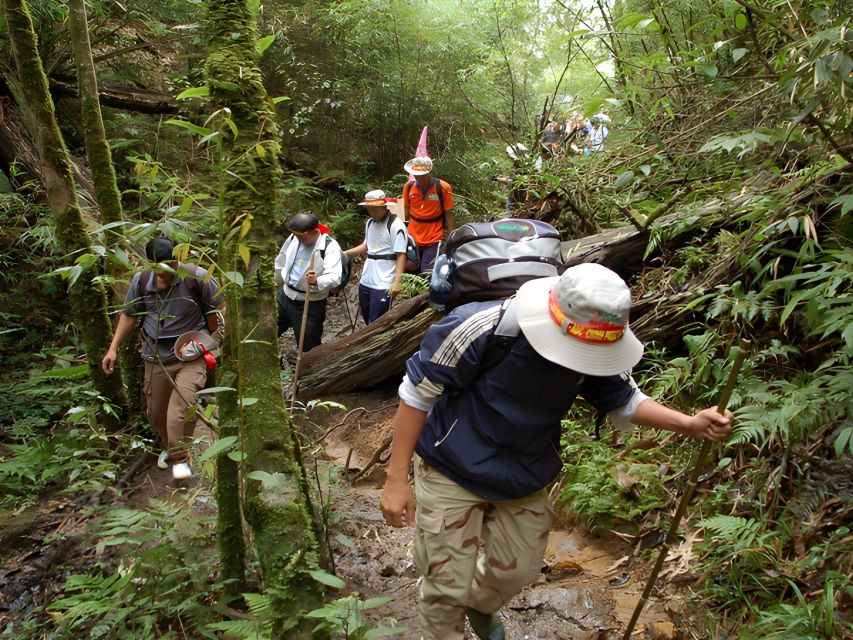
At about 2,600 meters, you pause for breakfast and a 25-minute rest. This break has a practical purpose: eat, drink, check your layers, and let your legs settle before the final climb.
Do not rush through this stop. The upper section is where the route becomes more demanding, and a short reset can help you manage the effort. Use the time to adjust your shoelaces, apply sunscreen, and make sure your water is easy to reach.
Food is one area where expectations should stay modest. A published rating praised the mountain and guide but described the food as poor. I would treat the included meal as fuel rather than a special dining moment and carry extra snacks you know you will eat.
The included water is one liter per person. That is useful, but you should think carefully about your own needs during a full day of exertion. Personal drinks and expenses are not included, so bring or budget for anything extra you want.
Same trailhead, a different route:
- Sa Pa: Muong Hoa Valley Trek and Local Ethnic Villages
★ 4.6 · 864 reviews - Sapa: Eco Adventure Terrace Fields and Local Villages Trek
★ 4.9 · 636 reviews - Number one top rated ethical cultural trekking and homestay by ETHOS
★ 5.0 · 456 reviews - Sa Pa Full Day Trekking Tour
★ 5.0 · 414 reviews
The final climb to Fansipan’s 3,143-meter summit
After the break, you continue upward. The final section is the heart of the trip. You are climbing toward the highest point in Indochina, and the effort becomes more noticeable as the ground rises.
This is where a good guide earns the fee. One strong account of the trip credited the guide’s help and route knowledge with making the summit and return possible in one day. The same account described rain and difficult conditions, yet still found the day deeply rewarding.
Your guide can help set a workable pace, explain what comes next, and keep the group moving safely. You still have to do the climbing yourself. The tour is guided, not assisted in the sense of being easy.
Plan for a demanding day rather than a casual walk. The operator says you need good physical fitness and stamina, with long hours of hiking, steep ascents, and rough ground. People with heart problems, pregnant women, and children under 15 should not book this activity. It is also not suitable for people over 95 years old.
Noon at the summit, with time for lunch and photographs
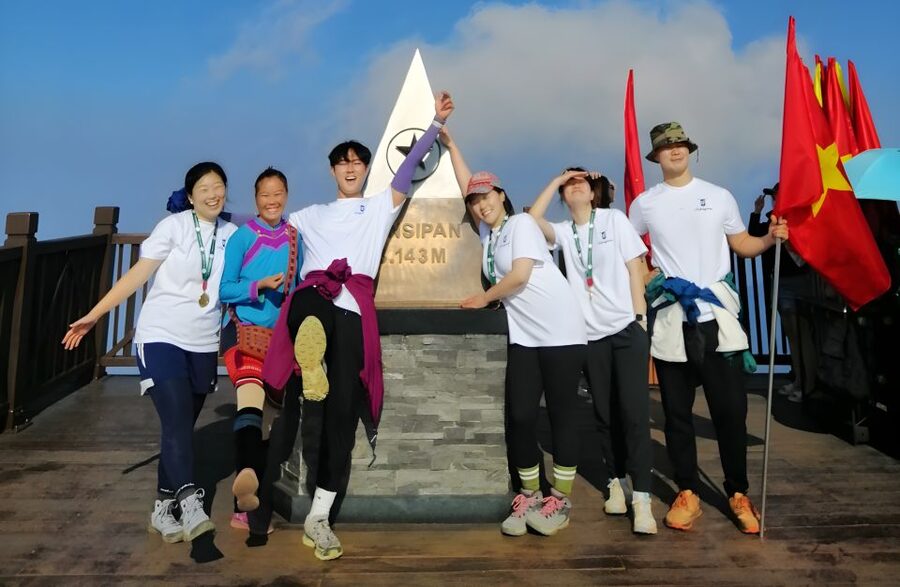
The schedule aims to reach the summit around noon. Once you arrive, you have about 40 minutes for lunch, photographs, and time at the top.
The summit gives you the main visual reward of the day. On a clear day, you can look across the surrounding mountain scenery from Vietnam’s highest point. Weather can alter that view, however. Clouds, mist, or rain may limit what you see, so the accomplishment itself should matter as much as the photograph.
Forty minutes is enough for a meal and a few pictures, but it is not an unlimited summit stay. You need to keep an eye on the group’s departure time. The mountain day is planned around getting back down before the afternoon is too far along.
Take care with your phone and camera. Rain is possible, and mountain weather can change quickly. A waterproof bag or simple protective cover is a sensible addition, even though it is not listed among the included items.
The descent follows the same route back
After lunch and photographs, you return by the same route. Going down is not automatically easy. Tired legs, wet roots, steep steps, and loose or uneven ground can all make the descent demanding.
This is also the point where proper shoes matter most. A person who completed the route advised bringing comfortable shoes or boots with good grip, and that is exactly the advice I would follow. Smooth soles are a poor match for a rainy mountain trail.
An optional alternate descent route is not included. If you want that choice, check the extra cost and arrangements before booking. The standard plan is straightforward: descend by the same route and return to the mountain base.
Keep some energy in reserve for the way down. It is tempting to spend everything on the summit push, but you still have hours of walking ahead. Follow your guide’s instructions, stay on the marked route, and take care with each step.
A car back to Sapa around 4:30 pm
At the base, a comfortable car waits to take you back to Sapa. The planned return is around 4:30 pm, though mountain conditions and group pace can affect the day.
This final transfer is a real convenience. After a full ascent and descent, you do not need to arrange a taxi or work out how to reach town. The activity ends back at the same central meeting point.
You should keep the evening light. The itinerary is long, and even a strong walker may want a shower, food, and rest after returning. Do not schedule an important evening departure too tightly around the stated return time.
What is included, and what you still need
The package covers the core services needed for the day:
- Car pickup in both directions
- One-liter water bottle per person
- Tourist-area entrance tickets
- Local English-speaking guide
- English and Vietnamese language support
- Travel insurance coverage during the trek
You need to provide your own personal trekking equipment. Bring hiking shoes, sunscreen, and a hat at minimum. Since the route can be wet, add practical rain protection and a small bag for keeping valuables dry, though those items are not specifically included.
Drinks and personal expenses are extra. Food quality may not suit everyone, so carrying familiar snacks is sensible. If you want to descend by an alternate route, that option also costs extra.
The cable car is not part of the $104 price. The listed ticket price is 737,000 VND. That matters because some people may book this activity expecting a ride to be included. The main tour price is for the trekking experience.
Safety, fitness, and weather
The operator provides travel insurance coverage for customers during the trek, but insurance does not remove the need to judge your own fitness. You should tell the operator about medical conditions, allergies, or dietary restrictions before the activity.
Rain is more than a minor nuisance on this route. It can reduce grip, affect visibility, and make the descent slower. Pack for sun and rain, and avoid treating the weather as an afterthought.
Follow the guide’s instructions and stay on designated paths. The route includes rugged terrain and steep climbs, so rushing for a photograph is not worth a fall. If you begin to feel unwell, tell the guide early rather than waiting until the problem grows.
The small group format helps with communication, but it does not turn a demanding hike into an easy one. You should book this only if you can manage long hours on foot and are comfortable with a physically strenuous day.
Who should book this Fansipan experience
I would recommend this trek to fit hikers who want a full mountain challenge and have only one day available from Sapa. It is also a good match for people who value a local guide, included transport, and a clear plan rather than arranging every detail alone.
It may suit you if reaching the summit under your own power matters more than comfort. The forest route, early start, summit lunch, and return drive create a focused day with little wasted time.
I would not choose it for a relaxed holiday outing, a first-ever hike, or anyone hoping for a scenic ride with minimal effort. Children under 15, pregnant women, people with heart problems, and people over 95 should not participate under the stated restrictions.
The published score is 4 out of 5 from four ratings. The strongest points are the guide, the sense of achievement, and the mountain scenery. The clearest criticism concerns the food, so plan around that rather than expecting lunch to be a highlight.
Should you book this one-day Fansipan climb?
Book it if you want the satisfaction of walking to Indochina’s highest summit and you are prepared for steep, wet, tiring conditions. The English-speaking local guide, small group, included transport, entrance ticket, and insurance coverage make the $104 price reasonable for a tightly organized day.
Skip it if you want an easy Fansipan visit or dislike early starts and uncertain weather. In that case, the cable car may be more suitable, but its 737,000 VND ticket is separate and does not provide the same physical achievement.
My practical advice is simple: bring grippy boots, sun protection, rain protection, extra snacks, and enough patience for a long day. If you arrive ready for hard work rather than a soft adventure, this can be one of the most satisfying days you spend in Sapa.
FAQ
How long does the Fansipan trek take?
The activity lasts one day. The planned schedule starts at 5:30 am and returns to Sapa at about 4:30 pm.
Where does the tour begin?
You meet at a central meeting point in Sapa. Go to the reception area, give your name, and follow the instructions for the group departure.
What height does the trek reach?
The route reaches Fansipan’s summit at 3,143 meters.
Is the cable car included?
No. The cable car ticket is separate and listed at 737,000 VND.
How many people are in the group?
The tour uses a small group format with a maximum of 10 participants.
Is an English-speaking guide provided?
Yes. A local guide is provided, with English and Vietnamese language support available.
What should I bring?
Bring sunscreen, hiking shoes, and a hat. Because rain is possible and the terrain can be difficult, practical wet-weather clothing and extra snacks are also sensible personal additions.
Is food included?
The itinerary includes a breakfast stop at 2,600 meters and a lunch break at the summit. Drinks and personal expenses are not included.
Can I cancel the booking?
Yes. You can cancel up to 24 hours in advance for a full refund. Reserve-now, pay-later booking is also available.
Just added around Sa Pa
- Sapa: Private The Most Beautiful Terraced Fields Trekking★ 4.8 · 42 reviews
- Soob Sapa Trekking Tour★ 4.3 · 3 reviews
- Sapa Trekking – Waterfalls And H’mong Villages★ 5.0 · 2 reviews
- Sapa3D2N TrekkingAdventures,Valleys,Bambooforest,Waterfall★ 4.8 · 24 reviews
- Sapa: Trekking Through Terraced Rice Fields & Valley 1 Day★ 4.8 · 4 reviews
- Sapa: Trekking Sapa One Day With Group Tour★ 4.7 · 55 reviews
- Sapa Trekking Private Tour With Ethnic Female Tour Guide★ 4.9 · 24 reviews
- Sapa: Y Linh Ho – Lao Chai, and Ta Van Trekking Day Tour★ 5.0 · 25 reviews
Sapa Trekking Tours, compared.
Muong Hoa Valley Trek and Local Ethnic Villages
Read our review →
Eco Adventure Terrace Fields and Local Villages Trek
Read our review →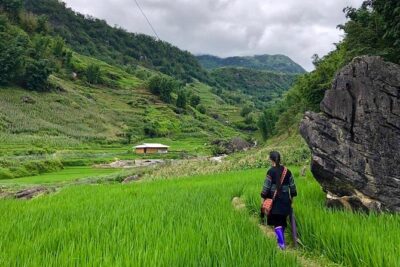
Number one top rated ethical cultural trekking and homestay by ETHOS
Read our review →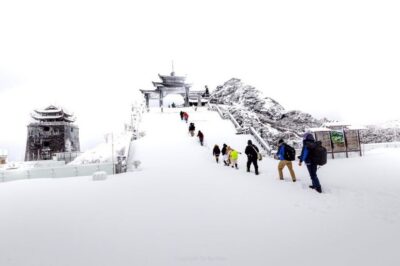
1-Day Guided Trek to Lao Chai & Ta Van with Lunch
Read our review →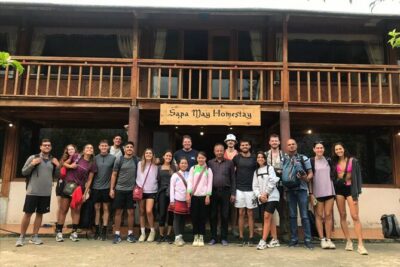
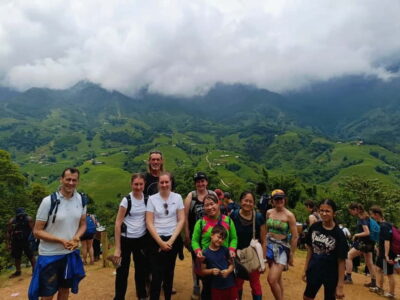
Sapa 1 Day Long Trek: Trek to Hau Thao and Sa Seng Villages
Read our review →
Explore Sapa by TrekkingAdventures, Mountain,Rice fields
Read our review →
EXPLORE SAPA: 2D1N TREKKING & HMONG CULTURE WITH DINH
Read our review →Browse the lists this trek appears in