
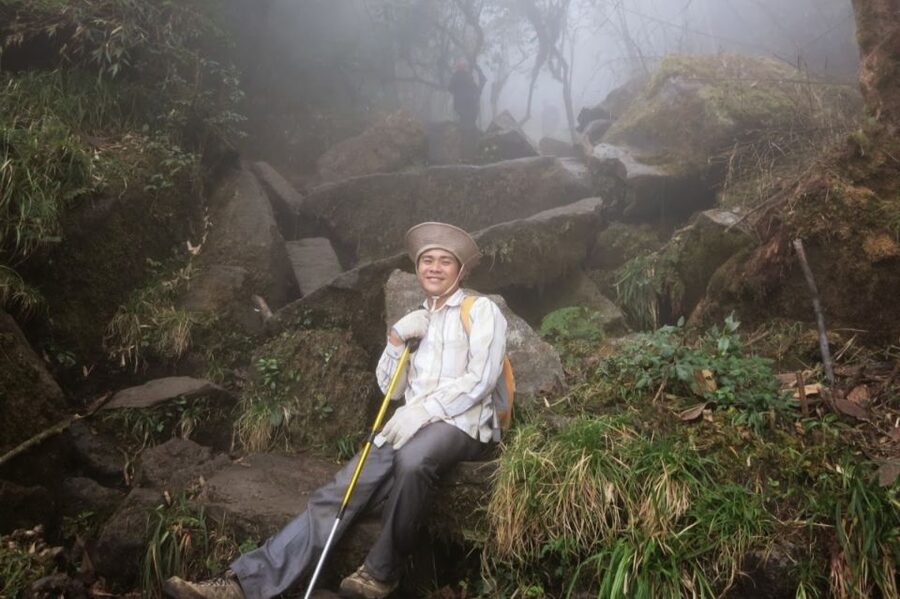
Review · SAPA
2-Day Fansipan Mountain Trek – Indochina’s Highest Peak
Fansipan gives you a proper mountain day, not a quick cable-car photo stop. Over two days, you walk from Tram Ton Pass through pine, bamboo, streams, and rocky upper slopes to Vietnam’s highest point at 3,143 meters. The reward comes early on day two, when the sun rises above the clouds and the valleys of Sa Pa and Lai Chau open below you.
I like the way the tour keeps the climb simple: a local guide leads, a porter from the Black Mong community carries food and sleeping gear, and your meals are cooked along the route. I also like the quiet timing. Reaching the summit around 7:30 AM can mean far fewer people than the cable-car crowds later in the day.
This is not a gentle walk in the hills. The full route covers about 26 kilometers, with steep sections, boulders, steps, and ladders. The sleeping arrangements are basic, nighttime temperatures can fall to around zero degrees, and the included water supply is only 1.5 liters per day, so you need to prepare properly.
Key points to know before booking
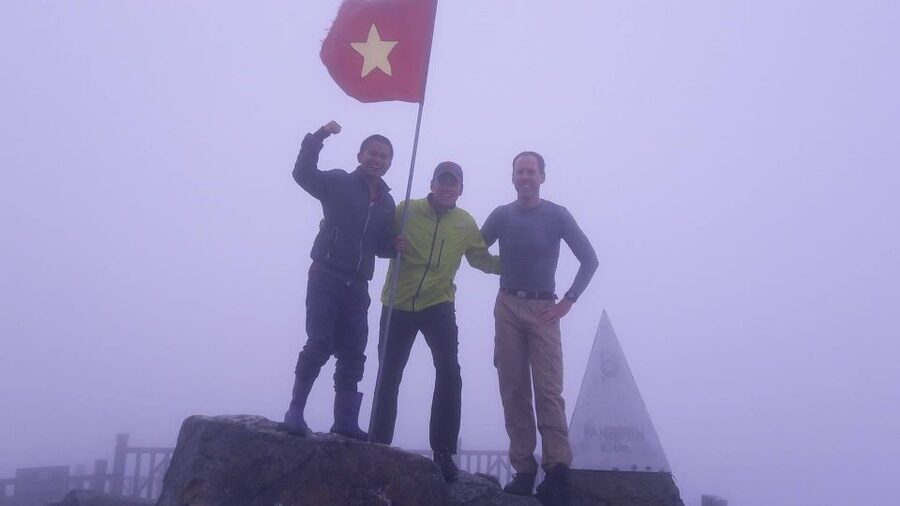
- Sunrise at 3,143 meters: Reach Fansipan’s summit around 7:30 AM, with views toward Sa Pa, Lai Chau, and possibly Yunnan in China.
- A real two-day mountain trek: Expect roughly 26 kilometers over steep, uneven ground rather than a relaxed nature walk.
- Local support on the trail: An English-speaking guide leads the hike, while a Black Mong porter carries food and sleeping bags.
- Basic overnight stop: You sleep in a hut or tent at about 2,800 meters, with a sleeping bag and simple camp conditions.
- Meals are part of the value: The package includes two lunches, dinner, breakfast, water, permits, transport, and hot showers.
- Cable car backup: If your legs give out, your guide can arrange a descent by cable car for an extra 700,000 VND.
Why this Fansipan trek is different from the cable car
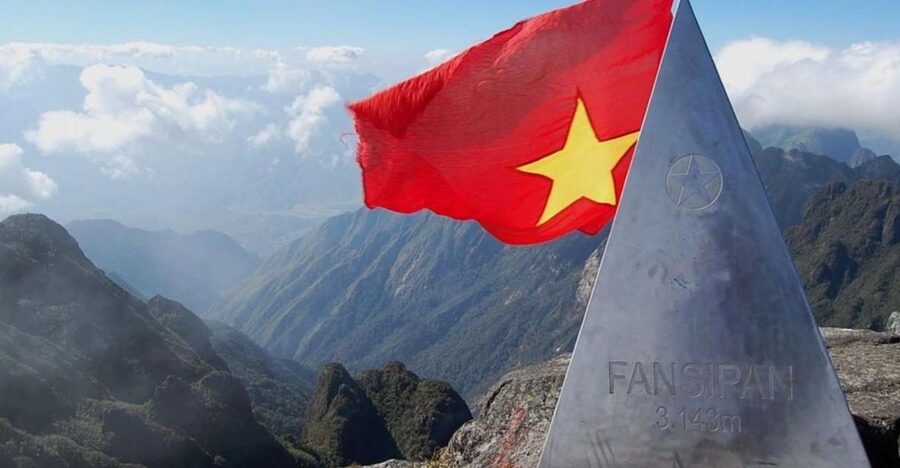
Fansipan is now easy to reach by cable car, but that convenience changes the experience. The cable car gets you near the summit without the forest walk, the cold overnight stop, or the slow gain in altitude. This two-day route is for you if standing on the highest point matters less than earning it step by step.
The first day takes you away from Sa Pa and into the mountain’s quieter side. You pass through pine and bamboo forest, cross streams, and watch the vegetation change as you climb. Your guide can also explain the Black Mong, Red Dao, and Dzay communities who live around Sa Pa, giving the walk a human side as well as a scenic one.
The summit itself is only part of the story. You get a picnic lunch on the trail, an evening at a high camp, an early breakfast, and the changing views that come with walking through several elevations. If you enjoy mountain routes for their rhythm and effort, this is much more satisfying than riding up for a short visit.
A few more treks around Sa Pa worth a look
- EXPLORE SAPA: 2D1N TREKKING & HMONG CULTURE WITH DINH
★ 4.9 · 191 reviews - Sa Pa: 2-Day Trekking Trip with Ethnic Minority Homestay
★ 4.7 · 145 reviews - Sapa : 2-Day Trek & Heartwarming Homestay with an Ethnic Family
★ 5.0 · 143 reviews
Starting in Sa Pa and storing your luggage
The meeting point is the Vietnam Nomadtrails office at No. 013 Tue Tinh Street in Sa Pa. The schedule says you are welcomed at 7:00 AM for a hot shower and a place to leave large luggage, while the meeting information gives 8:00 AM as the meeting time. I would confirm the exact arrival time before setting out, since the two times differ.
That luggage storage is useful. You should carry only what you need for two days, not your full Sa Pa or Hanoi bag. The porter carries food and sleeping bags, but the information does not promise that every personal item will be carried, so pack light and keep your own water, warm layer, rain protection, and essentials with you.
You have some free time in Sa Pa before the drive to Tram Ton Pass. The route then begins at about 9:00 AM, according to the day-one schedule. Transport to the trailhead and back to Sa Pa is included, which removes the need to arrange a separate mountain transfer.
Day one: Tram Ton Pass to the 2,800-meter camp
The walk begins at Tram Ton Pass. This is the practical starting point for the ascent, and from here the route climbs steadily toward the overnight camp. You are not walking straight onto a paved summit path. The route passes through forest, bamboo, streams, and steeper mountain ground.
The first main pause comes around noon at roughly 2,200 meters. Your guide and porter provide a picnic lunch, giving you time to eat and recover before the harder afternoon section. This break matters because the day is not finished after lunch. You still need to climb another 600 meters to the sleeping point.
The afternoon route reaches the camp around 4:00 PM. You can rest or look around while the guide and porter prepare dinner. Dinner is scheduled for 6:30 PM, followed by an early night because breakfast starts at 5:00 AM.
The local support is one of the strongest parts of the arrangement. The porter from the Black Mong community carries the food and sleeping bags, leaving you to manage your daypack and climb. Guides named Sinh and Cha have led some departures, and the best guide style here is active rather than distant: stopping to check your condition, pointing out places of interest, taking photos, and answering questions about the area.
Food also gets unusually strong praise in the supplied feedback. Meals include lunch, dinner, and breakfast, and one account describes several different dishes prepared by the guide. Do not expect restaurant service at 2,800 meters, but you can reasonably expect warm, substantial food in very simple conditions.
Sleeping at 2,800 meters in basic conditions
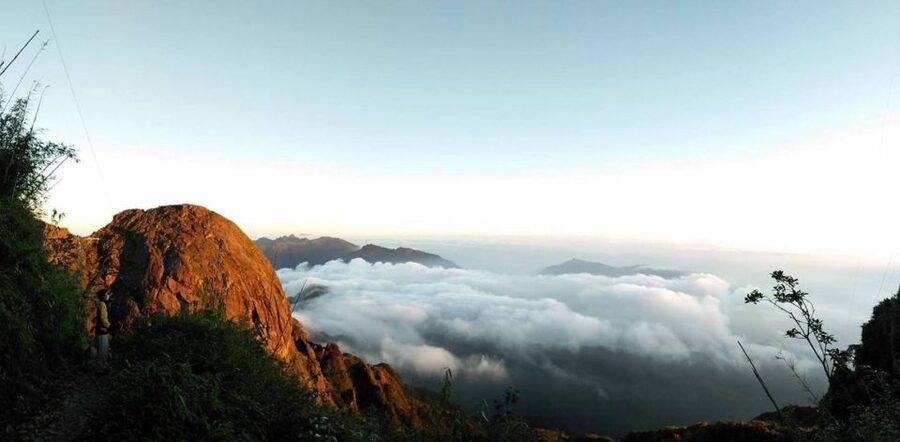
The overnight accommodation may be a hut or tent, with a sleeping bag included. This is mountain shelter, not a comfortable hotel room. Conditions at the base camp have been described as unorganized at times, although the staff still treated hikers well.
Cold is the bigger concern. Night temperatures have dropped to around zero degrees, and at least one sleeping bag was not warm enough without extra blankets. Bring a thermal base layer, warm socks, a hat, and a compact insulating layer if you own one. A dry change of clothes for sleeping can make a major difference.
The camp may also be noisy when other people arrive or move around while you are sleeping. That is not something the tour operator fully controls, but earplugs may help. The early start and cold night are part of the price of reaching the summit before the cable-car crowds.
Same trailhead, a different route:
- Sa Pa: Muong Hoa Valley Trek and Local Ethnic Villages
★ 4.6 · 864 reviews - Sapa: Eco Adventure Terrace Fields and Local Villages Trek
★ 4.9 · 636 reviews - Number one top rated ethical cultural trekking and homestay by ETHOS
★ 5.0 · 456 reviews - From Sapa: 1-Day Guided Trek to Lao Chai & Ta Van with Lunch
★ 4.9 · 416 reviews
Day two: the final climb before sunrise
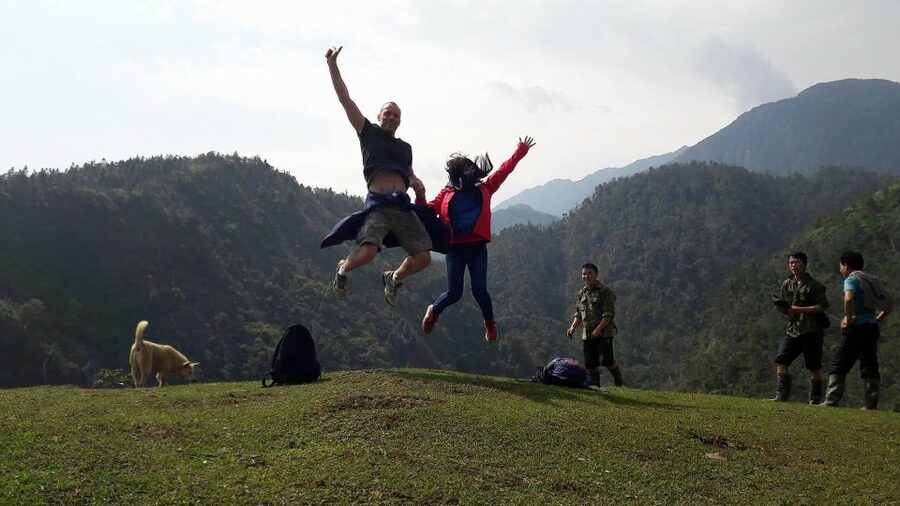
Breakfast comes at 5:00 AM, with hot tea or coffee. From camp, the trail climbs through bamboo forest toward thinner vegetation and more exposed ground. The upper section is described as steep, with boulders, steps, and ladders. Your legs will already be tired, so this is where a steady pace matters more than speed.
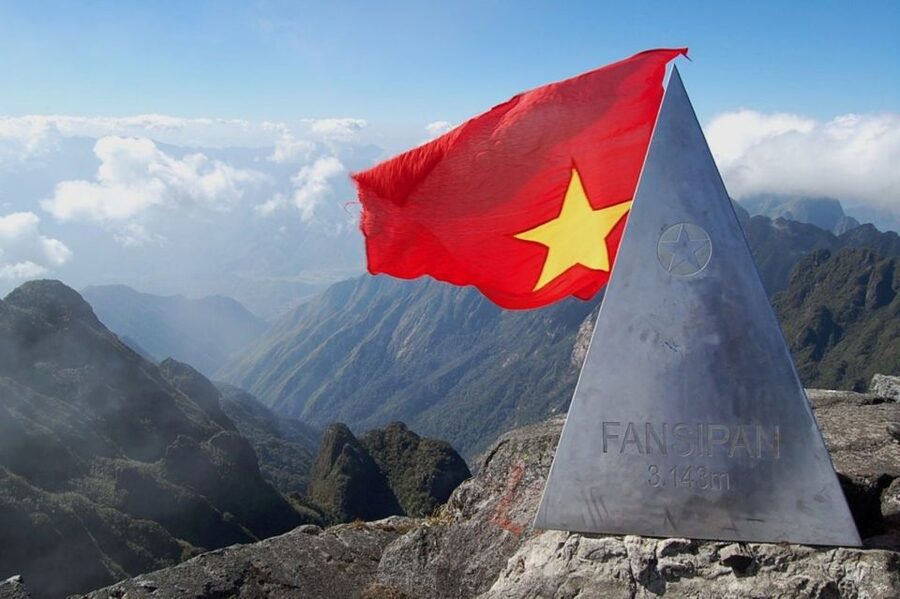
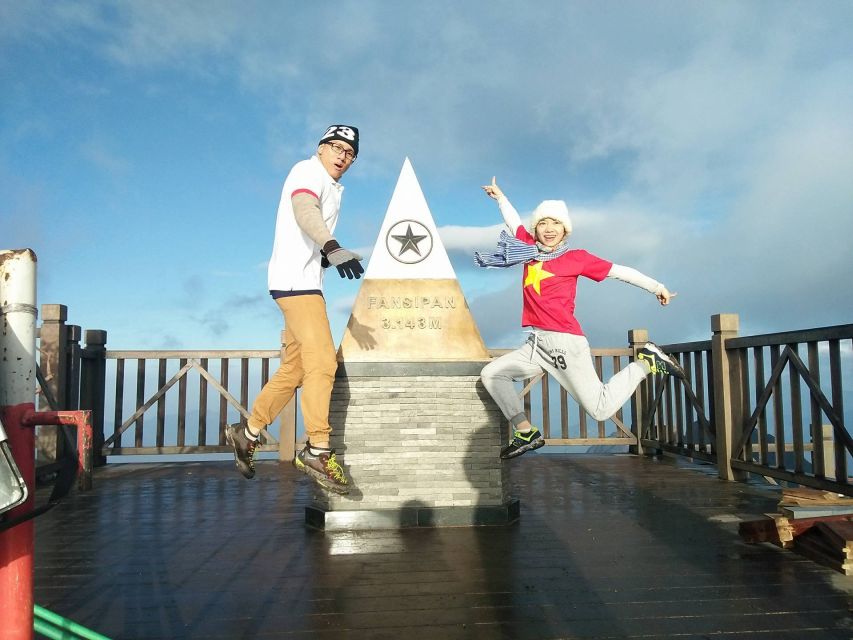
You are scheduled to reach the summit at about 7:30 AM. At 3,143 meters, Fansipan is the highest point in Vietnam and the highest peak in Indochina. On a clear morning, you can look over the valleys of Sa Pa and Lai Chau, with a chance of seeing mountains in Yunnan, China.
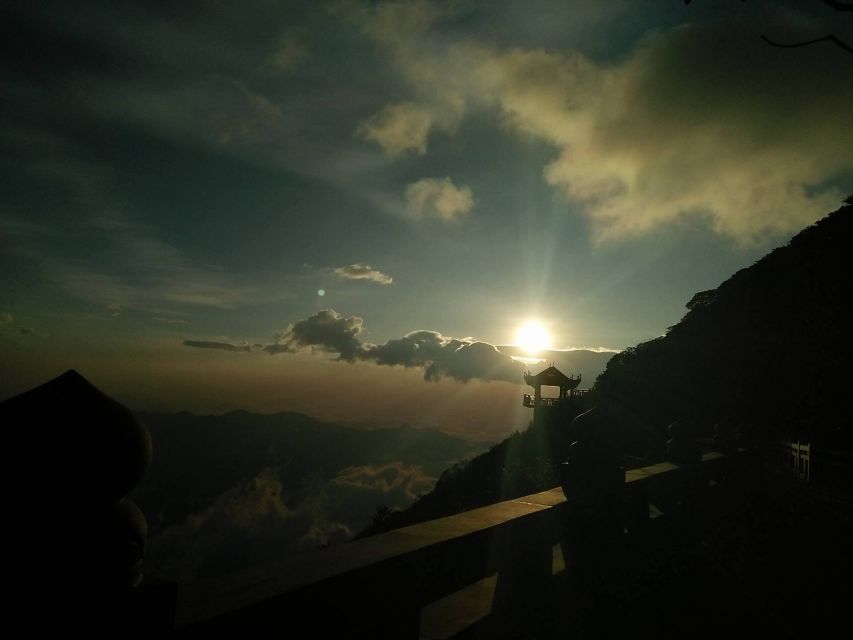
Sunrise is the emotional payoff. The valley can sit beneath a layer of cloud as the light spreads across the ridges. Conditions are never guaranteed in the mountains, but the early timing gives you the best chance of seeing the upper slopes before later crowds and weather changes.
After about half an hour at the top, the descent begins around 8:00 AM. The return is not automatically easy. Going down steep ground on tired legs can be harder than climbing it, especially over steps, rock, and ladders.
The descent, lunch, and return to Sa Pa
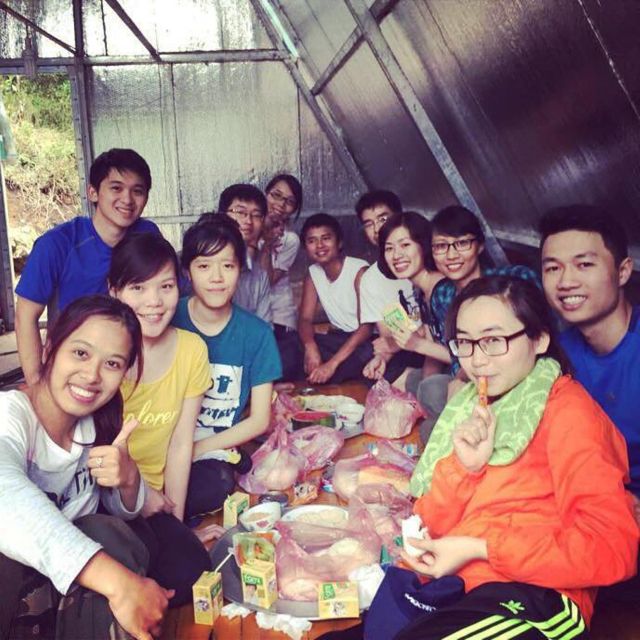
A picnic lunch is served on the way back to Tram Ton. You should reach the road between 3:30 and 4:30 PM, where a car takes you back to Sa Pa. A hot shower at the office is included at the end, which will feel especially welcome after two days outdoors.
If the descent becomes too much, ask the guide about the cable car. The additional cost is listed as 700,000 VND, while the standard cable-car ticket is also listed separately at 800,000 VND. Since the information gives two different figures, confirm the current price before relying on this backup.
Transport onward to Hanoi is not included. After your shower, you arrange and pay for your own bus or train from Sa Pa. Build that connection carefully. The trek can finish as late as 4:30 PM, and tired legs are not a good reason to make a tight same-day departure.
What the $120 price really covers
At $120 per person, the price is strong if you want a guided climb rather than a self-arranged hike. It includes an English-speaking guide, permits and entrance fees, transport to and from Tram Ton, two lunches, one dinner, one breakfast, 1.5 liters of water per day, a porter, a sleeping bag, basic accommodation, and hot showers before and after.
That package saves you from arranging several separate pieces. A guide and porter are particularly useful on a steep route where food and sleeping gear add weight. The meals also remove the need to carry two days of provisions.
The price does not include drinks beyond the stated water, insurance, VAT, onward transport to Hanoi, or the cable car. A single traveler pays $230 for a private tour, which is a major increase over the shared per-person price. There is also a listed Lunar New Year surcharge of $70 per person for departures from January 26 to February 2, 2025. Since those dates are specific to the stated season, check the current surcharge when booking.
The cancellation terms are flexible: you can cancel up to 24 hours ahead for a full refund, and you can reserve now and pay later. Those terms are useful for a mountain trip, since weather and your own condition matter.
How hard is the 26-kilometer route?
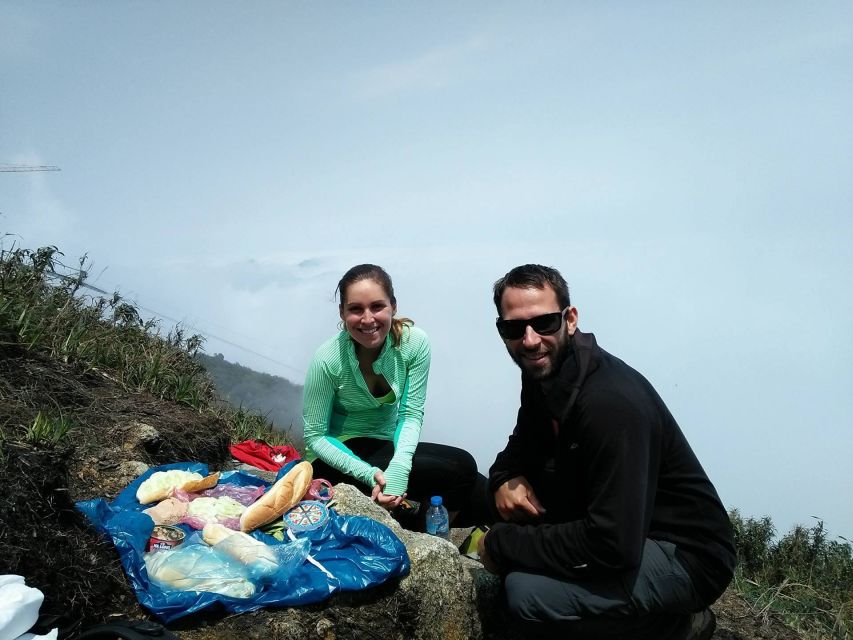
The route is best for people who already feel comfortable with long, steep walks. The total distance is about 26 kilometers, spread over two days, with the summit push starting before dawn. You need balance and sure footing for the rocky sections, ladders, and steps.
The tour is not suitable for children under 17 or people with disabilities. Elderly people are advised not to take the long trek. A 60-year-old father and adult child completed the route together, showing that age alone does not decide the matter, but the climb still demands honest fitness and preparation.
You should tell the operator about allergies or vegetarian food needs before departure. Carry extra water if you normally drink more than 1.5 liters daily, but do not overload your pack. The porter carries food and sleeping bags, not every item you bring.
What the strongest parts of the experience are
The guides are central to the quality of the trip. Sinh has been singled out for making the climb memorable, and Cha has been described as friendly, patient, and able to answer questions while handling steep sections with ease. The guide’s attention matters more than a polished camp because you spend many hours walking together.
The food is another real strength. Warm meals cooked in rustic conditions can turn a cold camp into a pleasant evening, and the route includes enough food to avoid carrying your own full supply. Tell the operator about dietary needs early.
The sunrise arrival is the main prize. Reaching the top with very few people around, then seeing a cloud-covered valley catch the morning light, is the sort of mountain moment that justifies the effort. It also gives this trek an advantage over a later cable-car visit.
The weak points are practical rather than surprising: basic accommodation, possible cold, a demanding descent, and some uncertainty around camp organization. English ability may also vary among the guide and porter team. Your main guide may explain the route well, but the porter may not speak much English.
Who should book this Fansipan trek?
I would choose this trip if you want a genuine two-day climb, value local guiding, and accept simple sleeping conditions. It suits fit adults who enjoy long walks and do not need hotel comfort at the end of every day.
I would not choose it if your main goal is simply to see the summit. The cable car is far better for a quick visit, and you can avoid the overnight cold and the 26-kilometer return route. I would also think twice if you have a tight onward schedule from Sa Pa, since the descent can finish as late as 4:30 PM.
Pack warm layers, rain protection, sturdy shoes, a small daypack, personal snacks, and earplugs. Confirm the meeting time, cable-car price, sleeping arrangements, and current seasonal surcharge before paying. Those small checks will make the $120 package easier to judge.
Should you book it?
Book this Fansipan trek if the effort is part of the appeal. The local guide, porter support, included meals, forest route, and sunrise summit make it good value for a serious but short mountain adventure.
Skip it if you dislike steep trails, basic camps, cold nights, or uncertain mountain weather. For the right walker, the sunrise at 3,143 meters is worth the hard descent. For everyone else, the cable car is the more sensible choice.
FAQ
How long is the Fansipan trek?
The full trek is about 26 kilometers over two days. It begins at Tram Ton Pass, reaches the summit on the second morning, and returns to Tram Ton later that day.
What time does the tour start?
The schedule says you are welcomed at the office at 7:00 AM for a shower and luggage storage, while the meeting information lists 8:00 AM. The drive to Tram Ton is scheduled for about 9:00 AM. Confirm the exact time with the operator.
Where is the meeting point?
The meeting point is the Vietnam Nomadtrails office at No. 013 Tue Tinh Street in Sa Pa, Lao Cai, Vietnam.
What meals are included?
The package includes two lunches, one dinner, and one breakfast. It also includes 1.5 liters of water per day. Inform the operator about allergies or vegetarian food needs.
Is accommodation included?
Yes. The package includes a sleeping bag and accommodation in a hut or tent near 2,800 meters. Conditions are basic, and nighttime temperatures can reach around zero degrees.
Can I take the cable car down?
Yes. If you become too tired, you can ask the guide to arrange a cable-car descent. An additional fee of 700,000 VND is listed for this option, so confirm the current price.
Is transport to Hanoi included?
No. The tour returns you to the Sa Pa meeting point, where you can shower. Your bus or train from Sa Pa to Hanoi must be arranged and paid for separately.
Just added around Sa Pa
- Sapa: Private The Most Beautiful Terraced Fields Trekking★ 4.8 · 42 reviews
- Soob Sapa Trekking Tour★ 4.3 · 3 reviews
- Sapa Trekking – Waterfalls And H’mong Villages★ 5.0 · 2 reviews
- Sapa3D2N TrekkingAdventures,Valleys,Bambooforest,Waterfall★ 4.8 · 24 reviews
- Sapa: Trekking Through Terraced Rice Fields & Valley 1 Day★ 4.8 · 4 reviews
- Sapa: Trekking Sapa One Day With Group Tour★ 4.7 · 55 reviews
- Sapa Trekking Private Tour With Ethnic Female Tour Guide★ 4.9 · 24 reviews
- Sapa: Y Linh Ho – Lao Chai, and Ta Van Trekking Day Tour★ 5.0 · 25 reviews
Sapa Trekking Tours, compared.
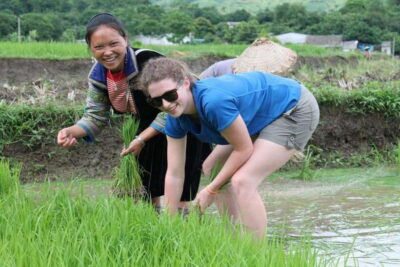
Muong Hoa Valley Trek and Local Ethnic Villages
Read our review →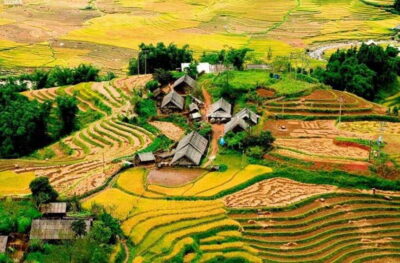
Eco Adventure Terrace Fields and Local Villages Trek
Read our review →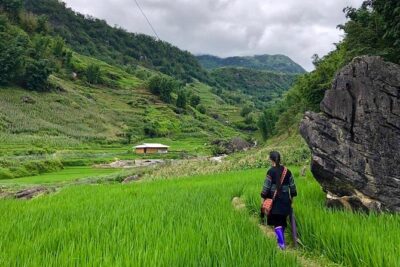
Number one top rated ethical cultural trekking and homestay by ETHOS
Read our review →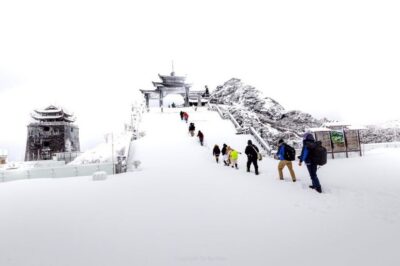
1-Day Guided Trek to Lao Chai & Ta Van with Lunch
Read our review →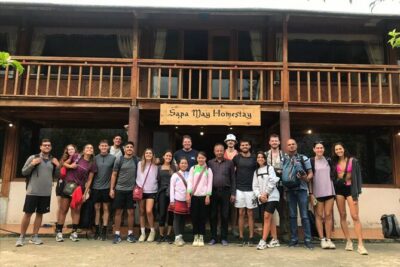
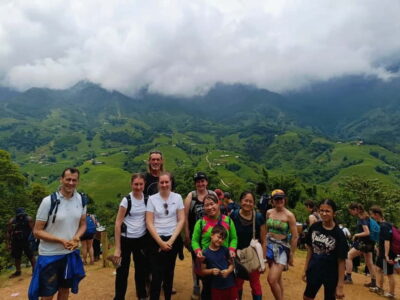
Sapa 1 Day Long Trek: Trek to Hau Thao and Sa Seng Villages
Read our review →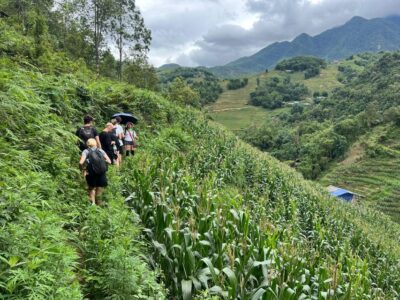
Explore Sapa by TrekkingAdventures, Mountain,Rice fields
Read our review →
EXPLORE SAPA: 2D1N TREKKING & HMONG CULTURE WITH DINH
Read our review →Browse the lists this trek appears in