
Review · SAPA
Sa Pa: Fansipan Peak One Day Trek with Local Guide
Fansipan is not a casual mountain walk. This is a serious one-day climb from Tram Ton Pass to Vietnam’s highest point, with 3,143 meters of altitude and forest trail underfoot. You get a local guide, lunch high on the mountain, park entry, water, transport from Sapa, and a certificate at the end.
I like the cardamom-scented forest and the chance to eat lunch at 2,800 meters, where a simple meal feels well earned. I also like the personal guiding. Binh is repeatedly praised for his patience, local knowledge, and calm help on the harder sections. The main catch is weather: fog can erase the summit views, and the cable car down costs extra.
Key points before you book
- A real mountain climb: You begin at Tram Ton Pass, about 2,000 meters above sea level, and walk uphill to Fansipan at 3,143 meters.
- Binh is a strong guide choice: He is described as friendly, attentive, experienced, and helpful on slippery or difficult stretches.
- Lunch at 2,800 meters: Your meal is served close to the summit, giving you a useful rest before the final ascent.
- Forest scenery changes with altitude: Expect giant pine trees, yellow bamboo, cardamom plants, and more open views as the vegetation thins.
- Weather can change the whole day: Rain, wind, clouds, and fog may make the trail harder and hide the views.
- The cable car is not included: You hike up and return to Tram Ton on foot unless you choose to pay separately for the ride down.
Starting in Sapa and reaching Tram Ton Pass
Your day begins with pickup at Sapa Church or another central location in Sapa. From there, a taxi takes you to Tram Ton Pass, about 2,000 meters above sea level. This transfer matters because it removes a long approach from the hike and places you directly at the trailhead.
The experience is built around the climb, not a sightseeing circuit. You are not spending the day moving between many stops. Instead, the route gives you one clear goal: walk from the pass through Hoang Lien National Park and reach the highest point in Vietnam.
The supplied transport covers the return journey between Sapa and Tram Ton. That is useful at the end of a demanding day, when your legs may have little interest in finding your own way back. A taxi handles the road section, while you and the guide handle the mountain on foot.
Before setting off, take a moment to check your shoes, water, jacket, and daypack. The tour includes a 1.5-liter bottle of water and a raincoat on rainy days, but you should still bring your own basic hiking gear. The recommended list includes a hat, sunscreen, warm jacket, comfortable clothes, and proper hiking shoes.
A few more treks around Sa Pa worth a look
- From Sapa: 1-Day Guided Trek to Lao Chai & Ta Van with Lunch
★ 4.9 · 416 reviews - Sapa 1 Day Long Trek: Trek to Hau Thao and Sa Seng Villages
★ 4.6 · 344 reviews - 1-day Authentik trek & Panorama valley views
★ 5.0 · 189 reviews
Pine, bamboo, and cardamom on the lower trail
The first part leads into forest, with tall trees and the distinct smell of cardamom around the path. This is one of the most appealing parts of the route because the mountain feels like a living place, not simply a staircase to a summit.
You will see giant pine trees, yellow bamboo, and cardamom plants as you gain height. The vegetation gives the climb a sense of progress. You begin among taller, denser growth, then reach areas where the plants are lower and the distance opens up.
After about two hours, the trail reaches bamboo forest. At this point, the vegetation starts to thin, and you may get clearer views into the surrounding mountains. The exact quality of those views depends heavily on the weather. On a clear day, this is the point where the climb begins to feel more rewarding. In fog, you may see little beyond the trail.
I would not book this trip only for guaranteed scenery. Fansipan weather is unpredictable, and fog can cover the mountain even when conditions in Sapa seem fine. The forest itself gives you something to enjoy in poor weather, but the broad views are never assured.
What the climb feels like at high altitude
This is a challenge for people with a good fitness level. The route involves walking through forest and climbing to high altitude, so you should expect sustained effort rather than a gentle country stroll.
The trail can also become very slippery. One part of the experience was described as tough and slippery, and that is important advice for your planning. Hiking shoes with a firm grip are more useful than casual trainers. Comfortable clothing helps, but secure footing matters most.
Your guide is especially valuable on the difficult sections. Binh is praised for staying attentive, offering support, and helping people through the harder parts. He also shares information about the mountain, local culture, and the route. That makes the climb feel more connected to the place instead of being a silent workout.
Still, a guide cannot remove the physical demands. You need to be comfortable with uphill walking, uneven ground, changing weather, and the effects of altitude. The tour is not suitable for people with heart problems, respiratory issues, low fitness, or wheelchair users.
The tour also requires a climbing procedure after booking, and you must send your passport to the provider for that process. Keep this requirement in mind before you make a last-minute reservation.
Lunch at 2,800 meters
The planned lunch stop comes at about 2,800 meters, close enough to the summit to make the meal part of the mountain story. You stop, rest, and eat before taking on the final section.
This is more than a convenient meal break. At that altitude, a pause lets you recover before the hardest part of the day. The meal is included, and Binh is specifically praised for preparing food that tasted good at this high point. For me, that kind of practical care is one of the tour’s strongest features.
Do not expect a long restaurant-style lunch. You are eating on a mountain route, and the purpose is to refuel and recover. Bring extra snacks if you usually need more food during a strenuous hike, since snacks and soft drinks are not included.
The tour includes drinking water, but you should pay attention to your own needs. One 1.5-liter bottle is provided, and additional drinks or snacks are your responsibility. The mountain is not the place to discover that you should have packed something you need.
Same trailhead, a different route:
- Sa Pa: Muong Hoa Valley Trek and Local Ethnic Villages
★ 4.6 · 864 reviews - Sapa: Eco Adventure Terrace Fields and Local Villages Trek
★ 4.9 · 636 reviews - Number one top rated ethical cultural trekking and homestay by ETHOS
★ 5.0 · 456 reviews - Sa Pa Full Day Trekking Tour
★ 5.0 · 414 reviews
The final climb to 3,143 meters
After lunch, you continue toward Fansipan’s summit. The last section is where the effort becomes most meaningful. You have already climbed through the forest and reached the upper bamboo zone, and now the goal is close: 3,143 meters above sea level.
At the top, you have time to take in the summit views when the weather allows. On clear days, the height gives you broad views over the Hoang Lien Son range. On cloudy or foggy days, the summit can feel much less dramatic. Several people still considered reaching the top a worthwhile achievement despite poor visibility, which is the right way to approach this climb.
A summit day on Fansipan is partly about scenery and partly about completion. If fog hides the view, the climb does not become pointless, but your expectations should shift. You may be collecting the memory of the effort, the forest, the lunch, and the high-altitude finish rather than a perfect panorama.
The guide may also show you photos of what the views look like in clearer weather. That is useful when the mountain is wrapped in cloud, though it cannot replace seeing the real thing.
A certificate is included, giving you a small record of the achievement. The experience also includes a medal according to the details provided about Binh’s guiding, which adds a cheerful finish after the hard work.
Returning on foot, with the cable car as an option
The standard plan is to descend from Fansipan back to Tram Ton Pass on foot. Once you reach the pass, a taxi takes you back to Sapa.
This return section deserves serious thought. Going downhill can be tiring in a different way, especially after the summit push. Slippery ground may remain an issue, and tired legs can make careful foot placement harder.
You can choose the cable car down after reaching the top, but that fare is not included in the $64 price. If you are considering the cable car, budget for it separately. The tour price covers the guided hike and the listed inclusions, not every possible way off the mountain.
The cable car option may appeal if your energy drops sharply or the descent looks unpleasant. But if you want the complete trekking challenge, returning by trail is part of the experience. The important point is to decide with your guide and your own condition in mind, rather than treating the cable car as a surprise expense.
What the $64 price covers
At $64 per person, the tour offers solid value if you want a guided ascent rather than an independent attempt. The price includes an English-speaking guide, lunch, Hoang Lien National Park entrance, 1.5 liters of water, transport between Sapa and Tram Ton, a raincoat on rainy days, and a certificate.
A porter is included for groups of four or more. That can make a noticeable difference because carrying less on a steep trail is welcome. The information does not specify the porter’s exact load or arrangement, so ask before departure if you need help with a particular bag.
The strongest value comes from the local support. A guide who knows the route, watches your pace, helps on slippery ground, and explains the mountain gives you more than simple directions. Binh is the guide name most often associated with this experience, and his friendly, attentive approach is a major reason the tour feels personal.
The price does not include snacks, soft drinks, or the cable car down. Those exclusions are reasonable, but they mean the headline price is not necessarily your final spend. Bring some cash or confirm how to pay for any extra you may want.
The reserve-now, pay-later option also helps if your Sapa plans are still shifting. Cancellation is allowed up to 24 hours ahead for a full refund, according to the booking terms.
Weather, safety, and what to pack
Fansipan weather can change quickly. Rain and strong winds may make the route more difficult, while clouds and fog can remove the views entirely. A rainy day is not automatically a bad day, but it calls for slower movement, better footwear, and realistic expectations.
Pack light, but do not go too light. Your daypack should hold the essentials without becoming a burden on the ascent. The recommended items are:
- Hiking shoes with good grip
- A warm jacket
- Comfortable clothes
- Hat and sunscreen
- Daypack
- Extra snacks if you need them
- Any personal drinks beyond the included water
The provider supplies a raincoat when it rains, but your jacket still matters because temperatures and wind can change at altitude. You should also follow the mountain rules: do not litter and do not make fires.
If you have a heart or respiratory condition, this is not the right activity. The same goes for anyone with a low fitness level or difficulty walking on uneven ground. Fansipan is a beautiful goal, but it rewards preparation more than bravado.
Who should book this Fansipan trek?
I would recommend this tour to an active visitor staying in Sapa who wants to reach Fansipan under human power and prefers having a local guide. It suits you if you like forest walking, do not mind a hard uphill day, and see the summit as an achievement even when clouds block the view.
It is also a good fit if you value practical extras. Transport from Sapa, park entry, lunch, water, rain protection on wet days, and a guide simplify the day. The meal at 2,800 meters is a particularly useful touch.
I would hesitate if you want a relaxed mountain outing, guaranteed clear views, or a low-cost experience with no extra expenses. The cable car is separate, the trail can be slippery, and the return hike may test you after the summit.
For the best chance of enjoying the day, check the forecast, wear proper shoes, and accept that Fansipan controls the scenery. Your reward may be a clear panorama, or it may simply be the satisfaction of reaching 3,143 meters through rain and fog.
Should you book it?
Book this Fansipan trek if you want the physical achievement, the forest route, and a guide who stays close during the hard parts. Binh’s support, the mountain lunch, and the included transport make the $64 price reasonable for an organized ascent.
Skip it if you have low fitness, heart or respiratory problems, or if a cable car ride is your preferred way to experience the summit. If you do book, bring strong footwear, expect changing weather, and keep extra money available for snacks or the cable car down.
FAQ
How high is Fansipan Peak?
Fansipan Peak is 3,143 meters above sea level and is described as the Roof of Indochina.
Where does the hike begin?
The hike begins at Tram Ton Pass, which is about 2,000 meters above sea level. You travel there by taxi from Sapa.
How do I get to the pickup point?
Pickup is available from Sapa Church or a central location in Sapa. The tour then provides transport between Sapa and Tram Ton.
Is lunch included?
Yes. Lunch is included and is served at about 2,800 meters before the final climb to the summit.
Is drinking water included?
Yes. The tour includes a 1.5-liter bottle of water.
Is the cable car down included?
No. The cable car is not included. You can pay separately for it if you want to ride down after reaching the summit.
What happens if it rains?
A raincoat is provided on rainy days, but rain and strong winds can make the hike more difficult. You should also bring a jacket and proper hiking shoes.
Is the hike suitable for beginners?
The climb requires a good fitness level and includes forest walking, uphill sections, high altitude, and possible slippery ground. It is not suitable for people with a low level of fitness.
Can people with heart or respiratory problems join?
No. The experience is listed as unsuitable for people with heart problems or respiratory issues.
Do I need to provide my passport?
Yes. After booking, you must send your passport to the provider so the climbing procedure can be completed.
Just added around Sa Pa
- Sapa: Private The Most Beautiful Terraced Fields Trekking★ 4.8 · 42 reviews
- Soob Sapa Trekking Tour★ 4.3 · 3 reviews
- Sapa Trekking – Waterfalls And H’mong Villages★ 5.0 · 2 reviews
- Sapa3D2N TrekkingAdventures,Valleys,Bambooforest,Waterfall★ 4.8 · 24 reviews
- Sapa: Trekking Through Terraced Rice Fields & Valley 1 Day★ 4.8 · 4 reviews
- Sapa: Trekking Sapa One Day With Group Tour★ 4.7 · 55 reviews
- Sapa Trekking Private Tour With Ethnic Female Tour Guide★ 4.9 · 24 reviews
- Sapa: Y Linh Ho – Lao Chai, and Ta Van Trekking Day Tour★ 5.0 · 25 reviews
Sapa Trekking Tours, compared.
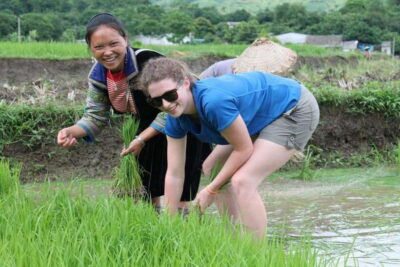
Muong Hoa Valley Trek and Local Ethnic Villages
Read our review →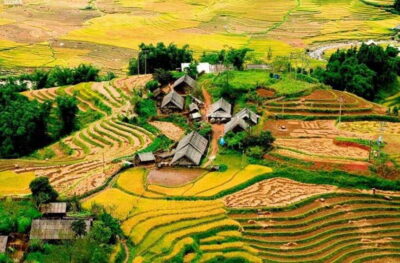
Eco Adventure Terrace Fields and Local Villages Trek
Read our review →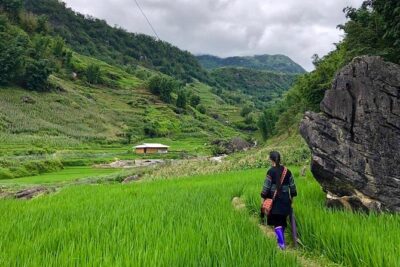
Number one top rated ethical cultural trekking and homestay by ETHOS
Read our review →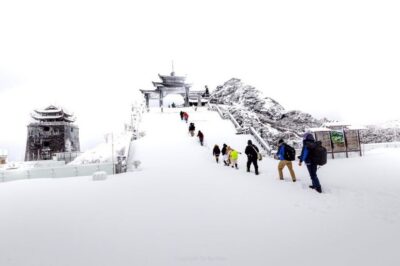
1-Day Guided Trek to Lao Chai & Ta Van with Lunch
Read our review →
Sapa 1 Day Long Trek: Trek to Hau Thao and Sa Seng Villages
Read our review →
Explore Sapa by TrekkingAdventures, Mountain,Rice fields
Read our review →
EXPLORE SAPA: 2D1N TREKKING & HMONG CULTURE WITH DINH
Read our review →Browse the lists this trek appears in