

Review · SAPA
One Day Sapa Trekking to Lao Chai and Ta Van Villages
The best part of this Sapa day trek is the mix of terraced mountain scenery and village life. You are not just walking past rice fields. Your guide explains festivals, weddings, food, customs, and how roads and tourism have changed daily life for local people.
I like the small price, about $25, because it covers lunch, bottled water, an English-speaking guide, and private transport back to Sapa. I also like the choice between a gentler route and a more natural track, though wet weather can make the rougher path muddy and the moderate fitness requirement is real.
Key points at a glance
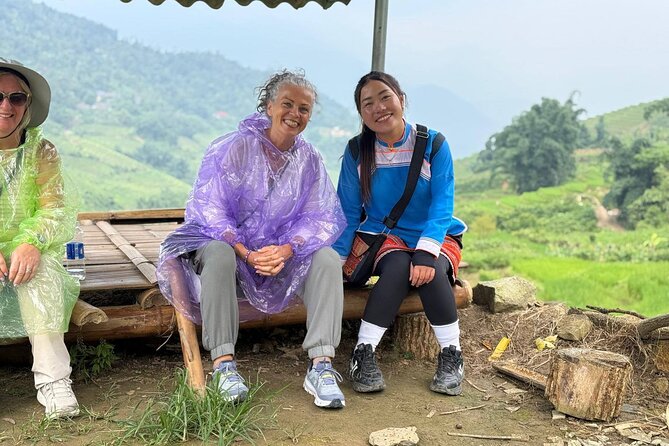
- Three scenic villages: Walk through Y Linh Ho, Lao Chai, and Ta Van in one long day.
- Hmong culture in context: Learn about homes, food, weddings, festivals, and changes brought by development.
- Guides with personality: Nhu is known for cheerful energy, local insight, and adjusting the walk to suit the group. Su has also led this route.
- Lunch is included: Lao Chai is the planned rest stop, with lunch included in the price.
- Nature track option: Choose the more rugged route if conditions allow, but expect mud after rain.
- Easy return to Sapa: Private car transport brings you back to the Stone Church meeting point area.
Why this Sapa walk is worth your day
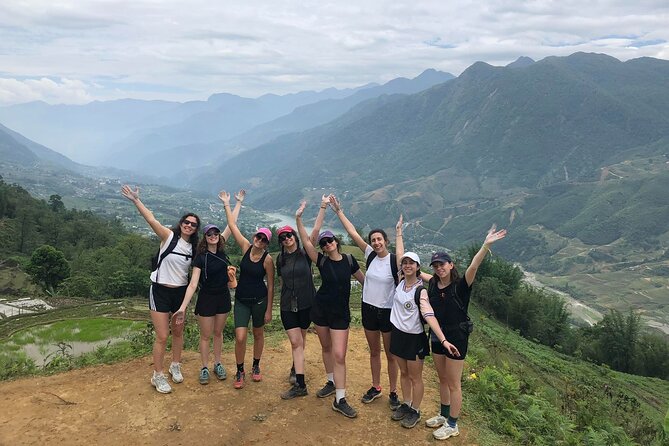
Sapa is famous for its rice terraces, but a quick viewpoint stop only gives you the postcard version. This walk takes you down into the valleys and villages, where the scenery connects with ordinary life. You see fields at the foot of the Hoang Lien Son range, traditional homes, local craft goods, and paths between settlements.
I like that the guide is expected to explain more than names and photo stops. The tour focuses on real subjects: how people celebrate, what they eat, how weddings work, and how older ways of life differ from newer ones. That makes the walk more useful than a simple scenic hike, especially if you want to understand why the villages look and function as they do.
The price is another strong point. At $25 per person, you receive lunch, bottled water, guiding, and the ride back to Sapa. A group discount may make it even better value. The group can reach 30 people, so this is not a private, silent mountain walk, but joining others can keep the cost low.
You should allow six to seven hours from start to finish. That is a full day, not a quick morning outing. The route requires moderate physical fitness, and the reviews of the walk make clear that steep or muddy sections can require help from the guide. Wear shoes you can get dirty.
A few more treks around Sapa worth a look
- From Sapa: 1-Day Guided Trek to Lao Chai & Ta Van with Lunch
★ 4.9 · 416 reviews - Sapa 1 Day Long Trek: Trek to Hau Thao and Sa Seng Villages
★ 4.6 · 344 reviews - 1-day Authentik trek & Panorama valley views
★ 5.0 · 189 reviews
Starting at Sapa Stone Church
The meeting point is Sapa Stone Church on Ham Rong Street. This is a useful central place to begin, and the area is near public transportation. Pickup is offered, but check the exact pickup arrangement when booking because the stated starting point remains the Stone Church.
The walk is likely to feel social rather than secluded. The maximum group size is 30, and the low price makes shared departures practical. On the other hand, guides such as Nhu have made an effort to use quieter paths when possible, so the route may offer calmer stretches away from the busiest visitor flow.
Your guide matters here. Nhu is described as funny, friendly, energetic, and willing to tailor the day to the group. That is important in Sapa, where the quality of the walk depends as much on route choices and clear explanations as on the mountain views. Su has also guided this village route, so the guide assigned to you may vary.
Y Linh Ho and the first terrace views
The first stop is Y Linh Ho, a village area known for rice terraces below the Hoang Lien Son mountains. You spend about 30 minutes here, with no separate admission charge.
This is where the scenery begins to open up. The terraces create broad lines across the slopes, while the mountains give the valley a strong backdrop. The exact look changes with the season and weather, but the setting is the main reason this stop earns a place on the route.
You may want to use this first section to set your walking pace. It is tempting to stop for photos at every turn, but the day still includes two more villages. Take in the views, listen to the guide’s introduction to the area, and save some energy for the more active parts of the path.
There is no admission fee at Y Linh Ho, Lao Chai, or Ta Van. That helps keep the tour inexpensive, though it also means you should not expect a formal visitor center or a polished attraction at each stop. The appeal is the valley itself and the chance to walk between lived-in communities.
Lao Chai: homes, Hmong culture, and lunch
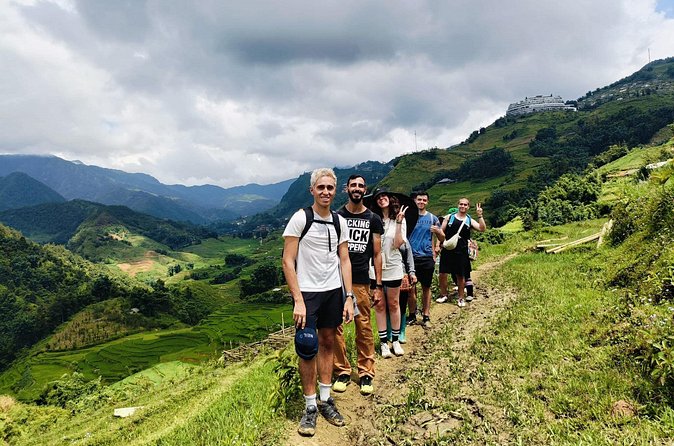
Lao Chai is the main cultural stop and the planned lunch break. You spend about an hour here, visiting traditional houses, learning about Hmong life, and browsing local brocade.
This is the point where the guide’s storytelling can add real value. Instead of treating the Hmong community as a backdrop for photographs, you can ask about customs, family life, food, festivals, and weddings. You can also hear how development has changed the area and how older and newer lifestyles differ.
I especially like the inclusion of traditional houses. A house gives you something concrete to examine: how people use space, what materials appear in local buildings, and how village life differs from a stay in central Sapa. The description does not promise a museum or a staged demonstration, so keep your expectations grounded. You are visiting a village, not a reconstructed historical site.
Brocade shopping is part of the stop. If you like buying useful souvenirs, local textiles may be more meaningful than mass-produced goods. Take your time, ask about the items, and remember that buying is optional. The tour includes a cultural visit, not a requirement to purchase.
Lunch is included, which matters after several hours on foot. The exact menu is not specified, so you should not book this expecting a particular dish. Bottled water is also provided, but you may still want to bring extra water if you usually drink a lot during a long walk.
Lao Chai is also where the schedule may feel tight. An hour covers lunch and a brief village visit, but it does not allow unlimited shopping or a long, unhurried conversation at every stop. If you want deep time with one community, a longer overnight trek would suit you better. If you have only a few days in Sapa, this is a sensible compromise.
Same trailhead, a different route:
- Sa Pa: Muong Hoa Valley Trek and Local Ethnic Villages
★ 4.6 · 864 reviews - Sapa: Eco Adventure Terrace Fields and Local Villages Trek
★ 4.9 · 636 reviews - Number one top rated ethical cultural trekking and homestay by ETHOS
★ 5.0 · 456 reviews - Sa Pa Full Day Trekking Tour
★ 5.0 · 414 reviews
Ta Van and the final village stretch
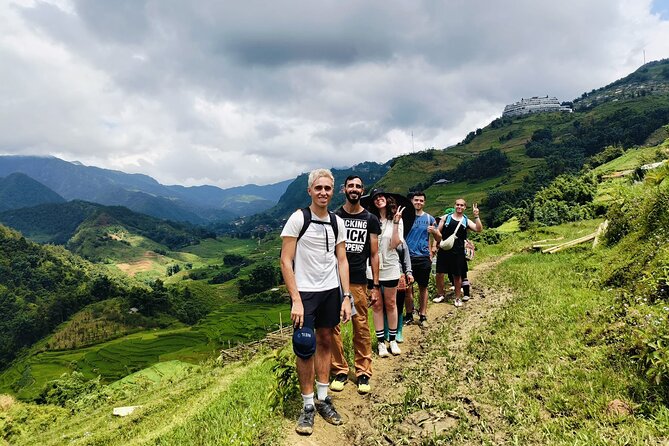
Ta Van is the last named stop, with about 40 minutes scheduled there. It is described as one of the most beautiful villages in Asia, but the real appeal is the combination of village paths, mountain scenery, and the feeling of reaching a different part of the valley on foot.
By this stage, you will have a better sense of the route. You have seen the terraces from Y Linh Ho, spent time with Hmong culture in Lao Chai, and now reach Ta Van as the final village setting. The walk is not simply three disconnected stops. The movement between them is what makes the day worthwhile.
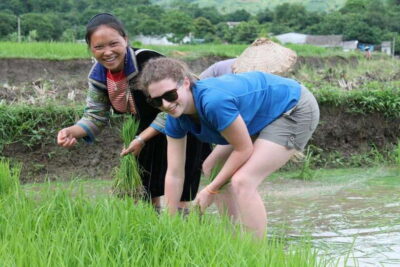
Some versions of the walk include a choice between an easier path and a nature track. I would choose the nature track if you are comfortable with uneven ground and the weather is dry. The muddy route can be part of the fun, but it can also be slippery and tiring. In rain, guides may help you through difficult sections, and you should expect your shoes and clothing to take a beating.
Do not confuse the 40-minute Ta Van stop with the total time spent walking in the area. The itinerary gives stop times, while the full activity lasts six to seven hours. Much of the day is spent moving through the valley, with pauses for views, explanations, lunch, and village visits.
What the guide adds to the walk
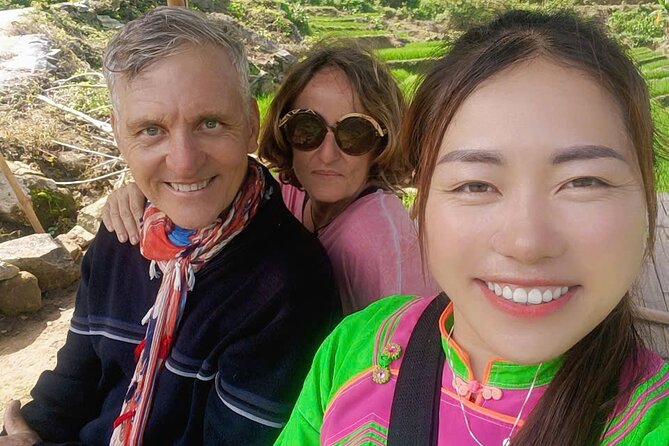
A local guide is most useful here when the conversation moves beyond scenery. The tour promises stories about festivals, food, customs, weddings, development, and the contrast between past and present life. Those subjects give you a way to read what you see instead of merely passing through.
Nhu has been praised for keeping the mood light and for finding attractive viewpoints without making the day feel stiff. A guide who jokes, talks easily, and helps on difficult paths can make a long walking day much easier. The guide has also been able to take groups to quieter parts of the region, which may help when popular routes are busy.
Still, guide style can vary. Nhu or Su may lead the tour, but the assigned guide is not guaranteed in the information provided. If you care about a particular guide, ask before booking rather than assuming a name listed in past tour details will be present.
The route can also be adjusted to some extent. One guide made sure a short one-day group saw as much as possible, while another helped match the walk to the group’s requests. That flexibility is useful, but it does not turn the activity into a fully private custom hike. With up to 30 people, major changes may not be practical.
Price, transport, and practical value
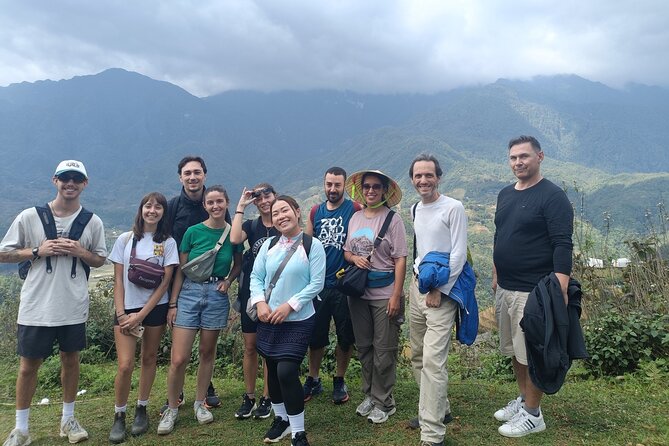
At $25, this is a strong value for a full day in Sapa. The price includes an English-speaking guide, lunch, bottled water, and a private car back to Sapa. It does not include insurance or tips.
The return car is more important than it may sound. After several hours on paths and slopes, you do not have to walk all the way back or arrange your own transport from Ta Van. The tour ends back at the meeting point area, making it easier to plan dinner or an evening train connection, though you should leave a generous buffer because the stated duration is an estimate.
The mobile ticket is convenient, and confirmation is received at booking. Free cancellation is available if you cancel at least 24 hours before the start time. Cancellations or changes made inside that window are not refunded or accepted.
The low price does come with a few trade-offs. Insurance is not included, the group may be large, and the schedule only gives limited time at each village. You are paying for a well-planned introduction to the valley, not a private guide who can spend all day on one topic.
Who should book this Sapa trek
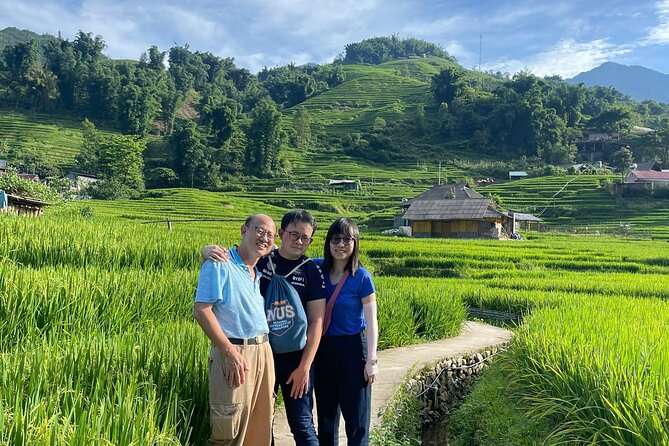
I would recommend this walk if you have one or two spare days in Sapa and want more than a cable car, viewpoint, or town stroll. It gives you broad scenery, village contact, lunch, and cultural explanation in one day.
It suits you especially well if you:
- Want a first look at Sapa’s rice terraces and villages.
- Prefer walking to sightseeing from a vehicle.
- Like hearing about local customs and daily life.
- Need a reasonably priced group tour.
- Have moderate fitness and can manage uneven or muddy paths.
- Want transport back to Sapa after the walk.
You may want a different plan if you dislike mud, have limited mobility, or want a slow private visit with long stops. The route is not presented as accessible, and the moderate fitness warning should be taken seriously. If you want overnight village stays, this one-day trip will feel brief.
Should you book it?
Book this Sapa trek if you want an affordable, active day that links scenery with local culture. The strongest reasons are the terraced fields around Y Linh Ho, the Hmong cultural focus in Lao Chai, the Ta Van finish, included lunch, and a guide who can make the walk personal and lively.
Choose the more natural path when conditions are safe, bring shoes for mud, and keep your schedule flexible. If your main goal is a quiet, private hike or detailed time in one village, look for a smaller or longer tour. For most short stays in Sapa, though, this is a practical way to see the valley from ground level.
FAQ
How long does the Sapa trek last?
The activity lasts approximately six to seven hours.
Where does the tour start?
It starts at Sapa Stone Church on Ham Rong Street in Sapa. The activity ends back at the meeting point area.
Which villages are included?
The route includes Y Linh Ho, Lao Chai, and Ta Van.
Is lunch included?
Yes. Lunch and bottled water are included in the tour price.
What level of fitness is needed?
A moderate level of physical fitness is recommended. Some paths may be difficult, especially after rain, and the route can include muddy sections.
What happens if I need to cancel?
You can receive a full refund if you cancel at least 24 hours before the experience starts. Cancellations or changes made less than 24 hours before the start time are not accepted or refunded.
Just added around Sapa
- Sapa: Private The Most Beautiful Terraced Fields Trekking★ 4.8 · 42 reviews
- Soob Sapa Trekking Tour★ 4.3 · 3 reviews
- Sapa Trekking – Waterfalls And H’mong Villages★ 5.0 · 2 reviews
- Sapa3D2N TrekkingAdventures,Valleys,Bambooforest,Waterfall★ 4.8 · 24 reviews
- Sapa: Trekking Through Terraced Rice Fields & Valley 1 Day★ 4.8 · 4 reviews
- Sapa: Trekking Sapa One Day With Group Tour★ 4.7 · 55 reviews
- Sapa Trekking Private Tour With Ethnic Female Tour Guide★ 4.9 · 24 reviews
- Sapa: Y Linh Ho – Lao Chai, and Ta Van Trekking Day Tour★ 5.0 · 25 reviews
Sapa Trekking Tours, compared.
Muong Hoa Valley Trek and Local Ethnic Villages
Read our review →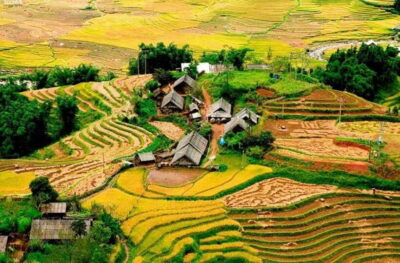
Eco Adventure Terrace Fields and Local Villages Trek
Read our review →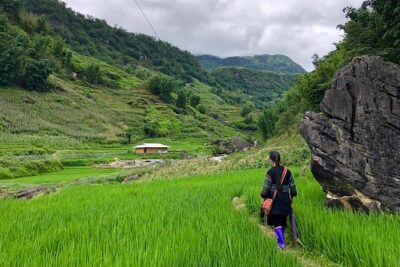
Number one top rated ethical cultural trekking and homestay by ETHOS
Read our review →
1-Day Guided Trek to Lao Chai & Ta Van with Lunch
Read our review →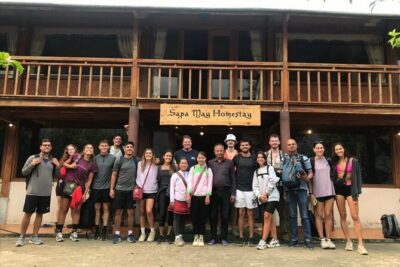
Sapa 1 Day Long Trek: Trek to Hau Thao and Sa Seng Villages
Read our review →
Explore Sapa by TrekkingAdventures, Mountain,Rice fields
Read our review →
EXPLORE SAPA: 2D1N TREKKING & HMONG CULTURE WITH DINH
Read our review →Browse the lists this trek appears in