
Review · POKHARA
Nepal: Time For Easy Annapurna Base Camp Trek
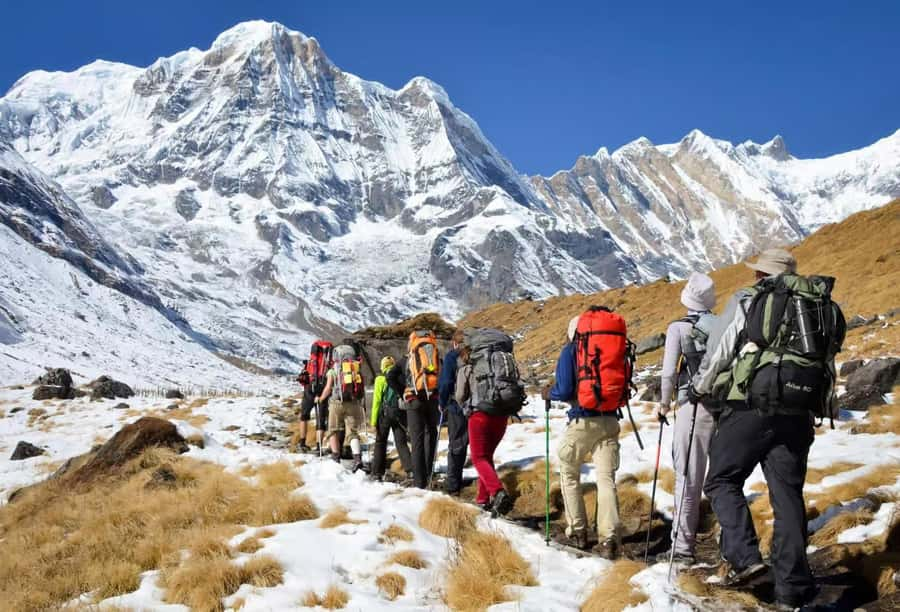
Annapurna Base Camp sits at 4,130 meters, surrounded by Annapurna I, Annapurna South, Hiunchuli, and Machhapuchhre, also called Fishtail. Reaching it in five days gives you a quick route into Nepal’s high country, but the word easy needs a firm correction: this is a strenuous trek with long climbs, steep descents, and real altitude.
I like the small private-group format, which lets your guide adjust the pace and breaks. I also like the human side of the trip. Guides such as Sagar and Arjun have been praised for careful pacing, health checks, route briefings, and good communication, while porter Ganesh helped carry heavy packs and sleeping bags.
The main drawback is the compressed schedule. A five-day Annapurna Base Camp trek leaves less time for acclimatization than the more usual seven to ten-day plans. You need decent fitness, a steady head on exposed or steep paths, and a willingness to turn back if altitude sickness becomes serious.
Key points to know before booking
- 4,130-meter finish: The base camp is high enough for altitude sickness to be a real concern.
- Five demanding days: The route includes forest paths, stone steps, rocky ground, long descents, and one especially tiring day.
- Strong guide support: Guides have provided careful briefings, regular breaks, weather checks, and help with practical decisions.
- Price of $180 per person: Permits, guide, basic trekking accommodation, first aid, and shared transfers are included, but meals and porter service cost extra.
- Hot spring stop at Jhinu: The return ends with a stop at the hot springs before the drive back to Pokhara.
- Best for fit hikers: This suits people who want a fast Himalayan trek and understand that easy is an overstatement.
The real character of this five-day Annapurna trek
The Annapurna Base Camp route is not a walk to a viewpoint with a little uphill work. You spend several days gaining height, sleeping in mountain lodges, and adapting to thinner air while the scenery changes from fields and forest to bare rock and snow peaks.
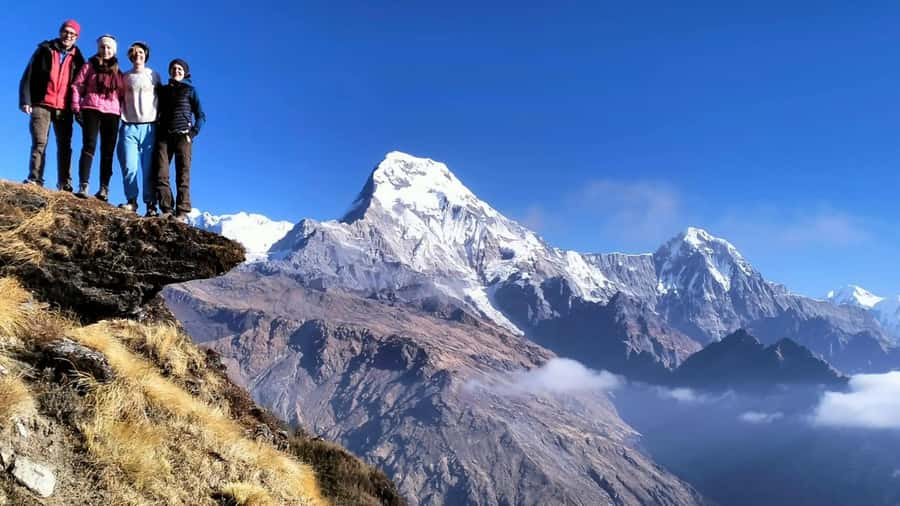
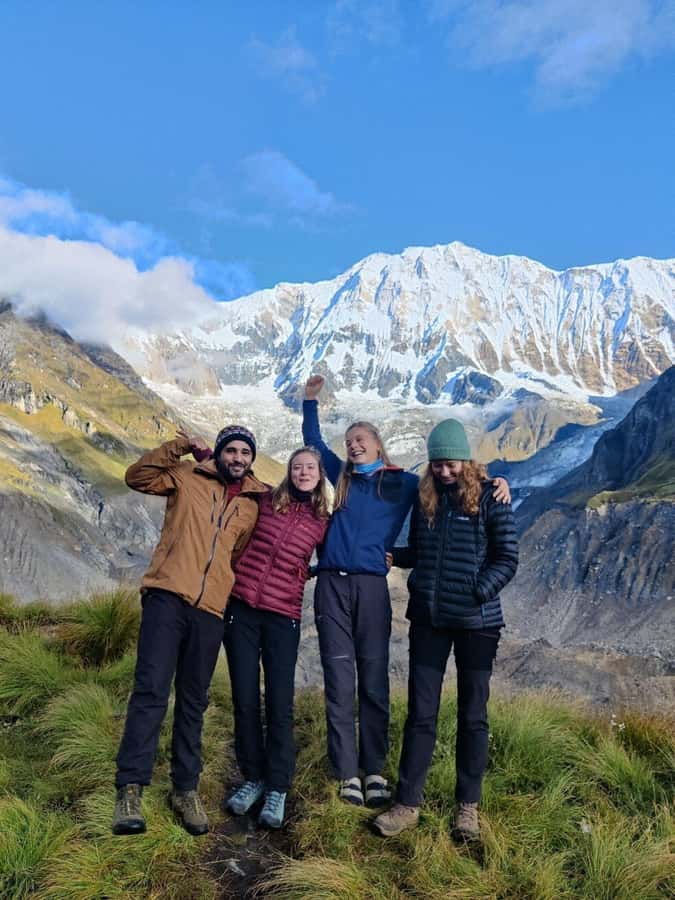
The reward is the setting at base camp. Annapurna I, Annapurna South, Hiunchuli, Machhapuchhre, and distant Dhaulagiri form a dramatic ring of mountains. The appeal is not only the final view. You also pass through villages, terraced fields, rhododendron forests, and areas where local traditions remain part of daily life.
I would treat the five-day version as a fast, efficient route rather than a gentle introduction to trekking. It cuts out some of the spare time that helps your body adjust. If you are already active and have limited time in Nepal, that tradeoff may work. If you want a relaxed pace, seven to ten days would be a more comfortable target.
The company calls this an easy trek, but that label should not guide your decision. One account describes an 18-kilometer day with more than 2,000 meters of descent, and several people feeling unwell from altitude. That is useful warning, not a minor footnote.
More Annapurna Treks in Pokhara
- Trekking in Annapurna/Langtang/Everest/Upper Mustang regions
★ 5.0 · 161 reviews - Pokhara: Annapurna Foothills Day Hike with Transfers
★ 5.0 · 100 reviews - Kathmandu/Pokhara: 5-Day Annapurna Base Camp (ABC) Trek
★ 4.9 · 72 reviews
Day 1: Pokhara to Jhinu, then Lower Sinuwa
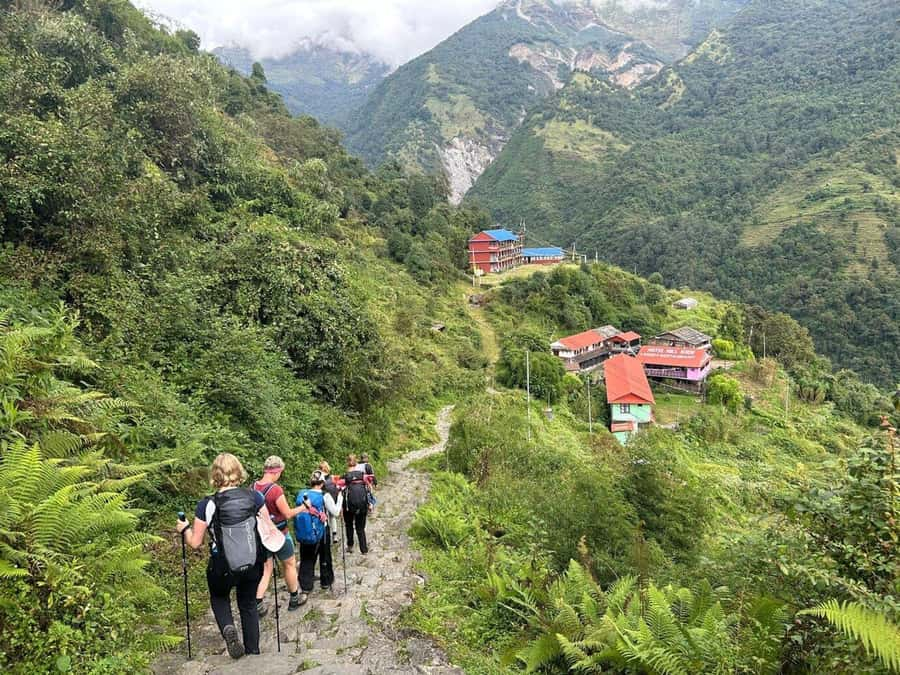
The trip begins with a transfer from Pokhara to Jhinu, followed by about five hours of trekking to Lower Sinuwa. The day reaches roughly 2,300 meters and introduces you to the rhythm of the route: transport first, then walking through changing terrain and uphill forest.
Jhinu is also important at the end of the trek because of its hot springs. On the first day, though, your attention is on getting moving and settling into the trail. The path may feel manageable at this point, but do not use the first day to judge the whole trek.
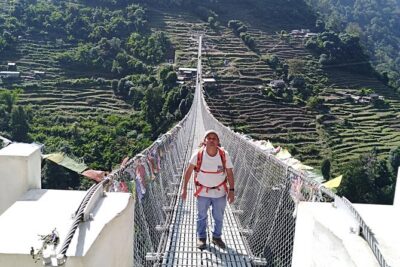
Lower Sinuwa brings you into the forested section of the route. Rhododendron trees, village paths, and terraced farmland give the walk a softer feel than the higher stages. This is one of the best parts for noticing daily life rather than simply chasing mountain views.
Your guide should also help you set a sensible pace from the start. Guides on previous trips, including Arjun and Sagar, have been praised for regular stops and close attention to physical condition. That matters because a slow first day is far better than spending your energy too soon.
Day 2: Lower Sinuwa to Deurali at 3,200 meters
Day two takes about six hours and climbs to Deurali at approximately 3,200 meters. You continue through forest before the surroundings become more open and rugged. The trail can feel rougher here, with rocky sections and sustained uphill walking.
This is the first day when altitude becomes more than a number on the schedule. You may notice a slower pace, heavier breathing, a headache, or unusual tiredness. Drink water, tell your guide how you feel, and do not treat discomfort as a challenge to hide.
Deurali is a practical overnight stop before the push toward base camp. The accommodation is described as hotel rooms during the trek, but you should expect basic trekking accommodation rather than city comfort. The value lies in having a place to sleep along the route, not in polished facilities.
Meals are not included in the $180 price. Dal bhat, noodles, rice dishes, and soups are typical choices, and you buy them as needed. Budget extra for food and drinks, especially because prices can rise as supplies travel farther up the route.
Day 3: Deurali to Annapurna Base Camp via Machhapuchhre Base Camp
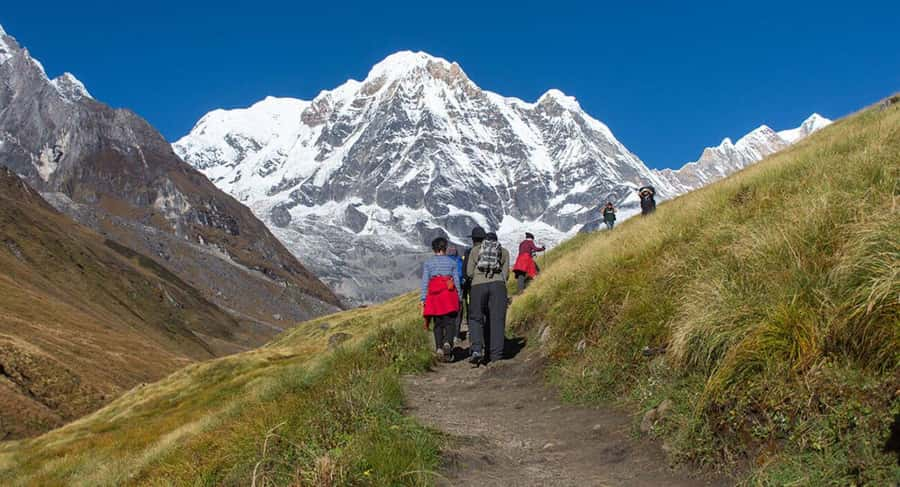
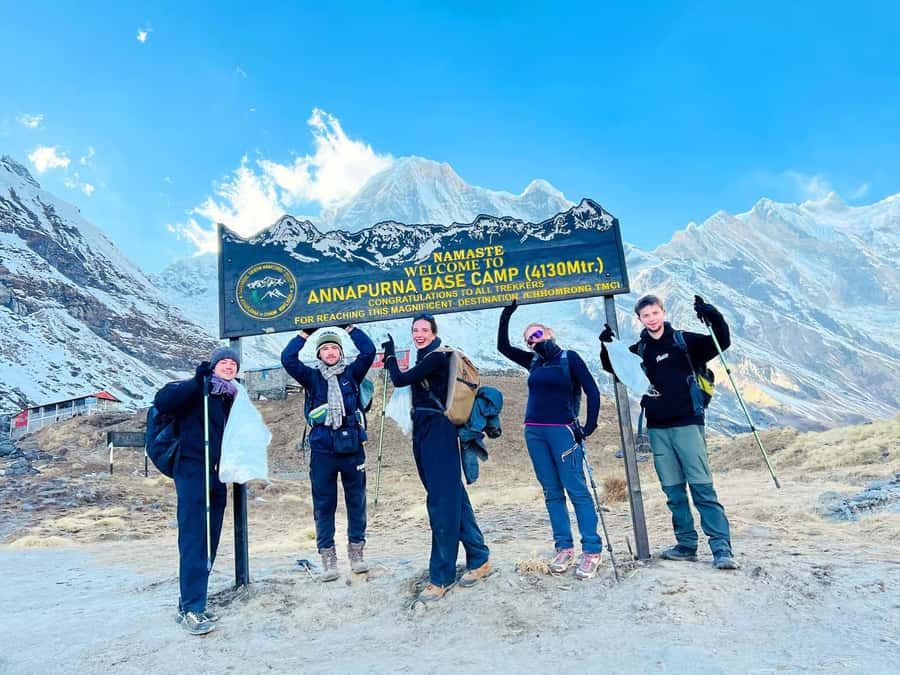
Day three is the emotional center of the trek. The planned walking time is about four hours, and the destination is Annapurna Base Camp at 4,130 meters, reached via Machhapuchhre Base Camp.
The distance may look short compared with day two, but altitude changes the effort. A few hours at 4,000 meters can feel much harder than a longer walk at low elevation. The trail becomes more exposed and rocky, and the mountain walls begin to dominate the view.
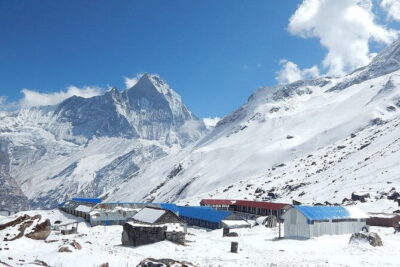
Machhapuchhre Base Camp provides a major visual marker before the final push. From there, you continue toward the sanctuary around Annapurna Base Camp. The mountains are not distant decorations here. Annapurna I, Annapurna South, Hiunchuli, and Fishtail surround the area, creating the close-up Himalayan setting that makes this route famous.
You should keep your expectations practical. Cloud, weather, tiredness, or altitude may affect how much you see. Even with clear skies, the achievement comes from reaching the high basin safely, not from rushing out for photographs.
The guide’s role is especially important on this day. A steady pace and well-timed rests can make the difference between enjoying the approach and struggling through it. You should also be prepared for cold conditions, since temperatures can change sharply as you gain height.
Same trailhead, a different route:
- Poon hill Trek 3 days
★ 5.0 · 176 reviews - Pokhara: 4-Day Ghorepani, Poonhill & Ghandruk Mountain Trek
★ 5.0 · 132 reviews - Ghorepani – Poon Hill Trek 3N-4D
★ 5.0 · 125 reviews - Annapurna Panorama trek
★ 5.0 · 71 reviews
Day 4: Annapurna Base Camp to Bamboo
After time at base camp, day four turns downhill toward Bamboo. The walking time is listed at about six hours, with Bamboo at roughly 2,400 meters.
Do not assume that descending makes this an easy day. Long downhill sections can punish knees and ankles, especially after the climb to base camp. Rocky paths also require attention, and fatigue can make ordinary steps less secure.
The drop in altitude should feel welcome for many people. Breathing may become easier, and the return to forest brings a change from stark high mountain scenery to greener surroundings. This day gives you a different view of the route because you are seeing the same valleys and slopes from the opposite direction.
Bamboo is a useful stopping point before the final return. Keep your pack light and organized, since you still have a full trekking day ahead. If you hire a porter, the stated optional cost is $25 per day. That can be worthwhile if your main pack is heavy or you are carrying a sleeping bag and extra clothing.
Day 5: Bamboo to Jhinu, hot springs, and Pokhara
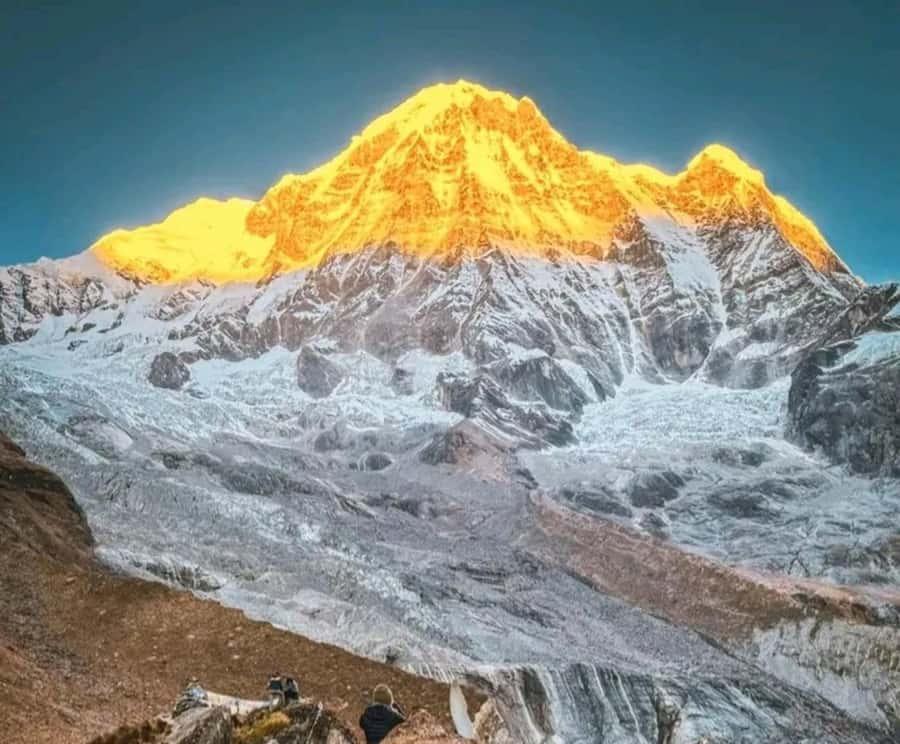
The final day includes about six hours of trekking from Bamboo to Jhinu, followed by a shared drive to Pokhara. The stated altitude for the end point is about 822 meters, a major change from base camp.
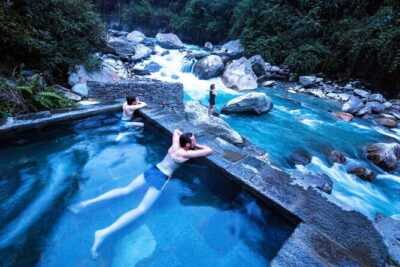
The hot spring stop at Jhinu is a pleasant finish to a demanding few days. It gives your legs a chance to relax before the road journey. Do not expect the final day to be a quick stroll, though. A long descent after several days on foot can still leave you tired.
The shared vehicle keeps the price down, but it also means this is not a fully private transport arrangement. The trekking group is private, yet the drop-off and pickup use a sharing vehicle. Confirm the exact departure time when you book, and wait in your hotel lobby for the guide, who is instructed to allow ten minutes for pickup.
Back in Pokhara, you have completed a compact route that normally receives more time. The sense of achievement should be strong, but you may also feel that the schedule moved quickly. That is the central tradeoff of this trip.
What the $180 price really covers
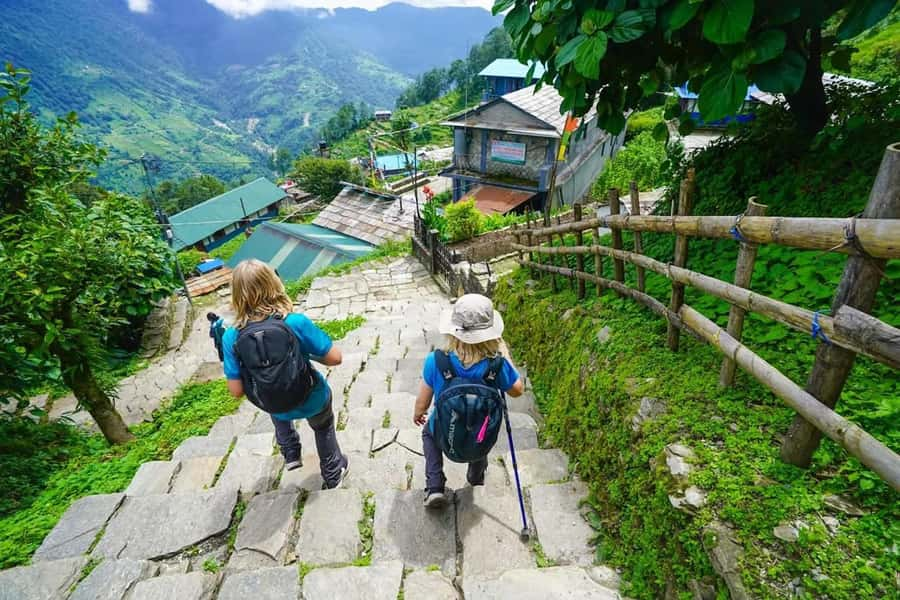
At $180 per person, the package offers a useful base price for a guided trek. It includes an English-speaking trekking guide, first aid, permits and fees, trekking accommodation, and shared transport for the start and return.
The price does not cover all the costs you will face on the trail. Meals are available for purchase, personal expenses are extra, and a porter costs $25 per day. You should also bring cash in Nepalese rupees, since spending opportunities in the mountains may not accept cards.
I see the price as good value for someone who wants the main arrangements handled without paying for a luxury package. The guide and permits are the important inclusions. The lower headline cost becomes less low once you add meals, drinks, personal supplies, and possibly a porter.
The porter option deserves serious thought. Carrying your own gear is part of the challenge, but a heavy pack makes steep climbs and long descents harder. Ganesh was praised for carrying a heavy backpack and sleeping bag, and that kind of help can let you focus on walking safely.
Guides, language, and the human side
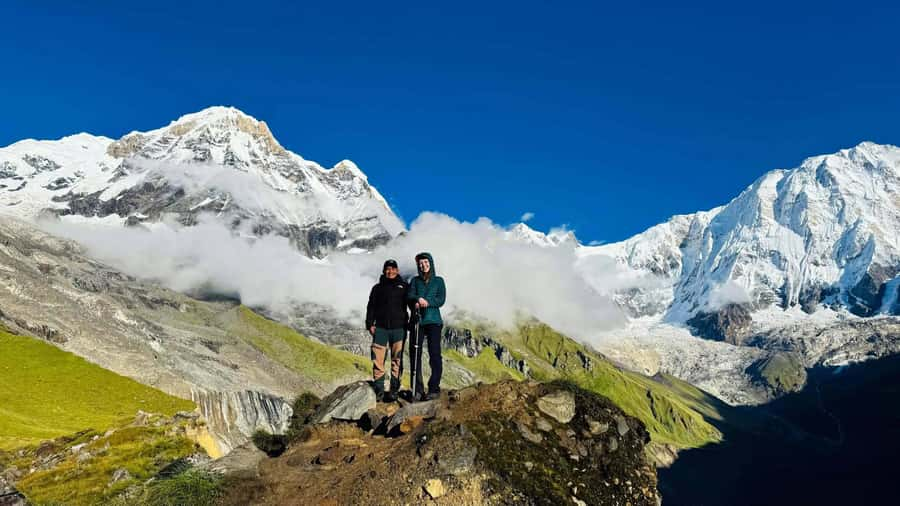
The trip offers live guiding in English, Japanese, and Chinese. The most useful quality is not simply language ability. You need a guide who watches your pace, notices changes in your health, and explains what comes next.
Sagar has been associated with thoughtful support, accommodation arrangements, cheerful communication, and photography. Arjun has been praised for clear route explanations, safety checks, measured walking speed, and breaks that prevented the pace from becoming punishing. Those details are exactly what you want on a high-altitude trek.
Your guide also helps connect the walk to local life. You pass villages, farms, forests, and traditional communities, so modest clothing and permission before taking photographs are important. The trip is more rewarding when you pay attention to the people and places along the path rather than treating them as scenery between mountain photos.
The private-group format can make the experience more responsive. It does not remove the physical demands, but it may make it easier to explain your needs and adjust the pace. Ask about the group arrangement and guide language before departure if those details matter to you.
Fitness, altitude, and what to pack
You should prepare with regular cardio and strength training. Walking uphill with a pack, climbing steps, and controlling your body on descents all require different kinds of fitness.
The most important preparation is honesty about altitude. The trip is not suitable for someone with altitude sickness, and acclimatization remains essential even though the schedule is short. Stay hydrated, ascend gradually as much as the route allows, and tell your guide about symptoms rather than trying to push through them.
Pack for hot and cold conditions. At lower points, you may feel warm while walking. Higher up, temperatures can be cold, especially around base camp. Useful items listed for the trip include a jacket, hat, comfortable clothes, breathable clothing, headscarf, cash, credit card, and passport or identification.
Oversize luggage is not allowed, and the trek is not suitable for babies under one year or people over 95. Weapons, sharp objects, alcohol, drugs, explosives, and nudity are also prohibited. These rules are plain, but they help you avoid packing mistakes.
Who should book this version of the trek?
I would recommend this trek to a fit hiker with limited time in Pokhara who wants a guided route to Annapurna Base Camp and accepts a demanding schedule. It also suits you if you value practical support, basic accommodation, local contact, and a clear package price more than comfort.
I would not choose it for a first mountain walk without training. The five-day plan offers little spare time if you struggle, and the altitude can affect even strong walkers. People prone to vertigo should think carefully about steep or exposed sections.
If you want to make the route easier, ask about adding days rather than assuming the word easy describes the terrain. A slower plan gives you more time to adjust and enjoy villages, forests, and mountain views without measuring every hour.
Booking is flexible: you can cancel up to 24 hours ahead for a full refund, and you can reserve now and pay later. Still, flexibility at booking does not change the need for proper preparation.
Should you book the five-day Annapurna Base Camp trek?
Book it if you want a fast, well-supported route from Pokhara and you are ready for serious trekking at altitude. The mountain scenery, cultural contact, hot spring finish, and attentive guide service make the experience memorable, and the $180 starting price is reasonable once you understand what is and is not included.
Skip it, or request a longer version, if you want an easy holiday walk. This trek can be excellent, but it is not easy in the everyday meaning of that word. Go in fit, carry sensible gear, budget for food and porter help, and treat altitude symptoms with respect.
FAQ
How long does the Annapurna Base Camp trek take?
The trek lasts five days and four nights. The route begins with transport from Pokhara to Jhinu and ends with a drive back to Pokhara after trekking from Bamboo to Jhinu.
What is the highest point on the trek?
Annapurna Base Camp is the highest point, at approximately 4,130 meters. The route also passes through Machhapuchhre Base Camp.
Are meals included in the price?
No. Meals are available for purchase during the trek. Typical choices include dal bhat, noodles, rice dishes, and soups.
Is a porter included?
No. Porter service is optional and costs $25 per day. The guide, permits, first aid, accommodation, and shared transport are included.
What languages can the guide speak?
Guiding is available in English, Japanese, and Chinese. Past trips have included guides named Sagar and Arjun, with support from a porter named Ganesh.
Can I cancel the booking?
Yes. You can cancel up to 24 hours in advance for a full refund. You can also reserve the trek and pay later.
Just added around Pokhara
- Pokhara: Sarangkot Sunrise & Panoramic Annapurna View Tour★ 4.8 · 10 reviews
- Pokhara: Majestic Mardi Base Camp Guided Trek with HotSpring★ 5.0 · 6 reviews
- Pokhara: Bungee Jumping Experience Near Annapurna★ 5.0 · 9 reviews
- Pokhara: Annapurna Day Hike with Panoramic Views★ 4.3 · 7 reviews
- Pokhara: 9-Day Annapurna Base Camp Trek with Poon Hill★ 5.0 · 6 reviews
- Pokhara: 7-Day Annapurna Base Camp Trek & Hot Spring★ 4.0 · 3 reviews
- Pokhara: 5-Day Ghorepani and Poon Hill Private Trek★ 5.0 · 4 reviews
- Pokhara: 5-Day Trek to Annapurna Base Camp and Hot Springs★ 5.0 · 4 reviews
Annapurna Base Camp Treks, compared.
Trekking in Annapurna/Langtang/Everest/Upper Mustang regions
Read our review →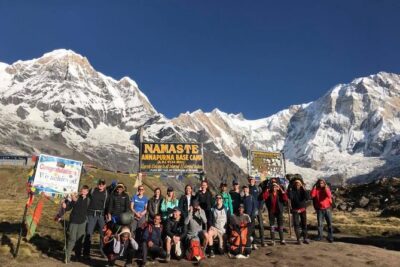
Kathmandu to Annapurna Base Camp (ABC) 5-Day Trek
Read our review →Browse the lists this trek appears in