
Review · TREKKING
Horse Trek to Kel Suu Lake
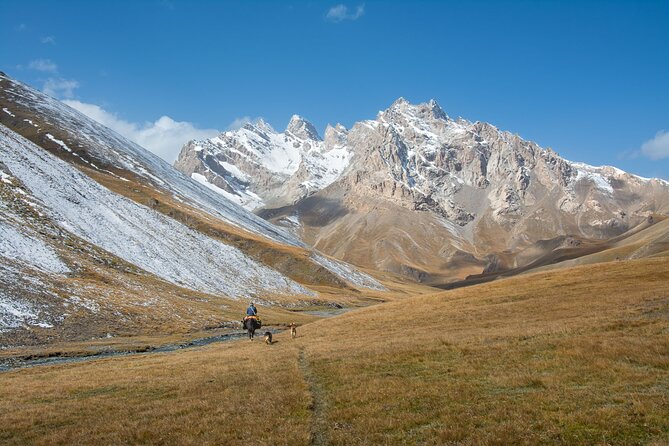
Kel-Suu Lake is the prize at the end of a serious mountain journey. You ride through the Kok-Kiya Valley, cross high passes, and reach a turquoise alpine lake hemmed in by steep rock walls. This is Kyrgyzstan at its wildest, with few roads, simple camps, and big skies.
I like the small group limit of eight people, which should make horse handling and camp life more personal. I also like the human side of the trip: guide Sanjar, driver Milran, local horsemen, and stays with Kyrgyz hosts give the ride a sense of place beyond pretty views.
The main catch is the physical and logistical demand. You spend long hours in a minibus, ride for up to six hours on mountain trails, cross rivers and high passes, and need to bring your own sleeping bag and helmet. This is not a soft adventure.
Key points at a glance
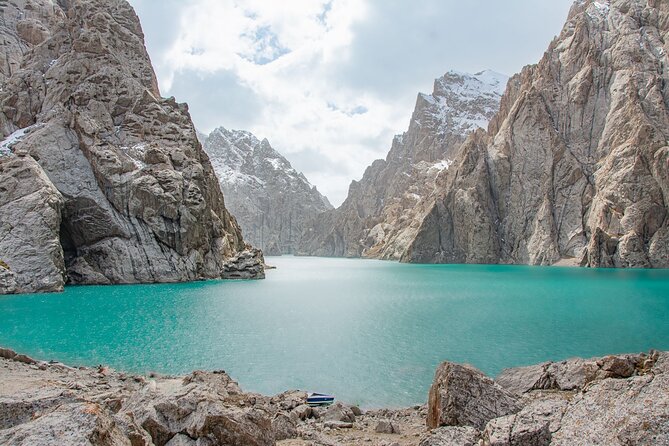
- Kel-Suu Lake sits at the end of a real mountain route: You do not simply drive to a viewpoint. You reach the lake after riding through Kok-Kiya Valley and over 3,791-meter Car Pass.
- Six days combine road travel and horseback riding: The first and last days involve roughly 315 kilometers between Bishkek and Naryn, while the middle days put you on the trail.
- Sanjar is the named guide: His role includes guiding the group through the mountains and sharing local knowledge, with Milran handling the minibus on the road sections.
- The group is capped at eight: That is useful on narrow trails and around horses, where a large tour group would feel clumsy.
- Mountain equipment is supplied, but not everything: A tent, mats, gas, cooking dishes, horses, meals, and a border permit are included. Sleeping bags, helmets, drinks, insurance, and personal costs are not.
- The $1,400 price buys a lot of logistics: Transport, horse support, meals, permits, and a small group are covered, but you should compare the price with the basic camping setup and prepare accordingly.
Why Kel-Suu makes the effort worthwhile
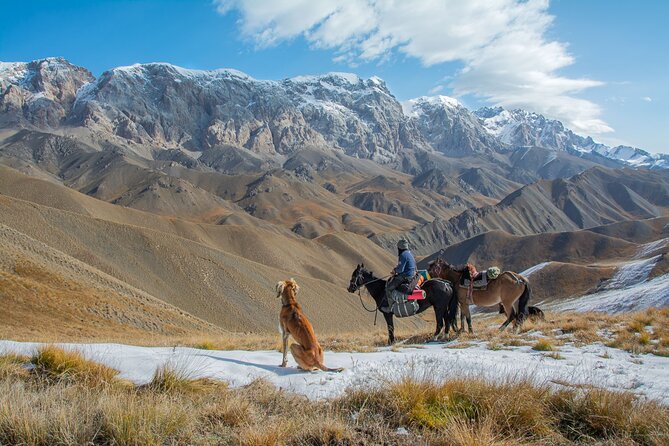
Kel-Suu Lake is not an easy stop on a standard Kyrgyzstan circuit. Its appeal comes from the work involved in reaching it. The route runs through high country where snow-capped peaks, open valleys, rivers, and bare mountain slopes replace city roads and marked attractions.
The lake itself is known for turquoise water and sheer cliffs. Its mood can change with the light and weather, so you may see a calm blue-green surface one moment and a colder, more severe mountain scene the next. The setting feels remote because it is remote, not because a tour company has dressed it up.
The Kyrgyz connection matters just as much. You spend time with local horsemen and hosts, eat meals in a simple mountain setting, and have the chance to learn about Kyrgyz customs and nomadic life. The experience is not only about sitting in a saddle. It is also about seeing how people live and work in a high-altitude region.
A few more treks around the world worth a look
- Cardrona High Country Pub Trail Horse Trek (Intermediate level+)
★ 5.0 · 269 reviews - Rubicon Valley Horse Treks – 2 Hour River Trail Horse Trek
★ 5.0 · 196 reviews - Guided Horse Trekking from Rotorua
★ 5.0 · 159 reviews
Day 1: Bishkek to Naryn with a stop at Burana Tower
The tour begins at 573 Frunze Street in Bishkek after breakfast. From there, you drive about 315 kilometers toward Naryn, with roughly six hours on the road. That is a full travel day, so think of this as your approach to the mountains rather than an early start to the horse trek.
A stop at Burana Tower breaks up the drive. The site gives you a first taste of Kyrgyzstan’s older trade routes before the trip turns toward the Tian Shan. The attraction is included, so you do not need to budget an extra admission charge.
You stay in a homestay in Naryn. That is a practical overnight stop and a useful change from the mountain camping later in the trip. The day may feel long, especially after an international flight or a morning spent getting organized in Bishkek, but covering this distance at the start leaves more time for the remote section ahead.
Day 2: Bosogo Pass and the open Ak-Sai Valley
After about an hour of driving from Naryn, the route climbs through the switchbacks of Bosogo Pass. The road then opens into the Ak-Sai Valley, bordered by snow-capped peaks. This is where the scale of the trip becomes clear. The roads are no longer just connecting towns. They are carrying you into a broad, high mountain basin.
The total driving distance is about 140 kilometers. You spend the day moving toward Kok-Kiya Valley, with the scenery doing most of the work. The itinerary gives this section about three hours, but mountain roads and stops can make the day feel less predictable than a normal road journey.
This is also the point to pay attention to altitude and comfort. You are heading into high country, and the next days involve passes above 3,700 meters. Keep your water, warm layers, and personal essentials easy to reach rather than buried in luggage.
Day 3: Your first ride through Kok-Kiya Valley
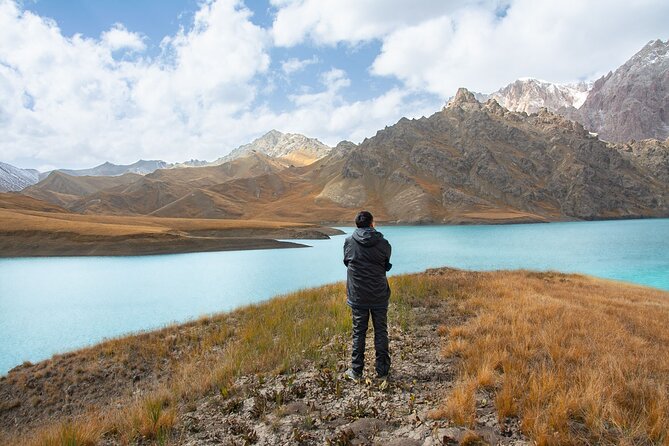
After breakfast, you meet your horse and receive a short riding briefing from the guide. The first riding day covers about 13 kilometers, with roughly 514 meters of ascent and 414 meters of descent. The route follows a trail through the valley, crossing rivers and winding between mountain slopes.
A short briefing is useful, but it also tells you something about the nature of the trip. You should already be comfortable taking basic direction from a guide and managing yourself around a horse. The tour supplies horses and horsemen, but this is not described as a riding lesson or a beginner course.
Six hours is the stated duration for the day, and mountain riding can be tiring even when the distance looks modest. The climb and descent matter more than the kilometers. You will want trousers that allow movement, sturdy footwear, sun protection, and a jacket that handles quick weather changes.
Kok-Kiya is a strong setting for the first ride because you get time to settle into the saddle before reaching the main lake. You can focus on the rhythm of the horse, the trail, and the river crossings without trying to cover an enormous distance on day one.
Same trailhead, a different route:
- Mount Etna: Trek to 3000m with cable car and 4×4
★ 4.6 · 3,823 reviews - Bali: Mount Batur Sunrise Trek With Guide and Breakfast
★ 4.8 · 3,461 reviews - From Chania: Full-Day Samaria Gorge Trek Excursion & Guide
★ 4.6 · 3,191 reviews - Mount Etna: Summit Crater Trek with Cable Car
★ 4.8 · 1,875 reviews
Day 4: Over 3,791-meter Car Pass to Kel-Suu
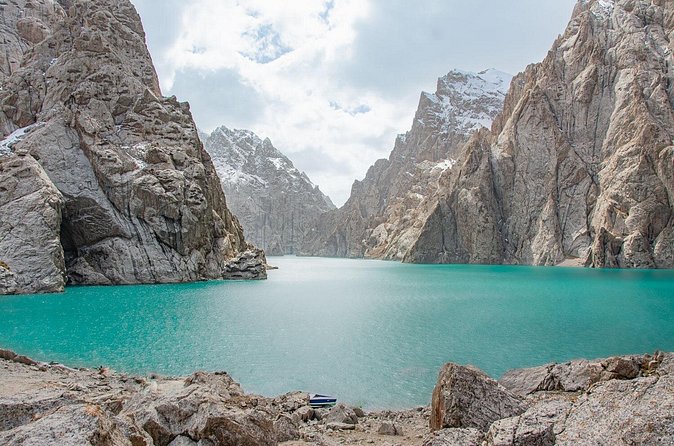
The fourth day takes you farther into the mountains. You ride about 18 kilometers and cross Car Pass at 3,791 meters. The ascent is listed at roughly 470 meters, followed by 488 meters of descent.
The pass is the day’s main challenge and its great reward. From the top, you get wide views over the surrounding mountains and valleys. The descent can be just as demanding as the climb, particularly if you are still adjusting to the horse or have spent little time riding on uneven ground.
This is the day when preparation pays off. A helmet is not included, so bring one if you want to ride with that protection. A sleeping bag is also your responsibility, and the temperature at high altitude can be cold even during the stated operating season from July 1 through September 15.
The route uses tents, mats, gas, and cooking dishes supplied by the operator. The camping is practical rather than luxurious. You should expect a simple mountain camp, not a hotel room with reliable power and a hot shower.
Day 5: Reaching Kel-Suu Lake and beginning the return
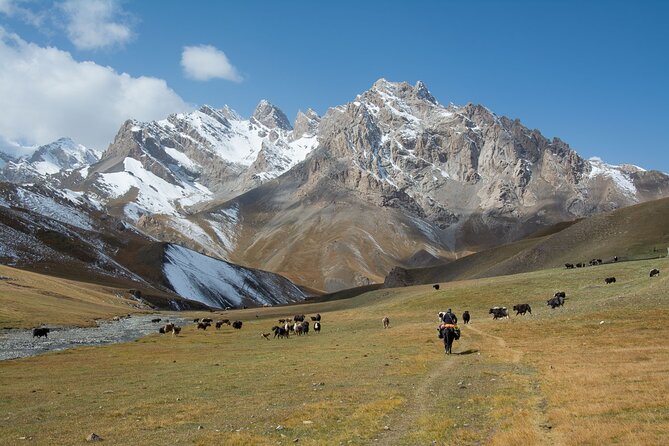
The fifth day brings you to Kel-Suu Lake itself. You ride about 12 kilometers, taking roughly three hours, with 180 meters of ascent and 261 meters of descent. The shorter riding time gives you room to appreciate the lake and its cliffs rather than treating the destination as a quick photo stop.
The water is the visual high point of the trip. Against the dark mountain walls, the turquoise color can look almost unreal. The setting is quiet and exposed, with little to distract you from the scale of the Tian Shan.
The day also includes about 140 kilometers of driving. That means the tour begins its return after the lake visit, so do not assume you get a full, slow day beside the water. The timing combines riding and road travel, and the exact feel of the day will depend on conditions and the group.
This mix is one of the trip’s practical strengths. You get to reach a very remote place on horseback, then use the vehicle to cover ground that would take much longer on foot or by horse. It also means you should be ready for a change of pace: saddle time in the morning, road time later.
Day 6: Back to Bishkek by early afternoon
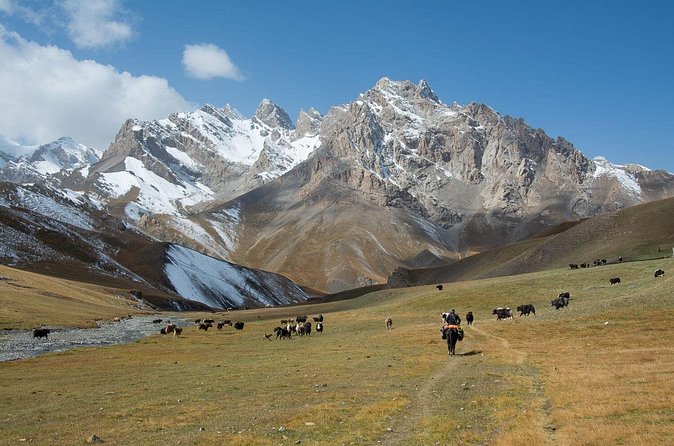
After breakfast, you drive back to Bishkek, covering about 315 kilometers. The stated driving time is around five hours, with scenic stops for photos and breaks. Arrival is expected by early afternoon.
The final day is useful if you are continuing from Bishkek or flying onward, but do not build a tight same-day connection without checking the exact schedule. The tour is subject to weather and mountain road conditions, and a remote route rarely behaves like a city transfer.
The activity ends where it began, at the Frunze Street meeting point. Hotels and meals in Bishkek before and after the tour are not part of the package, so arrange those separately.
What the $1,400 price really covers
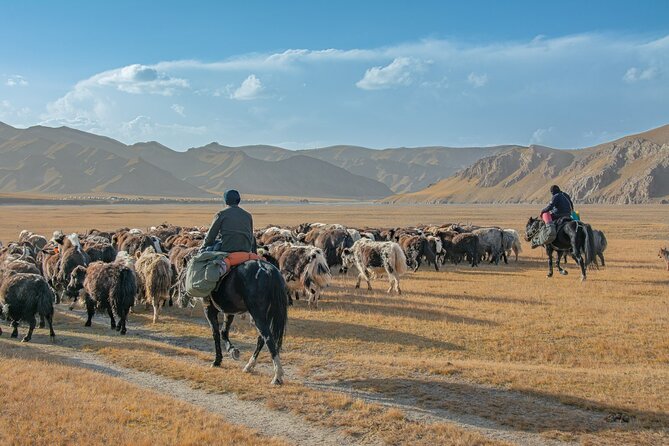
At $1,400 per person, this is a high-priced Kyrgyzstan adventure. The value depends on how you count the support involved. The cost includes transport from and back to Bishkek, horses, horsemen, a guide, camping equipment, a border permit, staff meals, and five breakfasts, five lunches, and five dinners.
That is a substantial bundle for a remote route. A border permit alone reflects the special access required for the region, and the minibus saves you from arranging long transfers across difficult roads. The horsemen are also important. They provide more than animals. They help manage the practical side of a route that is far from ordinary services.
The package has limits. Bottled water, coffee, soda, alcohol, insurance, sleeping bags, helmets, and personal expenses are excluded. The supplied equipment includes tents and mats, but the information does not promise a particular tent style, mattress thickness, or camp comfort. Ask before booking if those details matter to you.
The price is easier to justify if you value a small group and coordinated support. It is harder to justify if you mainly want a quick visit to the lake or prefer independent travel with your own camping gear. You are paying for access, transport, staff, and planning, not polished accommodation.
The people who make the trip work
Sanjar is the named guide, and his role is central. He leads the route, gives the riding briefing, and helps turn a demanding journey into a manageable one. The trip also uses a professional driver, with Milran named in the tour information, plus local horsemen who support the riding sections.
The human contact is a major part of the experience. You are not simply moving between a pickup point and a lake. You are spending several days with a small team and local hosts, eating their meals and seeing how mountain travel is organized in Kyrgyzstan.
The group limit of eight helps here. A smaller party can ask questions, adjust more easily on the trail, and avoid the slow movement of a large line of horses. It also means personalities matter, so choose this tour knowing that you will spend a lot of time in close company.
What to pack and what to clarify
Bring a sleeping bag, since it is not included. Bring a helmet as well if you want one for riding. The company supplies tents, mats, gas, and cooking dishes, but you still need personal clothing and equipment suited to cold, wind, sun, dust, and changing mountain weather.
Your basic packing list should include:
- Warm layers and a weatherproof outer layer
- Comfortable riding trousers and sturdy shoes
- Sun protection
- Personal toiletries and medication
- Refillable water equipment, since bottled water is excluded
- A sleeping bag and riding helmet
- Insurance documents and personal spending money
You should also ask about the exact sleeping arrangements, shower access, luggage limits, and daily water supply before departure. Those points are not specified, and they matter on a six-day mountain trip.
A moderate fitness level is required. That phrase should be taken seriously. You will ride on three days, with up to six hours in the saddle, climb and descend mountain passes, cross rivers, and spend long periods in a vehicle. You do not need to be an endurance athlete, but you should be comfortable with sustained outdoor activity.
Weather, permits, and the best time to go
The scheduled season runs from July 1 through September 15. These months give you the stated operating window, but the route still depends on good weather. If poor weather forces cancellation, you are offered another date or a full refund.
A border permit is included, which is important for a destination near a controlled and remote mountain region. You should carry the identification and booking details requested by the operator, although the exact document requirements are not provided here.
Weather can affect more than comfort. It may change road conditions, riding plans, visibility, and the overall time needed to reach the lake. Keep your schedule flexible around the six-day plan rather than treating every arrival time as fixed.
Who should book this horse trek?
I would recommend it to you if you want a remote Kyrgyzstan experience with real riding, basic camping, high mountain passes, and local contact. It suits an active visitor who values scenery and access more than comfort and who is willing to spend a good part of two days in a vehicle.
It is also a good fit if you prefer organized support. The route is complicated to arrange alone, and the included driver, horsemen, meals, equipment, and permit remove much of the hard planning.
I would hesitate if you have little or no riding experience and are not comfortable with a short briefing before several hours on horseback. I would also hesitate if you need private rooms, strong communications, guaranteed hot showers, or a flexible luxury schedule. The tour is carefully supported, but it remains a basic mountain trip.
Should you book the Kel-Suu horse trek?
Book it if Kel-Suu Lake is a priority and you want to reach it through the mountains rather than simply see it from a vehicle. The strongest reasons are the small group, the striking route over Car Pass, the support of Sanjar and the local horsemen, and the chance to spend time in Kyrgyz communities.
Before paying $1,400, confirm the camping setup, water arrangements, luggage rules, and your own sleeping gear. If you accept the long drives, high passes, and simple conditions, this offers a rare way to see one of Kyrgyzstan’s most remote places. If you want an easy sightseeing holiday, choose something gentler.
Free cancellation is available up to 24 hours before the start time. Changes made inside that window are not accepted, and weather or minimum group requirements can also affect departure.
FAQ
Where does the Horse Trek to Kel-Suu Lake start?
It starts at 573 Frunze Street in Bishkek, Kyrgyzstan.
Where does the tour finish?
The activity returns to the same meeting point in Bishkek.
How long does the tour last?
The tour lasts approximately six days.
How large is the group?
The maximum group size is eight people.
Is transport from Bishkek included?
Yes. Transport from Bishkek to the route and back to Bishkek is included.
Are horses and horsemen included?
Yes. Horses and horsemen are included, along with the guide.
Are meals included?
Five breakfasts, five lunches, and five dinners are included. Bottled water, alcoholic drinks, coffee, and soda are not included.
Is camping equipment provided?
A tent, mats, gas, and cooking dishes are provided. Sleeping bags and helmets are not included.
What fitness level do I need?
You should have a moderate level of physical fitness. The trip includes several hours of horseback riding, mountain passes, river crossings, and long drives.
Can I cancel for a full refund?
Yes, if you cancel at least 24 hours before the experience starts. Poor weather or failure to meet the minimum number of participants may also lead to an alternative date or a full refund.
Just added around the world
- Everest Base Camp Trek★ 5.0 · 3 reviews
- Everest Base Camp Trek★ 5.0 · 7 reviews
- 15 Days Private Everest Base Camp Trek★ 5.0 · 30 reviews
- 14 Days of Adventure Trekking to Everest Base Camp★ 5.0 · 2 reviews
- 14-Day Everest Base Camp Trek★ 5.0 · 20 reviews
- Everest Base Camp Trek★ 5.0 · 57 reviews
- From Kathmandu: Private 14-Day Everest Base Camp Trek★ 5.0 · 20 reviews
- 14 Days Everest Base Camp Trek★ 5.0 · 4 reviews
Horses, compared.
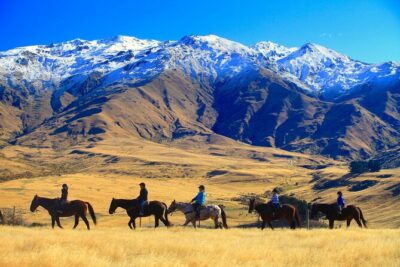
Cardrona High Country Pub Trail Horse Trek (Intermediate level+)
Read our review →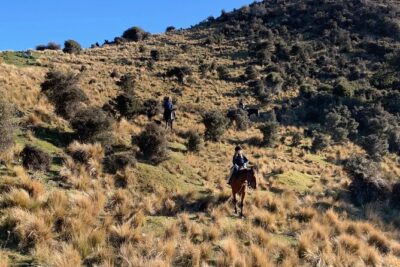
Rubicon Valley Horse Treks – 2 Hour River Trail Horse Trek
Read our review →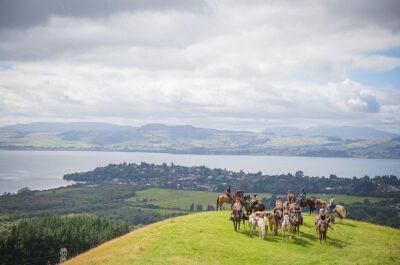
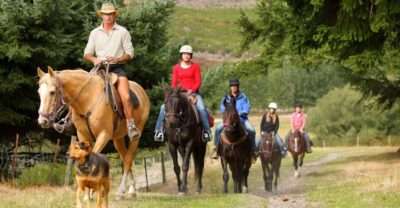
Queenstown: Walter Peak Horse Trek & Queenstown Lake Cruise
Read our review →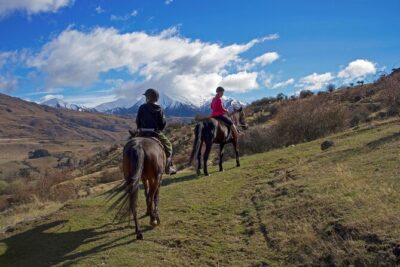
Gold Discovery Trail Horse Trek Cardrona – Most popular!
Read our review →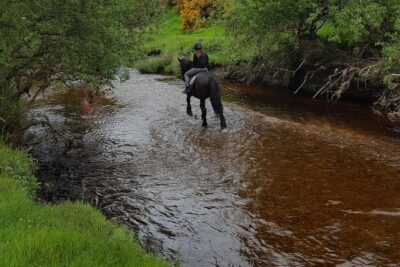
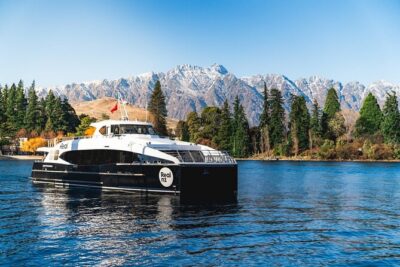
Half Day Walter Peak Horse Trek and Cruise from Queenstown
Read our review →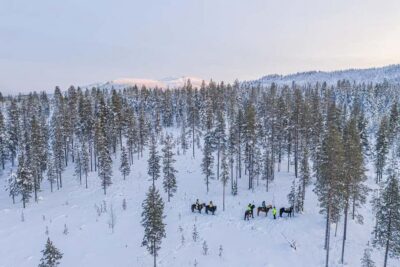
Browse the lists this trek appears in