
Review · SAPA
Half Day Sapa Trekking to Visit Lao Chai – Ta Van
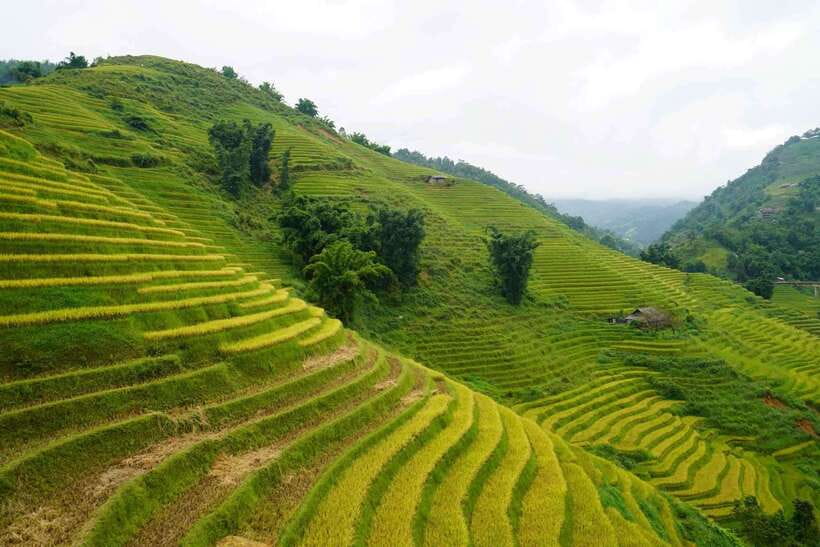
The best part of this half-day outing is the walk down from Sapa into the Muong Hoa Valley, where rice terraces, mountain views, and village paths replace the town’s traffic and hotels. You pass through Y Linh Ho and Lao Chai, then continue to Ta Van, home to Dzay people, with a local guide explaining daily life along the way.
I like the short but substantial 9-kilometer route, which gives you a real trek without taking up a full day. I also like the local guiding, especially when guides such as Soso, Sua, Song, or Tung explain farming, family life, and their own village connections. The main drawback is that the trail can be muddy, steep, and slippery, while local women may walk alongside you and press hard to sell handicrafts.
Key points at a glance
- A 9-kilometer route through three mountain villages: Walk from Sapa through Y Linh Ho and Lao Chai to Ta Van, then return by bus.
- Local culture comes through personal stories: Guides are from the area and may explain farming, village customs, and their own lives.
- The trail is real mountain terrain: Expect dirt paths, uneven ground, steep sections, and mud after rain.
- A smart choice for a short visit: The outing lasts about four and a half hours and ends around midday.
- Excellent value at $22: Transport, an English-speaking guide, and entrance tickets are included.
- Prepare for sales pressure: Village women may accompany you and offer handmade goods, sometimes repeatedly.
Walking from Sapa into the Muong Hoa Valley
This tour begins with pickup in Sapa between 8:10 and 8:20 in the morning. You leave the town by air-conditioned bus, rather than spending the first part of the day walking through built-up streets, and begin the trek near Y Linh Ho.
That transfer matters. The route quickly moves into open hills, farms, and valley paths, giving you more time among the scenery that makes this part of northern Vietnam special. The walk is planned at about 9 kilometers and takes roughly four hours, although the exact pace depends on weather, trail conditions, and the group.
The first section leads toward Y Linh Ho. You may walk along rural roads, village lanes, dirt tracks, and paths beside fields. The terrain is not a polished park trail. It can be uneven and steep in places, so you should treat this as a proper countryside hike rather than a gentle sightseeing stroll.
You do not need to be an athlete, but you should be comfortable walking for several hours. One traveler described the route as manageable but difficult on uneven ground, while another found the heat made the trek more physical than expected. Those comments fit the practical reality: the distance is moderate, but hills, sun, mud, and slippery ground can change how hard it feels.
A few more treks around Sa Pa worth a look
- Sa Pa: Muong Hoa Valley Trek and Local Ethnic Villages
★ 4.6 · 864 reviews - Sapa: Eco Adventure Terrace Fields and Local Villages Trek
★ 4.9 · 636 reviews - Number one top rated ethical cultural trekking and homestay by ETHOS
★ 5.0 · 456 reviews
Y Linh Ho and the first rice terraces
Y Linh Ho is the first main stop, with about an hour set aside for visiting, taking photographs, and listening to the guide. This is where the walk begins to feel far removed from Sapa town.
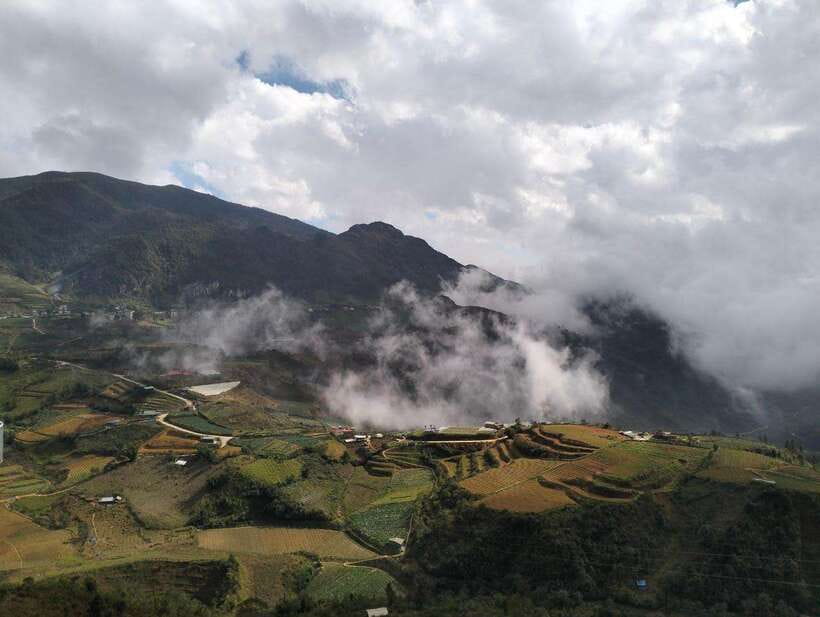
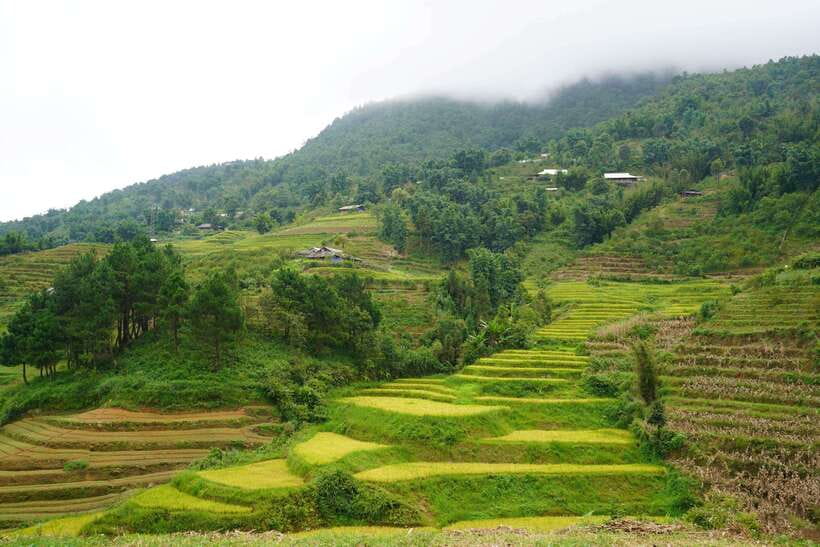
The valley opens around you with terraces cut into the hillsides, fields, streams, and scattered homes. In the right weather, you can see broad views toward the Hoang Lien Son mountain range. Cloud can also roll through the valley, especially in the wetter or cooler months, so the scenery is not guaranteed to look the same from one departure to the next.
Your guide is an important part of this section. The strongest guides do more than point toward a mountain or name an ethnic group. They explain how farming fits into local life, what crops are grown, and how village communities are organized. Sua, Soso, Song, and Tung received particular praise for their clear English, warm manner, humor, and willingness to share personal details.
The cultural information feels most useful when it is tied to what you can see. A guide might explain a field while you are standing beside it, or describe village life as you pass homes and paths used by local residents. That direct connection gives the walk more meaning than a string of scenic viewpoints.
Lao Chai and the Black Hmong community
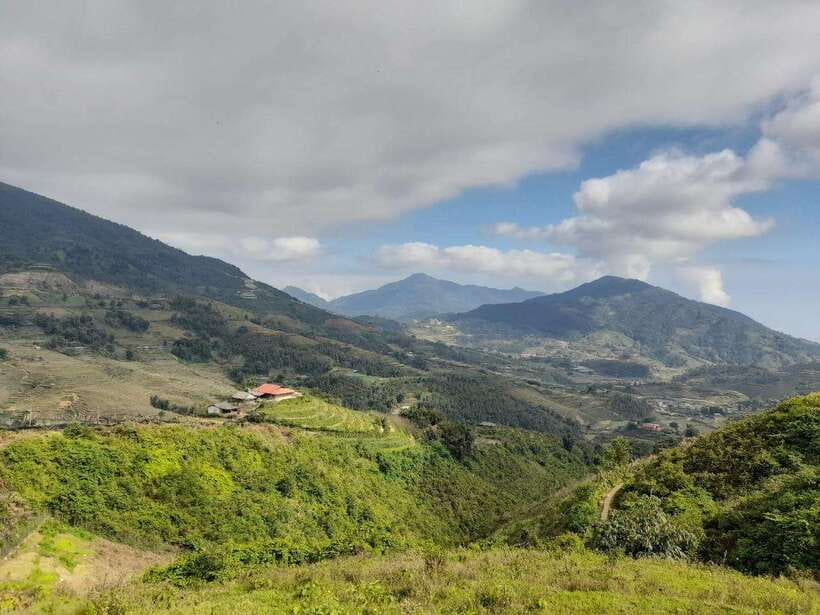
From Y Linh Ho, the path continues toward Lao Chai, identified on this route as a Black Hmong village. You spend about an hour here for a guided visit and photographs.
Lao Chai is not presented as a staged cultural show. You move through the village area and surrounding fields, seeing the valley as part of daily life rather than as a single attraction with a fixed viewing platform. That is one reason this tour appeals to people who want a closer look at rural Sapa without committing to a multi-day trek.
Several guides have taken groups through quieter paths, including routes through fields and less crowded parts of the valley. You may have time to stop for photographs, watch local work, and ask questions about customs. The pace is usually more relaxed than the distance suggests, since the itinerary includes photo stops and guided visits.
There is also a social complication here. Local women may join the walk for part of the route, offering handmade goods for sale. Some simply walk and talk at first, then ask you to buy something. Others may be more persistent, and children can sometimes approach as well.
You can handle this politely and firmly. If you do not want to buy anything, say so early and avoid promising to return later. If you do buy, carry small amounts of cash and remember that purchases are optional. The sales activity does not erase the value of the trek, but it can interrupt quiet moments and should be part of your decision before booking.
Along Muong Hoa Stream toward Ta Van
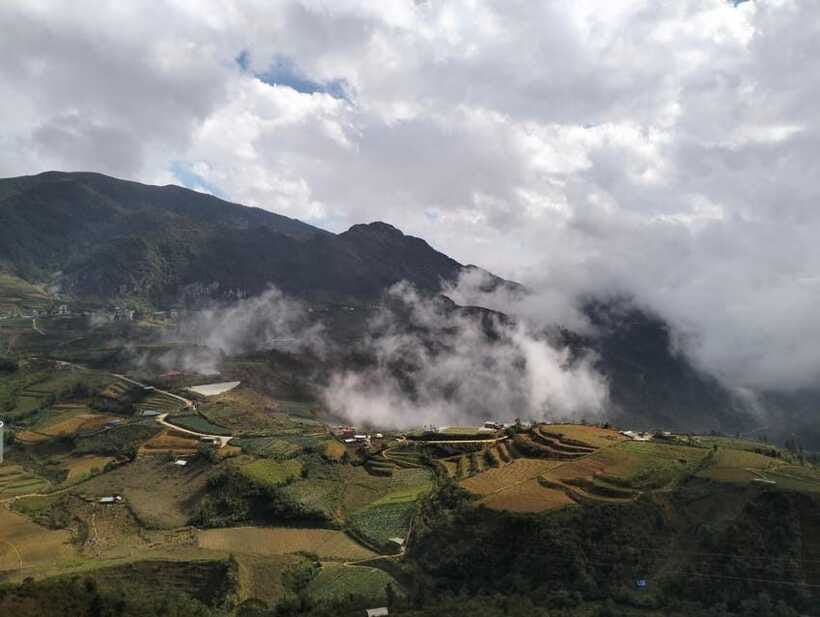
The route follows the Muong Hoa Stream as it continues through the valley. This section connects the mountain scenery with the villages, terraces, and working fields around it.
The views are the star of the walk. You get changing angles on the terraces and Hoang Lien Son mountains rather than seeing the same panorama from one lookout. On a clear morning, the valley can open dramatically as clouds lift. On a rainy day, the same paths become slippery and visibility can drop sharply.
That weather difference is worth taking seriously. Rain made some outings muddy, and one group had to cope with wet tracks and slick slopes. Another group encountered heavy cloud and rain but still found the route worthwhile. Bring proper shoes, not casual canvas sneakers. Hiking shoes are listed as essential, and one practical tip from the experience is to consider rubber boots if the forecast is wet.
The walk also becomes more physically demanding when the weather is hot. Wear light sports clothing, use sunscreen, and carry water even though beverages are not included. Sunglasses and a sun hat are useful on exposed sections, while a small first aid kit is sensible on rough paths.
Same trailhead, a different route:
- From Sapa: 1-Day Guided Trek to Lao Chai & Ta Van with Lunch
★ 4.9 · 416 reviews - Sa Pa Full Day Trekking Tour
★ 5.0 · 414 reviews - Sapa 1 Day Long Trek: Trek to Hau Thao and Sa Seng Villages
★ 4.6 · 344 reviews - Explore Sapa by TrekkingAdventures, Mountain,Rice fields
★ 4.9 · 229 reviews
Ta Van, a Dzay village with a slower finish
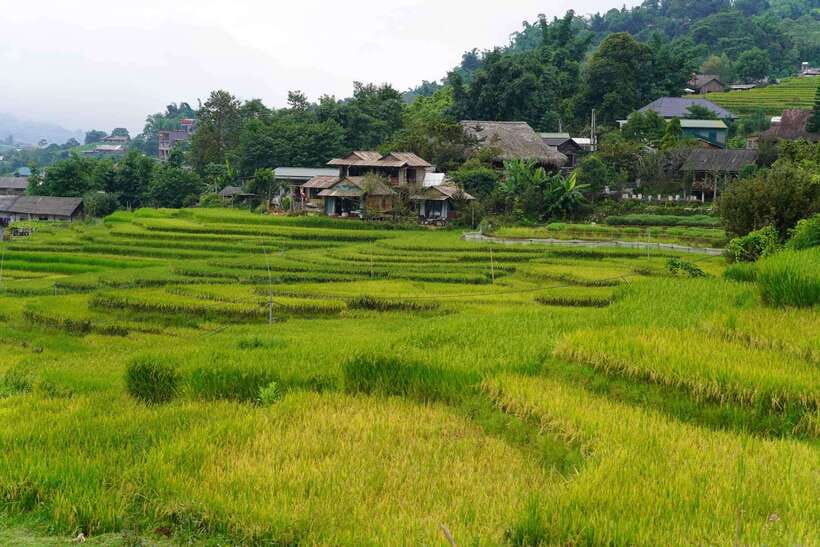
Ta Van is the final village stop and the place where you spend the most scheduled time, about an hour and a half. It is described as home to the Dzay ethnic people, and the guide uses this part of the visit to explain local customs and village life.
This longer stop helps keep the tour from becoming a rushed photo run. You can look around, ask questions, take pictures, and catch your breath before the return transfer. Some guides may show you a home or explain their own connection to the area, though the exact details depend on the guide and the day.
Ta Van also gives you a useful contrast with Lao Chai. The point is not to rank one village above the other, but to notice differences in community identity and local customs. The best explanations come from guides who are from the region and can connect the broad subject of ethnic minority culture with their own family and working life.
A scheduled break is included here. Food and drinks are not listed as part of the price, so do not assume lunch or refreshments are covered. One account refers to a delicious lunch, but the official inclusions do not promise a meal. Bring water and a snack if you need one, and confirm meal arrangements before setting out.
The return bus and the value of a half day
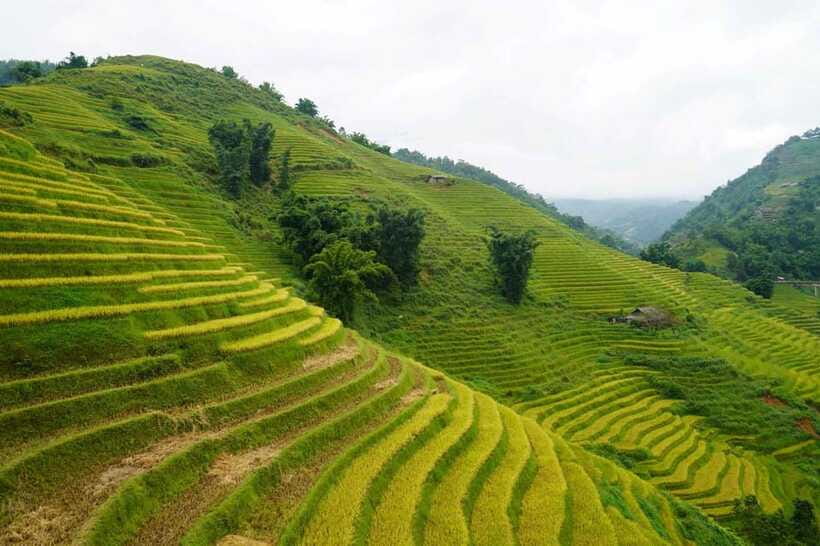
At about 11:30, a bus collects the group at Ta Van Bridge for the ride back to Sapa. The drive takes around 45 minutes, with the tour ending in town at about noon. Actual timing can shift if the morning starts late or the trail takes longer.
That compact schedule is one of the tour’s biggest strengths. You can see three rural areas, walk 9 kilometers, and still have the afternoon available for lunch, rest, or another Sapa activity. It also suits people staying only one night, since you get a strong introduction to the valley without giving up an entire day.
The short format has a tradeoff. You do not have time for a long lunch, a remote overnight village, or a more extended mountain route. If your main aim is serious trekking, this will feel like a sample rather than a full hiking trip. If you want scenery and village contact within a manageable morning, the timing works well.
Transport is included from Sapa to the trail area and back from Ta Van. The air-conditioned bus is a useful comfort after walking in heat or rain, and the experienced driver keeps the logistics simple. Pickup is from Sapa, so you should plan to be ready at your hotel during the stated morning window.
What $22 really gets you
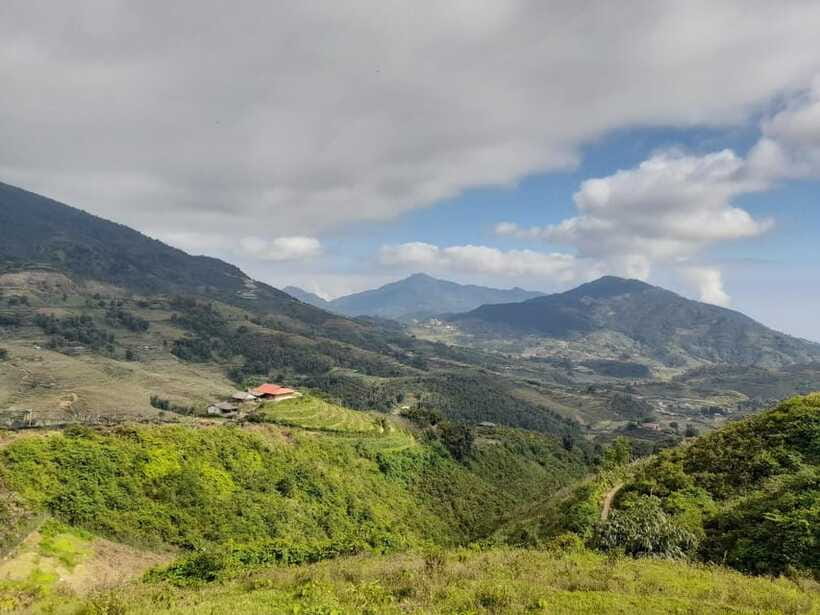
At $22 per person, the price is strong for a guided outing that includes transport, an English-speaking local guide, and entrance tickets to the listed sites. You are paying for access and organization as much as for the walk itself. Without transport, getting to the trailhead and arranging the return from Ta Van would be less straightforward.
The guide adds the most value. Scenery is free in the mountains, but a good local guide helps you understand what you are seeing. The difference between a guide who simply leads and one who explains farming, customs, and village life is considerable.
The price does not cover drinks, personal spending, travel insurance, VAT, or anything not clearly listed. Keep money for crafts if you want to shop, but do not feel obliged to purchase something just because someone walks with you.
Free cancellation is available up to 24 hours before departure, and you can reserve without paying immediately. Those terms are useful if your Sapa plans depend on weather, though a late change can still affect your day.
Who should book this Sapa trek
I would choose this tour if you want:
- A half-day introduction to Sapa’s valley villages
- A real walk rather than a bus-only village visit
- Local explanations from an English-speaking guide
- A route that includes rice terraces, streams, and mountain views
- Time back in Sapa around midday
- A reasonably priced option for a short stay
It is less suitable if you use a wheelchair, have trouble on uneven or steep ground, or dislike walking in muddy conditions. The route is not fully accessible, and the equipment list clearly points toward hiking shoes, sports clothing, and sun protection.
Families can manage it if everyone is used to walking. One family of five completed the distance comfortably and returned in time for lunch, but fitness varies. If someone in your group walks slowly, ask about a private or smaller-group arrangement if available, since keeping one pace is easier on a less crowded outing.
Practical preparation for the trail
Wear shoes with grip. The path can be dry and easy in one season, then wet, muddy, and slippery after rain. Sports shoes may work in dry conditions, but hiking shoes are safer, and rubber boots can be useful when the ground is saturated.
Pack lightly. You will want:
- Water and perhaps a snack
- Sunglasses and a sun hat
- Sunscreen
- A camera
- Hiking pants or other clothes that can handle mud
- A small first aid kit
- A rain layer if the forecast looks unsettled
Keep your hands free where possible. You may need them for balance on steep or slick sections, and a small bag is easier than a large backpack. The tour asks you to prepare a light pack, which is good advice.
Give yourself room to stop and look around. The best parts of the walk are not always the formal photo stops. A view across the terraces, a conversation beside a field, or a guide explaining a farming practice can be more memorable than rushing to the next village.
Should you book this tour?
Book it if you want a well-priced, time-efficient trek with strong mountain scenery and direct contact with village life. The guides are the main reason to choose this option, and names such as Soso, Sua, Song, Tung, Tran, and Ku have been associated with especially warm, clear guiding.
Go in with realistic expectations. This is not an easy paved walk, and the sales pressure from local vendors can be uncomfortable. Mud, heat, rain, and uneven ground are part of the deal.
For a first taste of Sapa, especially during a one-night stay, I think the balance is very good. You get a substantial 9-kilometer walk, three village areas, local cultural context, and a bus back to town before lunch. Just bring sensible shoes, patience, water, and a firm but polite answer if you do not want to shop.
FAQ
How long does the Sapa trekking tour last?
The activity lasts about 270 minutes, or four and a half hours. The stated schedule runs from morning pickup around 8:10 or 8:20 until returning to Sapa at about noon.
How far do you walk?
The trek is approximately 9 kilometers and takes about four hours. The route includes Y Linh Ho, Lao Chai, and Ta Van.
Where does the tour begin?
Pickup is in Sapa. You then travel by bus to the starting area near Y Linh Ho.
Which villages does the trek visit?
The route visits Y Linh Ho, Lao Chai, and Ta Van. Lao Chai is associated with the Black Hmong community, while Ta Van is home to Dzay people.
Is transport included?
Yes. An air-conditioned bus takes you from Sapa to the trek area and returns you from Ta Van Bridge to Sapa.
Is an English-speaking guide included?
Yes. An English-speaking local guide in Sapa is included. The available guide languages are English and Vietnamese.
Are entrance tickets included?
Yes. Entrance tickets to the indicated sites are included in the tour price.
What should I wear and bring?
Bring hiking or sports shoes, hiking pants, sportswear, sunscreen, sunglasses, a sun hat, a camera, and a small first aid kit. Shoes with good grip are especially important if the trail is wet.
Is the tour suitable for wheelchair users?
No. The route includes uneven, steep, muddy, and slippery sections, and it is not suitable for wheelchair users.
Just added around Sa Pa
- Sapa: Private The Most Beautiful Terraced Fields Trekking★ 4.8 · 42 reviews
- Soob Sapa Trekking Tour★ 4.3 · 3 reviews
- Sapa3D2N TrekkingAdventures,Valleys,Bambooforest,Waterfall★ 4.8 · 24 reviews
- Sapa Trekking – Waterfalls And H’mong Villages★ 5.0 · 2 reviews
- Sapa: Trekking Through Terraced Rice Fields & Valley 1 Day★ 4.8 · 4 reviews
- Sapa: Trekking Sapa One Day With Group Tour★ 4.7 · 55 reviews
- Sapa Trekking Private Tour With Ethnic Female Tour Guide★ 4.9 · 24 reviews
- Sapa: Y Linh Ho – Lao Chai, and Ta Van Trekking Day Tour★ 5.0 · 25 reviews
Sapa Trekking Tours, compared.
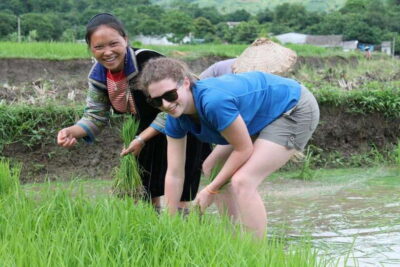
Muong Hoa Valley Trek and Local Ethnic Villages
Read our review →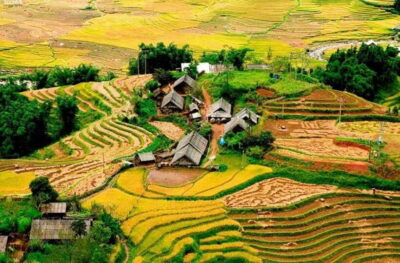
Eco Adventure Terrace Fields and Local Villages Trek
Read our review →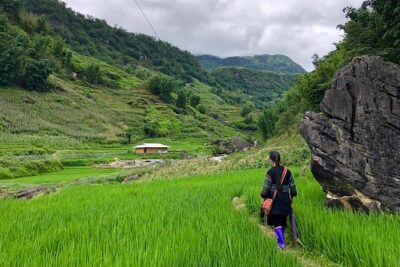
Number one top rated ethical cultural trekking and homestay by ETHOS
Read our review →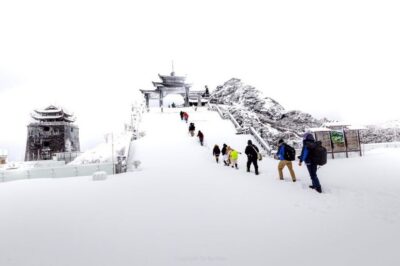
1-Day Guided Trek to Lao Chai & Ta Van with Lunch
Read our review →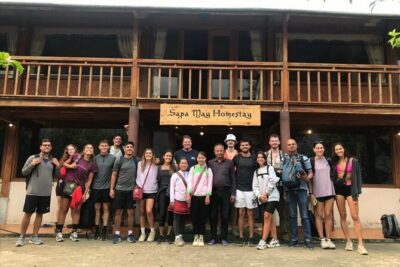
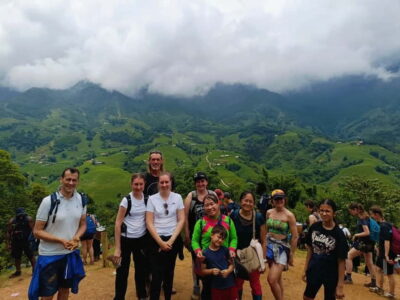
Sapa 1 Day Long Trek: Trek to Hau Thao and Sa Seng Villages
Read our review →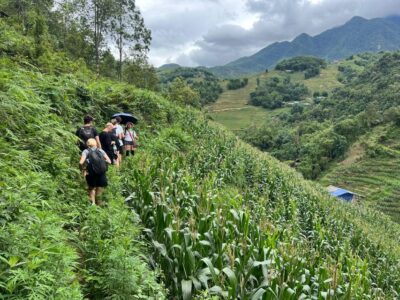
Explore Sapa by TrekkingAdventures, Mountain,Rice fields
Read our review →
EXPLORE SAPA: 2D1N TREKKING & HMONG CULTURE WITH DINH
Read our review →Browse the lists this trek appears in