
Review · SAPA
From Sapa: 2-Day Trekking Tour with Local Villages
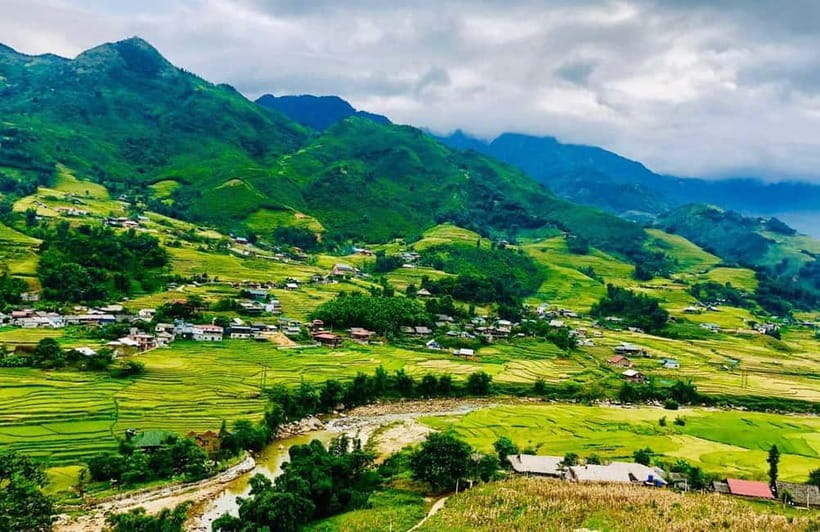
The best part of this two-day outing is the change of pace. You leave Sapa’s busy streets behind and walk through H’mong, Dzay, and Red Dzao villages, where rice terraces, rivers, bamboo forest, and village homes provide the setting. I like the overnight stay in Ta Van, because it gives the trip a human touch that a day walk cannot match.
I also like the local meals and guide-led cultural contact, especially with guides such as Si Si, who can answer questions and keep the evening lively with board games. The main caution is simple: rain can turn the first day’s trail into slippery mud, so sturdy shoes and a willingness to get dirty matter.
Key points to know before you book
- Two full days on foot: The route covers several villages, with about 8 kilometers on the second day.
- Three local cultures: Visit H’mong, Dzay, and Red Dzao communities in and around the Sapa valley.
- A real homestay night: Sleep in Ta Van and share a homemade dinner in a local setting.
- Waterfall and rattan bridge: Day two adds a scenic waterfall, bamboo forest, and a distinctive bridge crossing.
- Moderate, weather-dependent walking: The route is manageable for active walkers, but mud and changing conditions can make it harder.
- Solid inclusions for $99: Meals, guide, homestay, entrance tickets, and return transport to Sapa are covered.
Why this Sapa trek feels different from a day trip
Sapa is famous for its mountain scenery, but the view is only half the reason to come. The other half is the chance to walk between villages instead of simply stopping at a lookout and taking a photo.
This route links Y Linh Ho, Lao Chai, Ta Van, Giang Ta Chai, and Su Pan. Each name represents more than a checkpoint. You move through areas associated with different ethnic communities, see how farming shapes the valley, and gain a better sense of how scattered villages fit together.
I like the fact that the trek does not rush back to town at lunchtime. Day one continues from Y Linh Ho and Lao Chai to Ta Van, where you stay overnight. That extra night gives you time for dinner, conversation, and a quieter evening than you would get on a standard half-day walk.
The experience is priced at $99 per person. For two days, one night, a local English-speaking guide, three meals on day one and two, entrance tickets, and return transport, that is a fair package. You are paying for more than walking scenery, but you should still understand what is not covered: personal spending and any holiday surcharge.
A few more treks around Sa Pa worth a look
- EXPLORE SAPA: 2D1N TREKKING & HMONG CULTURE WITH DINH
★ 4.9 · 191 reviews - Sa Pa: 2-Day Trekking Trip with Ethnic Minority Homestay
★ 4.7 · 145 reviews - Sapa : 2-Day Trek & Heartwarming Homestay with an Ethnic Family
★ 5.0 · 143 reviews
Day one: Y Linh Ho and Lao Chai on the way to Ta Van
The first morning begins at 8:45 AM. That is early enough to make good use of the day without forcing you out before breakfast, assuming you have already arranged your morning in Sapa.
The walk heads toward Y Linh Ho, a H’mong village known for traditional farming and local customs. The appeal here is the setting: paths lead through the valley, with rice terraces and mountain views opening around you. The route is not a polished city walk. You should expect uneven ground and conditions that change with the weather.
From Y Linh Ho, the trek continues to Lao Chai. This village sits along the river, making it a natural place to pause. Lunch is served with a local family or near the riverbank, depending on the arrangements that day. That detail matters. A riverside meal or home meal gives you a break in the same environment you have been walking through, rather than sending you back to a tourist restaurant in Sapa.
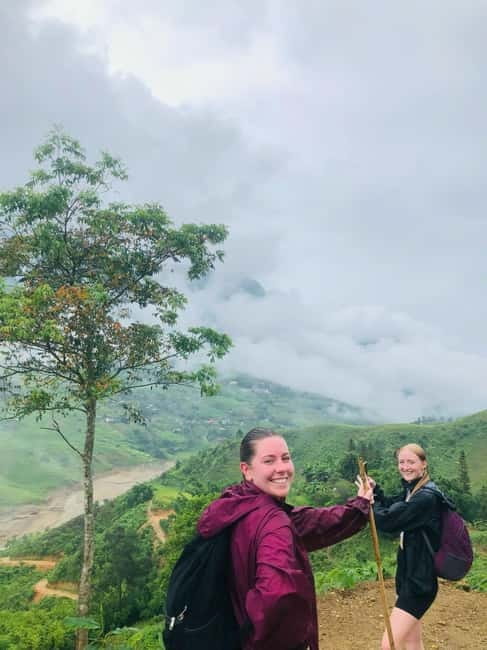
The first day is also the more demanding one in poor weather. One recent outing encountered muddy, slippery ground, and local people helped walkers along the trail. That can be part of the charm, but it is not a reason to arrive in smooth-soled sneakers. Bring shoes with a firm grip, and pack socks and clothes for one day in case the trail leaves its mark.
After lunch, you continue toward Ta Van, a Dzay village and the overnight base. The route lets you see the countryside at walking speed. You notice the contours of the terraces, the river valley, and the way homes and cultivated land share the same space.
Ta Van homestay: the night that makes the trip worthwhile
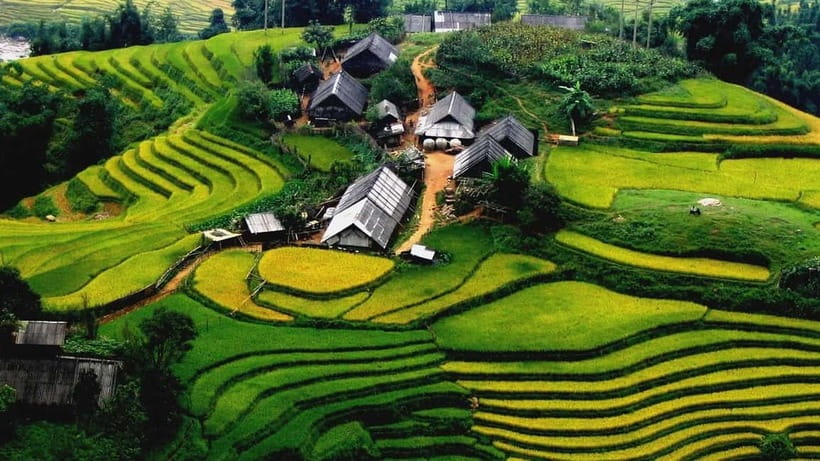
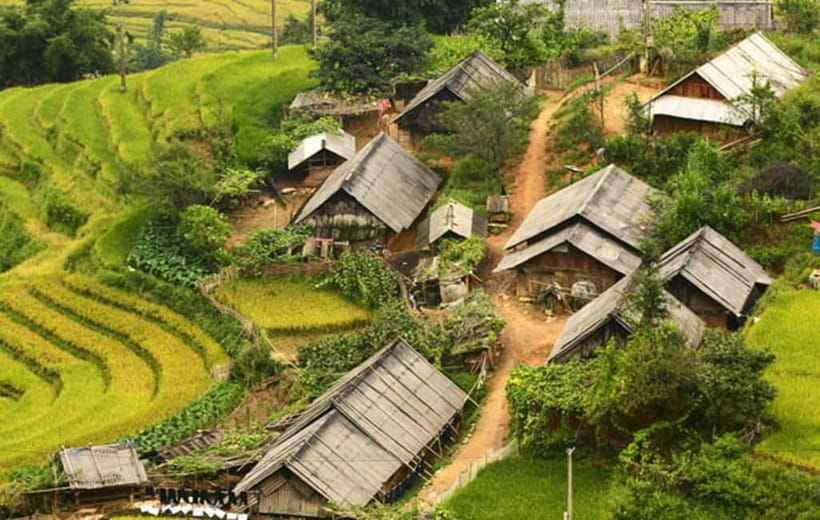
The Ta Van homestay is the heart of the tour. Instead of returning to a hotel in Sapa, you spend the night in the village and have dinner there.
The sleeping setup can vary. The homestay provides towels, slippers, and blankets, and one stay included a small private house with a comfortable, clean room and a good view. You should not treat that as a guaranteed room arrangement for every departure, but it gives you a useful idea of the standard you might find.
Dinner is included, and the food is described as plentiful and varied. The point is not fine dining. It is the chance to eat a homemade meal after a day on the trail, in a setting connected to the community you have just visited.
The evening can be social. A friendly guide such as Si Si may help the group talk through questions about local culture, and board games have been used to keep the night going. That is a small detail, but it helps explain why the homestay matters. You are not simply storing your luggage in a room and sleeping. You have time to settle into the village atmosphere.
Still, keep your expectations practical. A homestay is not the same as a full-service hotel. Pack only what you need for one night, and remember that the available comforts are the ones listed: towels, slippers, and blankets. Bring a change of clothes and socks, as requested.
Day two: Giang Ta Chai, Su Pan, and the return to Sapa
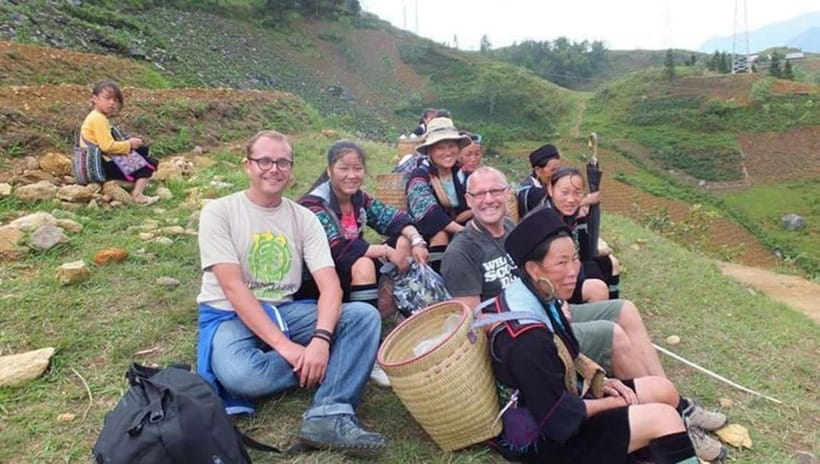
Breakfast comes at about 8:00 AM, with trekking starting around 8:45 AM. The second day covers about 8 kilometers and visits Giang Ta Chai and Su Pan.
Giang Ta Chai is associated with the Red Dzao community, while Su Pan includes Red Dzao and H’mong connections. The route offers another chance to see how nearby communities can have distinct customs, clothing, and village identity. Your guide is important here, since the cultural value is greater when you can ask questions instead of simply passing through.
The scenery changes as you walk toward a waterfall and rattan bridge. The bridge is one of the tour’s memorable physical features, while the waterfall gives the route a clear destination. You also pass through bamboo forest before reaching the main road.
The second day may feel easier than the first for some walkers, but it is still a proper trek. Eight kilometers on uneven paths is not the same as eight kilometers on pavement. The route is classed as moderate, and the operator says it is not suitable for children under eight, pregnant women, or people with mobility impairments.
A jeep takes you from the main road back to Sapa, with the tour finishing around 3:00 PM. That timing is useful if you have an evening train or another Sapa plan, though I would avoid booking anything that leaves no room for delays. Weather and trail conditions can affect walking time.
Same trailhead, a different route:
- Sa Pa: Muong Hoa Valley Trek and Local Ethnic Villages
★ 4.6 · 864 reviews - Sapa: Eco Adventure Terrace Fields and Local Villages Trek
★ 4.9 · 636 reviews - Number one top rated ethical cultural trekking and homestay by ETHOS
★ 5.0 · 456 reviews - From Sapa: 1-Day Guided Trek to Lao Chai & Ta Van with Lunch
★ 4.9 · 416 reviews
The guide matters more than the map
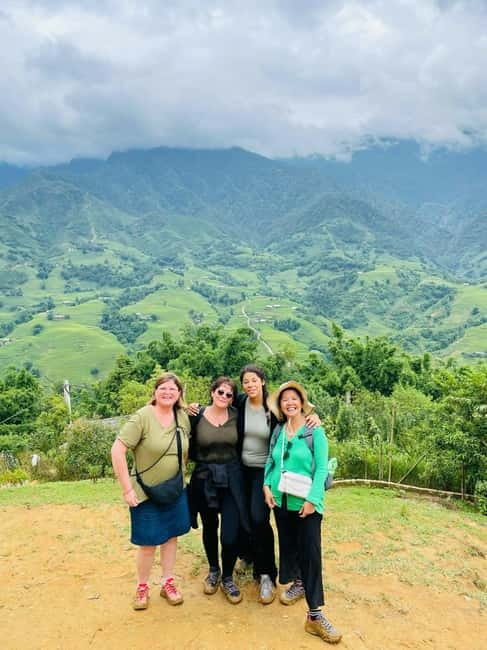
A local guide does more than point out the next village. The guide sets the pace, explains cultural details, helps with route conditions, and acts as your bridge into the communities along the way.
Si Si has been praised for being funny, friendly, and able to answer questions about local culture. That combination is valuable on a two-day trip. You get practical help on the trail, but you also have someone who can add meaning to the places you pass.
The tour is offered in English. Guide quality can shape the whole experience, so do not hesitate to ask questions about village life, farming, clothing, or the differences among H’mong, Dzay, and Red Dzao traditions. The more curious you are, the more you are likely to get from the walk.
Local help may also appear when the trail gets rough. On muddy ground, people from the area helped walkers keep their footing. That is a reminder that the trek passes through lived-in communities, not a staged outdoor attraction.
How hard is the walking?
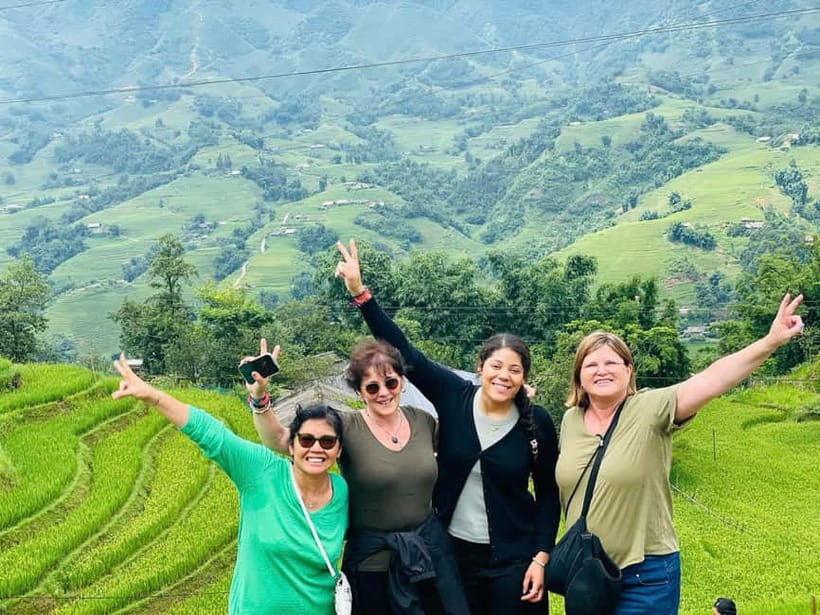
The official level is moderate. That means you should be comfortable walking for several hours, climbing and descending uneven paths, and coping with changing weather.
The route is not presented as an extreme mountain challenge. One account found the hikes easy to manage and not too strenuous, with good views of the rice terraces throughout. Another encountered very muddy and slippery conditions. Both points can be true: the distance and general pace may be reasonable, while rain makes individual sections much harder.
Pack for function, not appearance:
- Comfortable walking shoes with good grip
- A hat
- Sunscreen
- Insect repellent
- A camera
- One day of clothing and socks
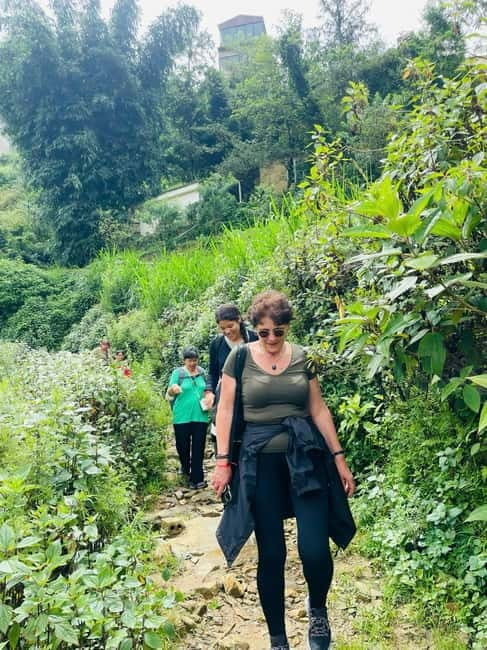
Weather is a major part of the calculation. Dry conditions should make the paths more manageable, while rain can create mud and slick surfaces. A lightweight waterproof layer would be sensible, although the listed packing guidance does not specifically promise one.
You should also be ready for dirt on your footwear and clothing. This is countryside trekking, not a paved sightseeing route.
Meals, transport, and what the $99 covers
The price includes two lunches, one dinner, and one breakfast. Lunch on day one comes at Lao Chai, while breakfast and lunch on day two are served before the return to Sapa.
Food is one of the stronger parts of the package. Meals have included different dishes, generous portions, and home-style cooking. Since food preferences and exact menus are not specified, ask the provider directly if you have allergies or special dietary needs.
The package also includes one night in a homestay, entrance tickets to the tourist area, a local guide for both days, and bus pickup and return to Sapa. On day two, the return from the main road is by jeep.
At $99, the value is strongest if you want an organized village trek and do not want to arrange meals, a rural overnight stay, and transport separately. It is less compelling for someone who only wants a short walk and a few viewpoints. The two-day format is the reason to choose it.
Personal expenses are extra, and holiday surcharges are not included. The booking terms allow cancellation up to 24 hours ahead for a full refund, and you can reserve now and pay later, which helps if your Sapa schedule is still shifting.
Who should choose this tour?
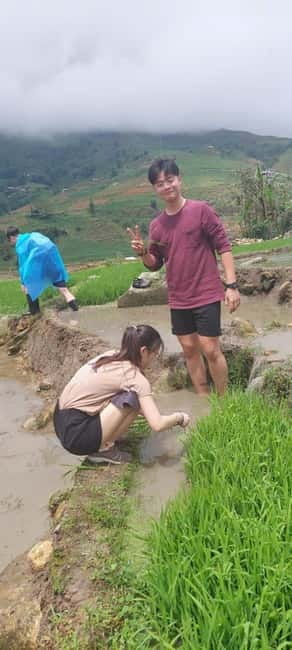
I would recommend it to an active visitor who wants more than a photo stop in Sapa. It suits you if you like walking, local food, village settings, and a night away from town.
It is also a good match for people who value a guide. You get cultural explanations, route support, and company during the homestay evening. Solo visitors and small groups may find that structure especially useful.
You should think twice if you dislike mud, shared rural lodging, or changing weather. The route is moderate, not effortless. It is also not suitable for children under eight, pregnant women, or people with mobility impairments.
The tour is offered in English, and a guide such as Si Si can make the cultural side much easier to understand. Still, the experience depends partly on your attitude. Bring curiosity, patience, and shoes you are willing to use on wet ground.
Should you book this Sapa trek?
Book it if your ideal Sapa experience includes rice terraces, several ethnic villages, a waterfall, a rattan bridge, and a homestay rather than a quick return to town. The two-day schedule gives you time to see more of the valley and enjoy a home-cooked dinner in Ta Van.
Skip it if you want a luxury overnight stay, a guaranteed dry trail, or a short and gentle sightseeing walk. For most active visitors, though, the $99 price covers the parts that are hardest to arrange alone: a local guide, rural lodging, meals, entry tickets, and transport back to Sapa. Pack good shoes, keep your plans flexible, and this is a practical way to see the countryside at close range.
FAQ
How long is the Sapa trekking tour?
The experience lasts two days. It begins at 8:45 AM on day one and finishes in Sapa at about 3:00 PM on day two.
Which villages does the route visit?
The route visits Y Linh Ho, Lao Chai, Ta Van, Giang Ta Chai, and Su Pan.
Which ethnic communities can I learn about?
You can learn about H’mong, Dzay, and Red Dzao communities during the trek.
Where do I stay overnight?
You stay for one night in a local homestay in Ta Van village.
What meals are included?
The tour includes two lunches, one dinner, and one breakfast.
Is the trek difficult?
The trek is rated moderate. The second day includes about 8 kilometers of walking, and weather can make the trail muddy and slippery.
What should I bring?
Bring comfortable shoes, a hat, a camera, sunscreen, insect repellent, and clothing and socks for one day.
Does the homestay provide bedding and towels?
The homestay provides towels, slippers, and blankets.
Is transport back to Sapa included?
Yes. Return transport to Sapa is included, with a jeep used from the main road on the second day.
Is the tour suitable for everyone?
No. It is not suitable for children under eight, pregnant women, or people with mobility impairments.
Just added around Sa Pa
- Sapa: Private The Most Beautiful Terraced Fields Trekking★ 4.8 · 42 reviews
- Soob Sapa Trekking Tour★ 4.3 · 3 reviews
- Sapa Trekking – Waterfalls And H’mong Villages★ 5.0 · 2 reviews
- Sapa3D2N TrekkingAdventures,Valleys,Bambooforest,Waterfall★ 4.8 · 24 reviews
- Sapa: Trekking Through Terraced Rice Fields & Valley 1 Day★ 4.8 · 4 reviews
- Sapa: Trekking Sapa One Day With Group Tour★ 4.7 · 55 reviews
- Sapa: Y Linh Ho – Lao Chai, and Ta Van Trekking Day Tour★ 5.0 · 25 reviews
- Sapa Trekking Private Tour With Ethnic Female Tour Guide★ 4.9 · 24 reviews
Sapa Trekking Tours, compared.
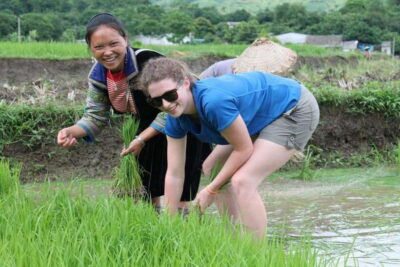
Muong Hoa Valley Trek and Local Ethnic Villages
Read our review →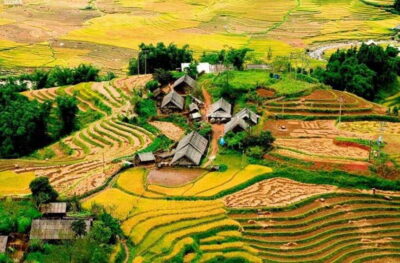
Eco Adventure Terrace Fields and Local Villages Trek
Read our review →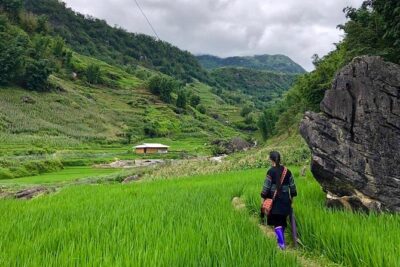
Number one top rated ethical cultural trekking and homestay by ETHOS
Read our review →
1-Day Guided Trek to Lao Chai & Ta Van with Lunch
Read our review →
Sapa 1 Day Long Trek: Trek to Hau Thao and Sa Seng Villages
Read our review →
Explore Sapa by TrekkingAdventures, Mountain,Rice fields
Read our review →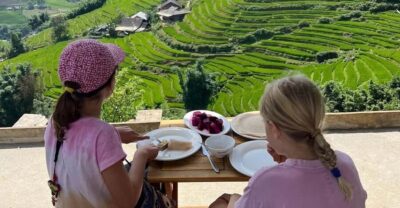
EXPLORE SAPA: 2D1N TREKKING & HMONG CULTURE WITH DINH
Read our review →Browse the lists this trek appears in