
Review · HANOI
Hanoi- SaPa: 3-Day Homestay Trek to Explore Ethnic cultures
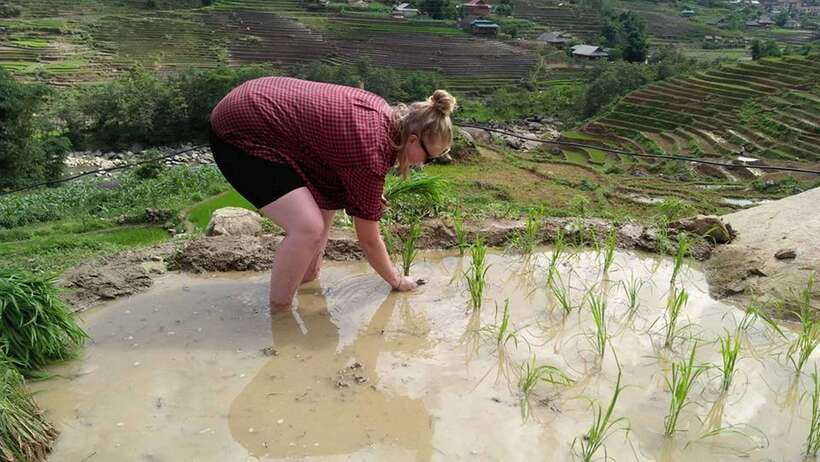
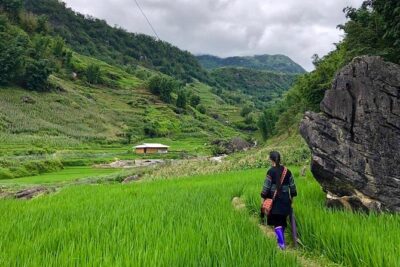
The best part of this three-day Sapa trek is the steady change in scenery and culture. You move from Hmong villages and rice terraces to Giay and Red Dzao communities, sleeping in local homes instead of spending the whole trip in Sapa town. The walks are not just photo stops. They link villages, family homes, bamboo forest, and valley paths.
I like the small group of no more than 14 people, and I like that guides such as Su and Sang are local to the area or closely connected with the villages. Guides can adjust the pace and route when needed. The main drawback is the overnight bus. It saves a hotel night, but it can be dirty and uncomfortable, and the early arrival in Sapa may leave you tired before the first trek begins.
Key points to know before booking
- Two nights in homestays: Stay in Ta Van and Ban Ho, with meals prepared by local families.
- Three ethnic communities: Meet Hmong, Giay, and Red Dzao people across different villages.
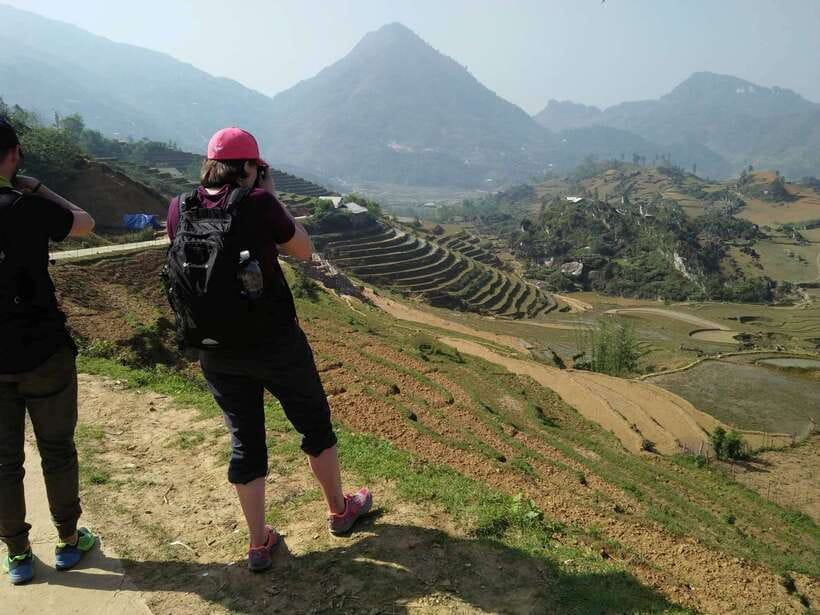
- A real hiking trip: Expect challenging paths, bamboo forest, uneven ground, and changing weather.
- Early-morning arrival: Leave Hanoi around 8:45 PM, reach Sapa around 4:00 AM, and rest on the bus until about 6:00 AM.
- A helpful arrival routine: Breakfast and a place to shower or change are arranged before the first trek, though comfort at the arrival hotel can vary.
- Good value at $139: Transport, guides, two nights of lodging, eight included meals, and water are covered.
Why this Sapa trek feels different from a day trip
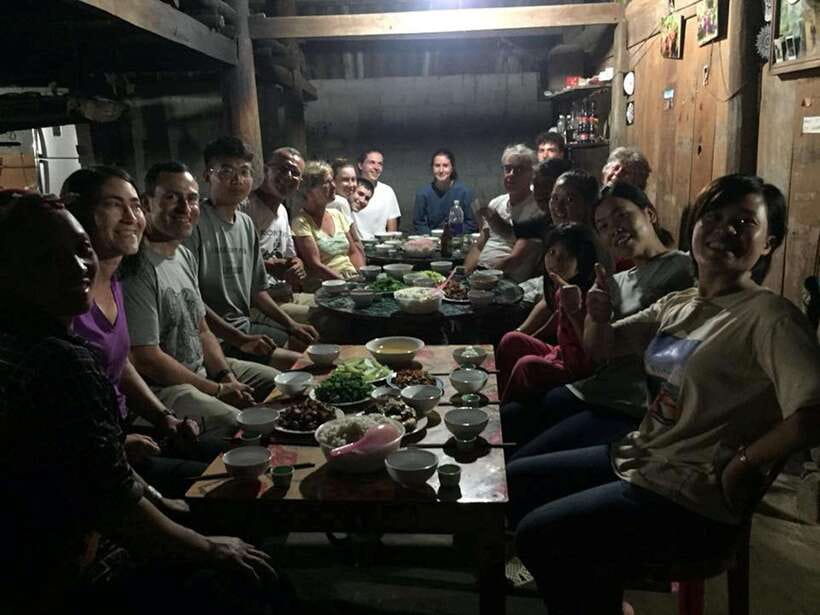
Sapa is easy to visit quickly, but a day trip rarely gets you far beyond the town. This journey gives you time to walk between villages and spend two evenings with local families. That extra time matters. You see how the valley changes after the day visitors have gone, and you have more chances to ask your guide about customs, farming, clothing, and village life.
The trip covers communities associated with the Hmong, Giay, and Red Dzao ethnic groups. The route is not presented as a museum visit. You walk through inhabited villages, stop at family homes, eat meals along the way, and sleep in village homestays. Please approach this with respect. Ask before taking close-up photographs, follow your guide’s advice, and remember that people here are living their daily lives, not performing a show.
The price is $139 per person. For three days, that includes the overnight bus from Hanoi to Sapa and back, an English-speaking guide, two nights of accommodation, three breakfasts, three lunches, two dinners, and mineral water. That is a fair package for visitors who want a guided trek without arranging separate transport and lodging.
It is not a luxury trip. Homestays are generally clean and suitable, but they are simple. The buses can be the weakest part of the experience. If you value a private room, reliable sleep, and polished transport, this may feel basic. If you value time on foot and contact with local families, the price makes more sense.
More Homestay Treks in Hanoi
- Hanoi – Sapa 2 Days 1 Night Overnight At Homestay
★ 5.0 · 899 reviews - From Hanoi: 2-Day Sapa Trekking Trip with Homestay & Meals
★ 4.8 · 704 reviews - 2-Day Sa Pa Ethnic Homestay Tour & Trek with Limousine Bus
★ 4.8 · 440 reviews
The overnight bus from Hanoi to Sapa
You have free time in Hanoi before pickup around 8:45 PM. Pickup is available from the Old Quarter, with the stated meeting point at 30 Hang Muoi in the Hoan Kiem area. If you stay outside the Old Quarter, you need to make your own way to the bus station.
The bus reaches Sapa around 4:00 AM. You can continue sleeping on the bus until roughly 6:00 AM, when you are taken to a boutique hotel for breakfast. This schedule is efficient, but not gentle. I would treat the first night as a travel night rather than expect proper sleep.
Bring warm layers, earplugs, and a small bag that stays with you. The main luggage arrangement is not explained in detail, so keeping trekking shoes, toiletries, medicine, and a change of clothes close at hand is sensible. You will want those items before the first trek.
The arrival hotel provides breakfast, and the experience includes time to shower or change before the walk. The exact comfort level can vary. Some people have found the available bathroom near reception less private than expected, while others appreciated the chance to freshen up after the long ride. Keep expectations practical.
Day 1: Lao Chai, Hmong country, and Ta Van
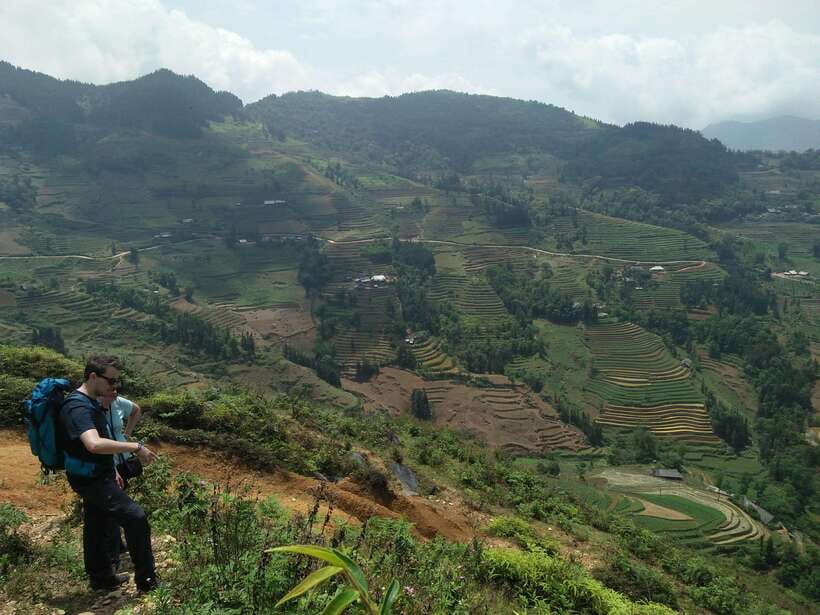
After breakfast and a group introduction, your guide collects you at about 9:00 AM. The first trek heads toward Y Linh Ho and Lao Chai, areas associated with the Hmong community.
This opening section gives you the classic Sapa views: rice terraces cut into steep hillsides, narrow village paths, and broad mountain views when the weather cooperates. The terraces are especially photogenic, but the weather can change the whole feel of the day. In cold rain or mist, visibility may fall to around 100 meters. On a clear day, the same route can open into spectacular valley views.
Lunch is served in Lao Chai at the home of a local family. That is a useful pause because the meal is part of the setting rather than a stop at a standard city restaurant. Food is included, and portions are generally generous across the trip. Drinks other than the included mineral water cost extra, so carry cash for beverages.
The afternoon continues toward Ta Van, home to Giay people. This is a good point in the journey for noticing that Sapa is not one single cultural area. Different communities have their own customs and local identity, and the guide helps explain what you are seeing.
You spend the first night in a Ta Van homestay. The word homestay can mean different things in Sapa. Here, expect a simple shared-style accommodation rather than a private boutique room. The homes are described as clean and suitable, and hosts are welcoming, but facilities are basic. A warm sleeping bag or extra blanket may be useful in cooler months, especially from October through March.
Day 2: Bamboo forest, Rattan Bridge, and Ban Ho
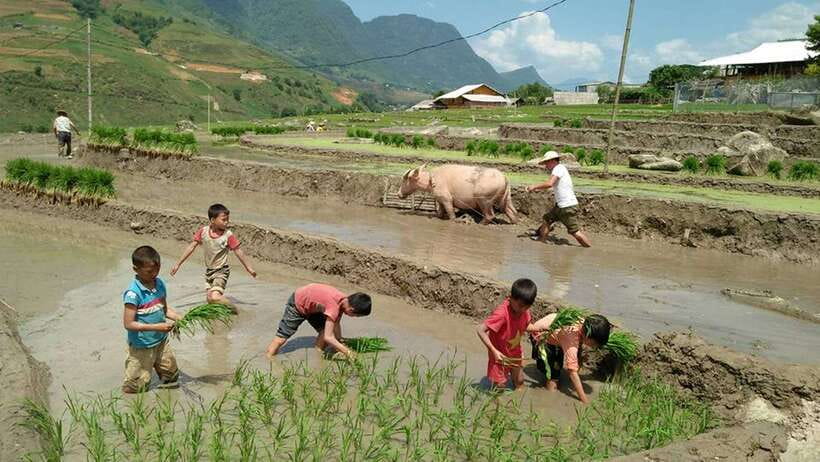
After breakfast, you leave Ta Van and walk through bamboo forest toward Giang Ta Chai. This is one of the more scenic sections of the trip, with a quieter rural feel than the main roads around Sapa.
Giang Ta Chai is associated with the Red Dzao community. You visit Rattan Bridge and a Dzao family home, then continue along the footpath. The route gives you a better sense of how villages connect to one another, rather than treating each settlement as an isolated stop.
The walk can be challenging. The supplied information does not give a distance or elevation gain, so you should not judge the trek by the three-day label alone. Uneven paths, wet ground, steep sections, and heat can all affect the effort. Comfortable trekking shoes are essential. Sandals and smooth-soled trainers are poor choices here.
Lunch comes during the day, followed by the continued trek to Ban Ho. When you arrive, you have free time to rest and stroll through the village. This pause is welcome after the longer walking day. You can use it to look around without rushing from one planned stop to another.
The second night is again in a homestay. Hosts may offer rice wine, and drinks are generally available for purchase, but the included mineral water supply may not last all day. One bottle was reported as insufficient for the full trek, so bring extra water money and ask your guide where to refill or buy more.
Dinner is included at the homestay. Meals are a strong part of this experience because they create a natural setting for conversation. English may be limited at some homes, so your guide often becomes the bridge between you and the family. Simple gestures, patience, and curiosity go a long way.
Same trailhead, a different route:
- Sapa 3 Days 2 Nights Trekking Tour (1 Night In Ta Van Village, 1 Night In Hotel)
★ 5.0 · 699 reviews - 3-Day Trekking Adventure of Sapa from Hanoi – Stay Ta Van Village
★ 5.0 · 611 reviews - Hanoi – Sapa 3 Day 2 Night Trekking With Hotel & Homestay
★ 5.0 · 389 reviews - From Hanoi: 2-Day Sapa Trek Tour – Luxury Limousine Transfer
★ 4.1 · 249 reviews
Day 3: Sunrise in Ban Ho and the Red Dzao village of Nam Tong
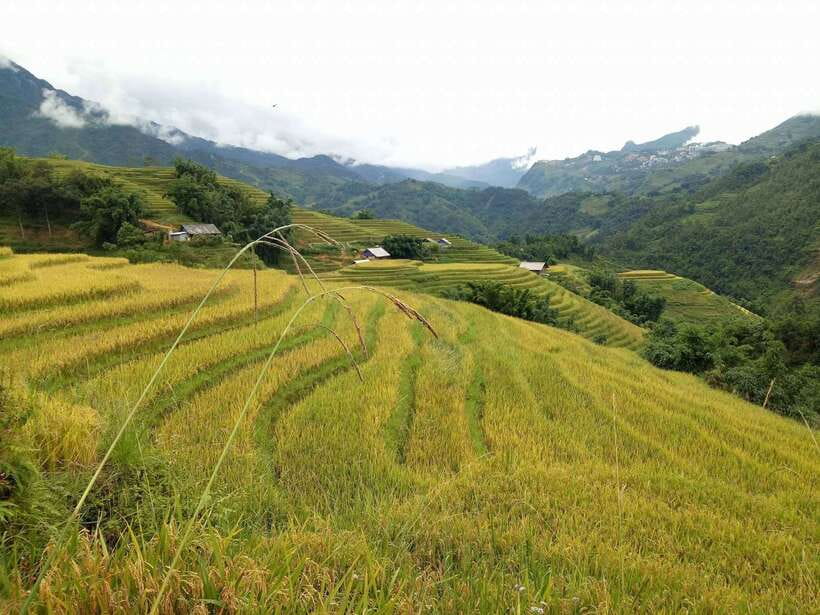
The final morning begins with breakfast and sunrise views over Ban Ho valley. If the weather is clear, this can be one of the prettiest moments of the trip. Morning light changes the terraces and hills quickly, so keep your camera accessible rather than packed away.
You then take a short trek to Nam Tong, a village inhabited by the Red Dzao. The walk is shorter than the previous day, but it still gives you more time to learn about customs and traditions away from the main Sapa center.
After returning to Ban Ho, a van takes you back to Sapa. You have time to rest at the hotel before the bus departs for Hanoi at about 4:00 PM. The bus should reach Hanoi around 10:00 PM, ending the activity back at the meeting point.
The return transfer has not always felt perfectly clear. At the bus changeover, English communication may be limited, and holiday periods can create extra confusion. Keep your booking details and meeting instructions handy, and confirm the departure point with the operator before leaving Sapa.
What the guides add to the experience
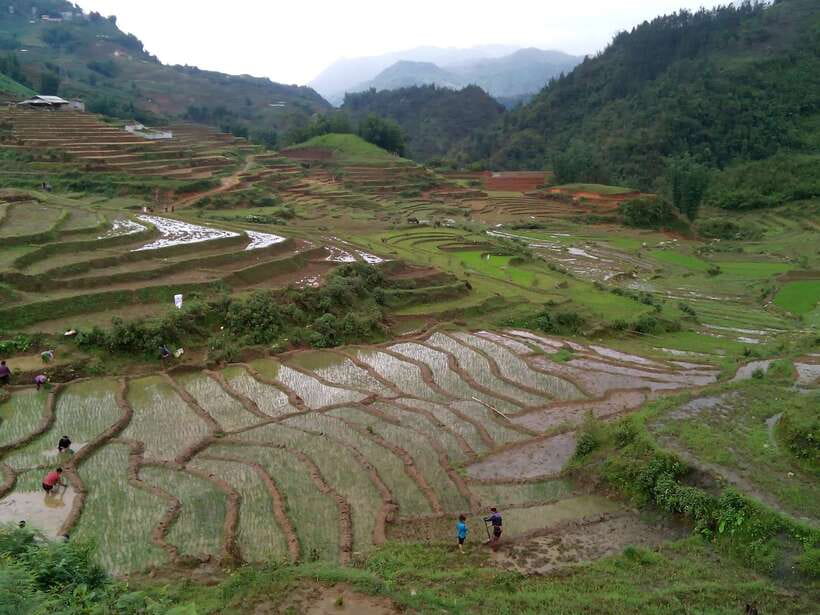
The guide can make or break this trip. The strongest part of the experience is the personal explanation of village life, along with flexibility when weather, fatigue, or health affects the group.
Guides named Su and Sang have been especially helpful to visitors on this route. Su is described as attentive, patient, and good at explaining local stories. She also adjusted the plan when people were not feeling well. Sang is described as a local guide who knew the paths and villages well.
Your assigned guide may be different, and the exact guiding style can vary. Still, the small group size gives the guide more room to answer questions and adjust the pace than a large coach tour would. Some language gaps are possible, and phone translation may be needed for complicated questions.
I would tell your guide early if you need a slower pace, more rest, or a route adjustment. This is not the place to quietly push through an injury. The tour is not suitable for wheelchair users, people with mobility impairments, pregnant women, or children under six.
Weather, clothing, and practical comfort
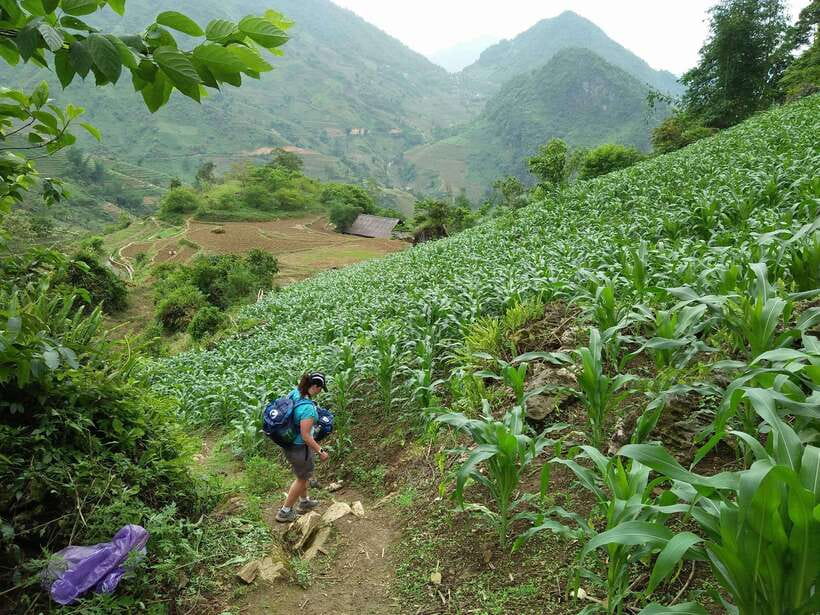
Sapa weather can change quickly, and the views depend heavily on conditions. From October through March, warm clothes are recommended. Rain gear is also sensible, even if the forecast looks promising.
Pack:
- Sturdy trekking shoes
- A light waterproof layer
- Warm clothing in cooler months
- Sun hat and sunglasses
- Sunscreen
- Insect repellent
- A small day bag
- Extra cash for drinks and personal expenses
The tour supplies mineral water, but do not assume it will cover every trekking hour. Carry a reusable bottle if you have one, and buy additional water when needed.
You should also expect mud, wet paths, and a little dust. Pack clothing that can handle village walking and do not bring delicate footwear. The homestays are simple, so a small personal towel and basic toiletries may make the nights more comfortable, though those items are not listed as included.
Is $139 good value for three days?
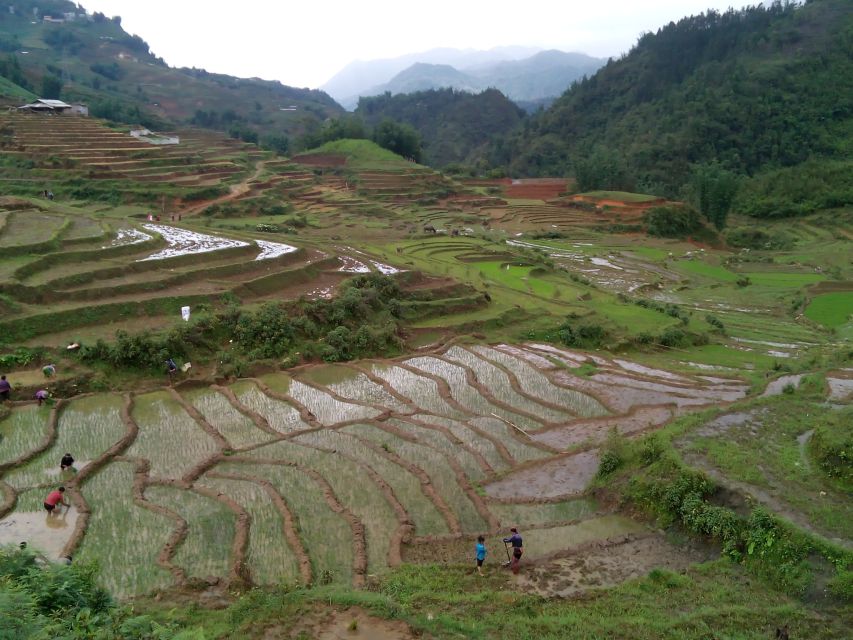
For the right kind of trip, yes. You are paying for the long-distance transport, a guide, two nights of homestay lodging, and most meals. Arranging those pieces separately would take time and would not necessarily produce a better route between Ta Van, Ban Ho, and Nam Tong.
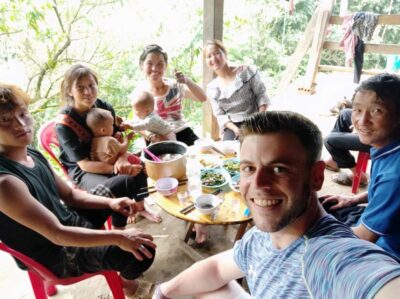
The value is strongest if you want a guided outdoor experience and do not need private accommodation. The two homestays are the heart of the trip. You eat with local families, see how village hospitality works, and get a closer look at daily life than a quick photo stop allows.
The value is weaker if your priority is comfortable transport. The overnight buses have been described as dirty and uncomfortable, and a lost night of sleep can affect your first hiking day. There is also a $75 per-person Lunar New Year surcharge for travel from January 26 through February 2, 2025, payable at the meeting point. Drinks, insurance, VAT, and personal expenses are not included.
Free cancellation is available up to 24 hours before departure, and you can reserve now and pay later. Those terms are useful if your Hanoi schedule is still shifting, but they do not change the physical demands of the trek.
Who should book this Sapa homestay trek?
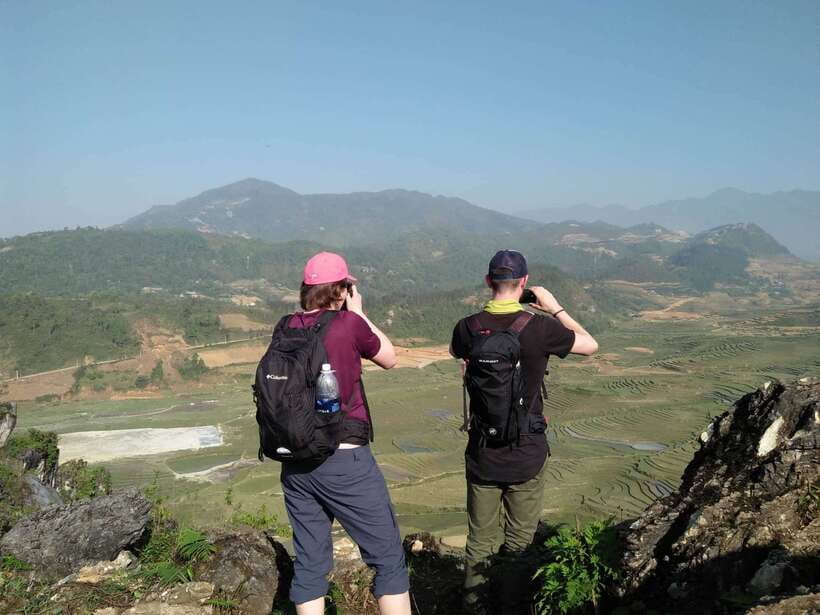
I would choose this trip if you want to walk through rice terraces, stay in villages, and learn about Hmong, Giay, and Red Dzao communities in one compact journey. It suits active visitors who can manage several hours of walking and are comfortable with basic lodging.
It also suits solo visitors who want the structure of a small group. The group limit of 14 is small enough for conversation without promising a private tour.
I would look elsewhere if you need step-free access, private rooms, an easy pace, or dependable sleep on the road. I would also avoid booking it for a young child under six. The route is rewarding, but the trek and overnight buses require patience.
Should you book it?
Book this Sapa tour if the main goal is village walking and cultural contact, not polished transport. The best moments come from the two homestays, the local guides, the rice terraces, and the chance to move through several ethnic communities at walking pace.
Before paying, make sure you are ready for an overnight bus, simple accommodation, possible rain, and challenging paths. Pack properly, confirm the Hanoi pickup, and carry extra water money. If those conditions sound acceptable, $139 buys a full and varied three-day experience that reaches well beyond Sapa town.
FAQ
Where does the tour start?
It starts in Hanoi, with pickup from the Old Quarter. The stated meeting point is 30 Hang Muoi, Ly Thai To, Hoan Kiem, Hanoi.
What time does pickup from Hanoi take place?
Pickup is around 8:45 PM on the first evening.
When does the bus arrive in Sapa?
The bus arrives around 4:00 AM the next morning. You can sleep on the bus until about 6:00 AM before going to a hotel for breakfast.
Is hotel pickup available outside Hanoi Old Quarter?
No. Pickup is only available from the Hanoi Old Quarter. If you stay elsewhere, you must go to the bus station.
How many nights are spent in homestays?
You spend two nights in homestays, one in Ta Van and one in Ban Ho.
Which ethnic communities are included?
The route visits areas associated with the Hmong, Giay, and Red Dzao communities.
What language does the guide speak?
The tour has a live English-speaking guide.
What meals are included?
The package includes three breakfasts, three lunches, and two dinners. Beverages other than the included mineral water are not included.
Is the trek suitable for people with limited mobility?
No. It is not suitable for people with mobility impairments, wheelchair users, or pregnant women. It is also not suitable for children under six.
What happens on the final day?
You walk from Ban Ho to Nam Tong and return to Ban Ho, then take a van to Sapa. After resting at the hotel, you take the 4:00 PM bus back to Hanoi and arrive around 10:00 PM.
More 3-Day Experiences in Hanoi
- From Hanoi: Trek and Stay: 3-Day Sapa Highlands Adventure
★ 4.6 · 152 reviews - Sapa 3 Days 2 Nights Trekking Tour From Hanoi (2 Nights in Hotel)
★ 5.0 · 112 reviews - Sapa: 3-Day, 3-Night Trek and Hotel with Overnight Train
★ 4.2 · 64 reviews - From Hanoi: 3 Days Luxury Sapa Trek & Fansipan Peak with Dcar
★ 5.0 · 43 reviews
Just added around Hanoi
- 8-Days Hanoi, Sapa Trekking And Halong Bay Cruise★ 5.0 · 8 reviews
- From Hanoi : Sapa Moutain Trek – Halong bay Heritage★ 4.5 · 25 reviews
- Trekking around Ha Giang 5 days 4 nights★ 3.0 · 2 reviews
- Mai Chau – Pu Luong trekking 3 days 2 nights★ 4.5 · 7 reviews
- Trekking In Ha Giang 5 Days★ 5.0 · 4 reviews
- 2-Day Trekking in Sa Pa from Ha Noi by sleeping bus★ 5.0 · 4 reviews
- Hanoi: 3D2N Mu Cang Chai Visit All Attractions, Trek, Ethnic Life★ 5.0 · 3 reviews
- 2-Day SAPA Trekking – Villages-Homestay-Ethnic-Local Food-Market★ 5.0 · 2 reviews
Homestay & Village Treks, compared.
Number one top rated ethical cultural trekking and homestay by ETHOS
Read our review →
2-Day Sa Pa Ethnic Homestay Tour & Trek with Limousine Bus
Read our review →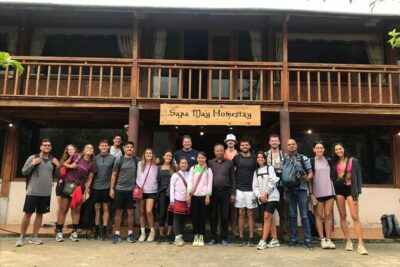
Sapa 3 Day 2 Night Trekking With Hotel & Homestay
Read our review →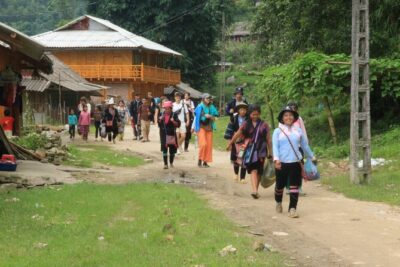
Sapa 2 Days 1 Night Overnight At Local Homestay
Read our review →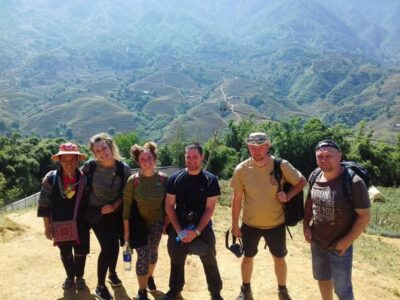
2-Day Trekking Trip with Ethnic Minority Homestay
Read our review →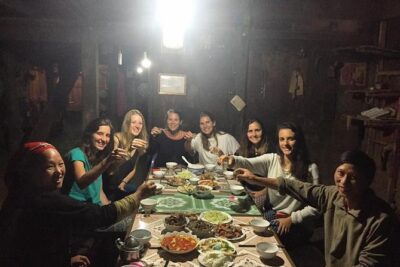
2-Day Trek & Heartwarming Homestay with an Ethnic Family
Read our review →Browse the lists this trek appears in