
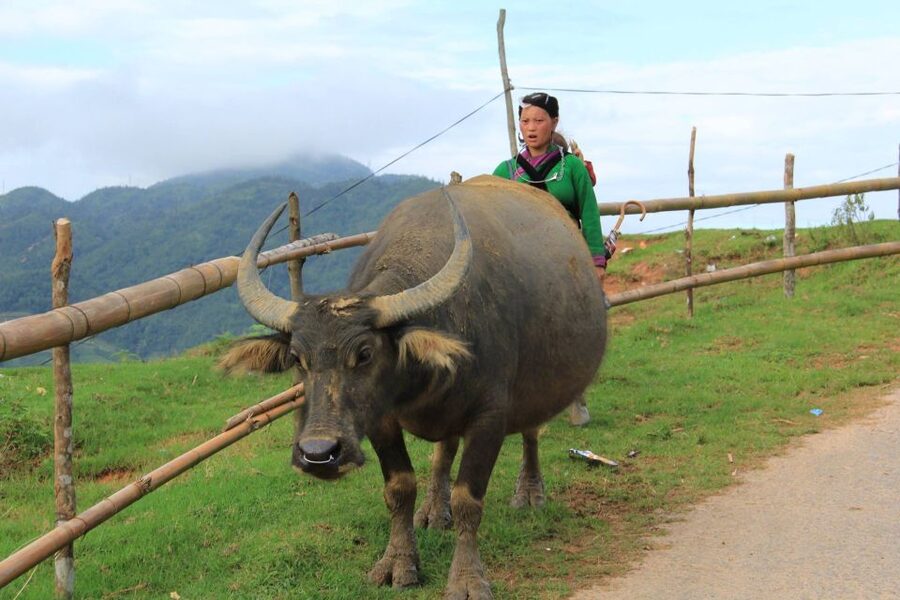
Review · HANOI
Hanoi: 3-Day Sapa Trek with Homestay
Sapa’s best moments happen on foot, far from the town center. Over three days, you’ll pass H’mong and Giay villages, follow rice terraces around Y Linh Ho and Lao Chai, and sleep in a local Dzay home rather than spending both nights in a hotel. I especially like the mix of a short Cat Cat walk on day one and a longer village trek on day two.
I also like the small group, capped at 10 people, and the chance to cook dinner with your hosts. Guide Chu has been praised for his energy, warmth, and care on the trail. The main consideration is comfort: the homestay is basic, winter can be cold, and the 9-kilometer walking day is not a good fit for everyone.
Key points before you book

- A three-day route with two different Sapa experiences: Start with Cat Cat near town, then spend the main trekking day among Y Linh Ho, Lao Chai, and Ta Van.
- A real local overnight: You stay with a Dzay family and share dinner preparation, rather than simply visiting a village for a quick photograph.
- Small groups help on narrow paths: The group limit is 10 participants, with an English-speaking local guide in Sapa.
- The homestay is not a hotel: Private rooms may be available for an extra charge, but basic facilities are part of the experience.
- The return to Hanoi takes most of day three: You reach Sapa around 2 PM, then take a shuttle and bus back to Hanoi.
- Bring proper walking gear: Hiking shoes, warm clothing, sunscreen, sunglasses, insect repellent, and cash will make the trip easier.
Why this Sapa trip works well

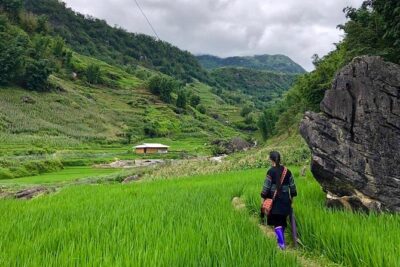
Sapa is famous for its stepped rice fields, but the views mean more when you reach them on foot. This trip gives you time to walk between villages, see how the terraces shape daily life, and spend a night in the countryside.
The route also gives you a useful balance. Day one is a gentle introduction around Cat Cat. Day two is the main trek, with a longer walk through H’mong territory and an overnight stay with a Dzay family. Day three brings another stretch of trail through bamboo forest and past a silk waterfall before you return to town.
At $182 per person, the price is reasonable if you value transport, meals, guides, and the overnight stay in one package. You are not paying only for a walk. The fee also covers the shuttle from Hanoi, the bus back, local transfers, six included meals, and hotel access for the first night in Sapa under the listed arrangement.
Still, the value depends on your expectations. If you want a polished hotel, private transport, and a predictable schedule, this is not the right choice. If you want a practical way to see Sapa without organizing every transfer yourself, it saves time and planning.
More Homestay Treks in Hanoi
- Hanoi – Sapa 2 Days 1 Night Overnight At Homestay
★ 5.0 · 899 reviews - From Hanoi: 2-Day Sapa Trekking Trip with Homestay & Meals
★ 4.8 · 704 reviews - 2-Day Sa Pa Ethnic Homestay Tour & Trek with Limousine Bus
★ 4.8 · 440 reviews
The early bus from Hanoi to Sapa
Pickup is available from the Old Quarter area of Hoan Kiem, usually between 6:30 and 7 AM. You can also meet at 6:45 AM at 9 Hang Huong in Hang Ma. The trip uses a modern shuttle bus with an experienced driver and includes two bottles of water.
The bus follows the highway toward Lao Cai, with a comfort stop before reaching the city and another stop in Lao Cai. These breaks matter because the journey takes much of the morning. You should not expect to arrive in Sapa ready for an immediate long hike.
The itinerary says you reach Sapa around midday. You are collected from the bus office at about 12:30 PM, taken to the tour office, and given lunch before checking into your room. An English-speaking guide handles the Hanoi to Sapa portion, while a local English-speaking guide leads the walking sections.
The small group limit of 10 is useful here. Sapa’s village paths can be narrow and uneven, and a small group usually means less waiting at turns, meal stops, and transfers.
Cat Cat Village on the first afternoon

After lunch and check-in, you leave the hotel around 2:30 PM for the walk to Cat Cat Village. The route is about 3 kilometers downhill, followed by roughly 3 kilometers back to Sapa.
Cat Cat is close to town and is known for its H’mong culture, traditional crafts, waterfall, and old hydropower station. You’ll have a chance to see weaving, carved silver work, and hand-forged agricultural tools. These details give the walk more purpose than a simple viewpoint stop.
The return to Sapa is uphill, so the first afternoon is not completely effortless. It is a good test of your shoes and fitness before the longer day ahead. Take your time, especially if the path is wet.
The schedule allows you to return for dinner around 6:30 or 7 PM. Under the listed option, your first night is at a hotel in Sapa. Some trip details describe one hotel night and one homestay night, while the accommodation section focuses on shared homestay lodging. Confirm the exact room arrangement before paying, particularly if hotel comfort matters to you.
Y Linh Ho and the terraces around Lao Chai
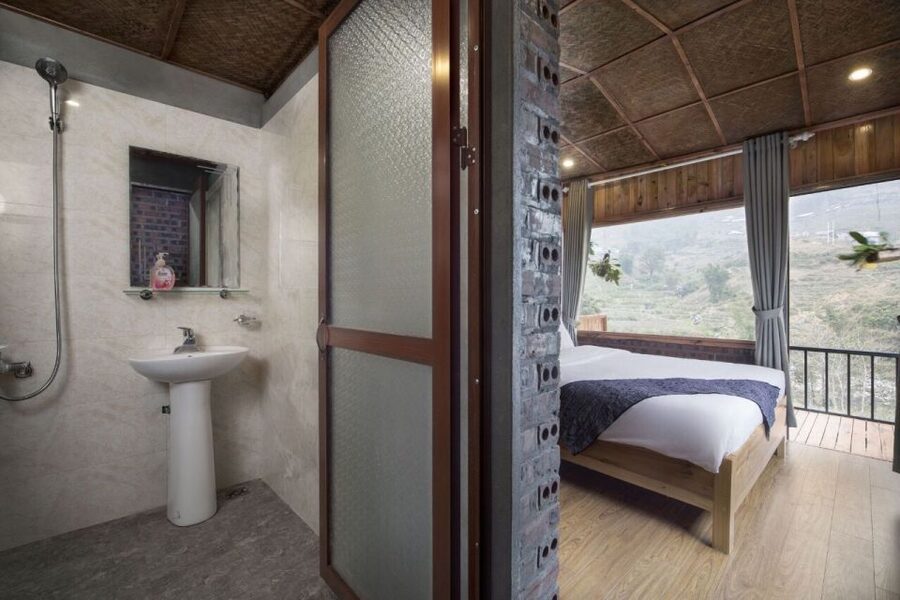
Day two is the heart of the trip. After breakfast, you check out before 8:30 AM and leave around 8:30 for Y Linh Ho.
Y Linh Ho is a H’mong village, and the walk gives you a close view of old rice terraces. The terraces are described as roughly 100 years old, and their importance is easy to understand from the trail. They are not just scenery. They show how farming has been shaped around steep hillsides over many generations.
This is also the part of the route where sturdy footwear matters most. The tour specifically recommends hiking shoes, and you should take that advice seriously. You may encounter uneven ground, changing weather, and muddy or slippery sections, although the exact trail can change with conditions.
From Y Linh Ho, you continue toward Lao Chai, another H’mong village. You stop there for lunch for about an hour. The break splits the walking day and gives you time to rest before continuing toward Ta Van.
The tour does not promise a fast pace, but this is still a substantial day outdoors. The information provided notes that the 9-kilometer walk is not recommended for older people or children. Pregnant people and anyone with pre-existing medical conditions are also advised not to take the trip.
Same trailhead, a different route:
- Sapa 3 Days 2 Nights Trekking Tour (1 Night In Ta Van Village, 1 Night In Hotel)
★ 5.0 · 699 reviews - 3-Day Trekking Adventure of Sapa from Hanoi – Stay Ta Van Village
★ 5.0 · 611 reviews - Hanoi – Sapa 3 Day 2 Night Trekking With Hotel & Homestay
★ 5.0 · 389 reviews - From Hanoi: 2-Day Sapa Trek Tour – Luxury Limousine Transfer
★ 4.1 · 249 reviews
Ta Van and the Dzay homestay
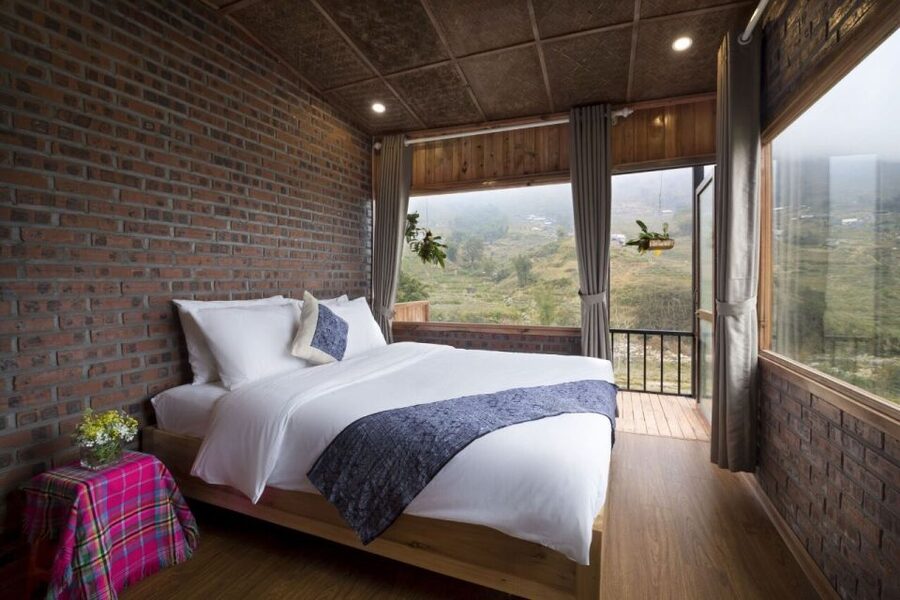
After Lao Chai, you continue to Ta Van, where H’mong and Giay communities live. Your overnight stay is with a local Dzay family.
This is the part I find most valuable for anyone who wants more than a quick village visit. You are not simply passing through with a camera. You stay overnight, help prepare dinner, and share a meal with your hosts. That creates a slower connection to the area, even though the visit remains a short organized trip.
The accommodation is shared, and private rooms can be added for an extra cost. Facilities are not the same as those in Sapa hotels. You should expect a simple home environment and pack with that in mind. Bring warm clothing and a scarf, especially from December through March.
The food is another strong point. The package includes two dinners, one of which is prepared with the local family, along with breakfast and lunches. Special dietary needs should be sent before departure. Do not assume that every preference can be handled at the last minute.
The overnight setting can also be noisy in a rural way. The schedule warns that you may wake to a rooster or pigs. For some people, that is part of the appeal. For others, it is a reminder that this is a working home, not a quiet resort.
Bamboo forest and Giang Ta Chai on day three

Day three begins with breakfast outdoors, with pancakes, hot tea, or hot coffee listed as possible choices. The morning views across the rice terraces are one of the reasons to accept the simple overnight conditions.
After saying goodbye to your hosts, you walk through a bamboo forest toward Giang Ta Chai. The route also includes a silk waterfall. After several hours of walking, you stop for a picnic lunch with views around you.
One point needs checking here. The trip information describes a picnic lunch, but an account from one departure noted that no picnic took place. The actual meal and trail can change because of weather and operating conditions. If the outdoor lunch is important to you, ask the operator to confirm it before departure.
You eventually reach the main road and take a car or minivan back to Sapa. Arrival is scheduled for about 2 PM. You can shower at the hotel before taking the shuttle to the bus office around 3 PM.
The operator prepares sandwiches for the ride back to Hanoi. That is a small but useful touch, since the return journey continues after the walking ends. You then board the bus and return to the original meeting point in Hanoi.
What the guides add to the experience
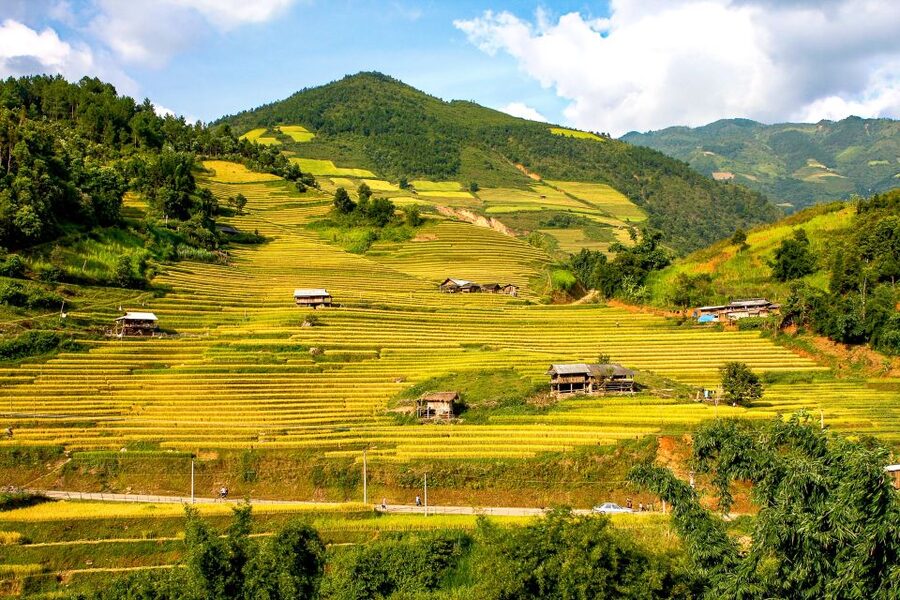
The trip includes two kinds of guiding. An English-speaking guide accompanies the Hanoi to Sapa transfer, and a local English-speaking guide leads the village walks.
Guide names can vary by departure. Chu has been specifically praised for being cheerful, tireless, and caring on the trail. He has also been described as sharing information about Black H’mong life and helping protect the group from stray dogs. That last detail may sound minor, but it shows the practical role a local guide can play beyond pointing out scenery.
A guide also helps you understand the differences among H’mong, Giay, Dzay, and Dao communities. The schedule includes several ethnic villages, so the trip is more rewarding when you ask questions rather than treating the stops as a sequence of photographs.
You should also be ready for commercial pressure in some village areas. Local women may approach you repeatedly to buy handmade crafts, including during the trek. Buying can support local sellers, but you should set your budget before you go and feel free to decline politely.
Weather, clothing, and trail comfort
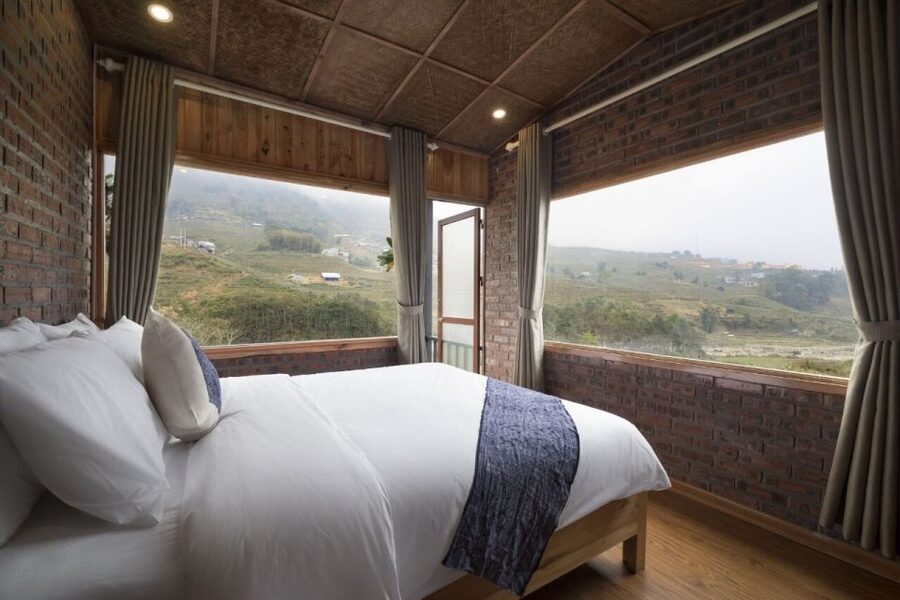
Sapa’s altitude affects the weather. Fog is possible in December, January, February, and March, and temperatures can feel cold, especially in a basic homestay. Warm clothes, a hat, and a scarf are sensible even if Hanoi feels mild when you leave.
Pack light, but do not cut the useful items:
- Hiking shoes with a good grip
- Comfortable walking clothes
- A warm layer and rain-ready clothing
- Sunscreen and sunglasses
- Insect repellent
- Passport or identification
- Cash, preferably Vietnamese dong
The itinerary may change because of weather and operating conditions. That flexibility is normal for a rural walking tour. It also means you should not treat every stop, meal format, or trail detail as fixed.
The walking is the main physical demand. Cat Cat includes a downhill route and a return climb. Day two covers a stated 9-kilometer trek, and day three brings several more hours on foot. This is not a sightseeing bus tour with short photo stops.
Who should book this experience?
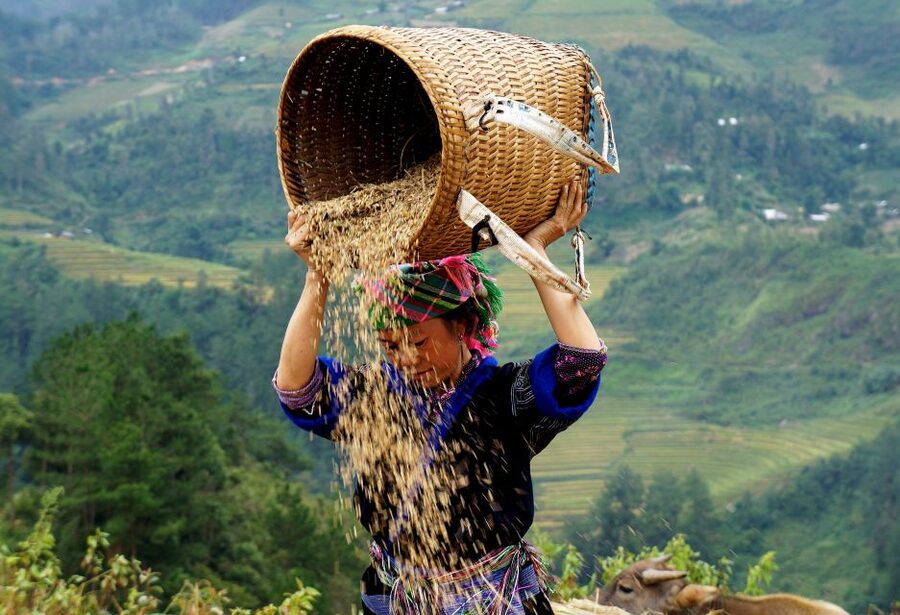
I would choose this trip if you want a structured introduction to Sapa and prefer local contact over hotel polish. It suits active adults who can handle several hours of walking, changing weather, and simple accommodation.
It is also a good choice if you are starting in Hanoi and want transport included. Organizing the bus, local guide, meals, village walks, and overnight stay separately would take more time, and the small group makes the arrangement feel less cumbersome.
I would be cautious if you are traveling with young children, have limited mobility, are pregnant, or have a pre-existing medical condition. The 9-kilometer section is specifically not recommended for older people or children, and the supplier lists pregnancy and pre-existing conditions as unsuitable.
You should also think twice if you need a private bathroom, warm hotel rooms, or a tightly controlled schedule. The homestay is basic, and the itinerary can change. Private rooms may be available for an added fee, but that does not turn the homestay into a standard hotel.
Should you book the Sapa three-day trek?
Book it if you want rice terraces, village walking, and a local overnight in one manageable package from Hanoi. The strongest parts are the small group, the H’mong and Giay village route, the home-cooked dinner, and the chance to spend time with a Dzay family.
Skip it if you want an easy holiday or luxury accommodation. The long bus rides, uphill and uneven paths, cold months, basic homestay, and possible itinerary changes are real trade-offs.
At $182, I see solid value for a fit visitor who wants a guided Sapa experience without handling the transport and meals alone. Confirm the exact hotel and homestay setup, ask about the day three picnic, and pack for cold, wet walking. With those expectations in place, this is a practical way to see Sapa beyond the town streets.
FAQ
How long is the Sapa experience?
The experience lasts three days and includes two nights, with one night in a Sapa hotel under the listed option and one night at a local homestay. Confirm the exact accommodation arrangement before departure.
Where is pickup available in Hanoi?
Pickup and drop-off are available in the Old Quarter area of Hoan Kiem district, usually around 6:30 to 7 AM. You can also meet at 6:45 AM at 9 Hang Huong, Hang Ma, Hoan Kiem, Hanoi.
What transport is used between Hanoi and Sapa?
You travel by modern shuttle bus with an experienced driver. Local car or minivan transport is used to return from the trail to Sapa on day three.
Is the tour guided in English?
Yes. The experience includes an English-speaking guide between Hanoi and Sapa and a local English-speaking guide in Sapa.
What meals are included?
The package includes three lunches, two dinners, and one breakfast. Drinks are not included. Special dietary requests should be sent before departure.
Is the homestay private?
Shared accommodation in a Dzay homestay is included. Private rooms may be available for an extra cost. Homestay facilities are not the same as hotel facilities in Sapa.
Is the trek suitable for children or older people?
The listed 9-kilometer section is not recommended for older people or children. Pregnant people and people with pre-existing medical conditions are also listed as unsuitable for this activity.
Can the itinerary change?
Yes. The route and schedule can change because of weather, water levels, and operating conditions. The trip also notes that fog can occur in Sapa from December through March.
More 3-Day Experiences in Hanoi
- From Hanoi: Trek and Stay: 3-Day Sapa Highlands Adventure
★ 4.6 · 152 reviews - Sapa 3 Days 2 Nights Trekking Tour From Hanoi (2 Nights in Hotel)
★ 5.0 · 112 reviews - Sapa: 3-Day, 3-Night Trek and Hotel with Overnight Train
★ 4.2 · 64 reviews - From Hanoi: 3 Days Luxury Sapa Trek & Fansipan Peak with Dcar
★ 5.0 · 43 reviews
Just added around Hanoi
- 8-Days Hanoi, Sapa Trekking And Halong Bay Cruise★ 5.0 · 8 reviews
- From Hanoi : Sapa Moutain Trek – Halong bay Heritage★ 4.5 · 25 reviews
- Trekking around Ha Giang 5 days 4 nights★ 3.0 · 2 reviews
- Mai Chau – Pu Luong trekking 3 days 2 nights★ 4.5 · 7 reviews
- Trekking In Ha Giang 5 Days★ 5.0 · 4 reviews
- Hanoi: 3D2N Mu Cang Chai Visit All Attractions, Trek, Ethnic Life★ 5.0 · 3 reviews
- 2-Day Trekking in Sa Pa from Ha Noi by sleeping bus★ 5.0 · 4 reviews
- 2-Day SAPA Trekking – Villages-Homestay-Ethnic-Local Food-Market★ 5.0 · 2 reviews
Homestay & Village Treks, compared.
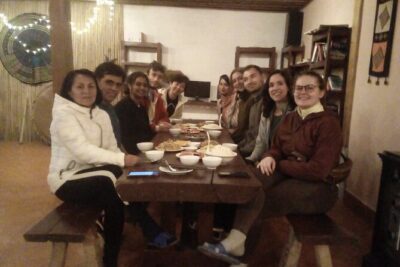
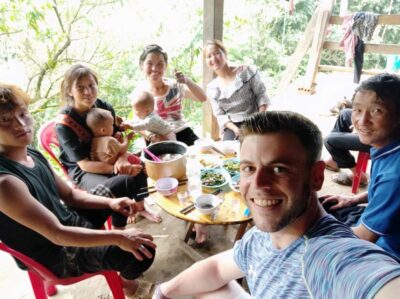
Number one top rated ethical cultural trekking and homestay by ETHOS
Read our review →
2-Day Sa Pa Ethnic Homestay Tour & Trek with Limousine Bus
Read our review →
Sapa 3 Day 2 Night Trekking With Hotel & Homestay
Read our review →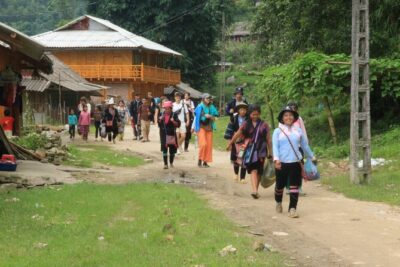
Sapa 2 Days 1 Night Overnight At Local Homestay
Read our review →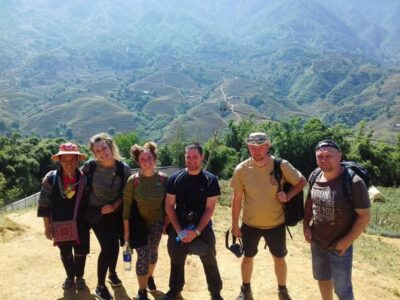
2-Day Trekking Trip with Ethnic Minority Homestay
Read our review →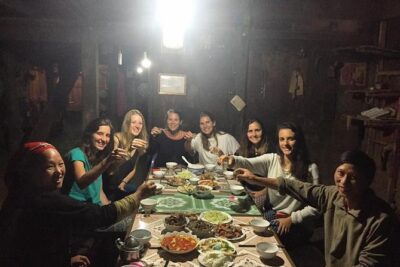
2-Day Trek & Heartwarming Homestay with an Ethnic Family
Read our review →Browse the lists this trek appears in