
Review · SAPA
Sapa 1 day trek with local guide to the village by Comlam
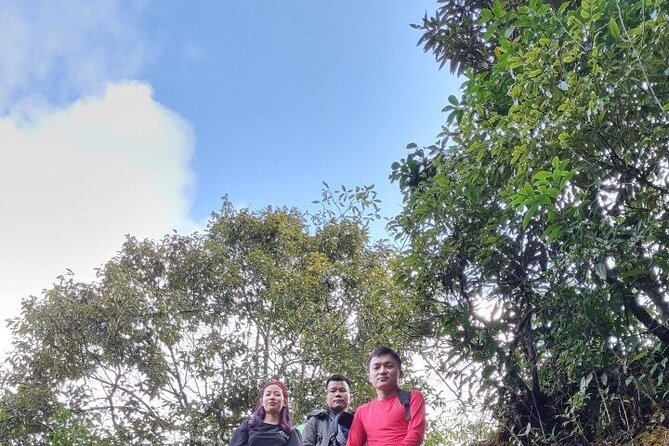
The best part of this Sapa day trek is the route itself: you leave town on foot and descend into the Muong Hoa Valley, passing rice fields, bamboo forest, waterfalls, and villages instead of seeing the area through a car window. I like the local guide format, especially since guides such as May, Mai, and Di explain plants, village life, and local culture in good English.
I also like the simple value. For $29, you get lunch, water, entrance fees, transport, and a full day on the trail. The main consideration is the terrain: this is not a flat village stroll, and wet paths can make the hike slippery and tiring.
Key points to know before booking
- The walk starts in Sapa at 9am: You head downhill toward Muong Hoa Valley, with the hardest footing likely to come from uneven and damp trails.
- Three village areas shape the route: The trek passes Ý Linh Hồ, Lao Chai, and Ta Van, with Lao Chai and Ta Van listed as the main stops.
- Local guides add the human side: May, Mai, and Di are among the guides praised for clear English, local knowledge, and a friendly manner.
- Lunch is included in Ta Van: You stop at about 1pm, then continue walking around Ta Van after eating.
- The price covers the practical extras: Lunch, one bottle of water, entrance tickets, pickup around Sapa, and private transportation are included.
- Plan for a full active day: The vehicle returns around 4:30pm, either to your Sapa hotel or the Sapa bus station.
A full day from Sapa into Muong Hoa Valley
Sapa is easy to admire from town, but the area makes more sense once you walk down into the valley. This tour gives you that change of pace. At 9am, your guide meets you at the stated meeting point at 599 Đường Điện Biên Phủ, or picks you up around Sapa, and the trek begins from town.
The route heads toward Muong Hoa Valley, described as the largest valley in Sapa. The valley is especially scenic during rice-growing season, when the fields add broad bands of color and texture to the hillsides. You also pass forest and village paths, so the day is not just a viewpoint visit followed by a quick photograph.
I like this kind of route because the scenery keeps changing. One stretch may open across rice fields, while another narrows into a wooded path. The guide can make those changes more meaningful by explaining local plants, fruits, and daily life. That personal detail matters in Sapa, where the view alone can become repetitive if you do not understand the communities living among it.
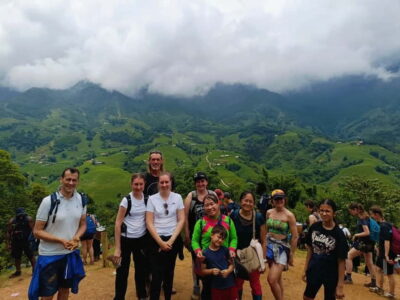
The group can include up to 17 people. That is small enough to remain manageable, but it is not a private walk for two. If you want quiet conversation with your guide at every step, ask about group size before setting out. If you prefer the reassurance and social ease of a group, the maximum is still fairly modest for a popular Sapa route.
A few more treks around Sapa worth a look
- From Sapa: 1-Day Guided Trek to Lao Chai & Ta Van with Lunch
★ 4.9 · 416 reviews - Sapa 1 Day Long Trek: Trek to Hau Thao and Sa Seng Villages
★ 4.6 · 344 reviews - 1-day Authentik trek & Panorama valley views
★ 5.0 · 189 reviews
From Ý Linh Hồ to Lao Chai on foot
The route includes Ý Linh Hồ and Lao Chai before reaching Ta Van. These village areas give you a chance to see how the valley connects fields, forest, homes, and footpaths. The guide is there to explain local culture, local people, and everyday life rather than simply point out scenery.
Lao Chai is one of the named itinerary stops, and it is part of the route through the valley rather than a separate attraction with a long formal visit. You should expect to keep moving, with pauses for views and explanations along the way. That makes the trip feel like a real walk between communities instead of a string of bus stops.
The practical detail is that the trek descends from Sapa. Downhill walking can feel easy at first, but uneven ground puts pressure on your knees and requires care. Several people who took similar routes with guides such as Di and Mai described the trail as challenging at times but worth it for the views.
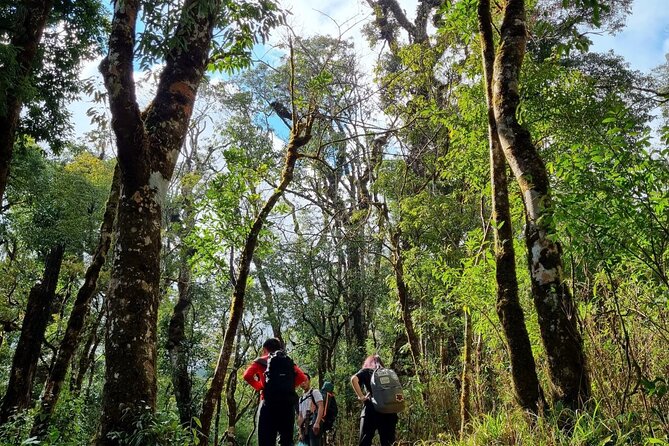
Good footwear matters here. The experience information only asks for a moderate fitness level, but that should not be read as a promise of smooth paths. Rain can make the ground slick, and one account noted getting damp during the walk. Wear shoes with a firm sole, and bring a light rain layer if the forecast looks uncertain.
Bamboo forest paths, waterfalls, and local stories
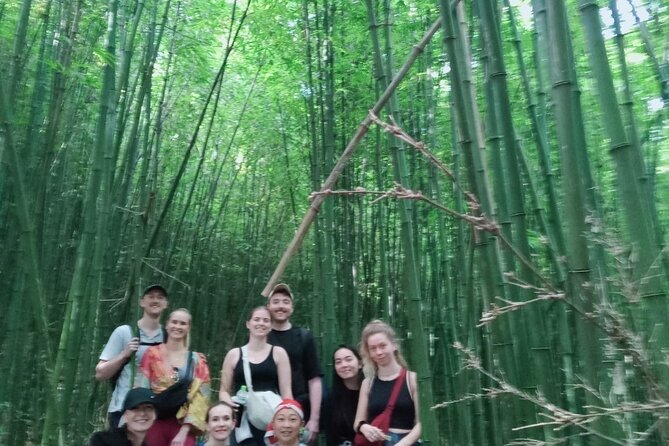
The trek includes bamboo forest sections, and the walking route may also bring you to waterfalls. These parts give the day a welcome change from the open rice fields. In the forest, the path feels more enclosed and shaded, while a waterfall adds a natural stopping point and a reason to slow down.
The guide’s role is especially useful in these sections. May was praised for explaining local plants and fruits, while other guides helped explain tribal culture and the area’s way of life. One guide, Mai, was specifically credited with teaching about the Red Dao people. Since the assigned guide can vary, you should expect the guide listed on your booking or the person assigned on the day, not necessarily one particular individual.
Names that appear in connection with this experience include May, Mai, and Di. Their reported strengths are similar: good English, warmth, local information, and an ability to keep the walk relaxed. That is important because the guide is not just leading the route. They help you understand what you are seeing and give the day its social character.
I would treat the cultural explanations as an important part of the price. Without them, the walk would still offer good scenery, but you would miss much of the reason to visit these villages on foot. The best moments may be small ones, such as learning about a plant, hearing how people live in the valley, or sharing stories with the guide about your own country.
Ta Van at lunchtime and after
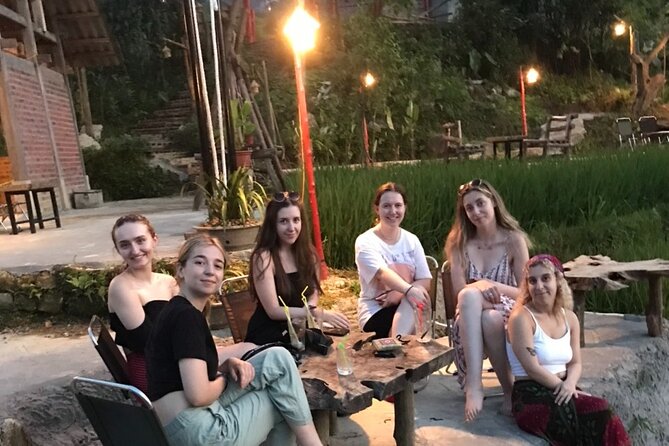
You reach Ta Van for a break and lunch at about 1pm. Lunch is included, as is one bottle of water. The meal is described as generous and decent, but the exact dishes are not specified, so you should not book this expecting a particular menu.
The timing works well. By early afternoon, you have already covered the first major section of the route, and a meal gives your legs a chance to recover. Since the walk continues after lunch, do not treat the stop as the end of the physical effort. Save some energy for the afternoon.
Ta Van is the second named stop and the place where you spend the most clearly defined break. After lunch, you continue around the village. This gives you time to see more than one restaurant or roadside view, though the available details do not promise a specific home visit, handicraft demonstration, or private cultural performance.
That lack of staging is part of the appeal. You are walking through a lived-in village, guided by someone from the area, rather than moving through a tightly scripted attraction. At the same time, you should keep expectations sensible. This is a day trek with cultural interpretation, not a full homestay or a specialist anthropology tour.
Same trailhead, a different route:
- Sa Pa: Muong Hoa Valley Trek and Local Ethnic Villages
★ 4.6 · 864 reviews - Sapa: Eco Adventure Terrace Fields and Local Villages Trek
★ 4.9 · 636 reviews - Number one top rated ethical cultural trekking and homestay by ETHOS
★ 5.0 · 456 reviews - Sa Pa Full Day Trekking Tour
★ 5.0 · 414 reviews
What the $29 price really covers
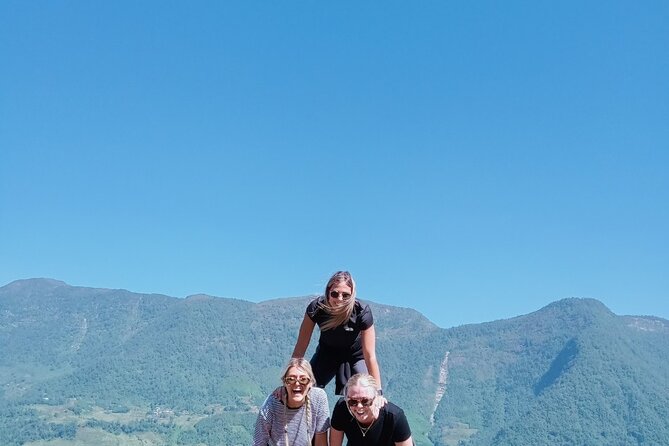
At $29 per person, this is a strong-value day if you want transport and basic arrangements handled for you. The package includes:
- Local guide
- Lunch
- One bottle of water
- Entrance ticket
- Pickup around Sapa
- Private transportation
- Return transfer to your Sapa hotel or the Sapa bus station
The value comes from combining those costs with a roughly full-day outing. You do not have to arrange a separate guide, find the trail from town, pay an entrance fee, or solve the return journey yourself.
The phrase private transportation needs a little care. It refers to the transport included in the experience, especially the vehicle that collects you after the trek. The walking group can still reach a maximum of 17 people, so do not assume the entire day is a private tour simply because transport is provided.
There is no bus pickup from Hanoi. That is not a flaw for someone already staying in Sapa, but it matters if you are building a Hanoi to Sapa trip around this activity. You need to arrange your own journey to Sapa and be at the local meeting point or eligible pickup area by the start time.
How demanding is the trek?
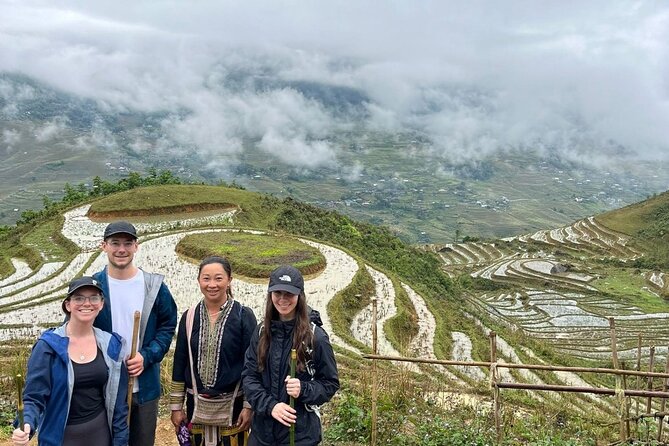
The operator gives the activity a moderate fitness requirement. That is a useful middle ground. You do not need to be an expert hiker, but you should be comfortable walking for most of a day over uneven village and forest paths.
The route includes a downhill start, bamboo forest, rice-field paths, village roads, and possible wet sections. The main challenge is likely footing rather than speed. The pace is described in one account as leisurely, but the ground can still make the walk feel demanding.
I would book this if you regularly take long walks and can handle hills without much trouble. You may also manage it with a slower pace if you are generally active. I would think twice if you have trouble with uneven surfaces, knee pain, or a strong dislike of rain and mud.
Clothing should be practical rather than stylish. Wear shoes with grip, light clothes suitable for walking, and something that protects you from rain. Since lunch and water are supplied, you do not need to carry a large food bag, but a small daypack is useful for personal items.
The guide can make or break the day
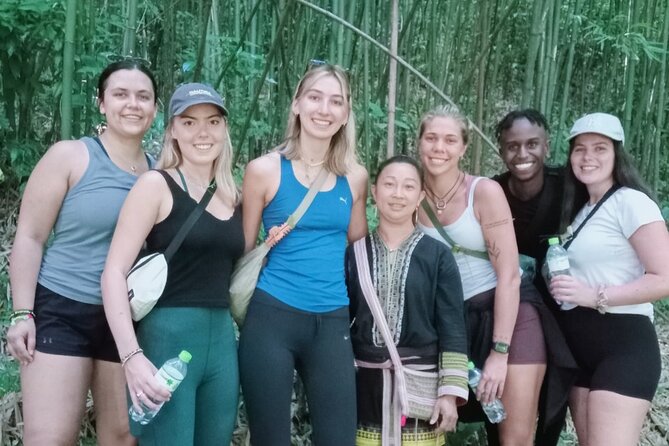
The strongest part of this experience is the guide-led format. The route has broad views, but the guide gives those views a local frame. You can ask about plants, fruits, village life, and the groups who live in the area.
May is associated with walks through quieter paths, plant explanations, and good English. Mai is praised for a relaxed pace, cultural information, and her explanations about the Red Dao people. Di is described as welcoming and well informed about Sapa and its surroundings. These names suggest a capable guiding team, though you should remember that the assigned guide may not be the person you hoped for by name.
The best guide interaction seems to come through conversation. You may talk about your home country, family, and daily life while walking. That makes the day feel less like a lecture and more like a shared outing.
The English level is described as very good, but individual communication can always vary. If a cultural detail matters to you, ask questions and give the guide time to explain. The more curious you are, the more you are likely to get from the walk.
Timing, pickup, and the return to Sapa
The day begins at 9am. Pickup is offered around Sapa, and the stated starting point is 599 Đường Điện Biên Phủ in central Sapa. Confirm the exact pickup arrangement when booking, particularly if your hotel is outside the normal pickup area.
The walk and lunch take up the middle of the day. At about 4:30pm, a car collects you and takes you back to your Sapa hotel or the Sapa bus station. The activity ends back at the meeting point area, with the return details depending on the arrangement made for you.
This timing suits a visitor with one open day in Sapa. It does not suit someone trying to catch a tightly timed onward departure, since mountain roads and the return transfer can affect your schedule. Leave a buffer after the tour if you have a train, bus, or other fixed booking.
The mobile ticket is convenient, and confirmation is provided when you book. Cancellation is free if you cancel at least 24 hours before the start time. Inside that window, the payment is not refunded and changes are not accepted.
Who should book this Sapa trek?
I would recommend it to you if you want three things in one day: valley scenery, a real walk, and local conversation. It suits first-time visitors who do not want to work out the route alone, as well as independent-minded people who still appreciate having a local guide.
It is also a good fit for anyone watching the budget. Lunch, water, entrance fees, and transport make the $29 price easier to justify than a bare guiding fee. Families with older children may enjoy it, especially since one account describes walking with children at a comfortable pace, but every member of the group should be ready for uneven ground.
You may want another option if your priority is luxury transport, a private itinerary, a short easy stroll, or a highly specialized cultural program. The group can reach 17 people, the food menu is not specified, and the trail may be wet or challenging.
Should you book this tour?
Book it if you want to walk from Sapa into Muong Hoa Valley, see rice fields and bamboo forest, visit Lao Chai and Ta Van, and hear about local life from a guide such as May, Mai, or Di. For $29, the inclusion of lunch, water, tickets, and transport gives it very good practical value.
Skip it if you need a gentle, fully private outing or have a fixed departure soon after 4:30pm. For most active visitors with one free day in Sapa, this is a sensible way to trade the town streets for valley paths and a closer look at village life.
FAQ
Where does the Sapa trek start?
The stated meeting point is 599 Đường Điện Biên Phủ, TT. Sa Pa, Sa Pa, Lào Cai 330000, Vietnam. Pickup is also offered around Sapa.
What time does the tour begin?
The guide picks you up at 9am, and the trek starts from Sapa town.
Which villages does the route visit?
The route passes Ý Linh Hồ, Lao Chai, and Ta Van. Lao Chai and Ta Van are listed as the main itinerary stops.
Is lunch included?
Yes. Lunch is provided in Ta Van at about 1pm, and one bottle of water is included.
How do I return to Sapa after the trek?
A car collects you at about 4:30pm and takes you back to your Sapa hotel or the Sapa bus station.
How fit do I need to be?
You should have a moderate level of physical fitness. The walk includes rice-field paths, bamboo forest, village routes, and uneven terrain.
Is transportation from Hanoi included?
No. Bus pickup from Hanoi is not included. You need to arrange your own transport to Sapa.
Just added around Sapa
- Sapa: Private The Most Beautiful Terraced Fields Trekking★ 4.8 · 42 reviews
- Soob Sapa Trekking Tour★ 4.3 · 3 reviews
- Sapa Trekking – Waterfalls And H’mong Villages★ 5.0 · 2 reviews
- Sapa3D2N TrekkingAdventures,Valleys,Bambooforest,Waterfall★ 4.8 · 24 reviews
- Sapa: Trekking Through Terraced Rice Fields & Valley 1 Day★ 4.8 · 4 reviews
- Sapa: Trekking Sapa One Day With Group Tour★ 4.7 · 55 reviews
- Sapa: Y Linh Ho – Lao Chai, and Ta Van Trekking Day Tour★ 5.0 · 25 reviews
- Sapa Trekking Private Tour With Ethnic Female Tour Guide★ 4.9 · 24 reviews
Sapa Trekking Tours, compared.
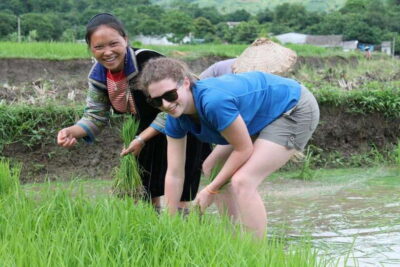
Muong Hoa Valley Trek and Local Ethnic Villages
Read our review →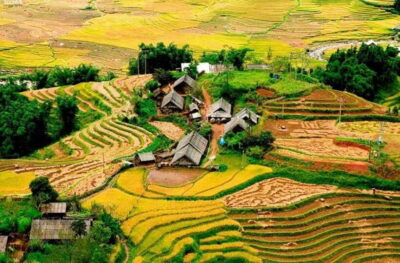
Eco Adventure Terrace Fields and Local Villages Trek
Read our review →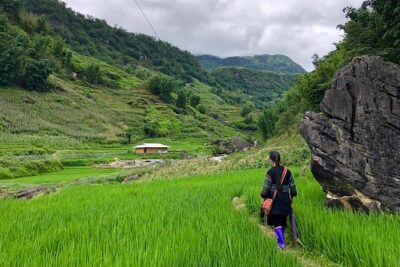
Number one top rated ethical cultural trekking and homestay by ETHOS
Read our review →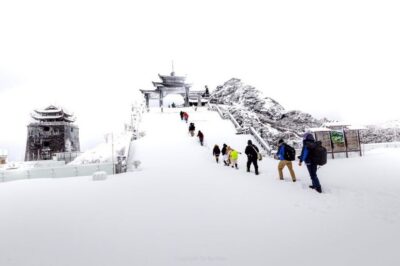
1-Day Guided Trek to Lao Chai & Ta Van with Lunch
Read our review →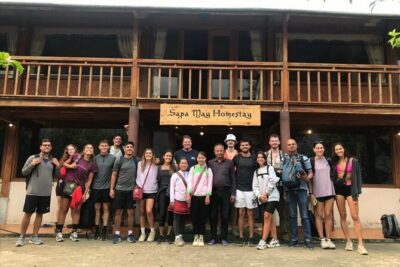
Sapa 1 Day Long Trek: Trek to Hau Thao and Sa Seng Villages
Read our review →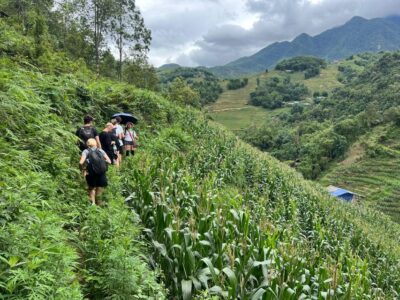
Explore Sapa by TrekkingAdventures, Mountain,Rice fields
Read our review →
EXPLORE SAPA: 2D1N TREKKING & HMONG CULTURE WITH DINH
Read our review →Browse the lists this trek appears in